01 — Pillar · Hunting
Expert guides and Q&A about connecticut turkey.
Q&A in this topic
60 total
Electronic turkey calls are legal in Connecticut hunting for turkey hunting seasons, but there are some restrictions and guidelines to follow.
Consuming wild turkey can pose health risks due to potential bacterial contamination, parasites, and heavy metal exposure. These risks are particularly concerni
In Connecticut, turkey hunting equipment restrictions include the use of only non-toxic shot when hunting with firearms, and the prohibition of baiting and hunt
In Connecticut, youth turkey hunters are subject to certain regulations, including a shorter season and a lower bag limit. They must also be accompanied by a li
Concealed carry laws in Connecticut permit turkey hunters to carry a handgun in certain circumstances, but with specific requirements and restrictions. Connecti
Yes, some states offer designated youth hunting days for turkeys, which can vary by state and season. In Connecticut, for example, there are specific spring tur
Yes, turkey hunting during the spring season has regulations that vary by state and region, including bag limits, season dates, and hunting hours.
There are restrictions on using multiple calls when turkey hunting in Connecticut, where hunters are generally allowed to use one call at a time, but some excep
Yes, there are specific areas of public land known for turkey populations, particularly in states like Connecticut, where the wildlife agency manages habitats a
PUBLIC LAND TURKEY HUNTING HOTSPOTS EXIST IN CONNECTICUT, PRIMARILY FOCUSED ON PUBLIC LANDS SUCH AS THE HARTFORD WILDLIFE MANAGEMENT AREA AND THE SALMON BROOK W
Yes, Connecticut offers youth hunting days for turkey hunting. These days are designed to give young hunters experience and a chance to harvest a turkey in a co
In Connecticut, turkey hunting permits are required for public land access, but the specific regulations and requirements can vary depending on the time of year
In Connecticut, the best locations for spring turkey roosting typically involve large hardwood forests with mature trees, often near water sources such as river
In late season turkey hunting, it's essential to use a more aggressive and realistic calling strategy, focusing on sounds that mimic a hen in distress or a youn
When hunting pressured turkeys in Connecticut, employ stealthy approaches, use calling techniques that mimic early season sounds, and target areas with minimal
In Connecticut, the best times for turkey hunting are typically during the early morning hours, around dawn, and the late afternoon to early evening. These peri
For Connecticut's woods and fields, the best turkey calls are high-pitched box calls or mouth diaphragm calls that mimic the loud, high-pitched yelps of Eastern
The best turkey hunting apps for Connecticut hunters include HuntStand, OnX Maps, and Pathify. These apps offer detailed topographic maps, public and private la
Yes, you can carry a sidearm while turkey hunting in Connecticut, but you must have a valid permit to carry a handgun.
Yes, you can find reliable turkey hunting guides in Connecticut through local outfitters and guides with experience in the state's public and private hunting la
In Connecticut, turkey hunting is primarily done with a shotgun, but rifles are allowed for specific circumstances.
In Connecticut, crossbows are allowed for turkey hunting, but only during the archery season, and with specific restrictions.
Yes, you can hunt turkeys without a dog in Connecticut, but be prepared to rely on your own senses and tracking skills to locate birds.
In Connecticut, it is generally allowed to hunt turkeys with a bow sighted for turkeys, but check the specific regulations for the season and location you plan
Harvested turkeys can be legally transported across state lines, but their transportation is regulated by state and federal laws, particularly the Migratory Bir
Yes, you can participate in turkey hunting workshops in Connecticut, which are usually offered by the Connecticut Department of Energy and Environmental Protect
Yes, you can use a .410 shotgun for turkey hunting in Connecticut, but it's essential to note that it may not be the most effective choice due to its limited ra
Yes, you can use a call during the silent period for turkey hunting, but exercise caution not to overdo it, as it can be a giveaway to the birds. Keep calls sho
You can use a hunting blind for turkey hunting in Connecticut, however, be aware of the regulations regarding blind placement and use. In Connecticut, you are a
Yes, you can use a hunting dog for turkey retrieval in Connecticut. However, you must first obtain a permit from the Connecticut Department of Energy and Enviro
Yes, you can use a shotgun with 6 shot for turkey hunting in Connecticut, but it's not the most effective choice. The state's wildlife regulations allow for sho
Yes, you can use a shotgun with a plug for turkey hunting, but the plug must be removed or adjusted to allow the required 12-inch minimum length.
Using bait to attract turkeys in Connecticut is permitted, but it's essential to follow the regulations and use it responsibly to avoid stressing the birds and
Yes, you can use decoys during the fall turkey season in Connecticut, but there are specific regulations to follow.
You can use a non-resident hunting license from another state in Connecticut, but you must have a valid non-resident big game license for the specific season an
Private land owners in Connecticut can restrict turkey hunting access through the use of \
Urban areas can provide surprising turkey hunting opportunities in states like Connecticut, where habitat diversity and human activity can support a strong turk
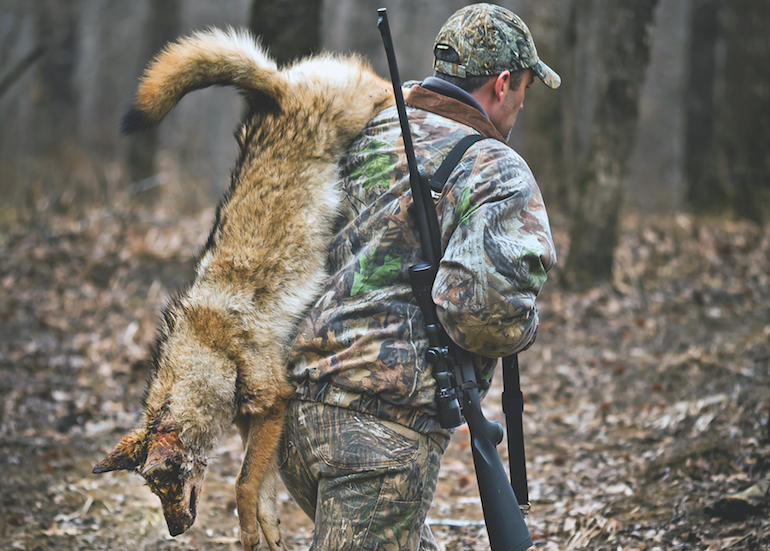
Short answer: In Connecticut, common predators of wild turkeys include coyotes, foxes, and hawks, which pose a significant threat to turkey populations, particu
Spring turkey hunting in Connecticut typically takes place during the breeding season, when toms are more active and vocal, while fall turkey hunting occurs aft
Yes, connection calls work better for turkeys at dusk, as this time of day allows the vocalizations to travel longer distances and be more easily heard by the t
Yes, in Connecticut, you are required by law to report your harvested wild turkey within 7 days of the close of the spring or fall season.
No, you don't need a confirmation number for harvested turkeys in Connecticut, but you are required to report your harvest within 24 hours.
Changes in vegetation significantly impact turkey movement in the spring, as they seek food, cover, and suitable breeding grounds. In Connecticut, the turkey's
Connecticut turkeys are highly sensitive to weather patterns, which significantly affect their behavior. Rainy days often keep them in thick cover, while sunny
Hunting pressure in Connecticut affects turkey behavior by causing them to become more vigilant and nocturnal, as they adjust to avoid hunters. This results in
The breeding season has a significant impact on turkey hunting success in Connecticut, as gobbling frequencies peak during peak breeding periods, typically in A
Terrain plays a crucial role in turkey hunting, influencing strategies by dictating cover, concealment, and vantage points. Understanding the lay of the land al
The weather significantly impacts turkey hunting success rates, with optimal conditions typically occurring during early morning and late afternoon when tempera
Aim for a distance of at least 200 to 300 yards from roads to minimize disturbance and ensure a successful turkey hunt.
Recovery times for a hunted turkey can vary depending on several factors, but typically range from 2 to 4 hours, and sometimes longer, especially in dense or di
In Connecticut, the daily bag limit for turkeys is 2 birds, and the season typically runs from mid-April to mid-May. However, specific dates and regulations may
Scout public land before turkey hunting by researching property boundaries, habitat types, and known turkey activity. Visit the land during the off-season to ob
Choose a turkey choke with a constriction of 0.740 inches or less to effectively reduce shot spread at longer ranges, allowing for more accurate shots on Connec
To identify a male turkey in the wild, look for a large bird with a red wattle, long beard, and loud gobbling sounds. Males typically have a darker, more irides
To improve your turkey calling skills, practice different sounds and tones, observe and learn from other callers, and focus on the nuances of the Eastern wild t
To locate turkeys in Connecticut, hunters should focus on understanding the state's habitat and using techniques such as scouting, listening, and movement track
To optimize turkey calls for different times of day, use low, raspy calls in the morning, high-pitched yelps in the late morning, and clucks and purrs in the af
STAY CONCEALED BY CHOOSING THE RIGHT TURKEY HUNTING SPOT AND FOLLOWING STEALTHY MOVEMENT TECHNIQUES IN DENSE WOODS.
To track turkeys in an area without recent sign, look for subtle indicators such as scrape lines, faint wing scratches, and areas of disturbed vegetation. Scout
Yes, archery equipment is allowed for turkey hunting in Connecticut, but there are specific regulations to follow.