01 — Pillar · Hunting
Expert guides and Q&A about coues deer arizona.
Q&A in this topic
60 total
Coues deer are more active during dawn and dusk in Arizona, with peak activity times typically occurring between 30 minutes to 1 hour before and after sunrise a
Coues deer hunting in Arizona raises specific ethical concerns, particularly regarding overhunting, habitat disturbance, and human-deer conflicts. These concern
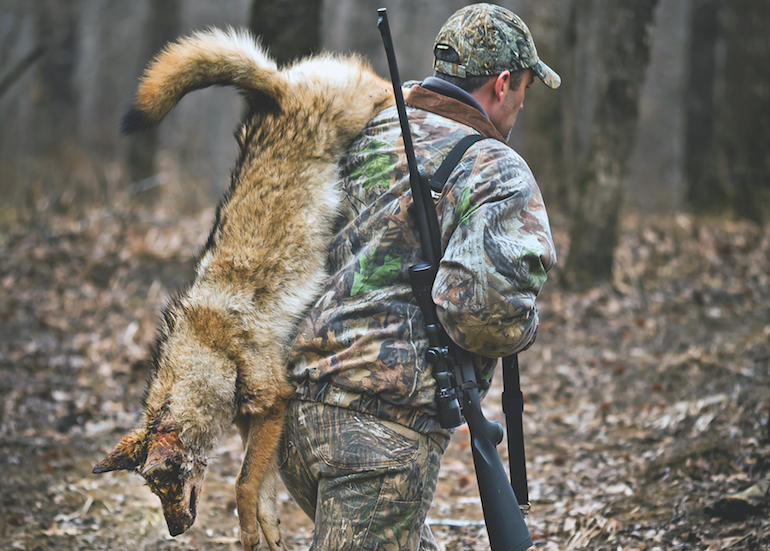
For Arizona coues deer hunting, the best camo patterns are Mossy Oak Break-Up Country, Realtree AP, and Edge. These patterns offer effective concealment in the
For optimizing glassing conditions for Coues deer, the best color filters are those that reduce glare and enhance visibility in bright, Arizona sunlight. I reco
To keep Coues deer away from crops or gardens, consider using non-lethal deterrents such as motion-activated sprinklers, electric fencing, or repellents contain
When hunting Coues deer in Arizona, effective camouflaging involves understanding the terrain, selecting the right clothing and gear, and blending in with the s
After killing a Coues deer in Arizona, it's essential to handle the carcass with care, dressing the animal as quickly as possible to prevent spoilage, and field
Ethical Coues deer hunting practices include prioritizing hunting in areas with minimal human impact, adhering to bag limits and reporting harvests, and avoidin
Field dress Coues deer promptly and humanely, making the first incision just behind the head and cutting carefully down to the anus, then removing organs and en
When it comes to taking accurate shots on Coues deer in Arizona, a rangefinder is an essential tool. Look for a high-quality model with a minimum of 600 yards o
When hunting Coues deer alone, prioritize situational awareness, use proper safety gear, and establish a reliable communication plan. Always carry a two-way rad
During the rut, Coues deer are most active in areas with concentrated food sources, such as oak and mesquite groves. Effective hunting strategies involve using
The best time of day for spotting Coues deer is during the early morning hours, typically between 30 minutes before sunrise and 2 hours after sunrise, when they
The best time to hunt Coues deer in Arizona is during the winter months, typically from mid-December to mid-February, when the deer congregate in lower elevatio
The best weather conditions for using high-end optics on Coues deer are early morning and late afternoon in mostly clear skies with minimal wind, typically in N
Coues deer can be lured with attractants, but their effectiveness is often limited due to the species' strong wariness and unique habitat requirements.
Experienced hunters can spot Coues deer with binoculars alone, but it requires a high level of skill and knowledge of the deer's habitat and behavior. Binocular
Glassing optics can be a valuable tool in identifying Coues deer age and health, particularly when used in conjunction with knowledge of deer behavior and habit
Hunting pressure can significantly impact Coues deer behavior in Arizona, causing them to alter their movements and habitats in response to human activity.
Coues deer movement can be influenced by various terrain features in Arizona. Identifying these features can help hunters anticipate and track deer movement pat
Trail cameras can greatly enhance Coues deer hunting success by providing valuable information on animal behavior, habitat, and movement patterns.
Using a spotting scope can significantly improve your chances with Coues deer by allowing for longer-range observations and more precise assessments of deer beh
Coues deer behavior can be significantly influenced by weather conditions in Arizona. Extreme heat, cold, and precipitation can alter their movement patterns, h
Yes, you can hunt Coues deer at night with thermal optics, but it requires expertise and specific gear.
In Arizona, you can hunt Coues deer on private land without permission from the landowner if you have a valid tag and follow the necessary reporting requirement
COUES DEER CAN BE HUNTED RESPONSIBLY IN NEWLY DEVELOPED AREAS, BUT IT REQUIRES ADEQUATE KNOWLEDGE OF HABITAT, BEHAVIOR, AND CONSERVATION PRACTICES TO MINIMIZE I
Yes, it's possible to successfully hunt Coues deer during the rut, but it requires a deep understanding of the deer's behavior and habitat.
Yes, it is possible to successfully hunt Coues deer with a bow, given the right equipment and skills. This requires knowledge of their habitat, behavior, and th
Yes, a drone can be a valuable tool for scouting Coues deer areas, offering a bird's-eye view of the landscape and identifying potential habitats, water sources
Traditional archery equipment can be used for Coues deer, but it's crucial to consider the terrain, weather, and deer behavior in Arizona, where Coues deer are
Challenges Of Hunting Coues Deer In Open High Desert: Hunting Coues deer in the open high desert of Arizona can be challenging due to extreme heat, limited cove
Common Mistakes When Hunting Coues Deer In Arizona include overestimating the size of the area they inhabit, failing to adapt to changing weather conditions, an
For beginners, the best techniques for Coues deer hunting in Arizona involve understanding their habitat, behavior, and patterns, with a focus on early morning
Coues deer behavior patterns may change when using advanced optics, as they can detect and react to the magnified presence of humans, potentially altering their
Coues deer in Arizona tend to prefer certain forage in different seasons, with specific plants becoming more palatable as the seasons change.
Coues deer tend to prefer dense cover, often found in areas with juniper, oak, and pine trees, as well as thick shrublands. They use these areas for cover and a
Coues deer respond well to rattling techniques, especially during the rutting season. This method can be particularly effective in Arizona's Sonoran Desert wher
Yes, different elevations affect Coues deer visibility when glassing, with higher elevations offering clearer views due to reduced vegetation and increased visi
Yes, hunting regulations for Coues deer vary across Arizona, with differences in bag limits, season dates, and unit-specific restrictions. These regulations are
In Arizona, a special permit is required to hunt Coues deer, but it's not a standard license. The permit is usually awarded through a limited draw process, whic
Effective calling techniques for Coues deer involve using soft, high-pitched sounds that mimic fawns or does in distress, and using a mouth call or diaphragm ca
For high desert Coues deer hunting, essential features of glassing optics include high magnification, wide field of view, and durable construction to withstand
For effective glassing in Arizona's high desert for Coues deer, you'll need a quality spotting scope, binoculars, and a steady tripod to help you pick out these
Coues deer navigate high desert terrain by using a combination of olfactory cues, visual landmarks, and topographic features to locate water sources, food, and
Coues deer in Arizona are generally wary of human activity, requiring a long-distance approach of at least 100 yards to avoid detection. They possess a heighten
Coues deer in Arizona can be challenging to spot due to their small size and habitat, making long-distance glassing crucial. A good pair of optics can make all
Scent control products can be moderately effective for Coues deer in Arizona, but their impact is heavily dependent on the specific product, application method,
Scout for Coues deer every 7-10 days during peak rutting season, which typically occurs in late October and early November in Arizona, and every 14-21 days duri
To avoid spooking Coues deer while glassing, move slowly and deliberately, keeping a low profile, and use high-powered binoculars to scan the area without start
When hunting Coues deer in Arizona, choose ammo with a flat trajectory and sufficient kinetic energy to take down the deer quickly. Opt for a caliber with a dia
When choosing a spot for glassing Coues deer in Arizona, look for areas with reliable water sources, dense vegetation, and terrain that forces deer to funnel th
To handle a Coues deer after harvest, approach the animal calmly and humanely, and aim for a precise shot to minimize suffering. If you're successful, immediate
COUES DEER RUBS AND SCRAPES CAN BE IDENTIFIED BY LOOKING FOR DISTINCTIVE TREE MARKINGS AND GROUND IMPRESSIONS, CHARACTERIZED BY BRANCHES BROKEN OFF AT SPECIFIC
To improve your glassing skills for Coues deer, practice identifying key features such as antler shape, coat color, and body size from a distance. Develop a con
To maintain your equipment for Coues deer hunting in Arizona's harsh desert environment, regularly clean and lubricate moving parts, inspect and replace worn-ou
When hunting Coues deer on public land in Arizona, it's essential to have a solid understanding of the terrain, use topographic maps to identify key areas, and
Coues deer tracks in the high desert can be identified by a unique set of characteristics, including a narrow and elongated shape, a rounded toe pad, and a gait
After a shot, slowly and calmly approach the Coues deer to avoid spooking it, keeping your rifle or bow at the ready in case it makes a sudden movement. Move fo
To effectively scout Coues deer areas, consider aerial photography, on-foot reconnaissance, and analysis of terrain features such as water sources, bedding area
A magnification of 3-5x is ideal for spotting Coues deer in Arizona, providing a balance between visibility and field of view.