01 — Pillar · Hunting
Expert guides and Q&A about glassing mule deer.
Q&A in this topic
60 total
Certain colors can be more effective for spotting deer in the field, such as earth tones and muted colors that blend with the surroundings.
Lightweight tripods can be effective for glassing mule deer, but they may not offer the same level of stability as heavier options. The key is to find a balance
Mule deer are more visible during certain lunar phases, particularly during the new moon phase or crescent moon phase, when the darkness makes it easier to spot
Yes, several optics brands are known for superior glassing for deer, including Leupold, Zeiss, and Swarovski, with their high-quality lenses and optical enginee
Yes, several optical brands specialize in high-quality hunting gear, including Leupold, Vortex Optics, and Bushnell, known for their binoculars, spotting scopes
Using tripods for glassing raises ethical considerations, as it can compromise animal behavior and habitat, potentially altering the hunting experience and impa
When hunting deer, it's essential to wear or use camouflage patterns that help conceal yourself from their keen senses. Earth tones and muted colors can be effe
Yes, specific deer calls can enhance the glassing process by imitating the sounds of a fawn or a doe's distress call, drawing deer closer and making them more v
Grid sizes of 50x50 yards or 25x25 yards often work well for glassing mule deer, providing a balance between coverage and detail observation.
When glassing mule deer in winter, it's essential to look for specific signs of activity, such as tracks, scat, and recent bed sites, and to focus on areas with
For mule deer hunting, the best binoculars offer high magnification, wide field of view, and robust build to withstand harsh environments. I recommend the Zeiss
The best locations for glassing mule deer in the Southwest include the high desert plateaus and mountainous regions of Arizona, New Mexico, and Colorado, where
The best times to glass mule deer in the mountains are typically during the early morning hours, around dawn, and again in the late afternoon to early evening,
A beginner can effectively use the grid method for glassing with practice and patience, breaking down the landscape into manageable sections and systematically
Yes, brightness settings on your optics can significantly affect glassing performance, especially when observing dimly lit or backlit subjects.
Deer behavior can indeed predict their movement when glassing, allowing hunters to anticipate and prepare for potential encounters.
Experience in glassing can influence deer behavior over time as deer become accustomed to the presence of hunters and develop avoidance patterns.
Yes, you can combine the grid method with other deer tracking techniques to increase your chances of success. This can include using observation skills, trackin
While it's possible to glass mule deer at night, the effectiveness depends on various factors, including the quality of your gear and the ambient light conditio
Yes, adjusting your glassing elevation can significantly improve your success in spotting mule deer, as it allows you to cover more terrain and identify potenti
Yes, successfully glassing mule deer from a vehicle is possible, but it requires patience, a good understanding of deer behavior, and the right equipment.
Yes, you can use smartphone adapters with your tripod-mounted optics, but ensure the adapter is compatible with your specific binoculars or spotting scope and s
You can use the grid method effectively in varying terrain, but it requires adjustments. The grid method is a technique used for hunting mule deer, where you cr
The grid method can be used without formal training or experience, but requires patience, practice, and a basic understanding of the terrain and animal behavior
Yes, noise from your gear can affect your glassing success, making it difficult to spot game or alert them to your presence, ultimately spoiling your hunt.
Weather conditions can significantly impact your glassing success for mule deer. Clear skies and calm winds are ideal for spotting mule deer from a distance.
Spotting scopes and binoculars differ primarily in magnification, image stability, and field of view. Spotting scopes offer higher magnification, often 15x to 6
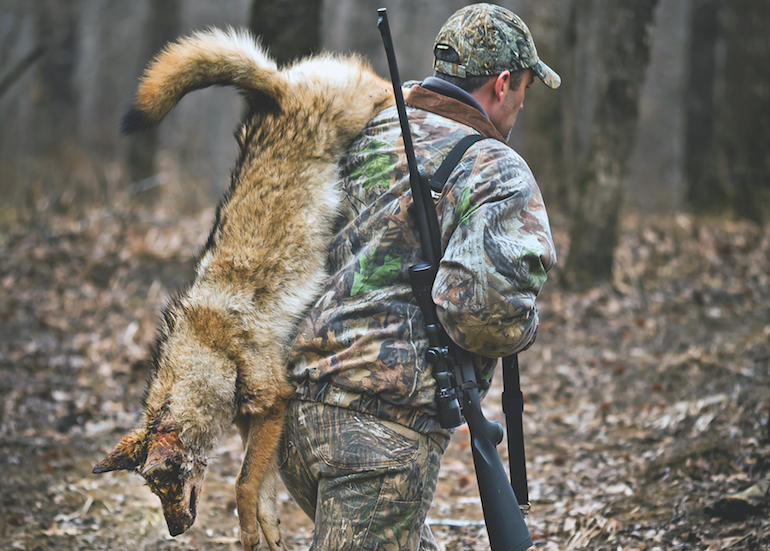
Coyotes can pose a risk while glassing for mule deer, particularly if they are habituated to human presence, as they may approach or follow hunters in search of
Mule deer change their feeding patterns with the seasons, depending on food availability and weather conditions.
Mule deer exhibit different movement patterns during the rut, with increased activity at dawn and dusk, and more frequent visits to known rub sites.
Mule deer generally prefer open fields during the day, where they can feed on grasses, browse, and other vegetation without being easily spooked by predators.
Glassing near water sources can increase the likelihood of spotting mule deer, particularly during early morning and evening hours when they tend to congregate
Hunting pressure affects deer visibility when glassing, as increased activity often pushes deer into more secure areas, reducing visibility, but deer also becom
Scent control is not a major concern when glassing for deer, as you are observing them from a distance without making direct contact.
Yes, sunlight angle impacts visibility during midday glassing, with the worst visibility typically occurring at noon when the sun is directly overhead.
The time of year indeed influences the effectiveness of glassing, with optimal conditions during the rutting season when mule deer tend to congregate and move m
Using a red filter can improve night-glassing for deer by enhancing contrast, reducing glare, and allowing for better visibility of animal movement in low-light
Light intensity significantly affects glassing opportunities as it determines the visibility of game animals, with optimal conditions typically occurring during
The grid method is a technique that helps determine deer movement patterns by visually observing and recording the trails and paths that deer use over time. Thi
The grid method involves dividing a hunting area into smaller sections to methodically scan for deer, allowing you to cover more ground and increase your chance
Deer movement during glassing is heavily influenced by the type of vegetation, which can either provide cover or expose them to predators, with open areas and t
Topography significantly affects deer visibility while glassing, with steep slopes and dense vegetation often blocking or obscuring views, while low-lying areas
To maintain your optics for long-lasting performance, regularly clean and inspect the lenses, store them in a dry case when not in use, and avoid extreme temper
To adjust your optics for varying distances while glassing, use the parallax shift method by placing the target at different positions within the crosshairs and
To best utilize a spotting scope for distant mule deer, establish a stable shooting position, adjust the scope's magnification and focus for clear visuals, and
Properly calibrate your optics by adjusting the diopter to match your shooting eye and ensuring the reticle is centered in the image plane, typically within 1/4
Identify mule deer by their large ears, dark eyes, and white rumps visible from a distance. White-tailed deer are characterized by their white underside of thei
Change your glassing location when you've spent 45 minutes to an hour in one spot without spotting any game, or when the sun's position changes and you can no l
Minimize movement while glassing for mule deer by using a tripod, sitting still, and scanning the horizon slowly with your binoculars or spotting scope, ideally
To properly scan an area using the grid method, divide the area into a series of rectangular sections, starting from the center and working your way outward. Us
To set up a tripod for optimal glassing angles, position the legs at a 45-degree angle to create a stable and level platform, allowing for unobstructed views in
A lightweight tripod can be stable for short periods of glassing, but for extended hours, stability issues may arise due to wind, terrain, and user fatigue.
Glassing alone can be effective, but having a partner increases your chances of spotting and stalking game, allowing for more efficient use of time and better d
Glassing from a high point is more effective for mule deer due to a longer viewshed and increased visibility of potential habitats, making it easier to spot the
Glassing from the same spot multiple times can be effective, but it may also lead to missed opportunities due to the limited vantage point and the animals' abil
Using binoculars and a spotting scope together can enhance your glassing experience, allowing for both close-range observation and long-range scanning, ultimate
Glassing from a distance using tripods is generally considered an ethical practice, as long as the hunter remains within their state's legal boundaries and resp
Following local regulations is crucial while glassing for mule deer to ensure a successful and lawful hunting experience.
Using filters on optics can reduce glare, improve contrast, and make observations more comfortable in bright conditions, but in some cases, they might not signi
For beginners, investing in premium glassing optics may not be the most cost-effective choice, but it's worth considering if budget allows and you plan to hunt