01 — Pillar · Hunting
Expert guides and Q&A about hare arctic.
Q&A in this topic
60 total
Using snowshoes for Arctic hare hunts provides advantages in traversing deep snow, covering long distances, and accessing remote areas that would be difficult o
Eating Arctic hares poses minimal health risks to humans, but improper preparation or consumption of certain parts can lead to gastrointestinal issues or allerg
Specific tracking techniques for Arctic hares include following their unique gait patterns, observing the shape and depth of their tracks, and using vegetation
Yes, experienced guides are available for arctic hunts, offering valuable knowledge and logistics support to ensure a successful and safe experience. These guid
Yes, special permits are required for guided Arctic hunts due to the remote and sensitive nature of the environment. These permits often involve lengthy applica
Yes, tundra hunting has special regulations due to the fragile and protected nature of the habitat. Permits and licenses may be required, and there may be restr
Yes, there are specific seasons for hunting Arctic hares, typically during the winter months from December to March, when their white coats provide camouflage a
Benefits Of Using A GPS Device While In The Tundra: Using a GPS device while hunting in the tundra can increase your chances of finding and stalking prey, reduc
For capturing Arctic hunting adventures, invest in a rugged, cold-resistant camera with optical zoom and image stabilization. A 4K-resolution, weather-sealed ca
Hunters should prioritize stealth and mobility in the Arctic environment, using snowshoes and camouflage to track prey undetected. A portable shelter and warm c
Arctic hares in Alaska can be found in the northern and northeastern regions, including the Arctic National Wildlife Refuge, Gates of the Arctic National Park,
For navigating tundra hunting areas, I recommend using topographic maps with a scale of 1:63,360 or 1:24,000, which provide detailed information on terrain feat
To effectively call Arctic hares, focus on using high-pitched sounds, mimicking their alarm calls, and maintaining a steady pace to keep them engaged. A consist
When photographing Arctic hares in the wild, it's essential to approach them quietly, use a telephoto lens to maintain a safe distance, and be prepared for rapi
The best time for Arctic hare hunting trips is typically early morning, just before sunrise, when the hares are most active and least alert. This usually occurs
The best time for Arctic hare hunts is during the winter months, typically from late November to mid-February, when the hares are most active and vulnerable due
Arctic hare hunting trips can be done year-round, but the best times are during the summer and early fall when the hares are most active, or during the winter w
Arctic Hares can be found near water sources, but they tend to prefer areas with low vegetation and access to open spaces for escape and foraging.
Electronic calls can effectively lure Arctic hares, particularly if the calls mimic the sounds of their natural predators, such as wolves or owls, which can tri
Hunting Arctic hares can contribute to conservation efforts by maintaining a balance of the population, which in turn helps to preserve the habitat and ecosyste
Social media can be a valuable resource to find hunting partners for Arctic trips, allowing you to connect with experienced outdoorsmen and women from around th
Arctic hares can be eaten raw, but it is essential to follow proper handling and preparation procedures.
Yes, in some jurisdictions and with specific regulations, hunting Arctic hares from a vehicle is allowed, but it's crucial to check local laws and ensure compli
Yes, but with limitations. A .22 caliber rifle is sufficient for hunting Arctic hares, but it's crucial to use the right ammunition and follow local regulations
Yes, you can hunt arctic hares with a bow, but it requires specialized skills and equipment due to the remote and harsh Arctic environment.
Yes, experienced hunters can successfully hunt Arctic hares in blizzards, but it requires specific skills, gear, and knowledge of the terrain.
Hunting Arctic hares with decoys can be an effective approach, particularly during the winter months when their white coats blend in with the snow-covered lands
Air rifles can be used to hunt Arctic hares, but the effectiveness largely depends on the accuracy and power of the air rifle, as well as the hunting conditions
Utilizing hunting dogs for Arctic hare pursuits is feasible, but requires careful consideration of the dogs' breed, training, and the harsh arctic environment.
Hunting Arctic hares in extreme conditions poses challenges such as navigating through dense snowstorms, avoiding predators, and tracking hares in their natural
One common misconception about hunting Arctic hares is that they are solitary animals; in reality, they live in small family groups. Another misconception is th
Arctic Hares primarily shift to a diet of lichens, mosses, and other low-growing vegetation during the harsh winter months due to the scarcity of their usual di
Arctic hares have several predators in their natural habitat, including Arctic foxes, snowy owls, and brown bears.
Arctic Hares typically breed in the summer months, with a peak mating season in July or August. This allows their kits to be born in the spring, giving them a h
Arctic Hares prefer certain vegetation in their diet, such as lichens, mosses, and grasses. They also eat the buds, twigs, and leaves of shrubs and trees. In th
Arctic hares prefer open areas, where they can see potential predators from a distance and respond accordingly, often relying on their speed and agility to esca
Arctic Hares typically travel alone, but they may occasionally gather in small groups during mating season or when competing for food.
Arctic hares do use specific trails when moving, primarily to conserve energy and navigate through their vast, snowy habitats.
Hare behavior is significantly impacted by weather conditions during hunts, particularly in arctic environments. Hares adjust their daily routines in response t
For an Arctic hare expedition, you'll need gear that provides warmth, protection from harsh weather, and mobility. Bring layers of insulating clothing, a waterp
Experienced Hunter Tips For Arctic Hare Season involve knowing the specific terrain, hunting in small groups, and using the right gear, such as thermal scopes a
Arctic hares adapt to their cold environment by changing their fur color, growing thick coats, and relying on their fat reserves for energy. This unique combina
In tundra conditions, your hunting strategy must adapt to the harsh environment, where extreme cold, wind, and limited vegetation force you to be stealthy and s
When choosing hunting optics for hares, consider a magnification range of 4-12x, a 30-40mm objective lens for sufficient light transmission, and a 1-inch or 30m
When choosing a snowsuit for cold hunts, consider factors like material, insulation, and mobility. Look for suits made from waterproof and breathable materials,
Identify Arctic hare tracks in the snow by looking for long, hind foot prints with four toes, and distinctive front foot tracks with three toes. The hind foot p
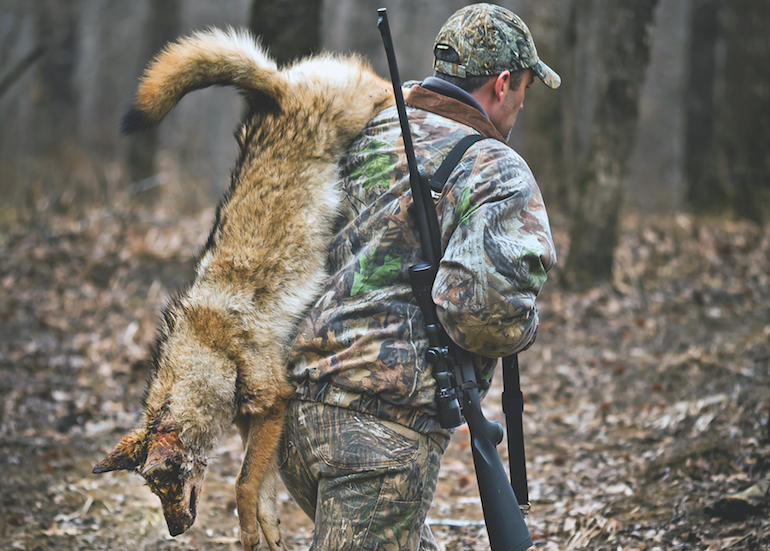
When harvesting an Arctic hare, pack out the carcass by securing it to a sled or backpack, taking regular breaks to avoid exhaustion, and navigating through cha
Planning an Arctic trip for hare hunting involves researching and preparing for extreme cold, snow, and short daylight hours, as well as obtaining necessary per
To prepare an Arctic hare for cooking, skin and clean the animal, then field dress and eviscerate it. Remove the legs and separate the hind legs from the body,
Prepare for temperature drops by dressing in layers, bringing warm clothing, and using a portable heater or hand warmer to stay warm in extreme cold. Choose a s
When disposing of Arctic hare remains, it's essential to follow local regulations and respect the environment. This typically involves burying or freezing the r
To skin an Arctic hare efficiently, you'll want to start by making a clean incision at the base of the paws and work your way up through the belly, using a shar
To stay safe while hunting in remote tundra, it's essential to be prepared for extreme cold and isolation, carry a reliable communication device, and navigate u
To track Arctic hares in fresh snow, look for their distinctive footprints, which are larger and more oval-shaped than those of other hares. Pay attention to th
To train a dog for Arctic hare hunting, focus on developing strong prey drive, stamina, and obedience skills. Introduce your dog to the scent and sight of hares
Understanding wind direction is crucial for hunters to effectively track and stalk prey. By using wind direction to their advantage, hunters can set up ambushes
For Arctic hare hunting, an ideal backpack size is 35-45 liters to accommodate essential gear such as a rifle, scope, ammunition, first aid kit, and warm clothi
A .22-250 Remington or .243 Winchester is an ideal caliber for hunting Arctic hares due to its sufficient killing power and minimal meat damage. These calibers
For taking down an Arctic hare, the ideal hunting distance is around 150-200 yards, allowing for a clean shot without disturbing the animal's natural instincts.
Yes, a hunting license is required for Arctic hare hunting in Canada. The license and permits may vary depending on the province or territory. For example, in N