01 — Pillar · Hunting
Expert guides and Q&A about judging trophy size.
Q&A in this topic
60 total
The pursuit of trophy animals can compromise hunting ethics by influencing hunters to prioritize the size of the animal over other factors, such as humane treat
OLDER_BUCKS_ARE_NOT_ALWAYS_LARGER: Older bucks are not always larger than younger ones; their size and trophy quality can vary greatly due to genetics, nutritio
Yes, different scoring techniques are used for small game trophy animals, as each species has a unique body shape and characteristics.
Notable differences in trophy size between wild and domesticated species exist, primarily due to selective breeding and habitat factors. Domesticated species, s
When evaluating a potential trophy elk, look for a broad, thick, and evenly-shaped rack, ideally with six or more points on each side, measuring at least 100 in
Trophy animals are often males, as they typically exhibit larger antlers, horns, or other characteristics used to judge their size. However, females can also be
Average deer scores vary by state, with top-scoring states like Illinois and Iowa often exceeding 180 inches, while lower-scoring states like Wyoming and Montan
When scoring a trophy deer, consider measuring the length and circumference of the antlers, as well as the number of points and any abnormalities. Take note of
Evaluate trophy animal potential on camera by considering body size, antler or horn spread, and overall muscular development. Large body size and wide antler or
To accurately measure a deer's body size, take precise measurements of the deer's body circumference, particularly at the base of the antlers, and use a combina
To identify potential trophy deer areas, scout for signs of high deer activity, such as large rubs, scrapes, and tracks, and assess the quality of habitat, incl
Yes, antler mass can be more important than antler length for scoring, as it can add more points to a deer's overall score.
Environmental changes can significantly impact the scoring potential of deer, affecting antler growth, body size, and overall trophy quality.
Field dressing can affect the scoring of a trophy animal due to the potential loss of mass in the abdominal organs.
Habitat improvement projects can indeed lead to larger trophy animals by creating conditions that favor the growth and survival of larger individuals, such as b
Hunting methods can indeed influence the size of trophy animals harvested, as certain techniques prioritize the harvest of larger, more mature individuals, whil
Hunting pressure can impact the size of trophy animals in an area by reducing their average size due to selective harvesting of larger individuals, which can be
Improper field judging can indeed lead to missed trophy hunting opportunities, as underestimating or overestimating the size of a game animal can result in a su
Late-season hunting can increase the likelihood of trophy encounters, as mature animals tend to congregate in areas with reliable food sources, making them more
Rough terrain can significantly impact antler growth and body size in deer, particularly in areas where animals must constantly adapt to challenging environment
Yes, the environment can significantly affect the feeding habits of trophy animals, leading to variations in size and quality.
Yes, the rut cycle can impact antler growth variability among deer, but only to a limited extent. Antler growth is primarily influenced by genetics, nutrition,
Yes, the time of day can significantly influence your chances of spotting trophy animals, as certain species are more active during specific daylight hours.
The time of year can significantly impact an animal's trophy potential, with factors such as nutrition, stress, and physical condition all influencing the size
Trophy animals can be found in urban areas, but it's less likely compared to rural areas due to habitat loss and fragmentation.
While it's challenging to estimate a buck's score with precision, experienced hunters can make a reasonably accurate assessment by considering several key facto
While specialized gear can be beneficial for hunting trophy animals, it is not strictly necessary. Hunters can still successfully judge and harvest trophy anima
Short answer: Judging a deer's age by its body size alone is not reliable, as antlers can vary significantly from year to year and body size can be influenced b
Cattle grazing can impact deer size, particularly in regions where overgrazing occurs, potentially limiting the availability of quality food and habitat for dee
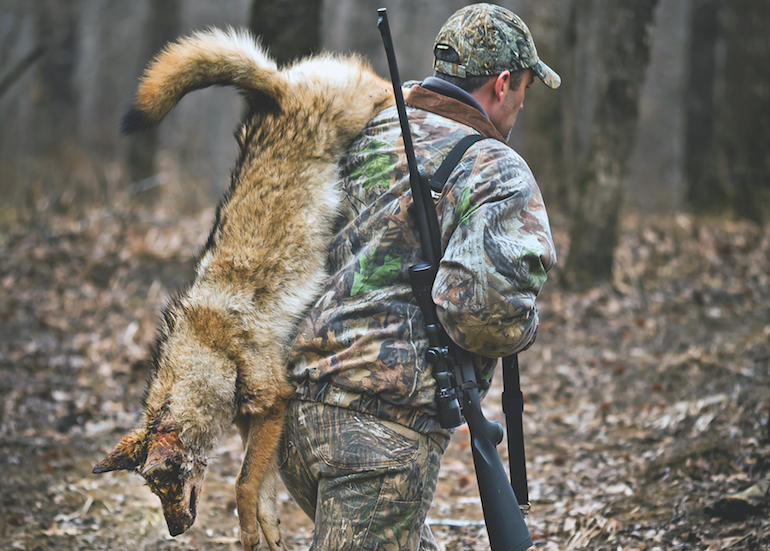
Coyote size varies across different regions and habitats, with those in the western United States generally being larger than those in the eastern United States
Deer body weight and antler size are connected through a correlation of genetics, nutrition, and age. Larger deer tend to have larger antlers, but this relation
To determine the size of a bear's skull, measurements like the width of the skull at the widest part, the length of the skull from the back of the ear to the ti
When scoring mule deer and whitetail, differences arise due to distinct body shapes and antler configurations, affecting official Boone and Crockett Club (B&C)
Deer at higher altitudes tend to take longer to reach trophy size due to slower growth rates and limited nutrition.
Food availability significantly impacts antler size and overall trophy potential, as adequate nutrition is necessary for antler growth and development.
Genetics has a more significant impact on antler size, as it influences the deer's genetic predisposition for growth, but proper nutrition is essential for maxi
A longer season generally allows more time for younger, less mature animals to grow and reach their full potential, potentially increasing the size of trophy an
Yes, climate plays a significant role in determining the body size of trophy animals, with colder climates often favoring larger body size due to increased ener
The presence of other wildlife can impact deer trophy quality through habitat competition and predation pressure, leading to smaller antler growth and reduced t
The presence of predators can indeed affect trophy animal sizes, often resulting in smaller antlers or horns due to selective pressure and adaptation.
Mineral blocks can indeed influence trophy size in some game species, such as deer, by modifying the availability of essential minerals like calcium and phospho
Elk body size variations are primarily influenced by geographic region, with factors such as genetics, climate, and available forage contributing to regional va
Factors affecting the rut, such as moon phase, temperature, and food availability, significantly influence deer behavior and movement patterns, making them cruc
Hunters can better predict antler growth trends in their area by monitoring weather patterns, deer movement, and habitat conditions, and using data from trail c
A deer's body mass significantly impacts its trophy potential, with heavier animals often producing larger antlers and more impressive racks. This is because bo
Local climate significantly influences the growth patterns of trophy animals, with variations in temperature, precipitation, and daylight hours affecting their
Local wildlife management significantly impacts trophy hunting opportunities by regulating animal populations, habitat quality, and hunting seasons, ultimately
Stress affects antler growth and size in deer by interrupting the normal development process, which can lead to reduced antler size and quality. This stress can
Hunting regulations can significantly impact the size of trophy deer by allowing or restricting antler restrictions, bag limits, and hunting season lengths.
Proper hydration significantly influences antler development in deer, affecting the overall mass and size of the antlers, with a 10-15% increase in water intake
The difference between a 4-point and 6-point buck is significant in terms of trophy size, with the 6-point typically having larger antlers and being more valuab
Assessing a deer's trophy potential based on pictures involves examining the antler symmetry, beam length, and tine quality, as well as the body size and muscle
Determining a bear's trophy potential by its size involves measuring its skull or overall body length, with larger bears typically being more valuable as trophi
To differentiate trophy-size deer from lesser males in the wild, look for antler size, beam length, and branching, as well as body mass and muscle development.
To estimate a deer's age using teeth and body comparison, look for teeth wear and body size, with older deer typically showing more worn teeth and greater body
Mature bucks can be identified by their size, antler development, and overall body condition. They typically have larger antlers with more points, a larger body
To identify signs of a trophy animal in the wild, look for distinctive markings, such as scars, notches, or distinctive antlers, as well as body size, coat cond
To measure the spread of a buck's antlers accurately, use a flexible tape measure to record the distance between the tips of the main beams, or the \
To record and track trophy sizes over seasons, hunters should use a standardized measurement system, such as the Boone and Crockett Club's scoring criteria, and
Understanding the impact of season on body condition of trophy animals is crucial in judging their size and quality. During the rut or mating season, male anima