01 — Pillar · Hunting
Expert guides and Q&A about mineral sites deer.
Q&A in this topic
60 total
Electronic deer feeders can be a good addition to mineral sites, especially during periods of food scarcity, as they provide a supplemental food source and can
Mineral sites are highly effective in certain types of terrain, particularly those with rocky outcroppings or areas with high concentrations of mineral deposits
Natural mineral deposits are preferable to commercial products for deer because they provide a more stable and balanced source of essential minerals, reducing t
Using salt blocks as a hunting strategy raises concerns about baiting, which can be against regulations and disrupt natural wildlife behavior.
Using mineral sites for hunting raises ethical concerns, as it can lead to overconcentration of deer populations and habitat degradation, ultimately affecting t
Yes, certain salts have been shown to attract deer more effectively than others, such as road salt and table salt, due to their high sodium content and familiar
Deer can benefit from minerals such as calcium, magnesium, and potassium, which are found in certain sites, to help with hydration and overall health.
Yes, certain minerals can deter deer from visiting a site, so it's essential to avoid using them in attractants. Some minerals to steer clear of include those w
Deer tend to be most active at mineral sites during early morning and late evening hours, typically between 30 minutes before and after sunrise and sunset. Thes
For deer, place attractants like corn, apples, and sweet-smelling fruits near mineral sites to draw them in.
Maintaining mineral sites throughout the season involves replenishing salt and mineral blocks regularly, typically every 7-10 days, and replenishing minerals in
In early fall, the best mineral site locations for deer are areas with high concentrations of natural minerals, such as salt licks and mineral deposits, often f
When placing salt licks near feeding areas, position them 10-20 yards away from the primary feeding area to prevent overcrowding, and consider creating a game t
The best time for establishing mineral sites for deer is during the fall and early winter, typically from October to December, when deer are transitioning to th
Excess human scent around mineral sites can indeed deter deer activity, as white-tailed deer have a keen sense of smell and can detect human presence from a con
Yes, you can assess the effectiveness of a mineral site through deer tracks, by observing the frequency, pattern, and intensity of tracks around the site, as we
Mixing different types of minerals for deer is not recommended, as it can lead to nutritional imbalances and potentially harm the deer. It's best to provide a s
Yes, placing mineral sites near water sources can be an effective strategy to attract and retain deer, but it's essential to consider the surrounding terrain an
You can use deer mineral sites in hunting season, but it's essential to do so strategically and in a way that benefits both you and the deer.
Yes, you can use mineral blocks in conjunction with mineral sites to provide deer with a constant source of essential minerals.
Mineral sites can be an effective and legal hunting strategy in states where feeding is prohibited.
Using mineral sites can contribute to deer antler growth, but it is only one factor among many that influence antler size. Supplementing with minerals can be be
Yes, you can use sugar as an attractant near mineral sites, but it's not the most effective option. Sugar can work as a temporary attractant, drawing deer in wi
Yes, mineral sites can attract other animals that compete with deer for food and resources.
Yes, mineral sites can be used to attract other wildlife, aside from deer, by providing a source of essential minerals and nutrients. This can make them a valua
Mineral sites can cause competition among local deer herds, particularly if the sites are rich in essential minerals such as salt, calcium, and phosphorus. This
Mineral sites can be an effective tool in managing deer populations by providing a reliable food source, allowing hunters and wildlife managers to monitor and c
Mineral sites can work in regions with high hunting pressure, but their effectiveness may decline if deer become overly wary or if the sites become over-hunted.
Neighboring properties can significantly affect deer traffic at your mineral site by altering habitat, reducing deer migration routes, and influencing food sour
Yes, using cameras can help gauge the effectiveness of your mineral sites by providing visual evidence of deer activity and helping you identify which sites are
Deer may have stopped visiting after rain due to flooded trails, increased scent masking, or avoidance of overgrazed areas.
Deer visit mineral sites at night due to the increased availability of essential minerals during this time. Mineral sites often become replenished with rain or
Deer often prioritize mineral sites over food sources, particularly during specific times of the year such as breeding seasons and periods of high fawn producti
Deer tend to prefer salt licks with high concentrations of sodium and calcium, often drawn to sites with mineral-rich soil or underlying geology.
Deer species vary in their response to mineral sites. Some species may visit mineral sites frequently, while others may avoid them altogether. The white-tailed
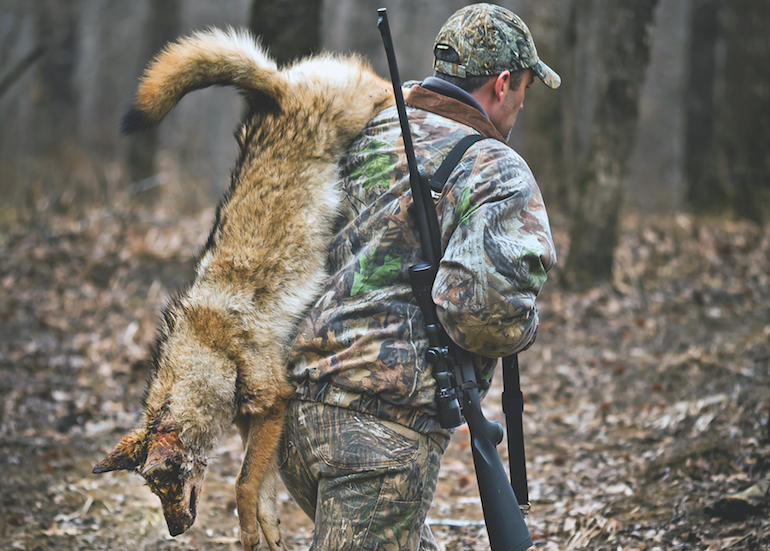
Yes, mineral sites can attract unwanted wildlife such as bears, coyotes, and rodents, in addition to deer, due to the rich mineral content that attracts them to
MINERAL sites can work for attracting deer in urban areas, but it is essential to apply the correct strategies and techniques to achieve success.
Deer preference for minerals can change between summer and winter due to differences in their diet and nutrient requirements. In summer, they tend to seek out m
Human activity near mineral sites can alter deer behavior, making them more cautious and less likely to visit the area.
The size of the mineral site can play a significant role in attracting deer, as larger sites tend to hold more moisture and attract deer from a wider area, but
Using mineral sites can affect deer health negatively, as excessive mineral intake can lead to deficiencies or imbalances in their diet.
Mineral sites can reduce hunting pressure scenarios by providing deer with an alternative to traditional water sources, allowing them to move undetected and pot
Changes in weather significantly influence deer visits to mineral sites, as deer seek out minerals and salts during periods of high temperature, humidity, and p
Deer react to mineral site placements by adjusting their activity patterns and travel routes in response to seasonal changes, varying concentrations, and proxim
Deer movement patterns are significantly influenced by mineral sites, which tend to attract deer during specific times and seasons. These sites often contain hi
Neighboring deer may interact with mineral sites by visiting multiple sites, establishing a hierarchy among sites, and using specific sites for different activi
Neighboring feed sites can attract deer to alternative food sources, reducing the number of deer visiting your mineral site. This is especially true if the feed
At mineral sites in summer, deer behavior changes as they shift from grazing to licking, spending more time at the site, and often visiting during cooler parts
Deer density in an area affects mineral site effectiveness. High deer density can lead to faster site depletion and require more frequent replenishment. Mineral
Spring rain timing affects mineral site use by deer, as it influences the availability of water and the quality of vegetation in these areas, leading to increas
Mineral sites should be located 100 to 500 yards from bedding areas, allowing deer to visit without feeling threatened or compromised during their most vulnerab
Mineral sites should be at least 100 to 200 yards away from shooting areas to prevent disturbance and maintain a safe distance for both deer and hunters, allowi
Rotate salt licks every 10-14 days to keep deer interested and maintain a consistent source of minerals.
Timing is crucial when establishing mineral sites for deer as it allows you to capitalize on their natural browsing patterns and attract them to the site during
Proximity of a water source to mineral sites is crucial for deer, as it provides a reliable source of hydration and allows them to conserve energy, which is vit
Deer can find new mineral sites within 1-5 days, as they have a keen sense of smell and can detect subtle changes in their environment.
Apply new minerals to an existing site every 4-6 weeks during peak hunting seasons, and every 8-12 weeks during off-seasons.
You should check your mineral sites for deer at least 2-3 times a week during the peak rutting season, and once a week during other times of the year. This freq
Deer can adapt to new mineral site locations within 1-4 weeks, depending on the quality and accessibility of the site. This time frame may be shorter if the dee
Attract mature bucks to mineral sites effectively by offering high-quality minerals, strategically placing sites, and maintaining a consistent attractant source