01 — Pillar · Hunting
Expert guides and Q&A about monolithic bullets.
Q&A in this topic
60 total
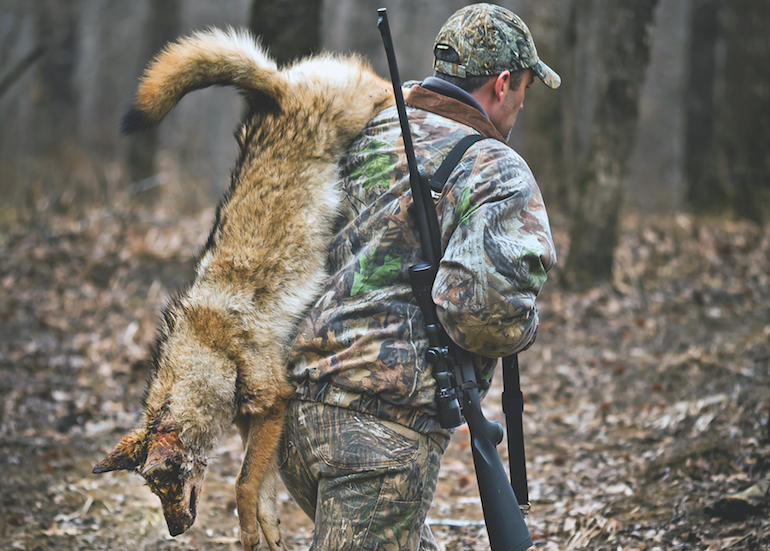
Lead-Free Bullets are a Good Alternative in Heavy Cover.
Monolithic bullets are not legal for use in all game animals due to their potential to cause excessive damage and create unsightly wounds, particularly in speci
Monolithic bullets can be more accurate than traditional lead due to their uniform density and consistent weight, which reduces variations in bullet flight and
Monolithic bullets have some downsides for target shooting, including reduced accuracy at longer ranges and increased risk of bullet deformation when hitting ha
Lead-free ammunition may not be advisable in certain hunting scenarios, particularly when using monolithic bullets at close range, as they can create significan
Lead-free ammunition carries minimal risk to humans but can be hazardous to wildlife depending on the type of ammunition and environment.
Yes, there are lead-free options for long-range hunting, including monolithic bullets made from materials like copper, brass, or tungsten.
NEW_TO_COPPER_BULLETS: New hunters often ask about recommended brands for copper bullets, and the answer lies in a few well-established manufacturers. Barnes, B
Rifles with a slower twist rate (1:8 to 1:10) are generally better suited for copper bullets, as they create a more stable environment for the bullet's unique a
TTSX bullets are more reliable in wet conditions due to their monolithic design, which doesn't disintegrate on impact and maintains its weight and kinetic energ
The Barnes TSX offers slightly better expansion than the TTSX, with a 10-15% increase in expansion ratio at impact velocities below 2,000 feet per second.
Barnes TTSX bullets are compatible with a wide range of calibers, but optimal performance is achieved in cartridges with muzzle velocities between 2500 and 3000
Copper bullets can be particularly challenging to clean due to their high friction and tendency to leave behind a residue. A thorough cleaning process involves
Copper bullets perform best in field conditions when the animal is at close range (less than 200 yards) and the bullet is subjected to minimal tumbling, which c
Barnes TSX bullets are best suited for hunting larger game at medium to long ranges, such as elk, moose, or bear, due to their high penetration and expansion ca
When sight-in with Barnes bullets, start at 100 yards and dial in the elevation based on the bullet's ballistic coefficient and the rifle's zero. For optimal re
The Barnes TSX is best utilized at ranges of 200-400 yards on whitetail deer, where its monolithic design and controlled expansion can effectively deliver deep
The best time to test Barnes Bullets at the range is during the spring and fall seasons when temperatures are relatively mild, typically between 40°F and 70°F.
The best time to hunt deer with copper bullets is during the early morning or late evening when the deer are most active, typically between 30 minutes before su
Barnes TTSX bullets can be used for waterfowl hunting, but it's essential to consider the specific application and ensure the chosen load is effective for the d
Copper bullets can be effective in high wind conditions, but their performance may vary depending on the specific design and construction of the bullet, as well
Copper bullets can be a viable option for long-range shooting when paired with the right rifle, ammunition, and techniques.
Copper bullets cannot be used in all firearms due to their unique characteristics and potential incompatibilities with certain guns. They are often used in rifl
Copper bullets can be used in older rifles, but they may not be suitable for all models due to potential issues with gas sealing and chamber pressures.
Copper bullets may cause more wear on rifle barrels due to their copper jacket expanding and contracting with temperature changes and firing cycles.
Copper bullets have been found to be effective in minimizing meat damage on deer due to their unique expansion characteristics. They tend to fragment and mushro
Barnes TSX bullets can be paired with lighter rifle calibers, but the ideal pairing depends on several factors, including rifle barrel length, bullet weight, an
TTSX bullets are not reloadable like traditional lead ammunition due to their unique design and composition.
Reusing brass from lead-free ammunition is generally safe, but it's crucial to note that some manufacturers use proprietary coatings on their lead-free bullets,
Copper bullets can be used for plains game in Africa, but they require careful consideration of bullet weight, velocity, and impact location to ensure effective
TTSX bullets can improve your odds for elk hunting by providing a high weight retention and penetration, making them effective for taking down larger game at lo
Yes, it is possible to achieve sub-MOA accuracy with copper bullets, but it requires precise rifle setup, consistent ammunition, and skilled marksmanship.
Barnes TTSX bullets are designed for large and medium-size game, but they can be used for small game hunting, especially for larger small game like raccoons, op
MONOLITHIC BULLETS CAN BE EFFECTIVE FOR VARMIN HUNTING, BUT THEY REQUIRE CAREFUL SELECTION AND PROPER HANDLING TO ACHIEVE MAXIMUM RESULTS. THESE BULLETS OFTEN F
Copper bullets tend to hold up well after long-term storage, but their performance can be affected by the presence of moisture and oxygen. When stored properly,
Copper bullets generally do not create more barrel fouling than lead, but the extent of fouling varies depending on the specific bullet material and design. Mon
Copper bullets tend to expand at a slower rate compared to traditional lead bullets, often resulting in a more consistent and predictable wound channel.
Copper bullets fragment less than traditional lead, particularly at lower velocities. This is due to the copper's higher strength and resistance to deformation.
Copper bullets tend to have higher energy transfer upon impact compared to traditional lead bullets, due to their ability to penetrate and fragment upon collisi
Copper bullets leave less residue in the barrel compared to lead core bullets due to the non-reactive properties of copper.
Copper bullets are considered to provide excellent expansion and penetration at longer distances due to their high sectional density and ability to mushroom upo
Copper bullets may require magazine adjustments in rifles due to their unique design, but the extent of these adjustments varies by rifle model and ammunition t
A special cleaning kit may be beneficial when dealing with copper bullet residue, especially for deep-seated or stubborn deposits, but it's not strictly necessa
Yes, you need to adjust your sight-in process for lead-free bullets due to their different weight distribution and aerodynamics compared to traditional lead bul
Yes, you need to adjust your reloading techniques when using copper bullets, as they can be more challenging to reload than traditional lead bullets. Copper bul
Monolithic bullets have a longer shelf life than lead due to their non-corrosive properties, but the exact shelf life depends on storage conditions and material
Monolithic bullets generally perform well in cold weather, with minimal expansion and less sensitivity to temperature fluctuations, but may require specialized
Copper bullets do not inherently impact meat quality after harvest; the primary concern with copper bullets is the potential release of copper ions during cooki
Copper bullets' performance may vary with twist rate, as a higher twist rate can be required to stabilize the bullet's aerodynamic characteristics, particularly
Copper bullets tend to expand and lose hardness in extreme heat, while they can become brittle and prone to cracking in cold temperatures, which can affect thei
Copper bullets exhibit reduced penetration and increased expansion in terminal ballistics, making them more suitable for deer and elk hunting at close to modera
Monolithic bullets affect bullet drop over distance by having a more consistent bullet weight and a heavier front section, which can result in less bullet drop
The performance of TTSX bullets can be significantly influenced by the range, with longer ranges resulting in increased penetration loss due to fragmentation an
Bullet weight is critical when using copper bullets for hunting, as it significantly impacts the bullet's penetration and expansion. Using the right bullet weig
3-5 shots are typically required to sight in a rifle with copper bullets, as they often require more precise adjustments to compensate for the bullet's weight a
The right weight for TTSX bullets depends on the caliber, velocity, and the desired expansion pattern. A general rule of thumb is to choose a bullet weight that
A monolithic design can be more effective for elk hunting, especially at longer ranges, due to its ability to maintain structural integrity and penetrate deeper
Copper bullets are prohibited for big game hunting in Texas, although the state does allow for some limited exemptions for specific types of ammunition used in
Upgrading to copper bullets can be worth it for trophy hunts, especially when hunting larger game like elk or moose, as they tend to expand less and retain thei
MONOLITHIC COPPER BULLETS OFFER SUPERIOR PENETRATION AND WEIGHT RETENTION OVER LEAD BULLETS, MAKING THEM A BETTER CHOICE FOR HUNTING AT LONGER RANGES AND AGAINS