01 — Pillar · Hunting
Expert guides and Q&A about montana mule deer.
Q&A in this topic
60 total
Mountain Bicycles Allowed on Public Land for Hunting: Yes, but with restrictions and guidelines that vary by state and federal land management agency.
Mule deer in Montana are primarily browsers, using their versatile lips and teeth to clip twigs and leaves from shrubs, but they also graze on grasses and forbs
There are no specific age limits for hunting mule deer in Montana, but hunters must meet the state's minimum age requirements for a hunting license, which is 12
Short Answer: Yes, there are rare mule deer subspecies in Montana, including the Shiras' mule deer, which is found in the western part of the state and is chara
In Montana, hunting regulations for mule deer are subject to specific rules regarding licenses, seasons, and bag limits. The regulations vary by region and type
Yes, there are specific game management units for mule deer in Montana, with different bag limits, seasons, and restrictions in place to conserve and manage the
Yes, there are specific routes for accessing public land in Montana, including roads, trails, and permit-required areas, which can be accessed through various s
Trail cameras are effective for scouting mule deer in CMR, as they provide valuable insights into deer behavior, movement patterns, and population density.
For spotting mule deer at long distances, I recommend high-quality binoculars with a magnification power of 10x or higher and a wide field of view. Look for bin
For hunting mule deer in Montana, the best GPS apps are OnX Maps and HuntStand, as they provide accurate topographic maps, GPS tracking, and land ownership data
To track mule deer in open country, use a combination of visual scanning, scent detection, and tracking techniques, including following scrapes, beds, and track
For public land hunting maps in Montana, check out the Montana Fish, Wildlife, and Parks' (MFWP) website, as well as online resources such as HuntStand and onX,
For a successful mule deer hunt in Montana, a reliable portable meat cooler is essential to preserve your harvest. Look for coolers with insulation, durability,
When field dressing a mule deer, start by making a 6-inch incision from the anus to the base of the sternum, then cut around the ribs and remove the organs, inc
For spotting mule deer in breaks country, the best range finder is the Leupold RX-1200i TBR/W, which offers accurate distances up to 1,200 yards and advanced ba
When hunting mule deer in rainy conditions, focus on using terrain and cover to your advantage, as deer tend to seek higher ground and shelter. Look for areas w
To effectively spot mule deer from a tree stand in Montana, hunters should focus on scanning the surrounding terrain for movement, utilize binoculars for long-r
In Breaks Country, Montana, the best time for mule deer rut is typically mid-October to mid-November, with the peak rutting period usually occurring around Octo
The best time to hunt mule deer in breaks country is typically from late September to early November, with peak seasons usually occurring during the first week
To improve shot placement on mule deer, practice your marksmanship skills, study deer behavior, and develop a clear understanding of shot placement zones. Focus
Hunting pressure can significantly alter mule deer behavior in Montana, causing them to adjust their daily routines, habitats, and social structures to avoid hu
Mule deer in Montana can be significantly affected by local habitat changes, which impact their food sources, shelter, and migration patterns.
Mule deer in Montana can tolerate cold weather to a certain extent, but prolonged exposure to sub-zero temperatures can cause significant stress and weaken thei
Yes, you can access remote public lands for mule deer hunting in Montana, but it may require a significant amount of planning, research, and physical effort to
Yes, you can hunt mule deer with a bow in Montana's CMR (Central Montana Region).
Yes, you can hunt mule deer without a guide in Montana, but having local knowledge and experience increases your chances of success.
Setting up salt licks for mule deer in Montana is a viable option for attracting these animals, especially during harsh winter months when food is scarce. Howev
You can spot mule deer from a vehicle in breaks country, but it requires patience, knowledge of deer behavior, and a keen eye for detail.
While attractants can be used year-round, their effectiveness varies depending on the season and location. In Montana, mule deer tend to be more responsive to a
Mule deer presence can be indicated by tracks, scat, and rub sites, often found in areas with suitable habitat such as open fields, meadows, and aspen groves, p
New hunters often overlook basic terrain features, such as creek beds and draws, which can funnel mule deer into kill zones. They also underestimate the importa
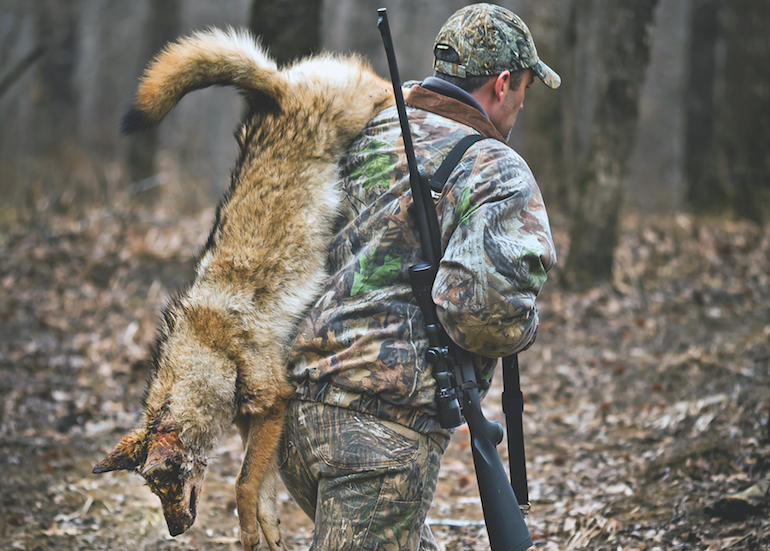
Coyote predation on mule deer fawns can have a significant impact on mule deer populations, particularly in areas where coyote densities are high. In Montana, f
Female Mule Deer stay near their fawns for the first few weeks post-birth, usually up to 20 days, but may occasionally leave them for short periods for feeding
Foggy days have a moderate impact on mule deer visibility in the Charles M. Russell (CMR) Wildlife Management Area, Montana. On extremely foggy days, mule deer
During the rut, male mule deer in Montana often travel alone, especially for short distances, but may occasionally form bachelor groups with 2-5 other males.
Mule deer do behave differently during hunting season due to various factors such as increased human activity, altered habitats, and social changes. These chang
Yes, mule deer can change their habits after being spooked, often altering their movement patterns and habitat use for extended periods, sometimes up to several
Mule deer do exhibit territorial behavior, with males typically establishing and defending a home range during the breeding season.
Mule deer tend to prefer feeding at dawn and dusk, although their activity patterns can vary depending on the specific location and time of year.
Mule deer in Montana's central region (CMR) tend to prefer open areas, particularly during the rut and early winter. This preference helps them escape predators
Mule deer generally prefer steeper terrain over flat lands, as it provides them with better cover and escape routes from predators.
Mule deer generally respond better to bleats than grunt calls in a typical hunting scenario.
Mule deer do respond well to calls during the rut, particularly when the buck is mature and has a strong instinct to breed.
Mule deer in Montana often reuse the same trails year after year due to their habituated nature and the consistent availability of food sources.
Mule deer may wander away from water sources during drought to find more reliable sources of moisture. However, they tend to stay within familiar territories an
Hunting pressure can indeed lead to deer moving at night, as they become more cautious and avoid daytime activity in areas with high human presence.
In late winter, Mule Deer tend to focus on high-protein food sources as their primary source of nutrition, often relying on stored fat reserves to get them thro
Hunting pressures significantly alter the habits of mule deer in Montana, causing them to change their behavior, habitat use, and distribution in response to hu
Mule deer movement patterns in Montana are heavily influenced by terrain, with deer often using specific habitats and routes to navigate and find food.
In Montana, a trophy mule deer is often considered to have a minimum of 5-7 inches of antler growth or 4-5 points on one side, with multiple points on the main
In Montana, the number of hunters allowed to hunt mule deer varies by license type, with non-resident hunters allowed a limited number of licenses through a dra
Mule deer in Montana can travel up to 20 miles in a day, but this can vary depending on factors such as food availability, terrain, and weather.
A mature mule deer can yield between 60 to 100 pounds of usable meat, depending on the quality of the animal, the time of year, and the hunting method.
To camp safely near mule deer habitat, choose a location at least 100 yards from any water source, avoid areas with high deer traffic, and use noise-making devi
When choosing a spot for a tree stand in breaks country, look for a location with good visibility of potential escape routes, a secure platform, and access to a
To choose the right optics for Mule Deer hunting in Montana, consider a 20x60 or larger spotting scope with a 20-60mm objective lens and a 1,000-yard magnificat
Mule deer tracks can be identified in various conditions by observing the shape, size, and impressions in the ground. In wet or muddy conditions, look for track
To navigate public lands safely while hunting, it's essential to research the area, check maps and regulations, and carry necessary gear, including a GPS device
Prepare your gear for mule deer season by checking your rifle and scope, testing your calls and decoys, and ensuring your backpack and clothing are suitable for
After a successful hunt, properly transport an animal by securing it in a vehicle, using ropes or straps to prevent movement, and maintaining a safe and stable