01 — Pillar · Hunting
Expert guides and Q&A about mule deer desert.
Q&A in this topic
60 total
Hunting during the rut can increase mule deer visibility, vocalization, and movement, making them more vulnerable to hunters. This period typically occurs in la
Hunting mule deer during an overcast day can be advantageous as it reduces glare, allowing hunters to spot deer more easily against the terrain. It also tends t
Innovative hunting tools specifically designed for desert use include thermal imaging scopes, camouflage patterns that blend with desert vegetation, and hydrati
Mule deer behavior varies significantly based on terrain type, with distinct patterns observed in different environments. In general, mule deer tend to be more
For desert mule deer hunting, ideal binocular features include a 10x magnification power for clear observation at long distances, a wide field of view to track
Yes, desert mule deer hunting requires specific deer calls that mimic their natural sounds. These calls typically involve a combination of bleats, grunts, and r
Specific features that indicate water presence in deserts include areas with dense vegetation, changes in terrain elevation, and unique rock formations. These f
Desert hunting regulations vary by state and region, so it's essential to familiarize yourself with local laws and obtain necessary permits before heading out.
Mule deer hunting in Arizona is subject to various regulations and guidelines. The Arizona Game and Fish Department sets specific rules for bag limits, seasons,
For spotting mule deer at distance, consider binoculars with 12-15x magnification, 42-44mm objective lens diameter, and image stabilization to minimize shake an
To minimize noise while hunting mule deer in desert terrain, wear quiet clothing, use a silenced rifle, and move quietly in a crouched position, pausing frequen
When tracking a wounded mule deer in rocky areas, it's essential to move slowly and deliberately, following blood trails and signs of disturbed vegetation. Use
Evening hunts near water sources require a combination of stealth, patience, and understanding of mule deer behavior. Hunters should focus on areas with minimal
Hunt near water sources during early morning and late evening when mule deer are most active, using a combination of tree stands and ground blinds for effective
If lost in the desert while hunting, find shade, preserve water, and signal for help using smoke or mirrors. Conserve energy and stay hydrated by rationing food
In desert habitats, the best times to scout for mule deer are during early morning and late afternoon, when temperatures are cooler and vegetation is more activ
To locate water sources for mule deer in desert habitats, observe areas with abundant vegetation, look for signs of recent water flow, and scan the terrain for
Yes, a hydration pack can make a significant difference while hunting in deserts, providing a reliable means to carry and manage water, allowing hunters to focu
Desert mule deer have a keen sense of smell and can detect water sources from great distances, often up to 1-2 miles, although this distance may vary depending
Yes, hunting ethics can vary between desert and forest environments due to differences in terrain, habitat, and wildlife behavior.
Mule deer can be hunted at night in some states under specific regulations, typically during general or special late-season hunts. These nighttime hunts focus o
Yes, scent can attract mule deer to water sources during dry spells, drawing them in from long distances. This can be particularly effective during periods of d
Mule deer can be spotted more effectively using thermal imaging, as it allows hunters to detect their heat signatures, even in low-light conditions or camouflag
Mule deer can be hunted during the summer months, but the hunting season for them typically varies by state and region. In some areas, summer mule deer hunting
Yes, in some states, hunters can hunt mule deer from a vehicle, but it's essential to check local regulations regarding vehicle hunting and any specific restric
Yes, you can hunt mule deer with a bow in desert conditions, but it requires careful planning and execution, considering the extreme heat and dryness.
Yes, trail cameras can be used effectively in desert environments, but they require specific placement and maintenance to withstand the harsh conditions.
Mule deer populations in dry areas are often affected by malnutrition, parasite infestations, and diseases such as chronic wasting disease, which is a highly co
Short answer: Desert mule deer populations experiencing drought stress may exhibit dull, matted coats, reduced body weight, and lethargic behavior, often accomp
During droughts, deer behavior changes as they adapt to scarce water and food resources, leading to increased nocturnal activity, longer daily travel distances,
Mule deer in desert habitats tend to be more active at dusk than at dawn.
Mule deer can adapt to urban areas and affect hunting, often inhabiting the outskirts of cities and towns in search of food and water, leading to increased huma
Mule deer occasionally eat cacti, particularly the stems and pads, especially during times of food scarcity in their desert habitats.
Mule deer in dry conditions often return to the same trails, but may vary their routes based on water sources and forage availability.
Mule deer prefer high ground in arid areas, typically elevations of 5,000 to 7,000 feet above sea level, where they can find reliable water sources, suitable ve
Elevation impacts mule deer behavior in arid regions significantly, with higher elevations often providing more stable and reliable sources of water and forage.
Hunting during a full moon in desert habitats may not significantly impact deer movement patterns for mule deer, as their movement habits are more influenced by
Hunting pressure affects mule deer behavior in arid regions, causing them to alter their activity patterns, habitat use, and social structure. This is due to th
Effective techniques for glassing mule deer in wide-open spaces involve using high-quality binoculars, scanning the terrain systematically, and recognizing the
Effective tracking techniques for desert mule deer involve observing and following tracks, scat, and other sign, as well as identifying habitat features such as
Effective ways to call mule deer during the rut season include using a series of high-pitched whistles, a grunting bleat, and a series of 3-5 short, sharp notes
For high-temperature mule deer hunting, prioritize lightweight, breathable clothing, moisture-wicking fabrics, and a hat with a brim to shield your face and nec
Short answer: Community science can help with mule deer population studies by engaging local residents in data collection and analysis, enhancing the accuracy a
Elevation changes affect your hunting approach for mule deer by altering visibility, terrain difficulty, and habitat quality, requiring adjustments in tactics,
During the full moon and new moon phases, mule deer tend to be more active in the desert due to the increased light providing better visibility for foraging and
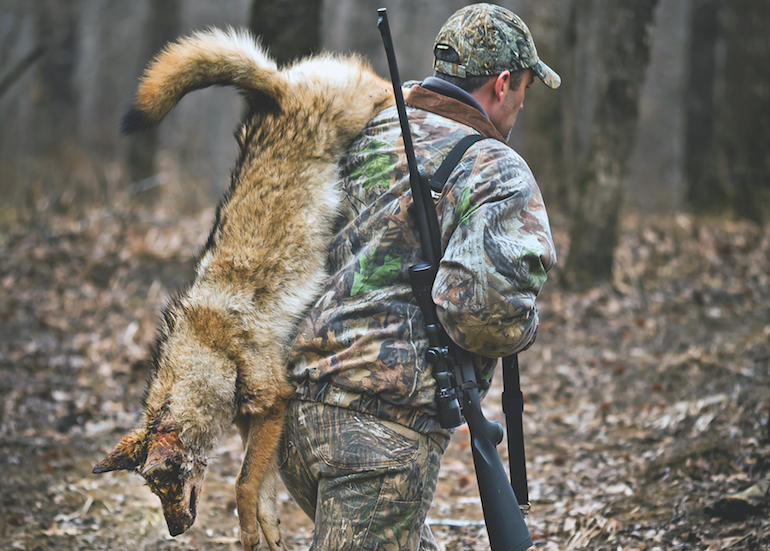
Mule deer behavior is influenced by the presence of other wildlife, particularly predators like coyotes and mountain lions, which can alter their activity patte
Mule deer shooting distance is influenced by terrain features such as elevation changes, rocky outcroppings, and vegetation density. These features can reduce v
Mule deer forage availability is significantly affected by the time of year, with the best forage typically available during the spring and early summer months
Weather in arid regions significantly affects mule deer hunting success, as extreme temperatures, dry conditions, and sudden storms influence deer movement, beh
Mule deer can detect human scent in arid conditions for approximately 1-2 miles, depending on various environmental factors.
ENHANCE YOUR CONCEALMENT IN THE OPEN DESERT BY CHOOSING A DECEPTIVELY SIMPLE AND NATURALLY OCCLUDED POSITION. THIS COULD BE BEHIND A JUNIPER TREE, IN A GROOVE B
When deer become nocturnal, adapt your hunting strategy by switching to nighttime hunting, using thermal imaging scopes, and employing calls that mimic nocturna
Effective desert mule deer scouting involves using visual and aerial observations, understanding game patterns, and utilizing terrain analysis to pinpoint poten
To ensure silent movement while stalking mule deer, wear quiet clothing, move slowly, and avoid crunching underbrush. Practice walking in a crouch to minimize n
When evaluating if a water source is worth hunting near, consider the density of wildlife, accessibility, and the presence of food sources.
To find recent mule deer activity in the desert, look for tracks, scat, and rubs on bushes and trees. Study the tracks for size, shape, and gait impression. Che
Plan an overnight mule deer hunt in desert terrain by scouting a specific location, identifying the most likely areas for feeding and bedding, and setting up a
For a multi-day mule deer hunt, prep your gear with regular maintenance, thorough inspections, and strategic packing to ensure reliability and comfort in the de
When scouting for mule deer in the desert, look for signs of their presence by searching for tracks, scat, and rubs on trees and shrubs. Pay attention to areas
To safely navigate through rough desert terrain while hunting, stay on designated trails, wear sturdy boots, and bring a map, compass, and GPS device. Keep an e