01 — Pillar · Hunting
Expert guides and Q&A about pressure effects deer.
Q&A in this topic
60 total
Deer are indeed more likely to use water sources under hunting stress. They tend to seek safer areas with abundant food and water. These patterns can be observe
Deer are more vulnerable to hunting pressure during the rut due to the increased movement and activity of bucks. This period, typically occurring in the fall, i
Drive hunts can be effective in high deer density areas, but they require careful planning and execution to minimize pressure impacts on deer and maximize harve
Deer movement patterns after opening day can vary depending on several factors, including hunting pressure, food availability, and habitat quality. Generally, d
Short answer: Trail cameras can be effective in high hunting pressure locations, but their placement and setup are crucial in maintaining deer activity and accu
To attract nocturnal bucks, use calls that mimic distressed or vulnerable sounds, such as a doe in estrus or a fawn in distress, and focus on the early morning
To access hunted areas without spooking deer, hunt at dawn or dusk, use scent control, and move quietly, always keeping the wind in your face and keeping a safe
To minimize the impact of hunting pressure on deer populations, return to sites after a 3- to 5-day delay to allow deer to redistribute and become less wary of
When setting up trail cameras in hunted areas, it's essential to position them 10-20 feet off the ground, at least 100 yards away from trails, and to angle the
Hunting nocturnal deer requires patience, stealth, and an understanding of deer behavior under pressure. Use moon phase, wind direction, and terrain features to
To effectively track deer in nocturnal conditions, focus on listening for their movement, using the right equipment such as night vision goggles, and following
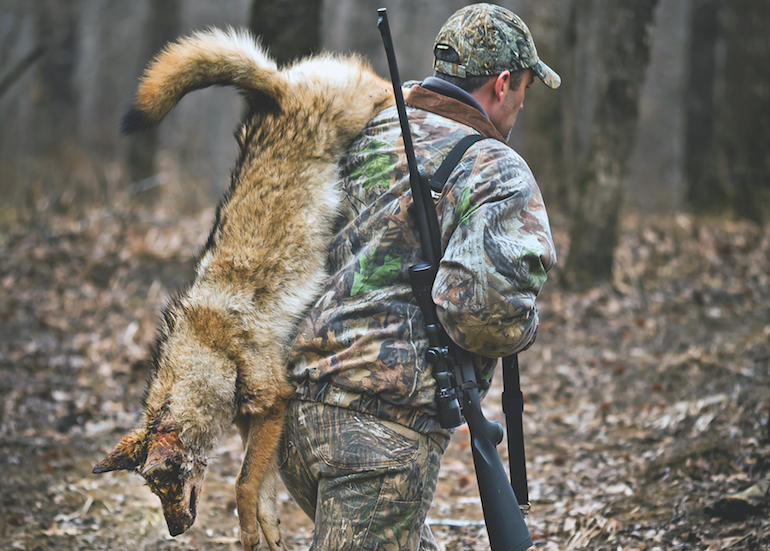
Coyote population increase can significantly alter deer behavior, often resulting in changes to their habitat use, activity patterns, and social structures.
Deer can adapt their behavior based on past hunting experiences, but their ability to do so is limited. This adaptation is often referred to as \
Deer can adapt to hunting pressure over time, but their ability to do so depends on various factors, including the intensity and frequency of hunting, the avail
Deer can become habituated to human presence over time, especially if they associate humans with food or other rewards. This can lead to a loss of fear and caut
Excessive hunting pressure can alter deer social hierarchies by disrupting established dominance structures and potentially leading to increased mortality among
Food plots can help counteract hunting pressure effects on deer by providing a reliable food source and creating areas where deer can feel safe from hunting.
Hunting pressure can cause deer to alter their natural feeding times, often shifting to early morning or late evening when they feel safer from human disturbanc
Hunting pressure can cause deer to shift their ranges in response to increased human activity and disturbance. Deer may change their movement patterns, habitat
Lures can alter buck behavior under hunting pressure, often causing them to become more aggressive, secretive, or nocturnal.
Deer can act differently during full moon due to coyote allure and heightened nocturnal movement. They may exhibit increased vigilance, altered grazing patterns
Deer movement patterns during hunting season are heavily influenced by the presence of hunters, changes in weather, and habitat conditions, causing them to adap
Deer behavior in urban areas under pressure differs from those in rural areas, with urban deer exhibiting more cautious and nocturnal habits, while rural deer t
Deer responses to hunting pressure vary significantly between states due to differences in habitat, prey population density, and hunting regulations. Some state
Deer become increasingly cautious after the first shots are fired, often altering their behavior to avoid detection.
Deer change their bedding areas based on hunting pressure trends, typically shifting to less pressured areas within 1-2 weeks of increased hunting activity.
Deer can change their patterns after being spooked, often altering their daily routine and movement areas for several days or even weeks.
Deer exhibit different trail usage patterns based on pressure, with higher pressure areas often resulting in altered trail paths and increased avoidance behavio
Deer exhibit stress symptoms due to increased human interaction, which can lead to behavioral changes, decreased body condition, and reduced population growth.
Deer prefer dense cover more when hunting pressure increases, as it provides them with better concealment and protection from potential threats.
Deer respond to calls differently under hunting pressure, as high-pressure areas can condition deer to associate calls with danger, making them more cautious an
Deer exhibit increased caution and altered behavior after observing other hunters, which can significantly impact the effectiveness of hunting strategies.
Deer tend to use different trails at night compared to daylight, likely due to human pressure and predator avoidance. This nocturnal shift is a common adaptatio
Deer do adjust their trail usage based on pressure, but they tend to maintain core routes year-round. These core routes often consist of preferred corridors lik
Fawn behavior changes can indeed reflect the presence of hunting pressure, as they adjust their activity patterns to avoid detection by hunters. Changes in fawn
Yes, hunting methods differ for nocturnal deer versus diurnal ones due to their varying activity patterns, which often dictate the best times and locations to h
Hunting regulations can significantly impact deer behavior in heavily hunted areas, causing them to alter their movement patterns, habitat use, and social struc
Deer movement in heavily hunted areas is affected by weather changes, particularly during periods of severe weather such as heavy rain, snow, or extreme cold. T
Frequent human activity significantly alters deer behavior, leading to changes in their movement patterns, habitat use, and social interactions.
Hunting pressure negatively affects the size and quality of antlers. This is because deer have evolved to avoid hunters, which can lead to stress, malnutrition,
Hunting pressure can indeed change the timing of deer breeding activities, particularly in areas where deer populations are heavily hunted. This phenomenon is o
Hunting pressure has a significant impact on the size of deer antlers, with high pressure leading to reduced antler growth and smaller antlers over time.
As hunting pressure increases, deer tend to shift their feeding habits to avoid areas with high human activity, often leading to a more scattered and unpredicta
Hunting pressure significantly alters deer social structures, leading to changes in group size, composition, and behavior. Research suggests that deer in areas
Hunting pressure tends to affect buck behavior more significantly than doe behavior, as bucks are more likely to alter their activity patterns, home ranges, and
To set up near high-pressure areas, hunters should focus on areas with high deer activity, such as near food sources, water, and rubs, and use terrain features
To adjust baiting strategies for spooked deer, reduce the amount of bait and use it in smaller, less conspicuous locations. This can also involve using bait tha
Rain can significantly influence deer behavior during high hunting pressure, causing them to modify their movement patterns and habitat use. Deer may become mor
Deer movement during hunting season can be significantly influenced by busy roads, as deer tend to avoid areas with high human activity and often move to adjace
Different seasons impact deer patterns with increased pressure, with summer and early fall being the most challenging periods, as deer tend to congregate around
Harvesting deer can significantly impact their behavior, particularly if done in excess, leading to increased wariness, habitat avoidance, and altered migration
Hunting pressure can significantly impact deer genetics by altering the population dynamics and leading to a reduction in the overall quality and quantity of de
Deer can typically tolerate heavy hunting for up to 10-14 days before adapting to the pressure. This timeframe may vary depending on factors such as deer densit
Deer can sustain approximately 2-5% human impact on their habitat before changing their behavior, such as altering their movement patterns and habitat use. This
When you sense increased hunting pressure on your area, adjust your strategy by shifting to a more conservative approach, using cover and concealment more effec
To find hidden deer after increased hunting activities, focus on areas with reliable food sources, cover, and water, and consider using scent strategies to loca
Deer trails affected by hunting pressure can be identified by observing changes in trail usage, such as reduced sign, increased travel distances, and altered pa
Minimizing your impact when hunting near deer involves careful planning, attention to detail, and an understanding of deer behavior. This approach helps you avo
Deer movement patterns are influenced by seasonal changes, habitat characteristics, and human pressure. To plan a successful hunt, it's essential to understand
The ideal times for hunting deer in areas with high human activity are during low-light periods, such as dawn and dusk, and during periods of extreme weather, l