01 — Pillar · Hunting
Expert guides and Q&A about rattling antlers.
Q&A in this topic
60 total
There are several myths surrounding rattling antlers that hunters should be aware of to increase their chances of success. Rattling antlers are a popular tool u
Yes, some states have regulations about rattling antlers to prevent overhunting and protect deer populations. These regulations vary by state, but often include
Rattling antlers tends to work better in regions with mature forests, particularly those with a mix of oak, maple, and pine trees, where whitetail deer are more
Rattling bucks successfully requires early morning to mid-day hunting during a 3- to 5-day rut, often around peak moon phases, when temperatures are between 40°
Short Answer: Dense forests with thick underbrush and fallen timber create ideal environments for rattle hunting, as buck deer often congregate near game trails
Rattling with scent lures is a highly effective combination for attracting and locating elk, especially during the rut. To maximize its effectiveness, hunters s
For beginners, I recommend investing in a decent pair of rattling antlers made of durable materials like metal or high-quality antler material. Look for a pair
For budget-friendly hunters, consider rattling antlers from companies like Rinehart, Primos, or Knight & Hale, which offer durable and effective options at affo
For aggressive buck behavior, use a 3- to 5-second rattling sequence with a moderate to loud volume, repeating the sequence 2-3 times, followed by a 10- to 15-s
To avoid spooking nearby deer when rattling antlers, use a subtle and controlled approach with a consistent, soft rattle, and maintain distance and silence befo
In mountain regions, the most effective rattling antler strategies involve utilizing terrain features, controlling the intensity and volume of the rattle, and v
For effective rattling antlers during the rut, use a combination of loud, crisp snaps and sustained rattles, ideally within 100 yards of a buck's bedding area,
To practice rattling techniques off-season, hunters can use makeshift antlers or fake ones, record themselves, and analyze their performance to improve timing a
Aggressive rattling can be effective in attracting bucks during peak rut, particularly when done near feeding areas or along travel corridors.
Yes, bucks in bachelor groups can be lured by rattling antlers, as this sound can imitate a sparring match or a dominance display between older bucks, drawing i
Frequent rattling can indeed scare away nearby bucks, especially if done improperly, as it can attract unwanted attention and alert deer to your presence.
Rattling alongside calls can increase your success rate by using the sound of rattling antlers to mimic the presence of multiple mature bucks and create a sense
Rattling antlers can indeed disrupt deer movement patterns when done correctly. This technique involves shaking or banging antlers to mimic the sound of a strug
Rattling antlers can disrupt other deer behaviors, including feeding, breeding, and social interactions, especially when used correctly and in the right context
Rattling antlers can indeed help in attracting old, mature bucks, particularly those with experience in hunting and a keen sense of smell. This technique works
Rattling antlers can be a valuable tool in a post-rut hunting strategy, helping to locate and attract bucks that may have gone into a more solitary phase of the
Rattling antlers can still be effective for late-season deer hunting, but the results may vary due to the deer's increased wariness and familiarity with the tac
Rattling antlers can be effective in areas with heavy hunting pressure, but it requires more strategy and caution.
Rattling antlers can work in non-rut seasons, but their effectiveness decreases outside of peak rut periods. This is because rut is a specific time when bucks a
Rattling antlers can be effective in open fields and forests, but their success largely depends on the type of terrain and the elk's familiarity with it.
Rattling antlers can work in suburban areas for deer, but it's essential to use them correctly and in the right situation. Rattling in urban areas may not be as
Rattling antlers can indeed attract does to your area, especially during the fall season when bucks are actively courting them. This method is often used to loc
Rattling can be successfully combined with other hunting methods, such as spot and stalk, still hunting, and calling, to increase the effectiveness of antlered
Yes, rattling can be used effectively during the late season, but it requires adjustments to the approach and timing to maximize success.
Rattling antlers can indeed change deer movement patterns during the rut, but its effectiveness is often misunderstood. Properly executed rattling techniques ca
Rattling can be an effective calling technique for hunting elk and moose when done correctly. It is essential to understand the specific sounds and rhythms used
Deer can indeed be over-rattled and scared away, especially if the rattling is too intense or prolonged.
Rattling antlers may not be the best option near other hunters as it can alert the deer to potential threats, making them more cautious and difficult to hunt. T
Yes, rattling antlers can be effective in calling bucks in areas with hunting pressure, but it's essential to be strategic with your timing and execution to avo
Rattling antlers can be an effective method for attracting deer during bow season, particularly when done correctly and at the right time.
Rattling antlers can be effective during rainy weather conditions, but it requires the right technique and equipment to penetrate the noise of the rain. By usin
Yes, you can rattle successfully from a tree stand. It requires proper setup and execution of your rattle technique. A tree stand offers a unique vantage point
Yes, you can successfully rattle with homemade antlers, but it requires skill and practice to replicate the natural sound of real antlers.
Rattling antlers can be an effective technique for intercepting moving bucks, especially during the pre-rut and rut periods, but its success depends on various
While rattling antlers can be an effective technique for calling deer in rural areas, using it in urban areas is not recommended due to the noise disturbance an
Age and size of bucks can influence the effectiveness and approach of rattling techniques, as younger and smaller bucks tend to be more reactive and easily spoo
Bucks can detect human scent, but whether they notice it while rattling antlers depends on the strength of the scent, wind direction, and distance. A strong hum
Bucks are more likely to respond to rattling at night when the moon is full, as this allows them to see and hear better despite the reduced visibility. Rattling
Bucks tend to respond differently to rattling antlers in various regions due to varying habitats, deer densities, and human pressure. This reaction can also be
Rattling antlers can increase a deer's curiosity, enticing it to come closer, but decoys can amplify this effect by creating a more realistic scene, making it m
Environmental Factors Affect Rattling Success by influencing animal behavior and movement patterns. Weather, daylight, and terrain play significant roles in det
Mature bucks tend to respond differently to rattling sequences, often becoming more cautious or aggressive depending on the sequence's duration, intensity, and
A buck's body language can greatly impact the success of rattling antlers, as it can convey aggression or vulnerability, affecting how likely the buck is to res
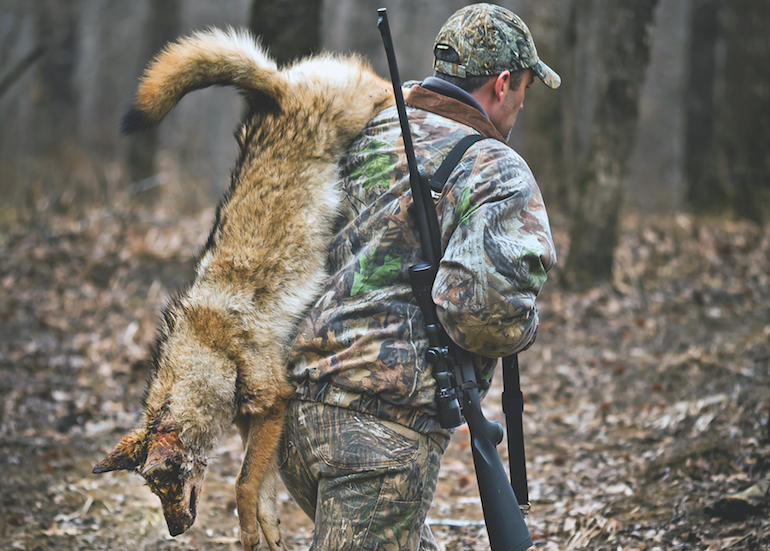
Rattling antlers can attract a variety of wildlife beyond just bucks, including does, younger deer, and even coyotes and other predators.
Rattling works differently for different deer breeds due to variations in antler structure, size, and shape, which affect the sound produced and how it resonate
Rattling antlers can be effective in various weather conditions, but its effectiveness may vary depending on the specific conditions. In general, rattling tends
Research suggests that moon phase may have a minimal impact on rattling success rates, as the effectiveness of rattling depends more on the hunter's skills and
Using rattling antlers in hunting can impact your concealment, but only if not used properly.
To effectively use rattling antlers for elk hunting, you should aim for 20-30 seconds of rattling every 5-10 minutes. This allows you to simulate the sounds of
When rattling antlers, aim to be within 20-40 yards of a likely deer stand, where you can effectively communicate with deer without spooking them.
Pre-rut timing significantly affects rattling success, as it typically falls within 7-10 days before the official rut start, when bulls are already on high aler
Rattling with electronic decoys can be effective in calling in whitetail deer, with success rates ranging from 20% to 50% in optimal conditions, depending on th
Rattle 5-7 times, then wait for 10-15 minutes, and repeat if necessary. This allows bucks to become curious and move in for a closer look.
To adjust your rattling technique for different seasons, consider the temperature, foliage, and animal behavior. In warmer seasons, use lighter, more subtle rat
Choosing the right antlers for different hunting situations involves considering the terrain, game behavior, and hunting method, such as rattling for white-tail