01 — Pillar · Hunting
Expert guides and Q&A about stand hunting evening.
Q&A in this topic
60 total
Evening hunts are more successful in late season, as deer are more active during this time and have adjusted their behavior to adapt to the changing environment
Yes, certain tree types attract bucks at last light, including those with good visibility, proximity to food sources, and suitable bedding areas. These trees of
For evening deer hunting, the best camouflage patterns are earth tones such as moss, brown, and tan, often used in combination with darker shades to match the f
The best lures for attracting nocturnal bucks include scent lures such as doe estrous scent and buck urine, and visual lures such as LED lights and trail camera
For tracking deer movements at dusk, the best phone apps to consider are OnX Hunt, HuntStand, and TrailHunter, which provide detailed topographic maps and allow
When using scents in the evening hunt, apply them 30 minutes to 1 hour before sunset to let the wind carry the scent, and use a combination of attractants like
To stay quiet while setting up in the evening, hunters should wear camouflage clothing, use a tree stand or ground blind, and move slowly and deliberately, avoi
For evening hunts, use calls during the late afternoon to early evening hours, around 1-2 hours before sunset, when deer are most active and vocal. This time fr
To track down a missed buck in the evening, focus on analyzing the buck's last seen location, follow its tracks and scat, and use the fading light to your advan
For evening deer hunts, the best wind direction is generally from 45 to 135 degrees, with 90 degrees being the most effective, as it allows scents to travel uph
Bucks transitioning from bed to feed are influenced by temperature, daylight hours, and food availability, typically beginning around 30 minutes to 1 hour befor
Yes, it's common for bucks to use the same trails nightly, especially during the early and late seasons when they're more predictable in their movements.
Deer can be affected by nearby artificial lights during evening hunts, especially if the lights are bright or numerous. This can disrupt their natural behavior
Deer can see reasonably well in low light conditions, but their vision is not as sharp as it is in daytime. They rely more on their sense of smell and hearing i
Deer are indeed more sensitive to human presence during twilight hours, which is typically between 30 minutes before and 30 minutes after sunset, due to their e
Excessive noise in the area can indeed deter deer during evening hunts, as it can alert them to the presence of humans and disrupt their natural behavior.
Hunting pressure can indeed alter evening buck movement. Bucks may adjust their daily movement patterns to minimize encounters with hunters, resulting in a shif
Yes, hunting pressure can push bucks to feed earlier in the evening.
Yes, you can use noise to your advantage during evening hunts by creating a disturbance that draws game to your location, then quickly and quietly closing in fo
Yes, rattling can bring in bucks during the last light hours, but it often requires a well-planned approach. The key is to time the rattling with the bucks' eve
Yes, food plots can attract late-season bucks, especially when strategically designed and managed to provide a high-energy food source during this critical peri
Effective evening hunting spots often have a mix of tall vegetation and clearings that allow for unobstructed shots, with a good vantage point to observe wildli
At last light, the most effective deer calling tactics involve using a combination of vocalizations, such as a doe bleat, and body language, like making a mock
Deer sightings are dropping in the evening, which may be due to a combination of factors including human disturbance, inadequate cover, and deer habituation to
Bucks change their patterns as seasons progress, mainly due to changes in food availability and predator avoidance.
Yes, bucks often begin to come out to feed earlier in the season, typically around mid-to-late morning, as daylight hours shorten and food sources become more s
As darkness settles in, bucks tend to communicate more quietly and subtly, often relying on scent marking and body language to convey information. This shift in
Yes, bucks tend to prefer specific trails at last light, often using these routes to navigate and bed down.
Bucks tend to be more vigilant and alert in the morning, making them less reactive to hunters, whereas in the evening they are often more relaxed and less alert
Bucks are more likely to respond to calls as daylight fades due to the change in their behavior and sensitivity to sounds.
Bucks tend to follow the same trails every evening, often returning to familiar spots like food sources, water, and rubs. This makes these areas prime locations
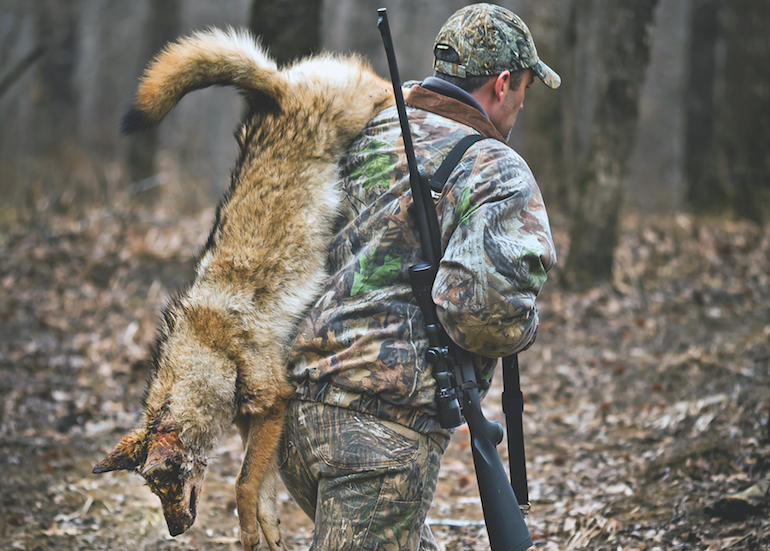
Coyotes can significantly affect deer movement at dusk, often altering their natural behavior and causing them to change their evening routines.
Deer typically prefer dense, thicket-like cover at dusk, such as areas with heavy shrubbery or small trees, which provide adequate concealment and allow them to
Deer feeding patterns do vary by population density, with higher densities generally leading to more concentrated and predictable feeding areas.
Mature bucks exhibit different behaviors than younger ones at night, often becoming more nocturnal and solitary as they age. They tend to move less during dayli
Moon phases do impact evening deer activity, with deer being more active during the new moon phase when there's less moonlight disrupting their nocturnal routin
Rattling tactics can work during evening hunts, especially if combined with other effective methods such as calling and decoy placement.
Weather changes can significantly impact deer movement patterns in the evening, especially during periods of significant temperature fluctuations, precipitation
Precipitation can affect deer activity in the evening but may not necessarily deter them from their daily routines. Studies have shown a slight decrease in deer
Using scents during evening deer hunts can be effective, but it's crucial to choose the right scent and use it correctly, as deer are more sensitive to their su
Essential gear for early evening deer stands includes a reliable rifle or bow, camouflage clothing, tree stand or ground blind, binoculars, range finder, and a
For last light bucks, set up a morning stand near a food source and use a well-placed wind block to conceal your scent. Position the stand for a narrow shooting
Understanding feeding patterns by region is crucial for stand hunters as it allows them to anticipate and prepare for the types of animals they are likely to en
A full moon can significantly increase evening deer activity, often causing them to be more active and roam freely during their peak movement hours, typically b
As the day wears on, deer behavior changes with fading light, often becoming more cautious and alert, causing them to alter their movements and activity pattern
Pressure from other hunters can significantly impact last light movement, leading to increased caution and altered behavior, as individuals attempt to avoid det
The angle of the setting sun significantly affects visibility during stand hunting in the evening, often creating a brief period of reduced visibility just befo
You can expect 2-4 distinct movement patterns from bucks in the evening, with the most significant activity typically occurring within 2 hours before and after
Scout potential evening hunting areas at least once a month, ideally during the off-season, to gather valuable information on animal movement patterns and habit
Aim to be in your stand 2-3 hours before dark to allow for setup, settling in, and getting comfortable before the animals start moving.
To adapt to changing wind conditions while stand hunting, listen for subtle changes in scent and sound, and use cover or a windbreak to conceal your downwind po
Analyze evening trail camera data by comparing image timestamps, activity patterns, and habitat usage during the late afternoon and early evening hours. Look fo
Assess deer travel routes for evening hunting by identifying areas with high deer activity, such as food sources and water, and setting up stands along these ro
To choose the right stand placement for evenings, position yourself in an area with a clear view of the surrounding terrain, ideally with a south-facing aspect
Determine the right elevation for evening stands by considering the time of year, deer activity patterns, and terrain features. Typically, a 10-20 foot elevatio
To effectively use decoys during evening hunts, position them downwind of your stand at least 20-30 yards away from your location, and adjust their spacing and
During a sudden change in weather during evening hunts, quickly assess the situation, prioritize visibility, and adjust your gear and hunting strategy according
Prime evening feeding zones are typically located near water sources, agricultural fields, and areas with high concentrations of cover and food. Identify these
When interpreting deer tracks near feeding areas at dusk, look for signs of recent activity such as fresh scat, torn leaves, and disturbed vegetation. Observe t
Wear clean clothes, apply scent control products, and avoid eating strong-smelling foods before heading to the stand. Additionally, minimize movement and keep a