01 — Pillar · Hunting
Expert guides and Q&A about starling control.
Q&A in this topic
60 total
Starlings are generally more wary during dawn and dusk hours when human activity is at its lowest and visibility is poor, making them less vulnerable to hunting
Controlling starling populations through hunting can benefit local ecosystems by reducing competition for food and resources, mitigating damage to crops and inf
Effectively ambushing starlings requires careful planning, stealth, and precise shot placement. A well-positioned ambush can lead to a high success rate in cont
Hunting starlings in urban areas requires a different approach than hunting in rural areas, focusing on exploiting their flocking behavior and using specific te
Favorable weather conditions for starling control include strong winds, cold temperatures, and low humidity, which can weaken the birds and make them more vulne
Team hunting for starling control offers increased effectiveness, reduced wear and tear on equipment, and shared knowledge and skills among team members, ultima
For effective starling control and small pest elimination, consider air rifle scopes with a magnification range of 3-12x and a 20-60mm objective lens diameter.
For effective starling control in agricultural settings, consider air rifles with adjustable power and accurate shooting capabilities. The Weihrauch HW100, Beem
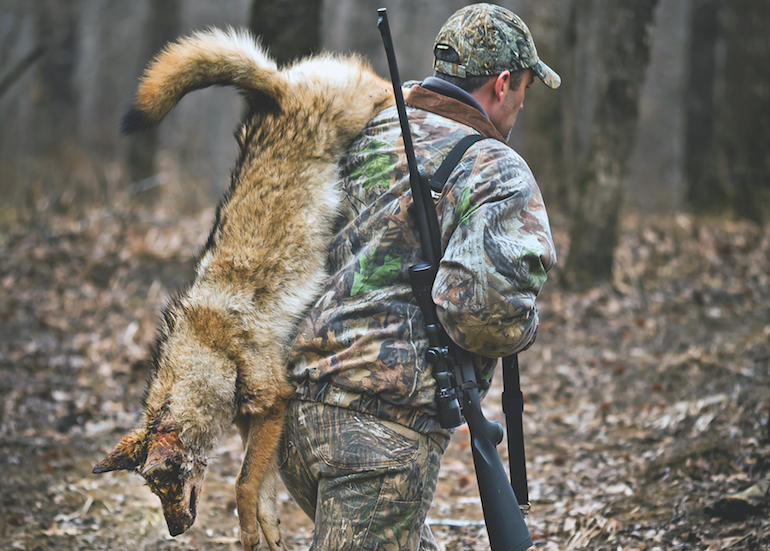
For hunting starlings, the best camouflage patterns to blend in are earthy tones and patterns that mimic natural habitats such as fields and woods, including br
Check local hunting regulations for specific season dates, bag limits, and permits required for starling shooting in your area, as regulations vary depending on
To clean and process shot starlings, field dress and eviscerate the birds within the first hour of harvest, then rinse with cold water and pat dry with paper to
Regularly clean and lubricate your air rifle, check the seal and o-ring for any damage, and store it in a dry location to ensure optimal performance.
Record your starling hunting success by documenting the date, location, and methods used, as well as the number of birds taken and any notable observations. Use
To effectively target starlings, hunters should employ high-angle shooting positions, preferably 45 degrees or higher, to compensate for the birds' ability to d
Spotting starlings in agricultural fields requires identifying areas with abundant food sources, such as insects and grains. Look for starlings in fields with t
Farmers should initiate starling control measures in late summer to early fall, around August or September, when starlings begin to gather in large flocks and s
Air gun silencers can reduce disturbance during starling shoots, making it easier to control starling populations without alerting the birds to the presence of
Air rifles can be used for starling shooting at night, but it's essential to consider the limitations and necessary adaptations for effective shooting in low-li
Decoys can improve success rates for starling shooting by attracting birds to a specific location and reducing flight patterns that make them difficult to hit,
Electronic bird calls can be moderately effective for luring starlings, but their success depends on the specific call used, the time of day, and the location.
Yes, farmers can request assistance from wildlife agencies for starling control. Many agencies provide guidance on non-lethal deterrents and control methods. As
Hunters can recycle shot starlings into wildlife feed, but it's essential to follow proper food safety guidelines and local regulations.
Hunting starlings can lead to increased agricultural yields by reducing the number of birds consuming crops, thereby minimizing crop damage. This can be particu
SHOOTING STARLINGS COULD HELP CONTROL DISEASE TRANSMISSION IN LIVESTOCK BY REDUCING THE LOCAL POPULATION, THEREBY DECREASING THE CHANCE OF STARLINGS COMING INTO
SHOOTING STARLINGS CAN NEGATIVELY IMPACT THE LOCAL ECOSYSTEM BY DISRUPTING THE DELICATE BALANCE OF THE FOOD CHAIN AND LEAVING UNCHECKED POPULATIONS OF INSECTS A
SHOOTING STARLINGS MAY IMPROVE CROP HEALTH BY REDUCING THE DAMAGE CAUSED BY THESE BIRDS. THIS CAN BE ACHIEVED BY TARGETING STARLING NESTS AND FLOCKS, THEREBY RE
SHOOTING STARLINGS CAN LEAD TO LONG-TERM CHANGES IN THEIR BEHAVIOR, AS THEY ADAPT TO THE THREAT OF HUNTING BY CHANGING THEIR ROOSTING BEHAVIORS AND MOVEMENT PAT
Starlings can often be hunted alongside other pest birds in many jurisdictions, but regulations may vary depending on the location and specific bird species inv
Starlings are regulated by state and federal wildlife agencies, and hunting them is allowed in some areas but subject to specific regulations and permits. Hunti
Starlings can be shot during off-seasons for other game, but hunters must check local regulations as laws vary by region and country.
Using a bipod can help stabilize shooting for starlings, but it's essential to consider the context and the specific hunting setup. A bipod can be beneficial wh
Using a scope can improve accuracy when shooting starlings due to enhanced visibility and magnification, allowing for more precise placement of shots.
Using bird calls can enhance starling hunting success by attracting more birds to the hunting area and increasing the chances of a successful hunt.
One of the most common mistakes when shooting at starlings in flocks is failing to account for the spread of pellets, which can lead to under-penetration and in
Yes, starlings can adapt to shooting pressure over time, often requiring hunters to adjust their tactics and timing.
Starlings exhibit distinct flocking behavior during certain seasons, typically in the fall and winter months when foraging resources become scarce.
Starlings typically breed between April and July in North America, with peak breeding usually occurring in May and June. This specific breeding season can indee
Wind conditions significantly affect shooting accuracy for starlings, especially when using shotguns, as a crosswind can throw off a hunter's aim, and a headwin
Hunting starlings can contribute to pest management strategies by reducing the population of these birds, which are known to cause significant damage to crops a
STARLING FLOCK SIZES ARE AFFECTED BY THE PRESENCE OF PREDATORS, WITH AVERAGE GROUP SIZES TYPICALLY SEEN BETWEEN 50-200 BIRDS IN AREAS WITH HIGH PREDATOR ACTIVIT
Yes, the season impacts starling behavior and feeding patterns, with changes in temperature, daylight, and food availability influencing their habits.
Yes, time of year significantly influences starling flock size, with peak population numbers typically occurring in the spring and summer months when food sourc
For inexperienced starling shooters, a good starting point includes a 20-gauge shotgun with a 27-inch barrel, a basic choke tube, and a reliable scope sight. A
When shooting around other wildlife, such as starlings during control measures, prioritize a safe distance, clear line of sight, and minimal disruption to surro
Farmers can monitor the effectiveness of starling control methods by tracking the population density and damage caused by the birds, comparing pre- and post-con
Local wildlife regulations can restrict the times and methods for shooting starlings, impacting the effectiveness of control efforts. Regulations may also dicta
Tracking movements can significantly improve starling shooting success by providing hunters with invaluable information about the birds' behavior, habitat, and
Heavier pellets (12-15 grains) are more effective against starlings due to their higher kinetic energy, resulting in faster kills. Lighter pellets (9-11 grains)
Local regulations for urban starling shooting typically allow for limited control methods, such as bird control devices or permits for licensed pest control ope
Habitat alteration can significantly impact starling populations on farms by disrupting their food sources, shelter, and breeding grounds.
Habitat quality significantly influences starling population sizes by affecting food availability, nesting sites, and predator avoidance. High-quality habitats
SHOOTING NOISE IMPACTS nearby livestock by stressing them, which can lead to decreased milk production, reduced fertility, and increased risk of disease due to
Starling shooting is often regarded as a necessary evil within the hunting community, as these birds can cause significant damage to agriculture and the environ
You can expect to shoot around 2-5 rounds per starling, depending on the hunter's skill level and the bird's behavior. More experienced hunters tend to get more
A farmer can typically expect 100 to 1,000 starlings in a spring flock, depending on the location, food availability, and previous breeding success.
Wear camouflage clothing, such as earth-toned jackets and pants, and consider a face mask or netting to conceal your face and neck. Blend into the surroundings
For air rifle starling hunting, choose a high-velocity pellet with a small diameter, typically around 4.5mm, to ensure effective and humane kills at longer rang
To discourage starlings from returning after shooting, remove carcasses promptly, use deterrents like bird-repellent balloons and visual scarecrows, and seal an
Evaluate the effectiveness of your starling control strategy by monitoring population density, observing changes in bird behavior, and tracking the number of ne
To improve marksmanship for shooting starlings, focus on maintaining a consistent shooting stance, using the correct shooting hold, and practicing with a .22 ri