01 — Pillar · Hunting
Expert guides and Q&A about turkey fan reaping.
Q&A in this topic
60 total
Yes, certain states are known for having more successful turkey reaping due to factors like habitat, hunting regulations, and turkey population density. States
Yes, specific colors can be more effective for turkey decoys, particularly in the right situations, such as on a sunny day, when a warm-colored decoy can be mor
Strutting Tom decoys can be a valuable investment for beginners, helping to attract and locate turkeys, and providing a more realistic hunting experience. They
Innovative techniques for using turkey fan reapers, also known as tail fans, include adjusting the fan's speed to optimize reaping efficiency, utilizing fan con
In the United States, most states have specific regulations regarding the use of decoys for hunting wild turkeys, often including restrictions on the number of
Yes, there are specific calls that attract turkeys when reaping, including the \
Turkey reaping is most effective during specific times of the day and year. Early morning and late evening hours, when turkeys are most active, are ideal for re
Urban areas present unique challenges when reaping due to limited space, increased noise, and potential human disturbance, requiring adaptability and strategy f
Reaping in rainy conditions presents unique challenges, such as reduced visibility, slippery terrain, and increased difficulty in navigating through the woods.
Late-season turkey reaping requires a strategic approach, focusing on using wind direction, thermal patterns, and calling techniques to locate and attract birds
To set up strutting tom decoys effectively, focus on areas with reliable turkey activity, such as food sources and transition zones between habitat types. In th
When reaping turkeys, the most effective techniques involve slow, deliberate movements, strategic calling, and careful concealment to avoid startling the birds,
Position strutting tom decoys 10-15 yards apart, with the decoy in the middle positioned to face the hunter, and the other decoy angled slightly to the side, mi
Experienced hunters can share the following tips for successful turkey fan reaping: Learn to recognize the subtle visual cues of a turkey's fan spread, and prac
Yes, hunters can utilize tail fans without making noise by moving slowly, using proper stalk strategies, and employing effective camouflage techniques.
Night hunting for turkeys can indeed influence the effectiveness of decoys, but the impact is largely dependent on the specific circumstances and methods employ
Reaping can indeed cause disturbances in local turkey populations, particularly when done without proper management strategies in place.
Reaping techniques can be adapted for use in heavily forested areas, but they often require modifications to account for the dense vegetation and limited visibi
Strutting Tom decoys can indeed increase your turkey harvest rate, particularly when used in conjunction with other effective calling and patterning strategies.
TAIL FANNING IS EFFECTIVE FOR FALL TURKEY HUNTING, AS IT CREATES A VISIBLE AND AROMATIC SIGN OF PRESENCE THAT CAN ATTRACT TURKEYS.
Yes, tail fanning by a bird can lead to accidental harvesting of non-trophy birds, particularly when hunters mistake the display for a more aggressive posture o
Tail fanning can lead to dangerous encounters with other hunters, particularly during turkey hunting, as it can attract unwanted attention to your location and
Tail fanning can be an effective technique for youth turkey hunts when done correctly, but it requires patience, practice, and understanding of turkey behavior.
Yes, using a tail fan can significantly improve your chances of a quick harvest by allowing for better arrow or bullet placement.
Using a tail fan, also known as a decoy fan, can indeed scare off other turkey hunters, as it's a tactic employed by experienced hunters to lure birds into a sp
Using decoys in pairs can enhance your reaping strategy by creating a more convincing and dynamic setup.
Weather conditions can indeed influence the use of strutting decoys in turkey hunting.
STRUTTING DECOYS CAN BE EFFECTIVELY USED WITH OTHER CALLS TO ATTRACT TURKEYS, ESPECIALLY WHEN DECOYS ARE SET UP CORRECTLY AND CALLING IS COORDINATED WITH THE DE
A tail fan can be used for turkey hunting in various states, but regulations and laws regarding its use may vary. Check with local wildlife agencies for specifi
Effective use of archery equipment while tail fanning a turkey requires precision, patience, and a solid understanding of the bird's behavior and movement patte
Yes, motion decoys with tail fans can be very effective in hunting turkey, especially when used in conjunction with a realistic hen silhouette and strategically
Reaping techniques can be adapted for other game birds, including pheasants, partridges, and quail, but require adjustments in technique and timing due to diffe
Tail fan techniques can be adapted to other regions, but success depends on understanding local bird behavior, habitat, and hunting regulations.
Tail fanning techniques can be adapted for use from a ground blind, but it requires patience, stealth, and a well-executed strategy. By employing a ground blind
Your approach can significantly impact the effectiveness of tail fanning for turkey hunting, as a calm and deliberate movement can trigger the desired response,
Yes, different turkey breeds react differently to strutting decoys, with some breeds being more aggressive and others more wary.
EXPERIENCED HUNTERS PREFER TAIL FANNING FOR EFFECTIVE TURKEY HUNTING. Tail fanning is a technique that allows hunters to get within close range of turkeys witho
Realistic decoys can significantly increase your chances of success when hunting turkeys, as they closely mimic the appearance and movement of a real bird, trig
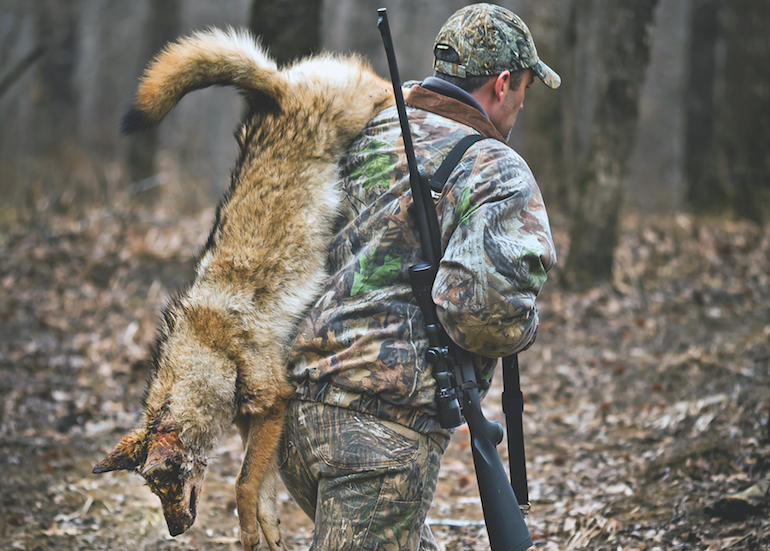
Short Answer: While primarily designed to attract turkeys, strutting decoys can also attract other wildlife such as deer, hogs, and even predators like coyotes
Turkeys respond more effectively to real tail fans than synthetic ones, as the visual and tactile cues of a genuine fan can trigger a stronger instinctual react
Reaping can be an effective calling technique in heavily pressured areas, but it requires a high level of skill and understanding of turkey behavior.
The size of a strutting tom decoy can contribute to success in turkey fan reaping, as a decoy that is too small may blend in with the surroundings and not effec
Using a decoy can increase your visibility to other hunters, but the risk can be mitigated by proper placement and concealment.
Young turkeys will respond to strutting tom decoys with curiosity and caution, often approaching the decoy in a group as they assess the potential threat. This
Time of year influences turkey behavior while reaping, with spring gobblers more vocal and active during peak breeding season, while fall birds are more focused
Turkeys are highly sensitive to weather conditions, which significantly impact their behavior when reaping. On windy days, they tend to stay close to cover, whi
When reaping turkeys, it's recommended to remain in one spot for 2-3 minutes, allowing the birds to become accustomed to your presence before deciding to leave
Wait 5-10 minutes after setting up decoys before calling, as this allows the birds to become comfortable with the setup and increases the likelihood of a respon
For a basic turkey spread, use 3-5 decoys, including a full-body hen, a jake, and 1-2 additional hens or jakes, depending on the terrain and hunter preference.
One decoy can attract between 2 and 5 turkeys, depending on factors such as habitat quality, hunting pressure, and decoy placement.
To avoid spooking turkeys while setting up decoys, move quietly and deliberately, set up decoys in a natural, scattered pattern, and use wind direction to your
To blend your outfit with the environment while reaping, wear earth-toned colors, avoid bright patterns, and choose camouflage that matches the terrain's vegeta
Choose between reaping and traditional calling methods by considering your hunting terrain, the time of day, and your personal preference for noise or stealth.
Selecting the right strutting tom decoy involves considering factors such as motion, size, and color, as well as matching the decoy to the terrain and the time
To combine calls with tail fanning for maximum effectiveness, hunters should incorporate a series of loud, sharp yips into their fan reaping sequence, typically
Ensuring your tail fan decoy looks realistic to turkeys requires a combination of accurate feather patterns, proper posture, and realistic movement.
To identify signs of turkeys when setting up decoys, look for scratch marks on trees, bushes, or on the ground, indicating feeding areas, and be aware of droppi
To move your decoys during a hunt, look for birds that are consistently approaching from a specific direction or angle, then reposition your decoys to match the
To maintain quietness while approaching turkeys for reaping, move slowly and deliberately, avoid sudden noises, and keep a safe distance to avoid startling them
To map out your hunting area for optimal reaping, create a detailed topographic map, identify turkey fan patterns, and analyze wind direction and sun position.