01 — Pillar · Hunting
Expert guides and Q&A about weather apps hunters.
Q&A in this topic
60 total
Yes, there are numerous apps that combine hunting tips and weather data, helping hunters plan and prepare for successful expeditions.
Yes, there are specific apps tailored for forecasting hunting weather, providing essential information such as temperature, humidity, wind direction, and precip
Yes, there are specific weather apps designed for hunters that provide detailed and accurate information to aid in planning and execution of successful hunting
Yes, there are specific weather patterns that can indicate predator activity, such as changes in temperature, humidity, and wind patterns, which can be detected
Yes, predators follow specific weather patterns that affect their prey and environment, allowing them to hunt more effectively.
For effective hunting, it's essential to monitor wind direction using accurate apps that provide real-time data. Top picks include Storm Radar, Dark Sky, and Wi
When severe weather warnings are issued, hunters should immediately prioritize safety and shelter over the hunt. This may involve seeking higher ground, avoidin
During severe storms and high winds, hunters should seek shelter, monitor weather conditions using mobile apps, and focus on short-range hunting strategies, suc
There are several mobile apps that can help hunters find weather patterns, including Dark Sky, Weather Underground, and HuntStand. These apps provide detailed f
Hunters should remain flexible and prepared for changing weather conditions by monitoring weather forecasts, staying alert for sudden changes in the environment
Ideal temperature conditions for hunting turkeys in spring are generally between 50°F and 70°F (10°C and 21°C), with a mix of sun and cloud cover to keep the bi
During a cold snap, the best time to hunt for optimal success is usually early morning and late afternoon/early evening, when the sun is low and the air tempera
Hunters should be prepared to head out 30 minutes to an hour after a thunderstorm passes, as this is typically when animal activity increases and visibility imp
Before an incoming cold front, the best times to hunt are typically 24 to 48 hours prior, during the pre-frontal period, when animals are more active and feedin
On a windy day, the best times to hunt are typically during early morning hours, late evening hours, or periods of brief calm, when wind speed is lowest, usuall
To monitor wind speed while out in the field, use a combination of wind flags, wind vanes, and weather apps on your smartphone. Wind flags and vanes provide imm
To stay informed of sudden weather shifts, hunters can use weather apps with live radar and forecast updates, receive alerts from local weather services, and mo
Hunters should stay updated on weather through mobile apps, radio broadcasts, and personal monitoring of changing conditions. Weather apps like Dark Sky and Wea
Sudden warm fronts can significantly affect deer behavior, causing them to alter their daily routines and habitat use in response to the changing temperature an
Deer movement can be significantly affected by cold fronts during the rut, as sudden changes in temperature, wind, and precipitation patterns can disrupt their
Hunting after heavy snowfall can be challenging but rewarding, as it often disrupts game patterns and creates new hiding spots, making it easier to track and fi
Yes, you can trust radar images for storms while camping, but it's essential to verify the data with other sources and consider the limitations of radar technol
Yes, you can use a fishing weather app for hunting conditions, but consider the limitations and accuracy of the data. Fishing weather apps often focus on marine
Yes, you can use radars to predict storms during hunting trips, but they should be used in conjunction with other weather forecasting tools and your own situati
Yes, a well-informed hunting strategy can greatly benefit from understanding weather trends, which can influence game movement, visibility, and habitat usage.
Rain can significantly impact scent control for deer hunters.
Weather apps can indeed aid in locating good hunting spots by providing crucial information on weather patterns, temperature, and precipitation. This data can h
Yes, weather conditions can significantly affect your hunting equipment, impacting its performance, durability, and longevity. Extreme temperatures, humidity, a
Yes, wind forecasts can help you plan your hunting days by identifying optimal conditions for tracking and hunting, particularly for species like deer and elk.
Wind patterns can significantly help in tracking big game by providing crucial information about animal movement, scent dispersion, and habitat usage. Understan
Hunting in lightning storms is generally not safe due to the risk of being struck by lightning, and it can also be difficult to navigate and spot game in heavy
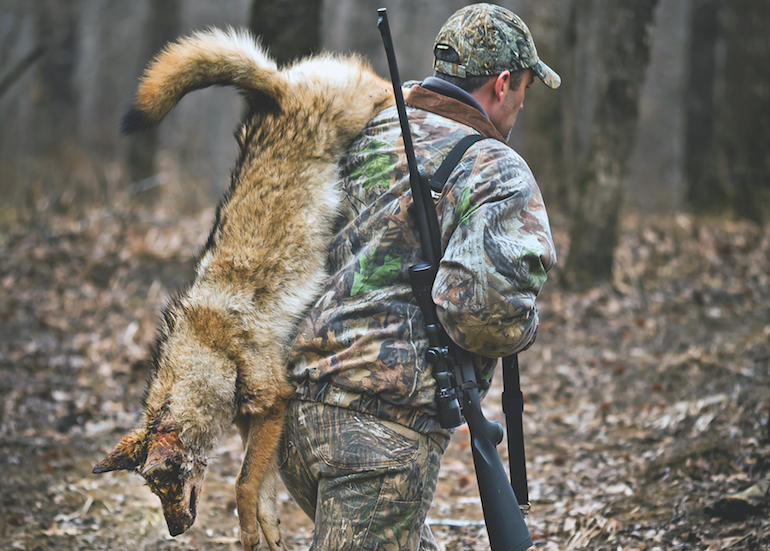
Coyote hunting success rates are relatively high during rainy weather, with some studies suggesting a 20-30% increase in coyote kills compared to sunny days.
Deer activity usually increases during cold fronts due to a combination of factors, including reduced daylight hours, harsh weather conditions, and the instinct
Animals exhibit varied responses to temperature changes, ranging from altered activity patterns to physiological adjustments, and these reactions can be crucial
Yes, animals exhibit pre-storm behavior changes, often in response to subtle wind shifts or other environmental cues, allowing hunters to anticipate and prepare
Changing wind directions can significantly impact predator movement patterns, often affecting their hunting strategies, ambush locations, and scent tracking abi
Cold fronts can significantly influence coyote hunting effectiveness.
Hunting success rates can increase after heavy rain, particularly for certain species. This is due to the fact that heavy rain can push prey into areas with bet
Overcast days can improve deer sightings during hunting due to reduced visibility and changes in deer behavior.
Patterns of animal movement can shift with weather changes, affecting hunting strategies and success. This phenomenon is often linked to temperature fluctuation
Predators hunt more aggressively during storms due to the increased availability of prey that are disoriented and vulnerable to attacks. This is especially true
Temperature drops can indeed trigger increased animal activity, causing them to become more active as they search for food, shelter, and mates in response to ch
While weather apps can provide valuable information for hunters, their severe weather alerts may not always be reliable, with some studies indicating up to 30%
Short Answer: Yes, barometric pressure influences animal behavior, as changes in pressure can affect their comfort level, feeding patterns, and movement.
High humidity in the fall can significantly impact deer movement, making them more challenging to locate and hunt.
Deer movements are influenced by humidity in early fall, as they tend to seek out areas with lower humidity levels to escape discomfort and conserve energy.
Wind swirl at different elevations can significantly impact tracking by altering scent dispersion, making it more challenging to follow a trail, especially in h
Changes in barometric pressure can significantly affect animal movements, often causing them to alter their habits and increase activity levels during periods o
Wind direction significantly affects game trails and habits, causing animals to alter their movement patterns and habitats in response to wind direction and spe
Local weather apps are generally accurate within a 5-mile radius, but their accuracy declines significantly for remote locations, often resulting in a margin of
Wind forecasts can be fairly accurate, but their reliability depends on the location, time frame, and forecast model used. For hunting locations, accuracy can r
Wind forecasts for specific hunting zones can be moderately accurate, with an average error of 5-10 mph, but may vary depending on the location, weather pattern
Weather radar can be an accurate tool for hunting forecasts, offering real-time precipitation and storm data. However, its accuracy can be influenced by various
Cold fronts can significantly impact small game hunting success by altering animal behavior, habitat use, and hunter movement patterns.
Hunting regulations often change with seasonal weather due to factors like snow cover, water levels, and animal behavior. These changes can impact hunting seaso
Overcast skies often force elk to seek higher ground where they can see potential threats, such as mountain ridges, hilltops, and timberline areas. Hunters can
A sudden drop in temperature can have a profound impact on wildlife behavior, causing them to alter their movements, feeding patterns, and social interactions.
Fog significantly reduces deer visibility, making it difficult for hunters to spot their targets. This can be particularly challenging during peak fog periods,
Rain affects scent trails when tracking game by diluting or eliminating the game's scent, making it much harder for the hunter to follow and locate the game.
After a cold front, wait 2-3 days for optimal hunting conditions, when animal movement and scent trails have been reset and temperatures have stabilized.