01 — Pillar · Hunting
Expert guides and Q&A about youth hunting tips.
Q&A in this topic
60 total
Yes, there are several youth hunting programs and events available, offering guidance and hands-on experience for young hunters. These programs often include me
Yes, there are specific hunting trips designed for youth engagement, offering guided experiences tailored to their age and skill level.
For youth hunters in cold weather conditions, essential gear includes a waterproof, insulated camouflage jacket, warm gloves, and a pair of waterproof, insulate
For youth near urban areas, consider hunting locations with minimal access restrictions, such as public lands, national forests, and wildlife management areas.
Youth hunters can safely hunt deer in areas with minimal habitat fragmentation, such as large public lands or hunting clubs with controlled access. These areas
Effective mentoring for young hunters involves setting realistic expectations, focusing on safety, and gradually increasing responsibility. Start with basic hun
Pairing young hunters with experienced mentors involves matching their skill level, age, and interests with a mentor who has hunting experience and patience. Th
When scouting with young hunters, prioritize their safety, keep them engaged with interactive activities, and focus on developing essential skills like tracking
Teaching patience to youth hunters involves setting realistic expectations, providing hands-on experience, and emphasizing the importance of waiting for a clean
A successful youth hunting trip is a great opportunity for celebration, and the best ways to do so include rewarding their hard work and patience with a celebra
A youth hunter's first success should be celebrated with a genuine sense of pride and accomplishment, focusing on their hard work and dedication rather than the
Foster a love for hunting in kids by involving them in outdoor activities, teaching them about wildlife and conservation, and gradually introducing them to fire
Yes, kids can safely hunt small game with a .22 caliber rifle, but they should start with adult supervision and a gradual learning process.
Siblings can share a positive hunting experience for younger hunters by learning from each other and fostering a supportive environment, which can boost their c
Young hunters can use crossbows under close adult supervision, but it's essential to understand the local laws and regulations regarding age restrictions and mi
Yes, most states allow youth to hunt independently, but requirements and restrictions vary by state, and a youth hunter's license is usually required.
Youth can participate in bow hunting safely with proper guidance, equipment, and safety protocols. This involves setting realistic expectations, ensuring the bo
Yes, youth can participate in group hunts for improved safety as long as they are properly supervised and instructed on hunting etiquette and safety protocols.
Youth can participate in hunting competitions safely when properly trained and supervised. Hunting competitions can be a great way to teach youth important skil
Young hunters often face fears of not being able to make a clean shot, being in unfamiliar terrain, and not being able to track and retrieve the game.
Young hunters often overlook the basics, leading to common mistakes during their first harvest. They tend to underestimate the power of firearms and overestimat
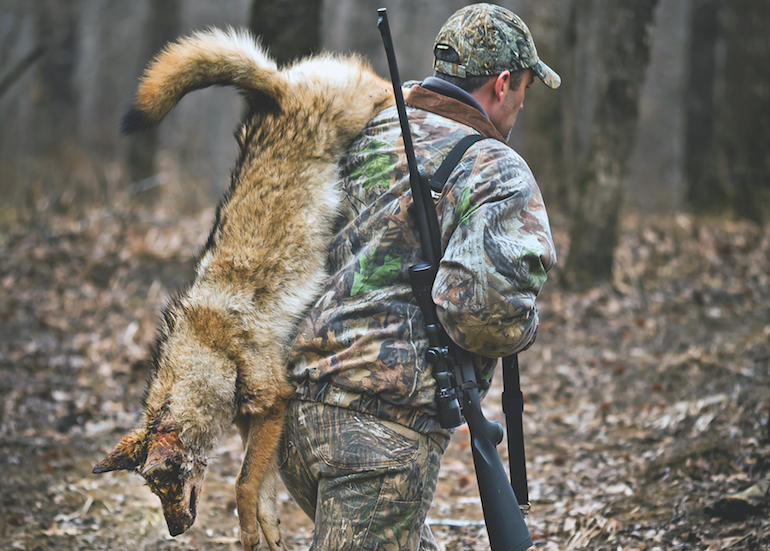
For first-time youth hunters, coyote hunting requires patience, proper firearm handling, and understanding of coyote behavior. Youth hunters should be accompani
Yes, children often require a special youth hunting license or permit for youth hunts. Requirements vary by state and country. These licenses are designed to pr
Prior experience with archery can benefit youth during hunting by developing essential skills such as patience, focus, and marksmanship, which can translate to
For young hunters, effective deer calls to learn include a mouth grunt, a bleat, and a rattling antler call. These calls are relatively simple to mimic and can
Mentoring youth in ethical hunting practices involves setting clear expectations, teaching firearm safety and handling, and gradually increasing responsibility
Youth-friendly hunting calls can be an effective tool for attracting and engaging young hunters, but their effectiveness depends on the type of game being hunte
Schools can support youth hunting education programs by providing curriculum integration, partnering with local hunting organizations, and offering hands-on tra
Youth hunting ethics differ from adults by prioritizing education, supervision, and safety, with a focus on developing good habits and respect for wildlife and
Weather plays a significant role in youth hunting trips, affecting their safety, comfort, and overall experience. Inclement weather can reduce visibility, incre
For kids, a realistic hunting day should last 4-6 hours, depending on age and experience level, to maintain their focus and avoid fatigue.
A youth should practice shooting at least 50 to 100 rounds before their first hunt, depending on their age, familiarity with firearms, and comfort level. This r
Parents should react to a youth hunter's mistakes with patience, understanding, and guidance, focusing on correcting the error rather than criticizing the child
After a miss, reassure young hunters that mistakes are an essential part of the learning process, emphasize the importance of safety, and encourage them to focu
Choosing the right hunting environment for children is crucial for a safe and enjoyable experience. It's essential to consider their age, skill level, and atten
Choose a hunting mentor with experience teaching children, a calm demeanor, and a strong focus on firearm safety and responsibility. The mentor should be willin
Create a fun yet educational hunting experience for kids by setting realistic expectations, using age-appropriate firearms and hunting techniques, and focusing
Teaching patience to novice youth hunters requires setting realistic expectations, breaking tasks into manageable steps, and gradually increasing difficulty to
Encourage teamwork among young hunters by assigning specific roles, setting clear expectations, and promoting open communication to foster cooperation and share
Teach young hunters about hunting regulations through hands-on experience, interactive discussions, and review of relevant laws and permits. Make sure they unde
Explain hunting regulations to young hunters by emphasizing the importance of following rules, understanding license requirements, and respecting wildlife habit
To foster interest in hunting through educational activities, involve youth in hands-on learning experiences that emphasize safety, responsibility, and basic hu
Introduce youth to hunting ethics by modeling responsible behavior, emphasizing safety, and allowing them to experience success through hands-on training and gr
MANAGE EXPECTATIONS FOR A CHILD'S FIRST HUNT BY SETTING REALISTIC AIMS, PROVIDING PROPER TRAINING, AND FOCUSING ON SAFETY ABOVE ALL ELSE, AND BE PREPARED FOR A
Plan a youth hunting trip by setting realistic goals, selecting a suitable age-appropriate firearm, and structuring activities to match their attention span, al
Youth hunters can be fatigued when they display decreased attention span, slower reaction times, and loss of enthusiasm, often after 4-6 hours of hunting. They
To teach tracking skills to young hunters, start with short, manageable lessons, and focus on basic observation techniques such as recognizing animal tracks and
Children typically start hunting between the ages of 8 to 12 years old. This age range allows for basic firearm training and sufficient physical ability to hand
For beginners aged 12 to 15, ideal firearms are break-action or lever-action shotguns in 20-gauge or .410 bore, as they offer manageable recoil, easy loading, a
A youth hunter's attention span significantly impacts their hunting success, as they must remain focused on their surroundings, follow safety protocols, and dev
A .22 rifle can be a suitable choice for youth hunting safety, provided the youth is adequately trained and supervised. It is essential to consider the individu
A .243 rifle can be suitable for youth hunting in the Midwest, but it's essential to consider the individual child's physical ability and hunting experience.
A lever-action rifle can be suitable for young hunters, but it's essential to consider their age, skill level, and safety habits.
A youth compound bow can be effective for small game, but it's essential to consider the child's physical strength, accuracy, and attention span when selecting
A youth crossbow can be an effective choice for beginners, offering a lower draw weight and less recoil, making it easier for young students to handle and impro
Involving siblings in youth hunting experiences can be highly beneficial, fostering a lifelong appreciation for the outdoors, promoting family bonding, and teac
With proper supervision and guidance, it can be safe for kids to hunt alone under the right conditions, but it depends on factors like their age, maturity, trai
With proper supervision, guidance, and safety training, teens can hunt larger game safely and effectively. Supervision should involve experienced hunters who ca
Wearing blaze orange is highly recommended for young hunters to increase visibility and reduce the risk of being mistaken for game by other hunters.
Laws regarding youth hunting with air rifles vary by state, but most require a child to be at least 10 years old to hunt with an air rifle, with some exceptions