Tuning & accessories · Chronographs
Chronographs
The instrument that turns your PCP from a gun into a tunable system. Measure velocity, calculate energy, verify your regulator is doing its job.
The quick answer
A chronograph is the instrument that measures pellet or slug velocity at the muzzle, giving you the actual numbers behind your rifle’s performance. Without one, you’re guessing about whether your PCP is delivering the velocity it’s rated for, whether your regulator is set correctly, whether one pellet shoots faster than another, and whether your shot-to-shot consistency is competition-grade or just hunting-grade.
For most PCP owners, the first chronograph is the upgrade that turns the rifle from “a gun you shoot” into “a system you tune.” Once you can see standard deviation and extreme spread across a 10-shot string, you can compare pellet brands rationally instead of by feel, verify your regulator’s set pressure, and catch the early signs of a worn seal before it becomes a leak.
The partner stocks four chronographs covering three different measurement technologies — pick the one that matches your setup and budget.
When shopping
What to look for in a chronographs.
- ✓Muzzle-mounted vs tabletop vs doppler radar Muzzle-mounted chronographs thread onto your barrel and measure velocity right at the muzzle — most accurate, no setup, but only fits threaded barrels. Tabletop infrared chronographs sit between the shooter and the target with light bars on either side — accurate, works with any rifle, but takes a minute to align. Doppler radar chronographs (like the FX Pocket V2) use radar to detect the projectile in flight — works in any conditions including bright sunlight or wind, no alignment needed, but premium pricing.
- ✓App connectivity matters more than you think Three of the four chronographs the partner stocks connect to a smartphone app for shot logging, standard deviation, extreme spread, and shot string analysis. For tuning a regulator or comparing pellet brands, this is the data you actually care about — not just the velocity number on the LED. The Orcair, FX Pocket V2, and Compact Barrel chronograph all support phone apps.
- ✓Calibration matters for relative comparisons Most $50-100 chronographs have a 1-3% reading error vs. lab-grade equipment. For PCP work, relative consistency matters more than absolute accuracy — you care that pellet A averages 850fps and pellet B averages 870fps, not that 'the absolute number is precisely correct.' The Orcair includes a user-set scale factor so you can calibrate against a known-accurate reference; the FX Pocket V2 is factory-calibrated.
- ✓Thread match matters on muzzle-mounted units The Orcair ships 1/2×20 UNF (the North American airgun standard). For Diana/Artemis platforms (Chaser, Bandit, StormRider, PR900W, PP800) with M10×1 metric threads, you need the M10 adapter at checkout. Choose right or the chrono won't thread on your rifle.
- ✓Indoor light vs outdoor performance Infrared chronographs (the 5-6500 FPS unit, the Compact Barrel chronograph) work best in low ambient light. Outdoors in bright sun, the infrared sensors can be confused by ambient light — the manufacturer recommends a light shield for outdoor use. Doppler radar (FX Pocket V2) and direct-muzzle (Orcair) don't have this limitation.
Sourced from our partner
Chronographss we feature.
Each product below has its own full reference page on Hunt & Live with spec table and editorial pick rationale. Buy direct from our partner — Canadian family business, flat $17 CAD shipping, real product support.
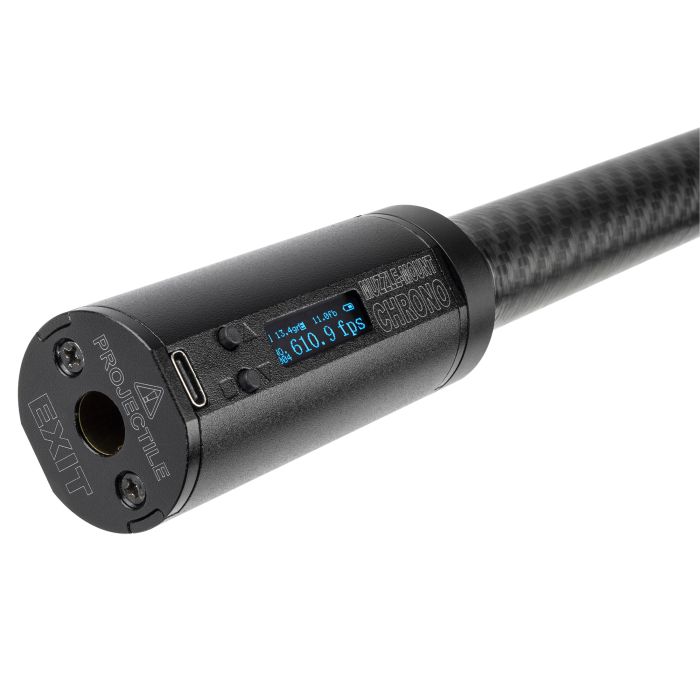
Orcair Muzzle-Mounted Chronograph 1/2×20
1/2×20 muzzle-mounted chronograph with iOS/Android app, USB rechargeable, updated sensor for .177 caliber. 75 orders, 90% positive — the most popular chrono in the partner's catalog.
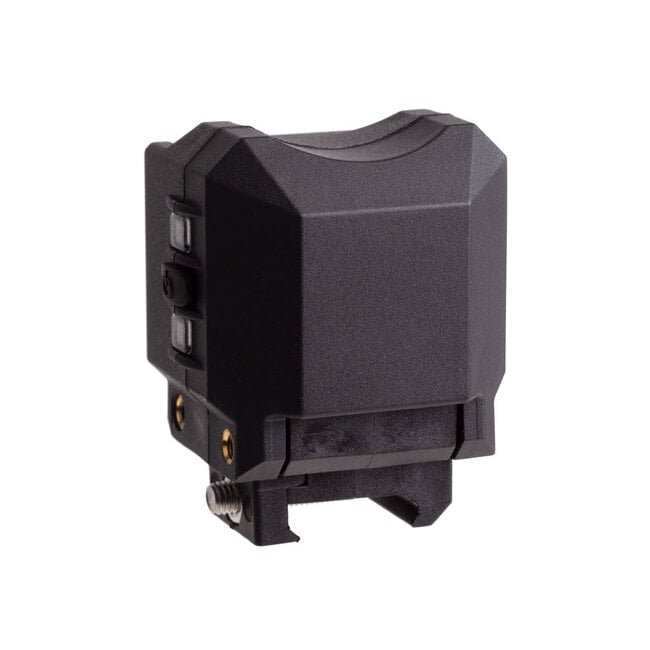
FX Airguns Pocket Chronograph V2
Premium Doppler radar chronograph — no light source needed, works in any conditions. 2.5oz, Picatinny or bracket mount, iOS/Android app, multiple rifle profiles.
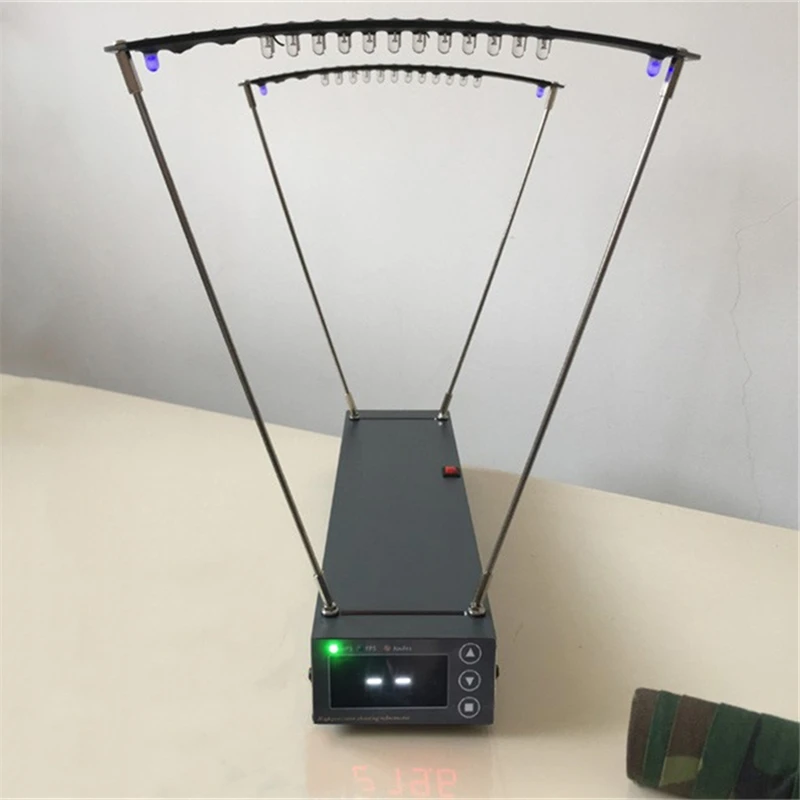
5-6500 FPS Tabletop Chronograph
Tripod-mountable infrared tabletop chronograph — 5 to 6500 fps range, ±0.5% accuracy, supports any caliber and weapon type. The widest-range chrono in the partner's catalog.
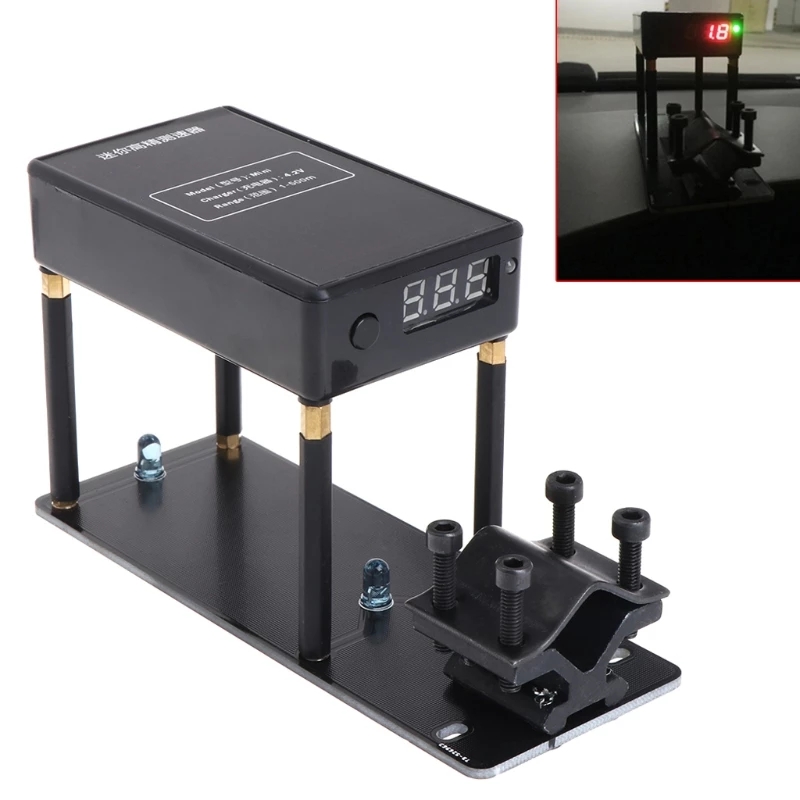
Compact Barrel-Mounted Chronograph
Compact dual-mount infrared chronograph — sits on a table or clamps to your barrel. Reads fps, m/s, or joules. Includes charger and barrel mounts for larger barrels.
Want more options?
4 chronographs across 4 different sensor technologies — muzzle-mounted optical, FX doppler radar, tabletop infrared. Something for every PCP buyer's budget and accuracy expectation.
Browse all chronographss at Airgun Archery Fun →
Pillar resource · Featured
The Perfect PCP Starter Kit for Beginners
Every part. Every line item. Picked, budgeted, and linked. Snowpeak Lynx Gen 3 rifle with bundled scope, hand pump, pellets, mounts, silicone oil, fill adapter, bipod, and case — $1,200–$1,500 CAD total, every item from our Canadian partner.
Read the full starter-kit guide →In partnership with