
On this page
Wolves are some of the best fun in theHunter: Call of the Wild once you stop chasing them. They roam, they travel in packs and they rarely stand still in the open, so stalking them is slow work. Calling them in turns that around: you pick the spot, you set the wind, and the pack comes to you.
We hunt wolves two ways: calling them in with a predator distress call, from a frozen lake where there is one (our pro tip) or open country where there isn’t, or sitting on their drink and feed zones at the right time of day. Either way, we take every wolf with a normal wolf rifle. We don’t hunt them with a pistol. The Focoso .357 revolver rides in the sidearm slot for one reason: self-defence, if the pack attacks. It works on both gray wolves and Iberian wolves, and the same setup pulls in coyotes and foxes.
Wolves in the Game
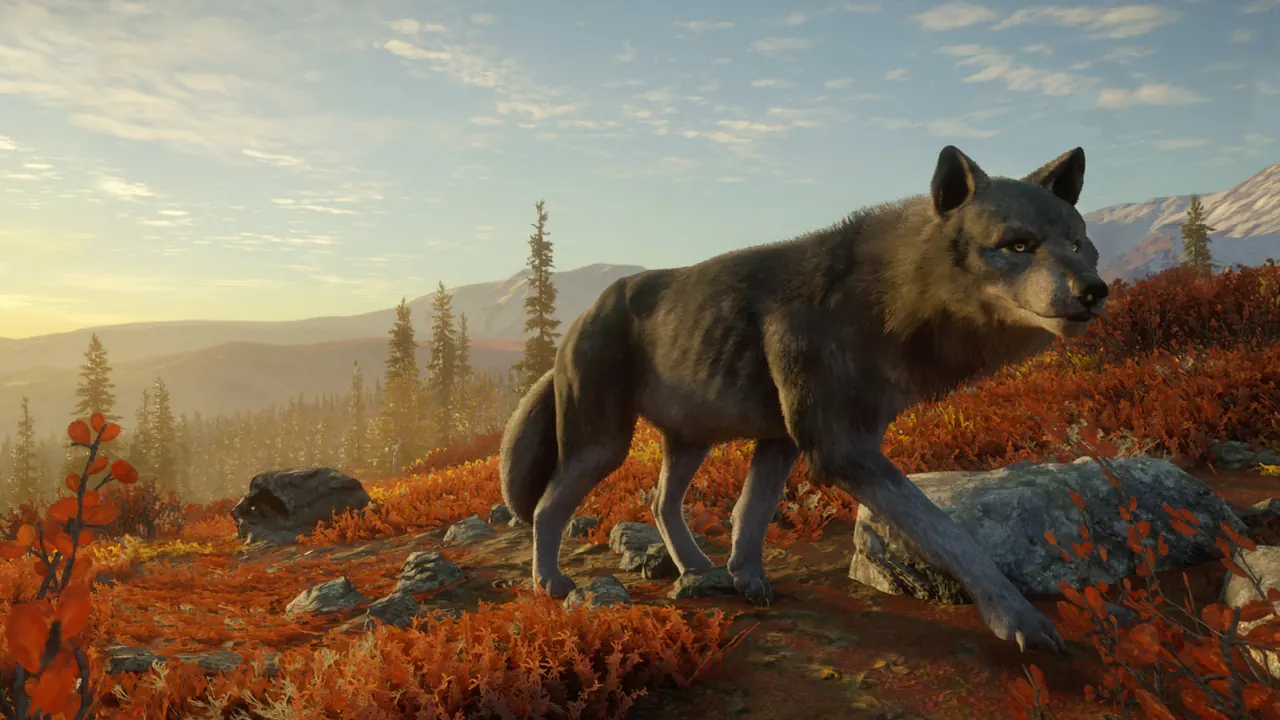 Gray wolf in autumn tundra, Yukon Valley
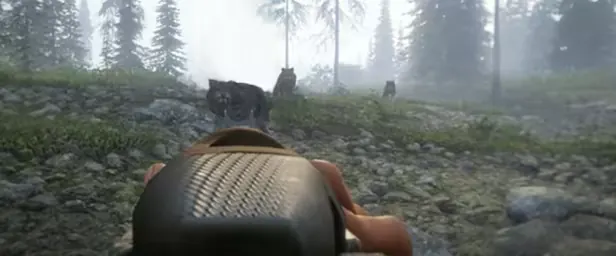 Wolves coming in through the mist, over the sights
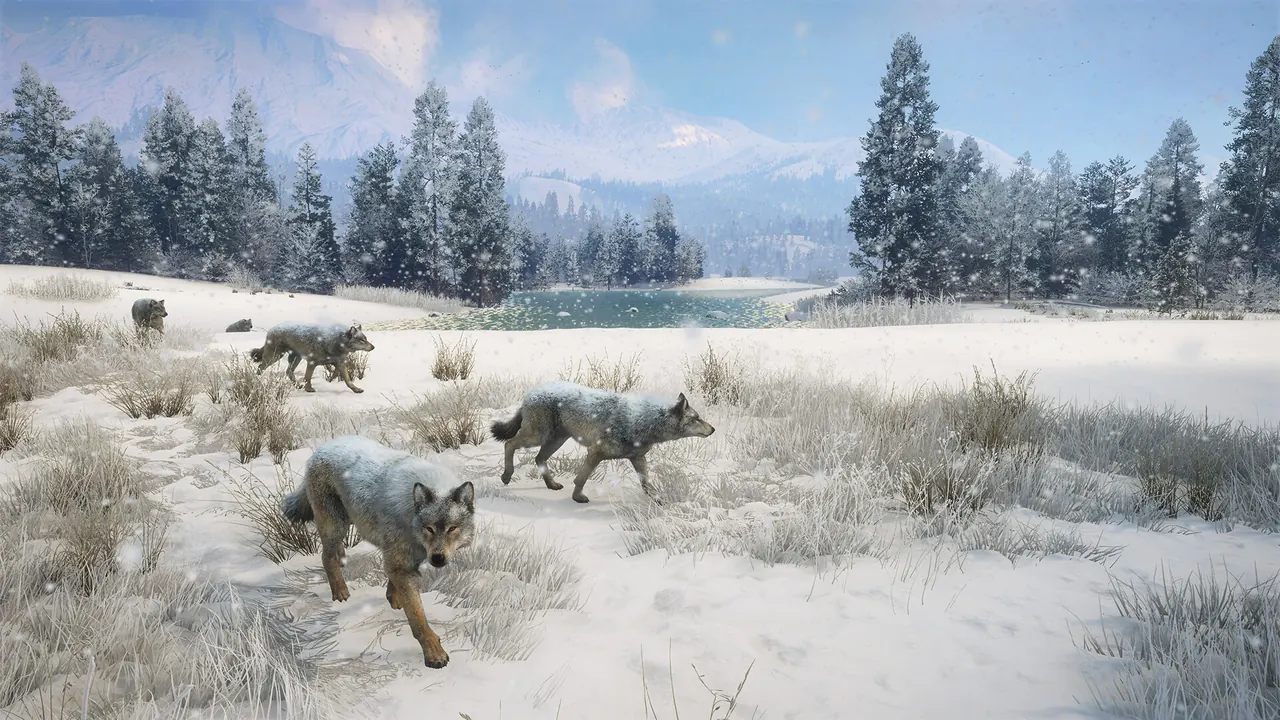 A pack crossing the snow, Askiy Ridge
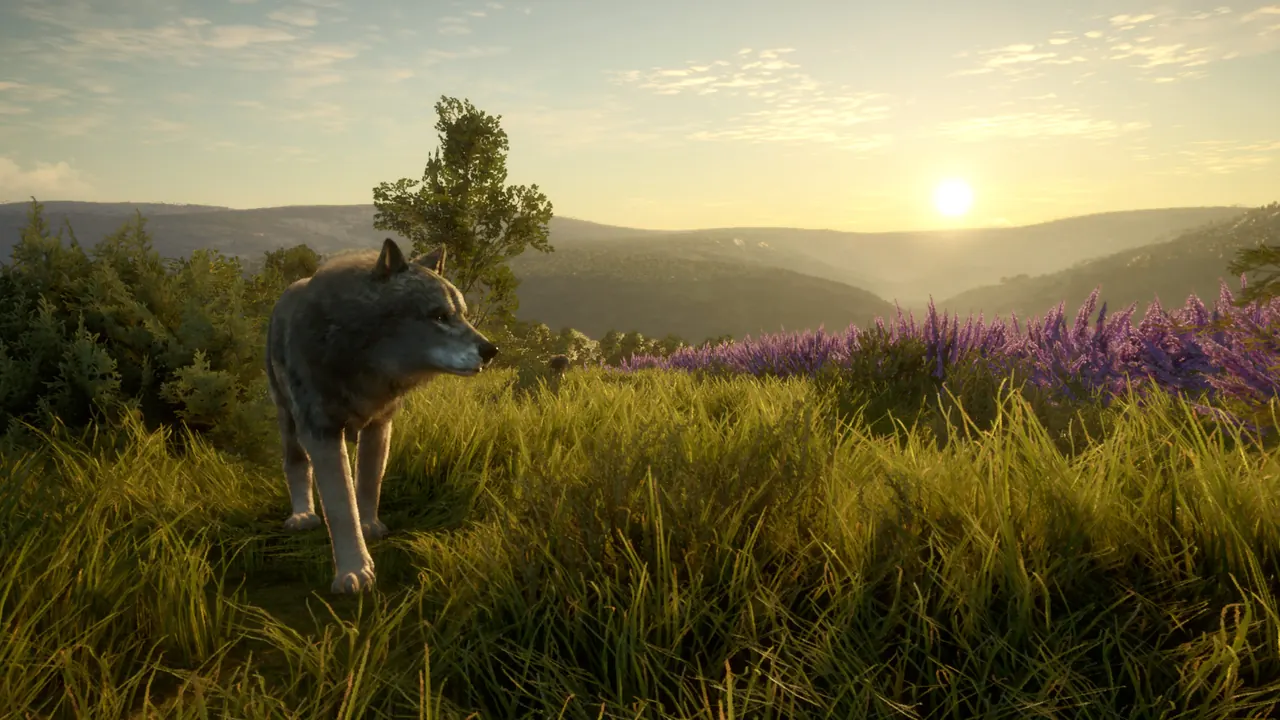 Iberian wolf, Cuatro Colinas
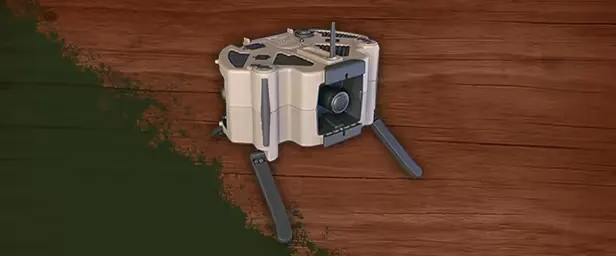 The FOXPRO X360 electronic caller (Ambusher Pack)
5 official images from the game's store page. Tap any image to enlarge.
Wolves at a Glance
| Species | Class | Reserves | Drink | Max difficulty | Diamond | Great One |
|---|---|---|---|---|---|---|
| Gray wolf | 6 | Yukon Valley, Medved-Taiga, Askiy Ridge | 00:00–03:00 (Yukon, Askiy) · 17:00–20:00 (Medved) | Fabled | 39 | Yes |
| Iberian wolf | 6 | Cuatro Colinas | 03:00–06:30 | Legendary | 39 | No |
Notice the pattern: wolves feed through the evening and early morning and rest through the middle of the day. Calling works best around their feeding windows, when the pack is up and moving.
Option 1: Hunt Their Drink and Feed Times
You don’t have to call at all. Wolves use the same need zones every day, so the simplest method is to find a drink or feed zone and be sitting on it, downwind and in cover, before the window opens (see the clocks above). Glass the pack as it comes in, pick the wolf you want and take it with your rifle. The rest of the pack usually scatters; if they come at you instead, that’s what the .357 is for.
Option 2 (Our Pro Tip): Call From a Frozen Lake
On reserves with frozen lakes, like Medved-Taiga in Siberia (its frozen river) and the frozen lakes of Askiy Ridge, our favourite way to call wolves is from out on the ice. Walk out into the middle and run the predator distress call.
- The wolves have to show themselves. To find the sound they come out onto the open ice and shoreline, where you get clear, unobstructed rifle shots.
- You see them coming from a long way off. If the pack decides to come for you, they have to cross open ice to get there.
- No brush to hide in. In the timber, wolves can be on top of you before you see them. On the ice, nothing sneaks up on you.
No frozen lake? Don’t try it on open water. Instead, set up in open country: a meadow, burn, tundra or ridge with long sightlines, where you can see the wolves coming before your dog warns you of a threat nearby. If your dog is the first to know, you’re set up somewhere too closed-in.
Use the wind the same way either way: face into it, so the wolves coming in downwind of the call cross the open ground in front of you.
Why Calling Works
Wolves have sharp noses and ears and cover a lot of ground between zones. Walk after a pack and you’ll usually see tails disappearing into the trees. A predator distress call, the sound of a wounded small animal, plays on exactly what a wolf is: a predator looking for an easy meal. The pack comes looking for it.
The catch is that wolves come in nose first. A predator approaching a call almost always tries to get downwind of it to smell what’s there. That’s why your setup matters more than your shooting.
The FOXPRO X360 Electronic Caller
The FOXPRO X360 comes in the Ambusher Pack. It’s a real electronic caller: you put it on the ground, walk away and run it by remote. According to the store page, it holds calls for more than 60 species, can play two at once (FOXFUSION), and stops automatically on a loud noise (FOXBANG), so the call cuts off as soon as you shoot.
Why it’s better than a hand call for wolves:
- The sound isn’t coming from you. Wolves focus on the caller, not on the hunter sitting off to the side.
- You can stay still. No hand movement and no breathing into a call while the pack is looking for the source.
- It keeps working after the shot. With FOXBANG, the call goes quiet when you fire. Restart it and the rest of the pack often comes back in to investigate.
If you don’t have the pack, a predator distress hand call works too. Just expect the wolves to come straight to you, so be set up and still before you blow it.
The Setup
This is the layout we use. Tap Play to watch a pack come in.
Swipe the diagram sideways to see it all.
Caller out front and upwind, you sitting with the wind in your face. Wolves swing downwind of the caller and walk into your rifle lane. The ring is the self-defence zone: if a wolf comes at you inside it, draw the .357.
How to set it up:
- Check the wind first. Use the wind indicator and face into it, so the wind blows from the caller toward you. Your scent then carries behind you, away from where the wolves come in.
- Place the caller out front, upwind and a little to the side, about 30–40 m away. Wolves circling downwind of the caller will cross in front of you before they reach your scent.
- Sit in cover with a clear view of the ground between you and the caller. A ground blind or a bit of brush is enough.
- Start the distress call and wait. Give it several minutes. Wolves often come in slowly, stop to look, then commit.
- Take the wolf with your rifle when it stops broadside.
- Watch the rest of the pack. Most of the time they scatter. If one comes straight at you instead, draw the .357 and defend yourself; the revolver’s fast follow-up shots are what save you.
- Stay put. Once things settle, restart the caller; any wolves that held back often come in again.
The Loadout: A Wolf Rifle, Plus a .357 for Self-Defence
For the hunt: a normal wolf rifle. We take every wolf with a rifle, never the pistol. Wolves are class 6, so use a rifle load that covers class 6, at a range where you can place the shot well. These all work:
- Ranger .243 with .243 Soft-Point
- Whitlock Model 86 with .30-30 Soft-Point Round Nose
- .270 Huntsman with .270 Soft-Point
- Martensson 6.5mm with 6.5mm Soft-Point
For self-defence: the Focoso .357 in your sidearm slot. We don’t hunt wolves with it. It’s our favourite gun for one job: stopping wolves that attack. When you drop a wolf from a pack, the others don’t always run. Sometimes they come straight at you, and a rifle is slow to work at close range. The revolver isn’t.
- It’s quick to draw and quick to fire. Fast follow-up shots matter when two or three wolves close in at once.
- It has the power for it. Both .357 loads are rated for classes 2–6, and wolves are class 6, so it can stop a wolf cleanly at close range.
- It’s made for close range. Its effective range is short, about 50 m, which is exactly where a charging wolf is.
- It’s in the base game. No DLC needed.
Which .357 load?
| .357 load | Class range | Classes | When to use it |
|---|---|---|---|
| .357 Jacketed Hollow-Point | 2-6 | Broadside wolves. More expansion, bigger wound, easier blood trail. | |
| .357 Flat Nose Hard-Cast | 2-6 | Quartering or head-on wolves. More penetration to reach the vitals. |
Load the hollow-points: a charging wolf usually comes at you head-on or quartering, and a fast-expanding round stops it quicker. Switch to hard-cast if you keep getting frontal shots that don’t drop them. Keep the revolver without a scope so it stays fast at close range.
52 weapons in the game can legally take a wolf. See the full list on the gray wolf guide.
Where to Hunt Wolves
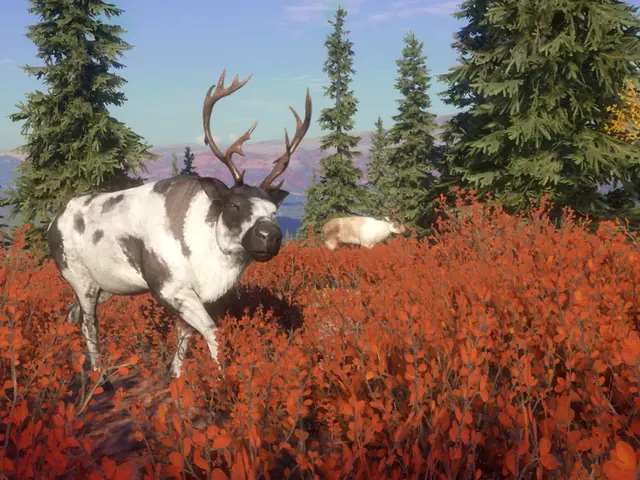

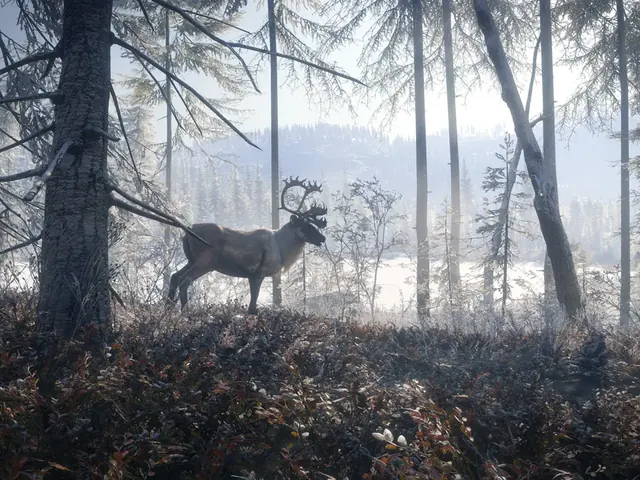
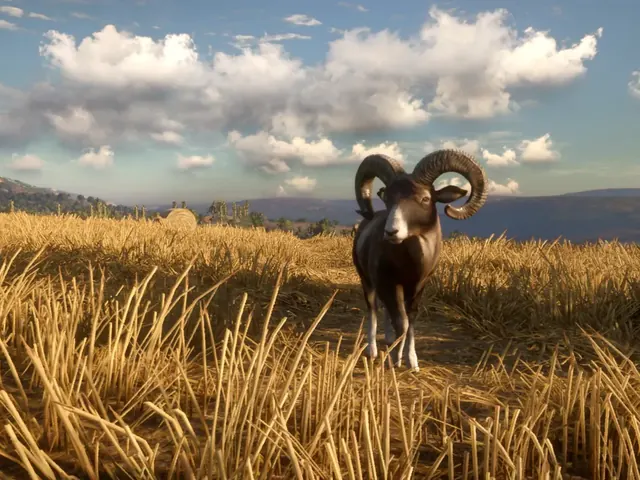
- Yukon Valley: red tundra and open hills make it easy to see a pack coming to the call.
- Askiy Ridge: snow means fresh, readable tracks. Follow them to a need zone, then set up the caller nearby.
- Medved-Taiga: wolves drink in the early evening here (17:00–20:00), so you can hunt them in daylight.
- Cuatro Colinas: the only reserve with Iberian wolves. Same method, smaller wolf.
Common Mistakes
- Calling with the wind at your back. The pack winds you and leaves before you see it.
- Calling from open water. The lake trick only works on ice. On reserves without frozen lakes, use open country instead.
- Setting up in thick cover. If your dog is warning you of a threat nearby before you’ve seen the wolves, you’re somewhere too closed-in.
- Sitting in the open on land. Wolves pick up movement fast. Pick open country with long sightlines, or a frozen lake, so you see them before your dog does.
- No sidearm ready. Fumbling with a rifle while the pack runs in is how you get caught out. Have the .357 in the sidearm slot before you start calling, just in case.
- Shooting too early. Wait for the lead wolf to stop before taking the rifle shot.
- Walking out after the first wolf. Stay put, restart the caller and give the rest of the pack a few minutes.
- Hunting them with the pistol. The .357 is for self-defence. Take your wolves with a proper rifle.
Same Setup, Other Predators
The same calling setup also works on coyotes and red foxes, both class 2. On Rancho del Arroyo you can call coyotes and pick off a Mexican bobcat that comes in to the same sound.
Frozen-lake calling method and the .357 self-defence tip from our own hunts. FOXPRO X360 features from the Ambusher Pack store page; class ranges and need-zone times from our weapons and animals databases. Written October 2026.
Frequently Asked Questions
What is the best caller for wolves in Call of the Wild?
Should I hunt wolves with a pistol in Call of the Wild?
What is the best way to call wolves in?
Do wolves attack you in Call of the Wild?
What is the best rifle for wolves?
What class are wolves in Call of the Wild?
Where are wolves in Call of the Wild?
When do wolves drink in Call of the Wild?
Is there a Great One wolf?
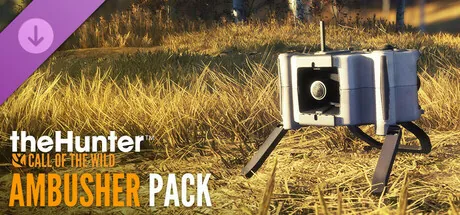
The FOXPRO X360 electronic caller comes in the Ambusher Pack, along with the Moradi Model 1894 lever-action and the Stenberg takedown recurve bow.
Get the Ambusher Pack (FOXPRO caller) on Steam → Also on PlayStation and Xbox. Store prices change; check the store for the current price.