
Featured Review · Stoeger Airguns · Air Guns
Stoeger RX5 TAC Air Rifle Review — The Rifle That Grows With the Shooter
Our Rating
Current Price
- Model
- RX5 TAC Synthetic Combo (Canadian Edition)
- Calibre
- .177 / 4.5 mm
- Velocity
- 495 fps (Canadian Edition)
- Powerplant
- Spring piston, break barrel
Pros
- A three-position length of pull — 356, 363 and 370 mm — so one rifle fits a ten-year-old and the adult teaching them, changed with a hex key in a couple of minutes
- The Canadian Edition is rated at 495 fps, which keeps it under the 500 fps threshold and means no PAL is required to buy it
- 2.4 kg without the scope: light enough that a young shooter can actually hold it steady rather than fight it
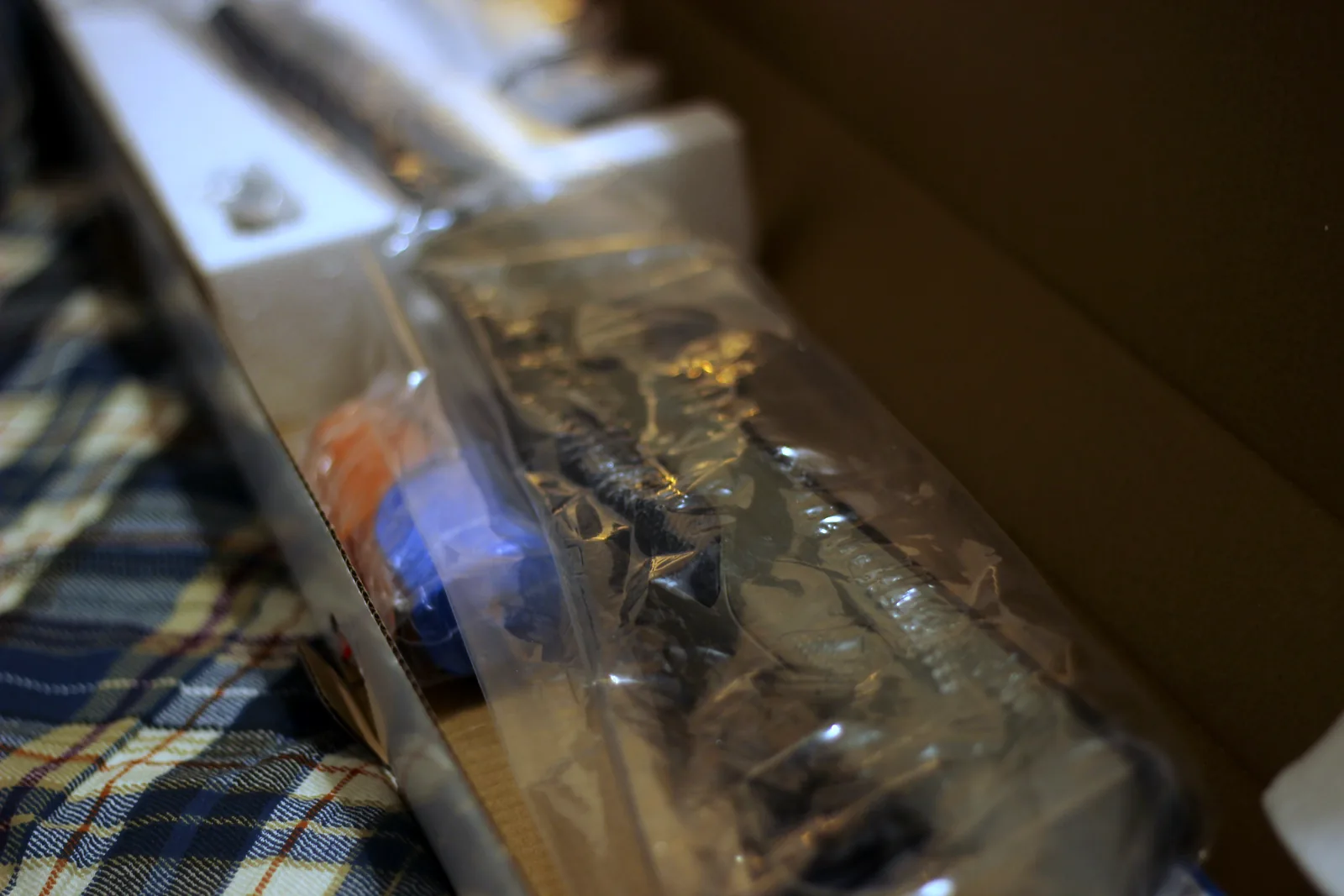
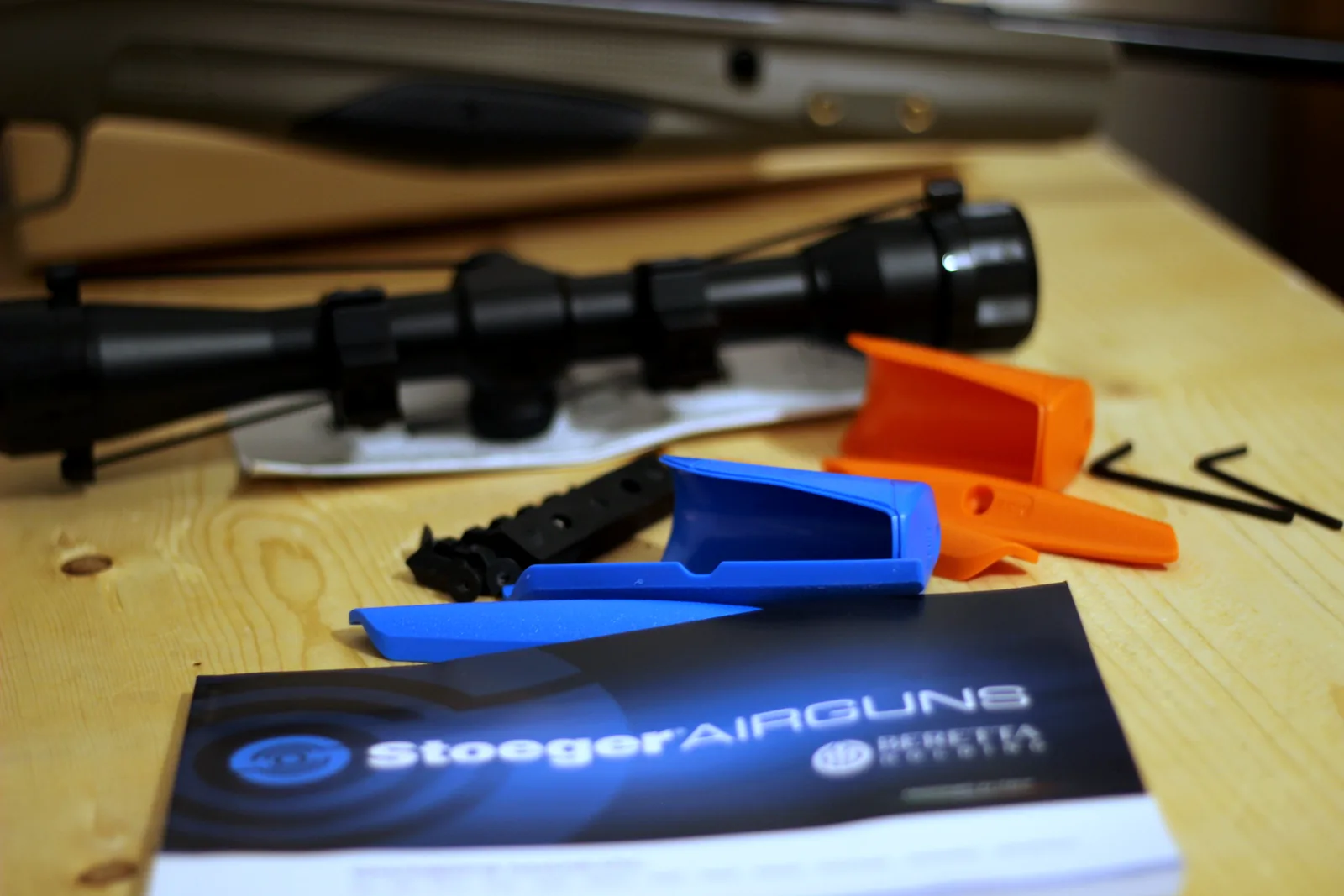
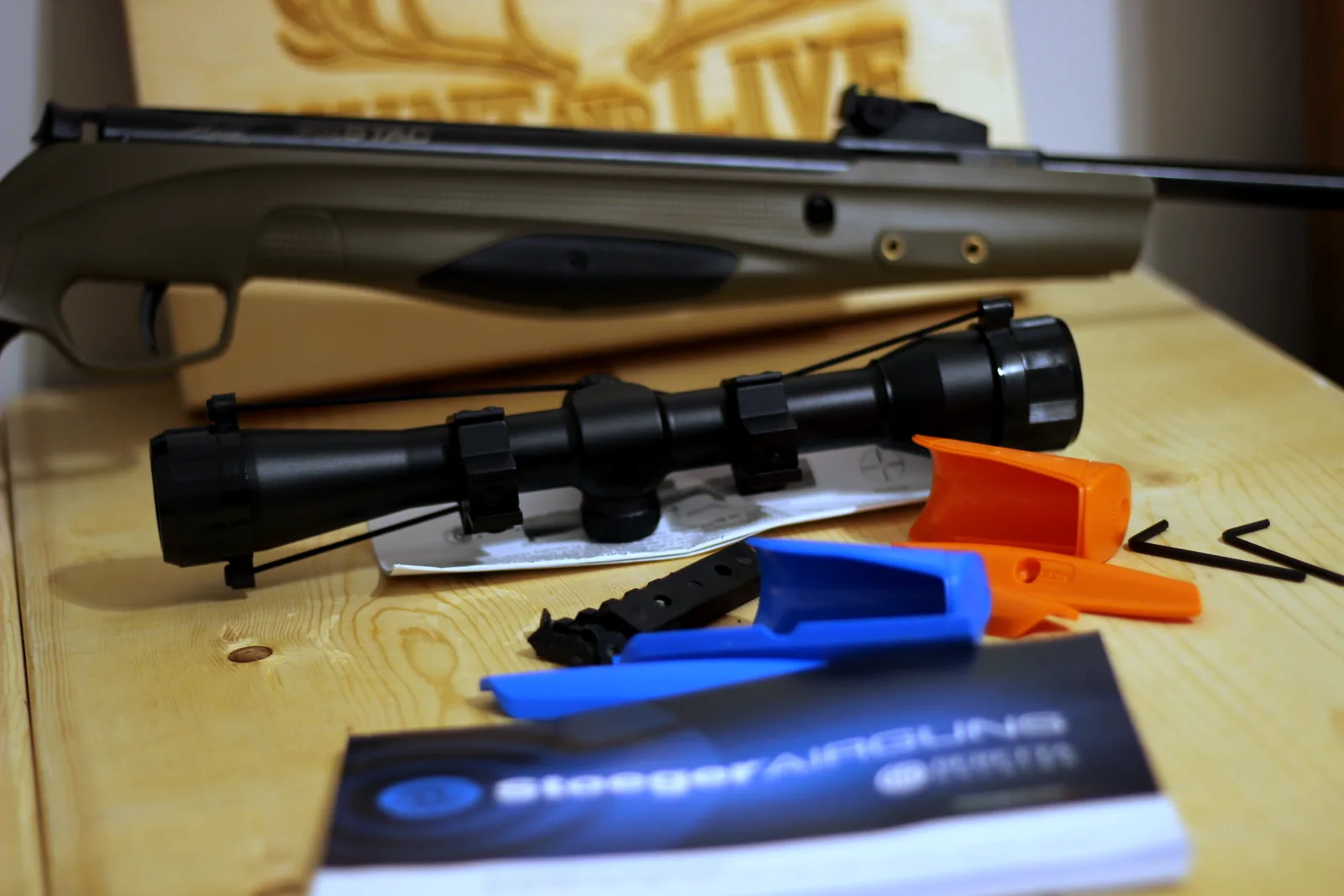
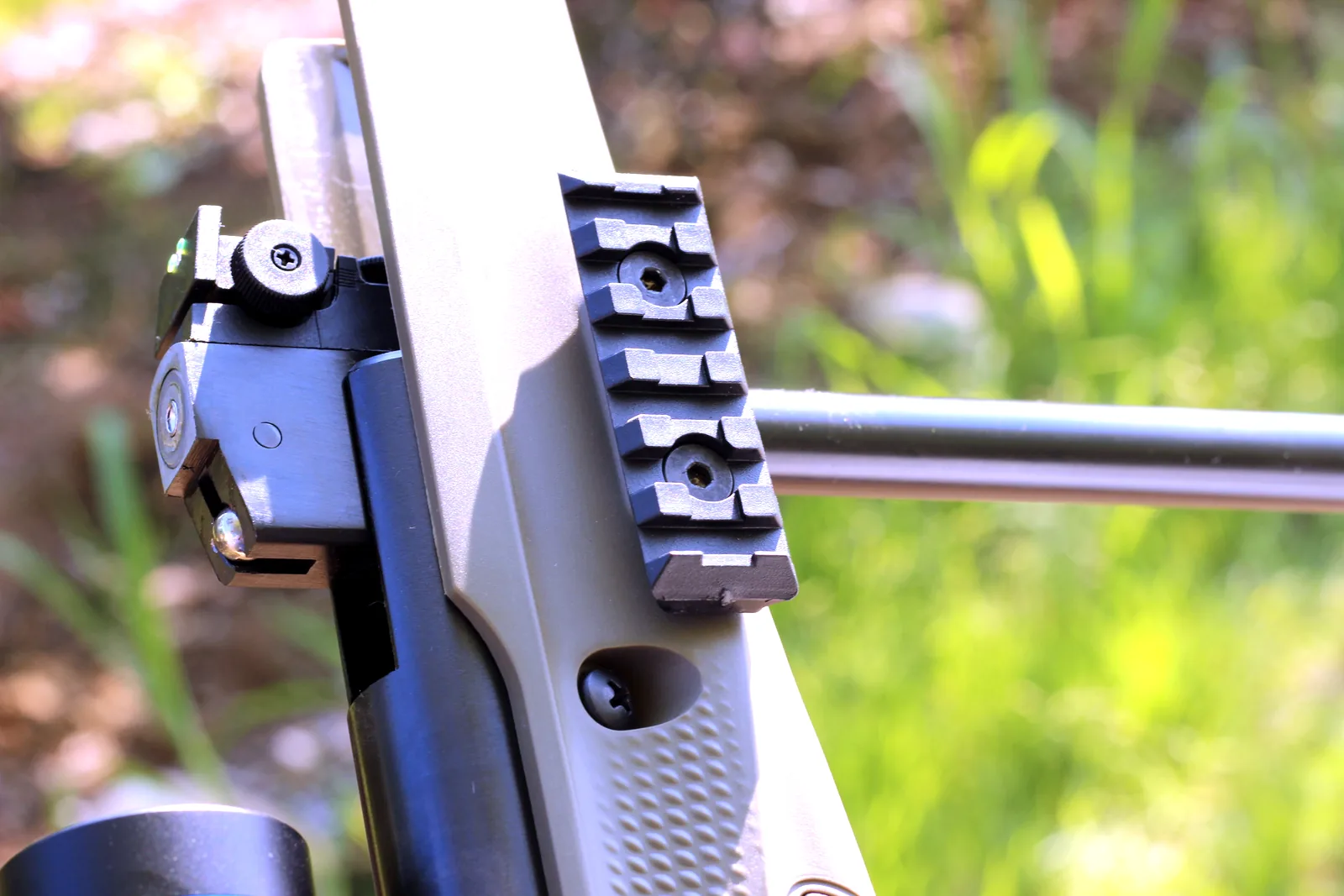
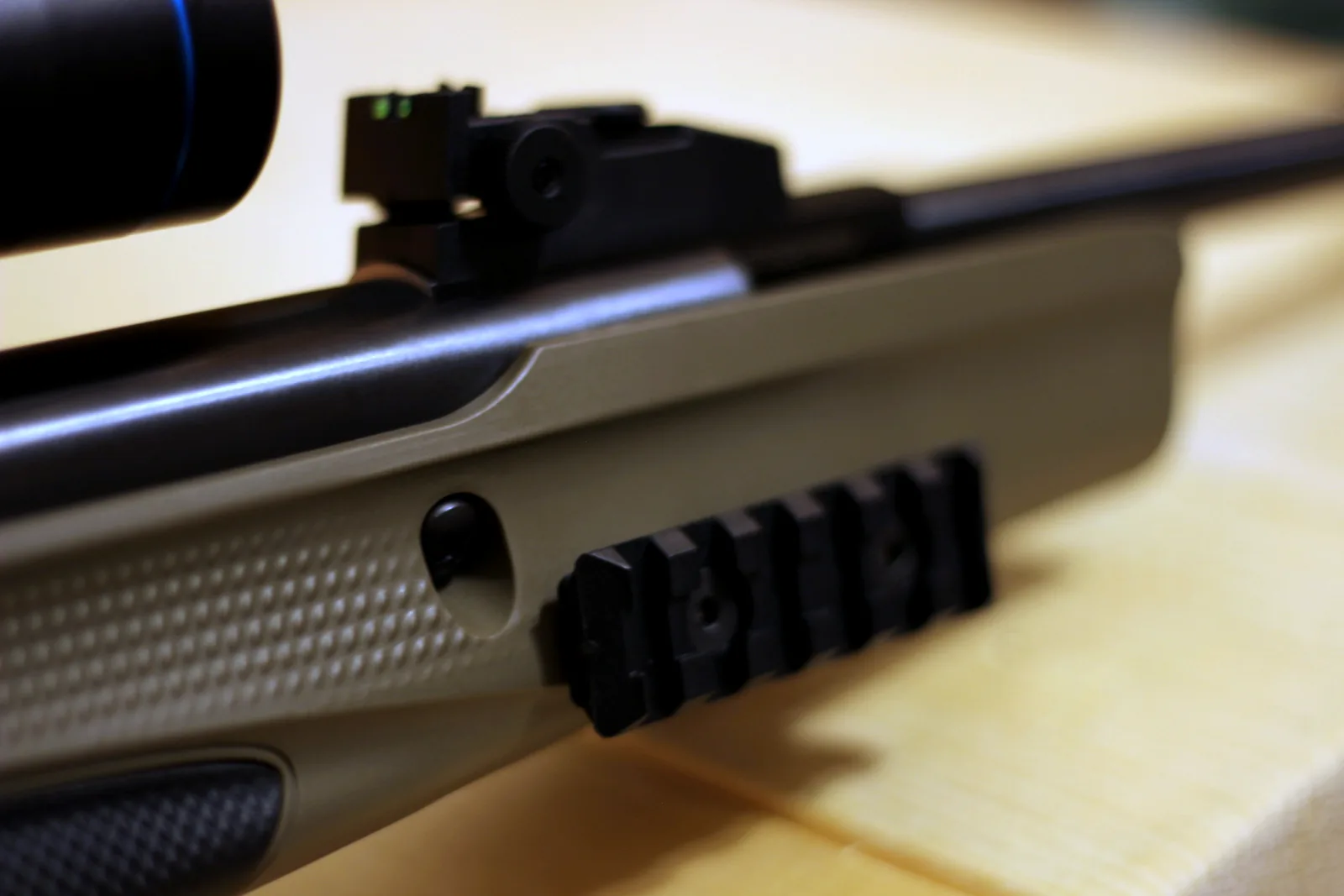
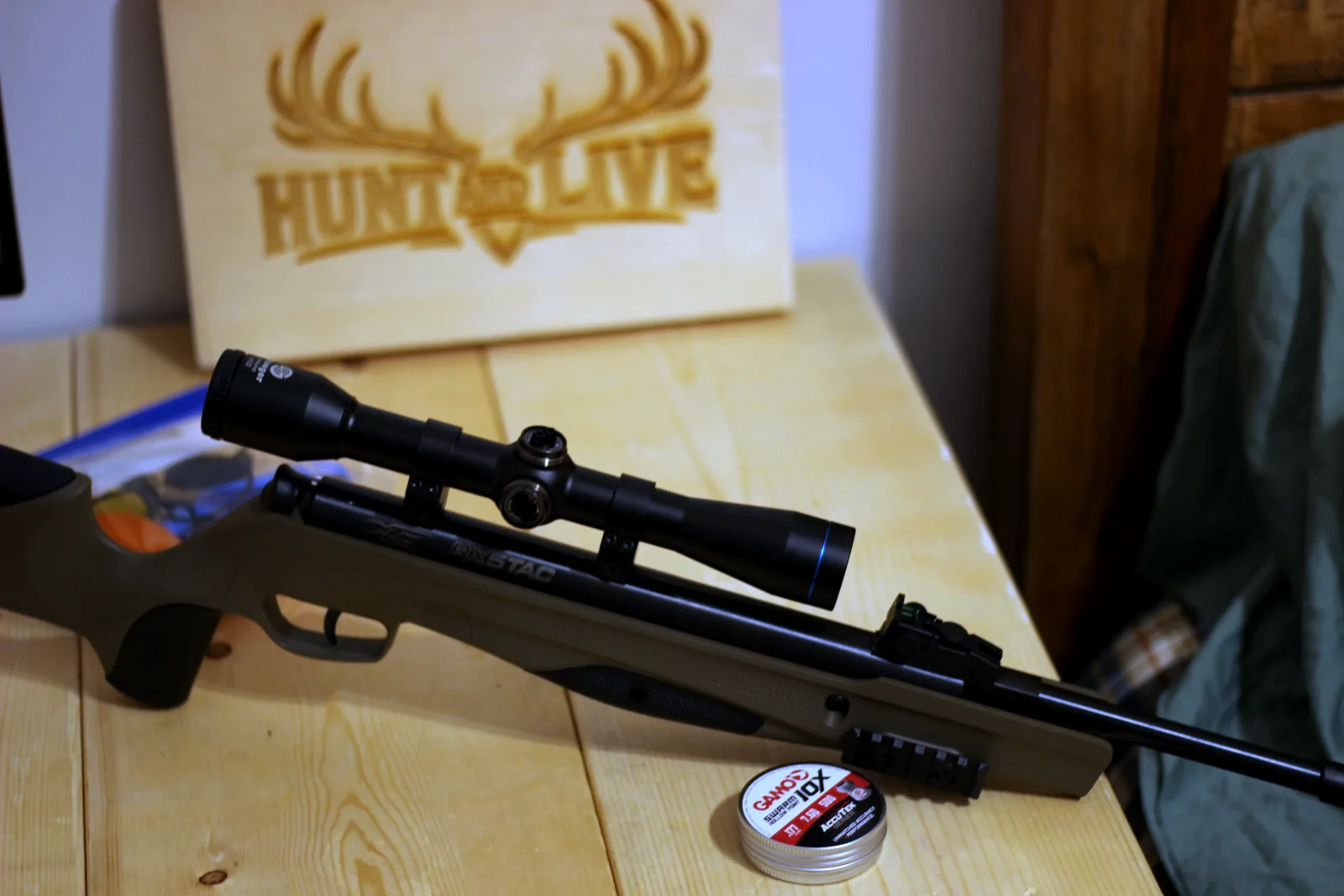
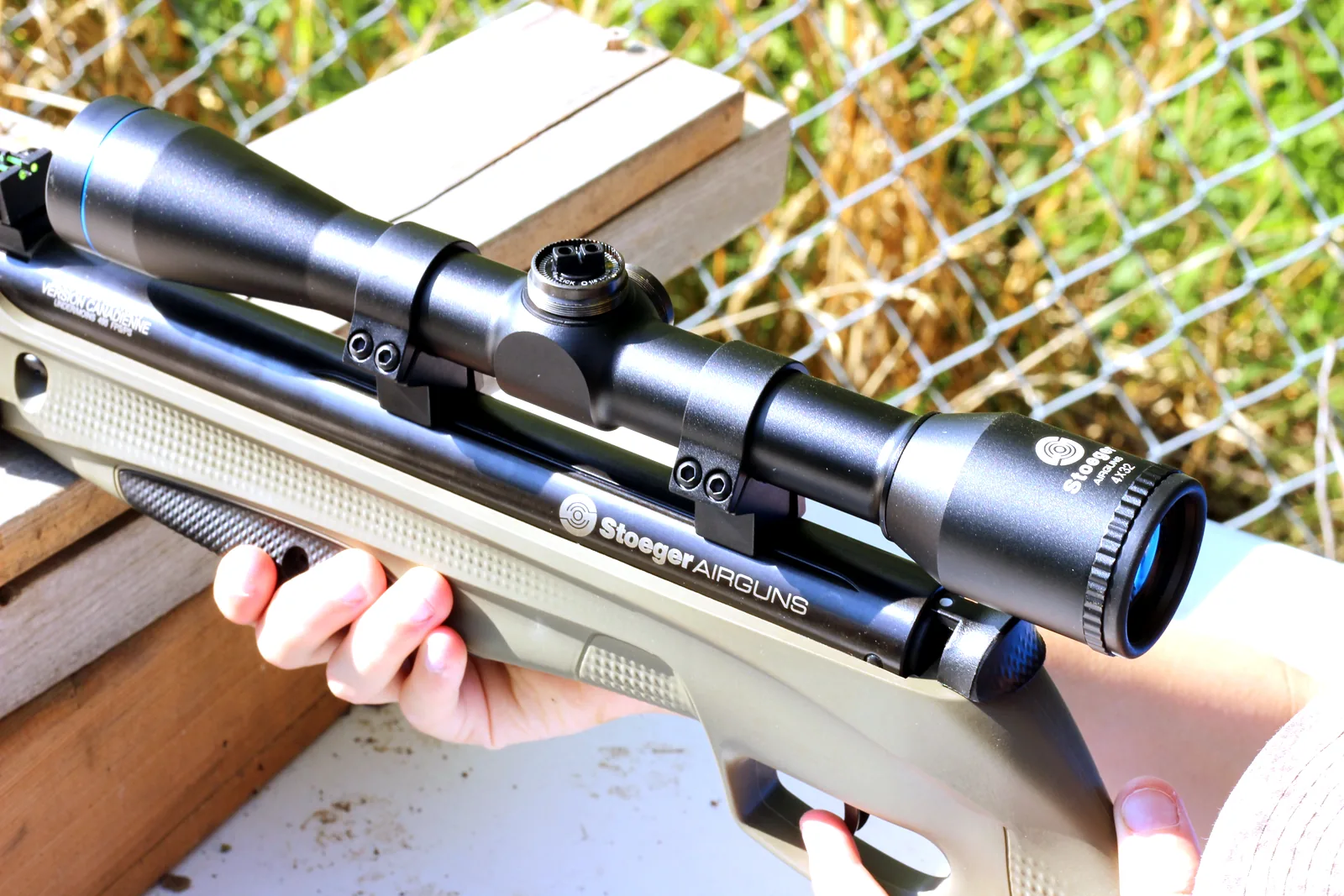
- Fibre-optic sights that work out of the box — hooded red front, fully adjustable rear — plus a rail and a 4x32 scope with rings in the same carton
- Break-barrel spring piston: no pump, no compressor, no cartridge to buy. Pellets and a cocking stroke, and it works forever
- Automatic ambidextrous safety at the rear of the receiver, which sets itself every time the barrel is cocked
Cons
- The scope is a serviceable 4x32 rather than a precision optic — it does the job at 10 to 25 yards and you will want more glass if you push further
- A spring piston has its own recoil pulse in both directions, so it rewards a relaxed hold and punishes a hard one — worth knowing before the first group disappoints
Most air rifles are sized for an adult and handed to a child anyway. The stock is too long, the kid cranes forward to reach the scope, their cheek never lands in the same place twice, and the groups tell the story. Then everybody concludes the child needs more practice, when what they actually needed was a rifle that fit.
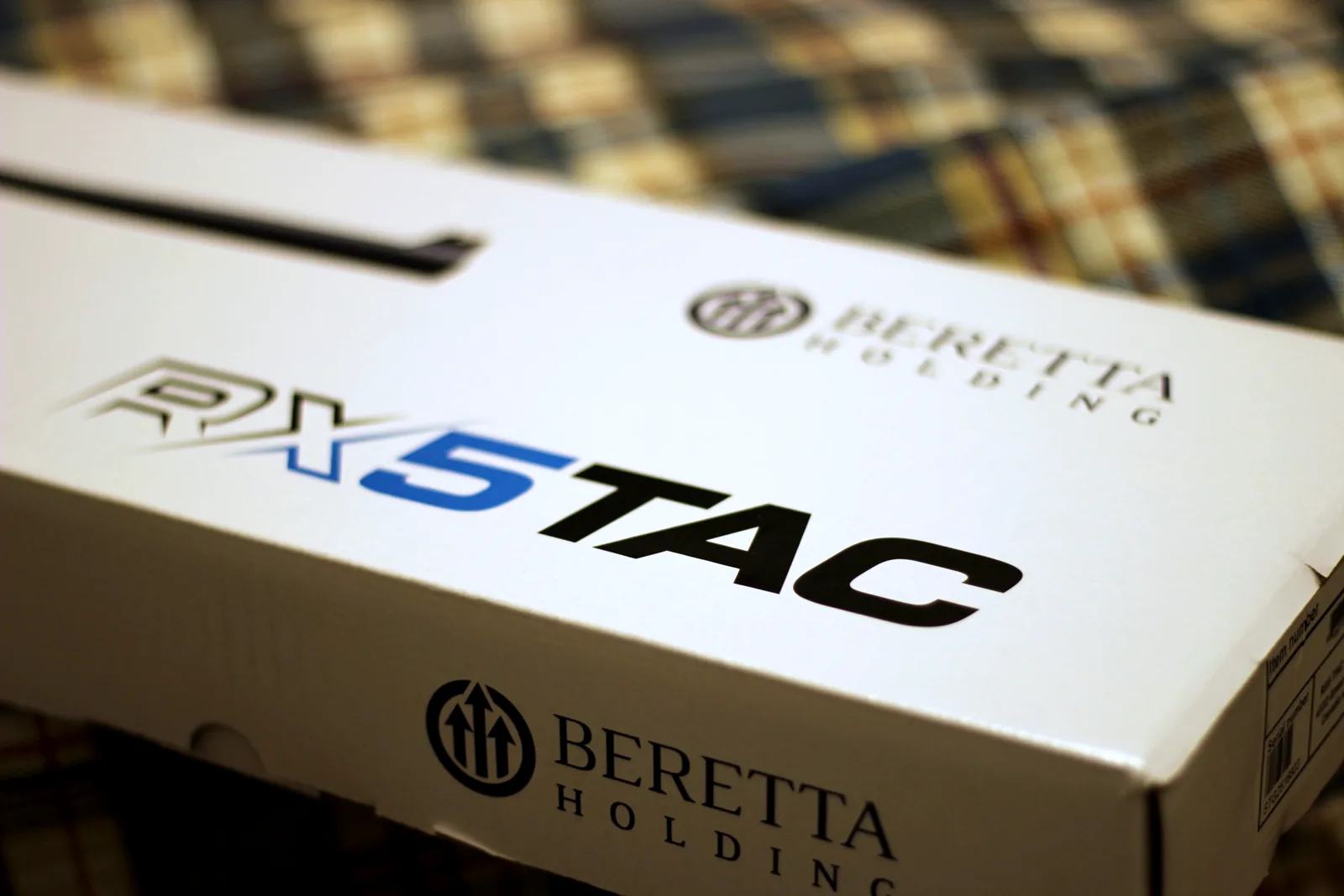
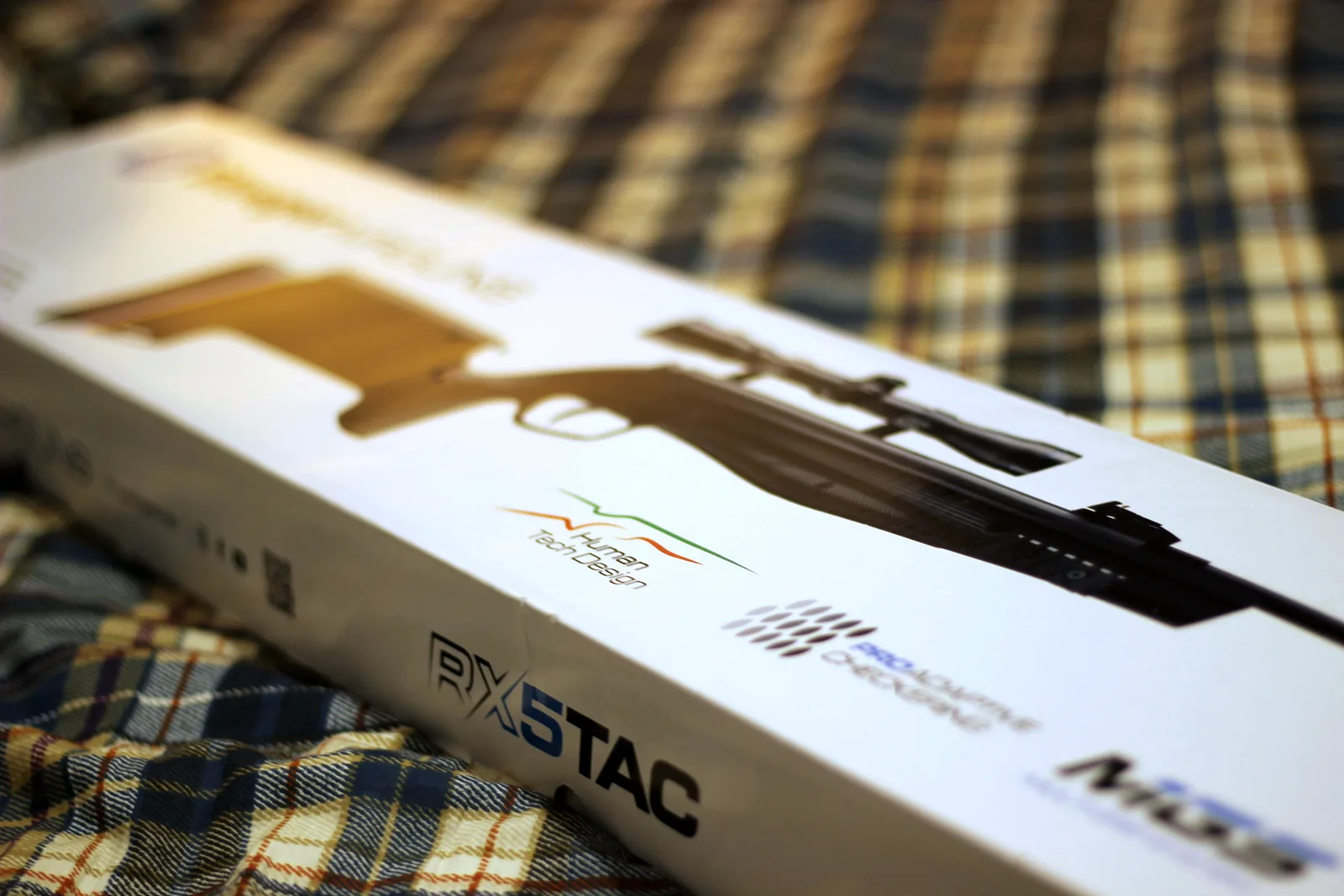
The Stoeger RX5 TAC is built around that problem. Its stock carries what Stoeger calls the Multi Grip System — a set of polymer inserts that move the length of pull between 356, 363 and 370 mm, swapped with a hex key in a couple of minutes. One rifle, sized to a ten-year-old on Saturday and back to an adult on Sunday.
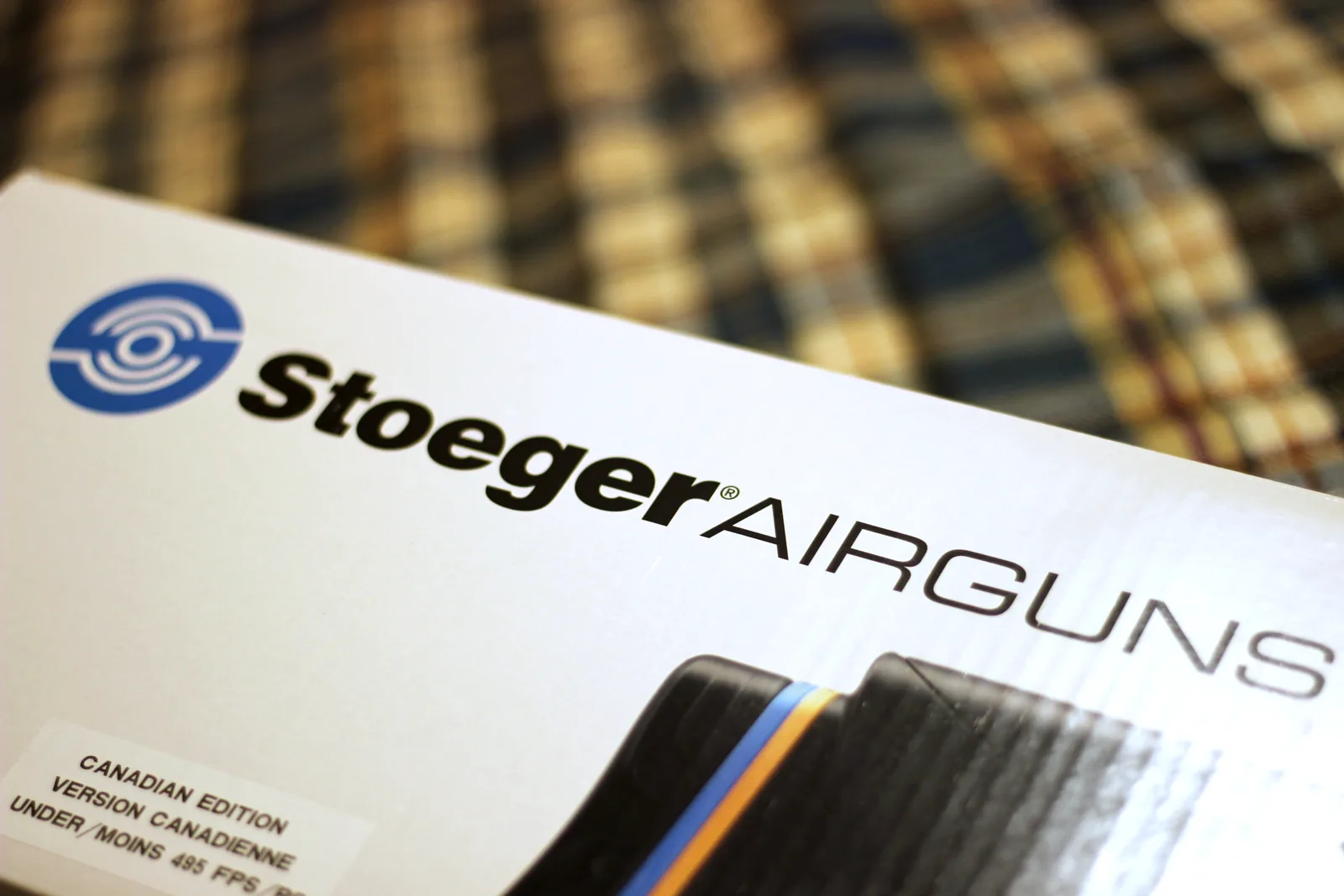
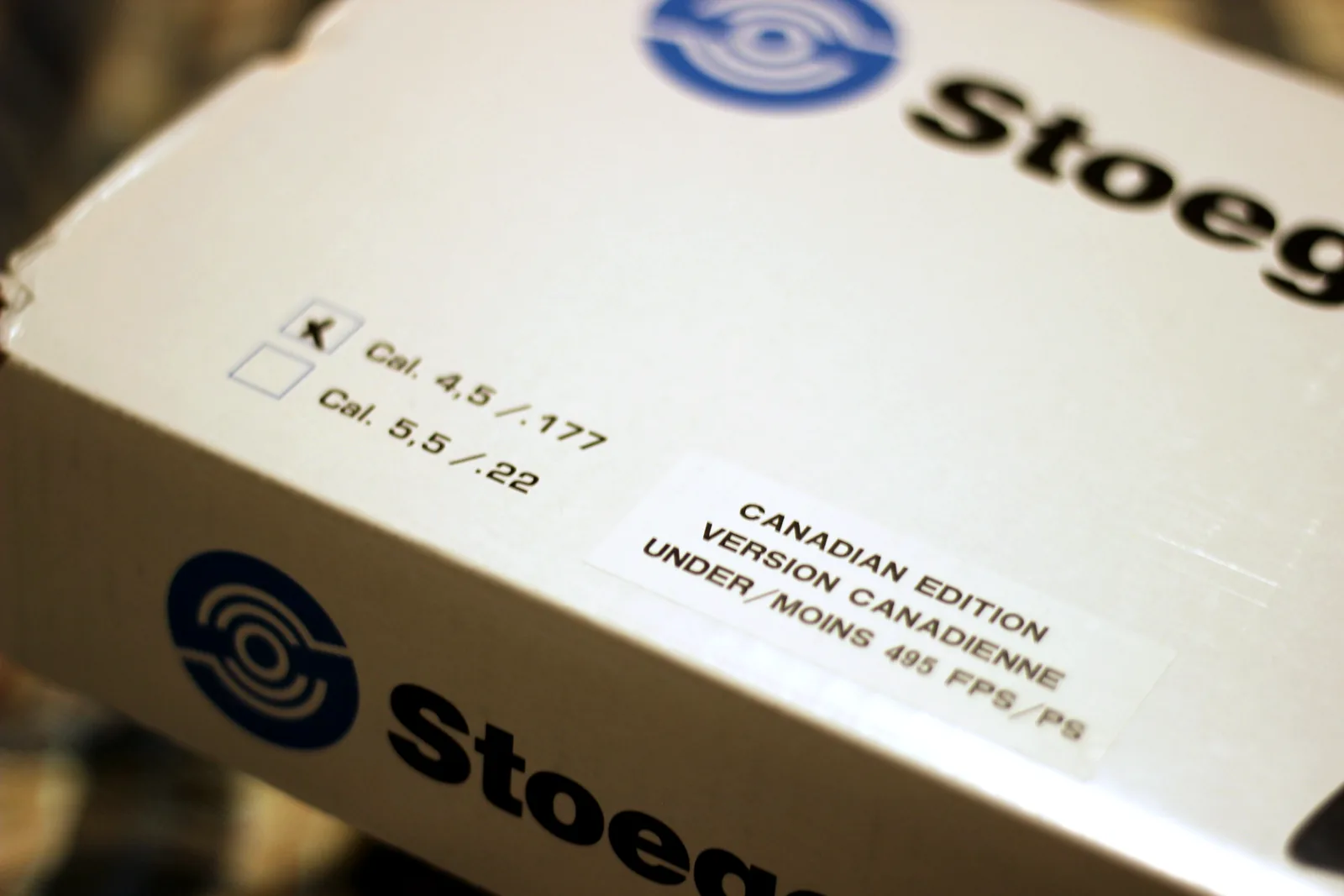
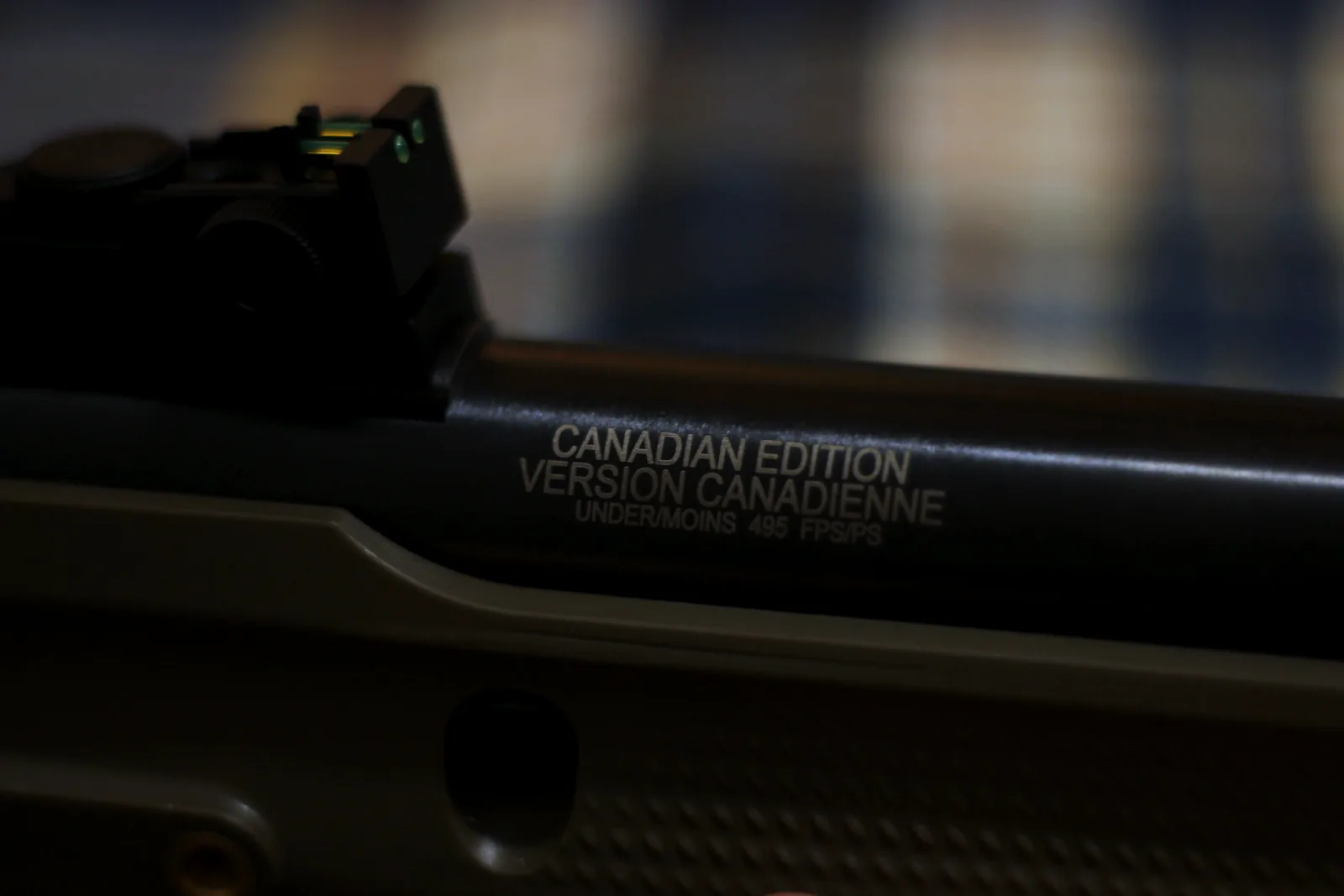
The other number that matters, at least in Canada: this is the Canadian Edition at 495 fps, which puts it under the 500 fps line and means no PAL is required to buy it.
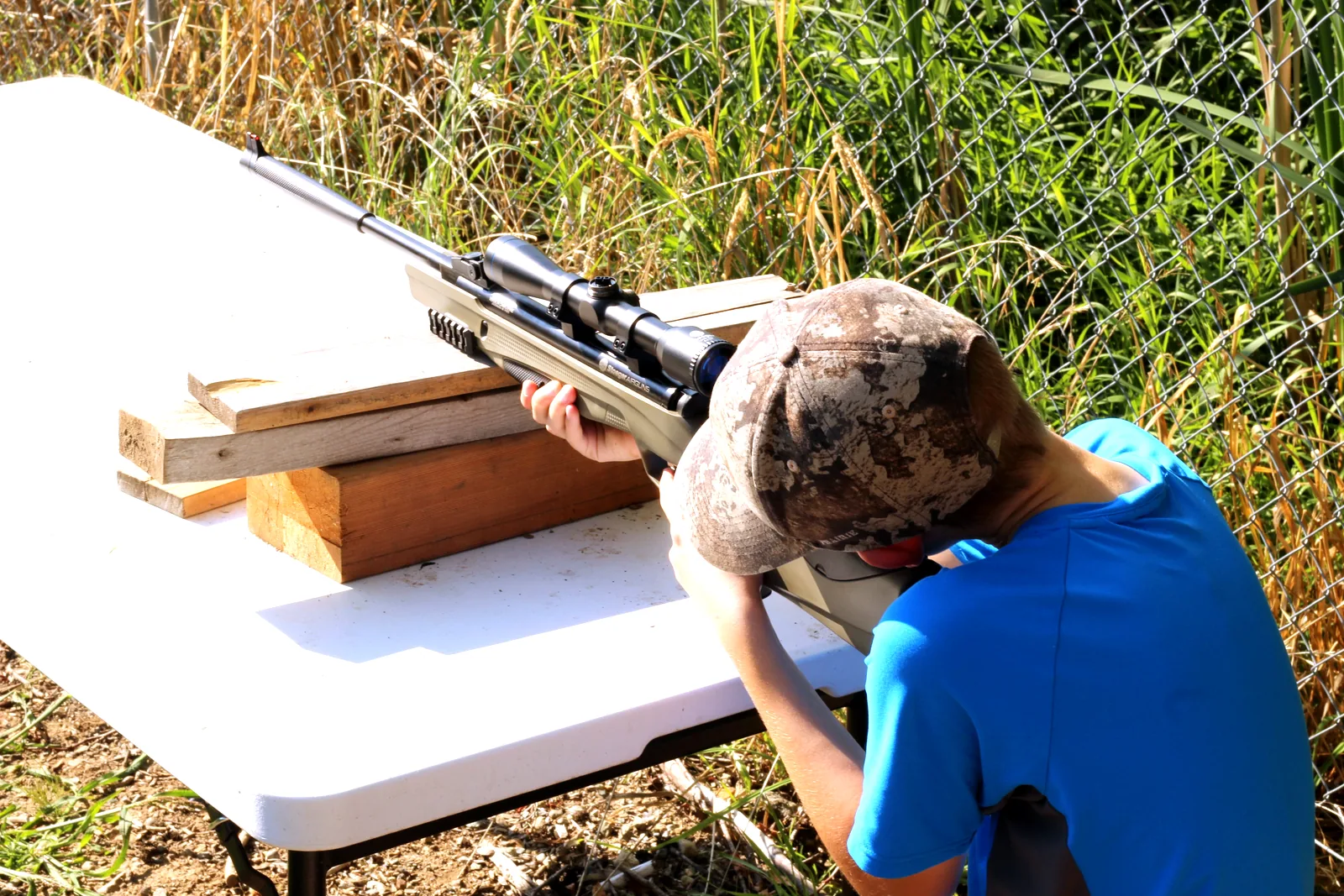
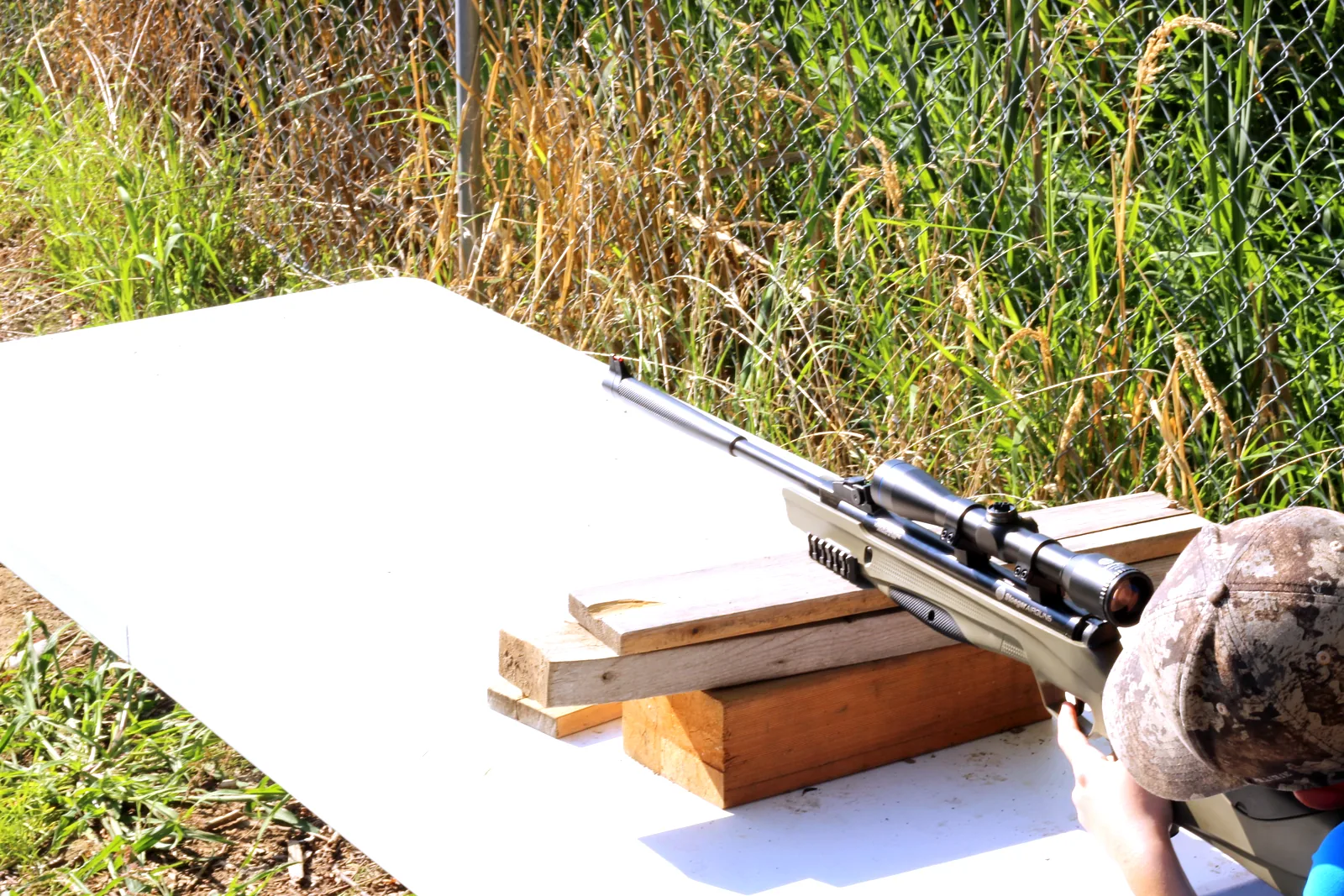
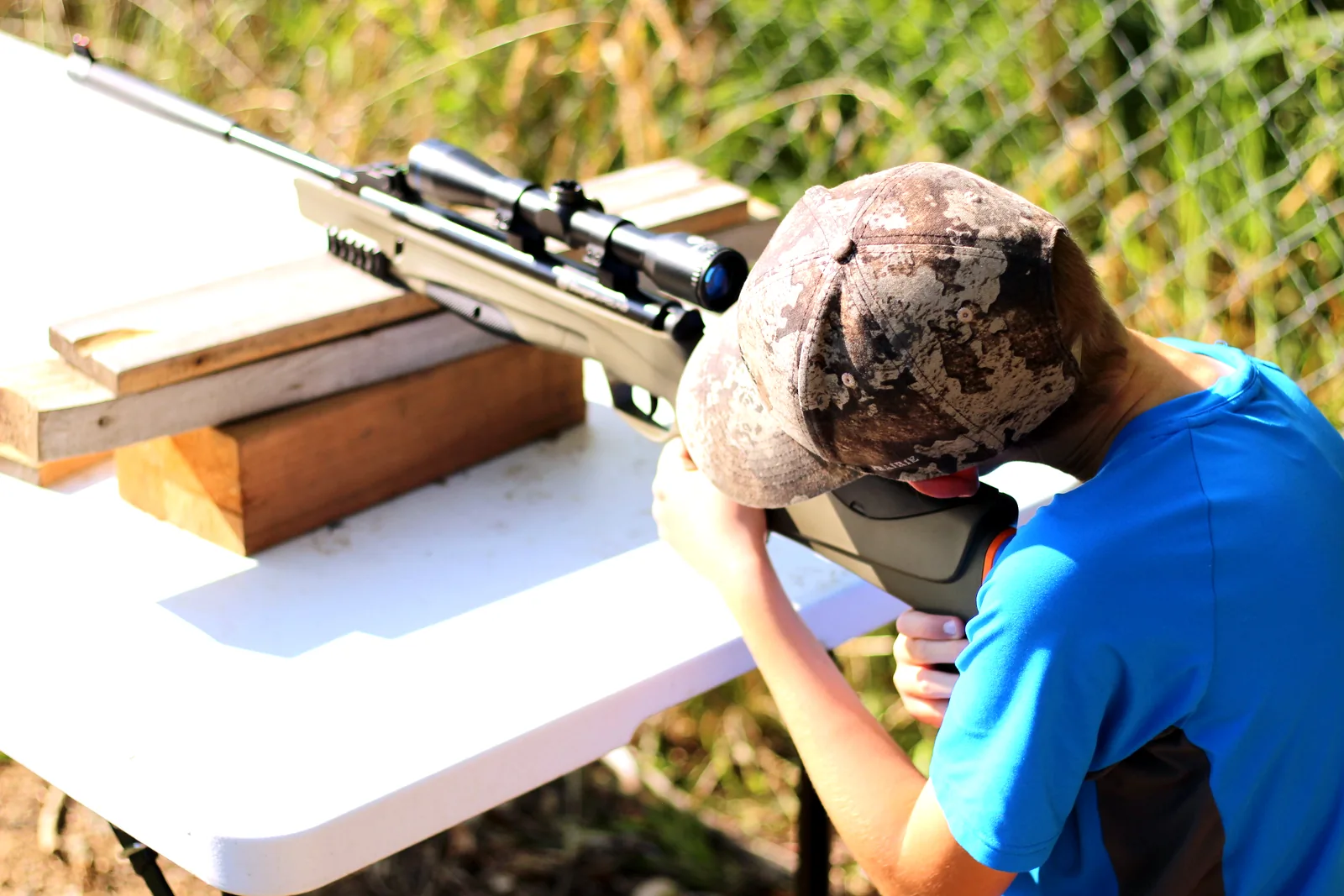
We ran it the way it is meant to be used — off a bench, at paper, with a young shooter behind it.
At a glance
In the Box
The Stock, Which Is the Point
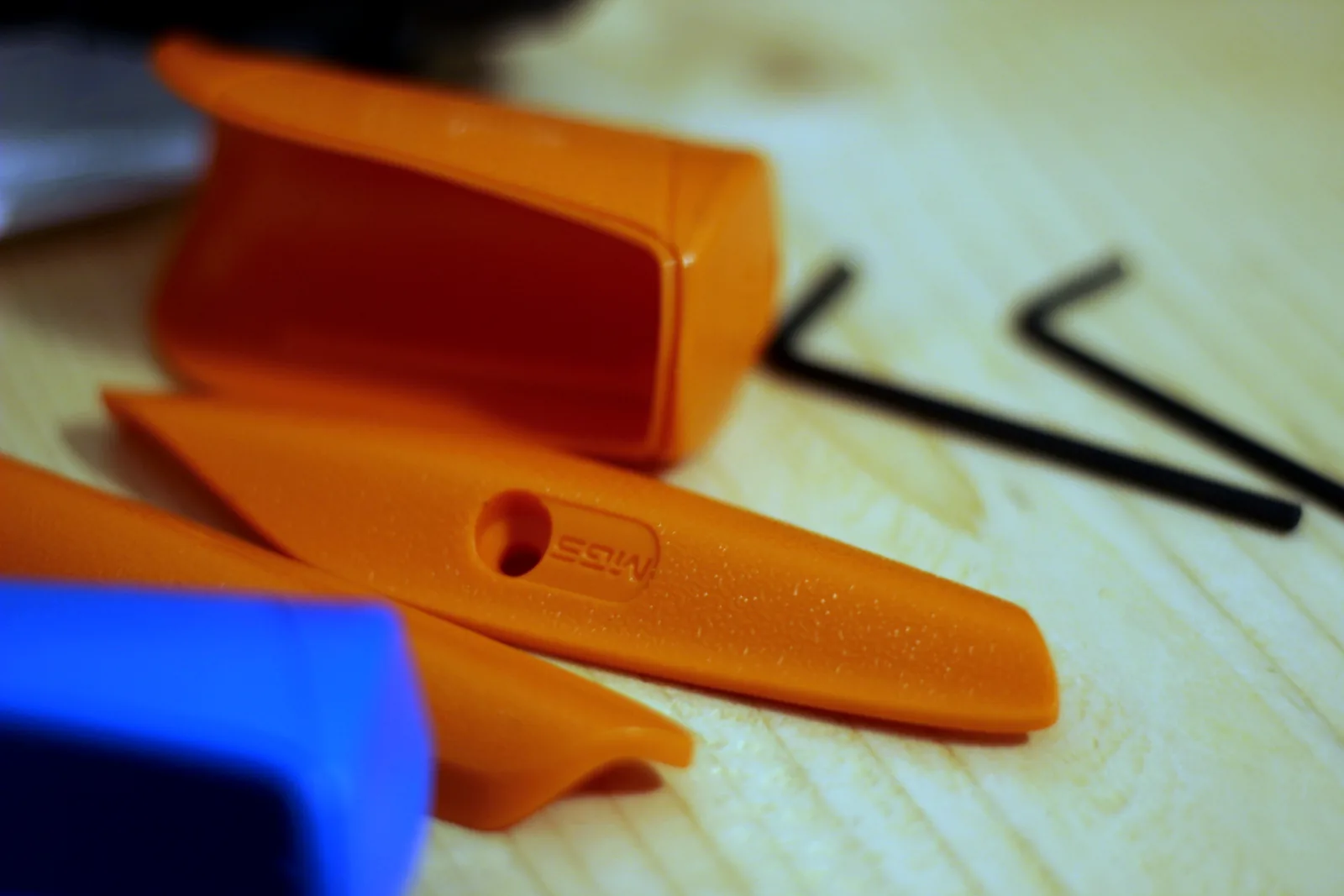
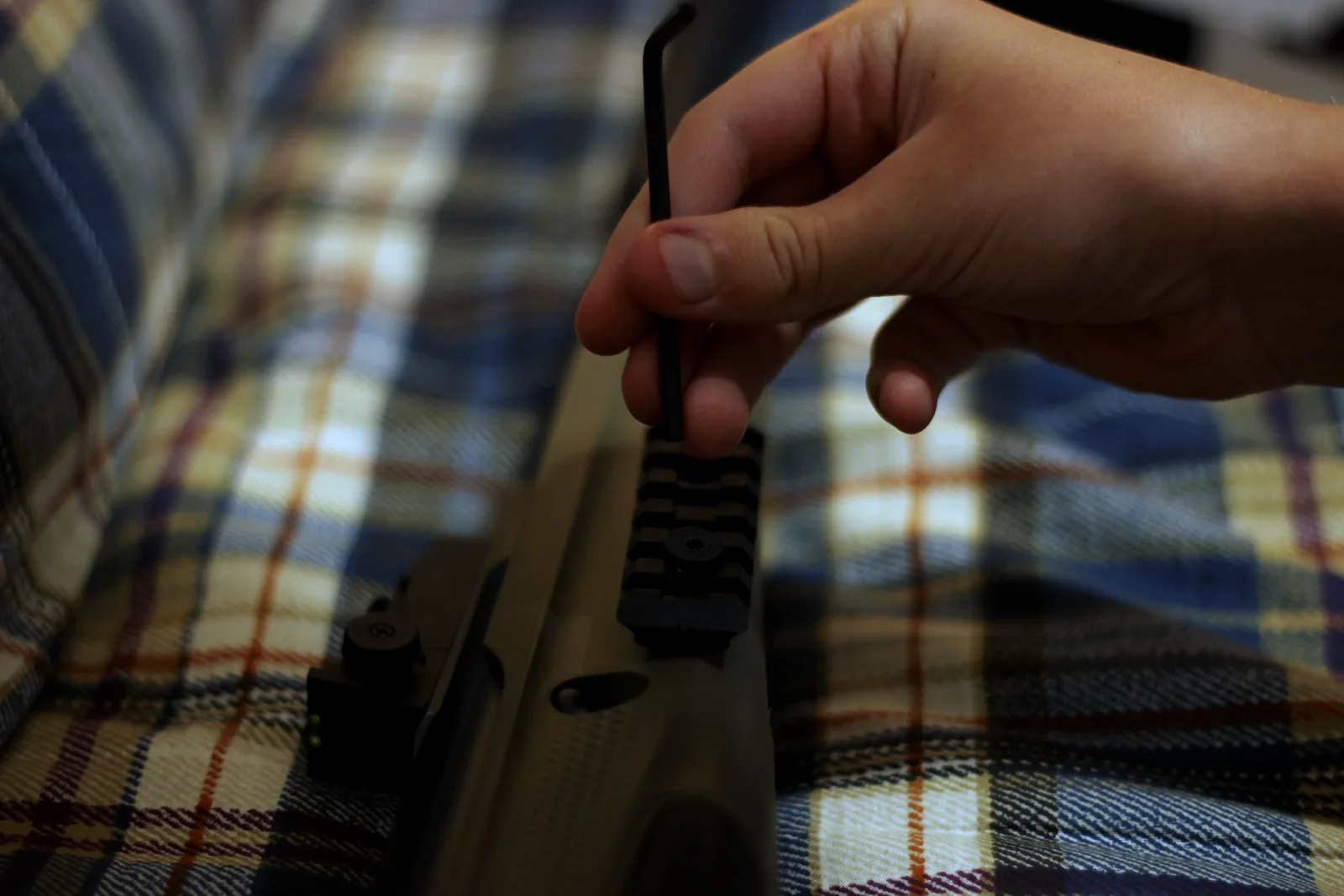
Stoeger publishes three lengths of pull — 356 mm, 363 mm and 370 mm — and the difference between the shortest and the longest is a little over half an inch. That sounds trivial and is not. Length of pull is what decides whether a shooter’s eye lands in the same place behind the scope every time they mount the rifle, and consistent eye position is most of what “being accurate” actually consists of at this distance.
For a family that means one rifle rather than two. Set it short for the kid, and when they have grown, move an insert rather than buy again.
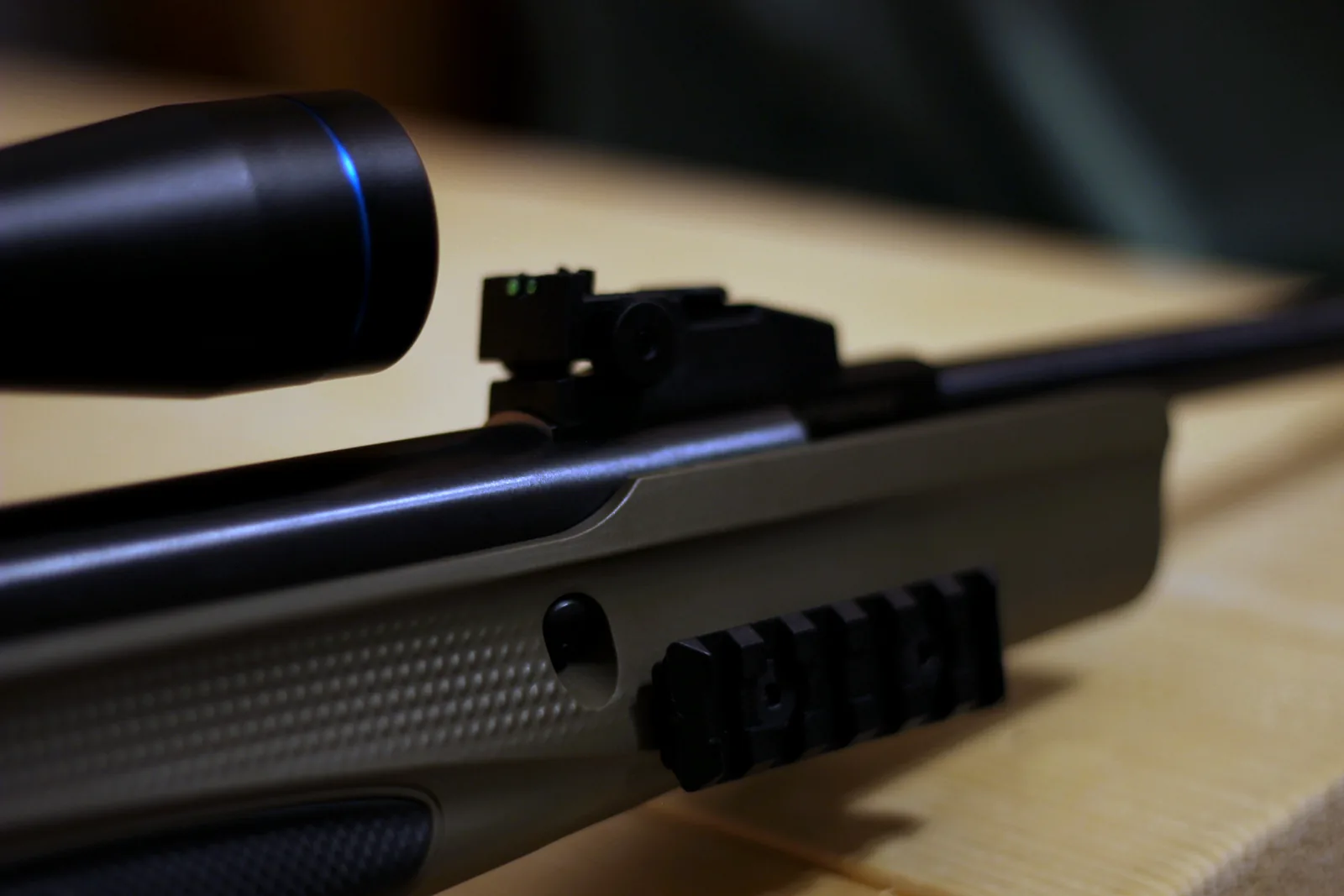
The Rifle
A break-barrel spring piston is the simplest thing in airgunning and, for a family rifle, close to the ideal. There is no pump to buy, no compressor, no dive tank, no CO2 cartridge to run out of on a Sunday afternoon. You break the barrel, you load a pellet, you close it, you shoot. It will still work in twenty years with a seal kit and an afternoon.
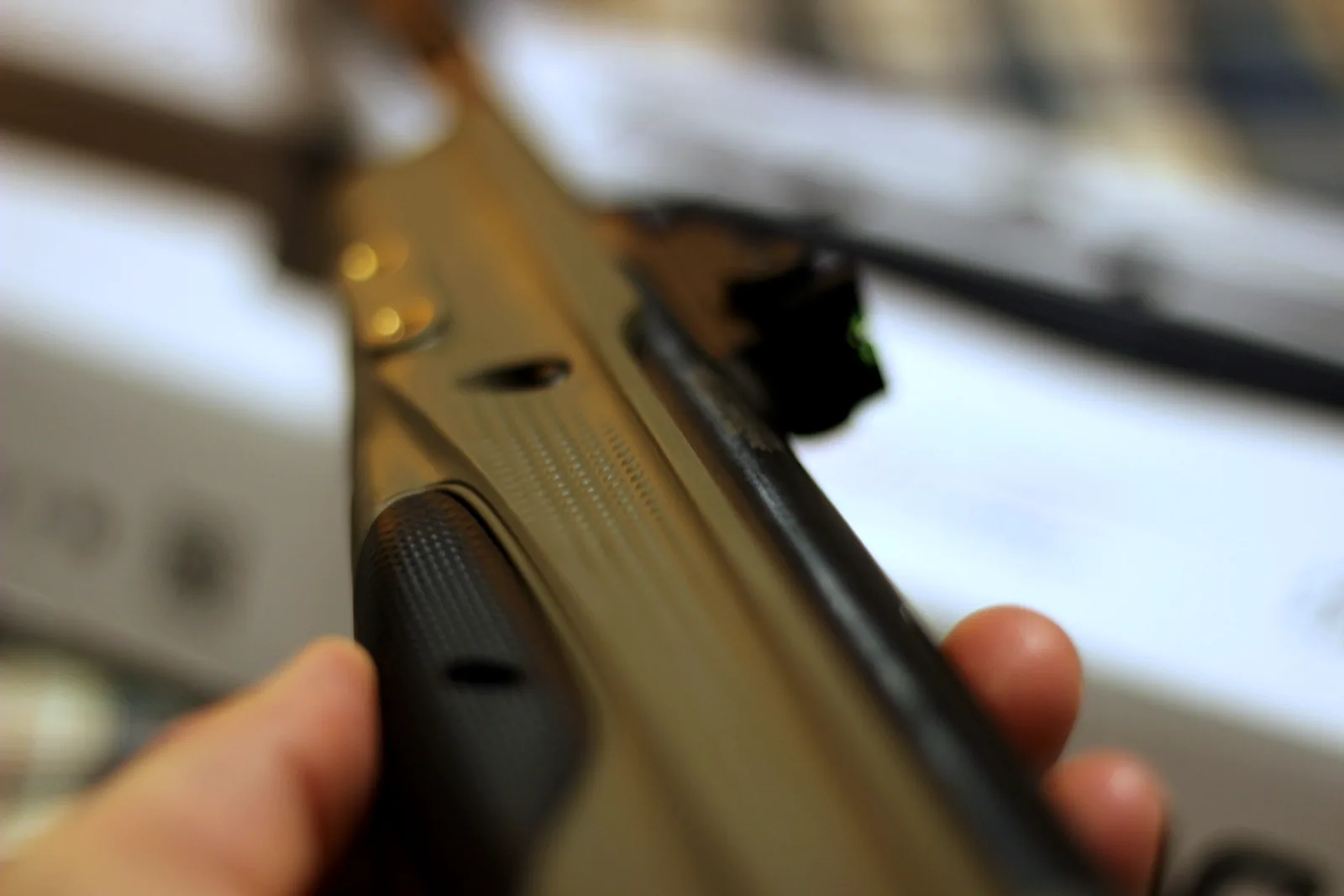
The sights
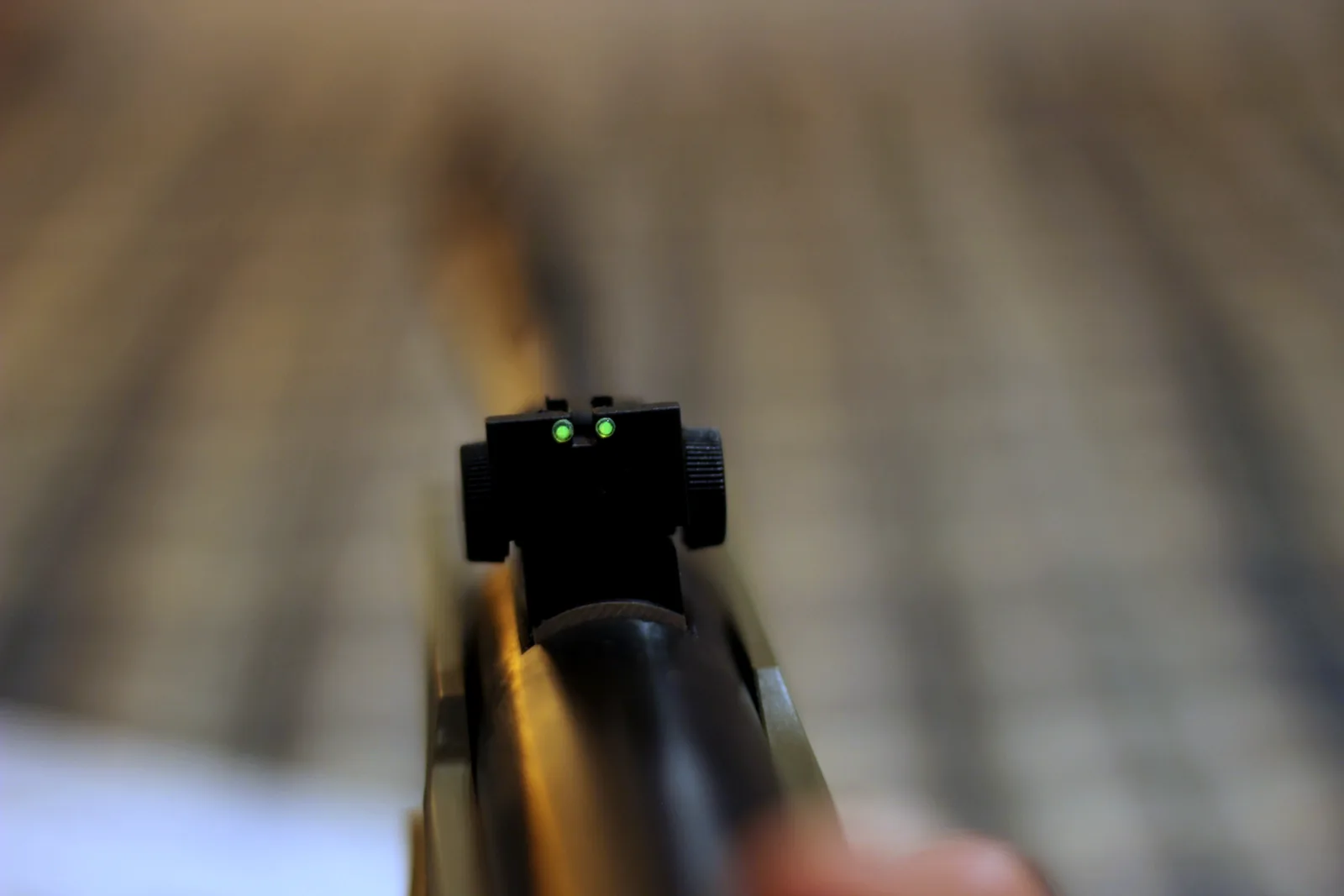
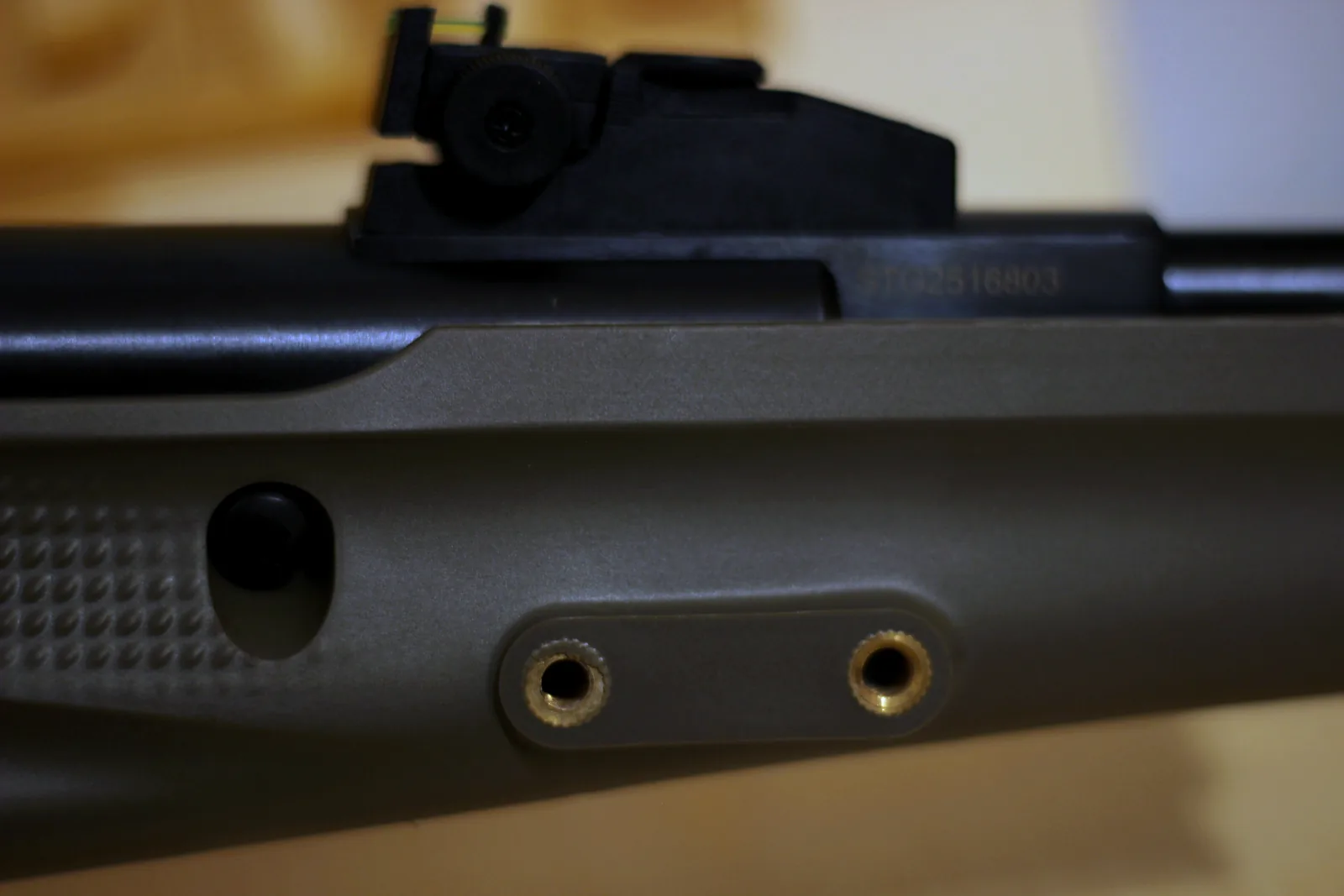
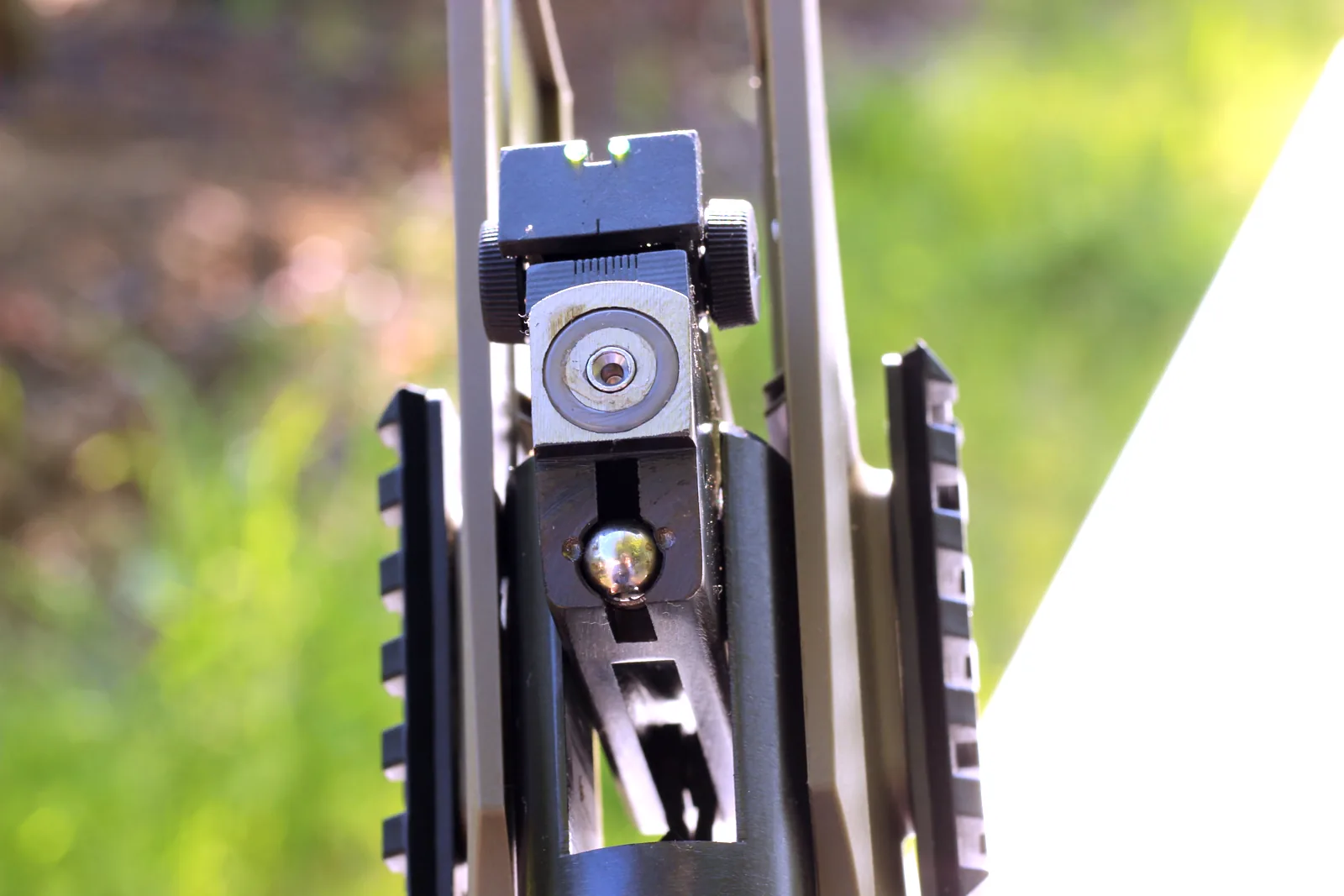
Usable iron sights on an entry rifle are worth more than they look. A new shooter learning on open sights understands sight alignment in a way that somebody who started behind a scope often never does — and a hooded red front bead on a green rear is about as easy as that lesson gets.
The optic
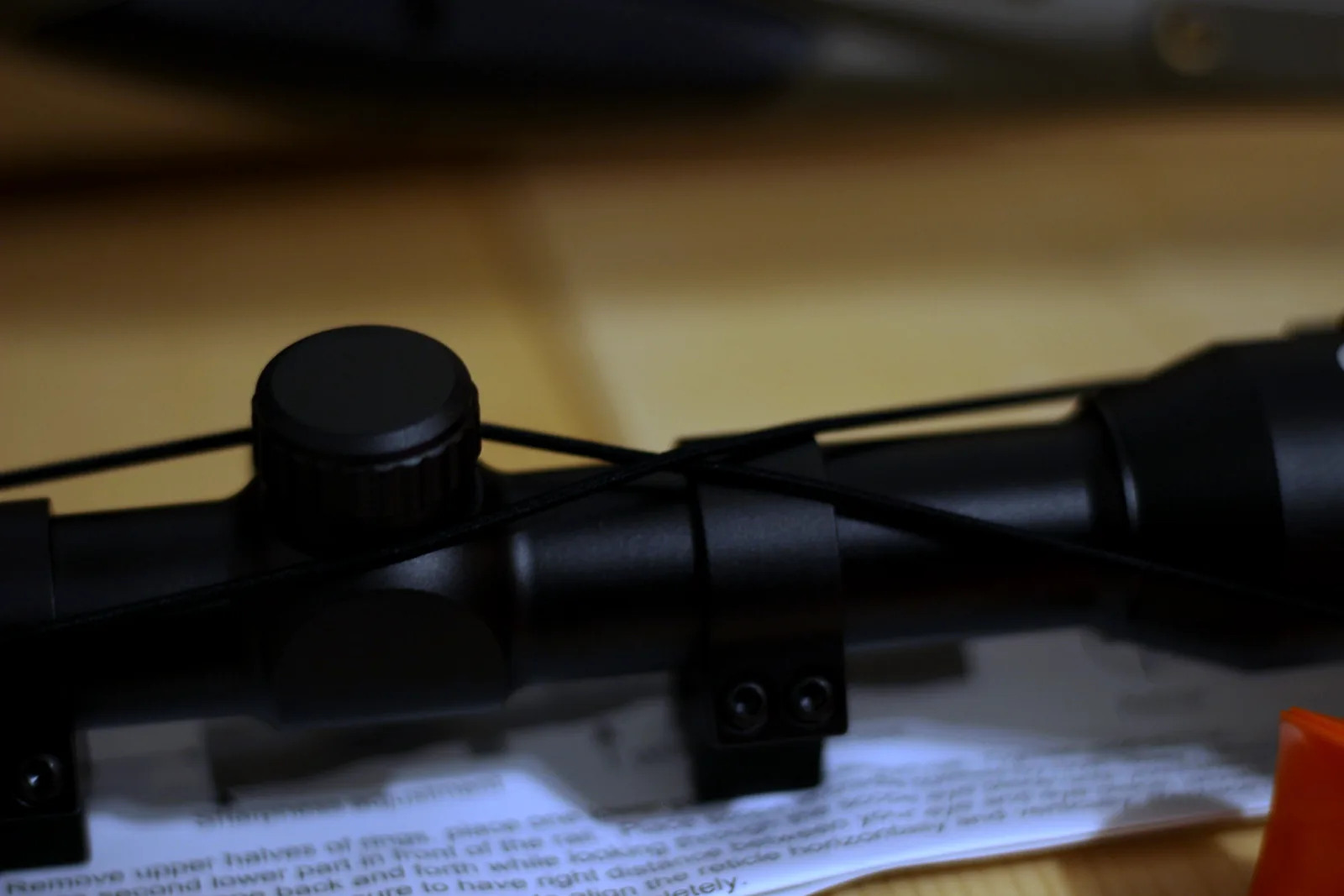
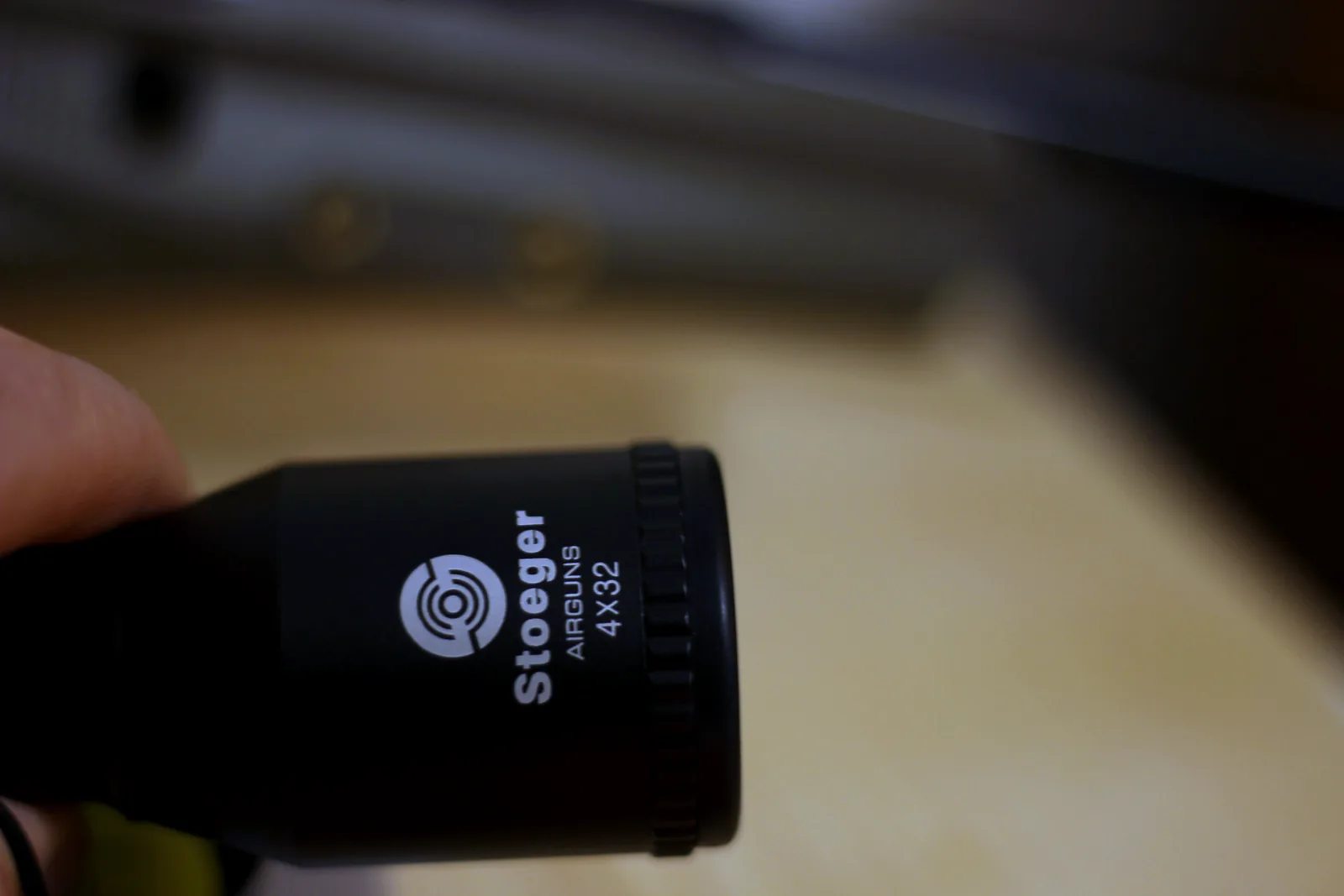
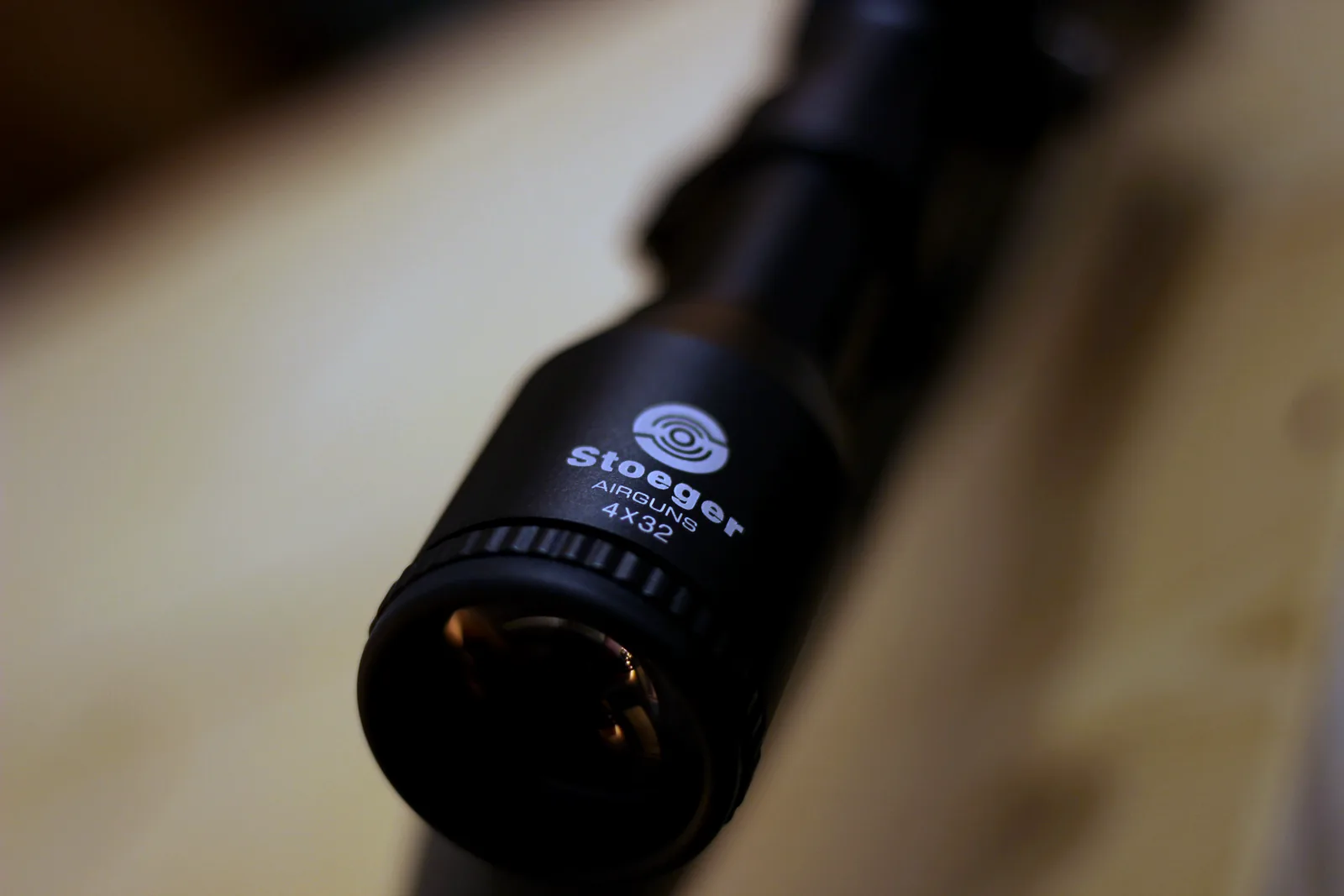
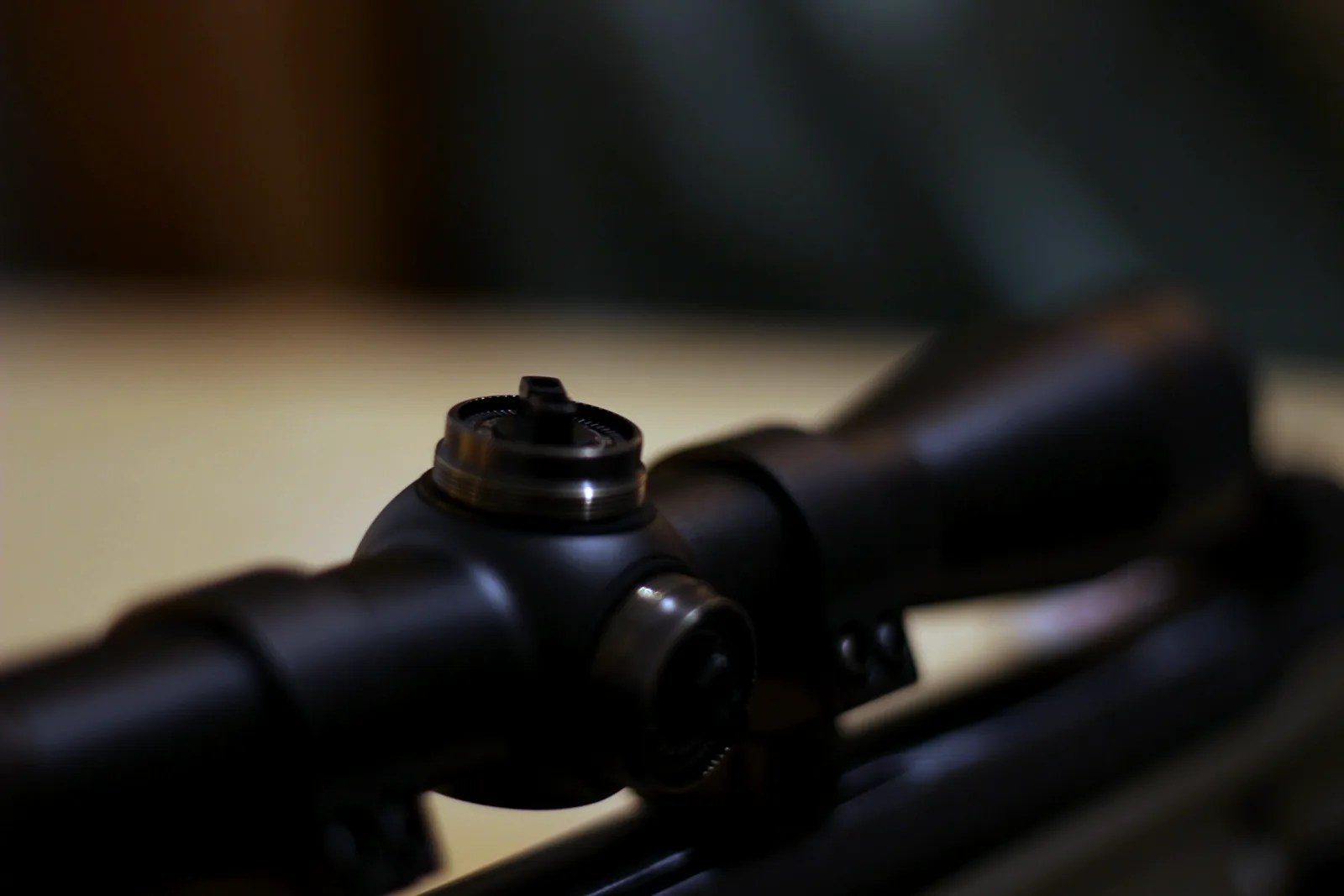
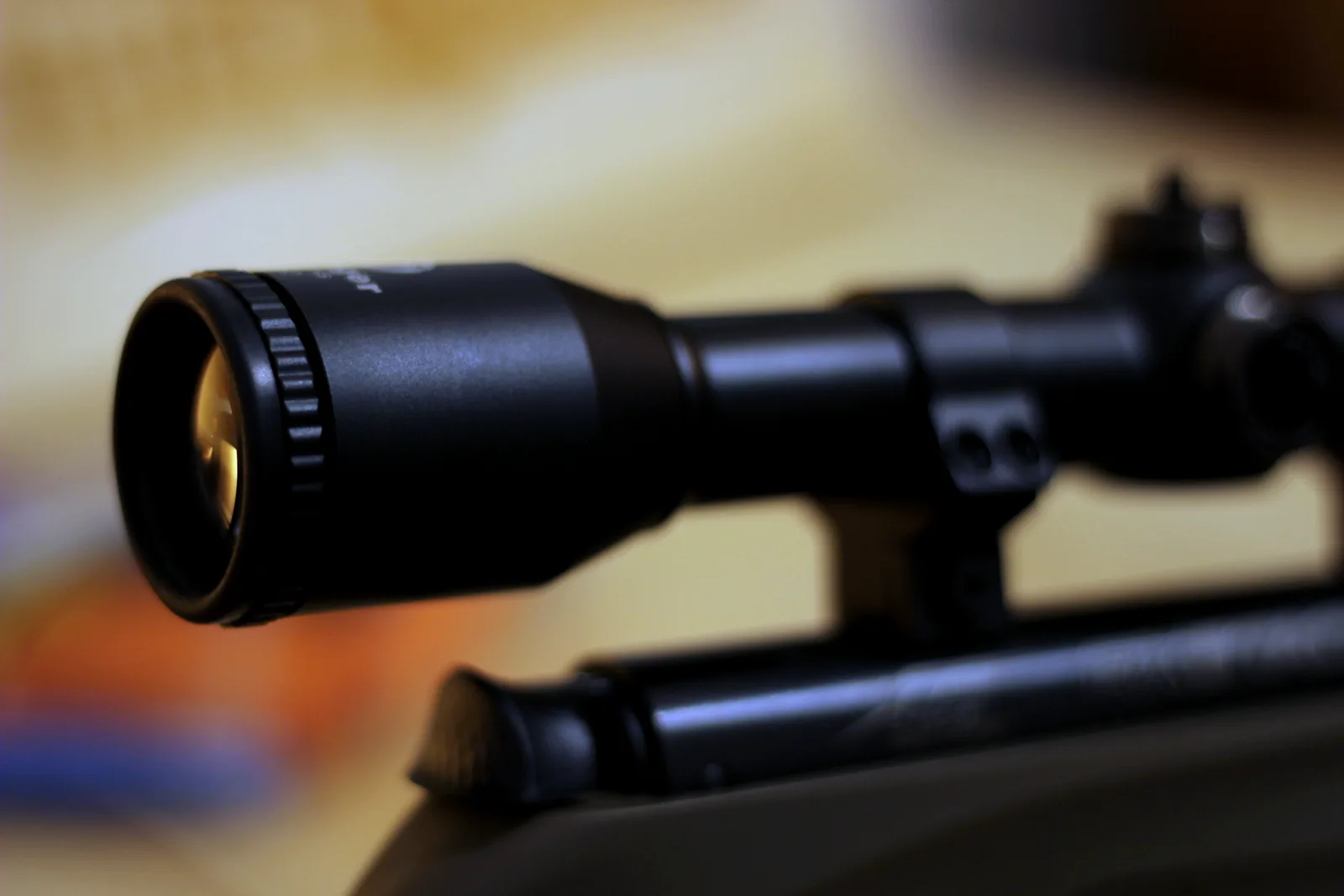
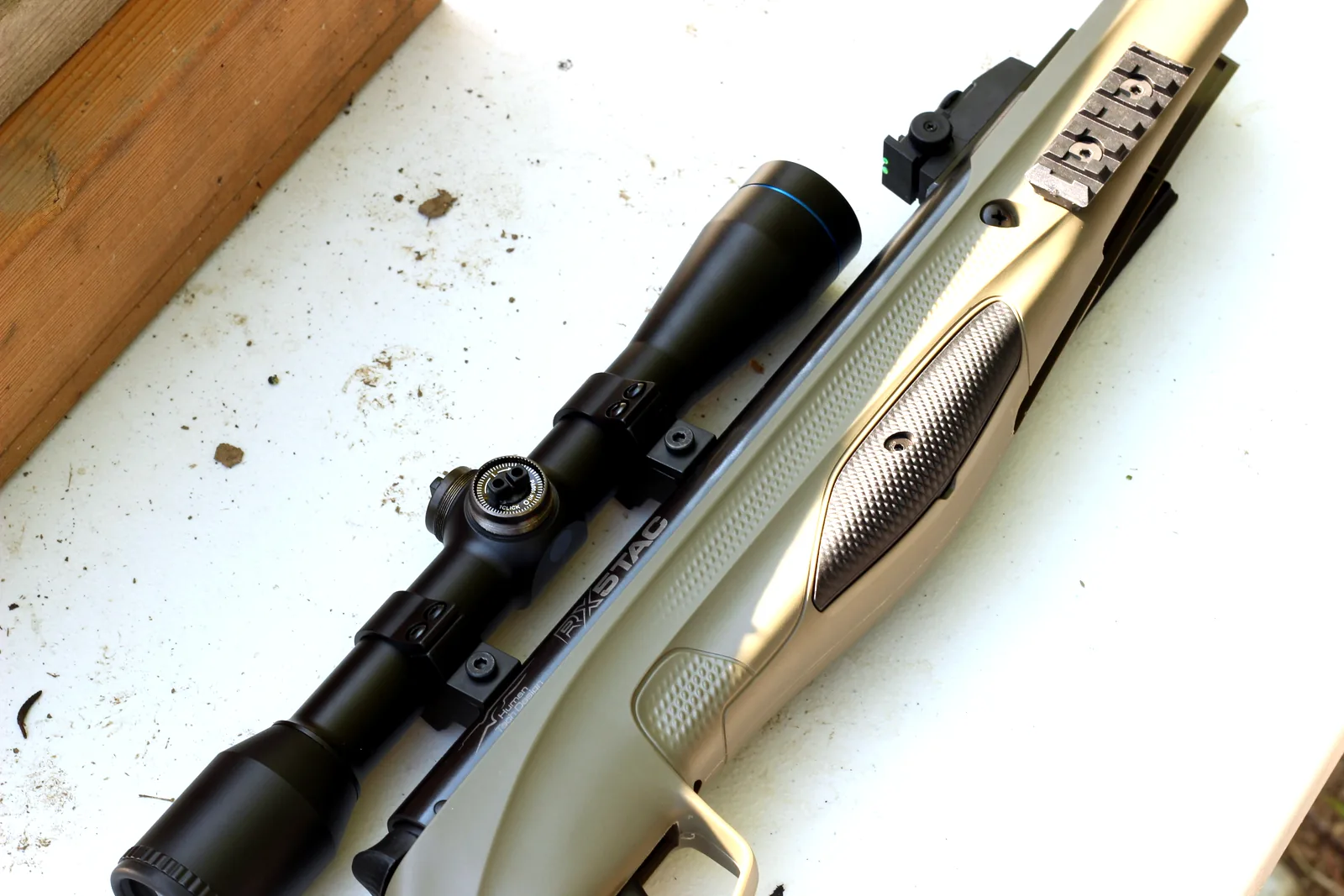
Be realistic about what a bundled 4×32 is. It is a serviceable optic that will hold a zero on a 495 fps springer and let a child see a target at twenty yards clearly. It is not precision glass, and if the rifle stays in the family for years, better glass is the obvious first upgrade. For learning to shoot, it is entirely adequate — and it is included, which at this price is the point.
Pellets and Running Cost
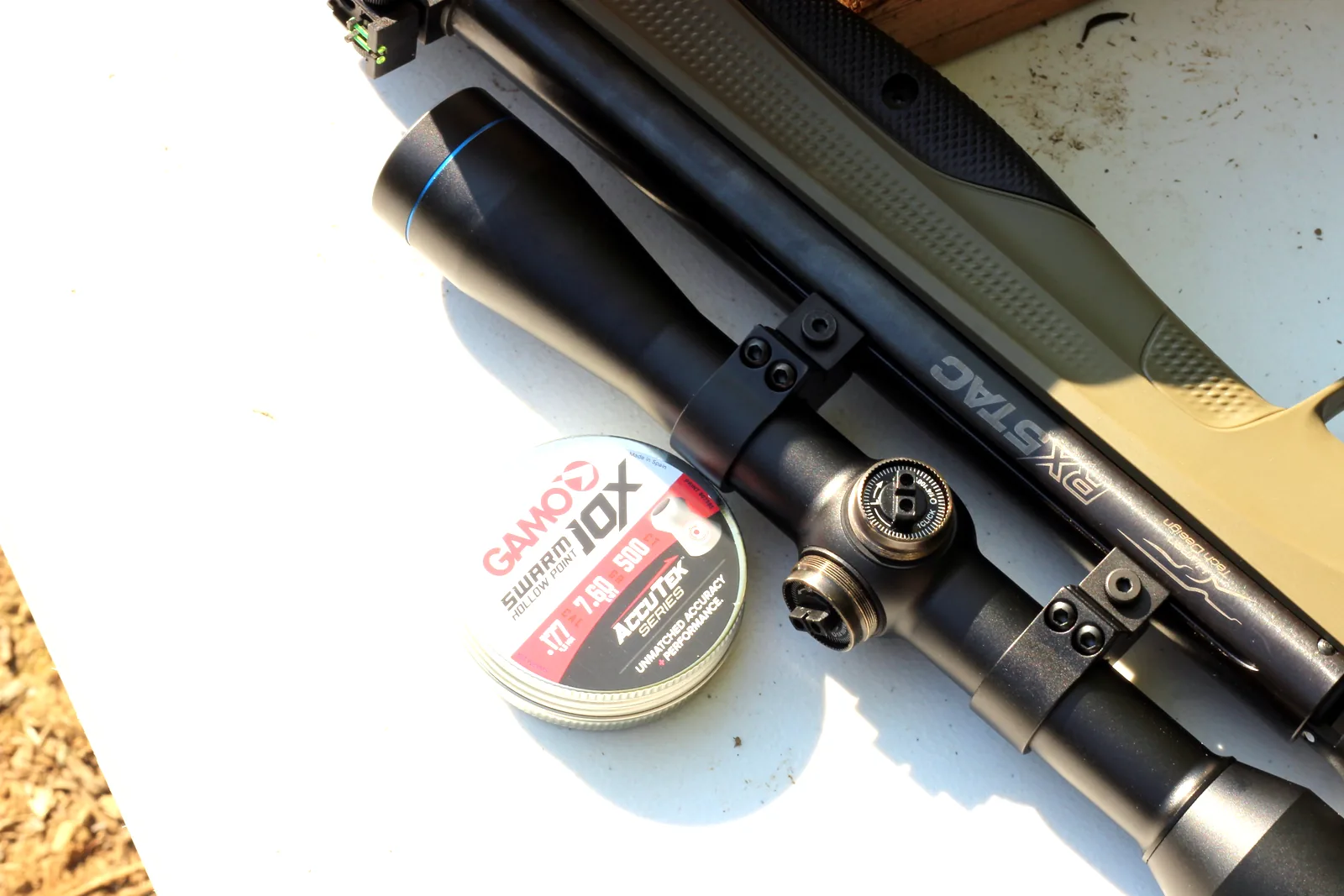
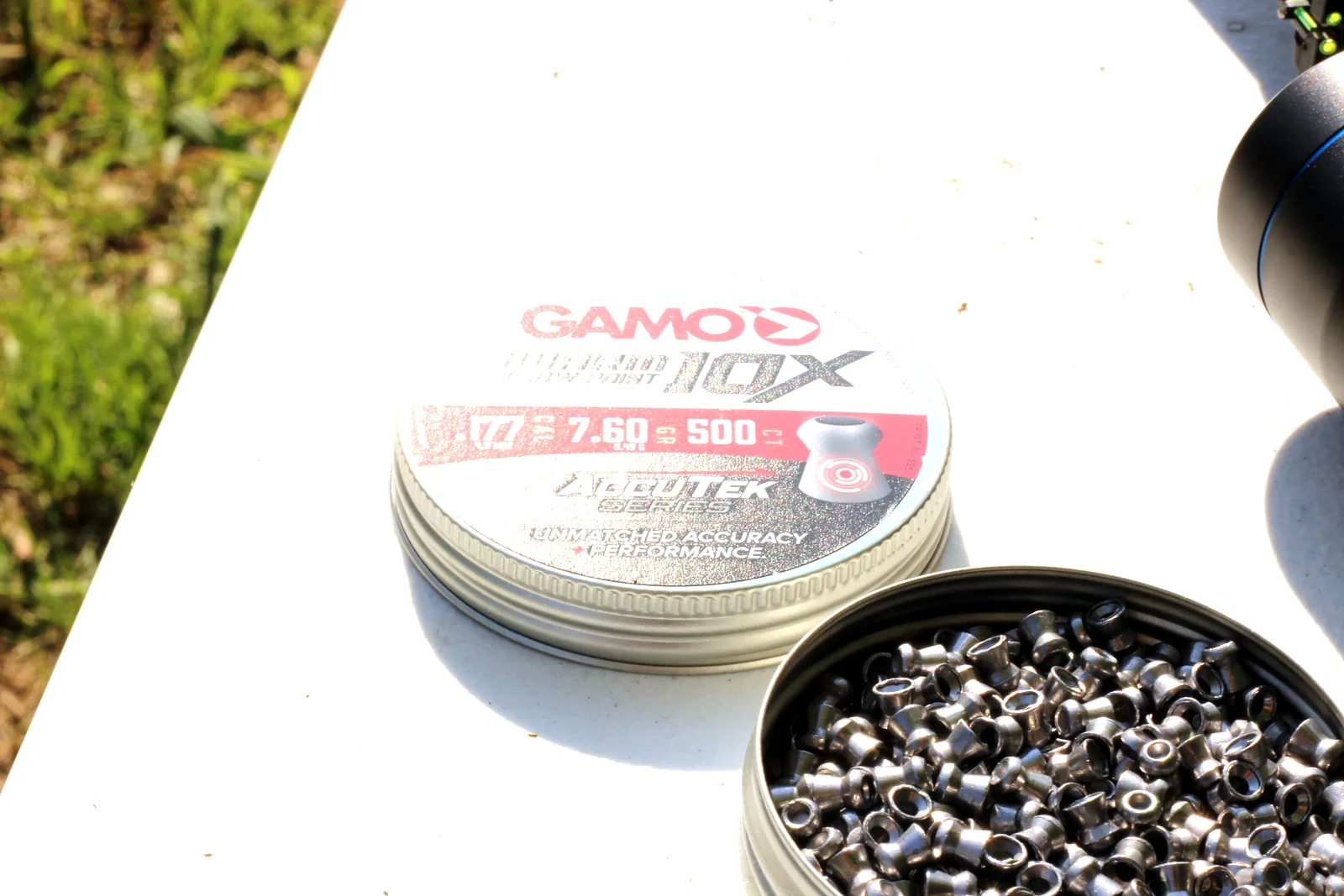
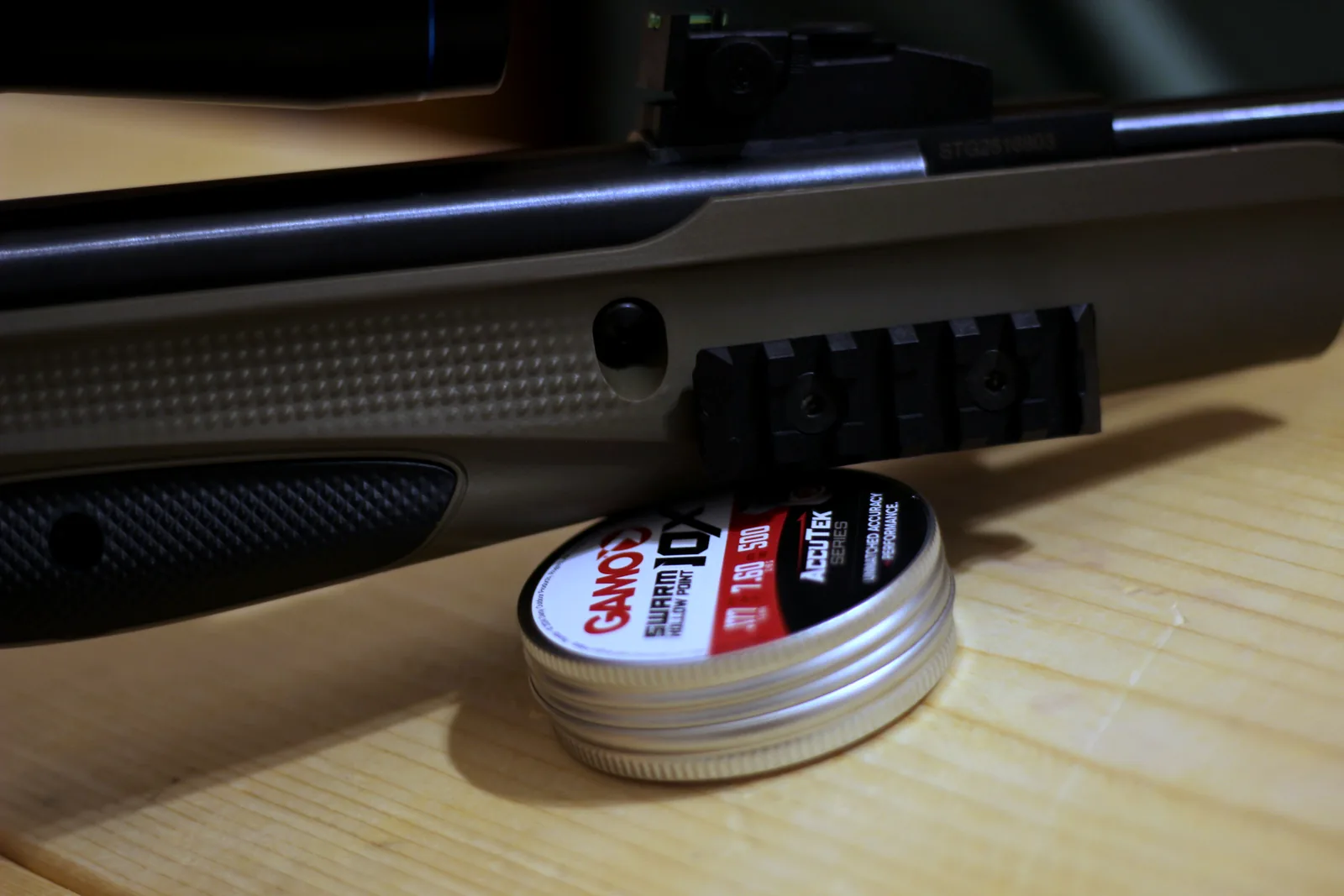
This is the quiet argument for an air rifle as a first gun. A tin of five hundred pellets costs less than a box of twenty centrefire cartridges, so a young shooter can take hundreds of shots in an afternoon and actually learn something. Volume is how shooting is learned, and volume is unaffordable in almost every other format.
On the Bench
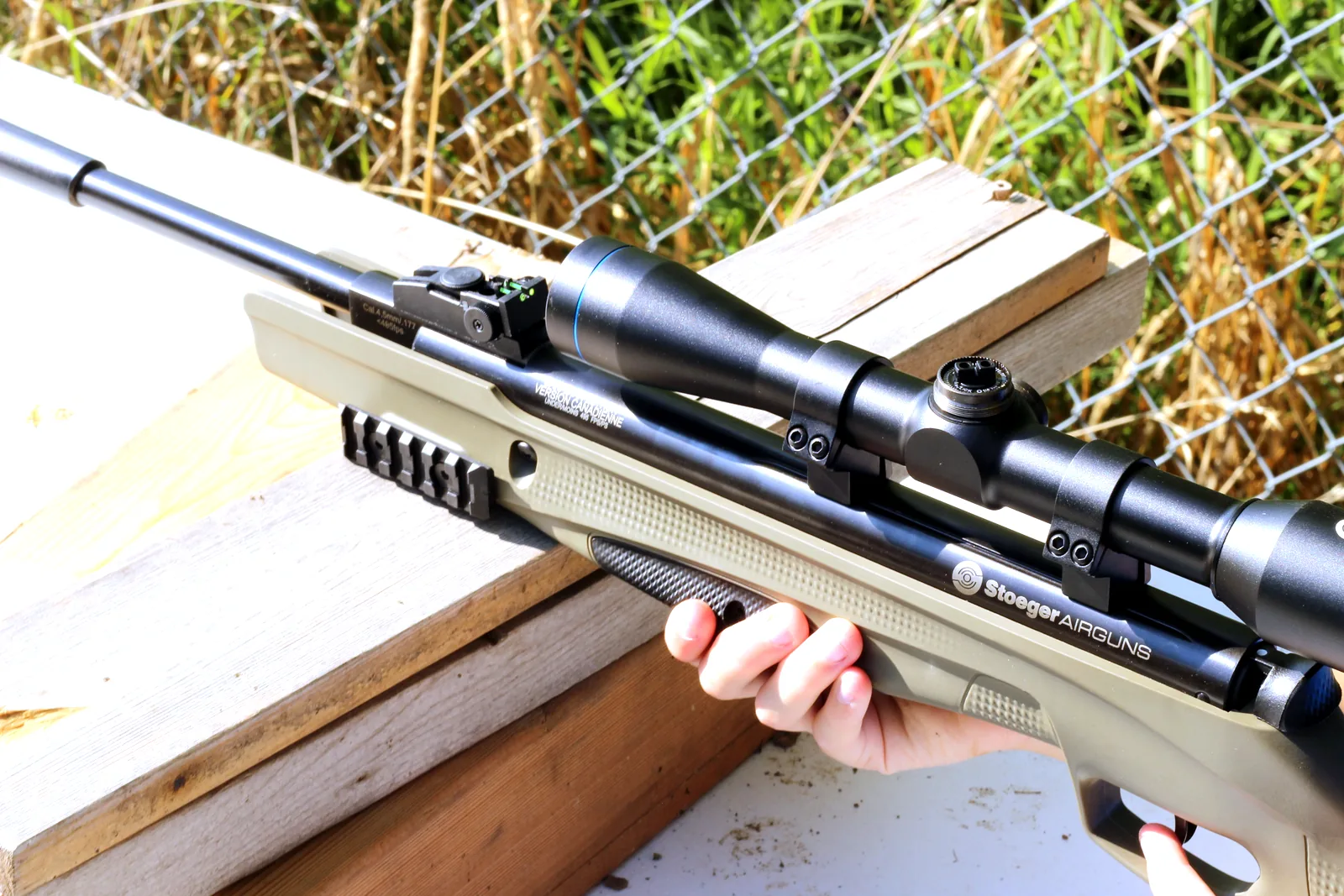
That load cycle is worth dwelling on. A break-barrel is a single shot, and a single shot is the best possible teaching platform. There is no magazine to hide behind and no temptation to hose. Every shot is deliberate: break, load, close, mount, breathe, press. A kid who learns on this will carry the rhythm into everything else they ever shoot.
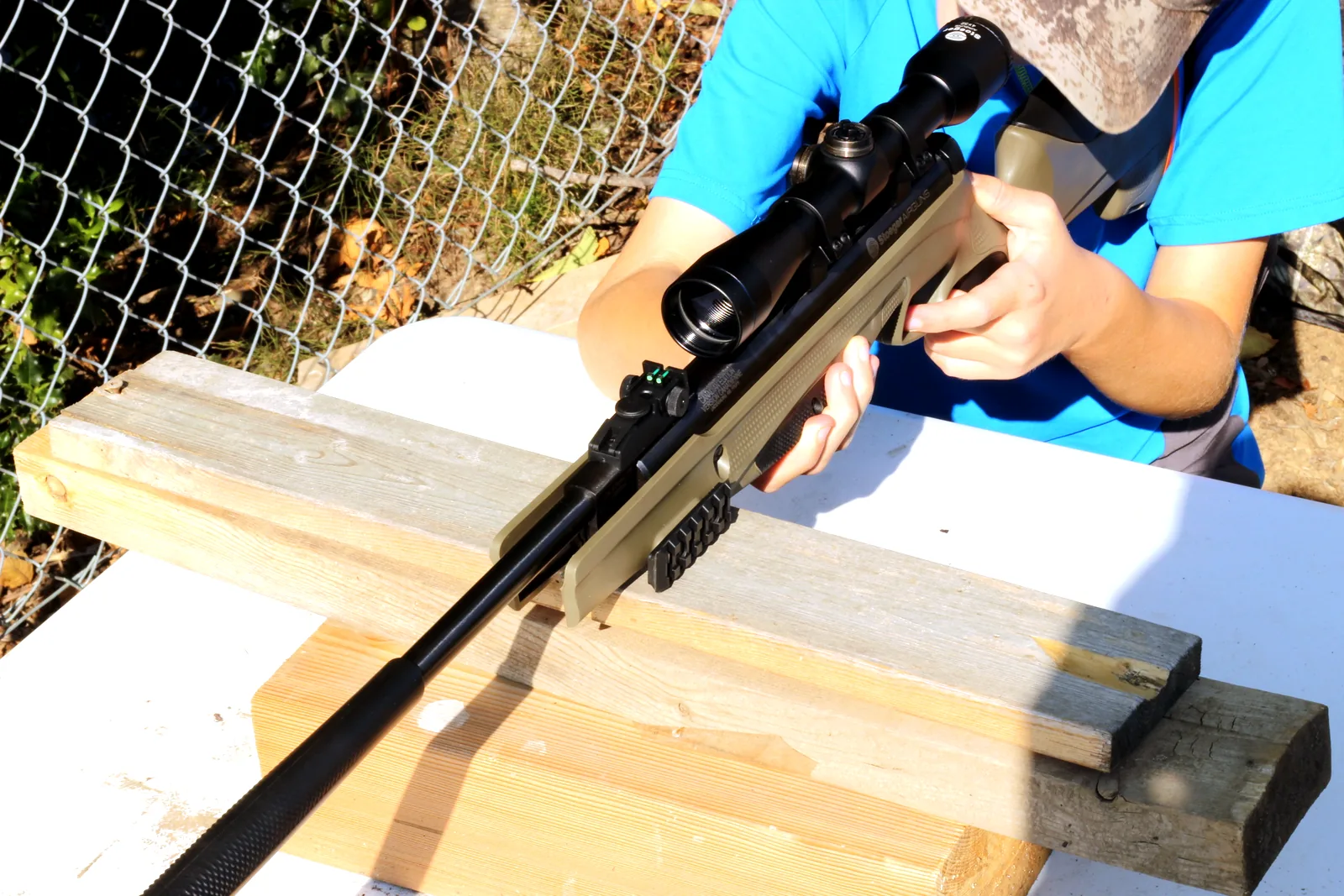
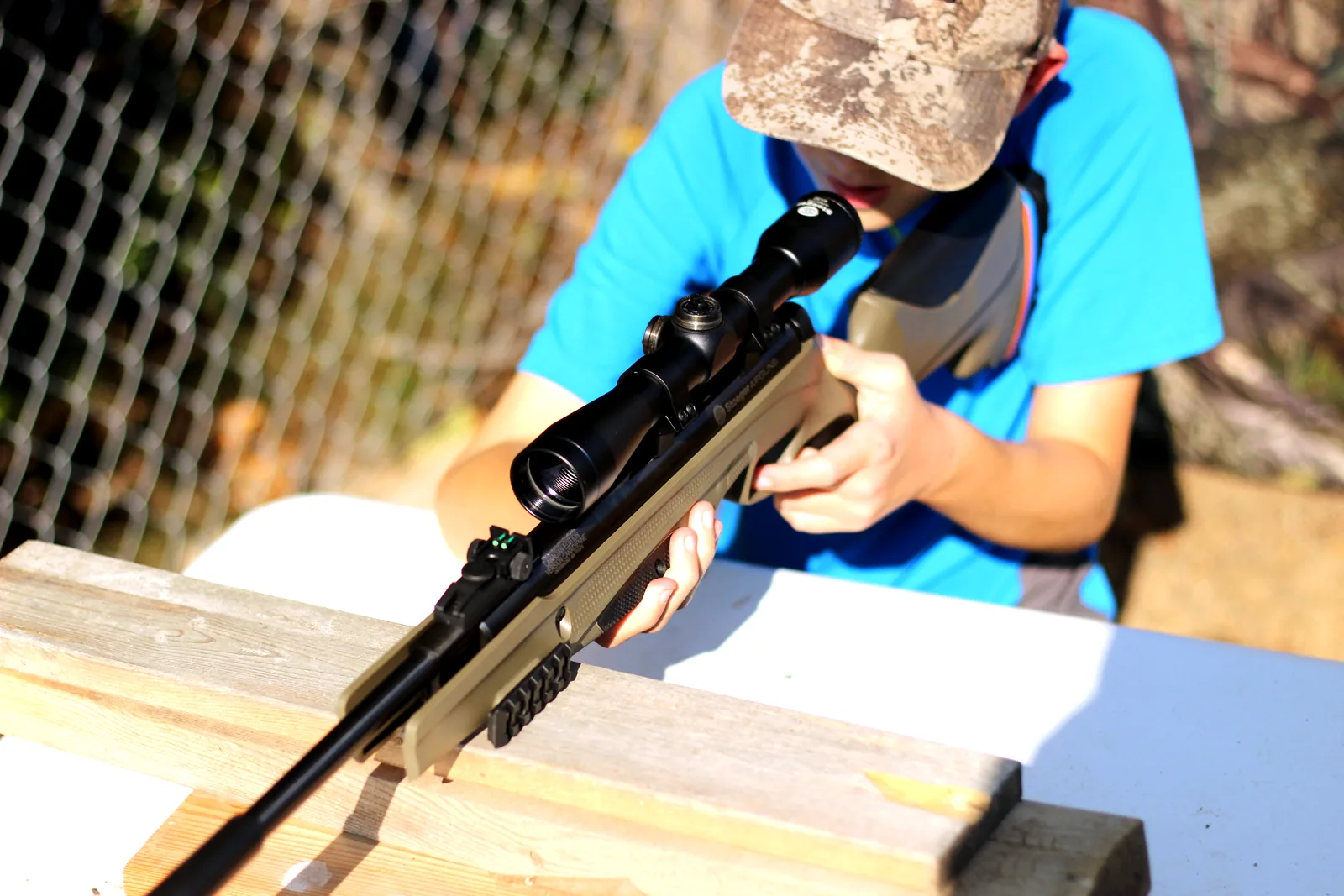
A word on springers. A spring-piston rifle recoils in two directions: the piston runs forward, stops, and the rifle moves back. All of that happens while the pellet is still in the barrel, which is why a springer punishes a tight grip and rewards a loose one — the so-called artillery hold, where you let the rifle move rather than fighting it. If the first groups look poor, the hold is the cause about nine times in ten. Once a shooter relaxes into it, the same rifle prints a different target.
The Lane and the Target
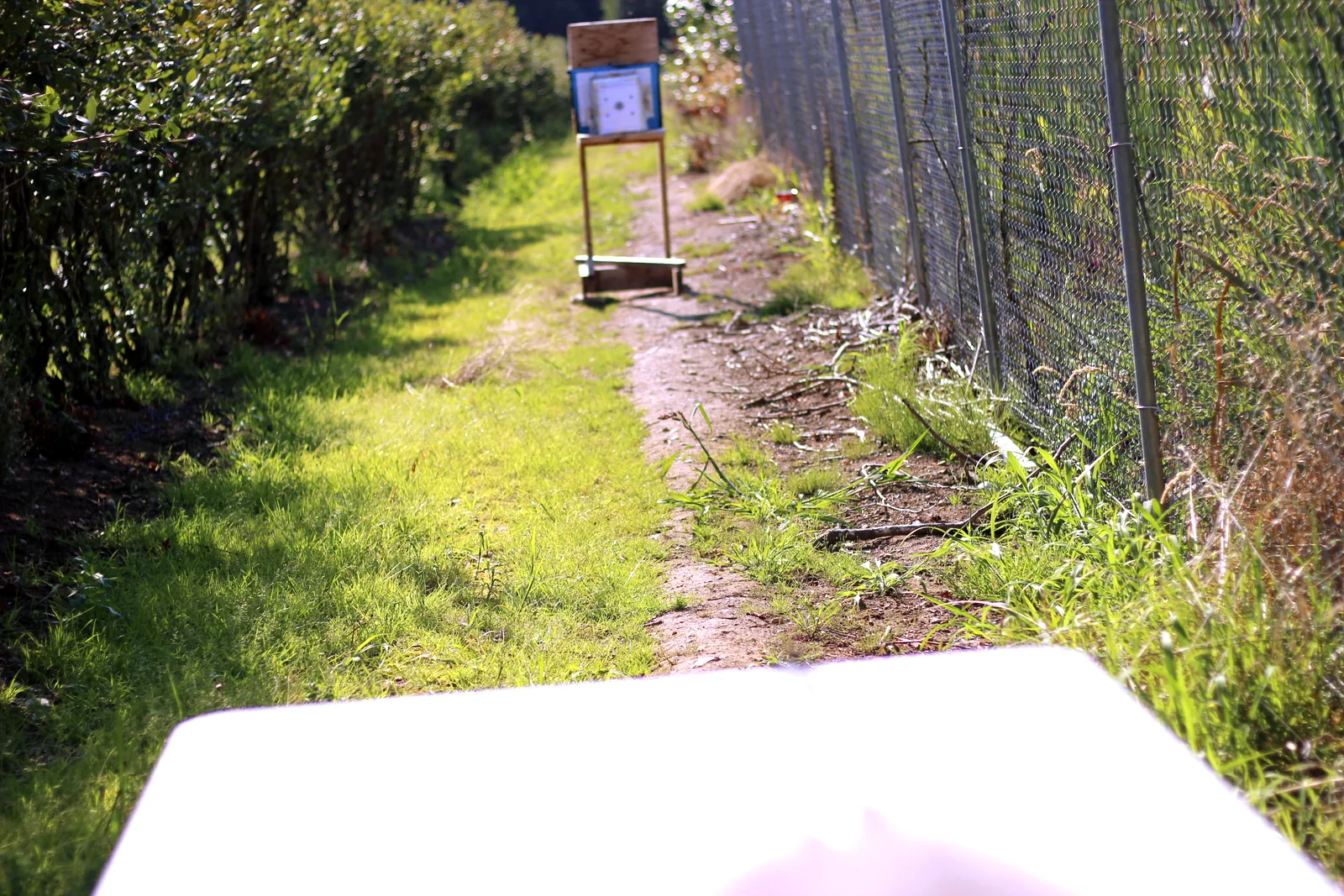
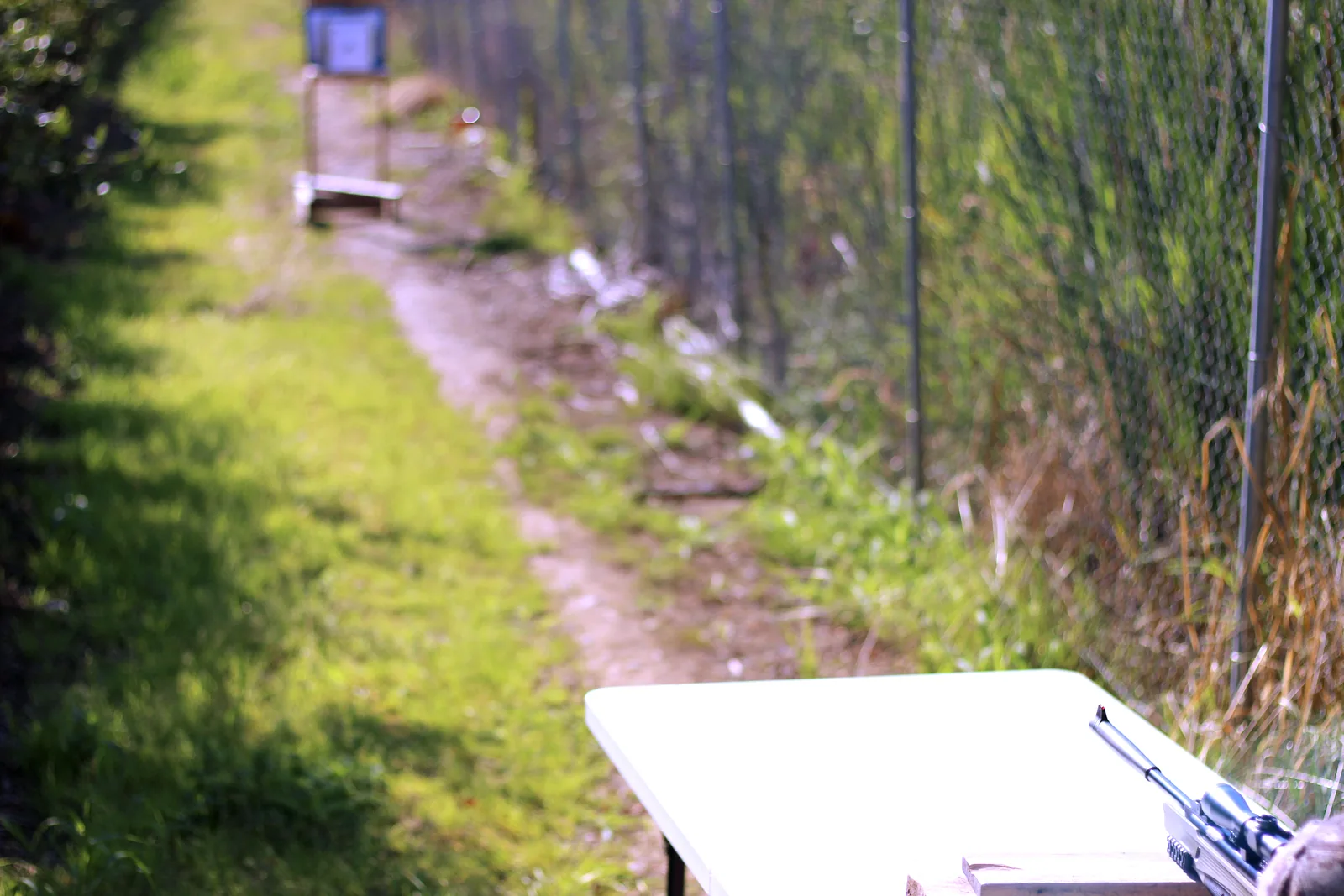
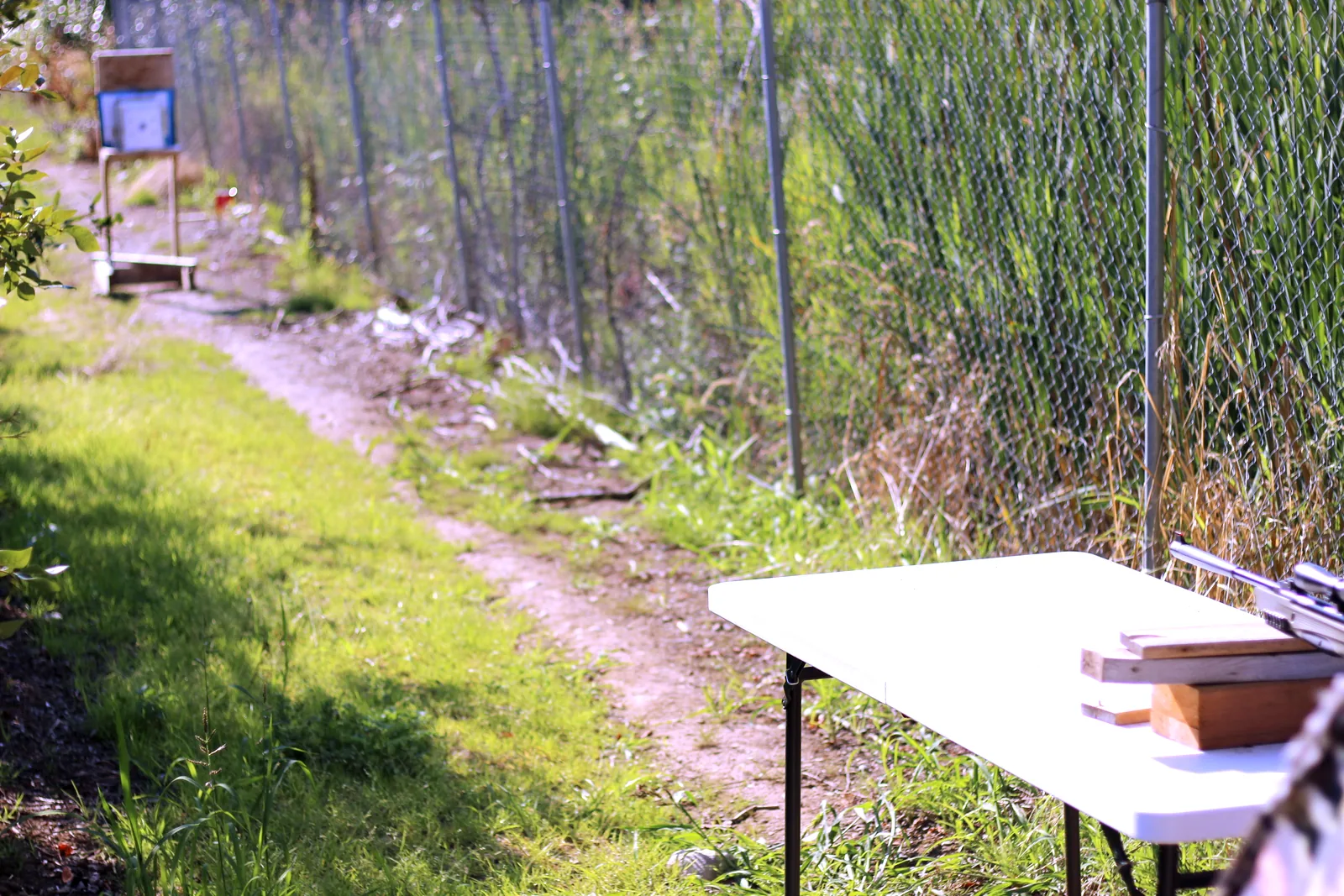
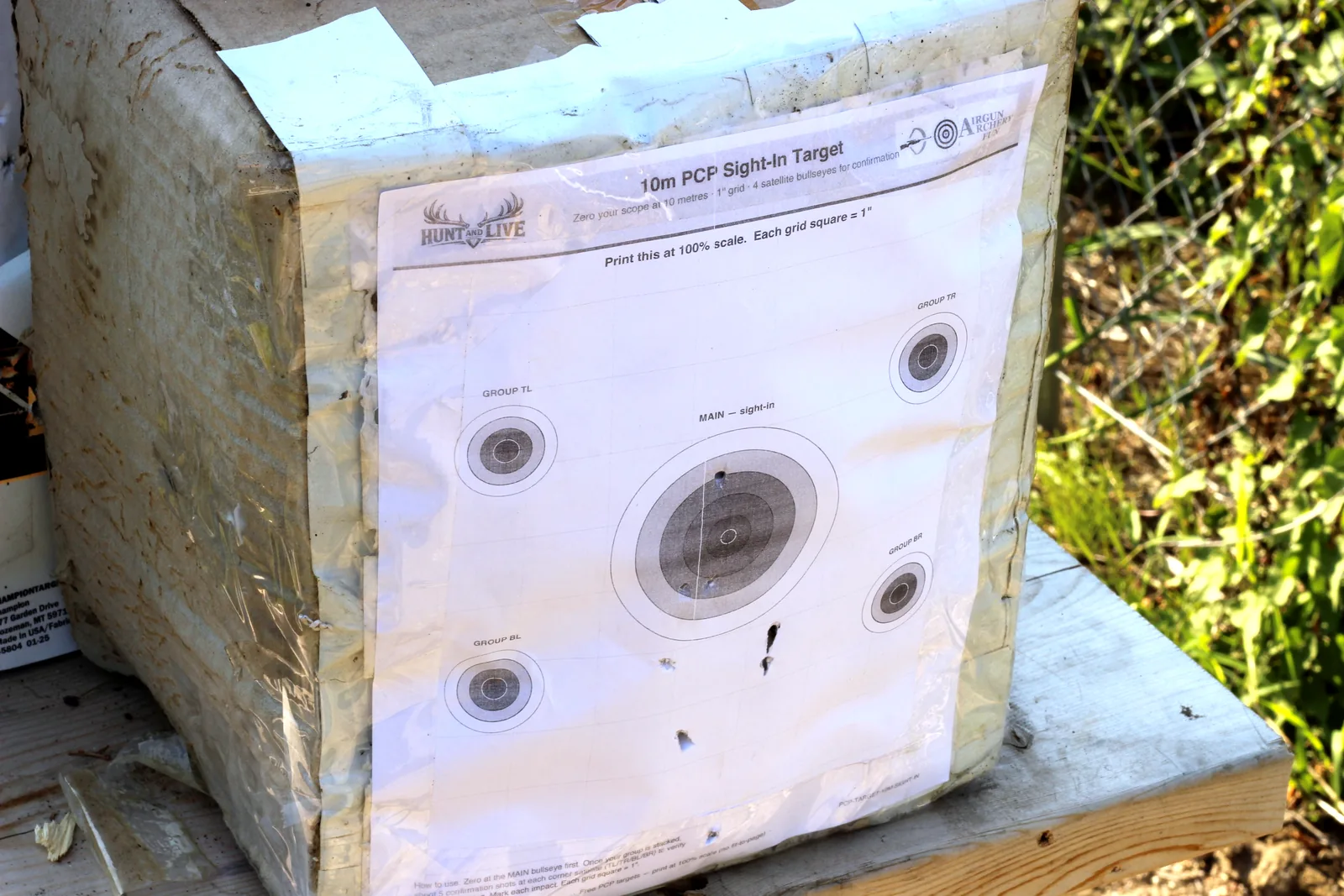
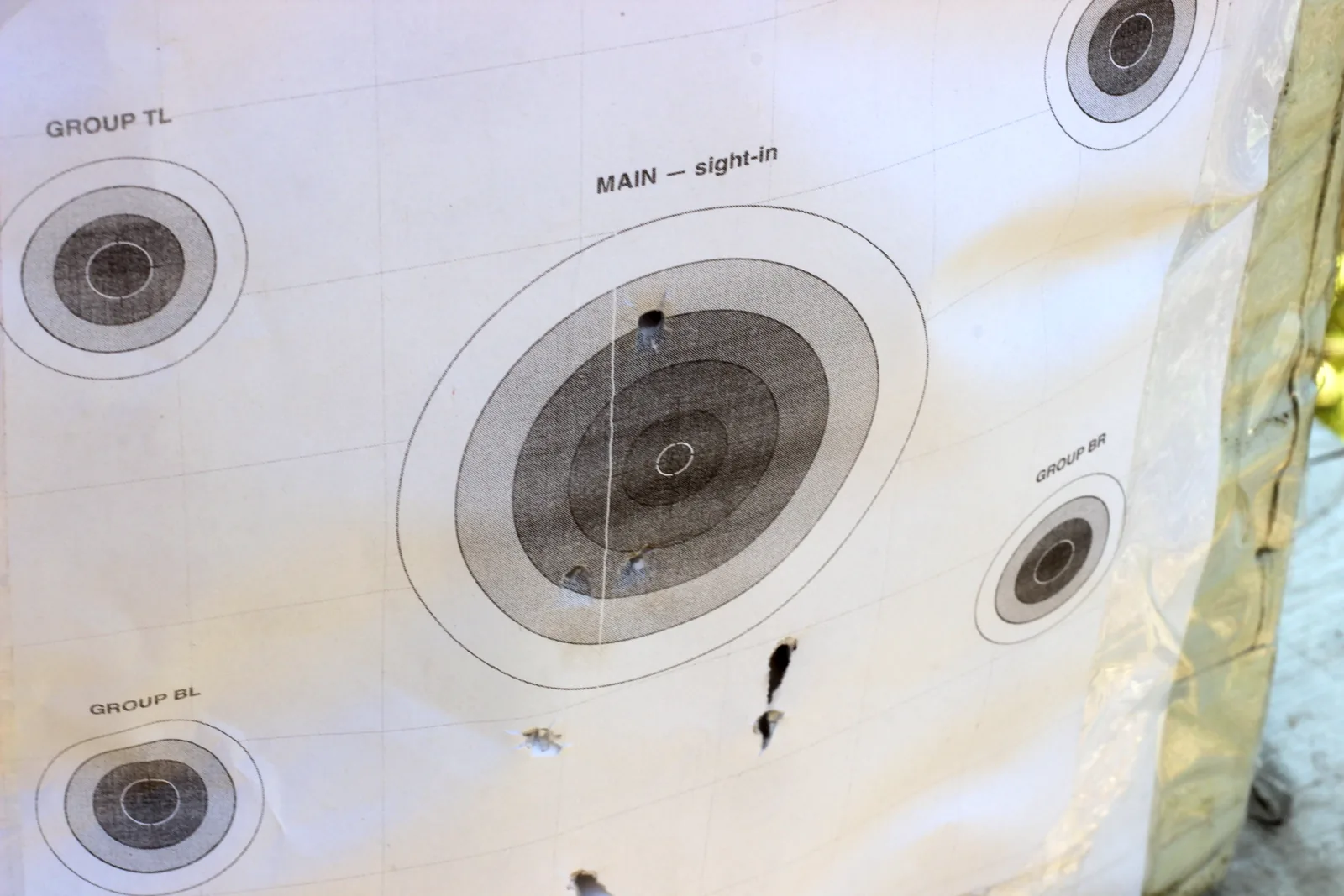
We shot this off our own 10 m sight-in target — one of the six printable PDFs we give away free — rather than a shop-bought one, because a target with separate group boxes teaches a young shooter to think in groups rather than in individual shots. It is the single fastest way to get someone to stop chasing the last hole with the turrets.
Is a Sub-500 fps Rifle Enough?
For learning, for plinking, and for backyard target work at ten to twenty-five yards: comfortably. The Canadian Edition is deliberately tuned to sit under the line, and what you give up in velocity you get back in the two things that matter for this use — it is quiet, and it is legal to buy without a licence.
For pest control the honest answer is that 495 fps in .177 is on the light side, and shot placement stops being a nicety and becomes the whole job. If pest work is your main purpose rather than teaching and target shooting, look at higher-powered options and accept the paperwork that comes with them.
A Note on the Canadian Rules
In Canada, an air gun that produces more than 500 fps and more than 5.7 joules at the muzzle is treated as a firearm for licensing purposes and requires a Possession and Acquisition Licence. Below those thresholds, an air rifle can be bought without a PAL — which is why manufacturers produce Canadian Editions detuned to sit under the line, and why this rifle is marked 495 fps on the barrel and the box.
Two things worth being clear about. A sub-500 fps air rifle is still a weapon in law, and misusing one carries the same consequences as misusing anything else. And retailers, provinces and municipalities apply their own age rules and by-laws on top of the federal position. We are not lawyers — check the current rules where you live before buying, and treat the rifle like a firearm regardless of how it is classified.
Pros and Cons (the Honest Version)
What it does well. The adjustable length of pull is the headline and it deserves to be: three positions across 356–370 mm, changed with a hex key, meaning one rifle fits a child and the adult teaching them. At 2.4 kg it is light enough for a young shooter to hold rather than fight. The break-barrel spring piston needs no pump, no compressor and no cartridges, so running cost is a tin of pellets. Fibre-optic sights and a rail and a 4×32 scope with rings all come in the carton. The automatic ambidextrous safety sets itself on every cocking stroke. And at 495 fps it is legal to buy in Canada without a licence.
Where to go in with your eyes open. The bundled 4×32 is serviceable rather than special — fine for learning, and the obvious first upgrade later. And a spring piston has a recoil pulse in both directions, so it needs a relaxed hold to shoot well; that is a skill to teach rather than a fault, but it will flatten the first few groups until the shooter finds it.
Who Should Buy It
Buy the RX5 TAC if you want to teach someone to shoot properly and want one rifle that will still fit them in three years. It pairs naturally with the rest of a young hunter’s kit — we shot this rifle on the same lane we set up the Ameristep Doghouse blind on, and the same young shooter wears the New View youth camo set for calling stands. Buy it if you want a backyard plinker with no licence, no compressor and no running cost beyond pellets. Buy it if you would rather your young shooter learned on a deliberate single-shot with iron sights available than on something that encourages volume without thought.
Look elsewhere if pest control is the main job — a sub-500 fps .177 asks a lot of your shot placement — or if you want a precision target rifle out of the box rather than a family gun that happens to shoot well.
Final Verdict
The Stoeger RX5 TAC solves a problem the category mostly ignores. Air rifles are sold to families and built for adults; this one is built to be resized, and the difference that makes to a young shooter’s consistency is not subtle. Everything else about it is sensible rather than exciting — a simple spring piston, a light synthetic stock, honest fibre-optic sights, an automatic safety, an adequate scope in the box.
At around C$249 with the optic included and no licence required, it is a complete way into shooting for one purchase. Set it short, teach the load cycle and the relaxed hold, print a target with group boxes on it, and let them shoot a tin of pellets. That is how it is supposed to go.
Rating: 4.5/5 Stars
Brands sometimes provide samples for review. Hunt & Live writes its honest opinion either way — gear that doesn’t earn its keep doesn’t get a recommendation.