
Featured Review · Kershaw · Hunting Knife
Kershaw Deschutes Combo Review — The Two-Knife Blaze-Orange Field Game-Processing Kit Every Serious Hunter Should Carry
Our Rating
Current Price
- Combo SKU
- KE-1883COMBO (Limited Edition / Special Edition)
- Combo price
- C$219.99 CAD
- Canadian distributor
- Kershaw Canada (1441969 Alberta Ltd) — exclusive
- Designer
- Kershaw Originals
Pros
- Two purpose-built knives — the 1883 gutter/skinner does the gross processing work (gutting, hide work, big primal cuts) while the 1882 detail blade does the fine work (caping, head/cape detail, around joints, removing silver skin) — the right tool for each step instead of fighting one blade through the whole workflow
- D2 blade steel hand-finished to HRC 59-60 — known across the knife community for genuine edge-holding capability through an entire deer or elk processing session without needing to stop and re-sharpen mid-job
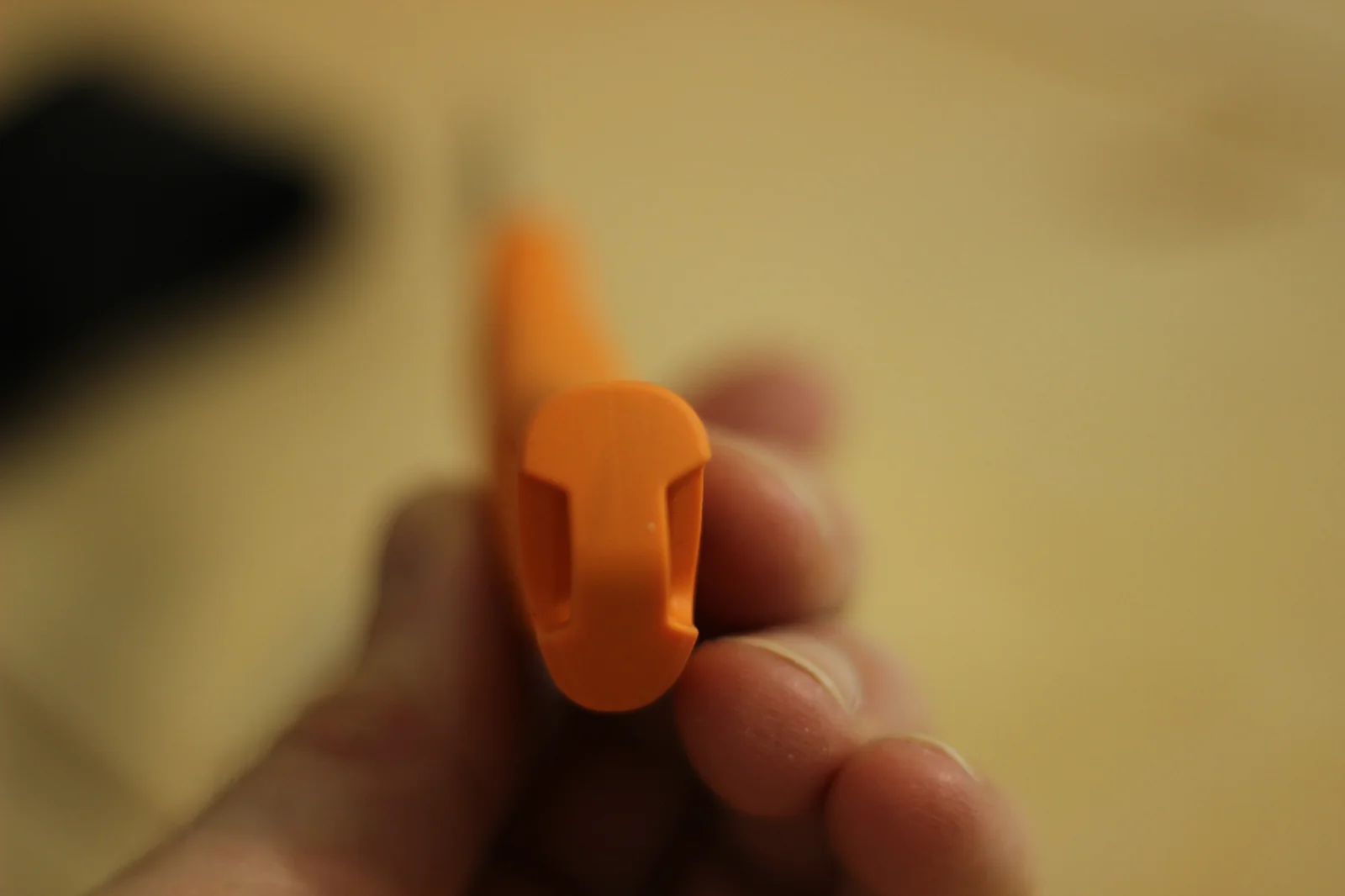
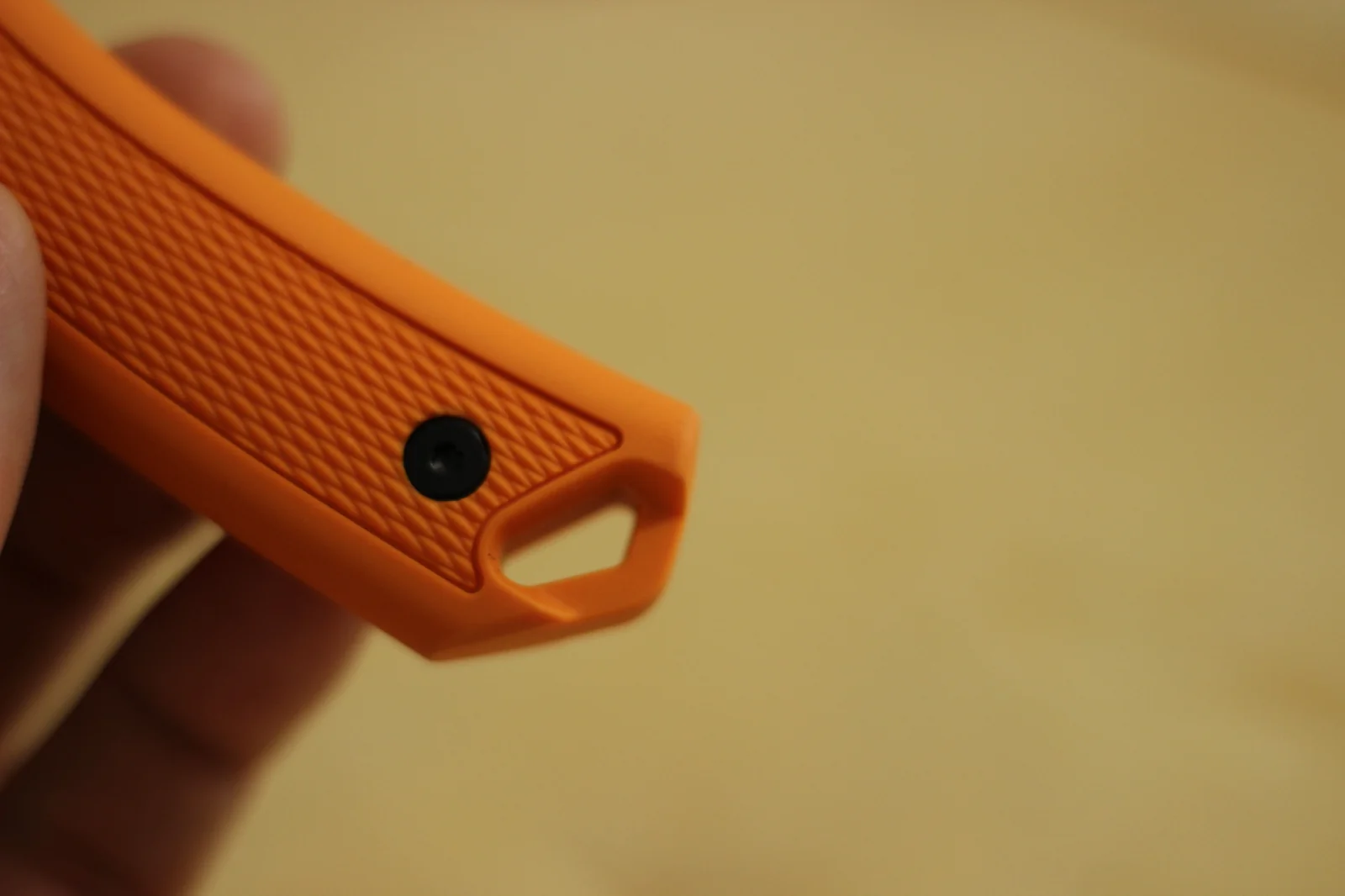
- Blaze-orange polypropylene handles with rubber overlay — high-visibility and impossible to lose in long grass, blood, snow, or the gut pile, contoured for grip with a textured rubber overlay that holds onto wet hands and gloves
- Stonewashed blade finish hides scratches and acid-etching from gut contact — practical for a field-processing tool where the alternative would show every cut and rub as a long-term cosmetic ding
- Full-tang construction on both knives — no welded join, no rolled-pin retention failure under leverage, the steel runs the full length of the handle and is engineered to handle the prying / wedging / detail work that real game processing demands
- Fitted nylon textile double sheath carries both knives together on one belt loop — one move on the belt, both tools at hand, no fumbling between two separate sheaths in cold weather and gloved hands
- Limited Lifetime Warranty backed by Kershaw
- Kershaw Canada is the exclusive Canadian distributor — ships from Canada, Canadian warranty and service support, free standard shipping over $125 CAD
- Lanyard hole on both knives — a wrist lanyard during processing keeps the knife retained when grip transitions get awkward (around joints, working inside the body cavity, etc.)
- Designed by Kershaw Originals as a Special Edition — limited production run, anchored on the 'you asked, we listened' editorial frame
Cons
- Limited Edition production run — when these are gone they're gone, and at $219.99 CAD for the pair, the combo represents a meaningful jump up from buying just the 1883 standalone
- Country of origin is split — design / prototype / quality control done in the USA, manufacturing in China. Kershaw's documentation discloses this openly on the product page; for the buyer who wants 100% USA-made, this isn't that knife
The most under-considered piece of every serious deer / elk / moose hunter’s kit
There’s a position in the hunting-gear conversation that almost nobody covers from the right angle: the in-field game-processing knife kit. Not the kitchen knife you brought home to the cutting board. Not the EDC you happened to have in your pocket. The dedicated, purpose-engineered, blaze-orange-handled, double-sheath-carried, two-knife field game-processing system that the hunter who’s about to bone out a quartered elk on a mountainside actually needs.
Most hunters cycle through this conversation cheaply: they pack one knife, they reach for that one knife for every cut from gutting to caping to silver-skin removal, and they finish the day with a tool that’s gone dull halfway through the job and a hand that’s cramped from forcing a 4-inch general-purpose blade through detail work it was never designed for. The honest reality is that a proper field-processing kit is two knives, not one — a larger gutting & skinning knife for the gross work, and a smaller, sharper detail blade for the fine work where geometry and control matter more than blade length.
The Kershaw Deschutes Combo — a Limited Edition C$219.99 CAD two-knife pair sold by Kershaw Canada, the exclusive Canadian distributor — is the cleanest expression of that two-knife field-processing system I’ve seen at this price point. The 1883 is the larger gutter/skinner. The 1882 is the smaller detail blade. Both are full-tang D2 steel with blaze-orange handles you cannot lose in a gut pile. Both ride in one fitted nylon double sheath that hangs on one belt loop. And both are backed by Kershaw’s Limited Lifetime Warranty.
We took the combo home, unboxed it, and this is the review.
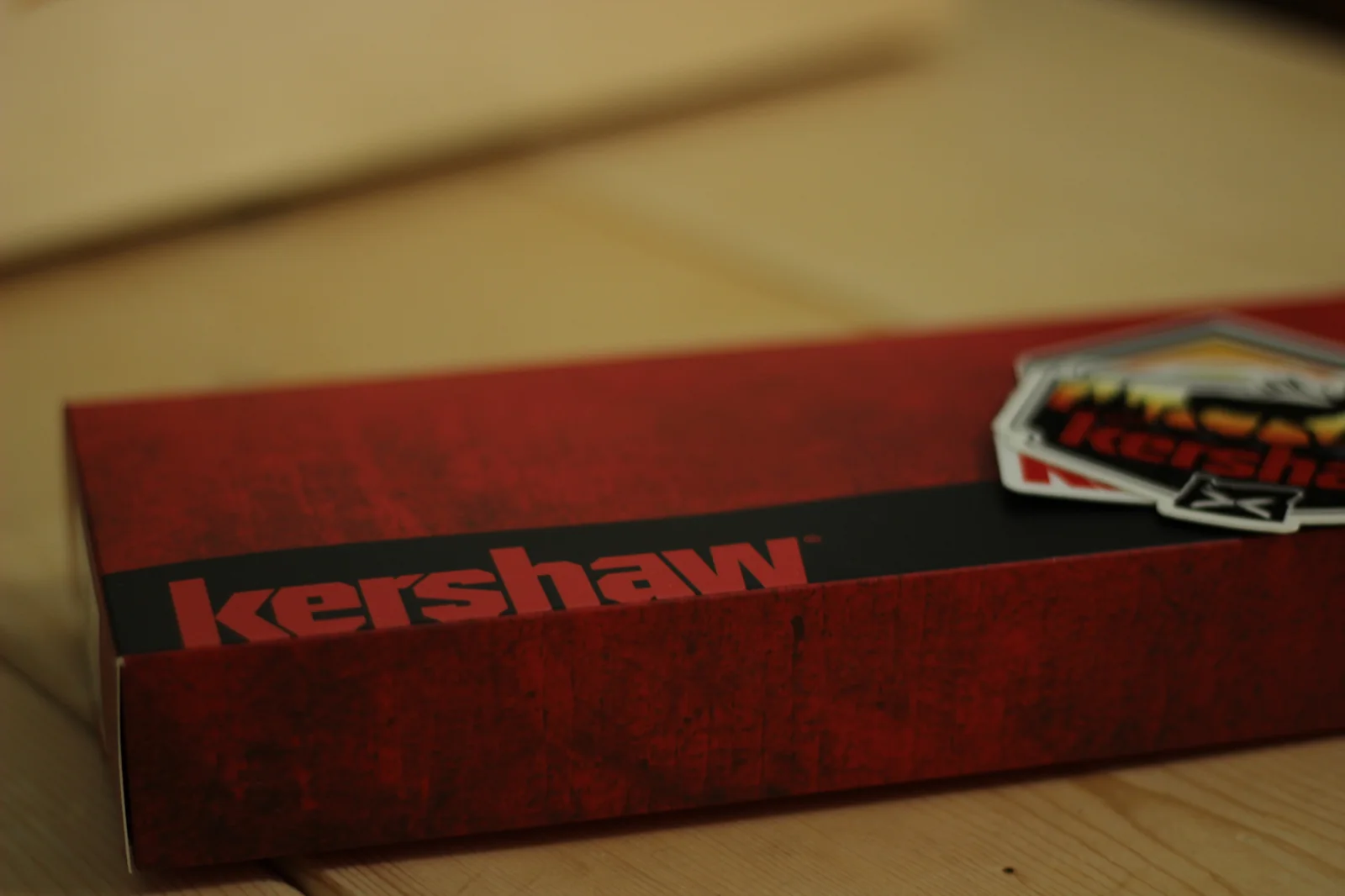
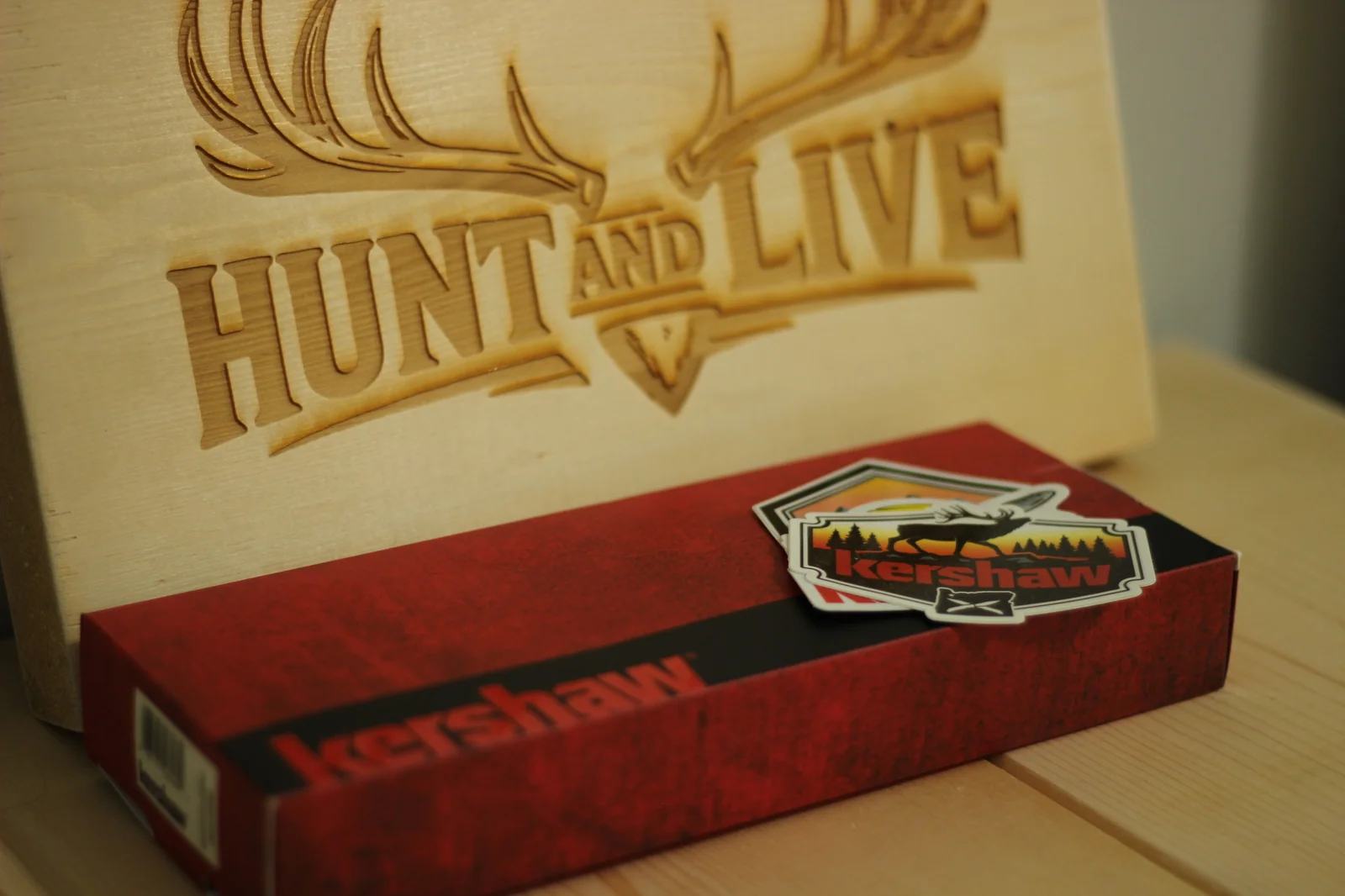
Unboxing — Kershaw retail packaging meets Hunt & Live
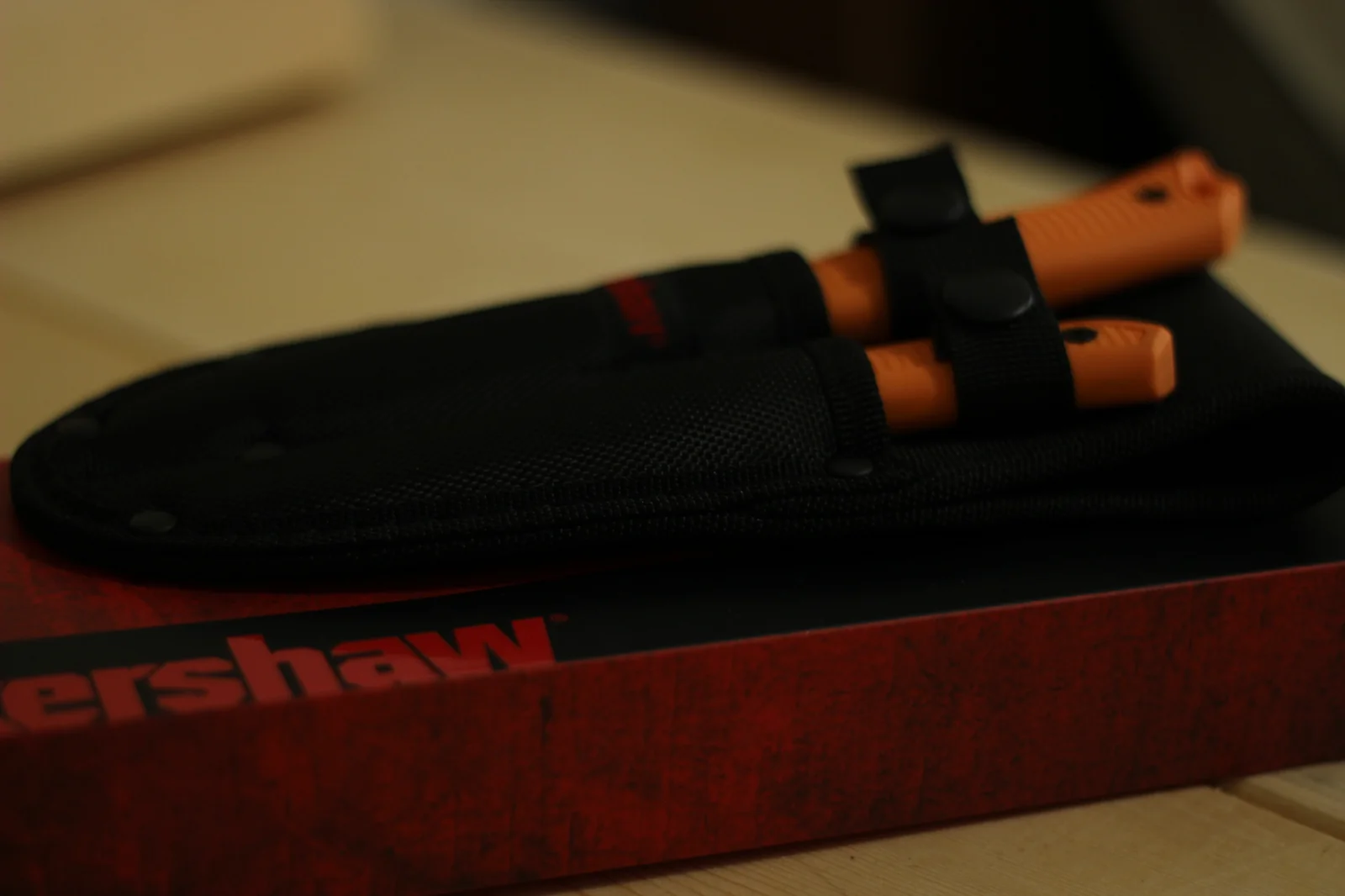
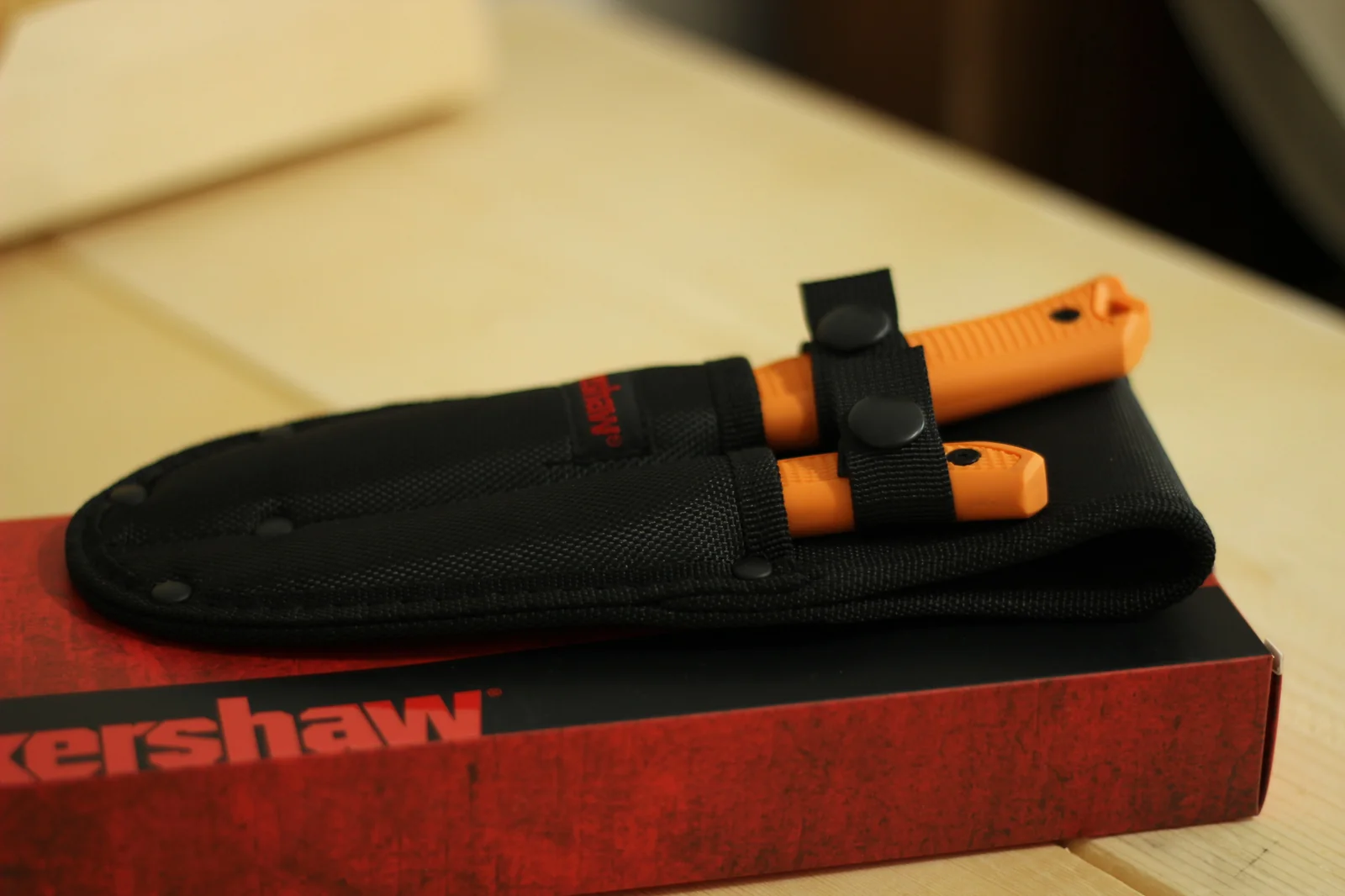
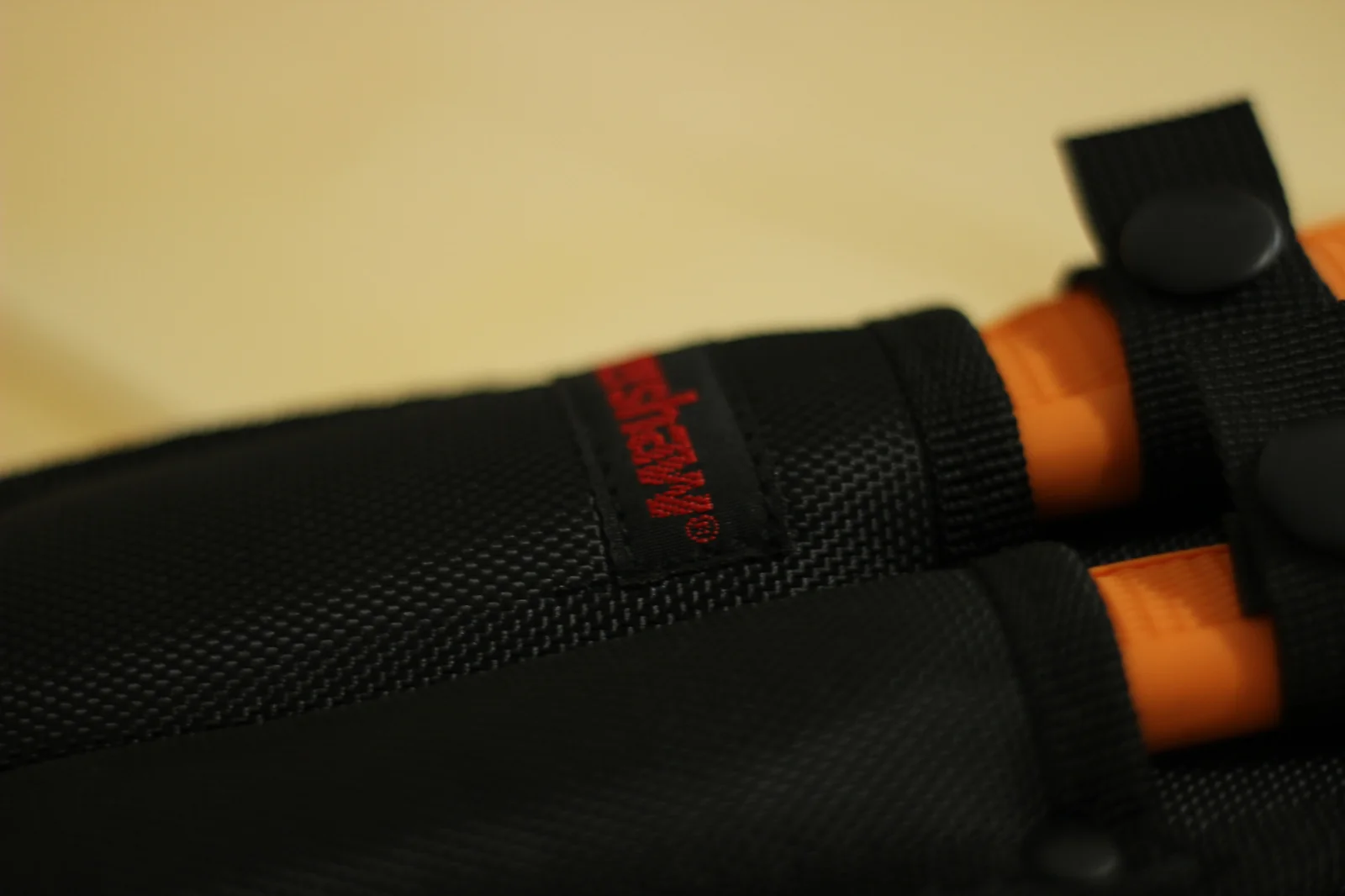
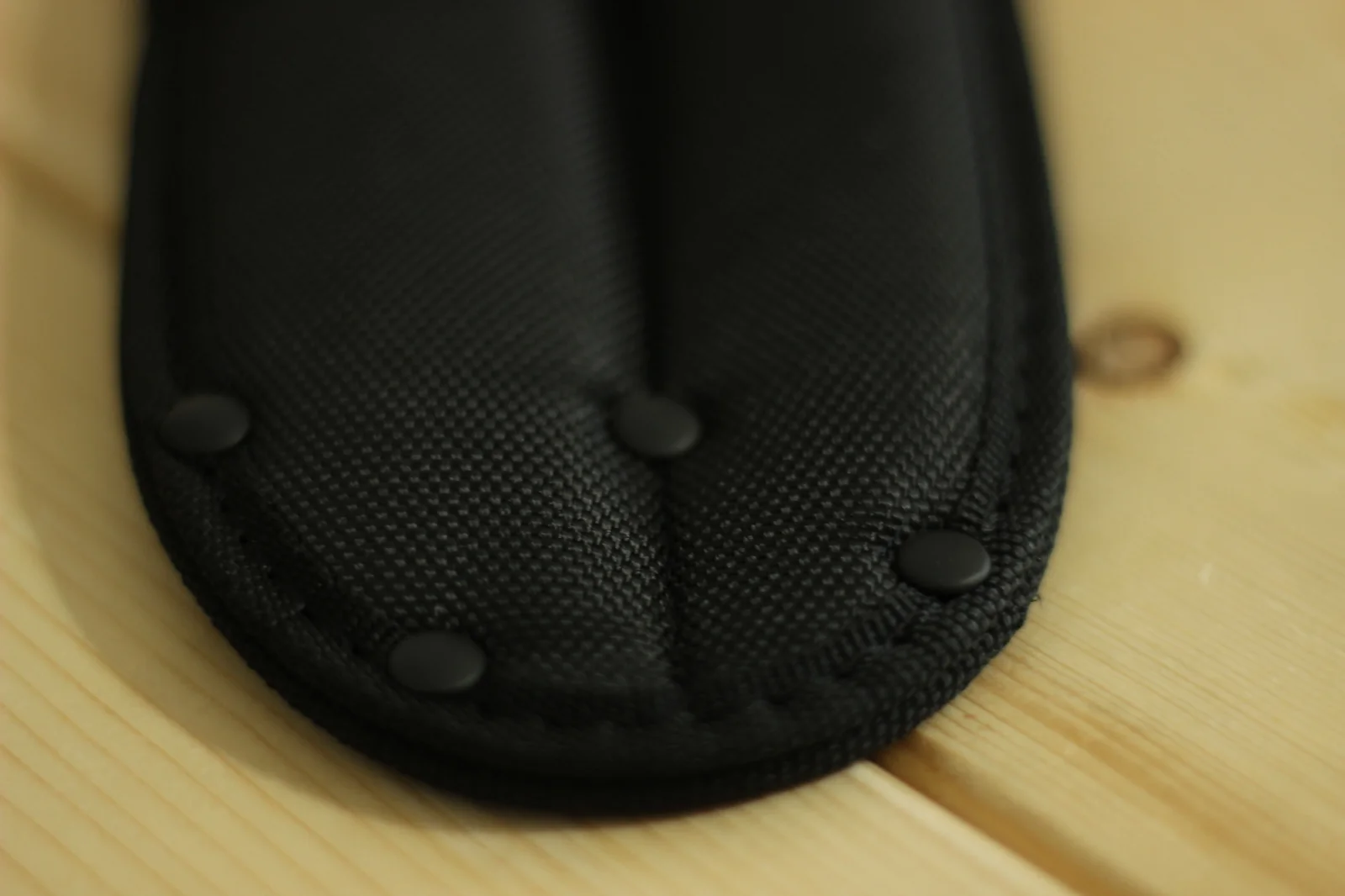
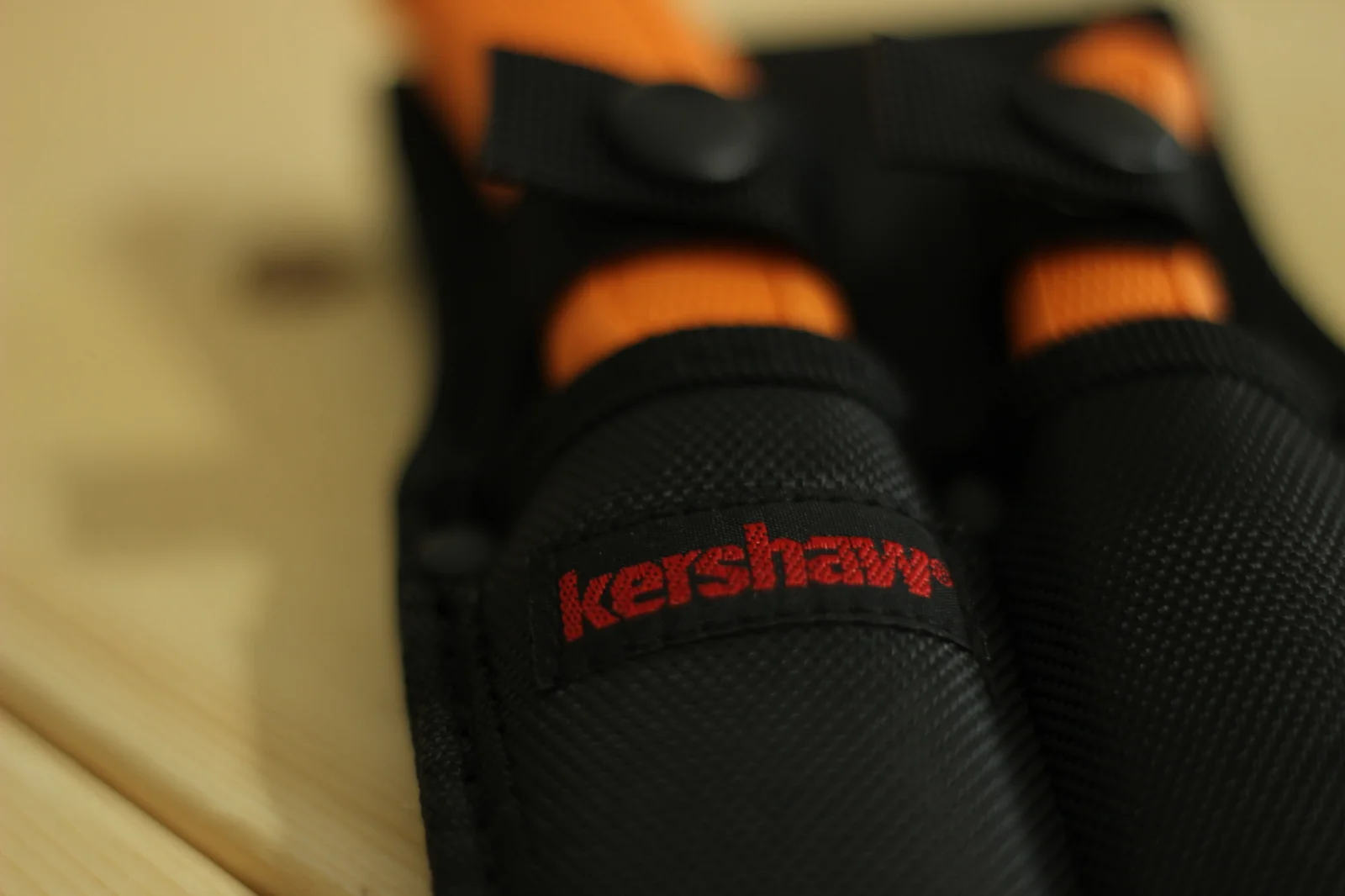
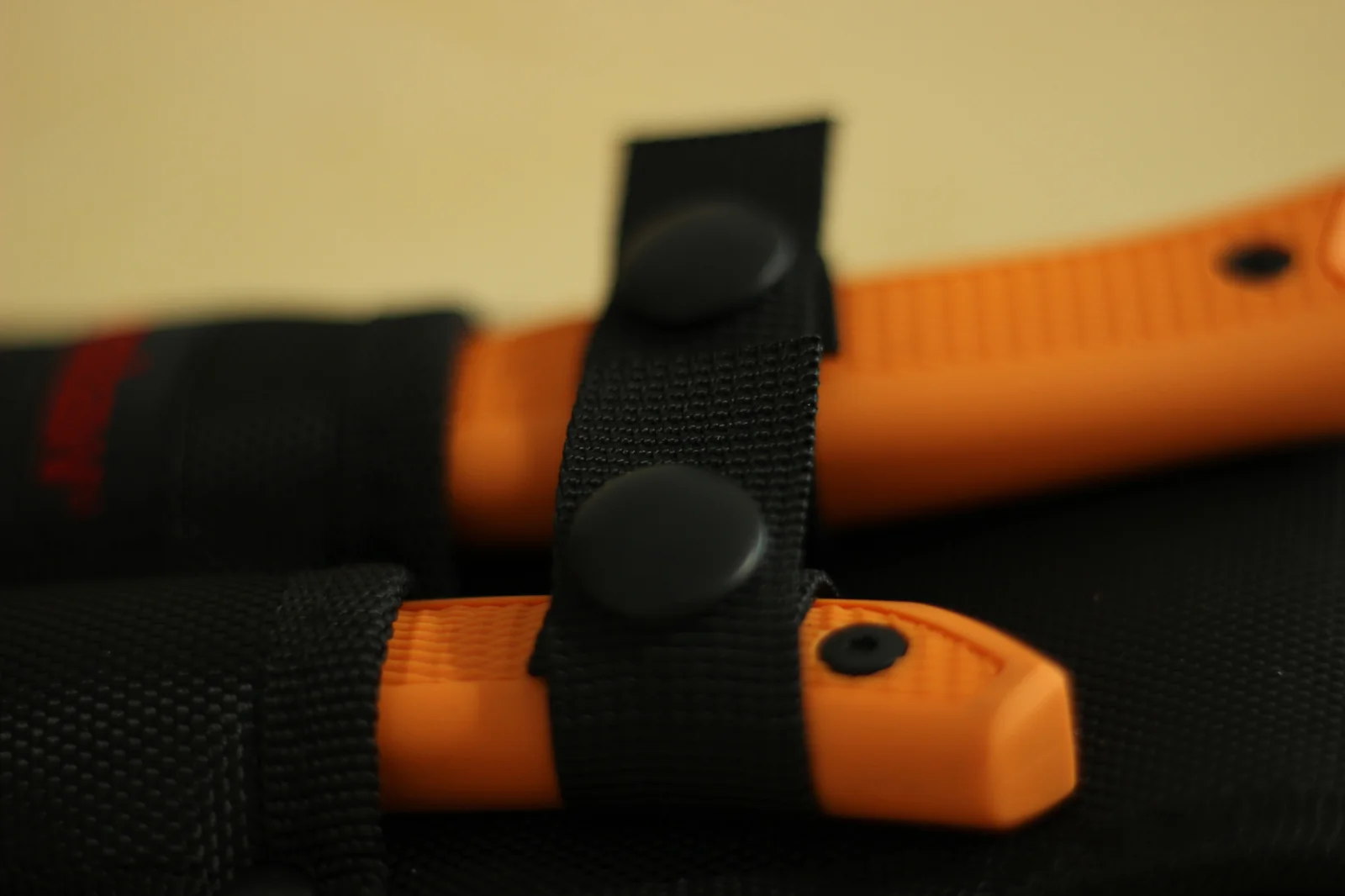
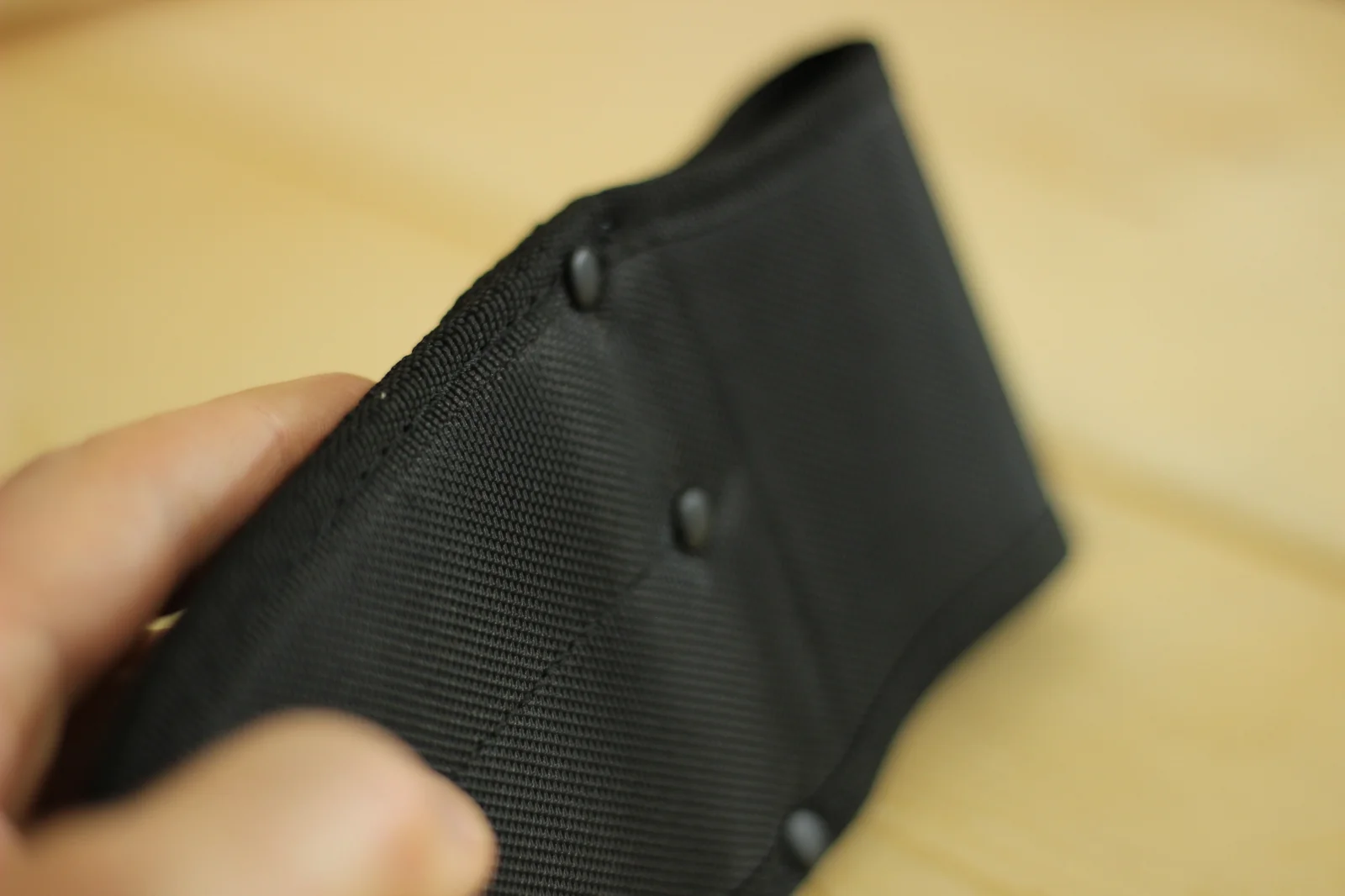
The fitted nylon double sheath — one belt loop, both knives at hand
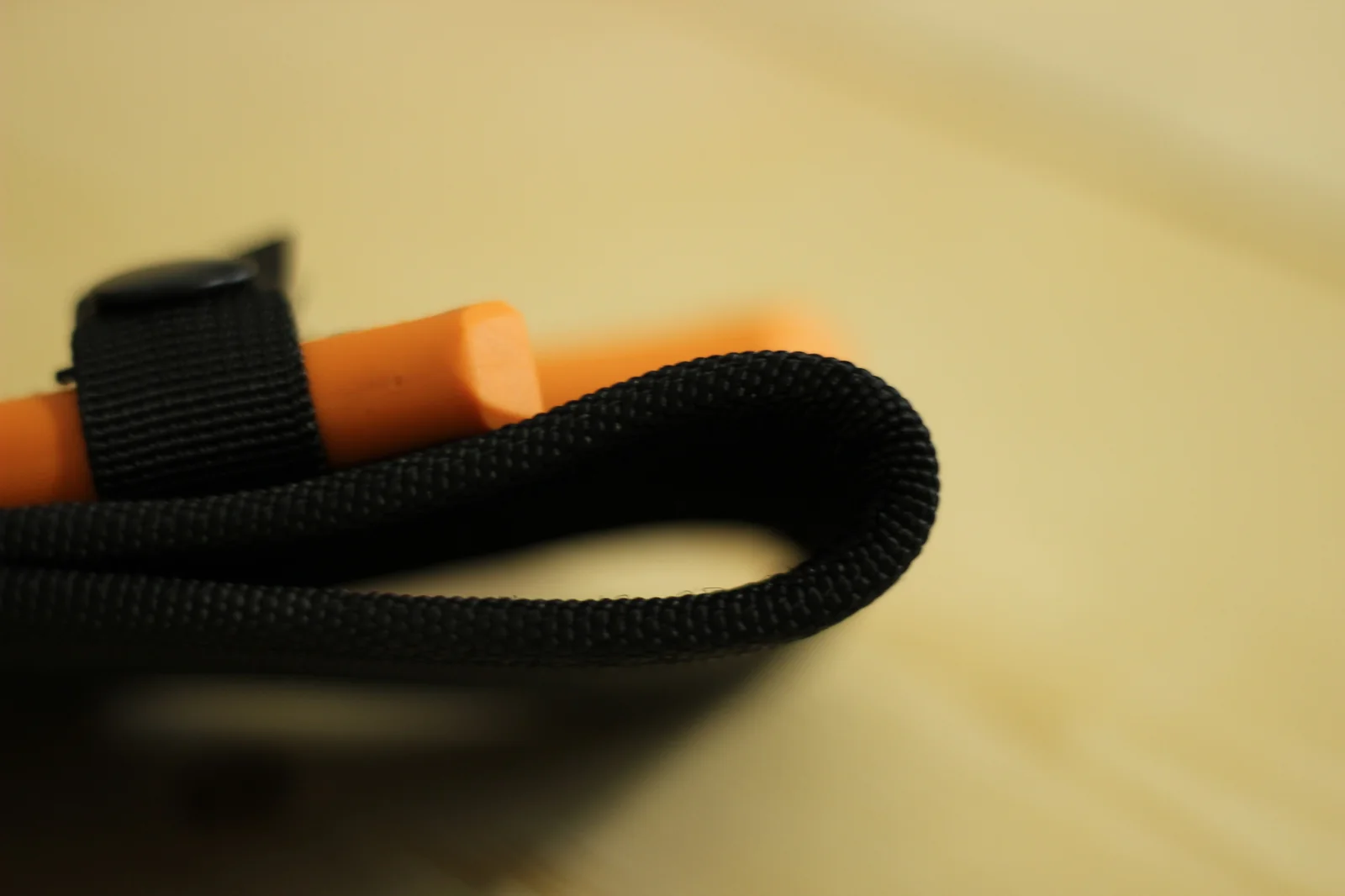
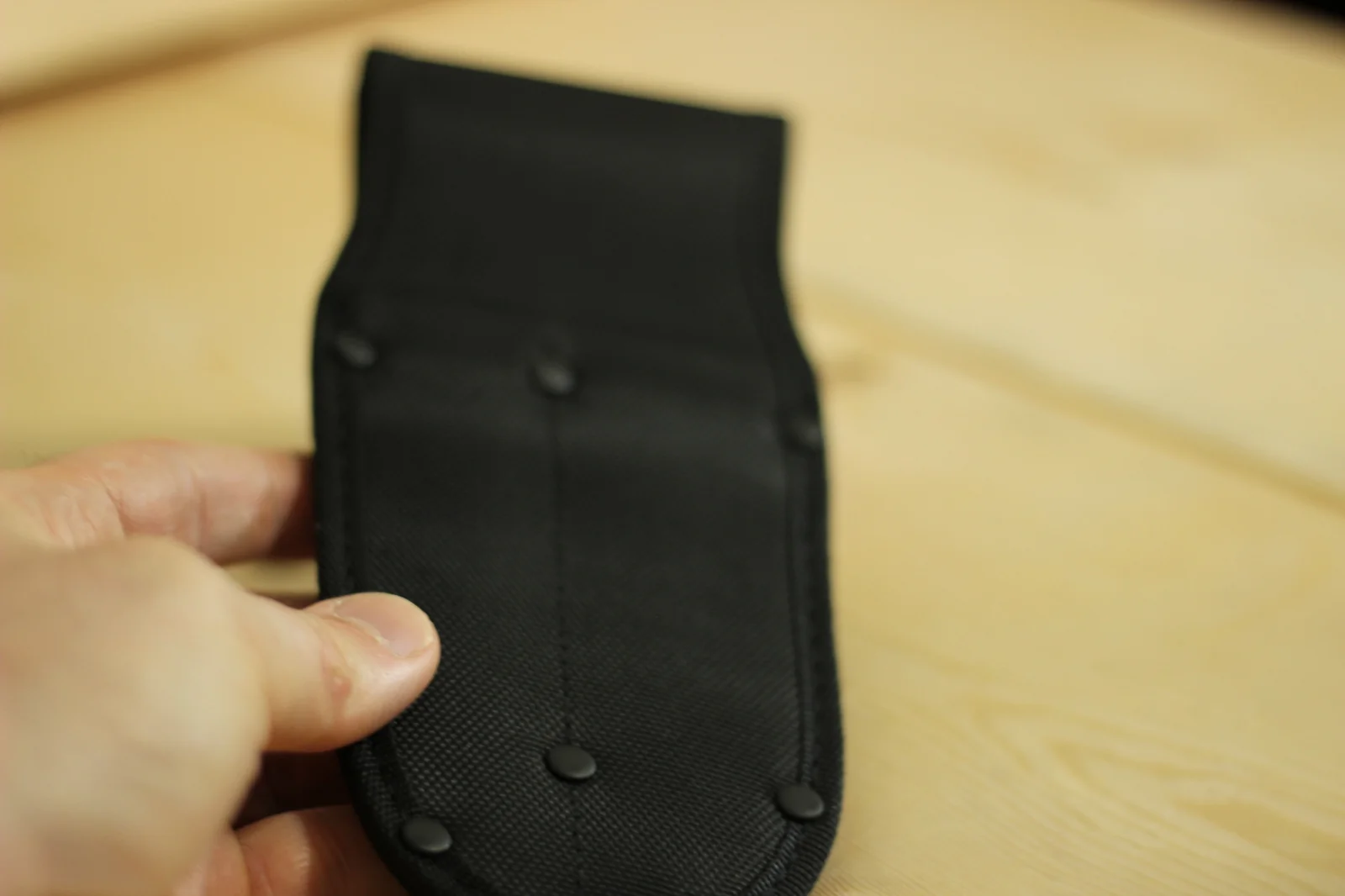
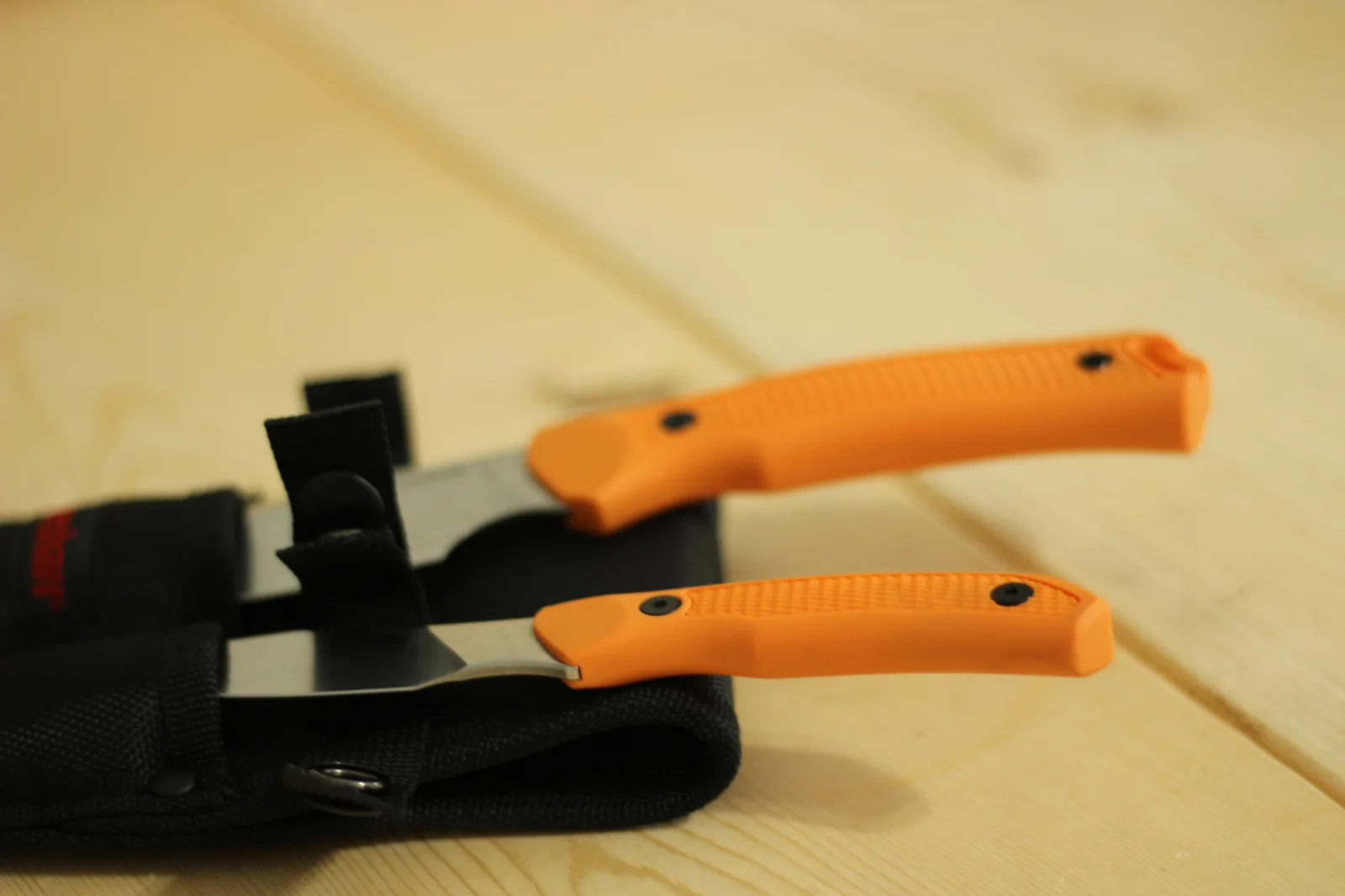
The double sheath is the part of the kit most other knife reviewers gloss over and the part that matters most in the field. When you’re processing game in cold weather with gloved hands and slick blood on your fingers, fumbling between two separate sheaths for two separate knives is the worst single-handed task in your day. Kershaw solved it by building both knives into one fitted nylon textile carrier with side-by-side blade pockets and individual retention straps. One move on the belt, both tools at hand.
The two knives revealed
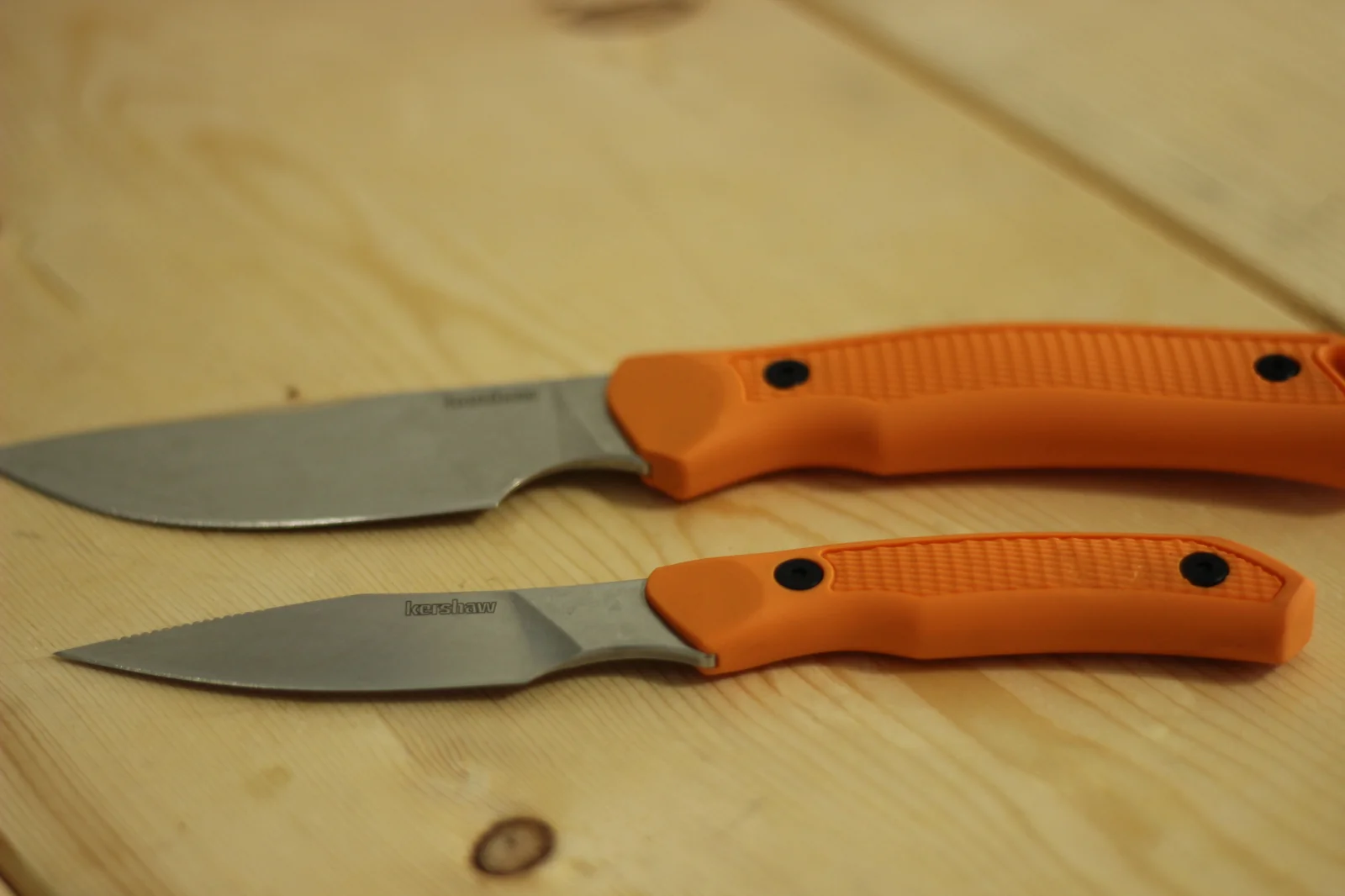
The two knives in the Deschutes Combo are not the same knife at two sizes. They’re two different tools engineered for two different parts of the field-processing workflow. The 1883 is the larger drop-point — built for the gross processing work: gutting, opening the hide, the big skinning sweeps, removing the head, separating quarters. The 1882 is the smaller clip-point — built for the fine processing work: caping (separating the cape from the skull for taxidermy mount), detailed cuts around joints, working close to the bone, removing silver skin, anything where blade-tip control matters more than blade length.
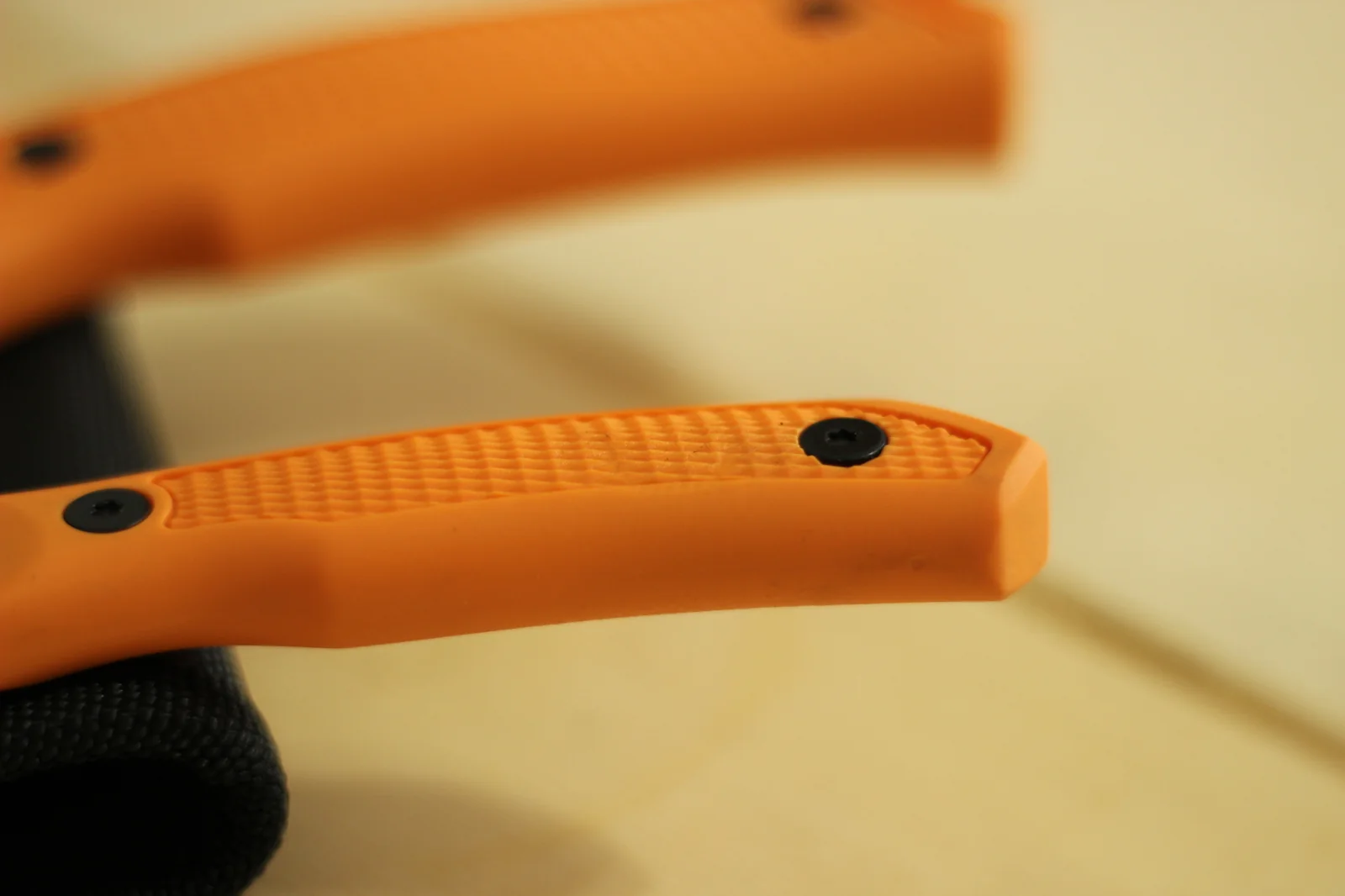
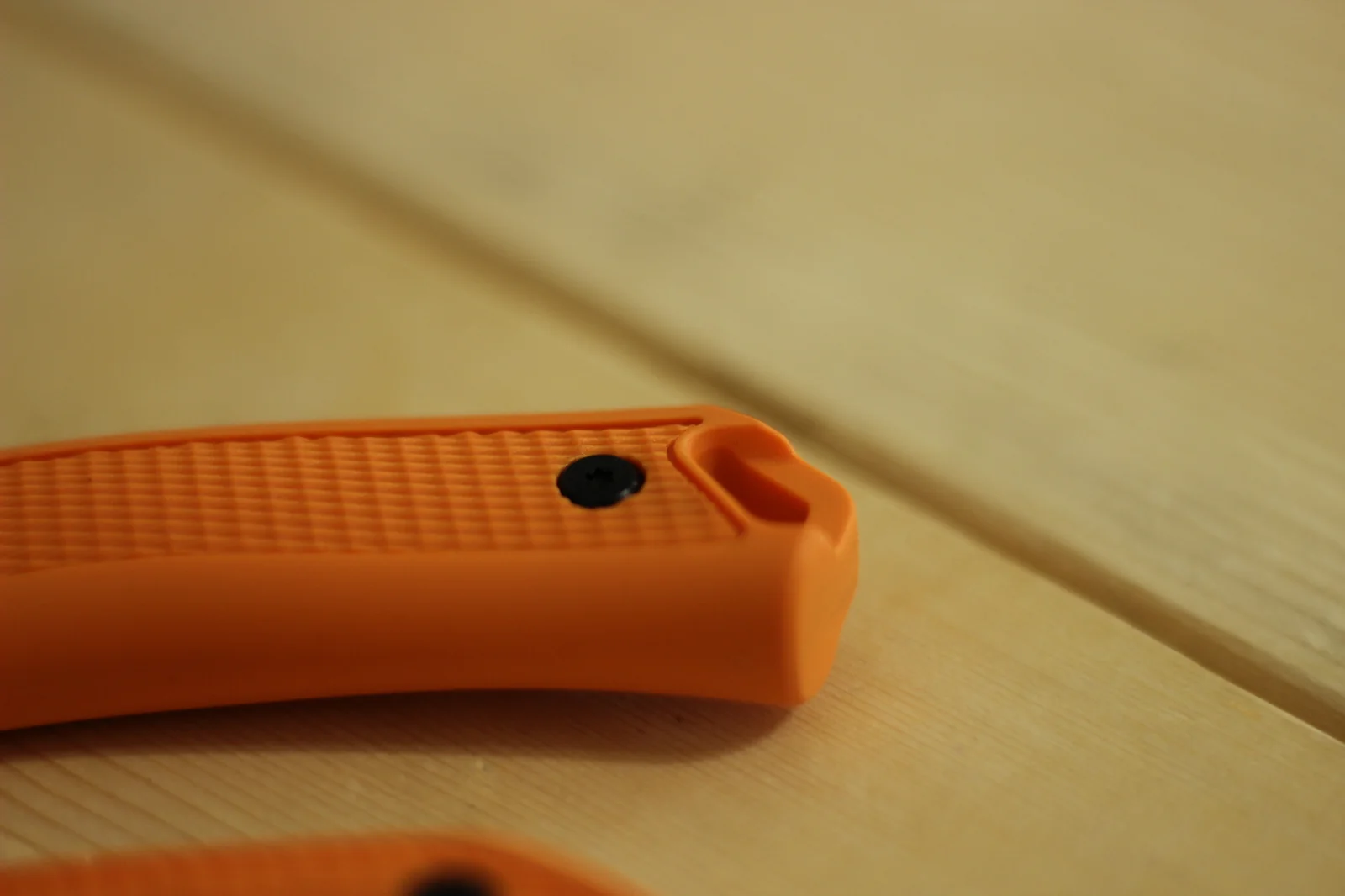
The 1883 — the gutting & skinning knife
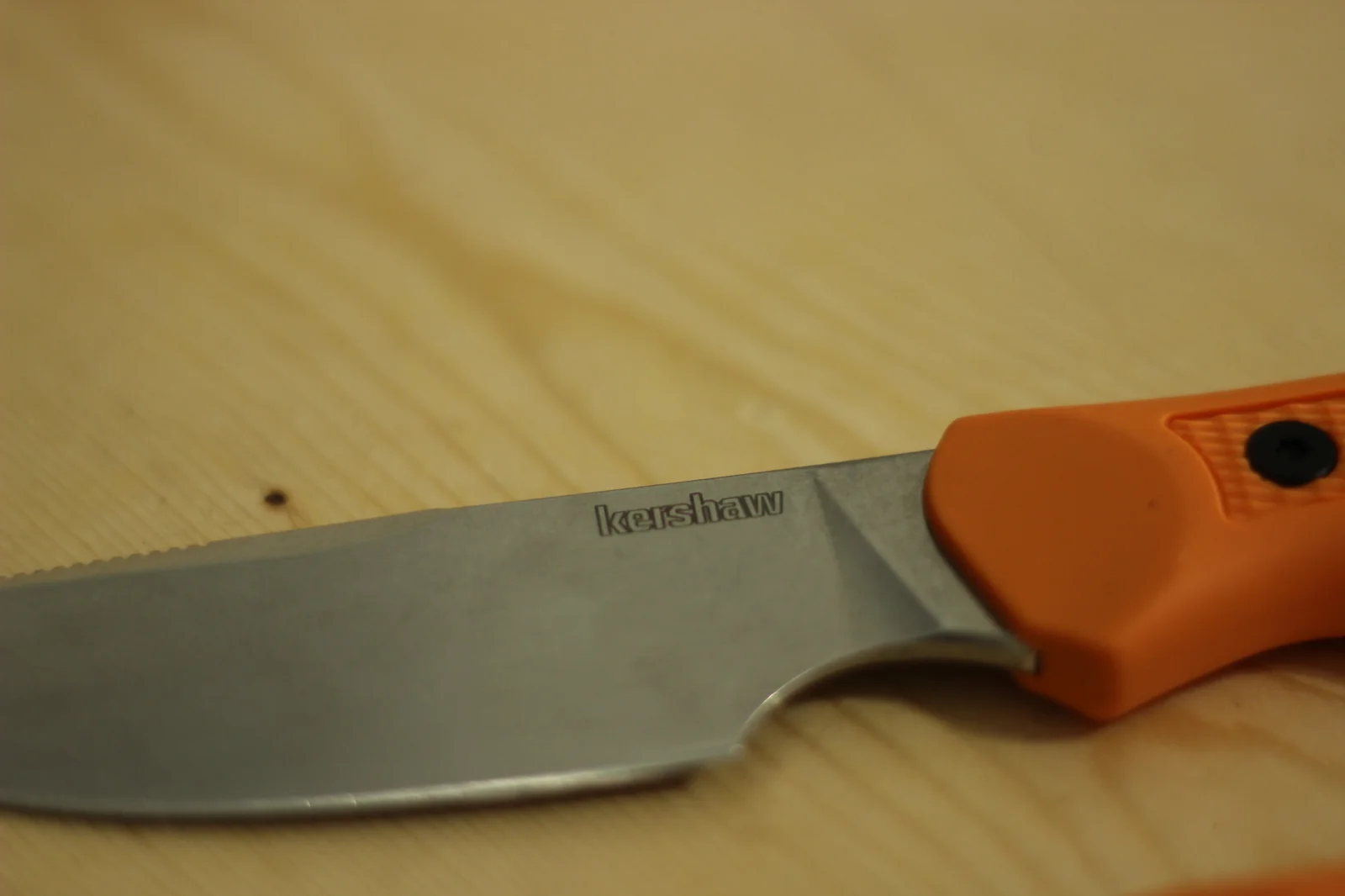
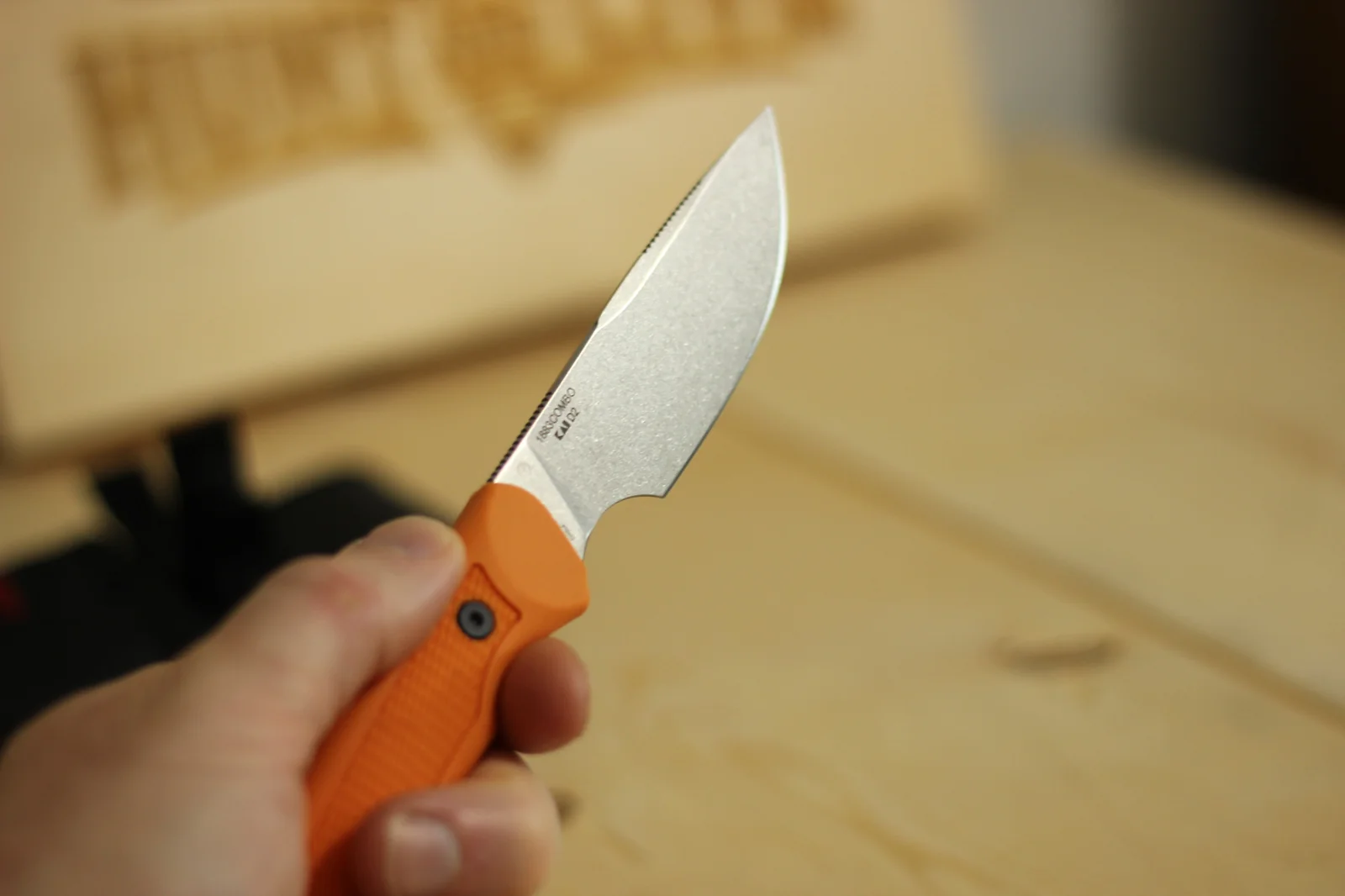
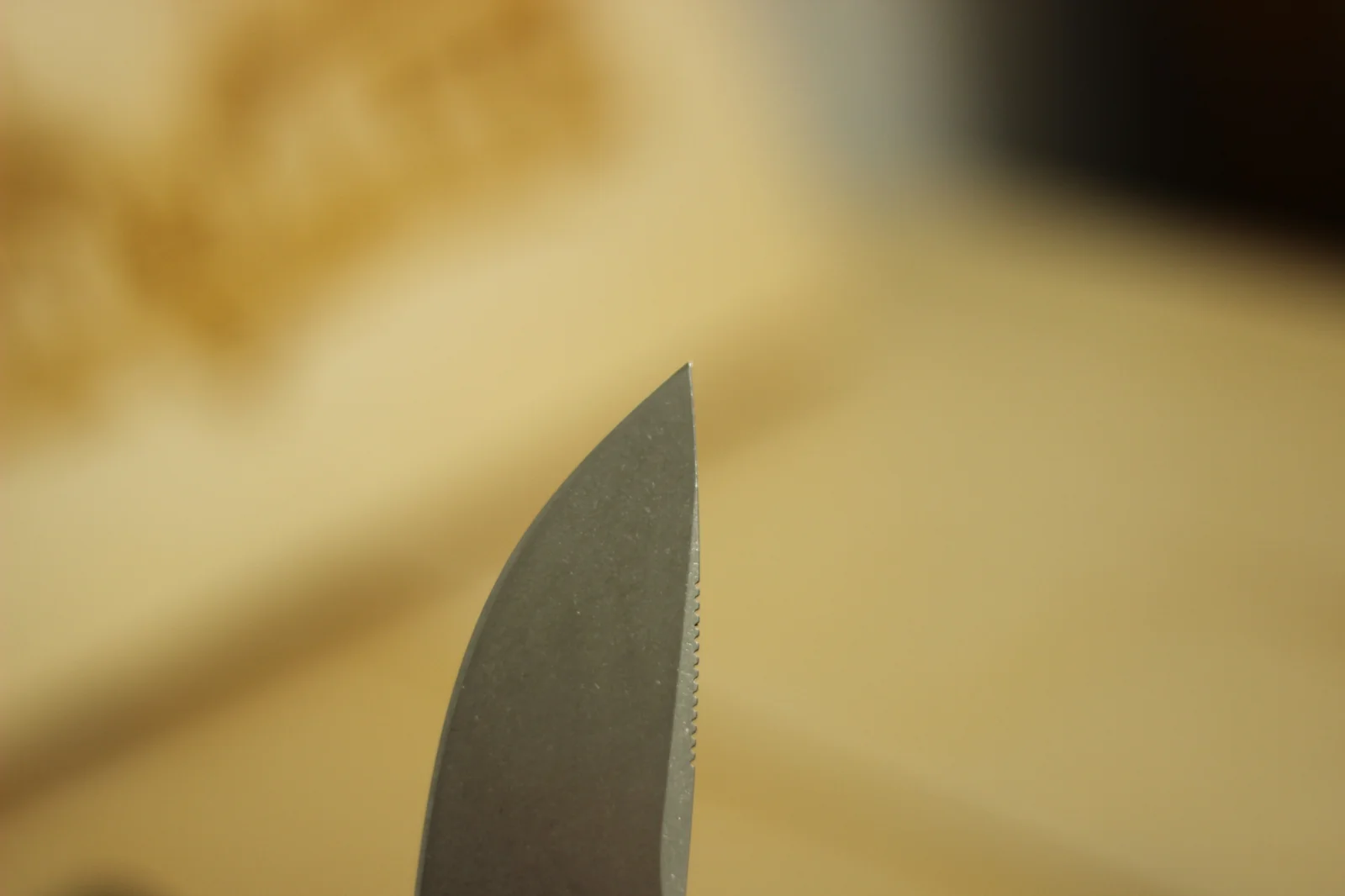
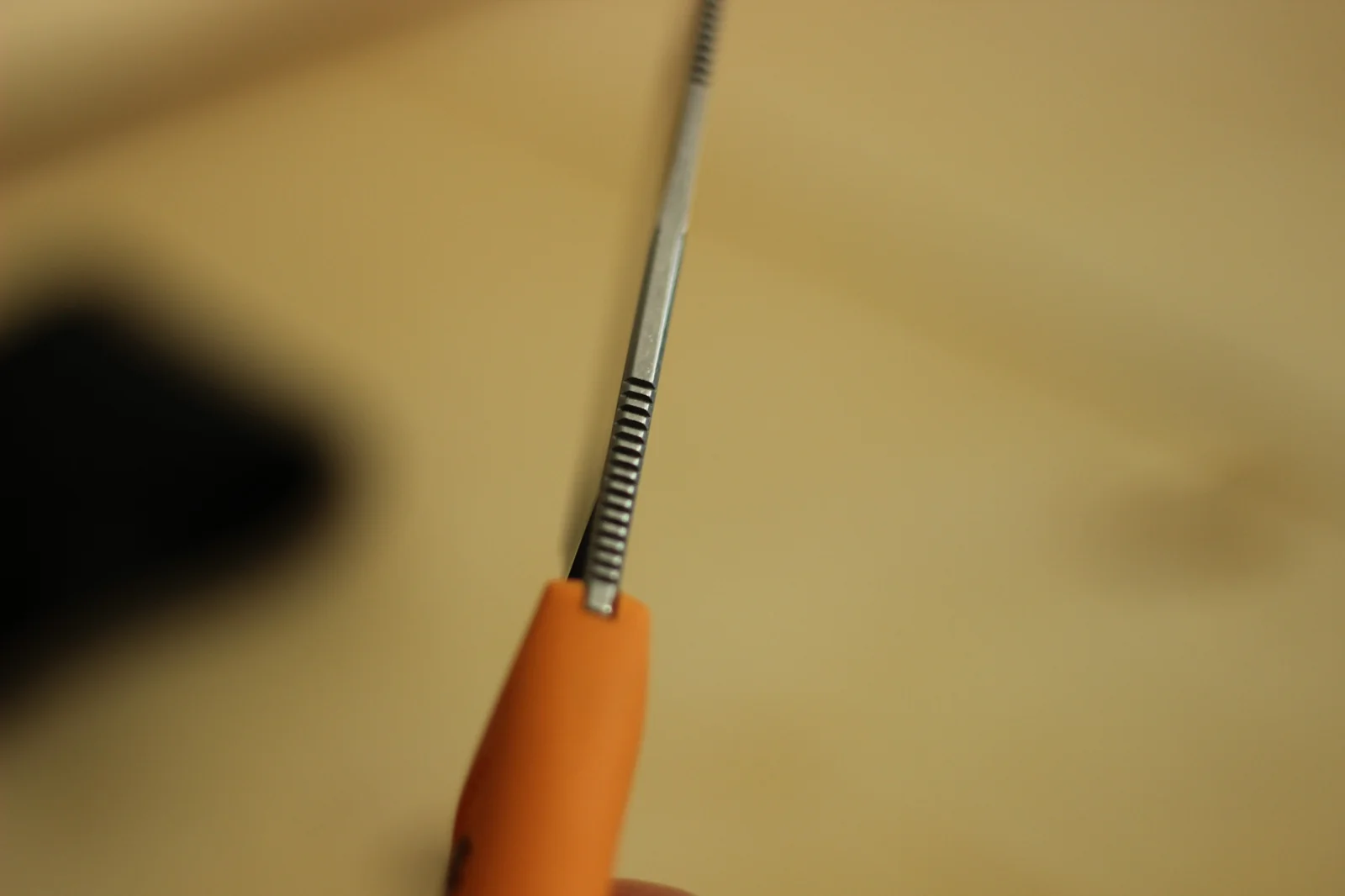
The 1883 is the workhorse of the kit. 3.9-inch D2 drop-point blade. 8.65-inch overall length. 3.3 oz weight (4.9 oz with sheath). Stonewashed finish. Full-tang construction. Spine jimping for thumb purchase during fine control cuts. This is the knife that does the field-dressing, the hide-opening, the gross sweeps of the skinning workflow, and the big primal cuts when you’re breaking the animal into quarters for the pack-out.
Why D2 steel matters for game processing
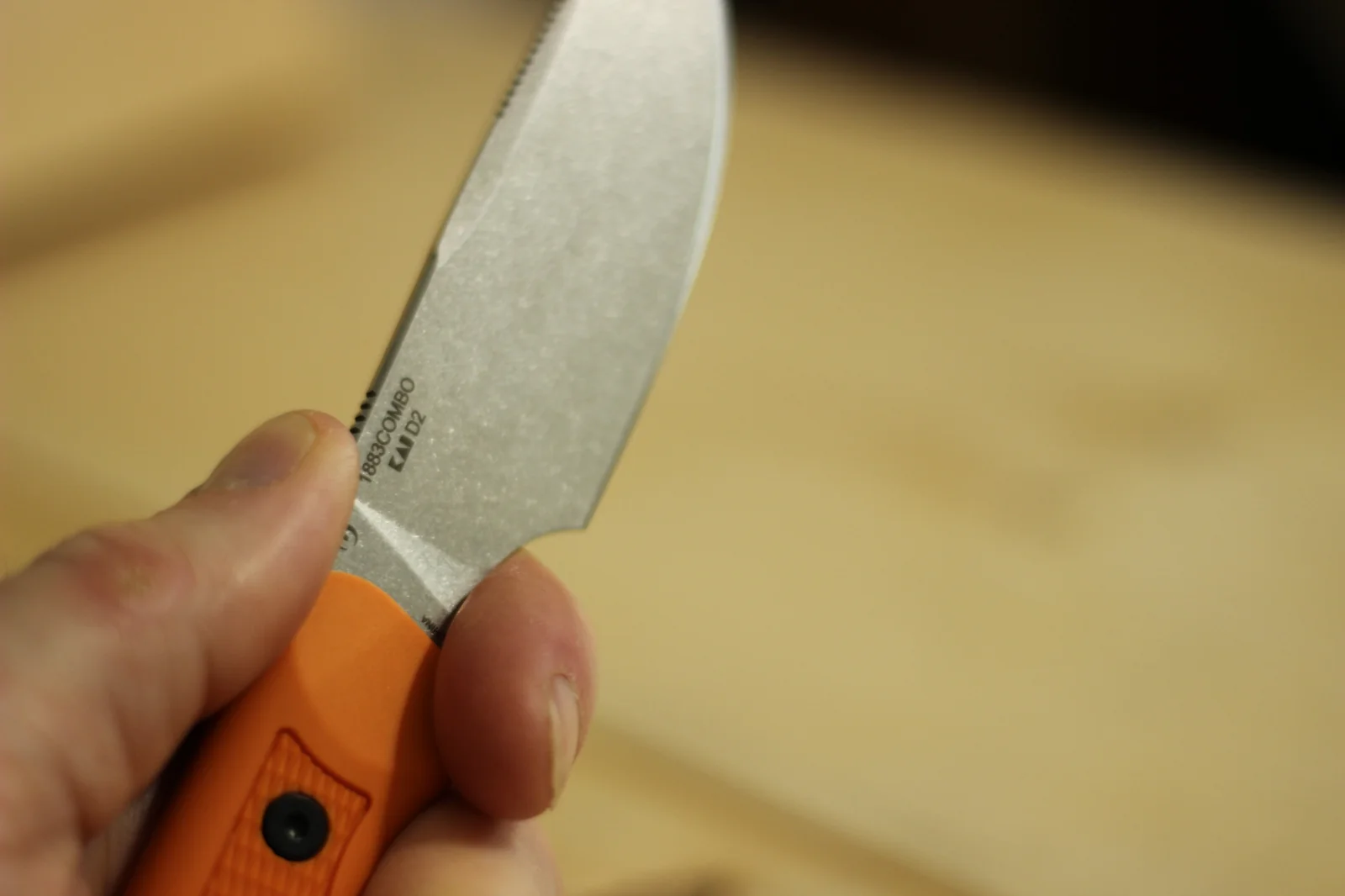
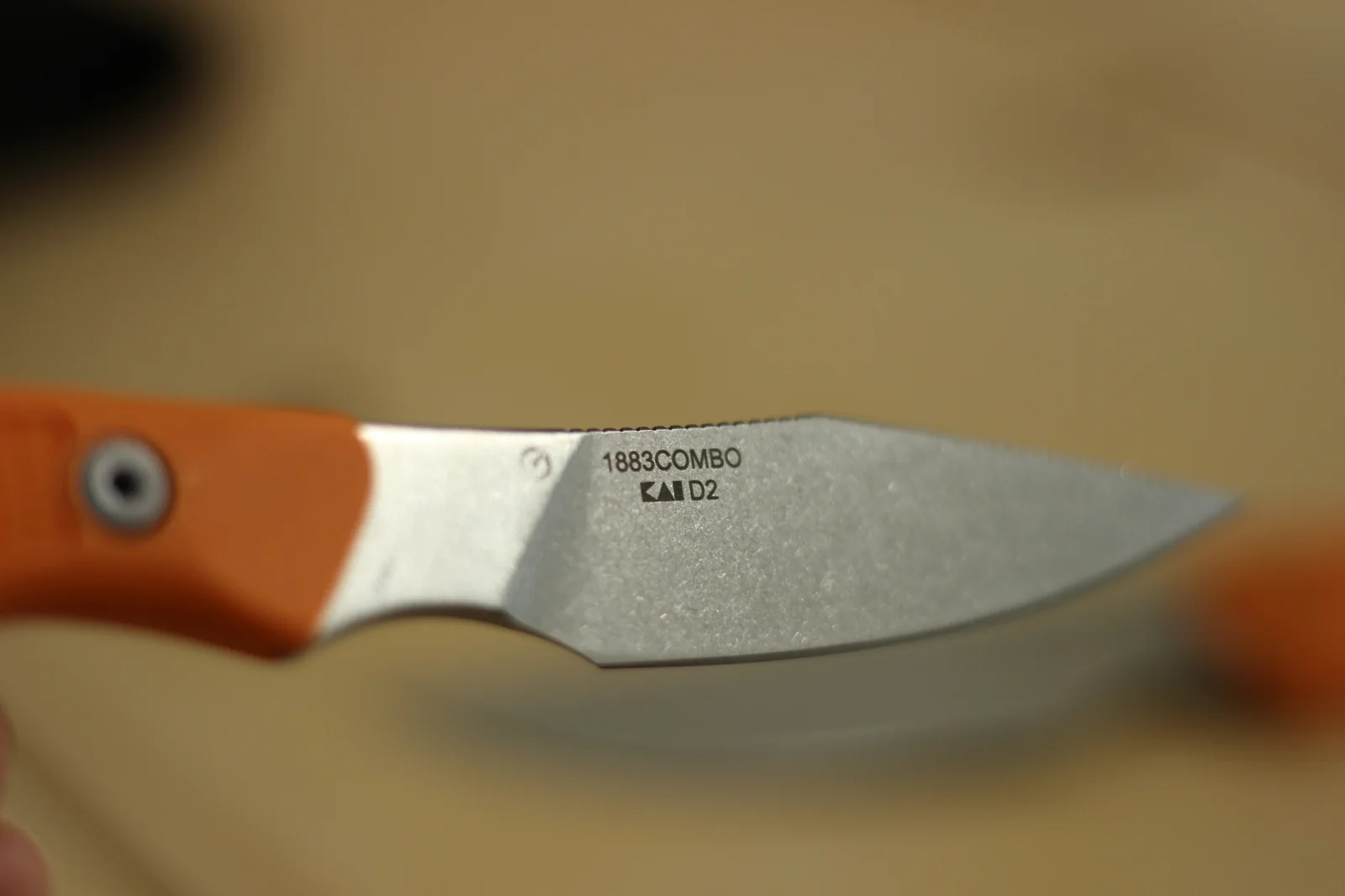
The blade material spec on every Kershaw Deschutes blade is laser-etched in plain sight: D2 — under the KAI parent-company hallmark, alongside the 1883COMBO model identifier. D2 is one of the most respected blade steels in the working-knife world for a reason, and the reason matters specifically for game processing. D2 is a high-carbon, high-chromium tool steel originally formulated for industrial die-cutting (which is why it shows up so often in machinist tooling). Three properties translate directly to the field-processing use case:
- Edge retention. D2 holds a working edge through more cuts per sharpening than most stainless steels at this price point. For the hunter processing a whole deer in one session, that’s the difference between finishing the job with the same edge you started with versus having to stop and steel the blade halfway through the second hind quarter.
- Hardness without brittleness. Kershaw hand-finishes the Deschutes blades to HRC 59-60 — the sweet spot where the steel is hard enough to hold the edge through real work but tough enough to take the lateral loads of a stuck-in-bone twist without chipping or breaking. The HRC range is published openly on Kershaw’s spec sheet.
- Stain resistance, with the honest caveat. D2 is semi-stainless — it has enough chromium (~12%) to resist most field corrosion but not enough to be truly stainless. For a working hunting knife that gets wiped down and oiled after every use, that’s perfectly fine. For a knife that you’d let sit damp in a sheath for days, you’d want a different alloy. The stonewashed finish helps — it puts a textured layer over the steel that hides minor staining and makes the blade tolerate the abuse of real field work without showing every mark.
The 1882 — the caping & detail knife
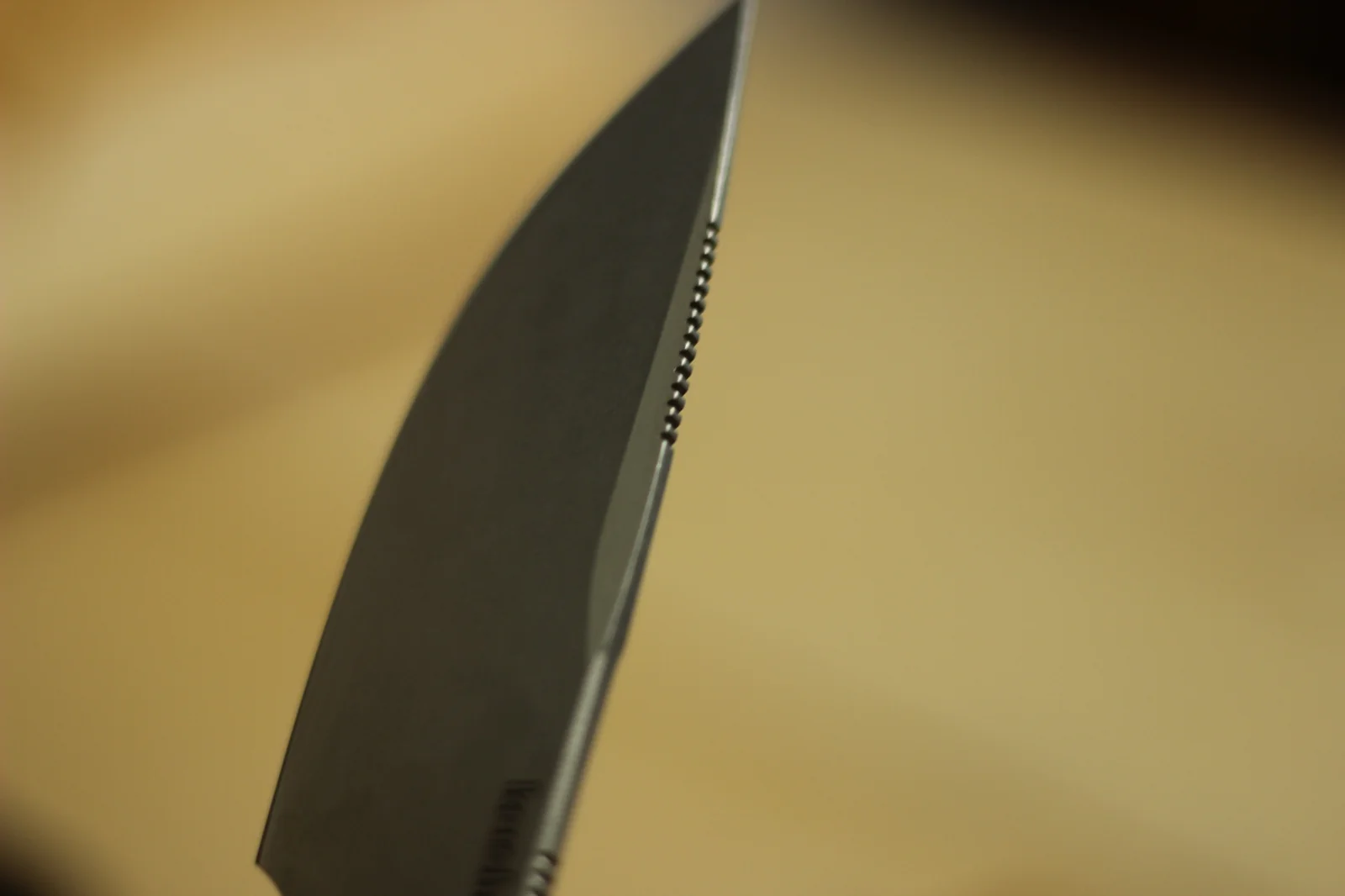
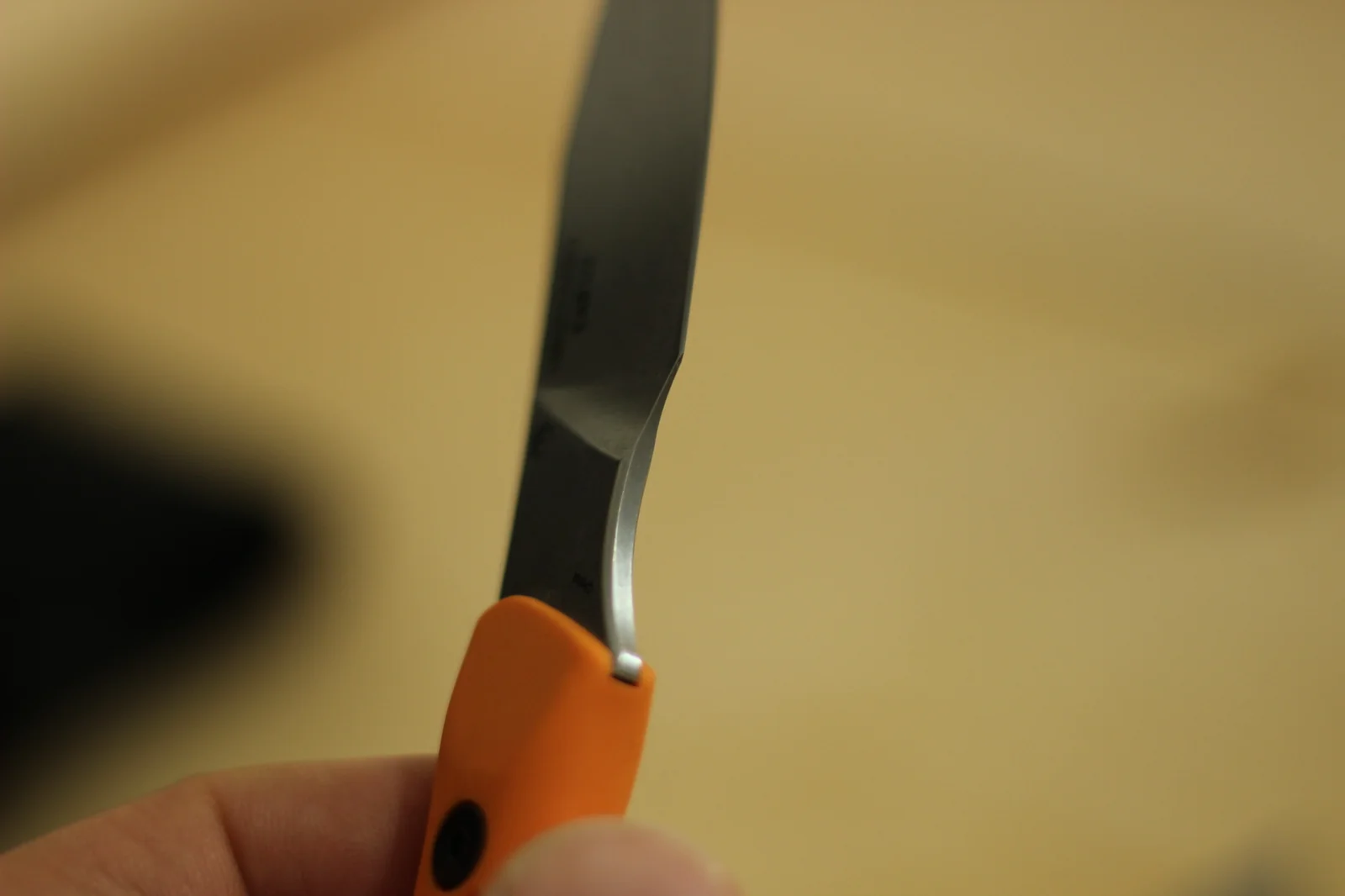
If the 1883 does the gross work, the 1882 does the fine work. 3.3-inch D2 clip-point blade. 7-inch overall length. 1.7 oz weight (3 oz with sheath). Same stonewashed finish, same full-tang construction, same blaze-orange handle, same lanyard hole — but a sharper, more pronounced point with a hollow-ground concave clip along the spine that creates a finer, more controllable tip for detail work.
Why caping is its own job (and needs its own knife)
For hunters who are new to caping — the process of preserving the head-and-neck-and-shoulder hide of a trophy animal for a taxidermy mount — the bullet-point case for a dedicated caping knife is direct:
- Tip control matters more than blade length. Caping work is short, fine, repeated cuts around the bones of the skull, between the cape and the neck musculature, and around critical features (eyes, ears, lips, nose). A 3-inch blade gives you the tip control these cuts require; a 4-inch blade fights you on the same workflow.
- A separate blade preserves your edge on the gross-work knife. Hide is hard on a blade. By doing the gross work with the 1883 and saving the 1882 specifically for the caping pass, you preserve the 1882’s sharpness for when it matters most — the cape — and you keep the 1883 from chewing through detail work it wasn’t optimized for.
- The clip-point geometry handles the trickiest cape cuts. Cutting around an eye socket or freeing the lip line takes a tip that can rotate inside a small confined cut without snagging. The clip-point on the 1882 is engineered for exactly this.
How we’ll use the Deschutes Combo
The Deschutes Combo will become our default field game-processing kit going forward. The 1883 will appear in every gutting / skinning / quartering photograph in our hunting coverage from here. The 1882 will appear in every caping / detail-cut / silver-skin photograph. The double sheath will appear on the belt loop in every in-field photograph where we’re carrying both. This is the long-term-ownership story coming through the editorial.
Where the Deschutes Combo genuinely shines — and the honest trade
We are honest about the trade-offs.
The Deschutes Combo is purpose-built for field game processing. That is what it does, what it’s designed for, and what the entire engineering story revolves around. It is not a general-purpose camp knife (the 1883 is too purpose-built for skinning sweeps to be the right call for whittling and feathering fire-starting wood, where a Mora or a Buck 110 would do better). It is not a bushcraft batoning tool (the 1883 is full-tang but the blade thickness is optimized for hide-and-meat work, not for splitting kindling). And it is not the right call for the buyer who specifically wants a 100% USA-manufactured knife (Kershaw discloses openly that the Deschutes line is USA design / prototype / quality control, China manufacture).
What the combo does, however, it does better than almost any field-processing kit we’ve seen at the C$219.99 CAD price point. Two purpose-built blades. D2 steel. Blaze-orange handles. Full-tang construction. One belt-loop double sheath. Limited Lifetime Warranty. Canadian shipping and Canadian warranty support via Kershaw Canada.
Bottom line — every hunter should carry a two-knife field-processing kit, and this is the one to buy
Every serious hunter ends up at the same conclusion after enough seasons of field-processing: you need two knives, not one. A larger skinner for the gross work. A smaller detail blade for the fine work. The Kershaw Deschutes Combo is the cleanest, best-engineered, most affordable expression of that two-knife system we’ve reviewed — and Kershaw’s Limited Edition framing means buyers who want one should not wait.
Buy from Kershaw Canada — exclusive Canadian distributor, ships from Canada to Canada, free standard shipping over $125 CAD, Canadian warranty and service support. Limited Lifetime Warranty against manufacture defects.
Rating: 4.7 / 5. The Deschutes Combo is a near-perfect expression of the field game-processing kit concept at this price point — purpose-engineered, well-thought-through, and honest about what it is.