
Featured Review · Separett · Survival Sanitation
Separett Rescue Camping 25 Review — The Swedish Waterless Toilet That Could Be the Difference Between Health and Cholera After an EMP
Our Rating
Current Price
- Country of origin
- Sweden (Värnamo)
- Distributor (Canada)
- Canadian Eco Products
- SKU
- 1165-01
- Weight
- 3 kg (6.6 lb)
Pros
- Genuine urine-diverting design — separating liquid and solid waste at the point of use is the single biggest factor in eliminating odour and reducing pathogen-vector breeding
- Foldable steel frame collapses to a flat ~60 × 38 × 22 cm package that lives in a closet, a vehicle, or a kit drawer without taking floor space
- Only 3 kg packed — one-handed carry, fits in a go-bag or a homestead emergency cache without effort
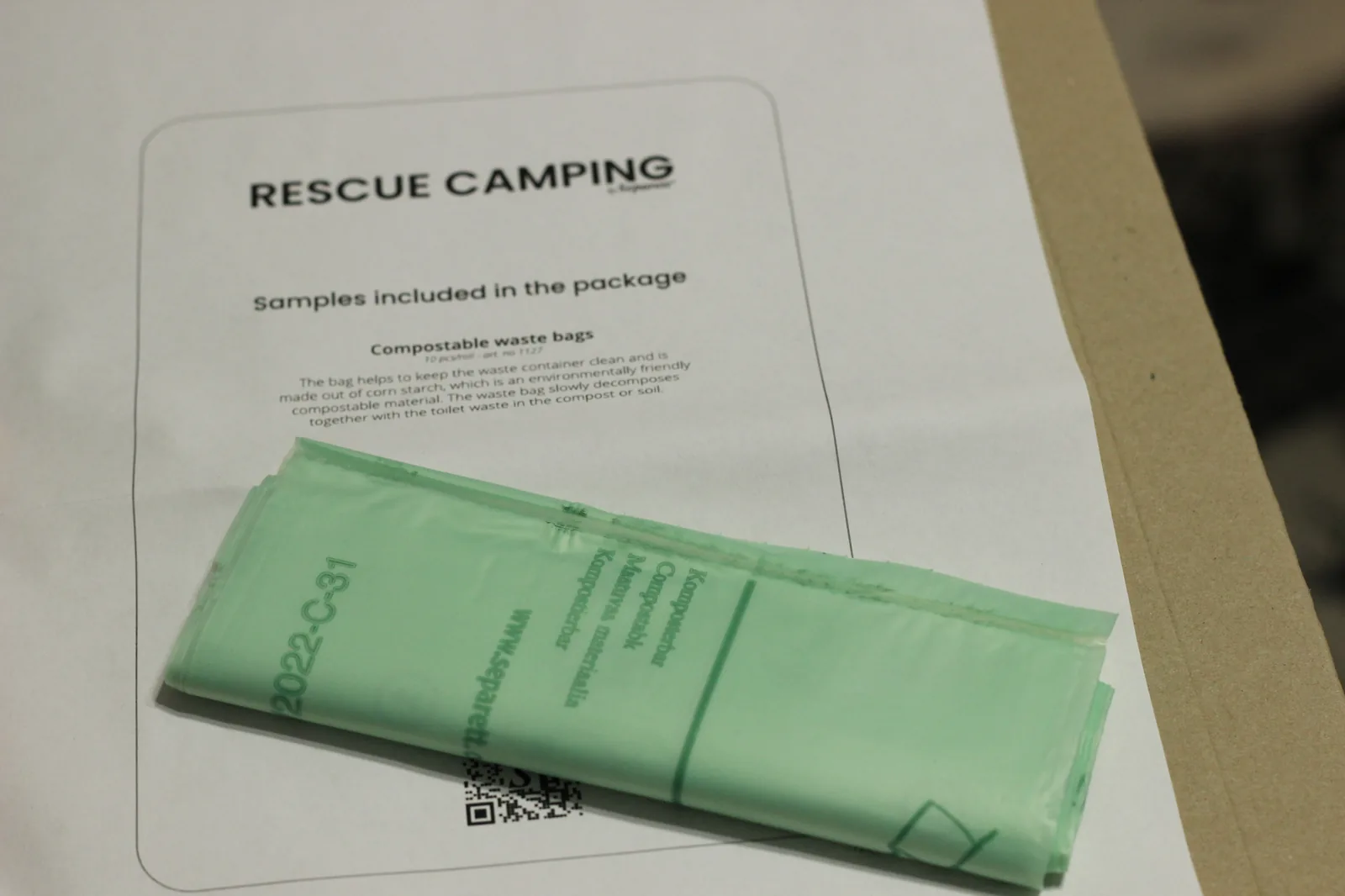
- Compostable bags collect solids only — dramatically reduces bag fill rate and lets the user bury, burn, or pack out depending on the deployment context
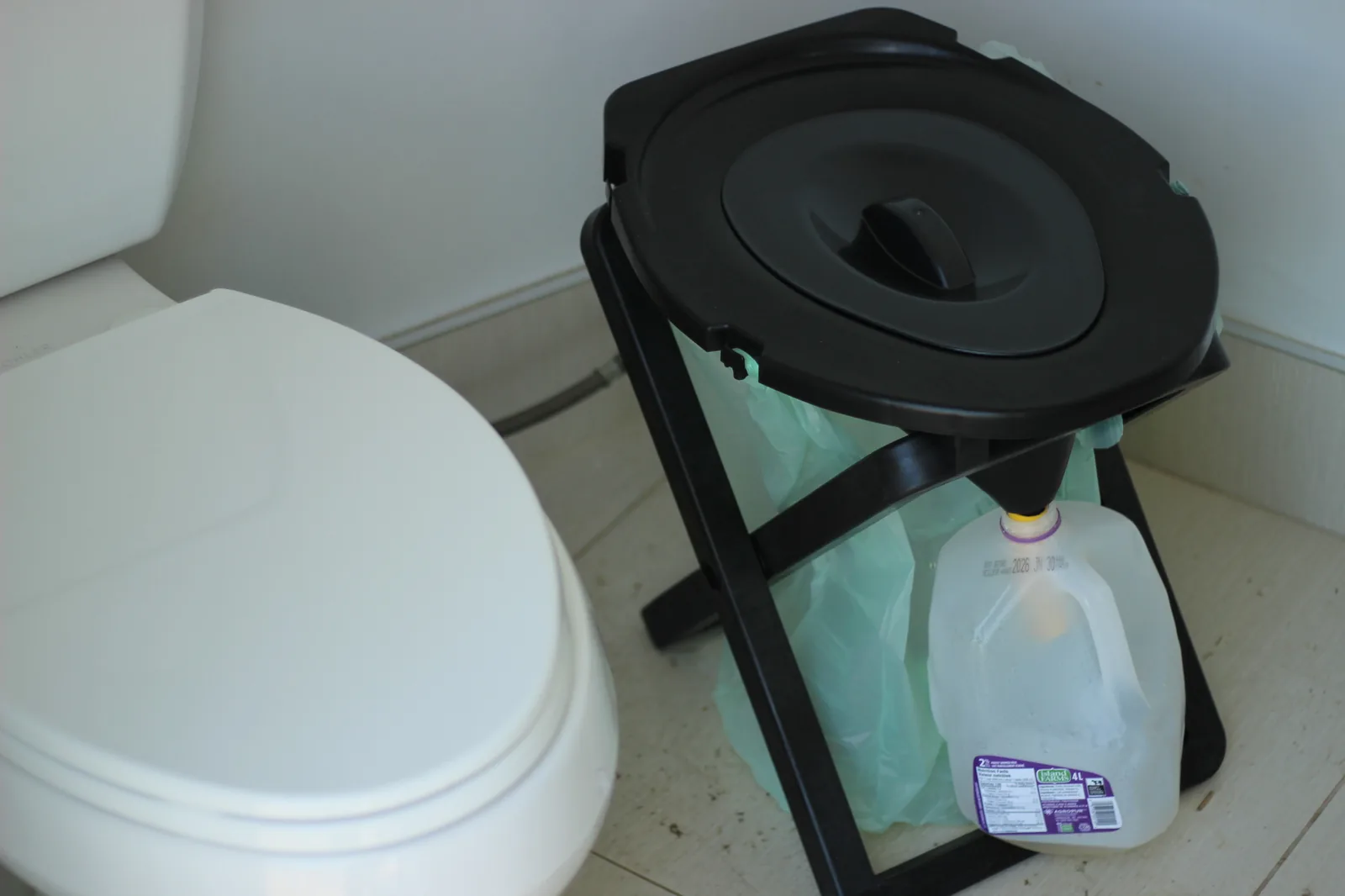
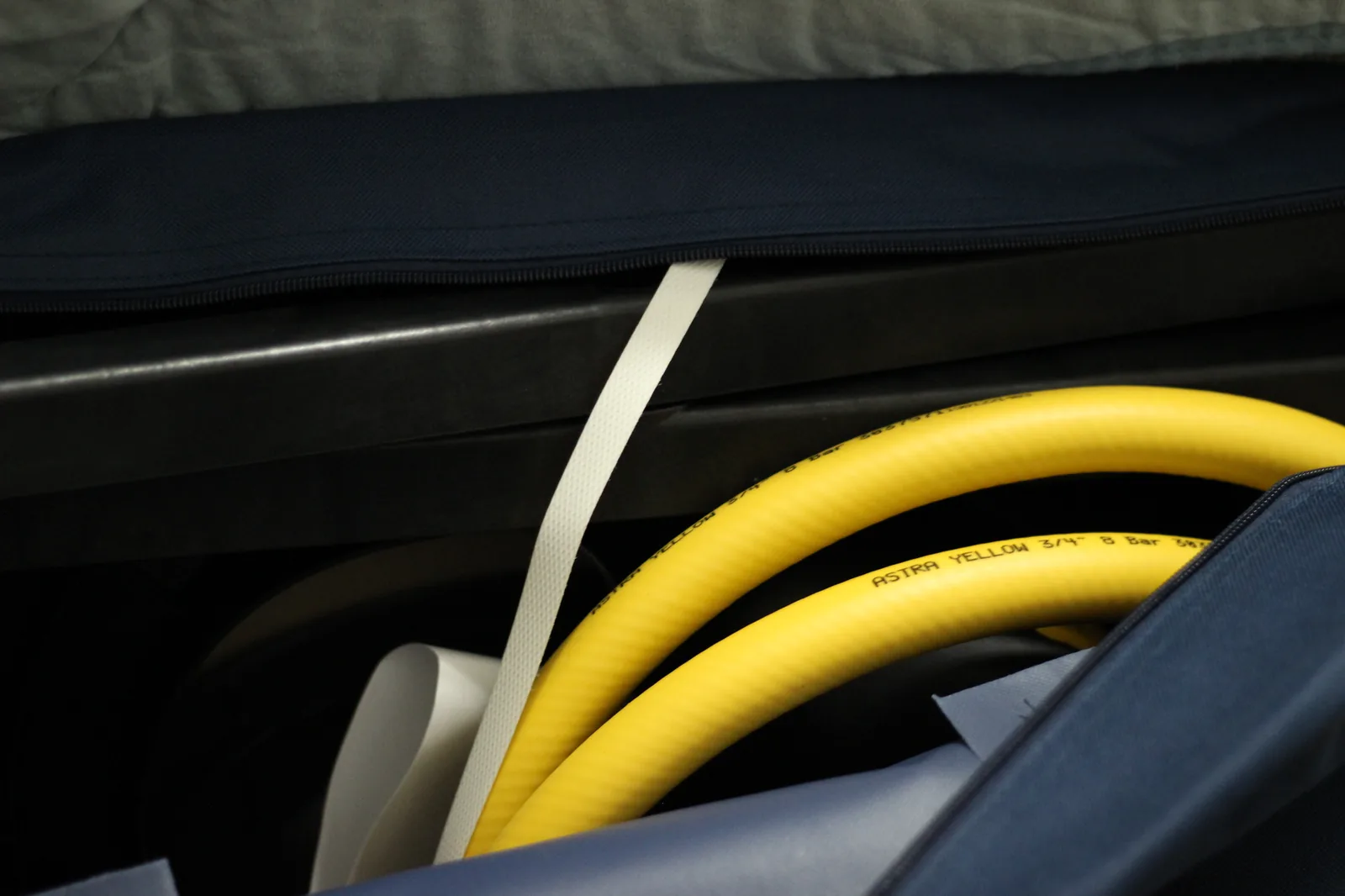
- Yellow vinyl urine diversion hose routes the liquid waste to whatever container the user has on hand — a 4 L milk jug, a 5 L jerrycan, a larger graywater barrel — making the system adaptable to any household's available containers
- Made in Värnamo, Sweden — Separett is the heritage Swedish waterless-toilet specialist, the same engineering DNA used in their larger Villa 9210 composting toilet
- Sold by Canadian Eco Products with Canadian inventory, Canadian shipping, and Canadian warranty support — not an Amazon import
- Includes complete kit: foldable legs, seat with lid, urine hose, transport bag, and a roll of 10 compostable bags — ready to deploy out of the box
Cons
- User must provide the urine catch container — this is a real design choice (not a flaw) but new users need to plan for it before the emergency arrives, not during
- The compostable solids bag is single-use — a homestead deploying this through a multi-week grid-down event needs to stockpile replacement bags in advance
- Foldable design is genuinely portable but not as immediately rigid as a bolted-down composting toilet — best deployed on a level, indoor surface
- Not a full composting toilet — for a permanent off-grid cabin installation, step up to the [Separett Villa 9210](https://canadianecoproducts.com/shop/toilets/separett-villa-9210/) at C$1,499 with the built-in fan and indoor venting
The most under-discussed piece of preparedness gear
Of all the gear in a serious off-grid or emergency-preparedness kit — power stations, water filters, food storage, lighting, communications, shelter — the one that almost nobody talks about is the toilet. It’s the embarrassed-silence item. The thing the YouTube preparedness channels gloss over with a sentence and a chuckle.
That gap in the conversation is dangerous. Because in every major grid-down scenario humans have ever endured — every earthquake, every hurricane, every cholera outbreak, every refugee crisis, every prolonged power outage that contaminated a municipal water supply — the death toll from waterborne and fecal-oral disease has historically exceeded the death toll from the originating disaster itself.
The Separett Rescue Camping 25 — a C$179.99 CAD Swedish-made urine-diverting waterless toilet sold by Canadian Eco Products — is the piece of preparedness gear that closes that gap at the household level. It’s also genuinely useful for camping, RV trips, hunting cabins, festival weekends, and any other scenario where a real flush toilet isn’t on offer.
This review walks through the unboxing, the assembly, the deployment, and the engineering decisions behind the urine-diversion design. Then — at the end — we step out of the camping context and into the post-EMP sanitation scenario that the 2008 EMP Commission report to the U.S. Congress identified as one of the primary mass-casualty risks in a true grid-down event. The Rescue Camping 25 isn’t marketed as an EMP-prep product. But it is one. And we’ll explain why.
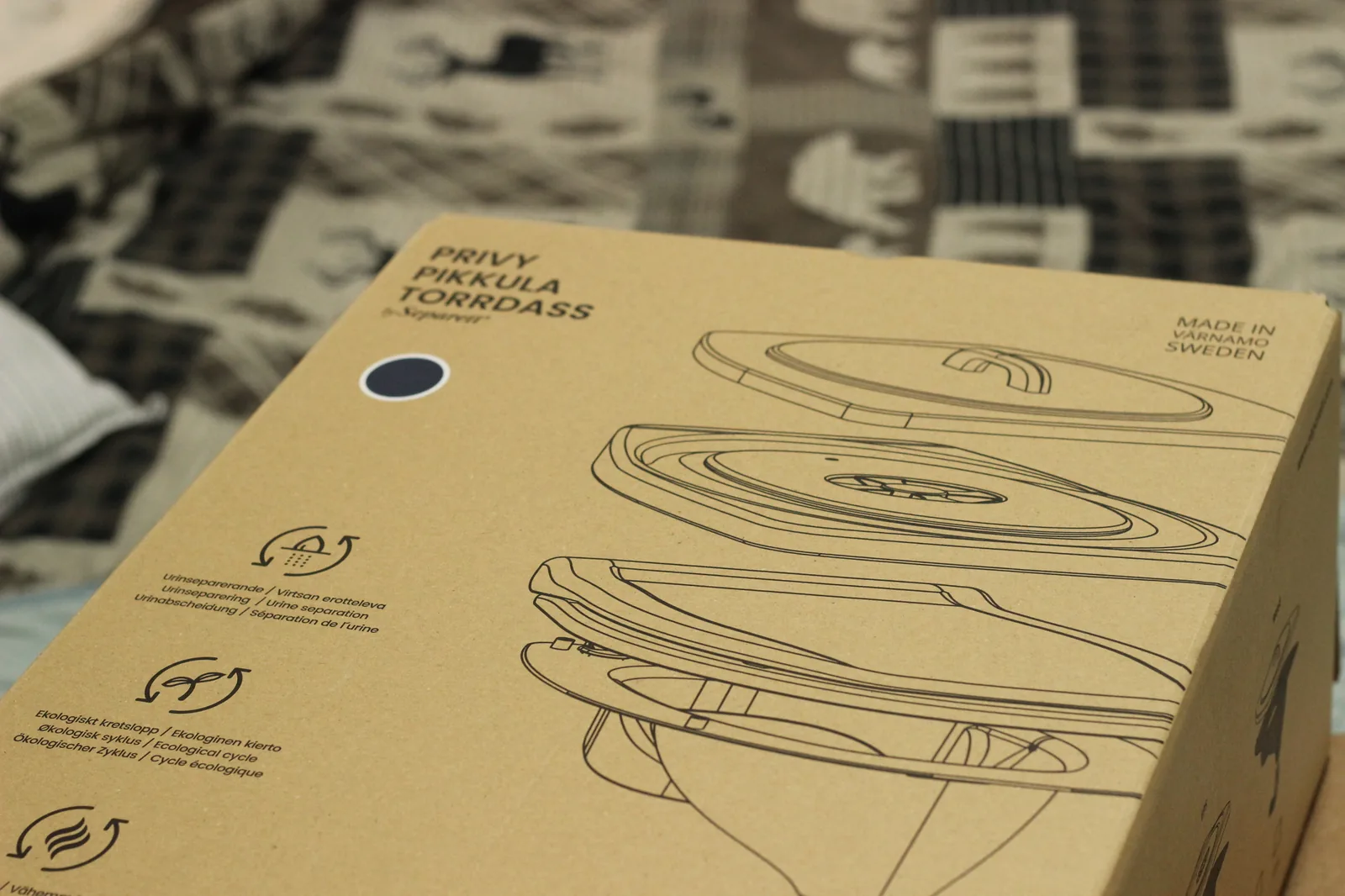
Unboxing — Swedish heritage in a flat-pack box

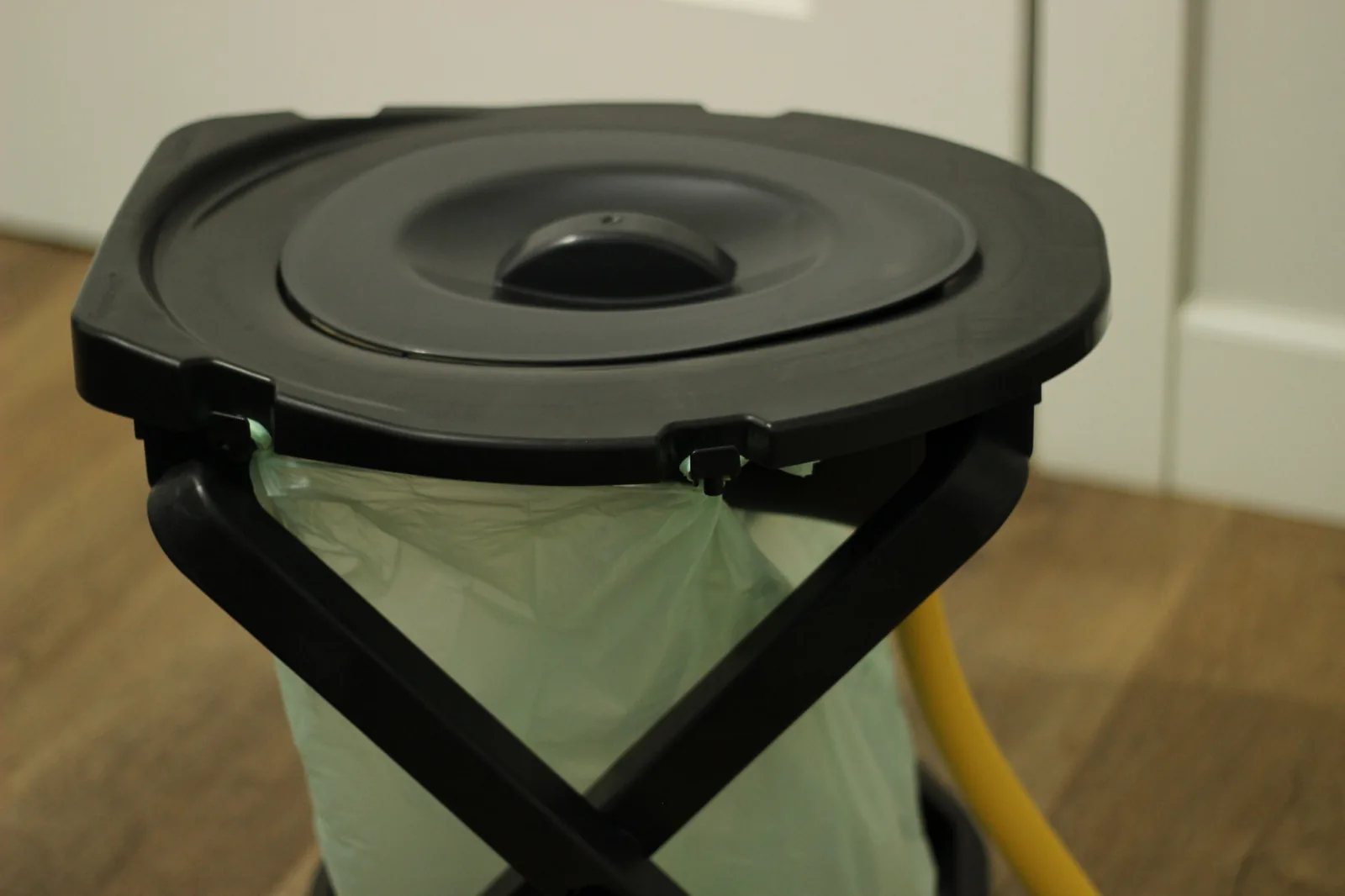
Assembly — under 5 minutes, no tools
The Separett Rescue Camping 25 is purpose-built for fast deployment. The frame folds completely flat for storage and unfolds in under a minute. No tools required.
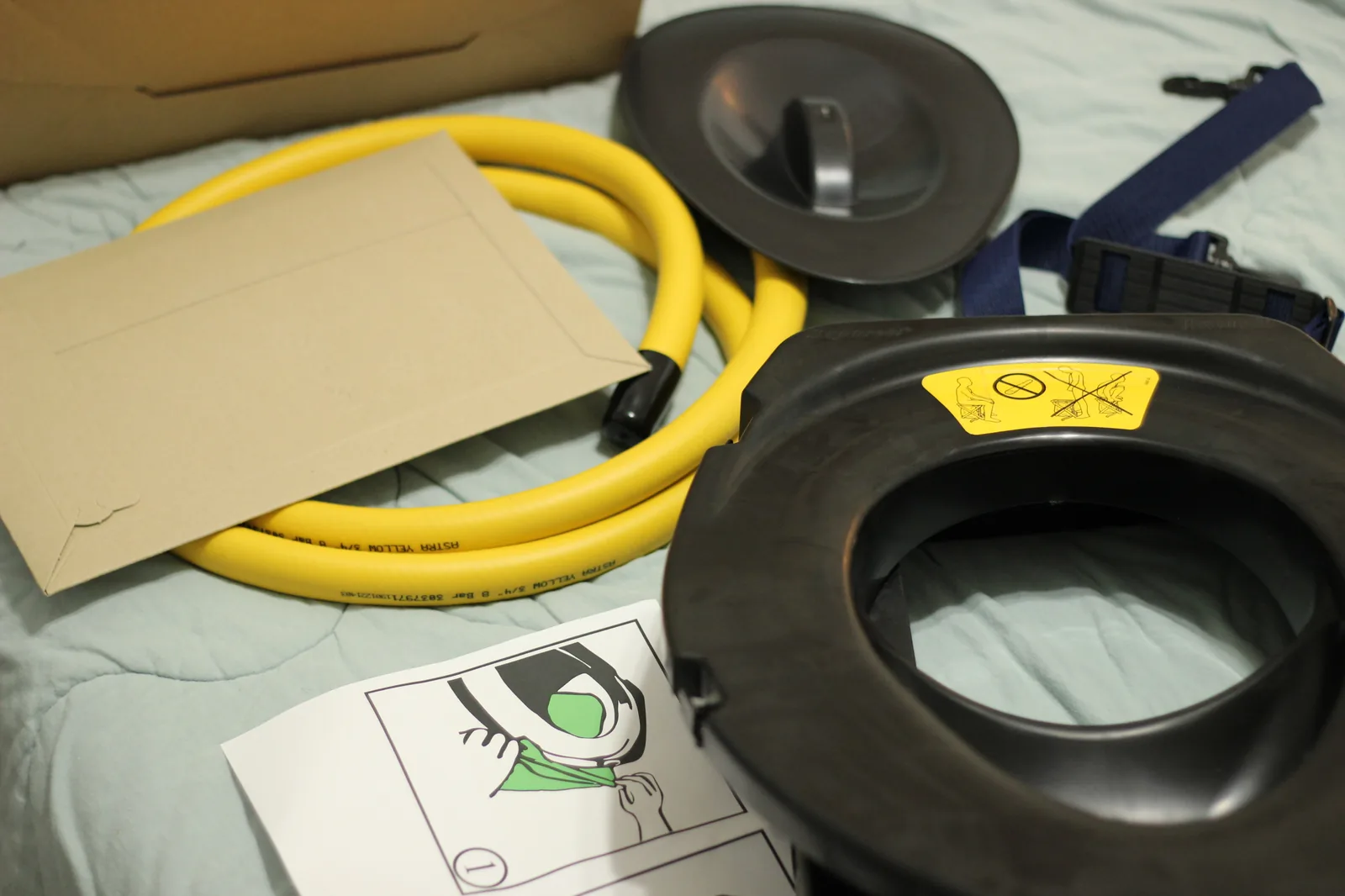
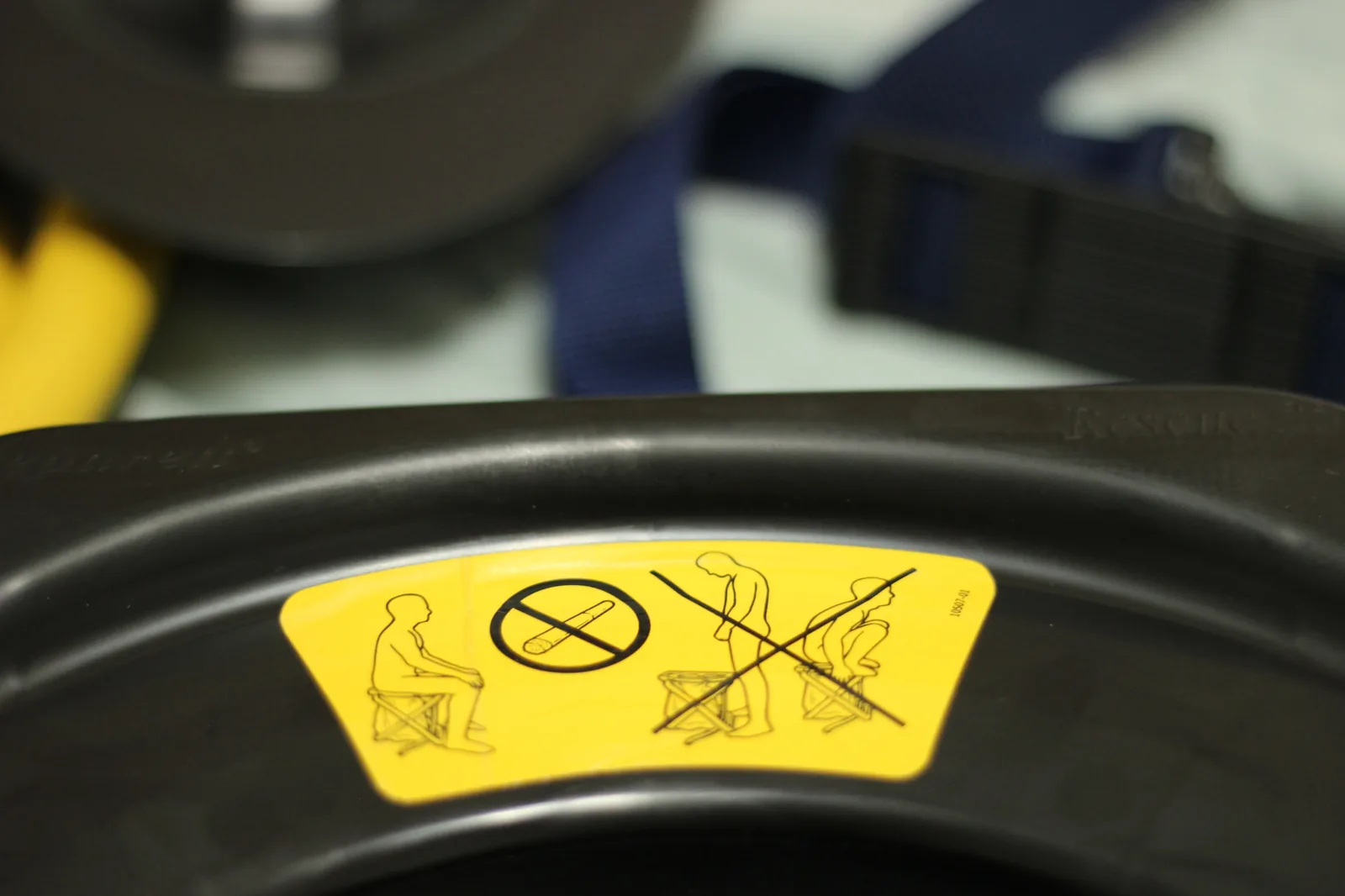
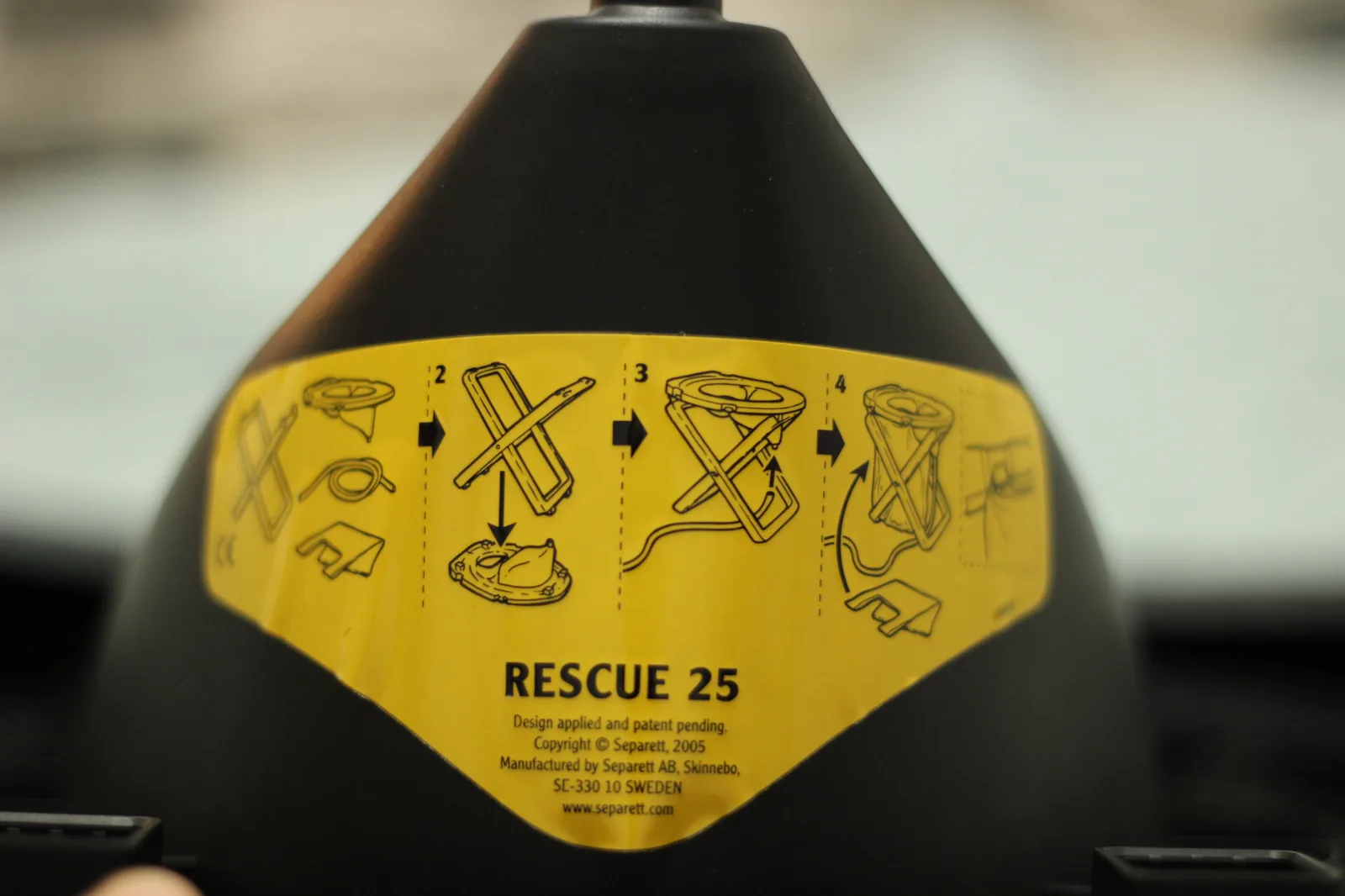
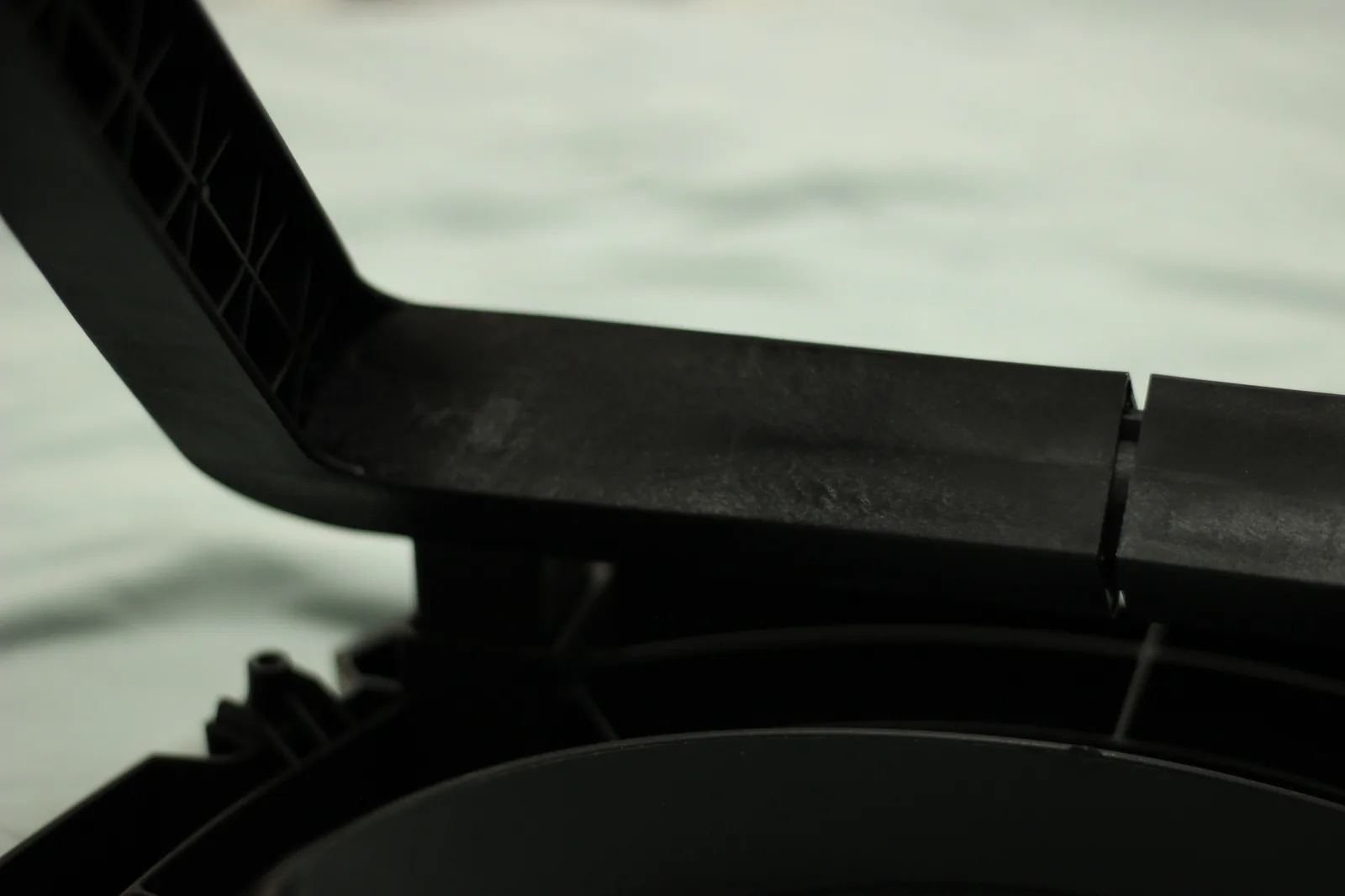
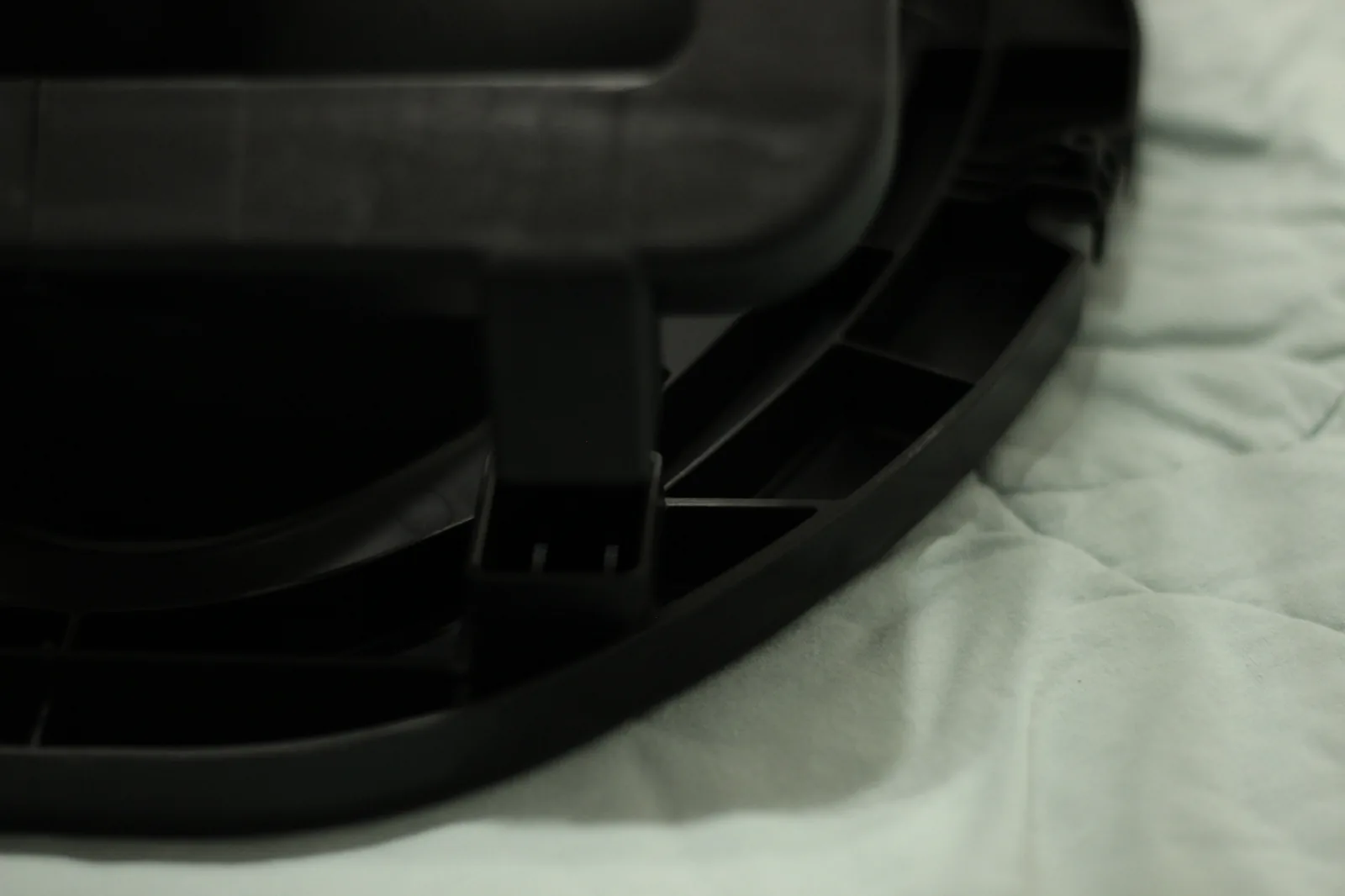
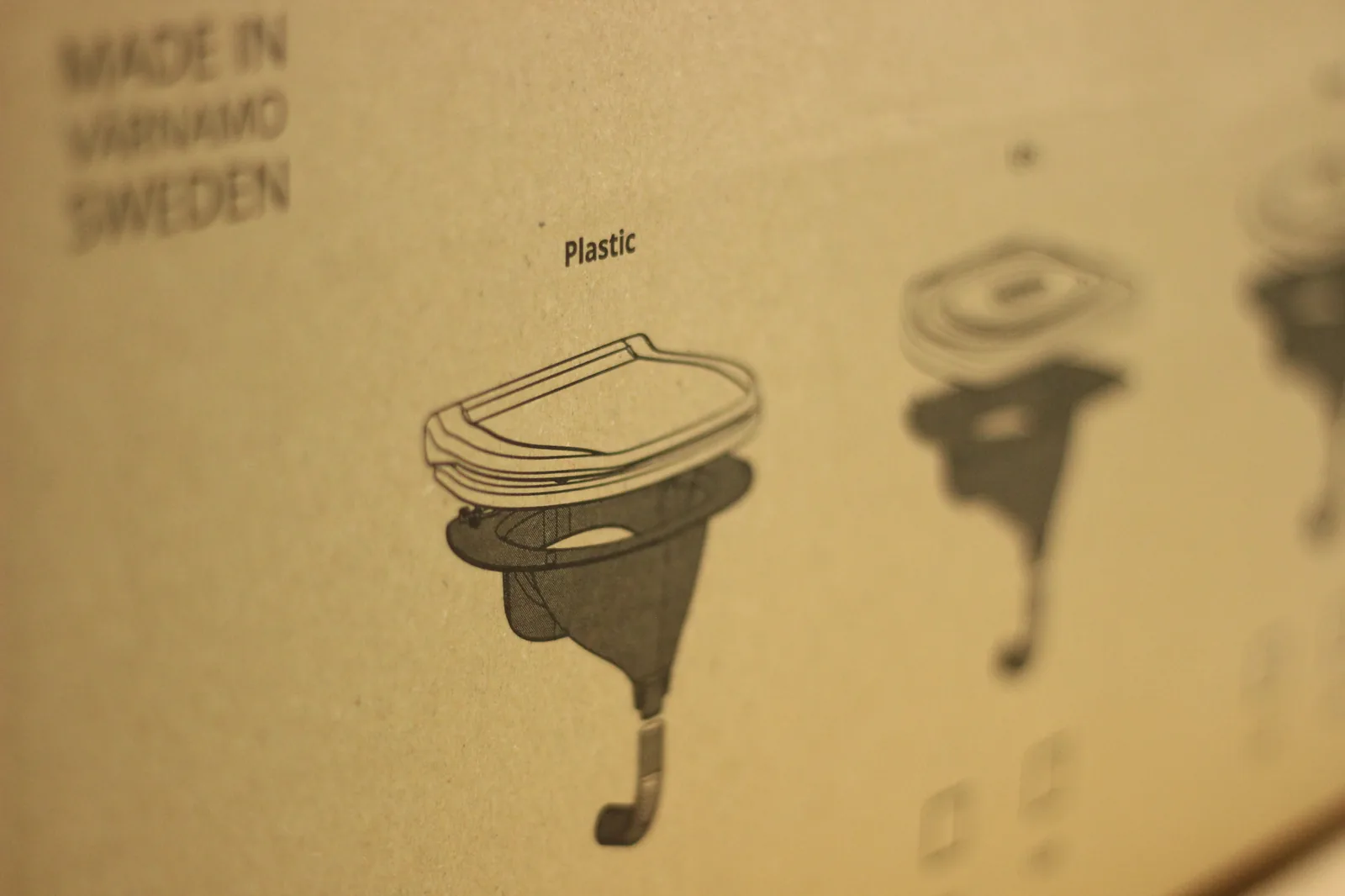
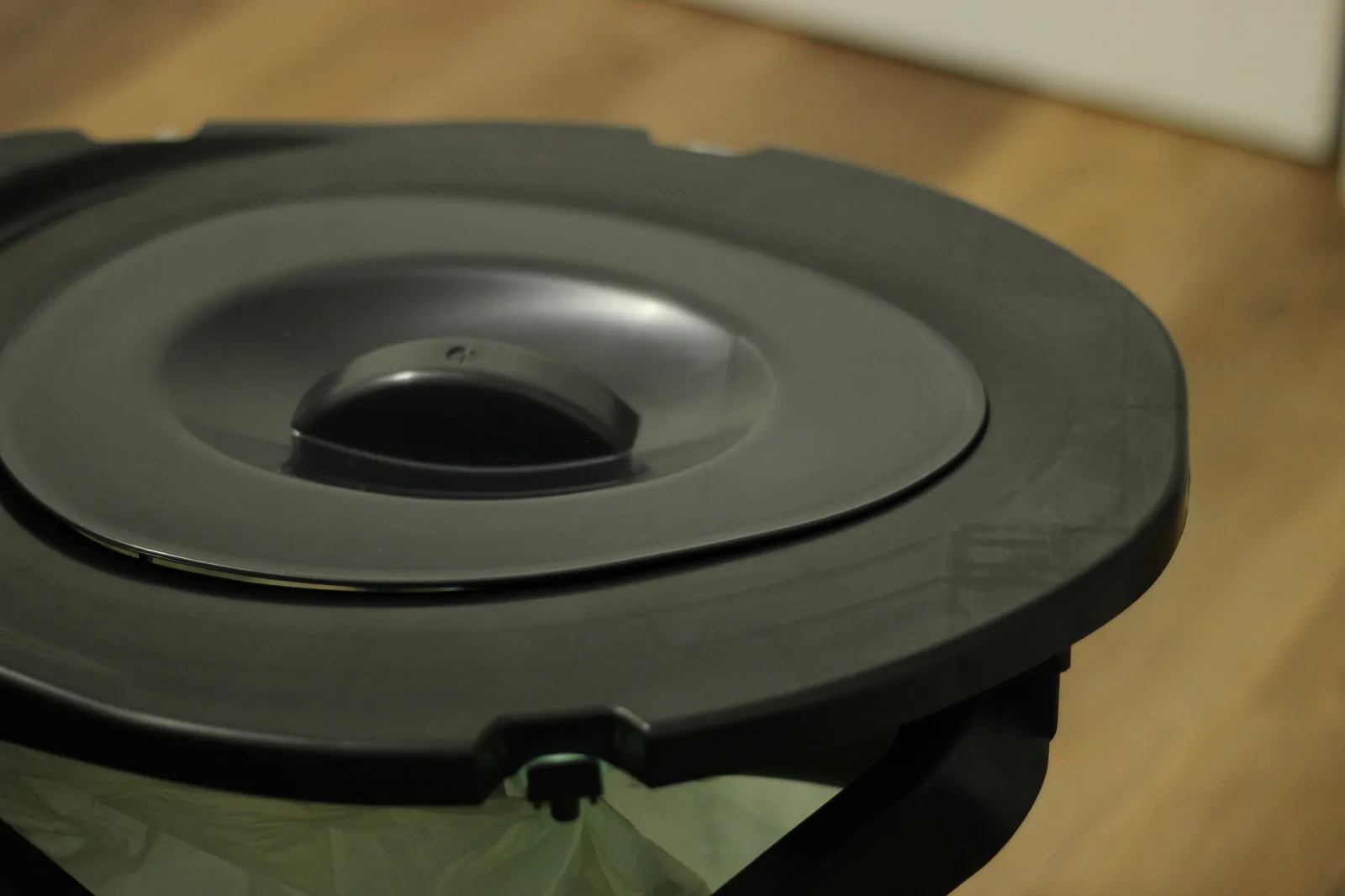
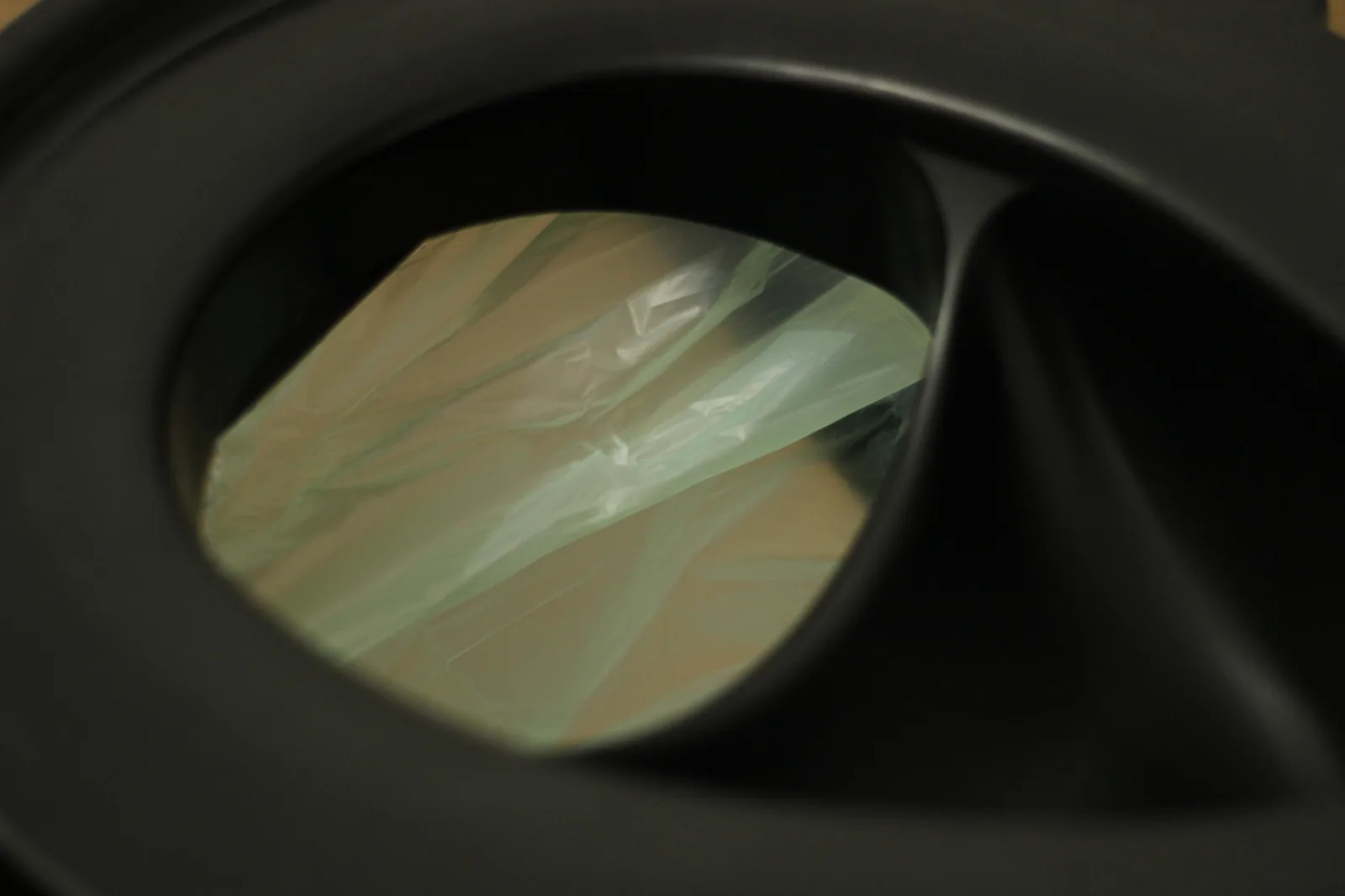
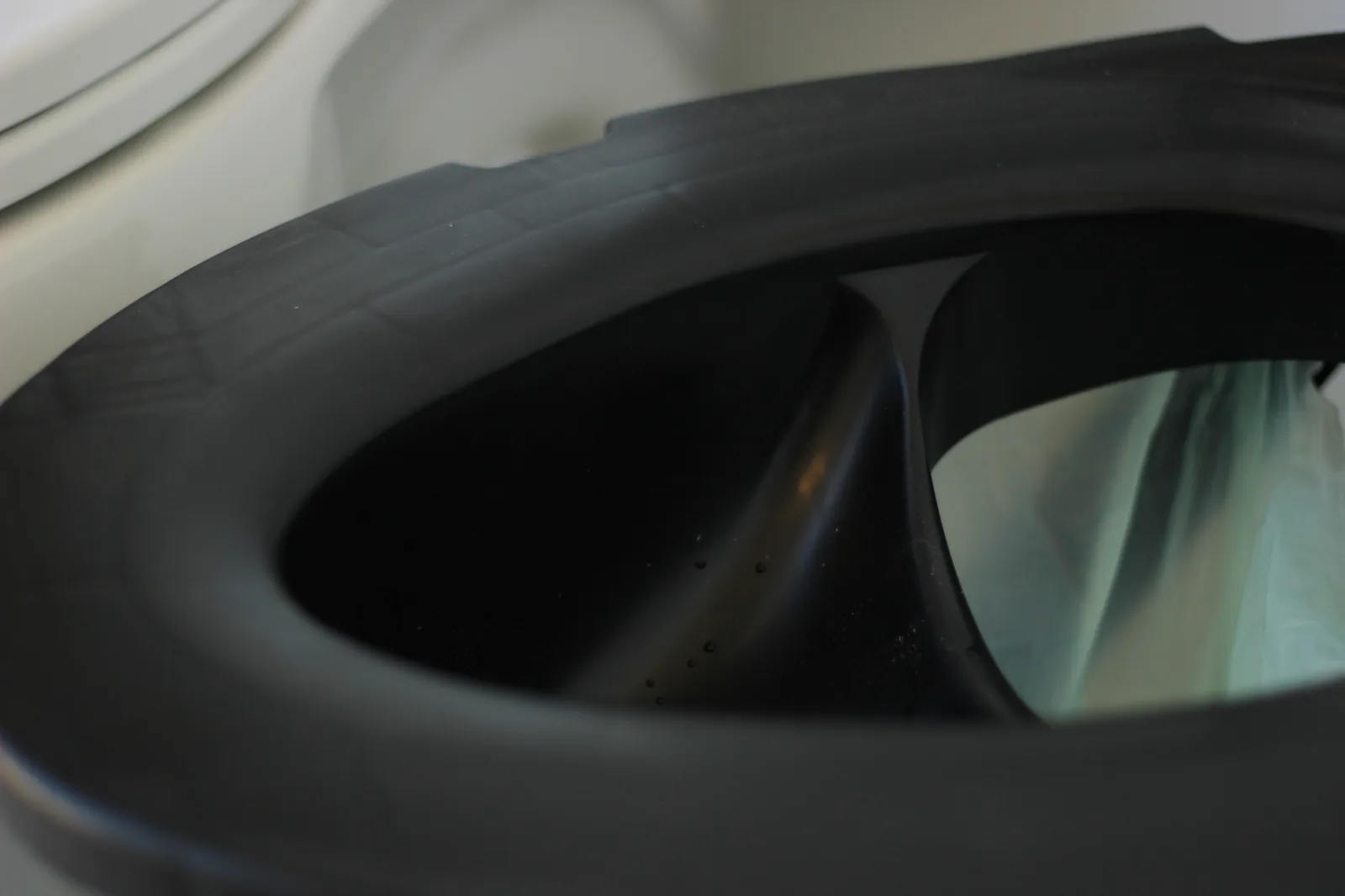
The seat and the urine-separator bowl — the heart of the system
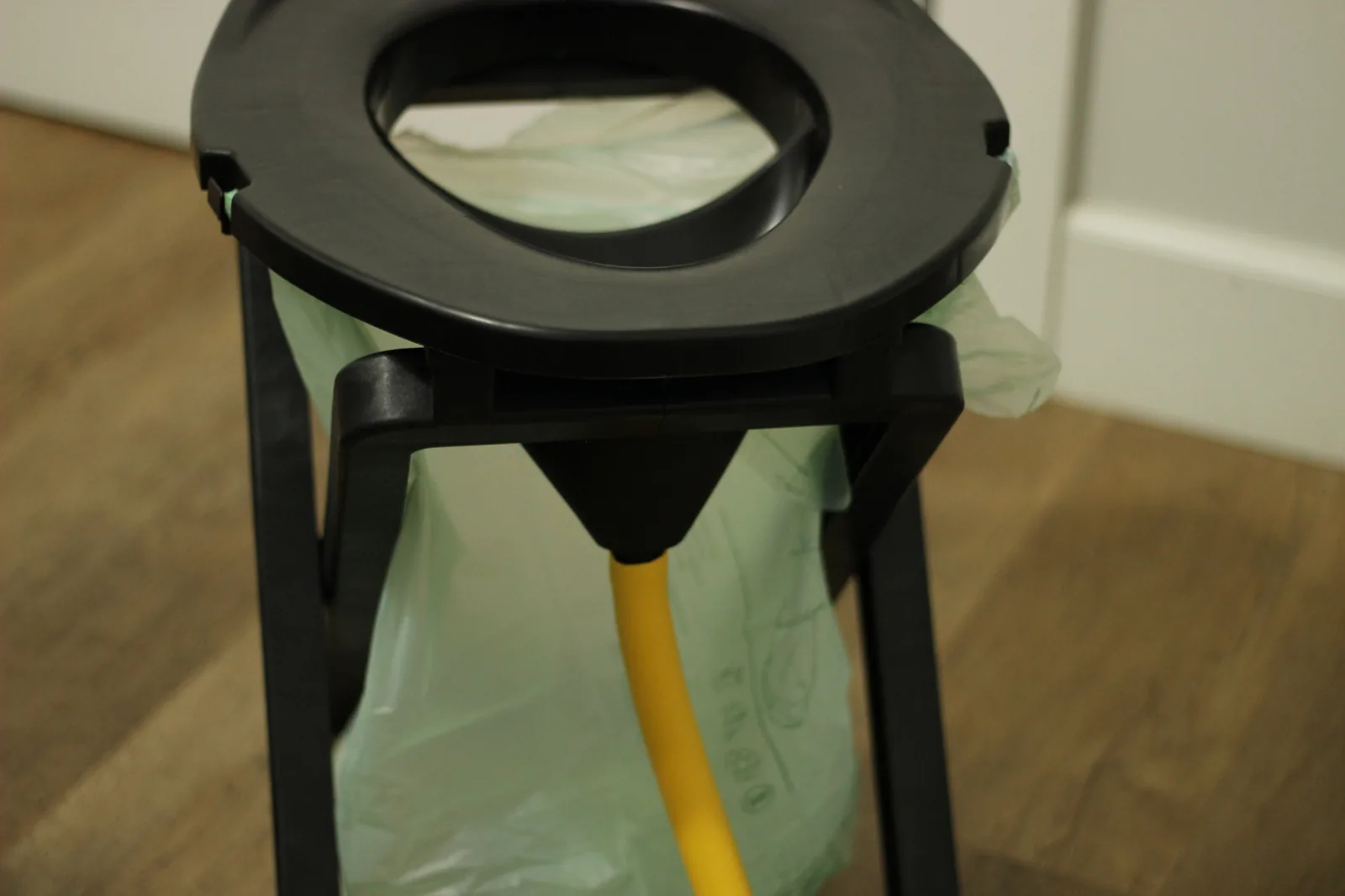
This is where the Separett design diverges from every other “bucket toilet” or basic camping toilet on the market. The urine and the solid waste are physically separated at the seat itself.
Why urine diversion matters — the engineering story
The reason a bucket toilet smells like death within 24 hours is the mixing of urine with solid waste. Urine introduces ammonia and abundant moisture to a biological substrate, which feeds anaerobic bacterial decomposition and releases the volatile compounds — hydrogen sulfide, ammonia, methyl mercaptan — that humans evolved to detect at parts-per-billion concentrations. Mixed waste in a sealed container will fill a small room with an unbearable odour within hours.
Separated waste behaves completely differently. Urine — properly diverted and stored separately, or diluted and discharged — is by itself relatively low-odour. Solid waste — kept dry and collected directly into a compostable bag — desiccates rather than ferments. The odour profile drops by an order of magnitude or more.
For a 24-hour camping deployment, this is a convenience. For a multi-day grid-down emergency, it’s the difference between a sanitation system that works for the household and one that drives the household out of their own home within 48 hours.
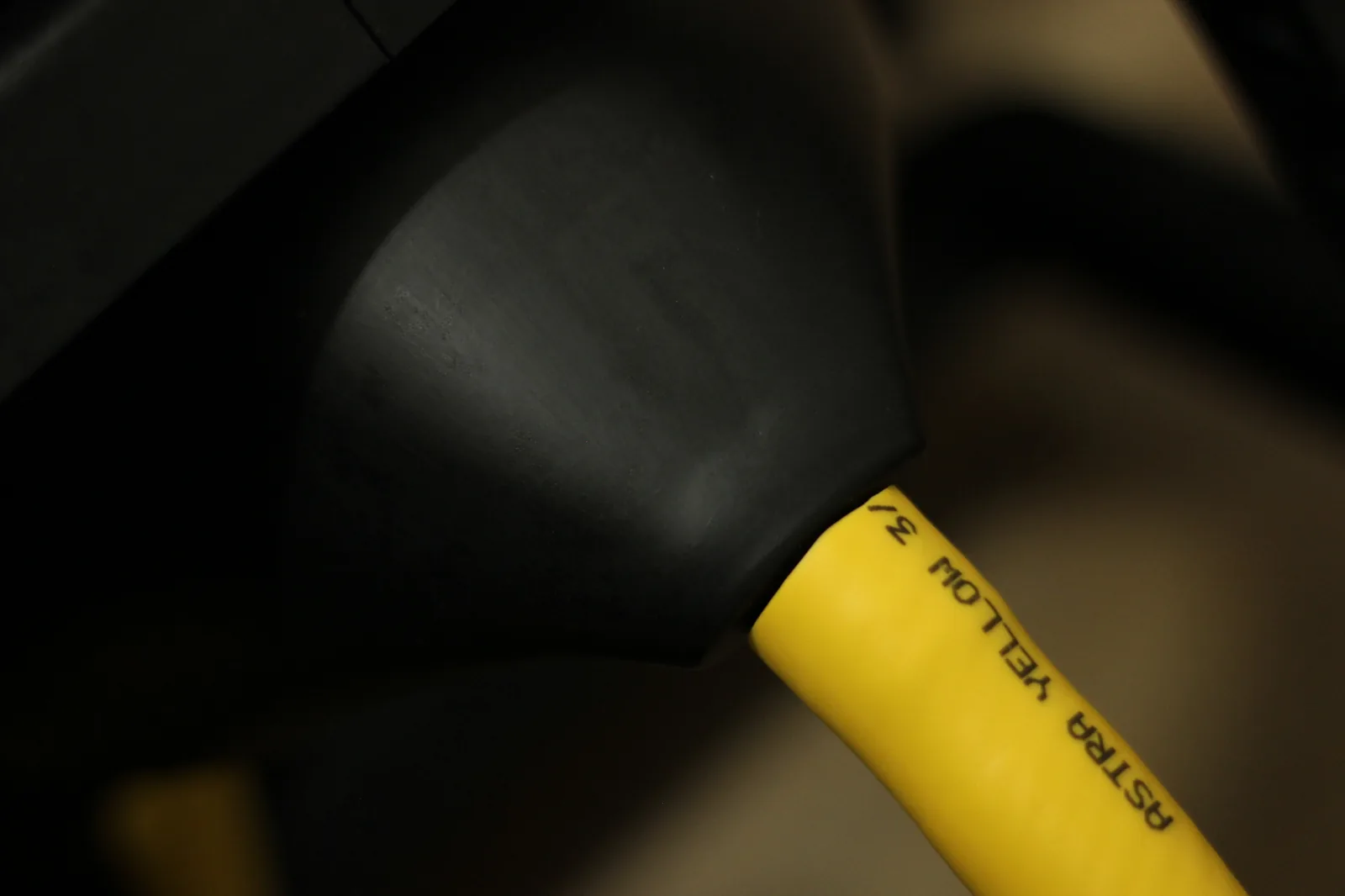
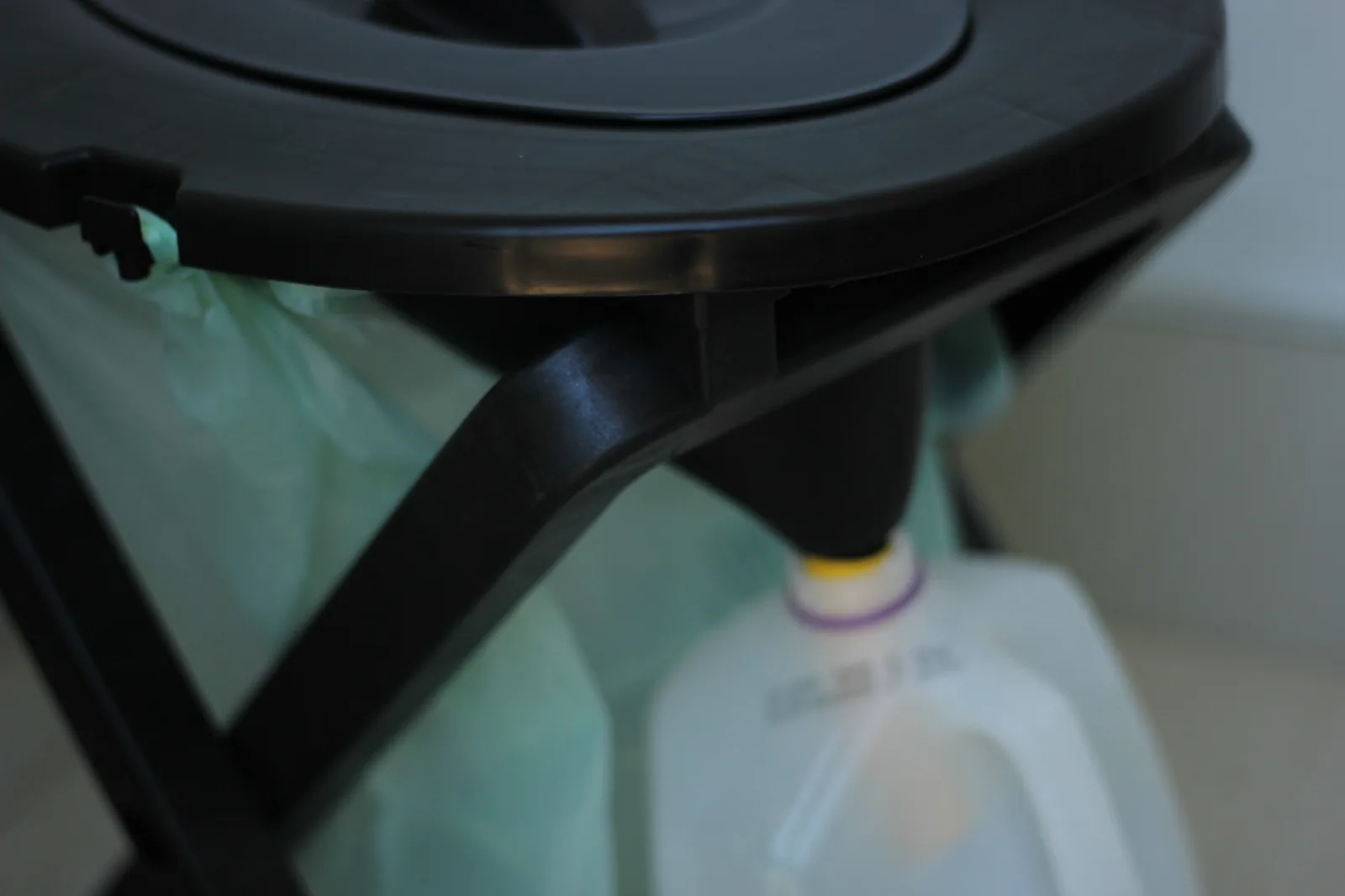
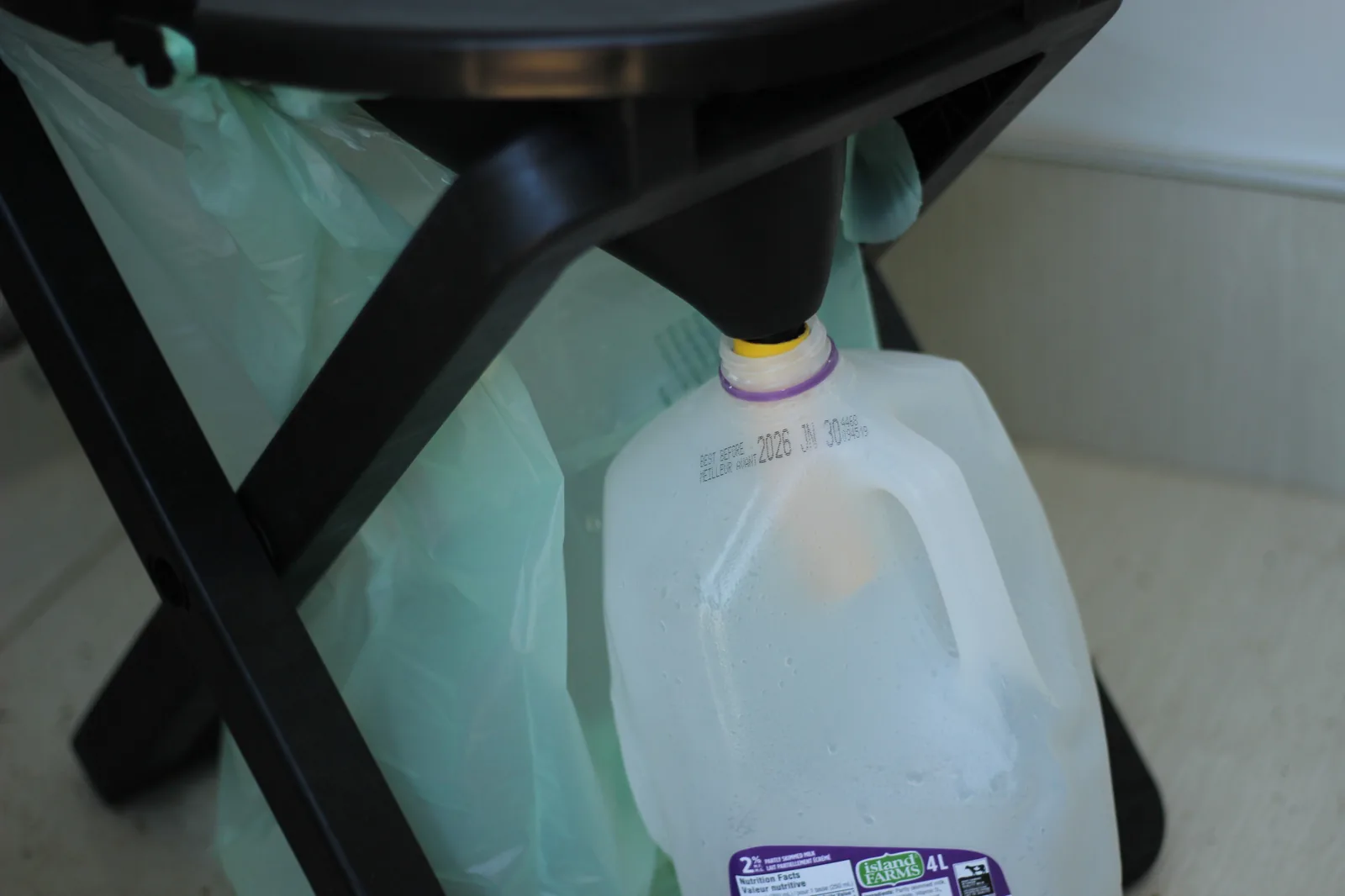
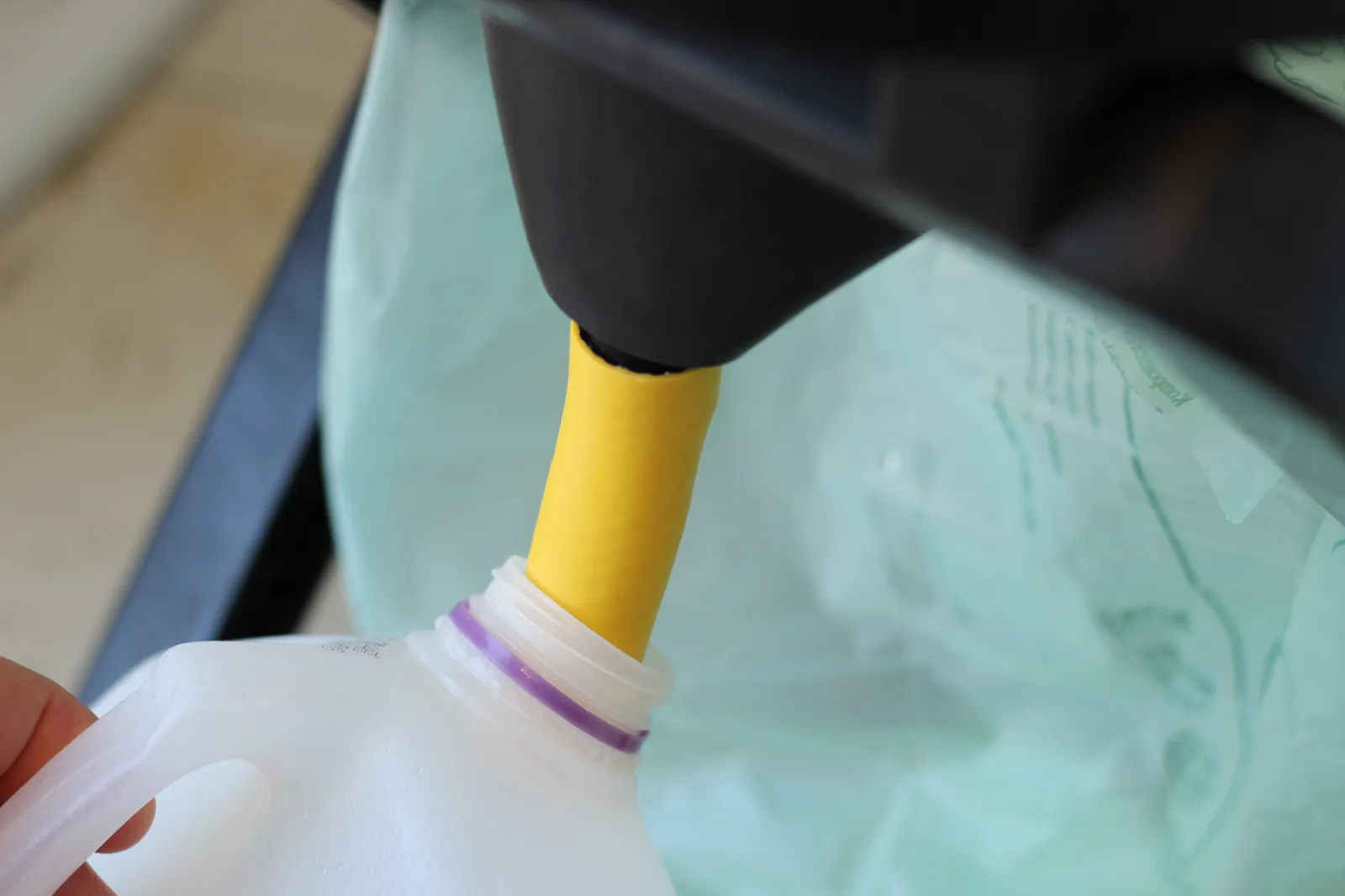
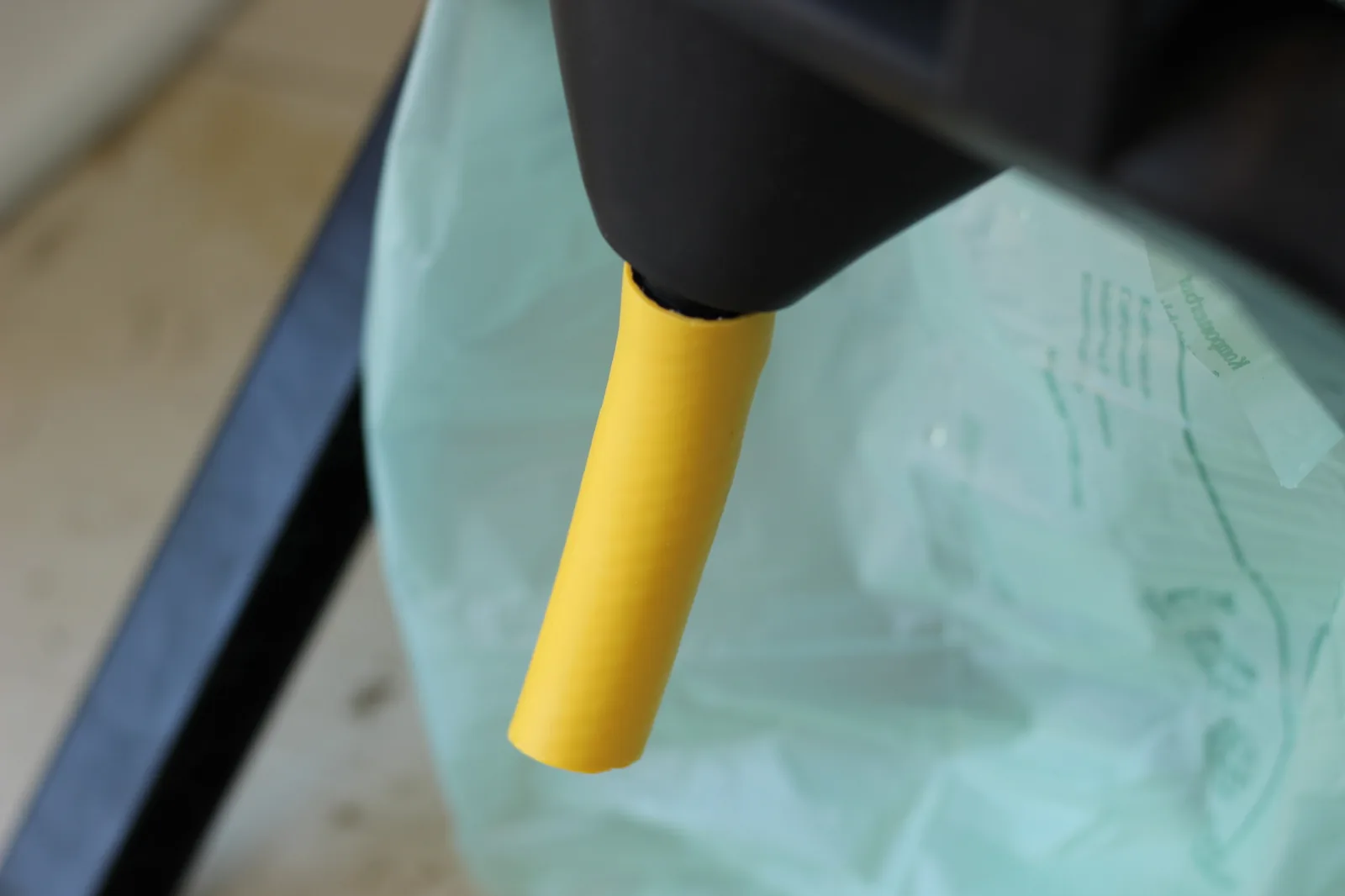
Routing the urine — the yellow hose
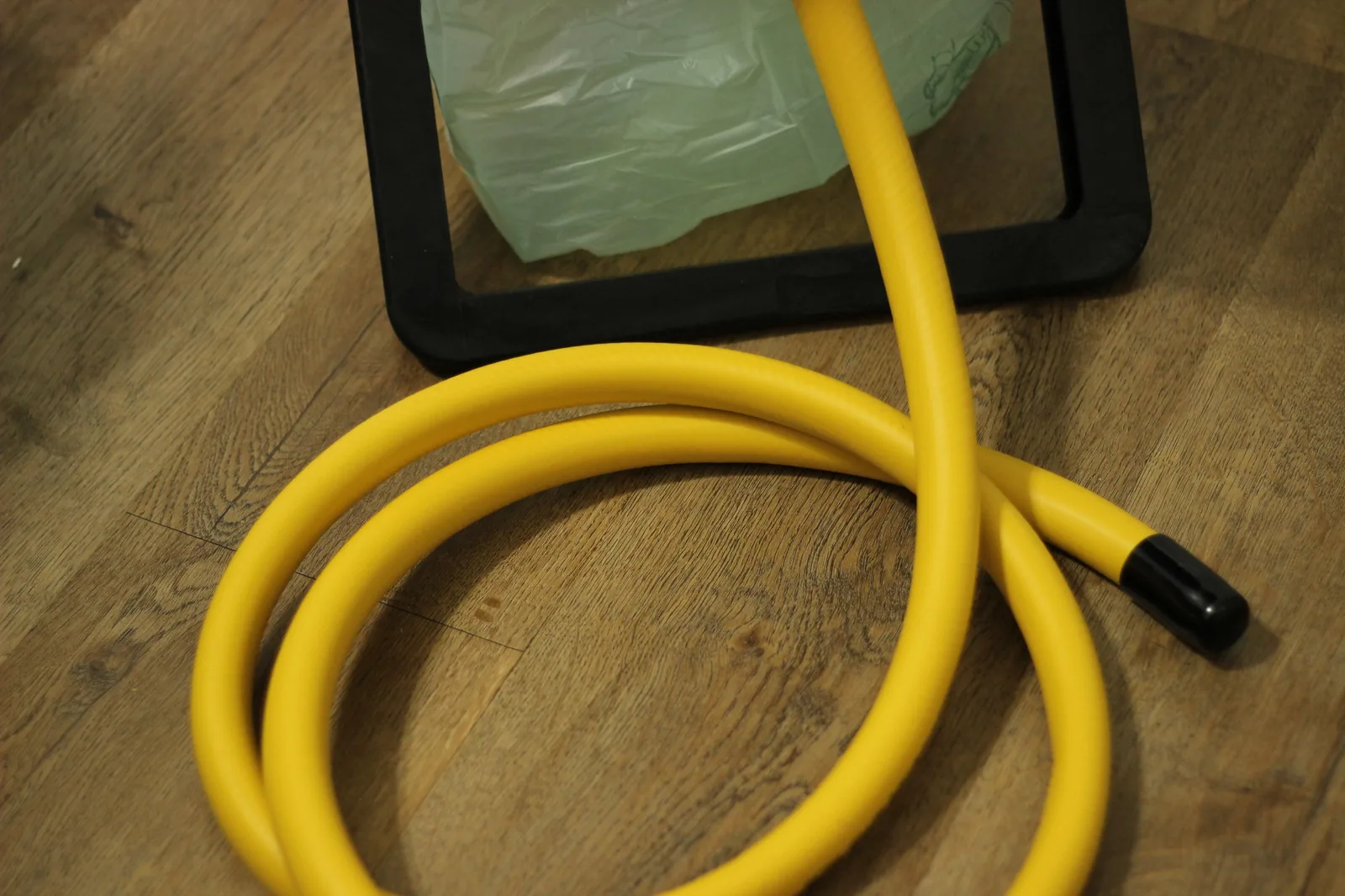
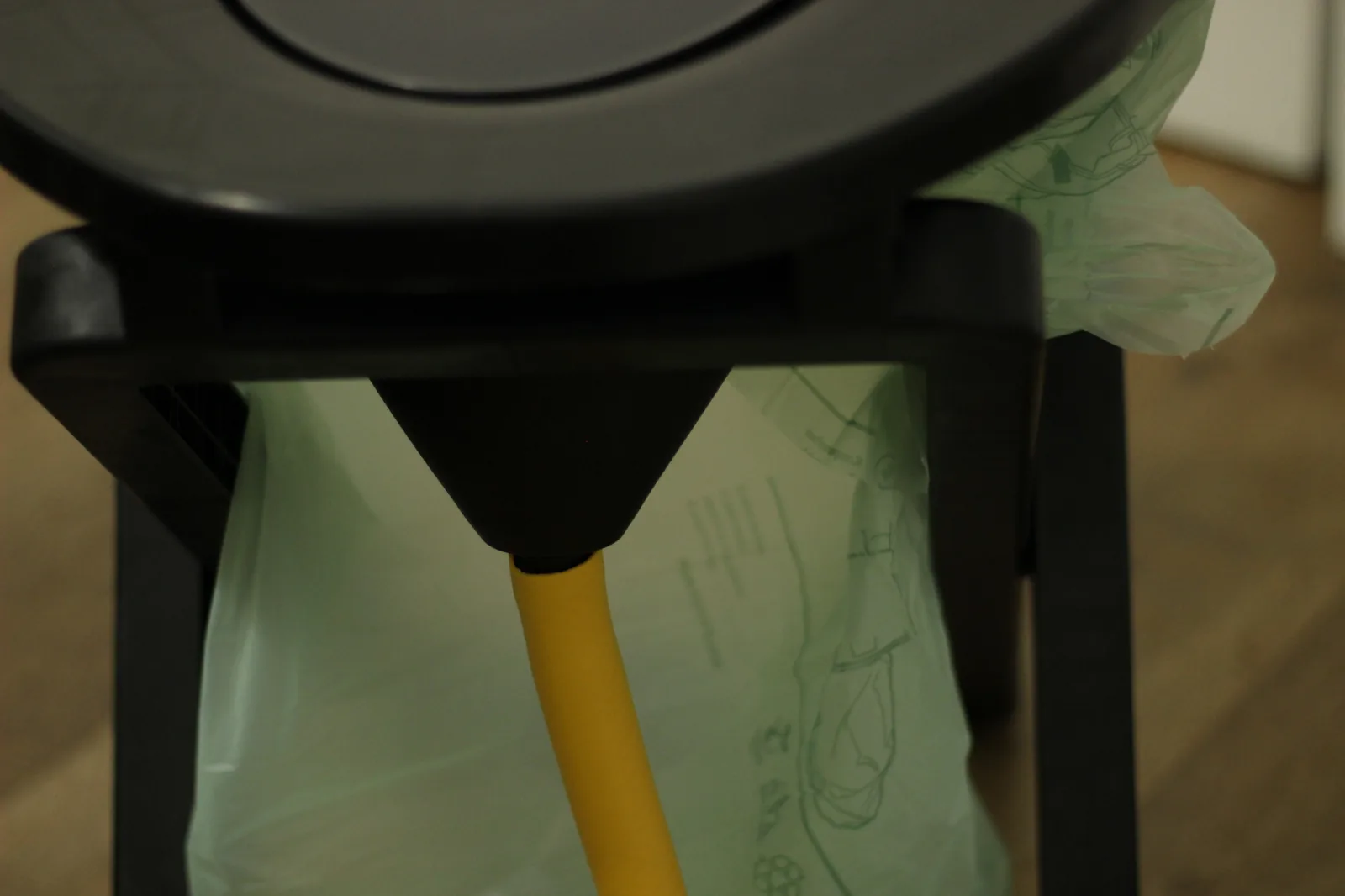
The hose is the flexibility feature of the whole system. It can route to:
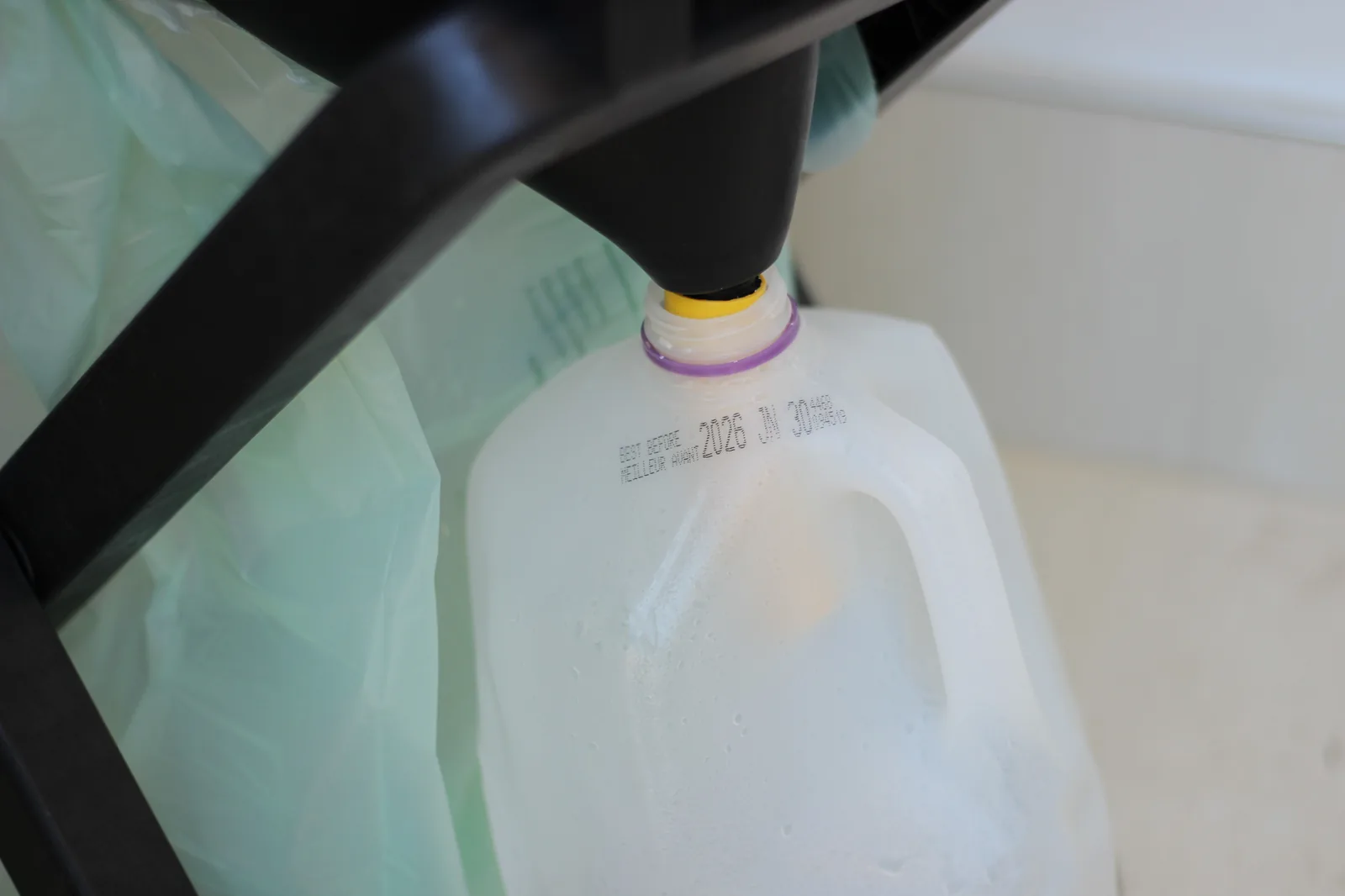
- A small 4 L milk jug for short-term emergency use (our test setup — see below)
- A 5 L plastic jerrycan for a few days of use
- A 20 L water jug for week-plus deployments
- A 50 L+ graywater barrel for genuine off-grid living
- The Separett Ejektortank 50 (C$449.99 CAD, also from Canadian Eco Products) for permanent installation
Whatever container the user has, the Separett works with it. This is the design decision that makes the Rescue Camping 25 a genuine preparedness product instead of just a camping accessory.
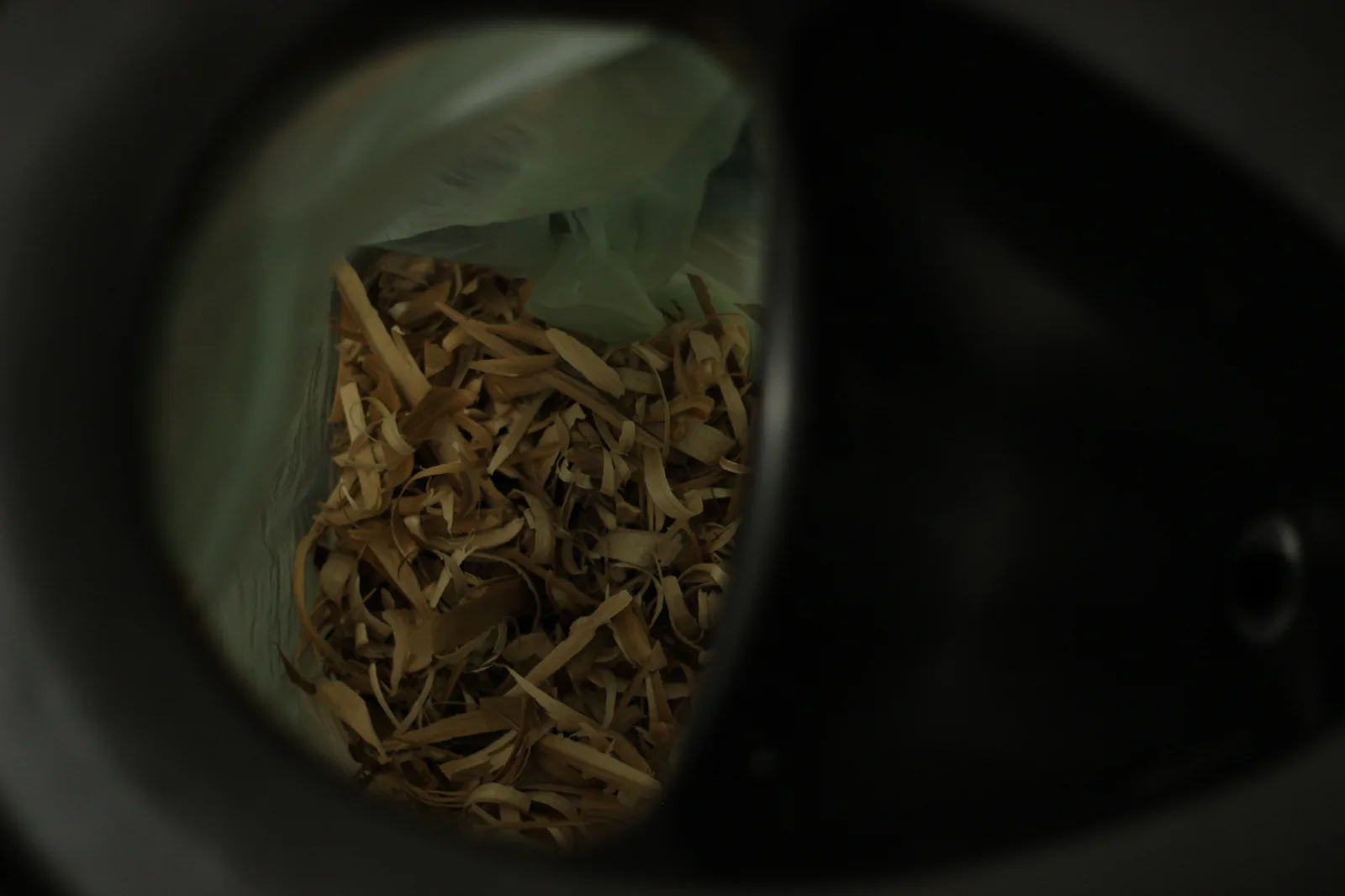
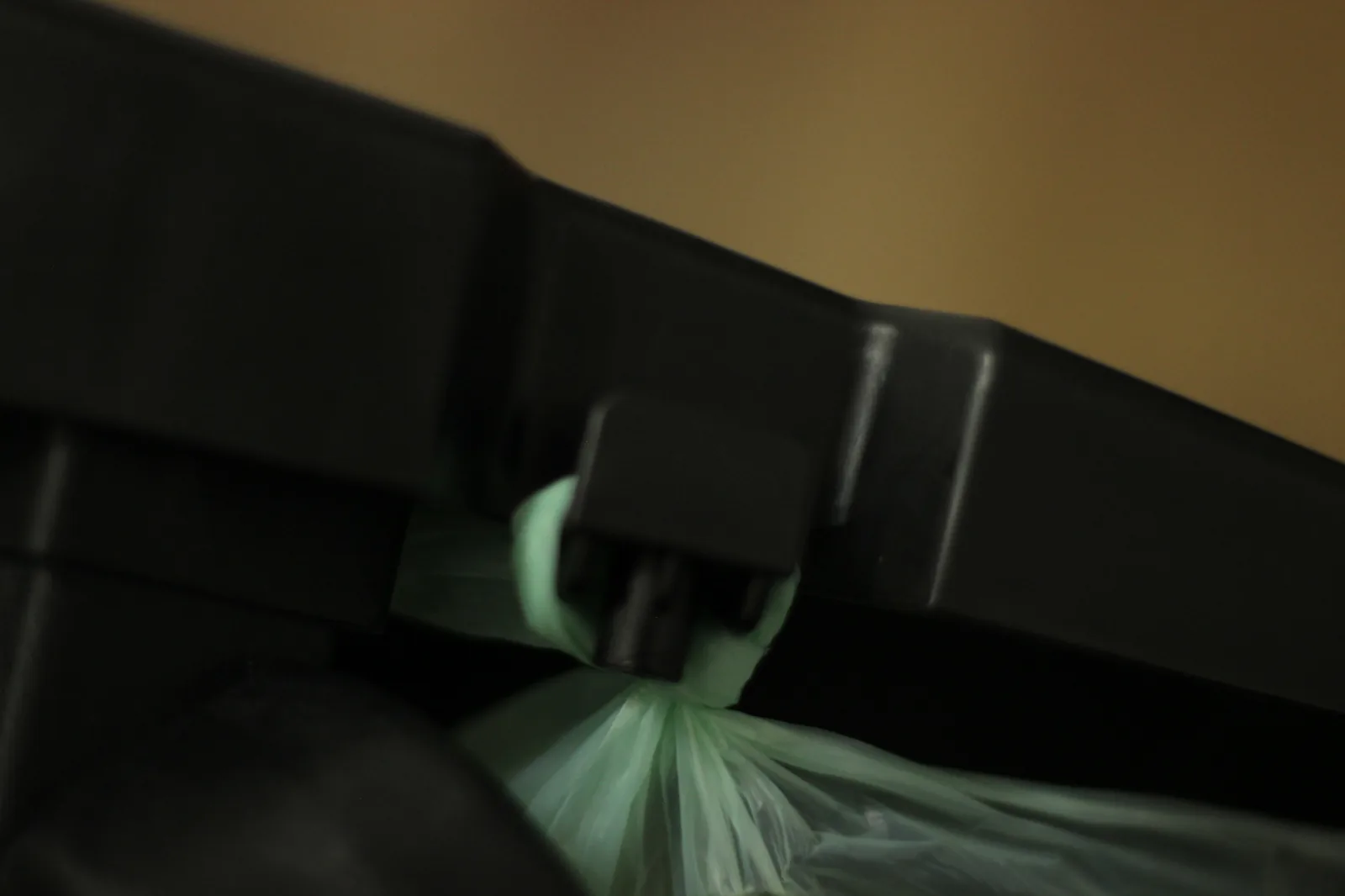
The compostable solids bag
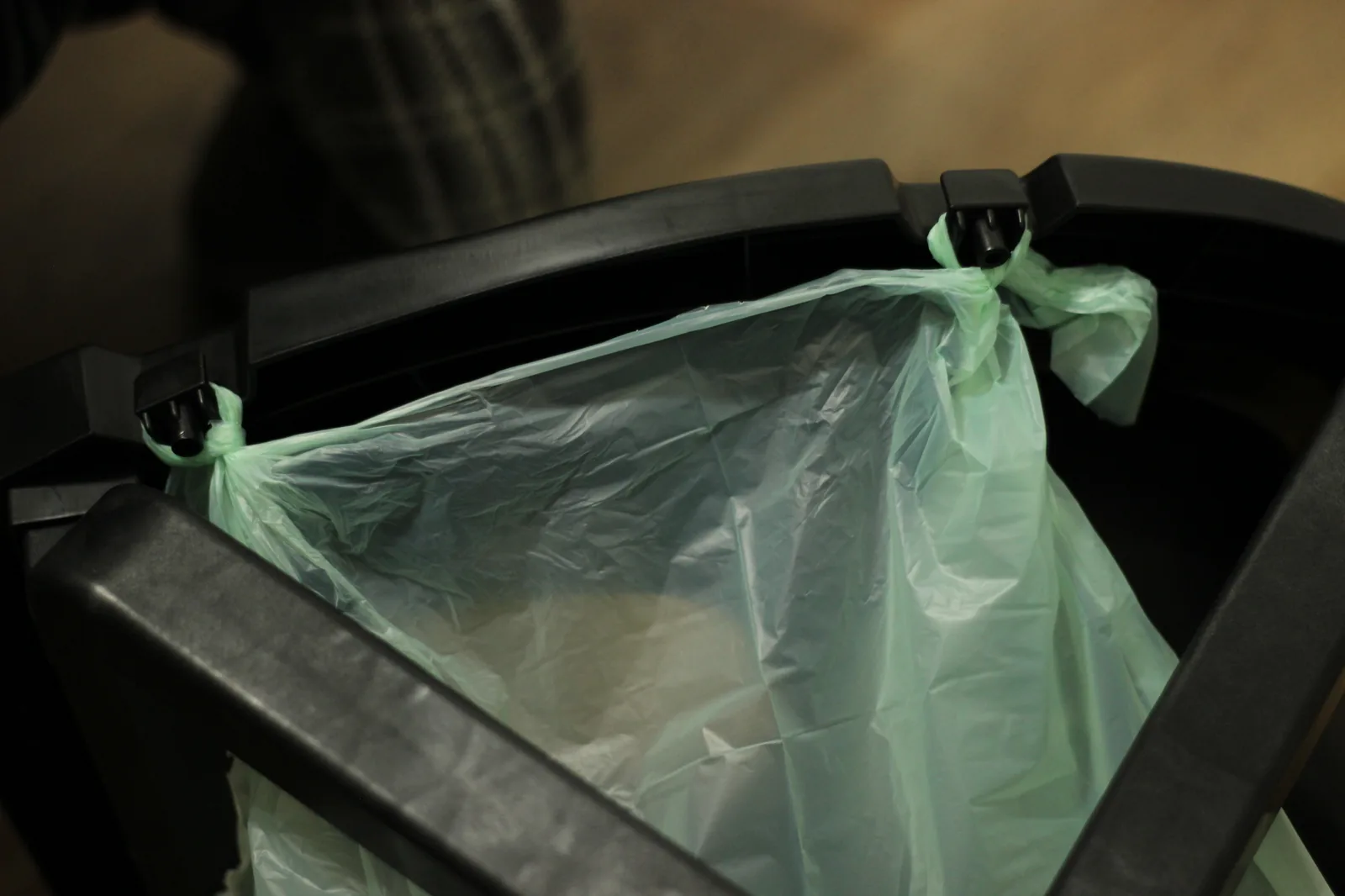
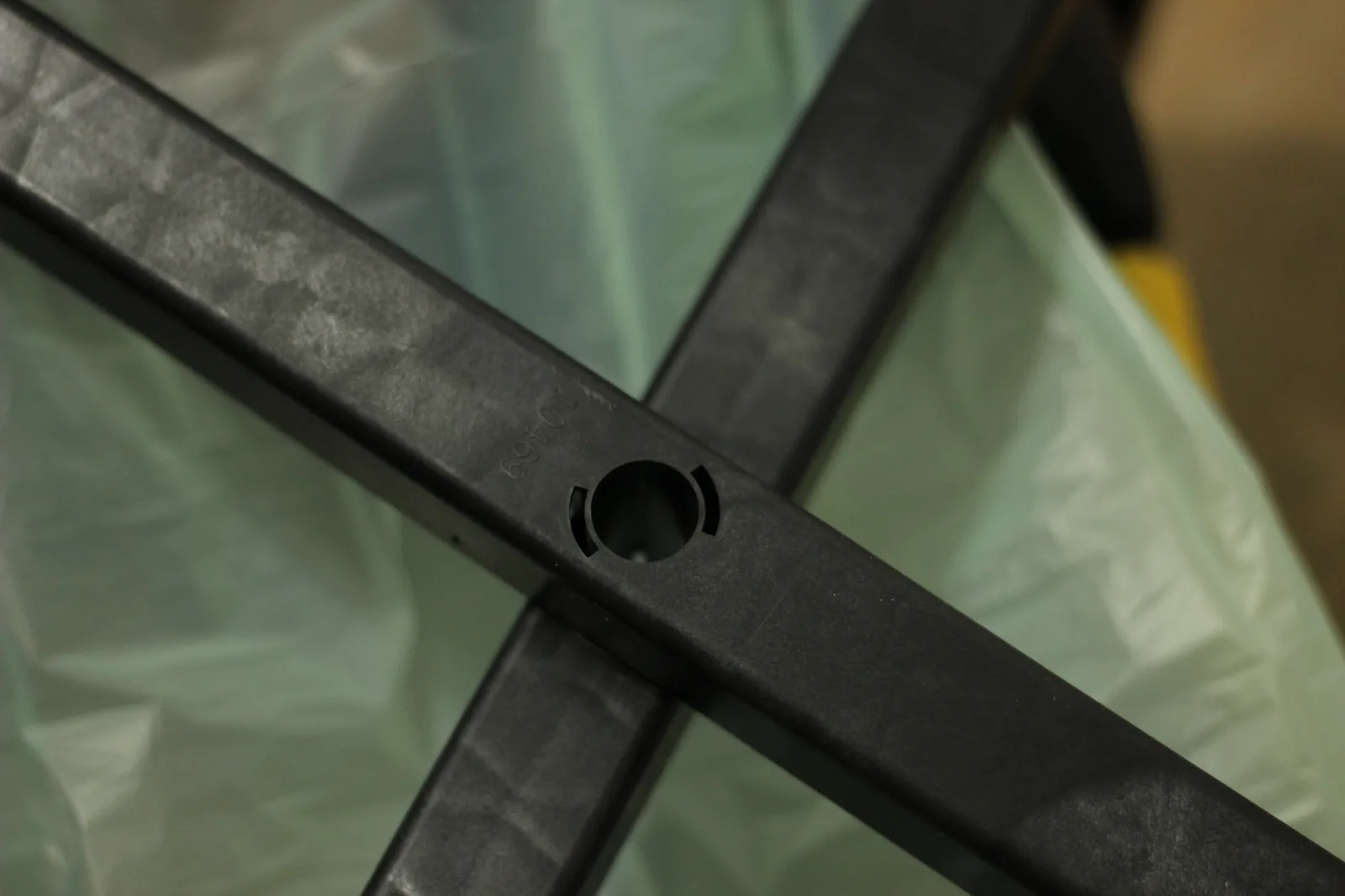
The kit ships with 10 compostable bags. Replacement rolls are available from Canadian Eco Products, and for serious preparedness storage, plan to keep a 60-90 day supply on hand (assuming 1 bag per family member per day under heavy use, or significantly less for a single person).
For disposal:
- Camping / RV / off-grid weekend: bury, burn in a hot campfire (>300°C), or pack out to a real waste disposal
- Home emergency use: the compostable bags can go into the regular trash stream only if the local municipality accepts food waste / compostable plastic — otherwise treat as regular solid waste with appropriate handling
- Long-term off-grid: install a Separett urine tank and dedicated humanure composting bin (60+ day stabilization required for safe garden use per the Joseph Jenkins Humanure Handbook reference, the established US/EU industry text)
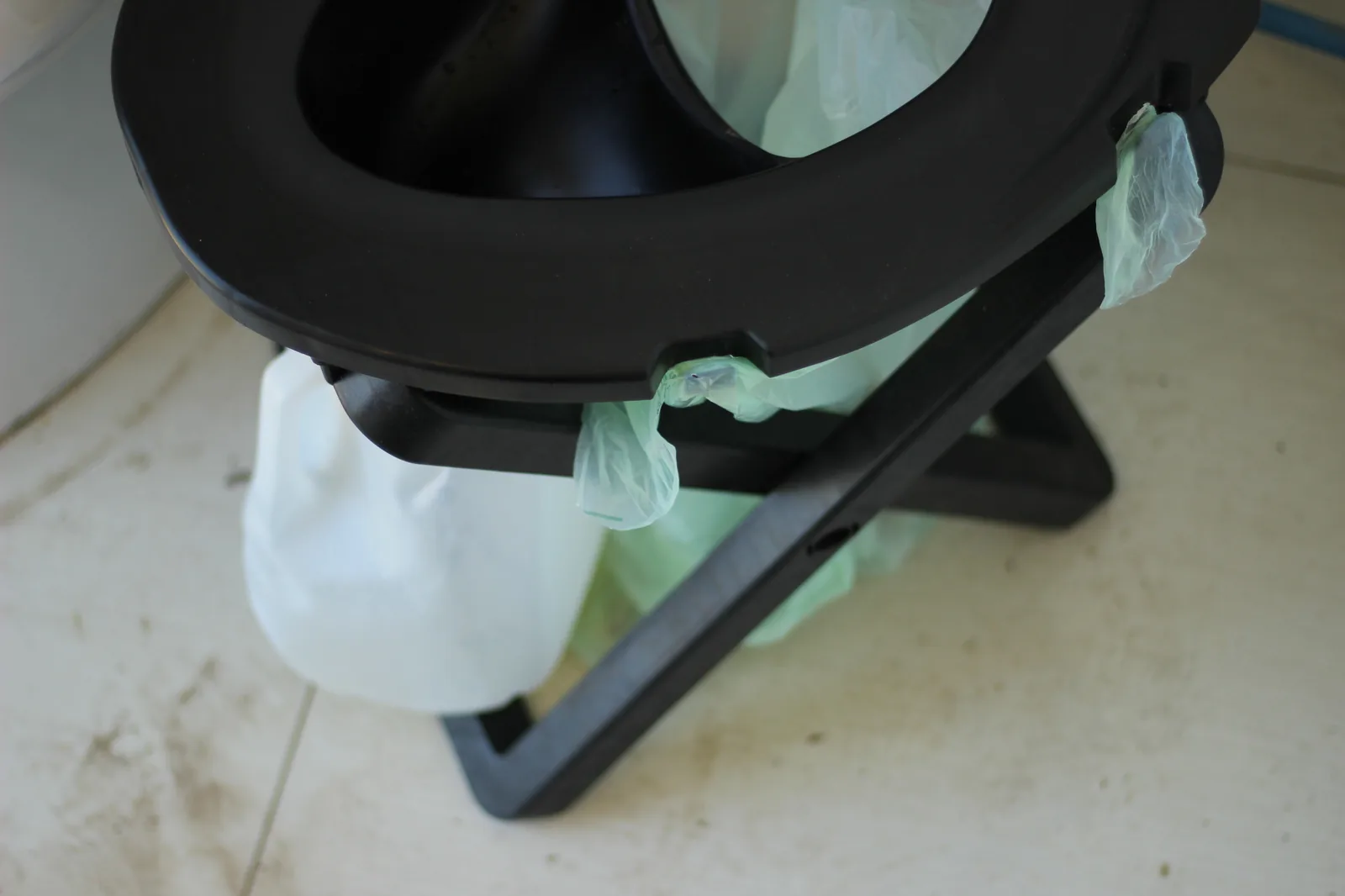
The fully deployed system
The post-EMP scenario — and why this toilet matters in it
This is the section where we step out of the camping context and into the editorial frame that defines Hunt & Live: how does this gear actually perform in a real preparedness scenario?
For sanitation gear, the most demanding realistic scenario is a long-duration grid-down event — an EMP attack, a coronal mass ejection, a sustained cyber attack on the North American power grid, or a prolonged regional infrastructure failure. In all of these cases, municipal water and sewer systems fail rapidly — most North American municipalities have less than 24 hours of pumping reserve before the wastewater system backs up, and most residential homes lose flush capability within the same window as soon as the gravity-fed elevated water-tower pressure depletes.
When the toilet stops flushing in a home with no contingency plan, the family has hours — not days — to come up with an alternative before the situation becomes both physically uncomfortable and a serious health hazard.
What the 2008 EMP Commission actually said
The United States Commission to Assess the Threat to the United States from Electromagnetic Pulse (EMP) Attack — commonly called the EMP Commission or the Graham Commission after its chair, Dr. William R. Graham — was a Congressionally chartered body that issued formal reports in 2004 and 2008. The 2008 report, Critical National Infrastructures, presented testimony before Congress on the consequences of a large-scale high-altitude EMP event over North America.
The Commission’s most-cited finding, presented in testimony to the U.S. House Armed Services Committee in 2008, was that within approximately one year of a major EMP event, the death toll in the United States could reach two-thirds to nine-tenths of the pre-event population — primarily from starvation, disease, and societal collapse rather than from the EMP event itself.
That figure has been debated since publication, and reasonable analysts have offered both higher and lower estimates. What is not debated is the mechanism: the cascading failure of the food, water, sewer, and medical systems would cause the overwhelming majority of casualties in any prolonged grid-down event. The EMP itself kills almost no one directly. The aftermath kills tens of millions.
The specific role of sanitation in the death toll
Within the broad “disease and starvation” category that the EMP Commission identified, waterborne and fecal-oral disease has historically been one of the largest sub-categories in every documented disaster-scale population event. The pattern is well-established:
- Haiti, 2010 earthquake: the earthquake itself killed an estimated 160,000–230,000 people. The subsequent cholera outbreak, triggered by inadequate sanitation infrastructure in displacement camps, killed over 10,000 additional people between 2010 and 2019 — and that’s before counting deaths from other waterborne illness during the same period. Cholera is a fecal-oral disease: it spreads when contaminated waste enters water sources.
- London 1854 (Broad Street cholera outbreak): the foundational epidemiological case study, in which John Snow demonstrated that a single contaminated water pump produced hundreds of deaths in a single neighbourhood over 10 days. The mortality concentration was so extreme it led to the modern understanding of fecal-oral disease transmission.
- Refugee camp medicine, ongoing globally: the Sphere Standards (the international humanitarian minimum standards for disaster response) explicitly identify excreta management as a top-priority public-health intervention, alongside drinking water and shelter, because mortality from diarrheal disease accounts for an estimated 25-30% of refugee/displacement-camp deaths in protracted crises per WHO data.
- Post-disaster surveillance data from Hurricane Katrina, the 2011 Tōhoku earthquake/tsunami, the 2017 Puerto Rico hurricane (Maria), and the 2020 Beirut explosion all show elevated gastrointestinal illness rates correlated with sanitation infrastructure damage.
The mechanism is consistent: when human waste enters drinking water — which happens within hours when toilets stop flushing and septic systems back up — the resulting fecal-oral disease load can kill more people than the originating disaster.
Why a urine-diverting toilet specifically
A bucket-toilet contingency plan is better than nothing — but it fails on three dimensions over any timeline longer than 48 hours:
- Odour — mixed waste becomes overwhelming within 24 hours in any enclosed space, driving the household out of its own shelter
- Pathogen vector breeding — flies, cockroaches, and rodents are aggressive vectors for fecal pathogens, and a mixed-waste bucket attracts them within hours
- Storage and disposal — a 5-gallon bucket of mixed waste must be disposed of safely, which becomes extremely difficult in a grid-down environment
A urine-diverting toilet fixes all three problems. Separated urine, properly handled, is essentially sterile at the point of voiding (urine from a healthy person contains very few microorganisms — the historical assumption that urine is “dirty” comes from the fact that mixing urine with feces contaminates it almost instantly). Solid waste captured dry in a compostable bag dramatically reduces vector attraction and produces a manageable, packable solid waste product instead of a sloshing biohazard bucket.
For a household preparing for a 7-day to 30-day grid-down scenario, the Separett Rescue Camping 25 is the single piece of sanitation gear that actually solves the problem.
Mock deployment — using a milk jug as the urine catch
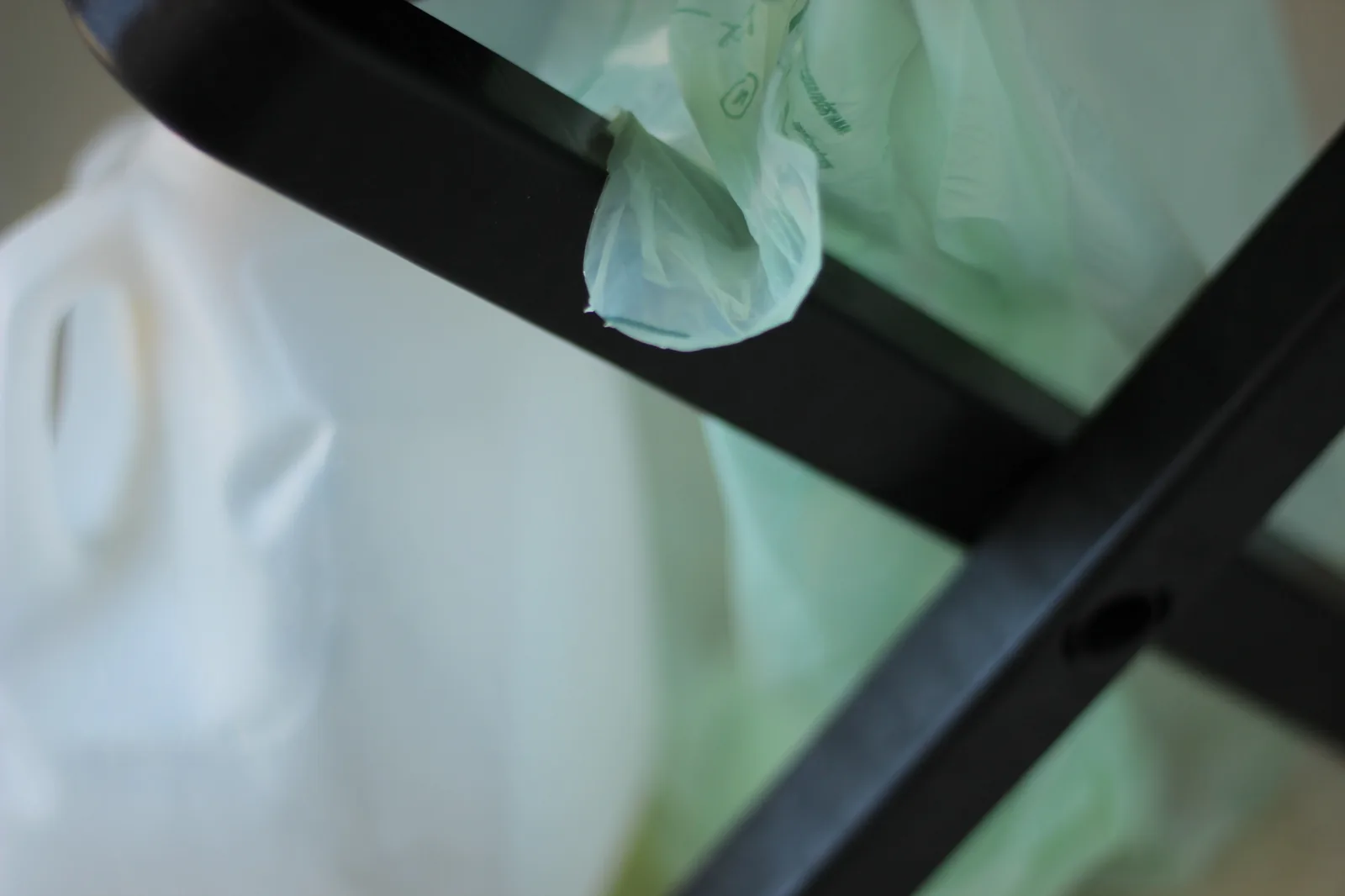
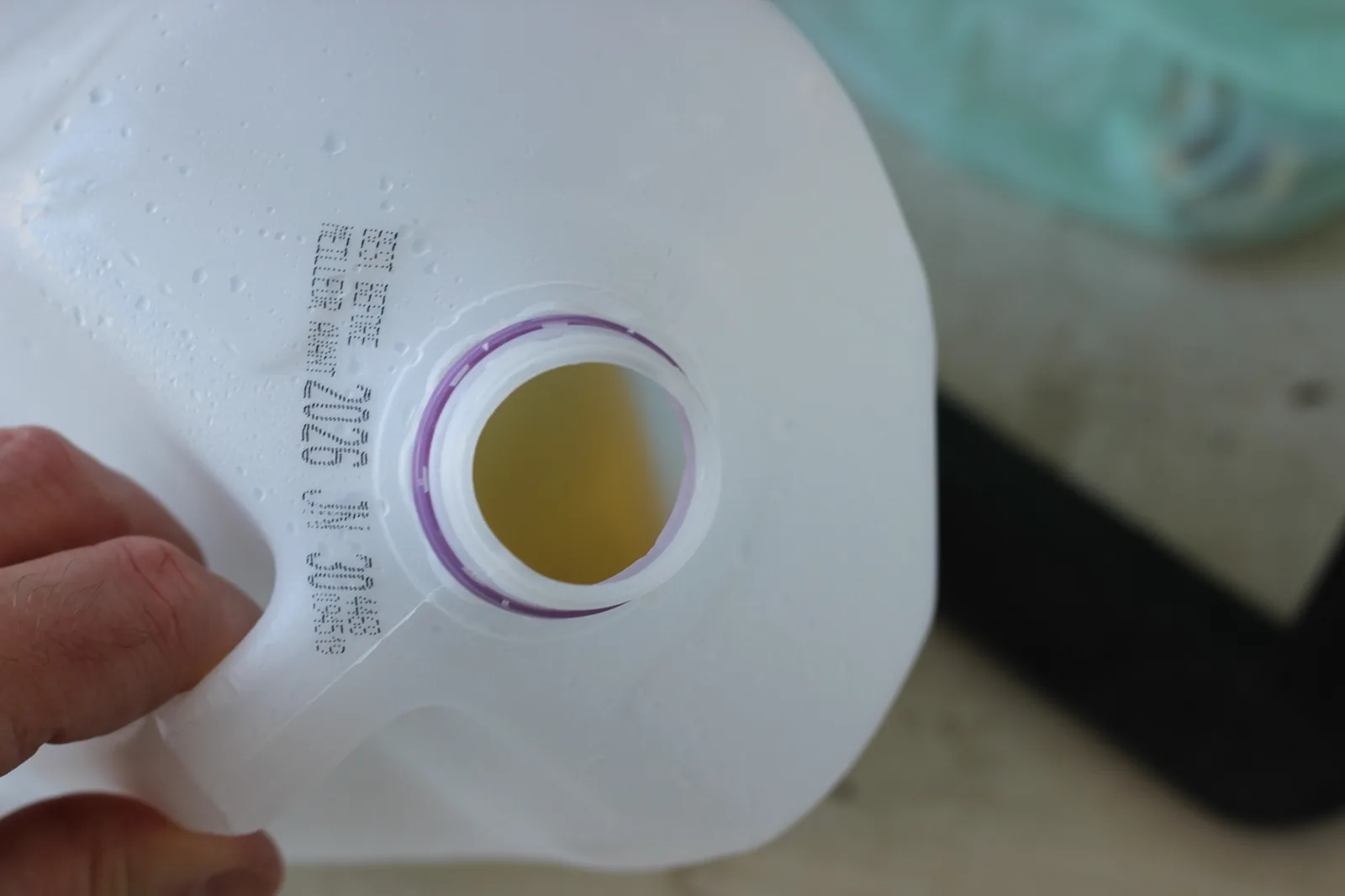
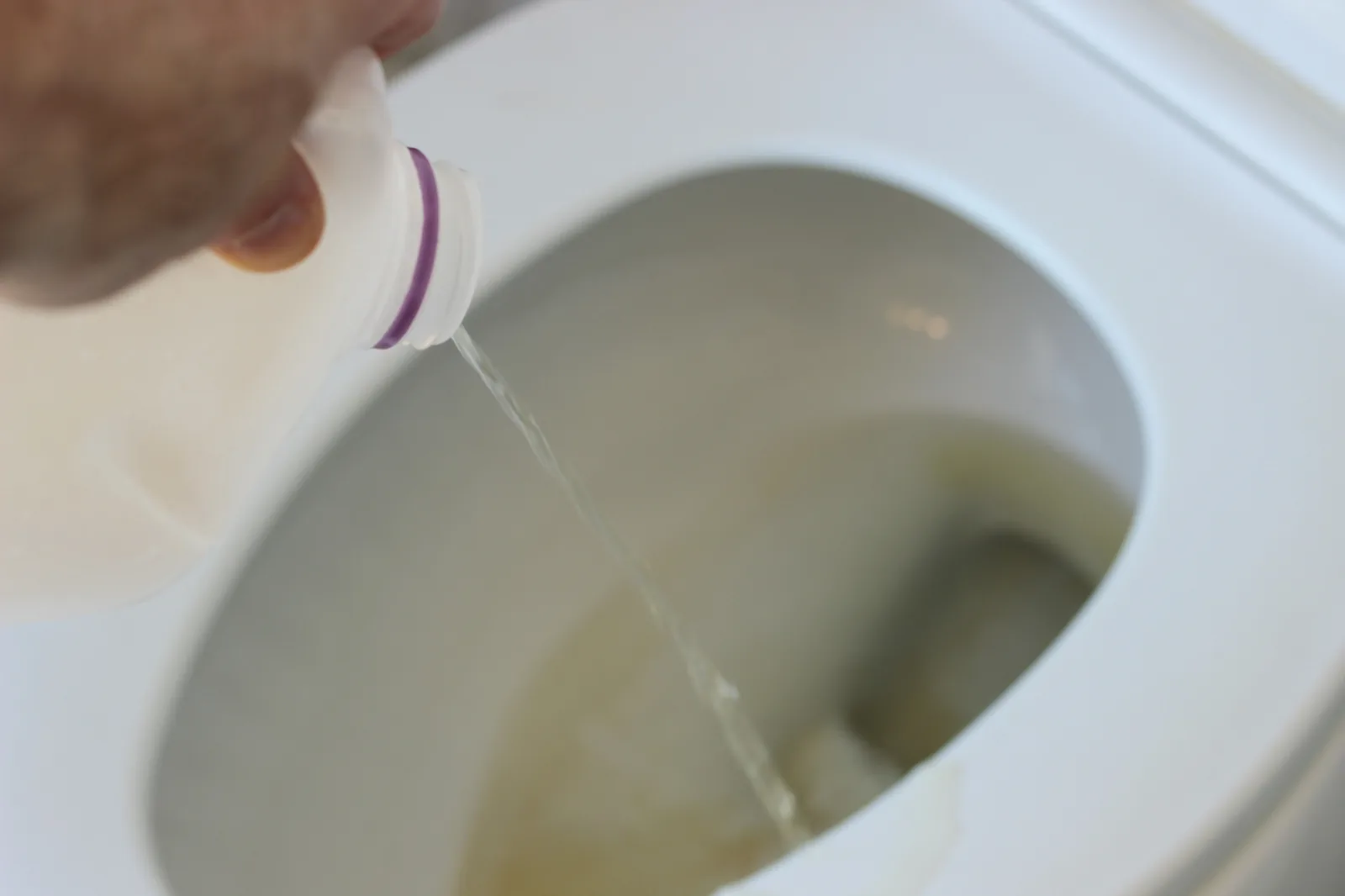
For the test deployment in this review, we set up the Separett Rescue Camping 25 in a mock emergency configuration using a household milk jug as the urine catch container, then properly disposed of the test urine in a working flush toilet to verify the flow path without committing to a real emergency-mode disposal.

Important honest disclosure
The urine collected during the test deployment was properly disposed of in a working flush toilet at the conclusion of the demonstration. This was a verification-of-flow-path test, not a real emergency-mode disposal. We are not currently in a real emergency, and our normal sanitation infrastructure is working.
In a real grid-down event, urine collected this way should be diluted (10:1 with water is the standard ratio for safe disposal) and either:
- Discharged onto soil at least 30 meters from any drinking water source
- Diluted to garden-fertiliser concentration and applied to non-edible plants (urine is high in nitrogen and is a known agricultural fertiliser — see the Rich Earth Institute’s research at richearthinstitute.org for the scientific literature on urine reclamation)
- Stored in sealed containers for delivery to a working wastewater facility once one is reachable
- Sealed and stored on-site if no disposal option is available, until municipal services resume
Never discharge undiluted urine onto edible food crops or directly into a water source. Doing so introduces both nitrogen overload (which damages plants and waterways) and any pathogens that may be present in unhealthy individuals’ urine.
How it earns the 4.7/5
The Separett Rescue Camping 25 earns a strong 4.7 / 5 because every engineering decision is correct for its category. Swedish manufacturing. Urine-diverting separator bowl. Foldable steel frame that genuinely packs flat. 3 kg total weight. Complete kit in the box including 10 compostable bags. C$179.99 CAD price point that’s accessible to almost any preparedness budget. Sold by a Canadian distributor with Canadian inventory and warranty support.
It’s not a 5.0 because:
- The user must provide the urine catch container — this is honest design (because every household’s container situation is different) but it means buyers need to plan for it
- The compostable bag stockpile is a real consideration for multi-week deployments
- The foldable design, while genuinely portable, is not as rock-solid as a bolted-down composting toilet
- For a permanent off-grid cabin installation, the Separett Villa 9210 at C$1,499 CAD is the right product instead of this one
What we’d want in a future version:
- A small, optional Separett-branded urine container in the kit (say a 5 L sealable jerrycan with a hose-port adapter) — would solve the “what container do I use” gap for buyers who don’t want to think about it
- A clip-in toilet paper holder integrated into the frame
- A pre-printed quick-reference card for emergency / preparedness use (folded inside the kit) listing the basic disposal guidance for urine and solids in different scenarios
- A higher-capacity bag option (Separett’s existing bags are sized for solids only at the camping-use rate; a denser household might want a higher-capacity option for the same form factor)
Verdict — buy it before you need it
The Separett Rescue Camping 25 at C$179.99 CAD from Canadian Eco Products is the right portable waterless toilet to buy for emergency preparedness, camping, RV use, hunting cabins, festival weekends, and any scenario where flush water isn’t on offer.
For the homestead preparedness category specifically, this is the single most under-discussed and under-purchased piece of preparedness gear that genuinely matters. Power, water, food, communications, lighting, and shelter are well-covered in the preparedness conversation. Sanitation isn’t. And of all the disasters that have killed civilians in the modern era, post-disaster sanitation failure has killed more people than any other single factor.
A C$180 expenditure that gives a household 30 days of dignified, low-odour, low-vector-attraction sanitation capability during a grid-down event is one of the highest-leverage preparedness purchases available to a Canadian household. Buy it before you need it. When you need it, it will be too late to order.
Available direct from Canadian Eco Products at C$179.99 CAD, in stock, with Canadian warranty and shipping.
Separett is on our radar for our Recommended Brands list — the brand’s heritage (Swedish, family-owned, founded 1976), product line (Rescue Camping 25 reviewed here, Villa 9210 composting toilet at C$1,499 CAD, Tiny Toilet 1270/1271, urine diverters, and full off-grid sanitation accessories), and the Canadian Eco Products distribution arrangement make Separett a real candidate. Separately, Canadian Eco Products itself is one of the more important distributors of off-grid sanitation gear in Canada — both brands deserve future Recommended Brand pages of their own.
Sources and references for the EMP / sanitation editorial section
For readers who want to verify the figures cited in the post-EMP scenario section:
- United States Commission to Assess the Threat to the United States from Electromagnetic Pulse (EMP) Attack — formally chartered by the U.S. Congress under Title XIV of P.L. 106-398 (FY2001 National Defense Authorization Act); 2004 Executive Report and 2008 Critical National Infrastructures report. The Commission’s testimony to the U.S. House Armed Services Committee in 2008 is the source of the “two-thirds to nine-tenths” mortality estimate. Reports are searchable via U.S. government archives and university libraries.
- Haiti cholera outbreak (2010-2019): WHO, PAHO, and CDC documented the outbreak extensively. The 10,000+ death figure is from PAHO’s Cholera in the Americas surveillance reporting.
- Hurricane Katrina sanitation health data (2005): the CDC’s Morbidity and Mortality Weekly Report published multiple post-event surveillance studies documenting elevated GI illness rates.
- John Snow’s 1854 Broad Street cholera investigation: foundational text of modern epidemiology; widely reproduced in public-health curricula.
- Sphere Standards / The Sphere Handbook: the international humanitarian standard for disaster response. The current edition (Sphere 2018) is available at spherestandards.org.
- Rich Earth Institute, Brattleboro VT: the primary US research institution studying urine reclamation as nutrient recovery; research papers available at richearthinstitute.org.
- Joseph Jenkins, The Humanure Handbook (4th ed., 2019): the standard US/EU reference for humanure composting; available at humanurehandbook.com.
- WHO Sanitation, Health and Disease Burden statistics: WHO’s Global Burden of Disease estimates for diarrheal disease are published in The Lancet on a rolling basis.
This review’s editorial framing of the post-EMP sanitation scenario is grounded in the above sources. We have made every effort to represent the cited figures accurately and in context — including the inherent uncertainty in any catastrophic-event mortality estimate. Readers are encouraged to consult the primary sources directly for the full context of any figure used here.