
Featured Review · VEVOR · Tents
VEVOR YT-02 Hot Tent Review — A C$130 Stove-Ready Tipi, and What That Price Actually Buys
Our Rating
Current Price
- Model
- YT-02 (4-person, M size)
- Shape
- Ten-sided pyramid tipi, single centre pole
- Fabric
- 210T taffeta
- Waterproof rating
- PU 2500 mm
Pros
- A genuine flame-retardant stove jack with a hook-and-loop cover, on a tent at this price — this is the cheapest legitimate entry into hot tenting we have found
- 3.10 kg (6.83 lb) for a shelter with a 4 m base and 2 m peak height — one person carries it, and you can stand up under the apex
- Ten-sided pyramid on a single centre pole: no complicated pole geometry, nothing to break, and a shape that sheds wind and snow from any direction
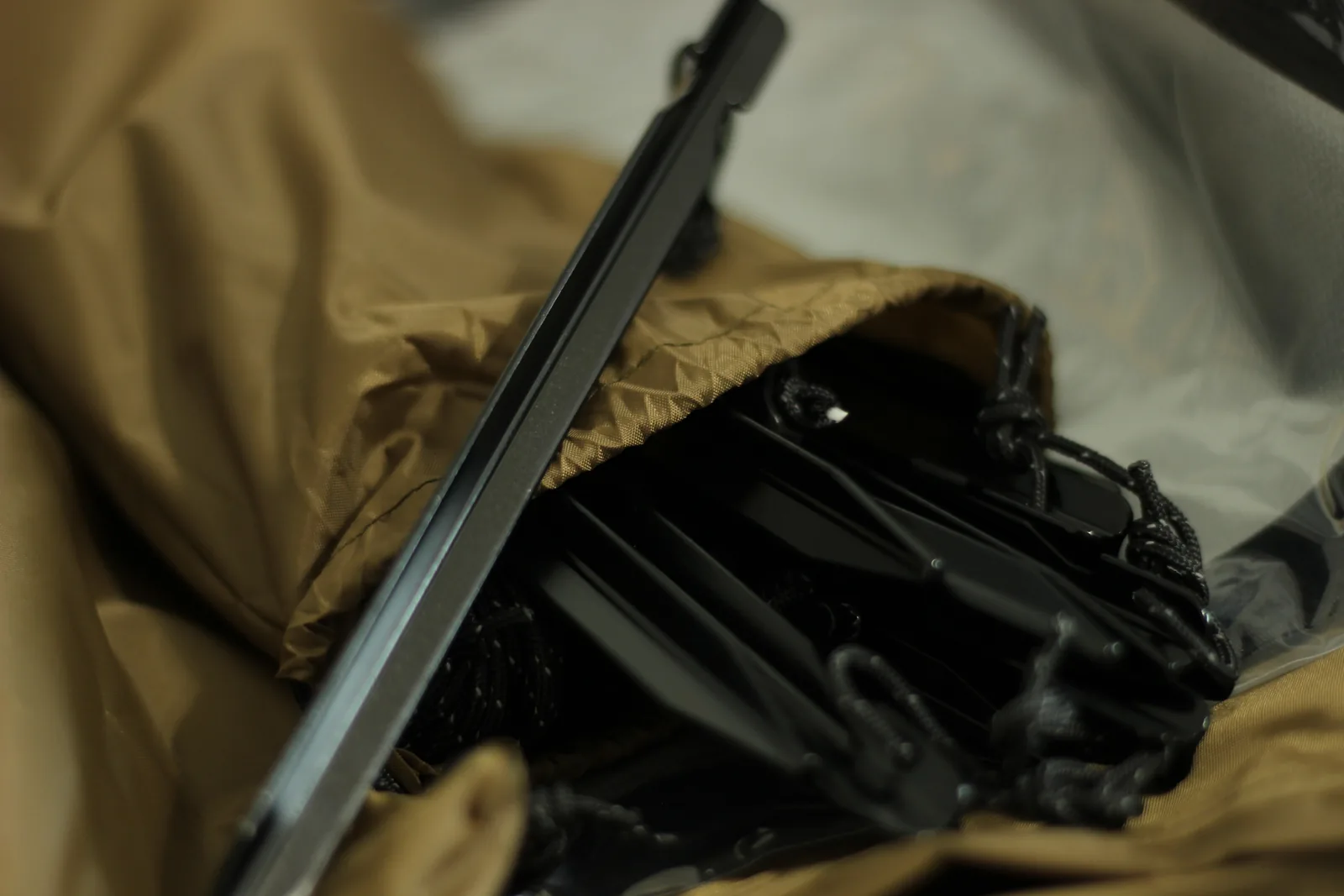
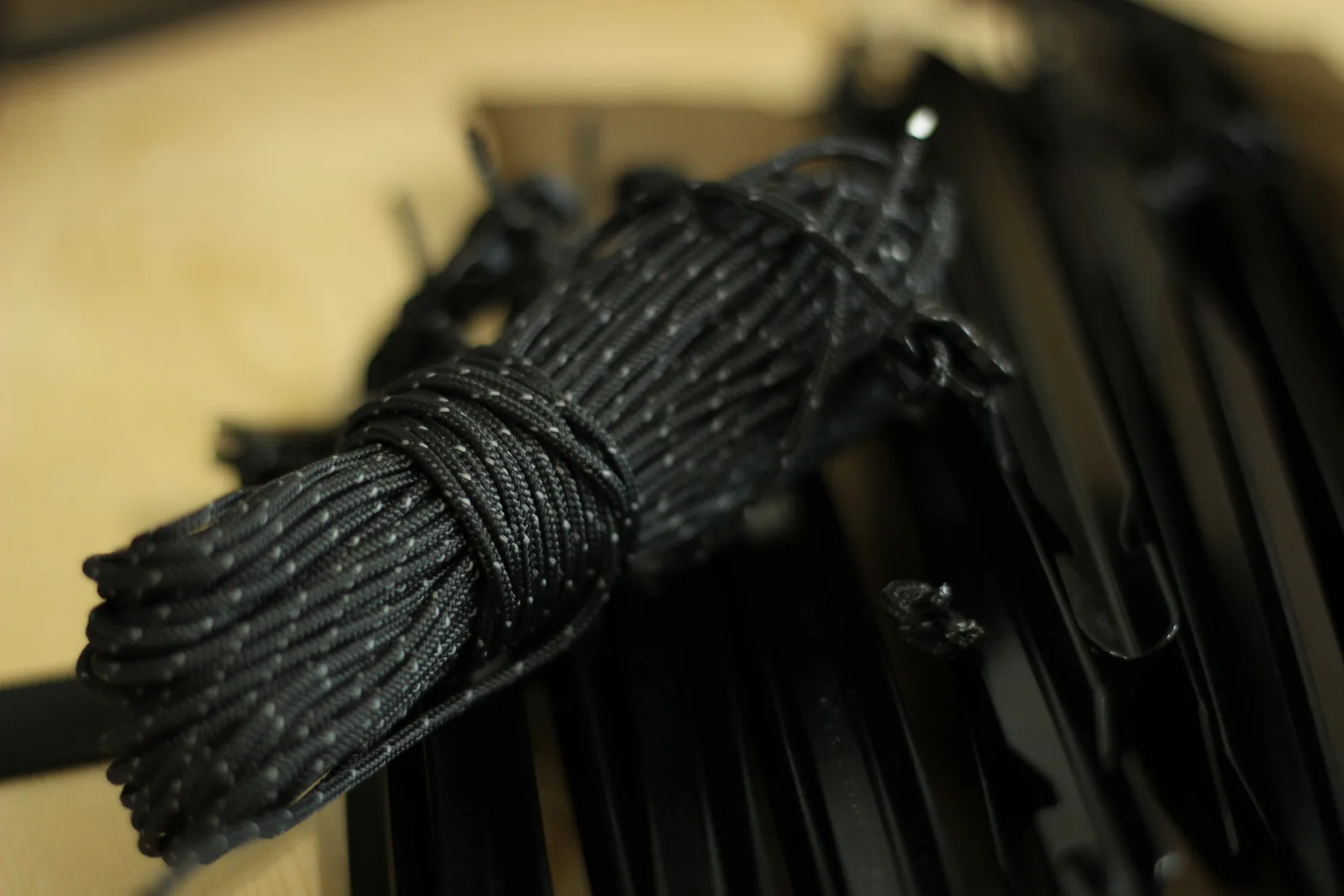
- 16 ground stakes and 8 guy ropes included — most tents at any price ship you fewer pegs than the tent has attachment points
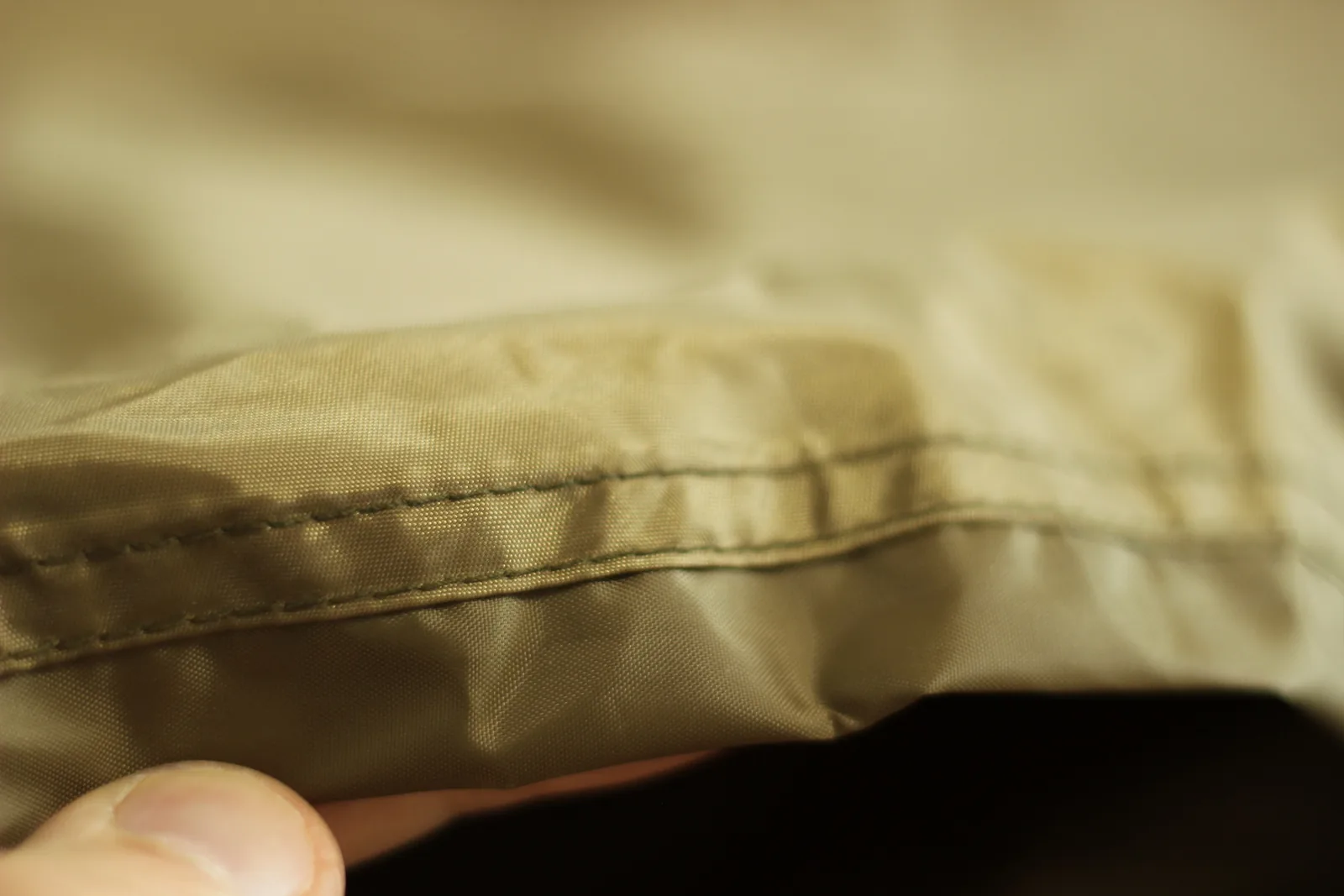
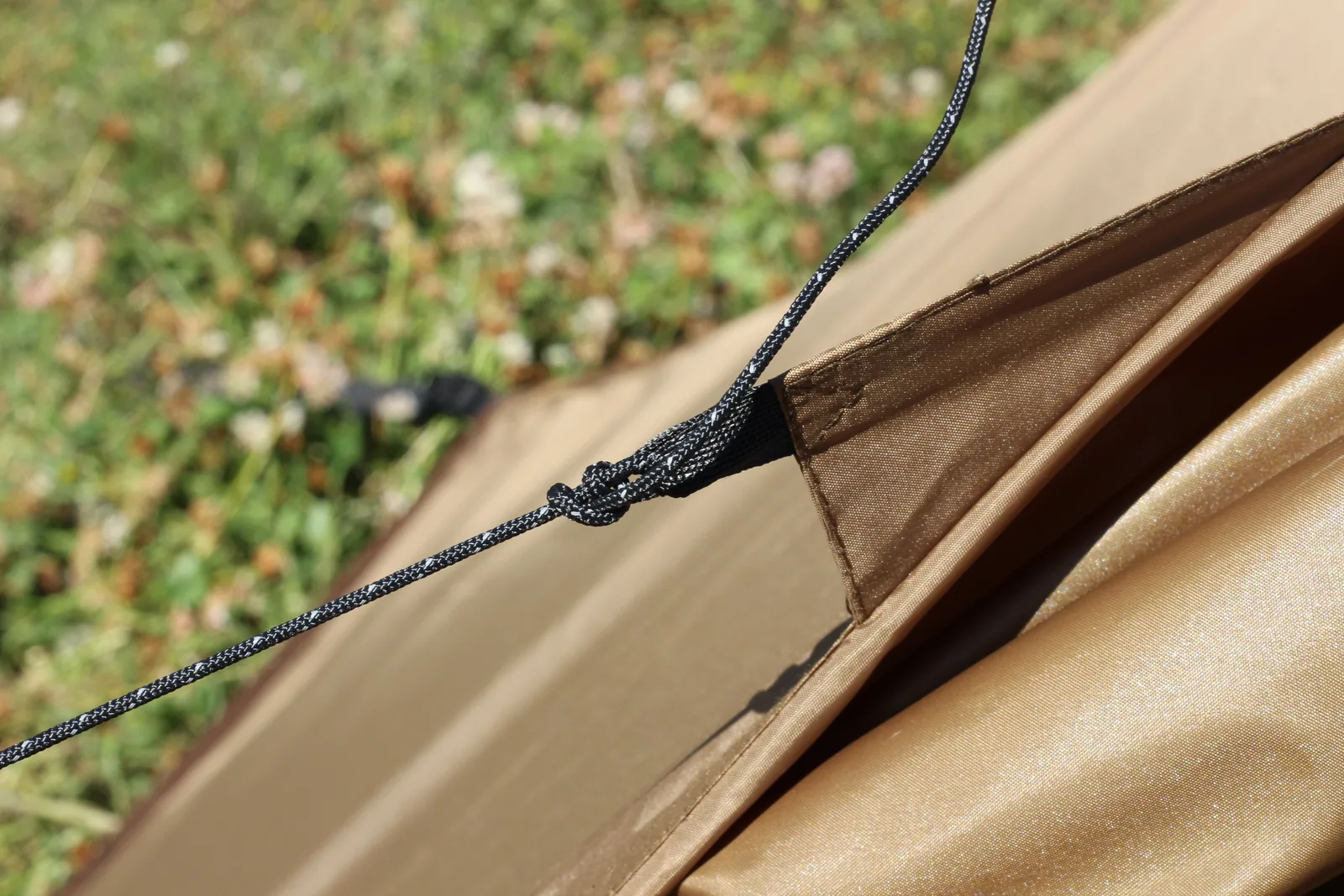
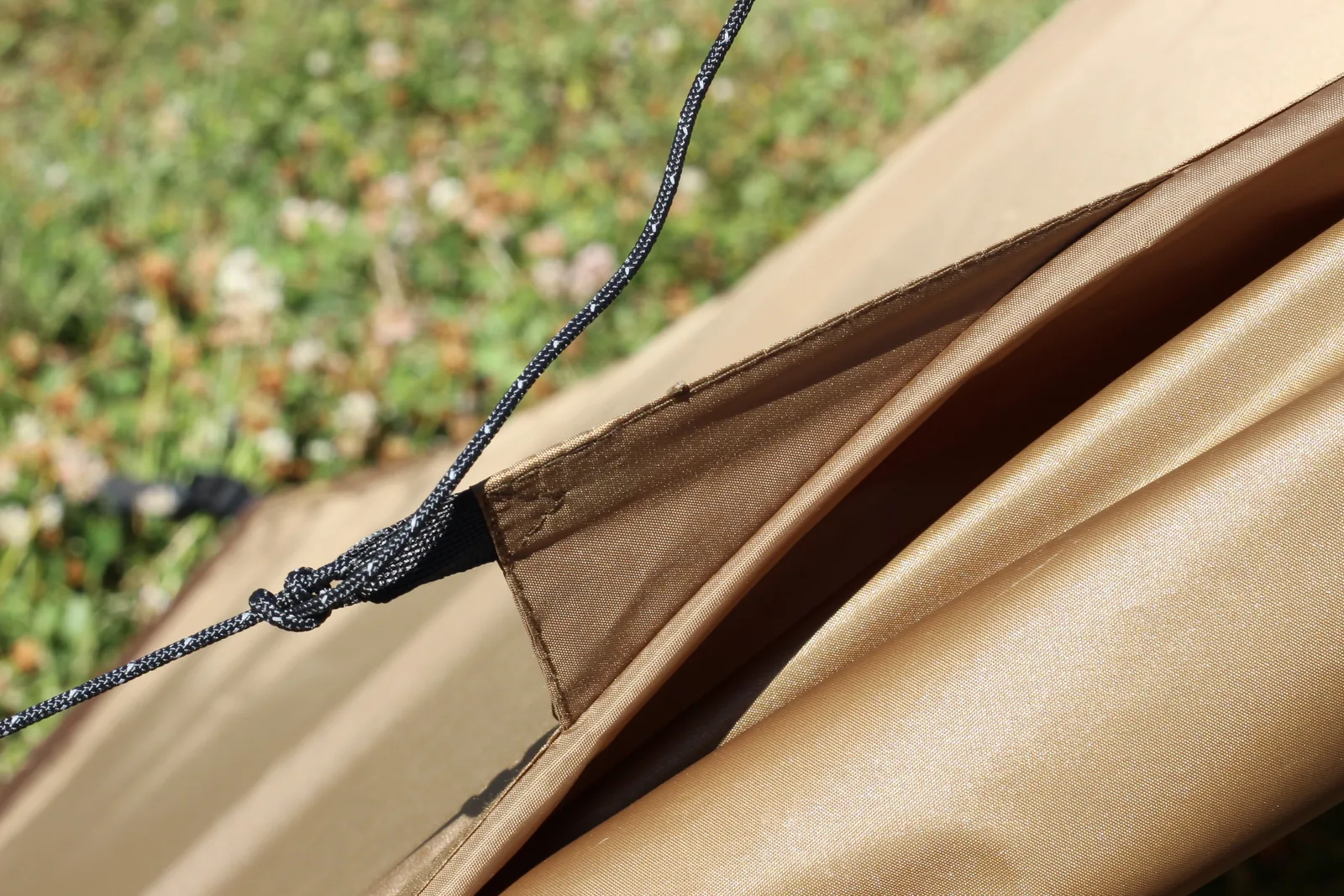
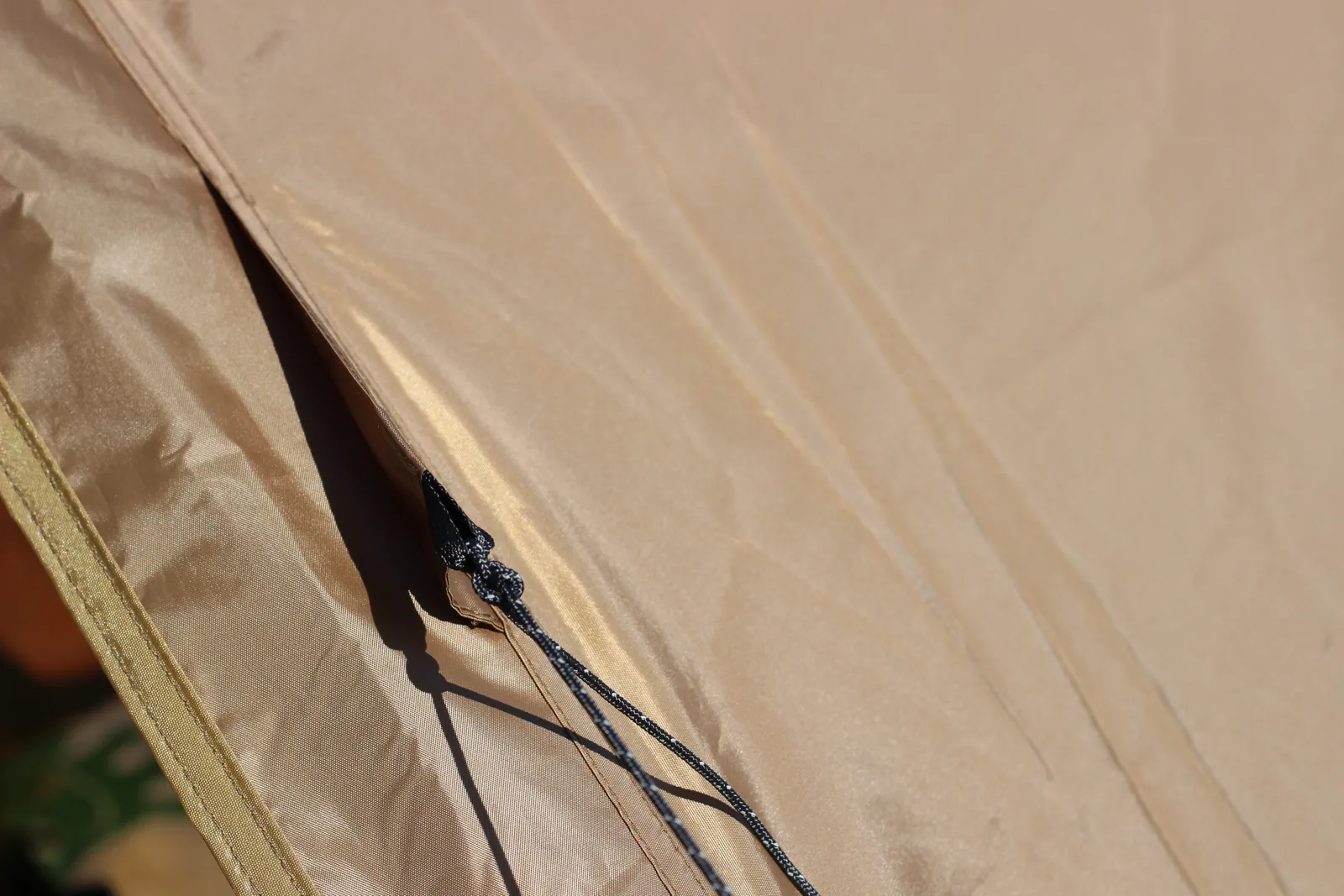
- Bar-tacked reinforcement at the guy-out tabs and double-stitched hems, which is more construction care than the price suggests
- Reflective tracer woven into the guy lines and tabs, so you find them in the dark rather than over them
Cons
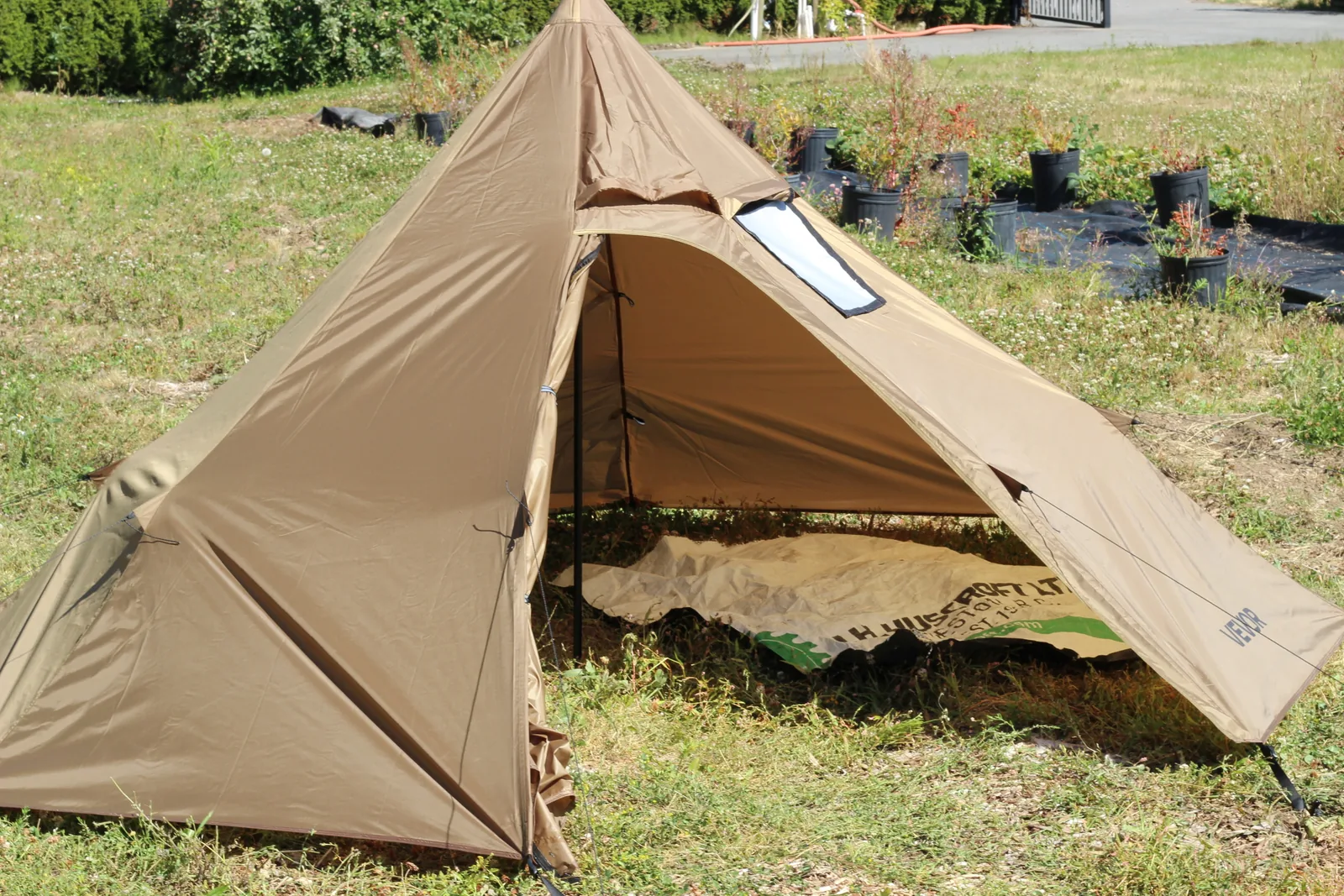
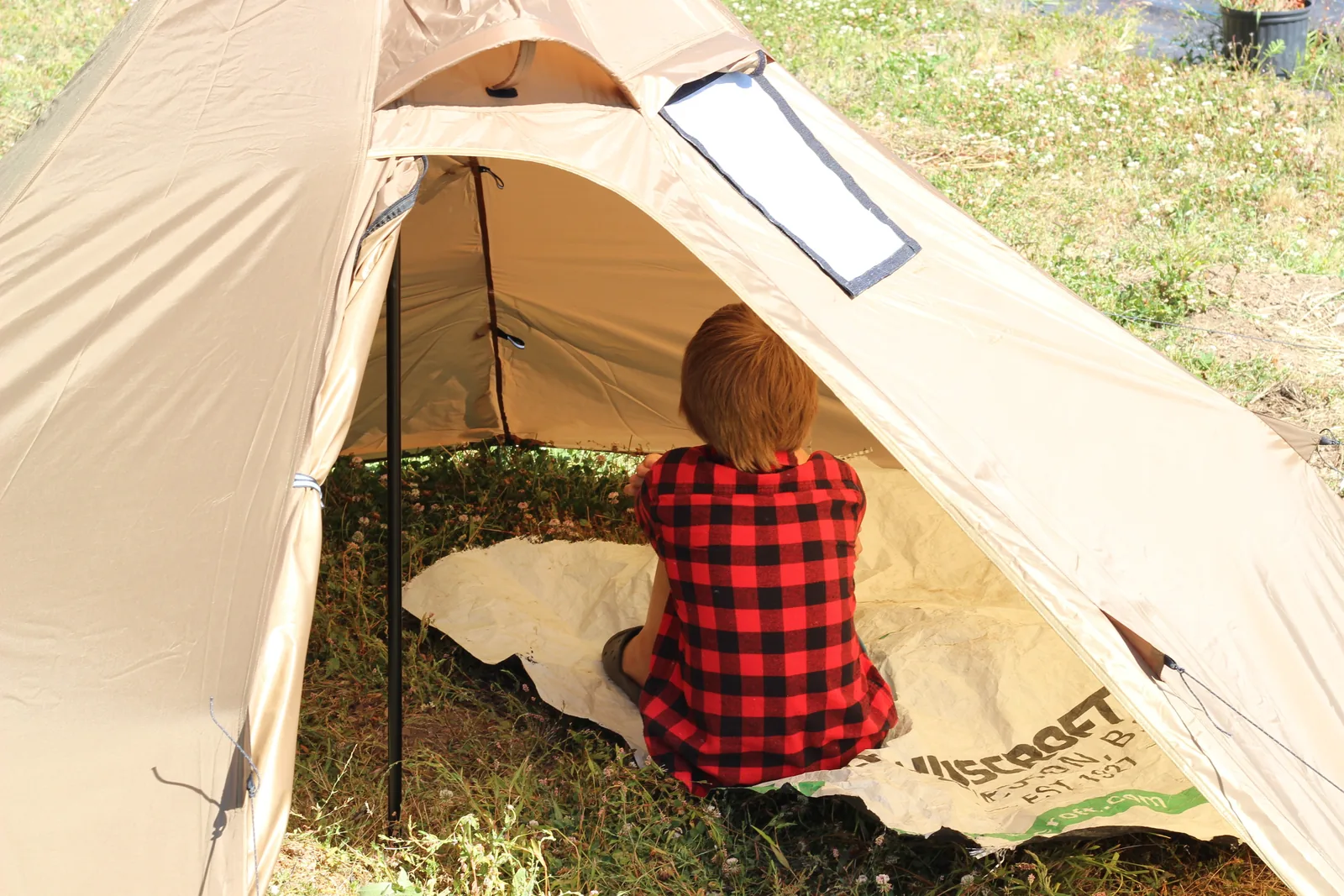
- No groundsheet and no inner tent are included — you supply the floor, and in our photographs it is a repurposed tarp
- 210T taffeta is light for a four-season claim; this is a shelter that handles weather, not a mountaineering tent
- Single wall means condensation, and with a stove running the difference between inside and outside temperature makes that worse rather than better
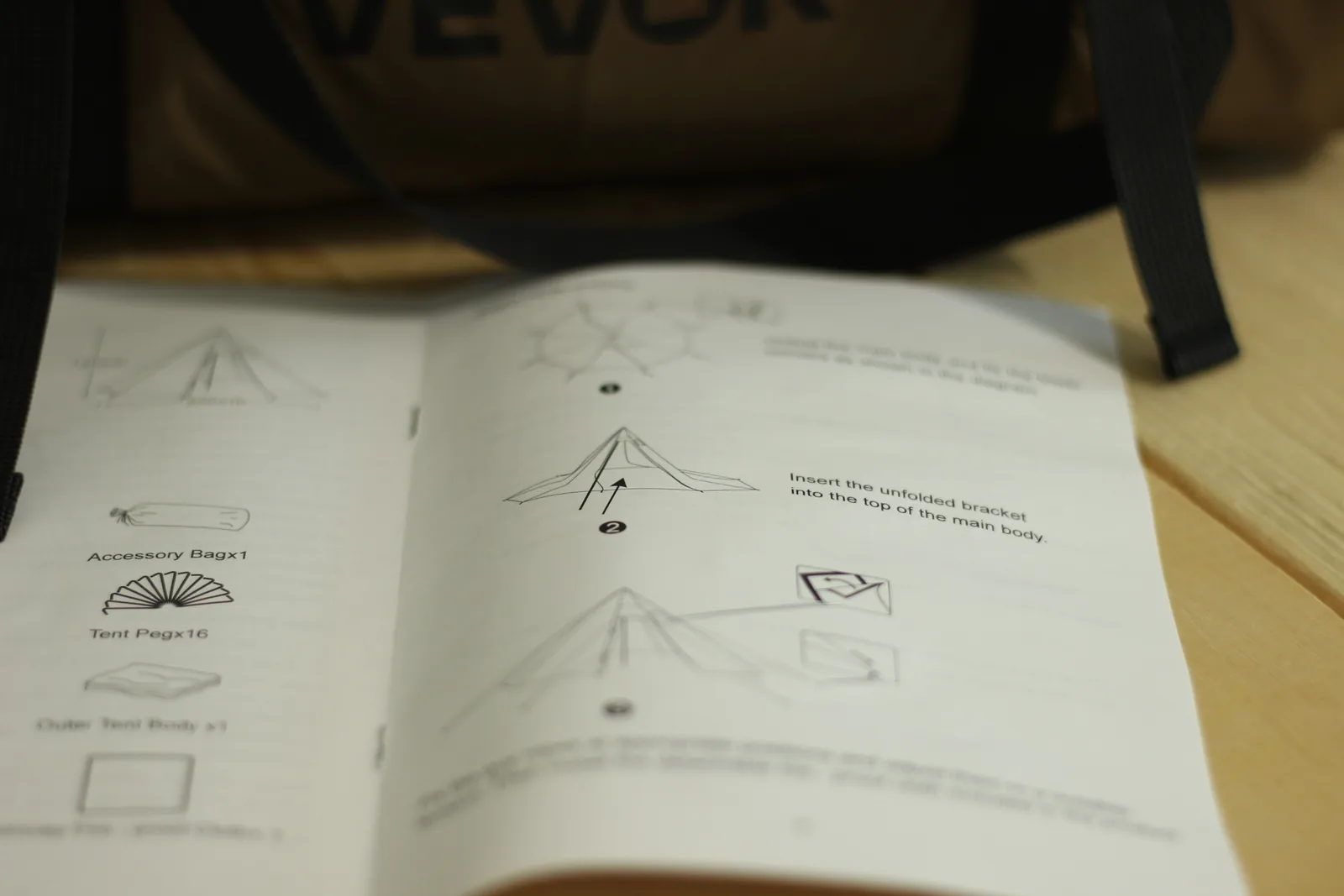
- The manual is a fold-out sheet of line drawings with minimal text — workable, but you will be interpreting diagrams rather than reading instructions
- The stove jack is a hole in a nylon tent; running a stove in it is your responsibility and demands a proper spark arrestor and clearances
A hot tent — a shelter with a sealed port in the wall for a wood stove chimney — has historically been a serious purchase. The established makers charge several hundred dollars and up, and for good reason: you are asking a fabric structure to live alongside a fire.
VEVOR’s YT-02 costs C$129.90 on the Canadian store — about US$80.90. That number is the whole reason this review exists, because a tent at that price either represents a genuine collapse in what hot tenting costs to enter, or it represents a set of omissions the buyer needs to understand before ordering. The honest answer is: some of both, and the omissions are knowable.
What follows is what came in the carton, how it is built where we could photograph the construction, how it looks pitched, and a clear account of what that price does not buy.
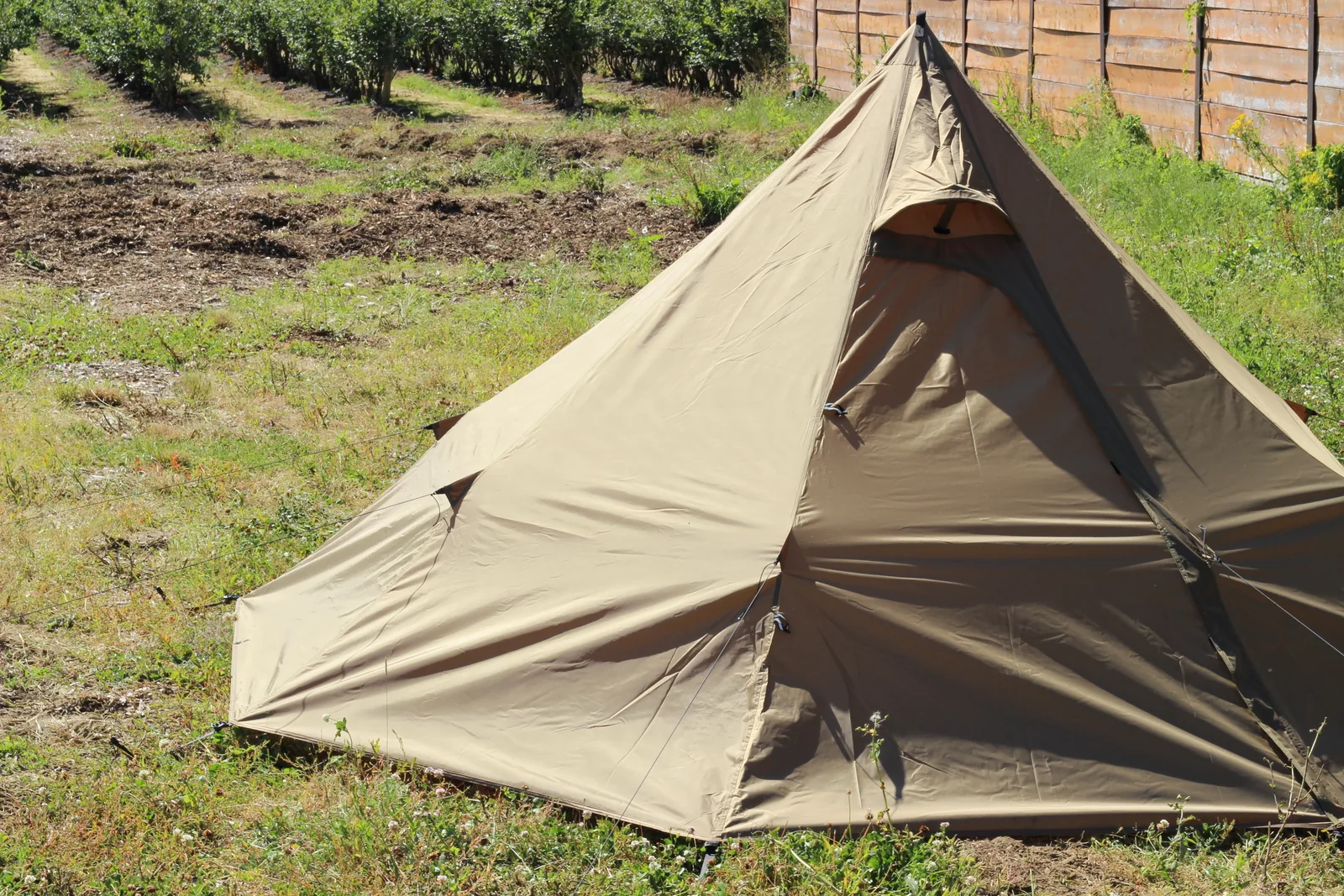
At a glance
In the Box
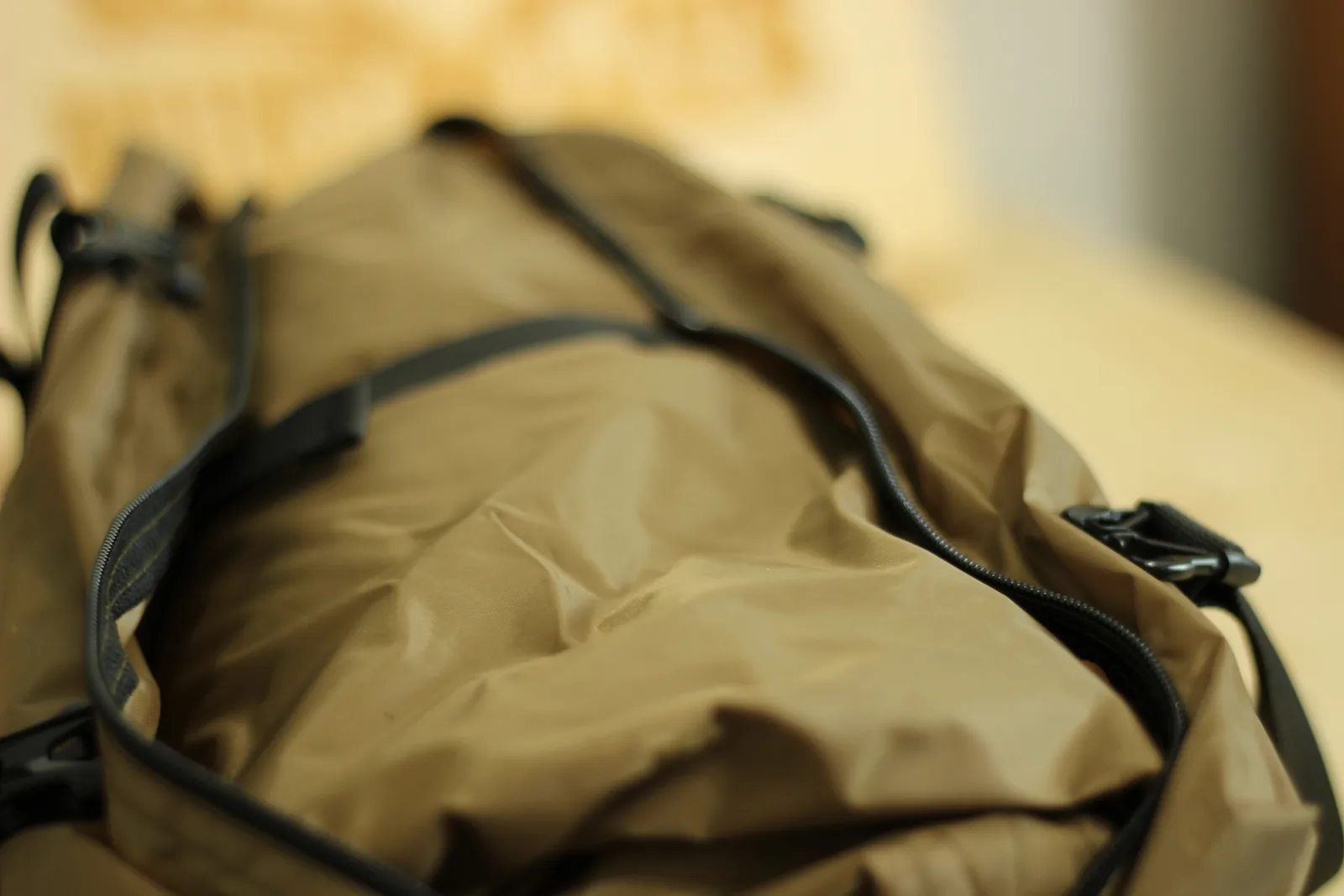
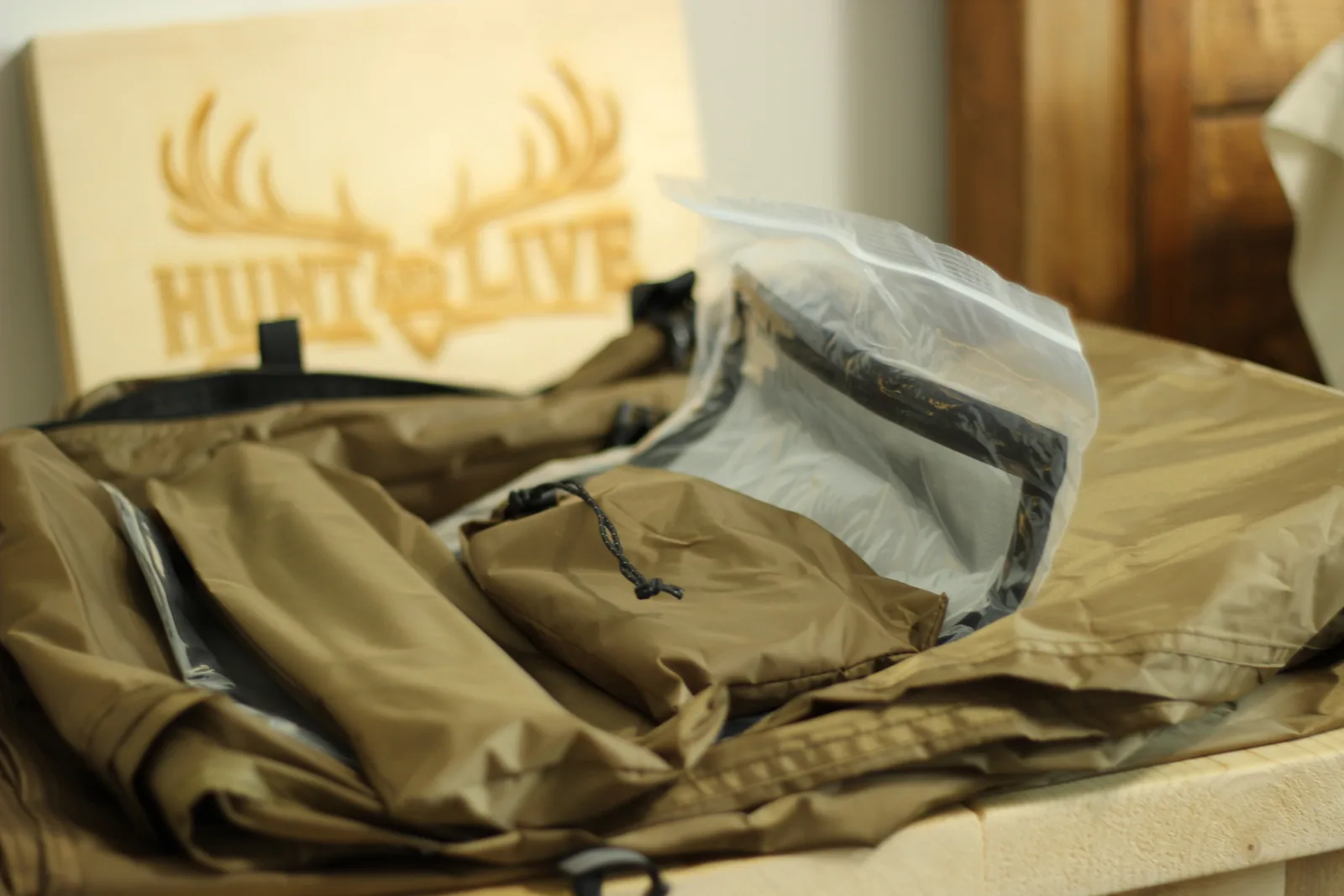
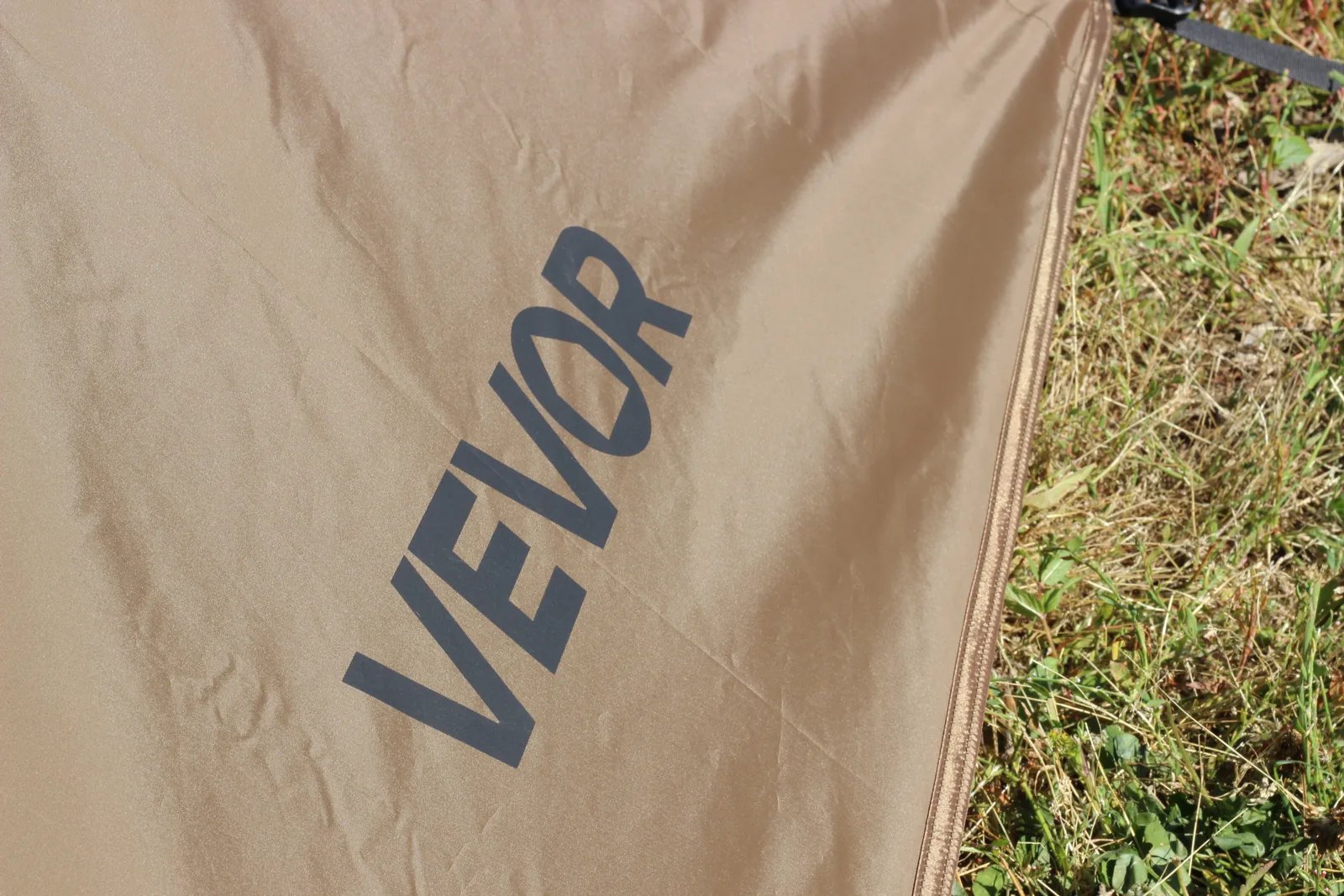
It arrives in a plain corrugated carton with the VEVOR wordmark and the company’s slogan printed across it, and nothing else.
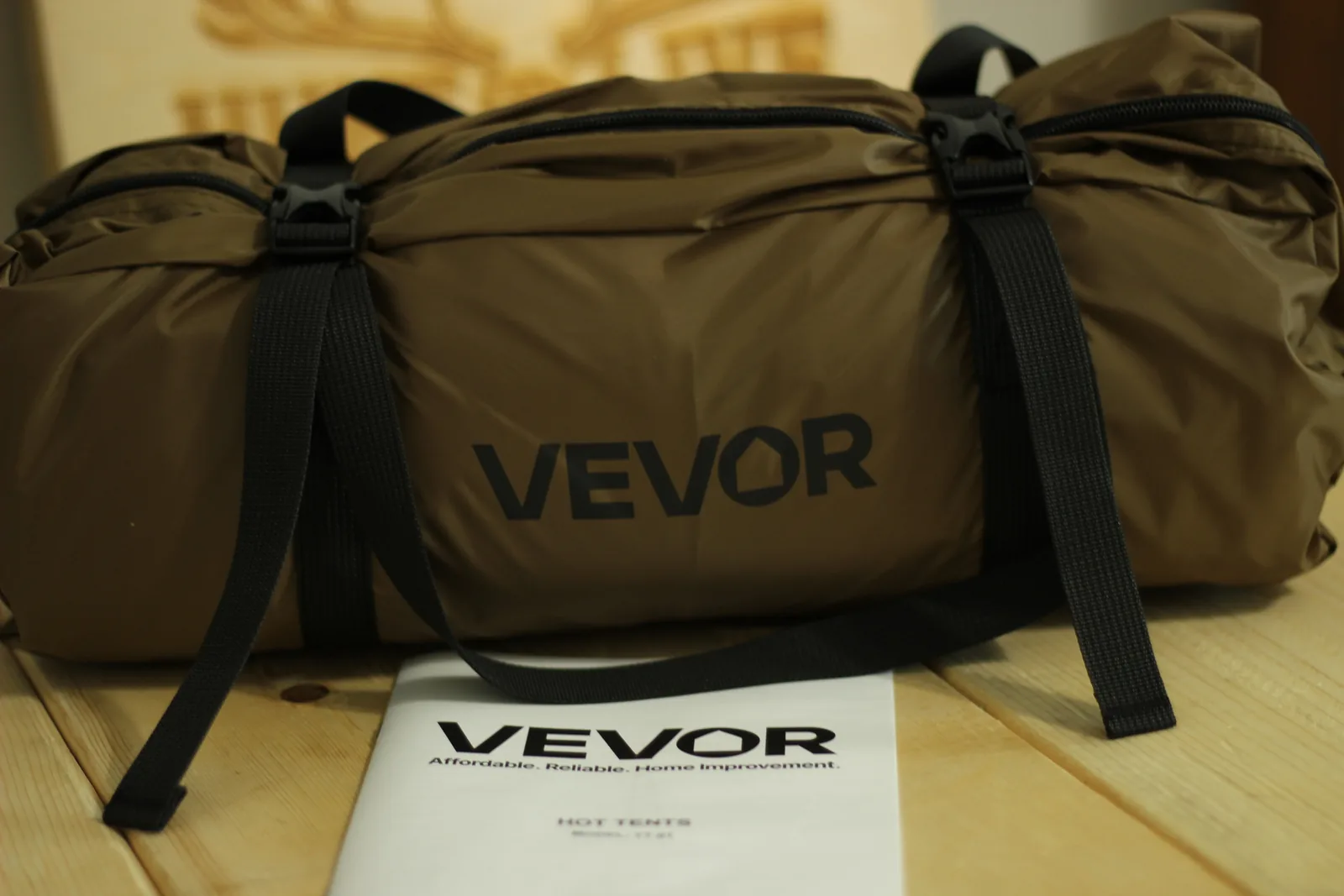
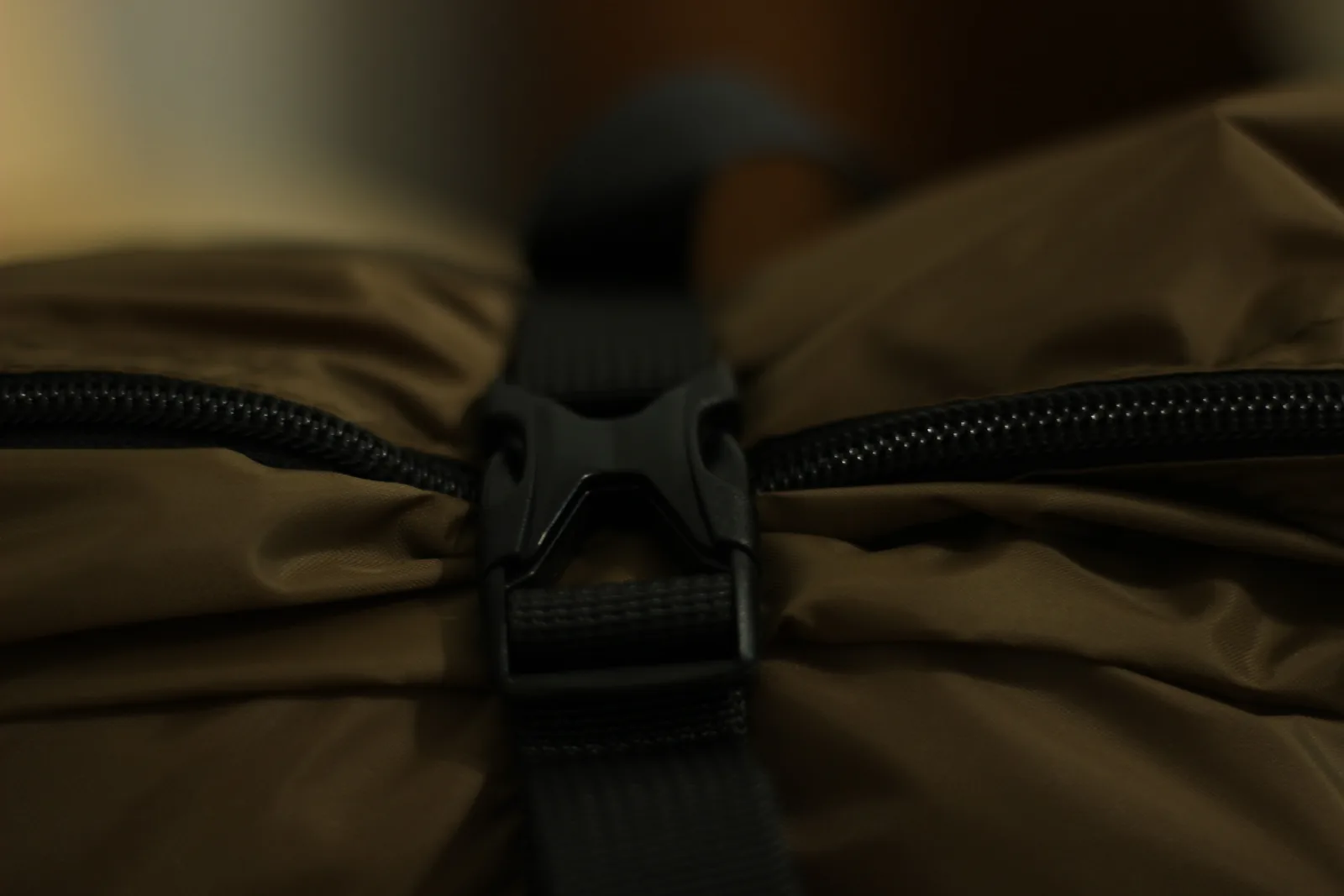
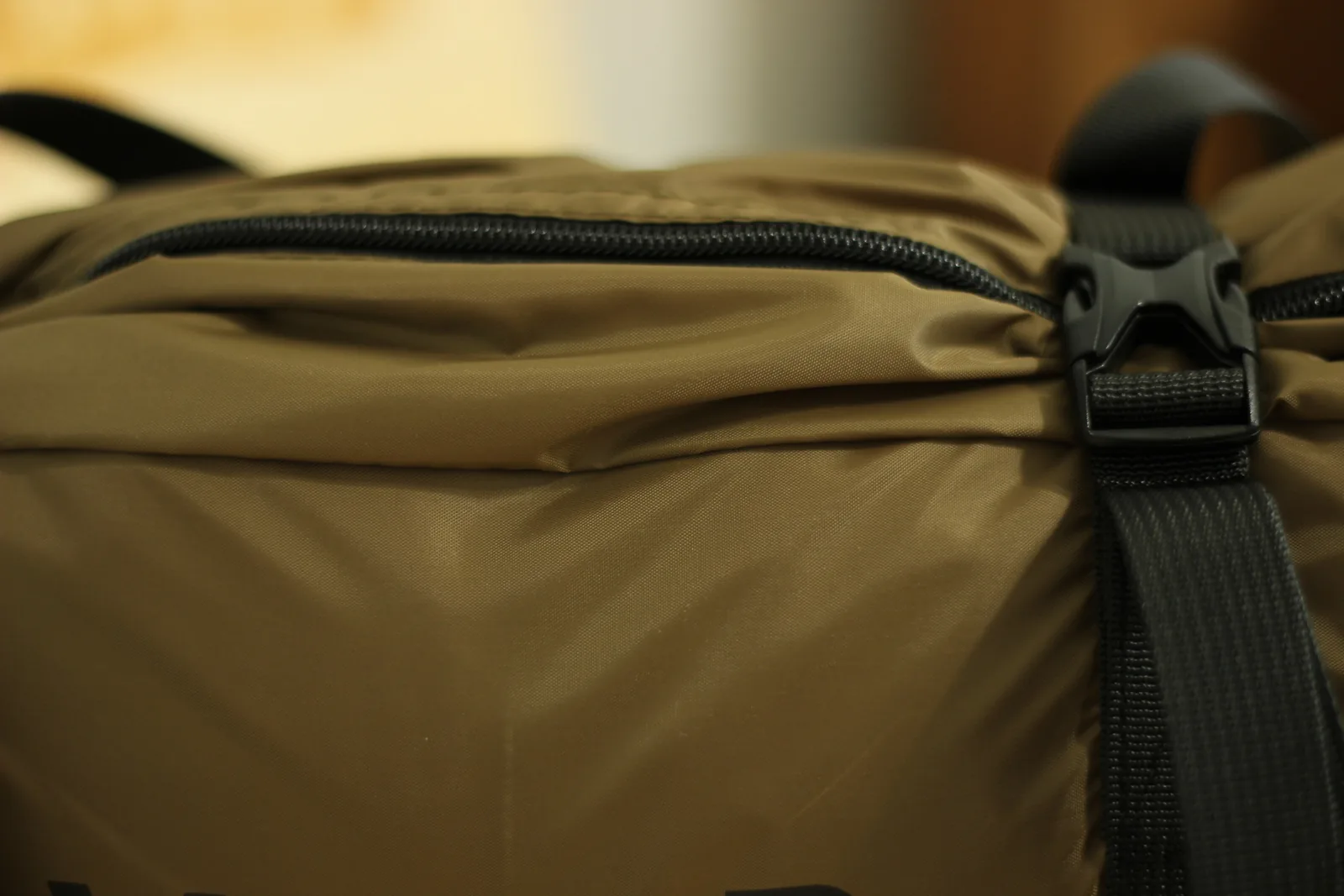
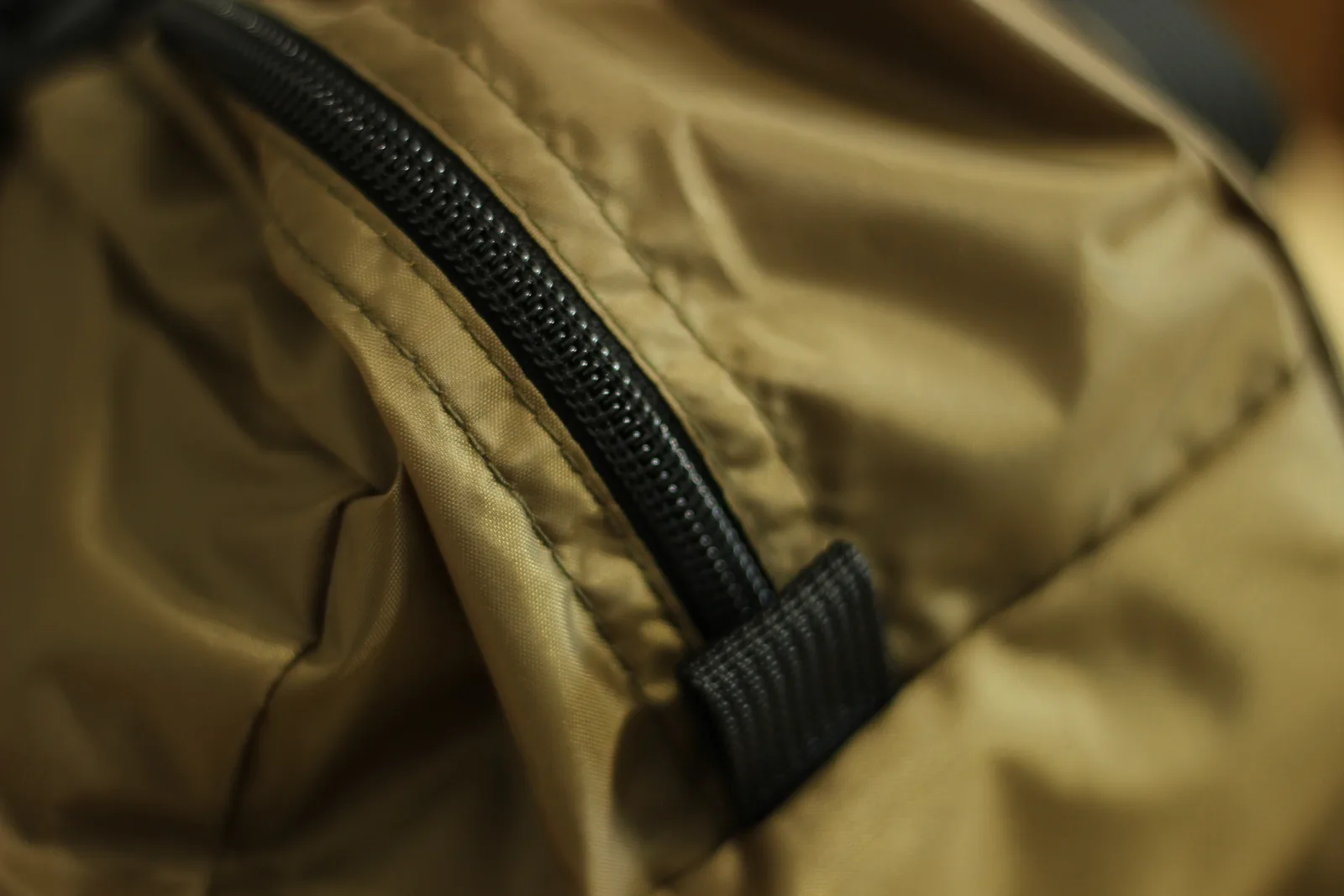
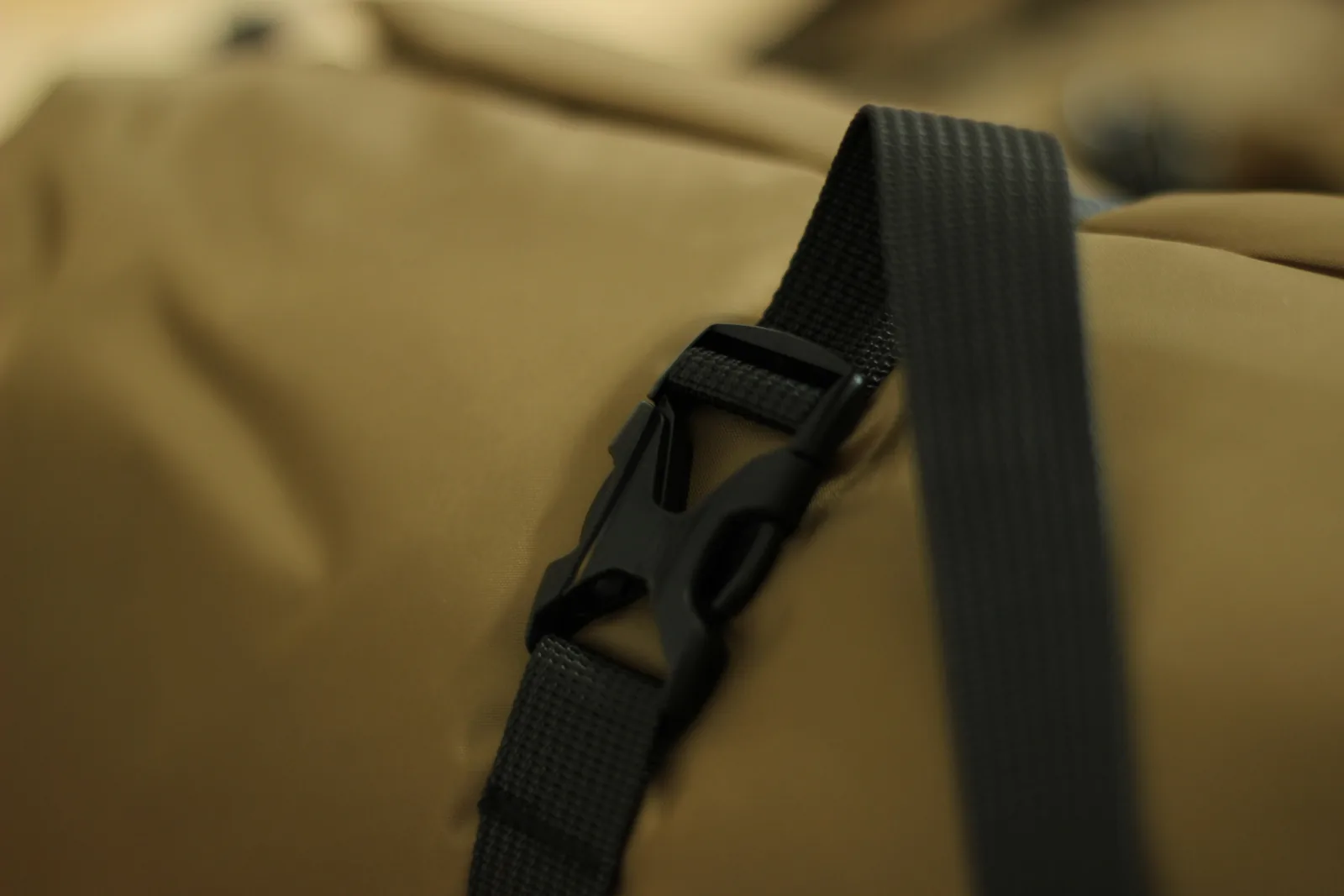
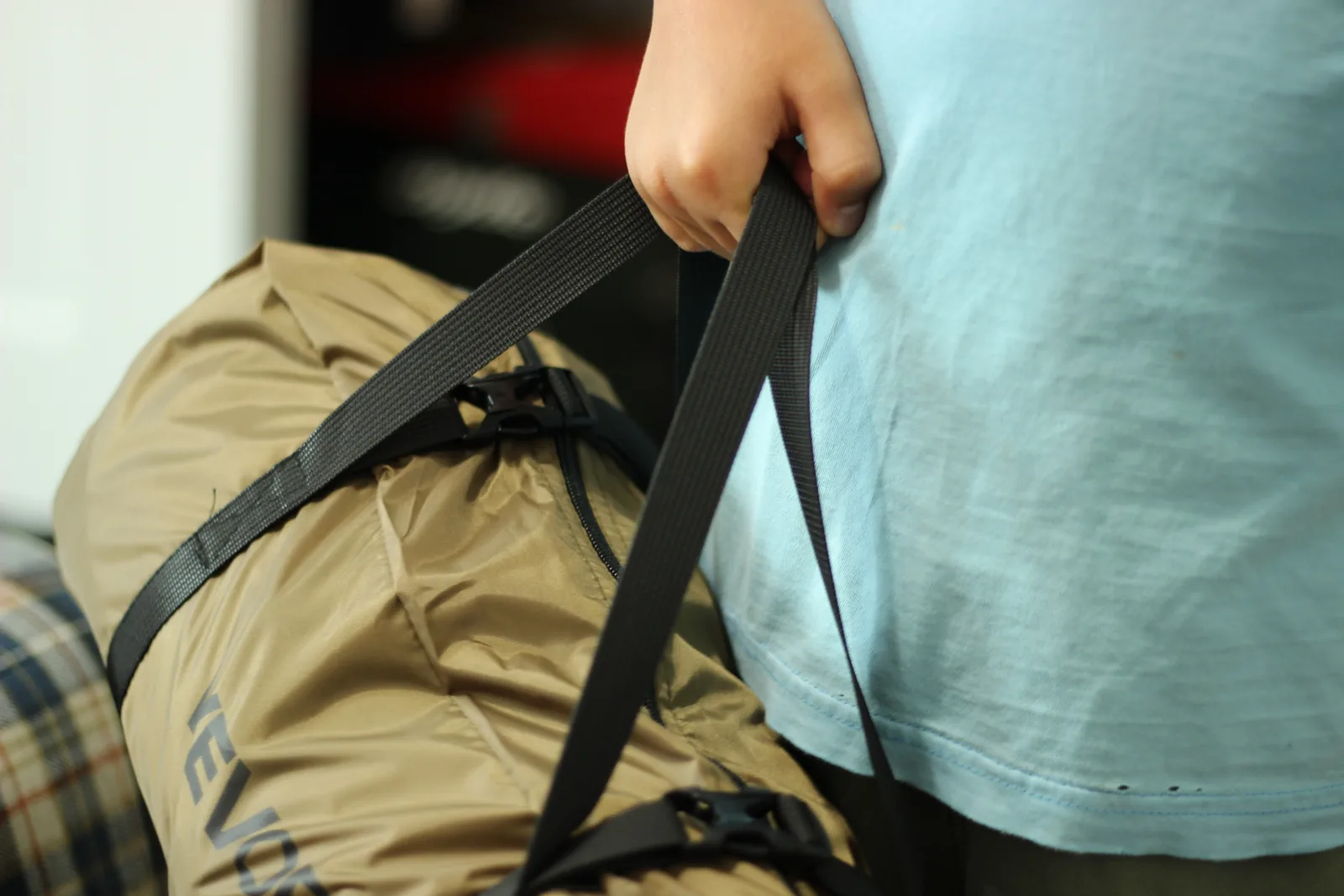
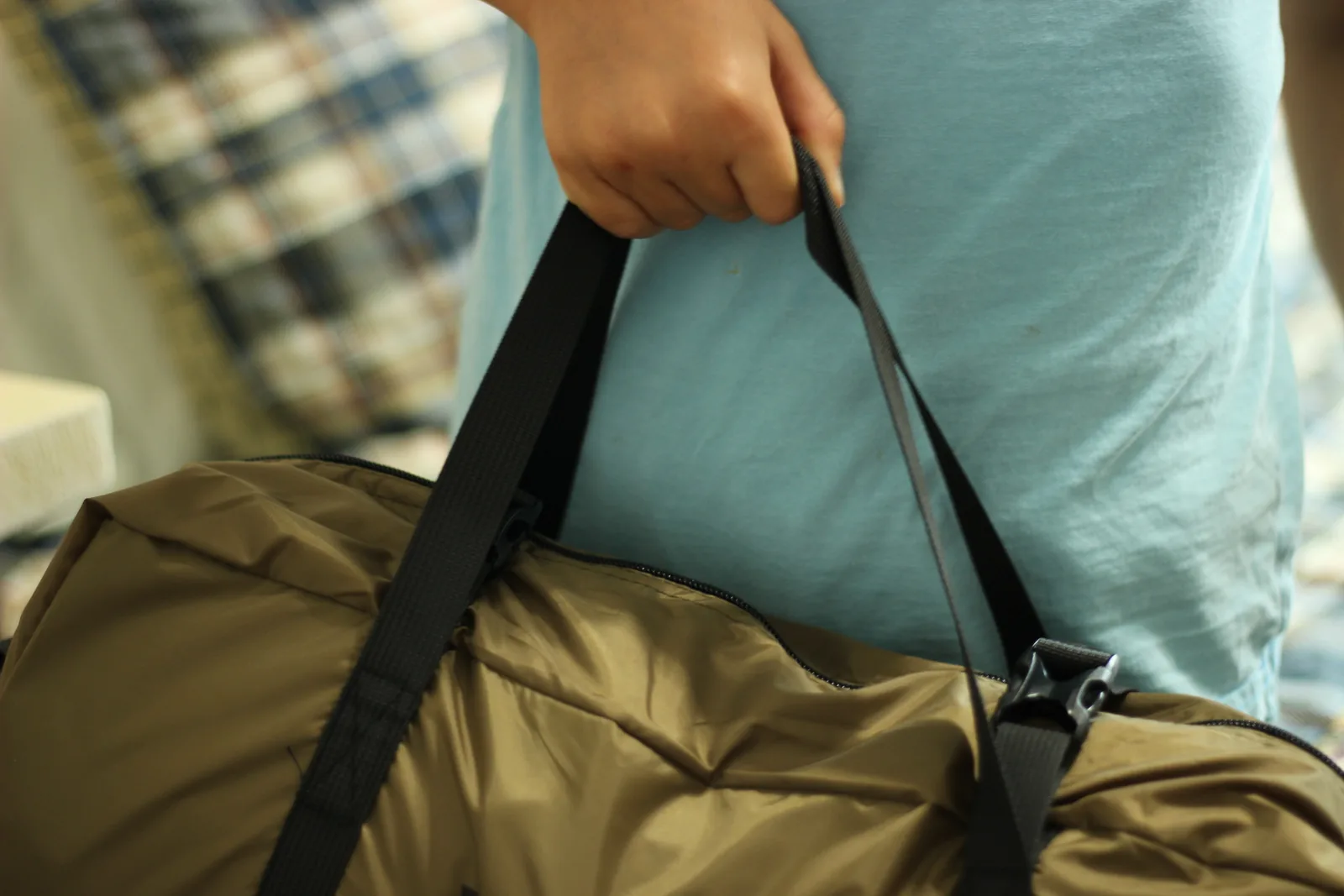
The bag itself is better than it needs to be for something that is, functionally, a sack.
Design and Build
The fabric, and what 210T at PU2500 means
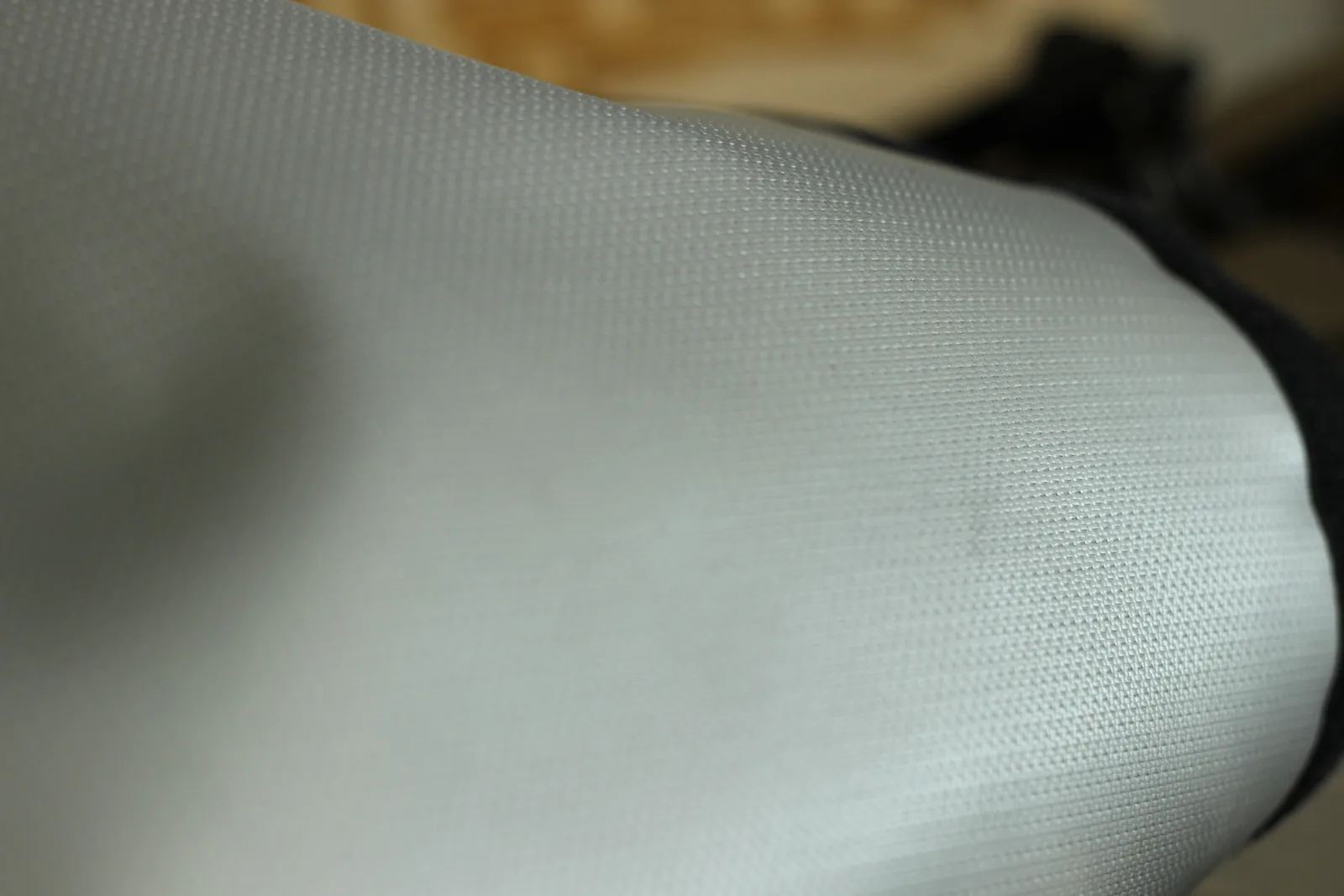
The canopy is 210T taffeta with a PU 2500 mm coating. Those two numbers describe the whole trade this tent makes, so they are worth unpacking.
210T is a thread-count figure, not a strength figure — it tells you the weave is fine and light. 2500 mm is the hydrostatic head: the height of a water column the fabric will hold before it wets through. For context, roughly 1500 mm is the usual threshold for calling a fabric waterproof, and serious mountain flysheets run 3000 mm and up. 2500 mm is comfortably into “will keep rain out” territory and short of “will shrug off a week of Pacific coast winter.”
What it is not is heavy. This is a light, packable shelter that sheds weather, and treating it as a four-season expedition tent because the listing says “4 season” would be a mistake.

Where the construction is better than the price
The load points are where cheap tents fail, and this is where the YT-02 spends its money.
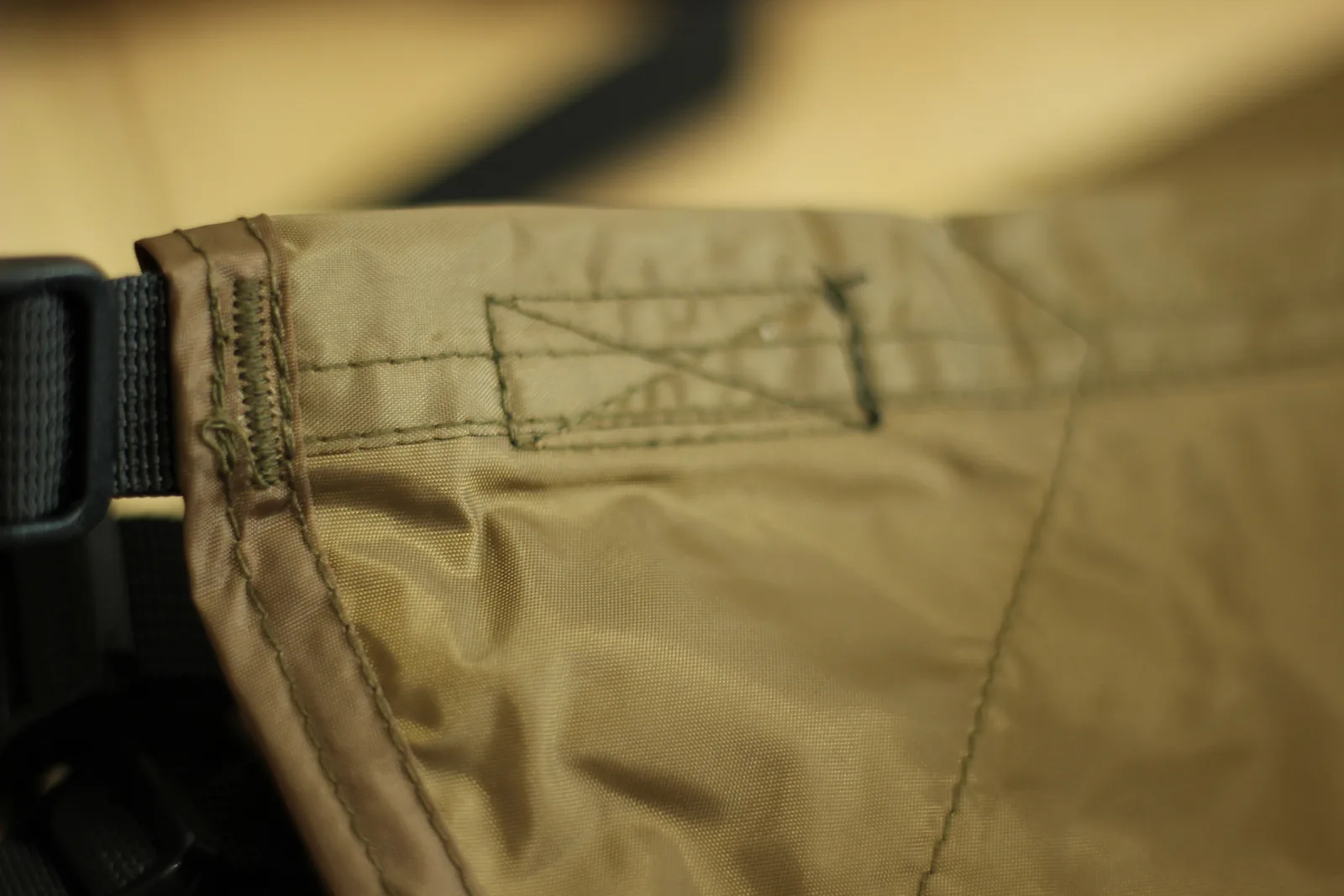
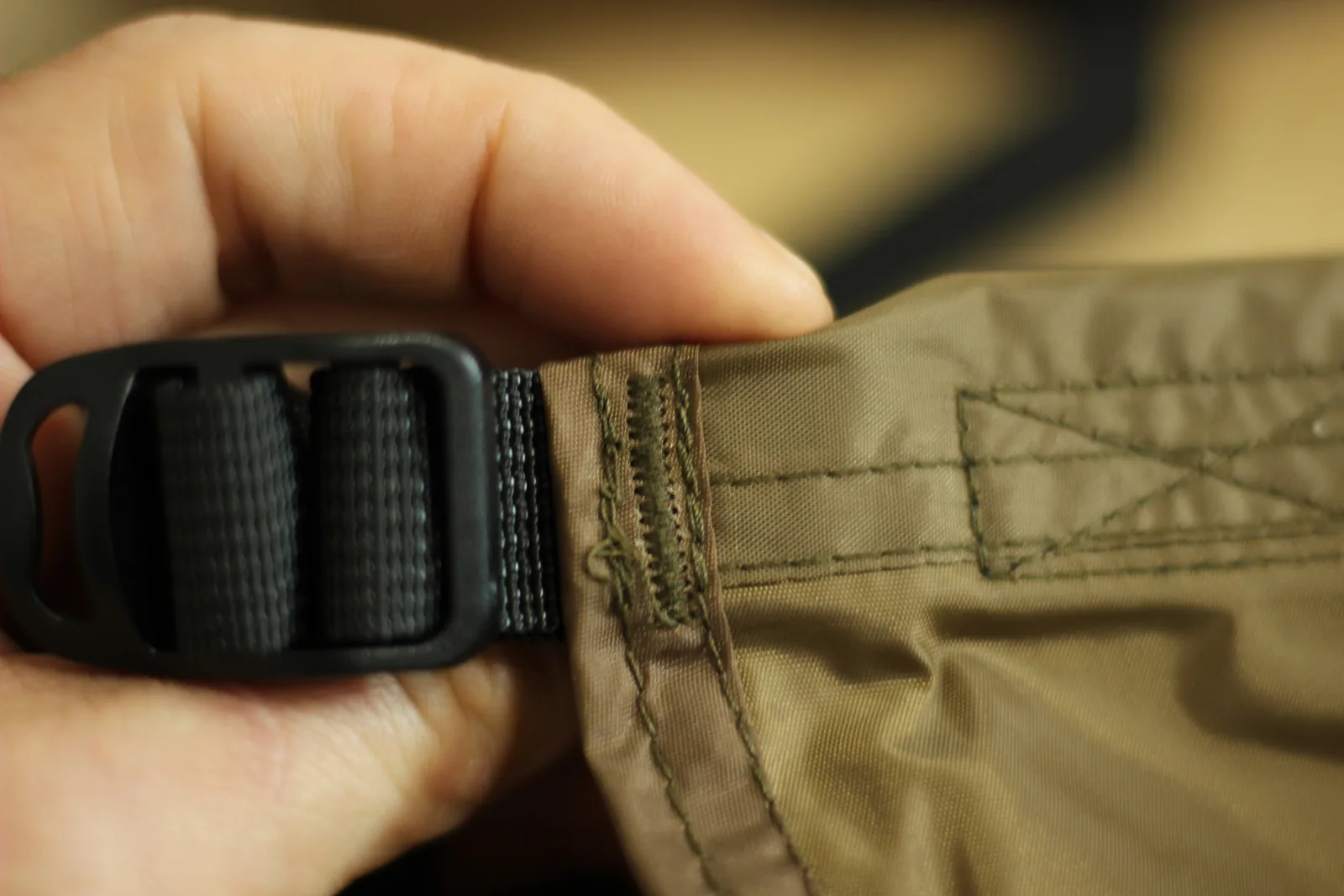
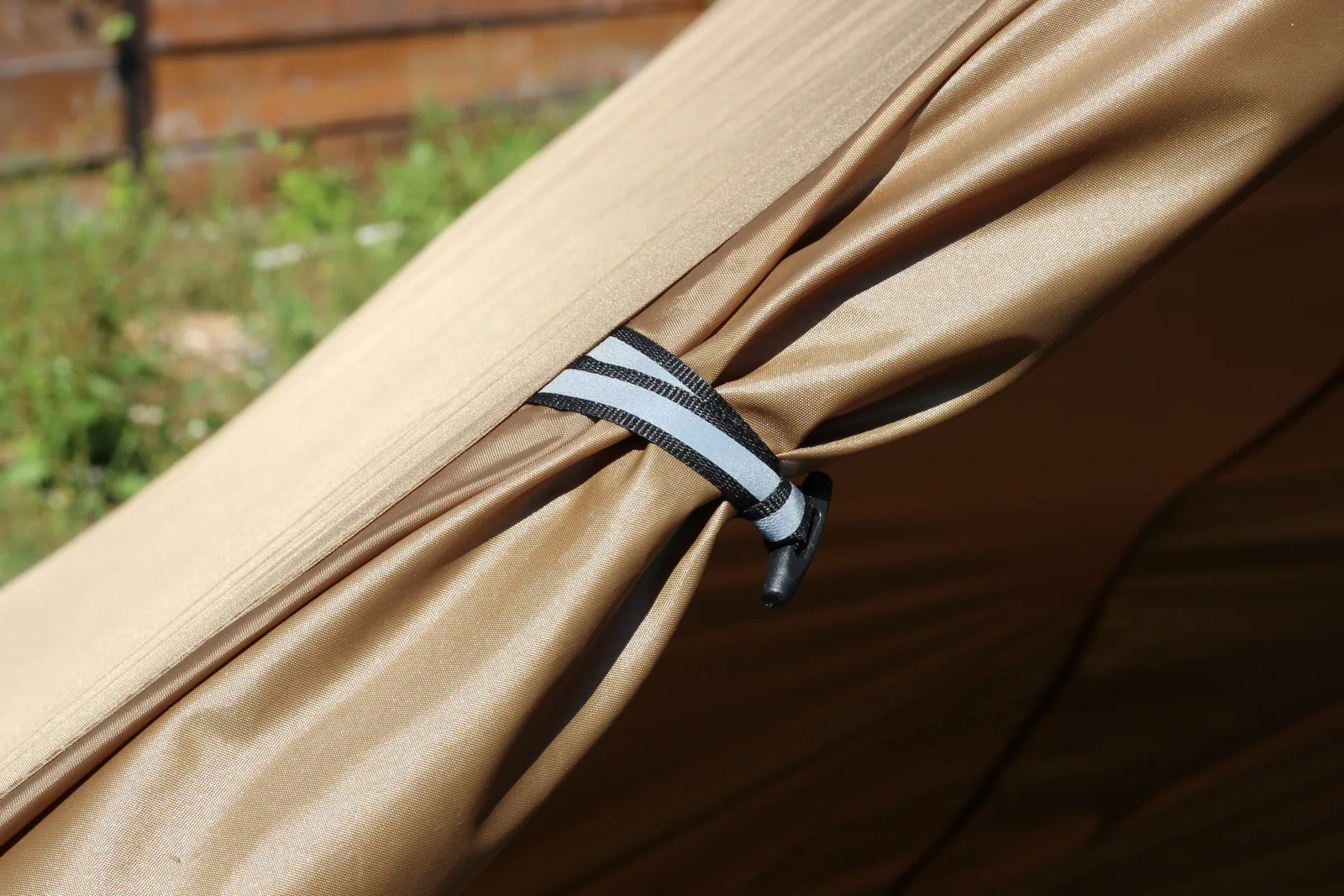
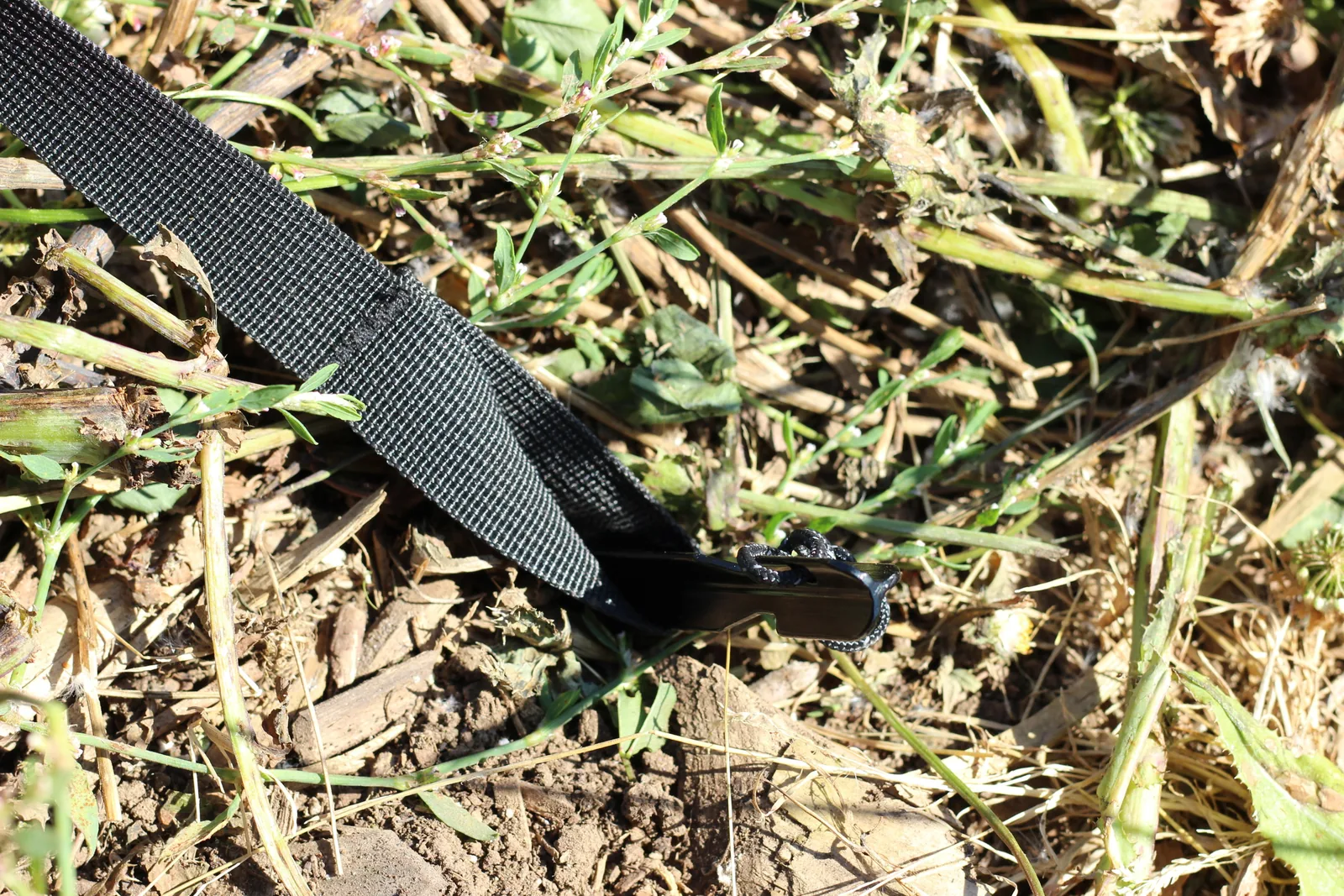
The stove jack
This is the feature that makes it a hot tent rather than a cheap tipi, and it is a real one.
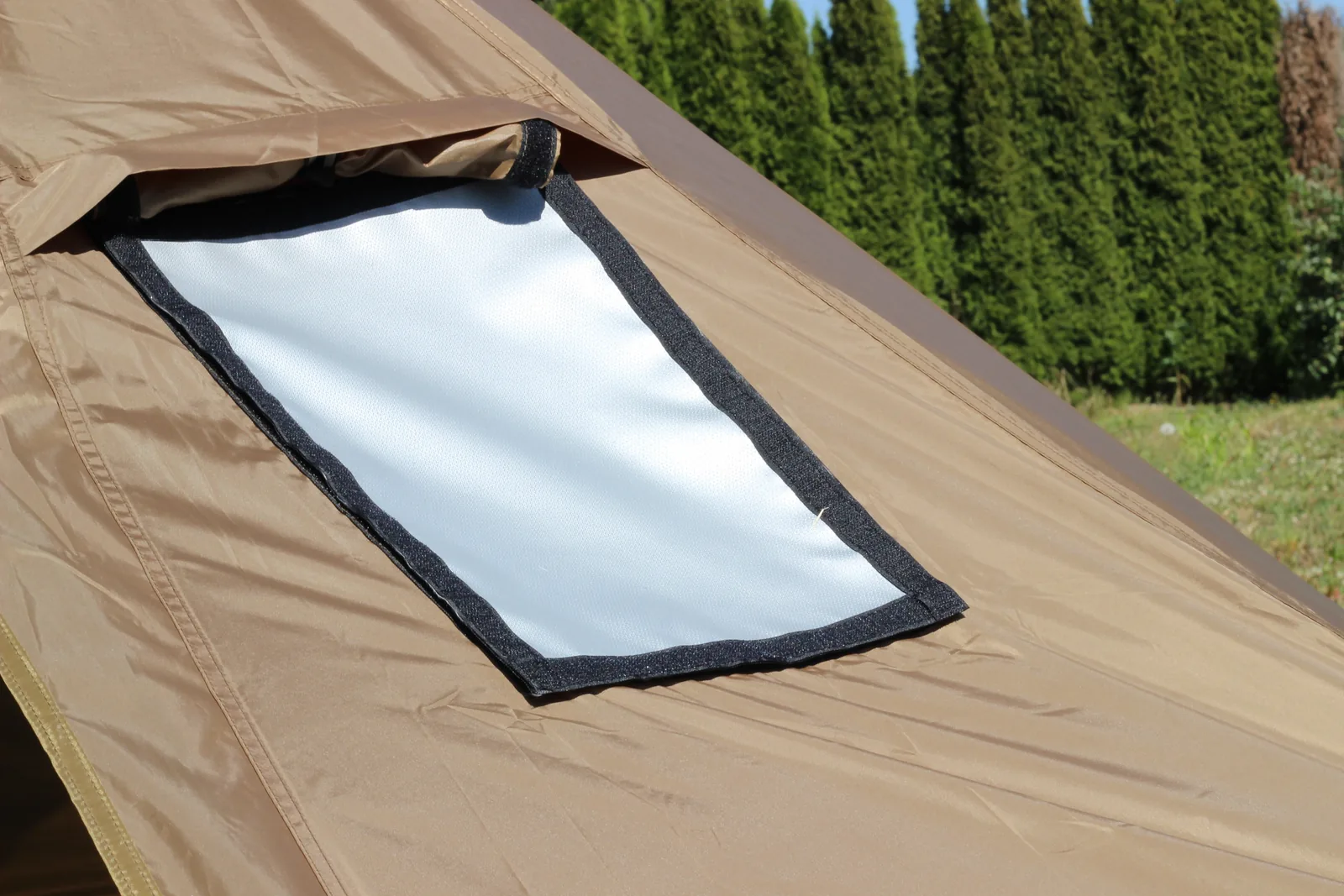
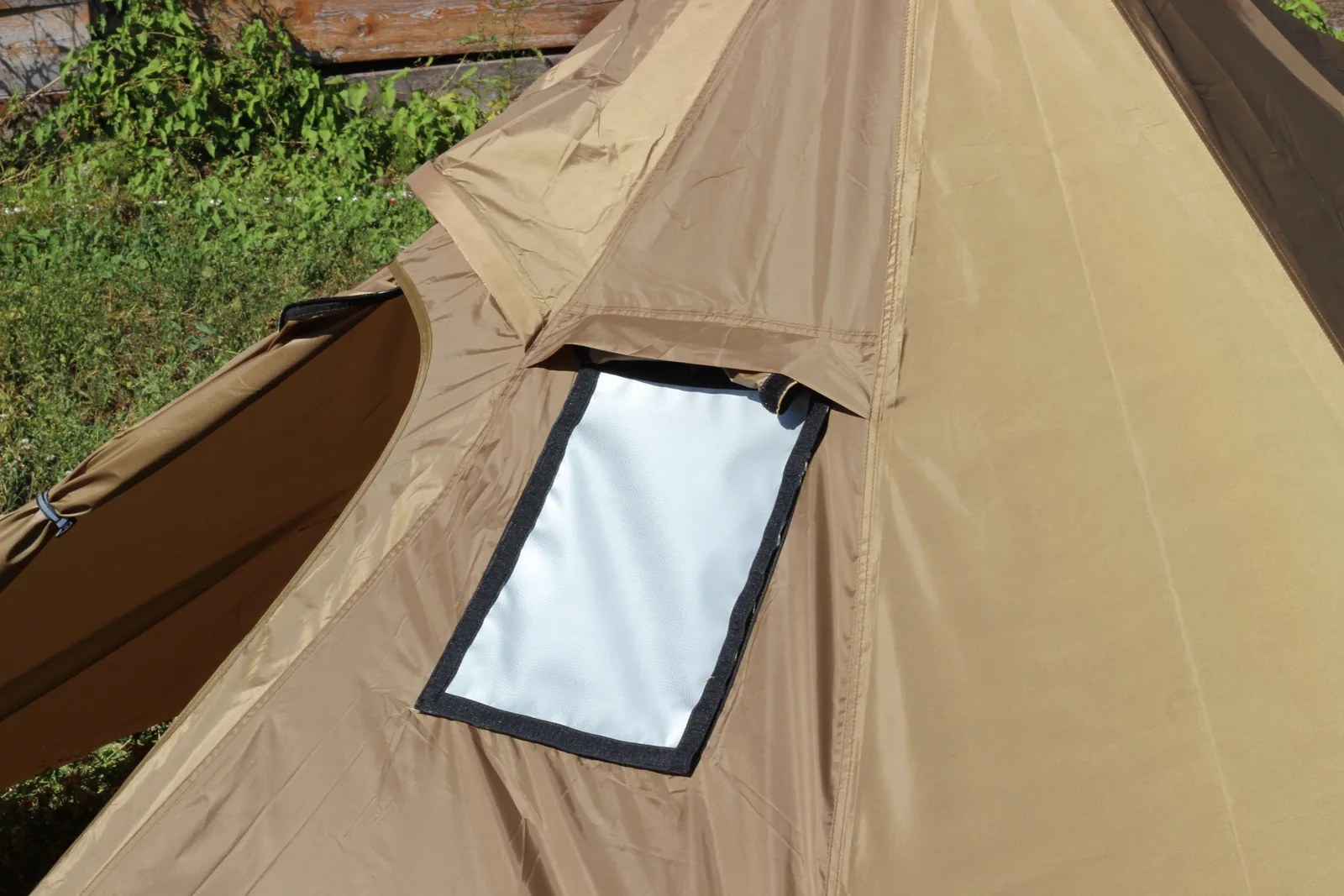
The obvious caveat, stated plainly: this is a hole in a nylon tent. The flame-retardant panel manages the immediate contact area around the pipe. Everything else — a spark arrestor on the chimney, adequate clearance to the fabric, a stove that is not overfired, and a carbon-monoxide alarm — is entirely on the owner. We cover the stove side of this in our Winnerwell stove review.
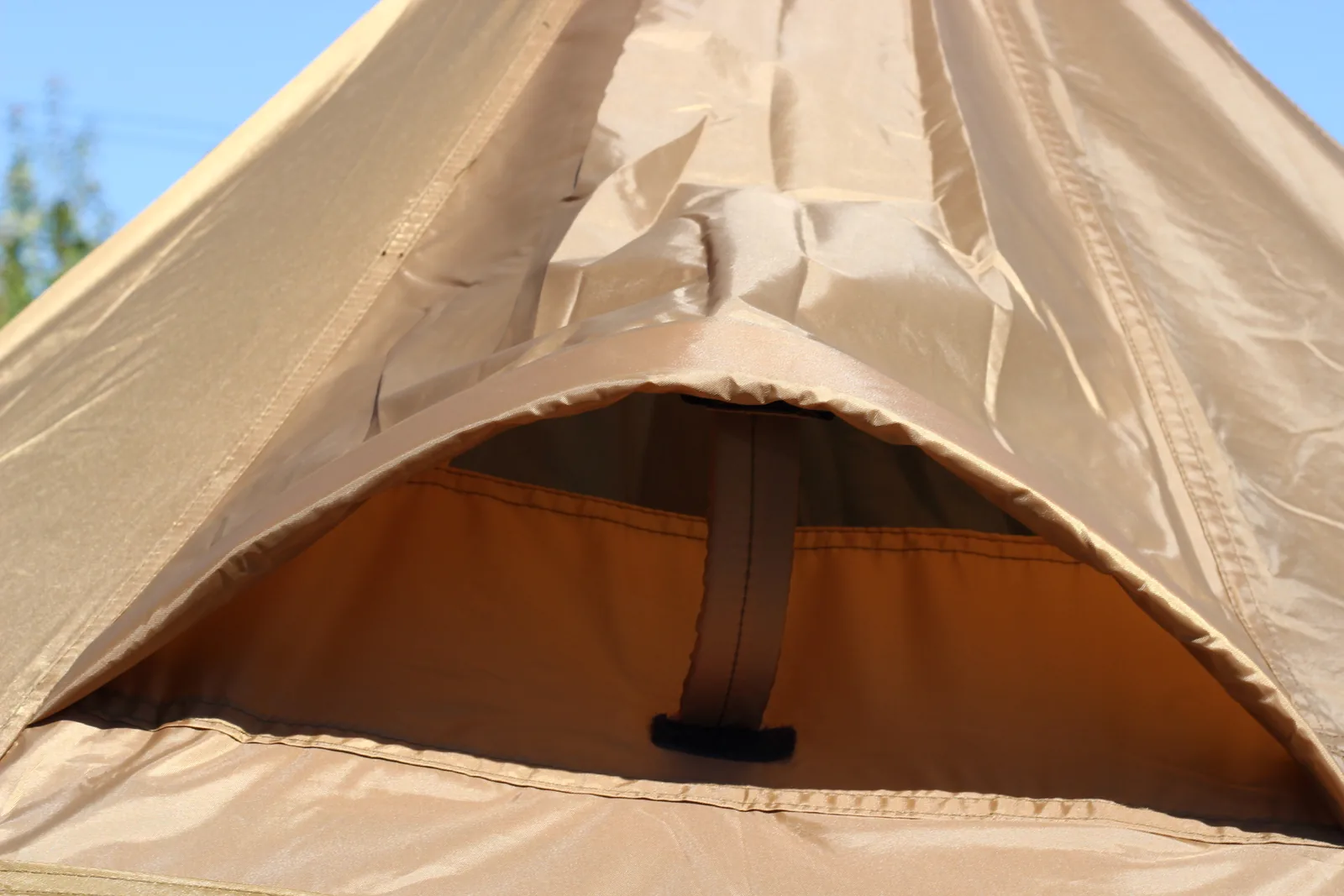
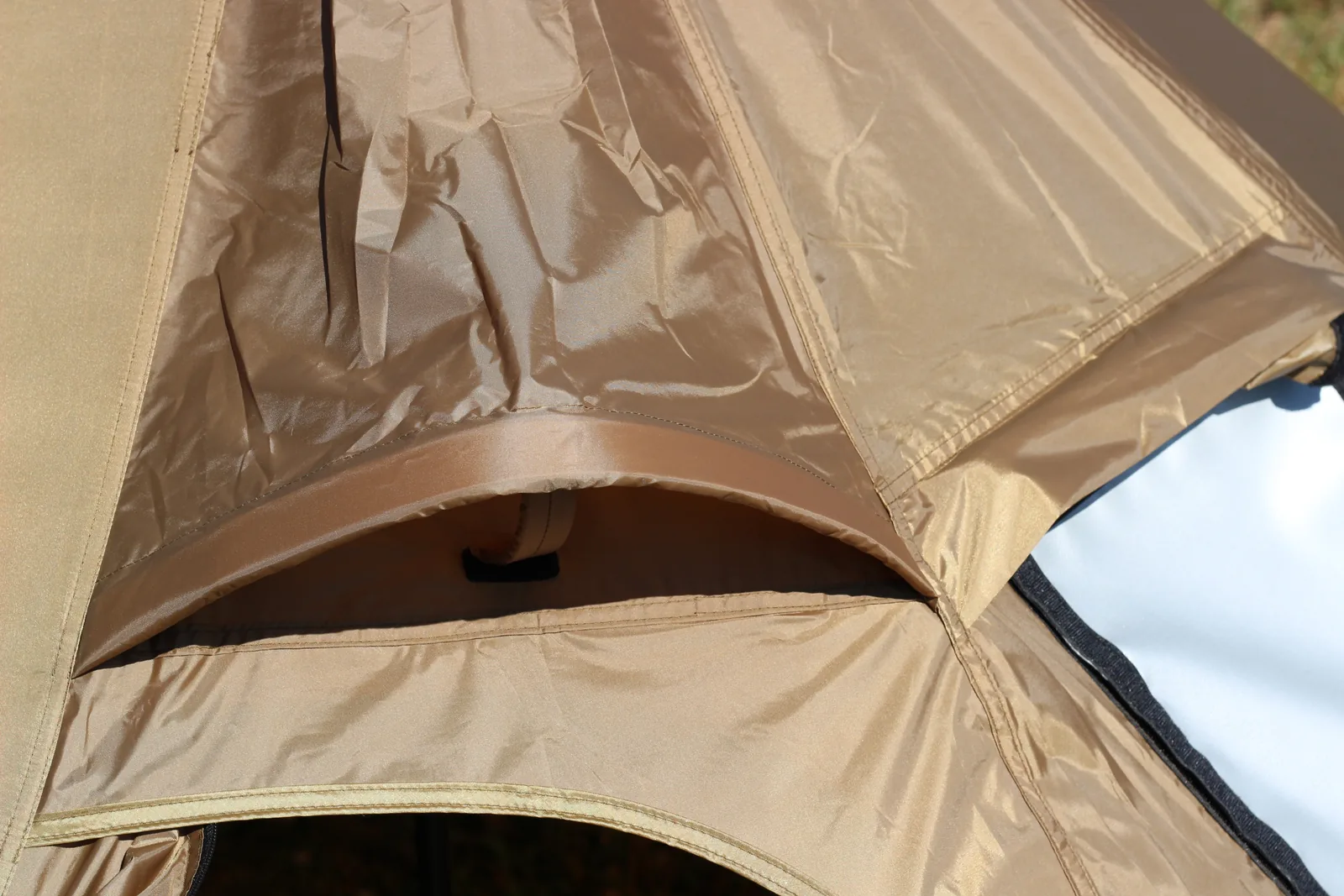
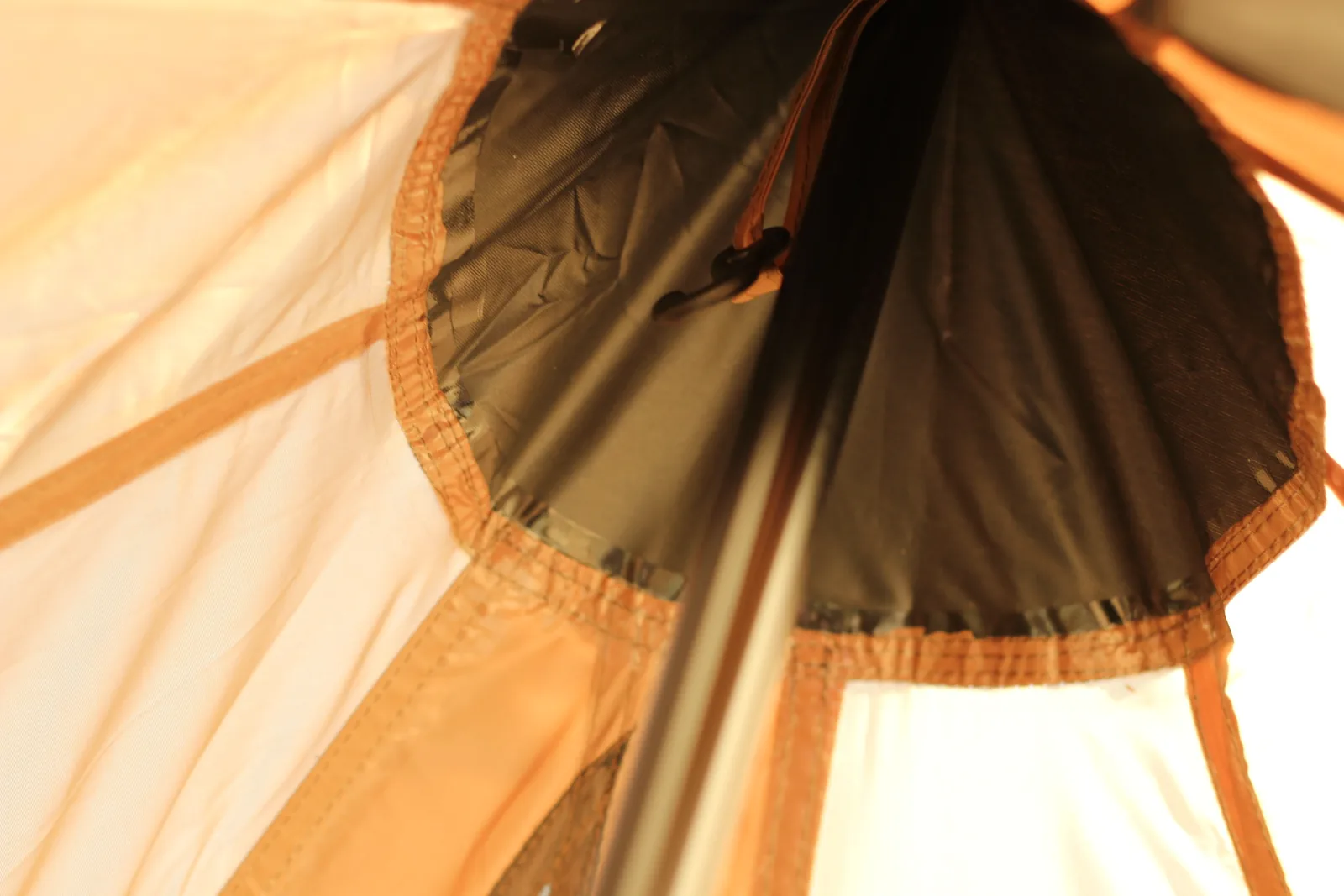
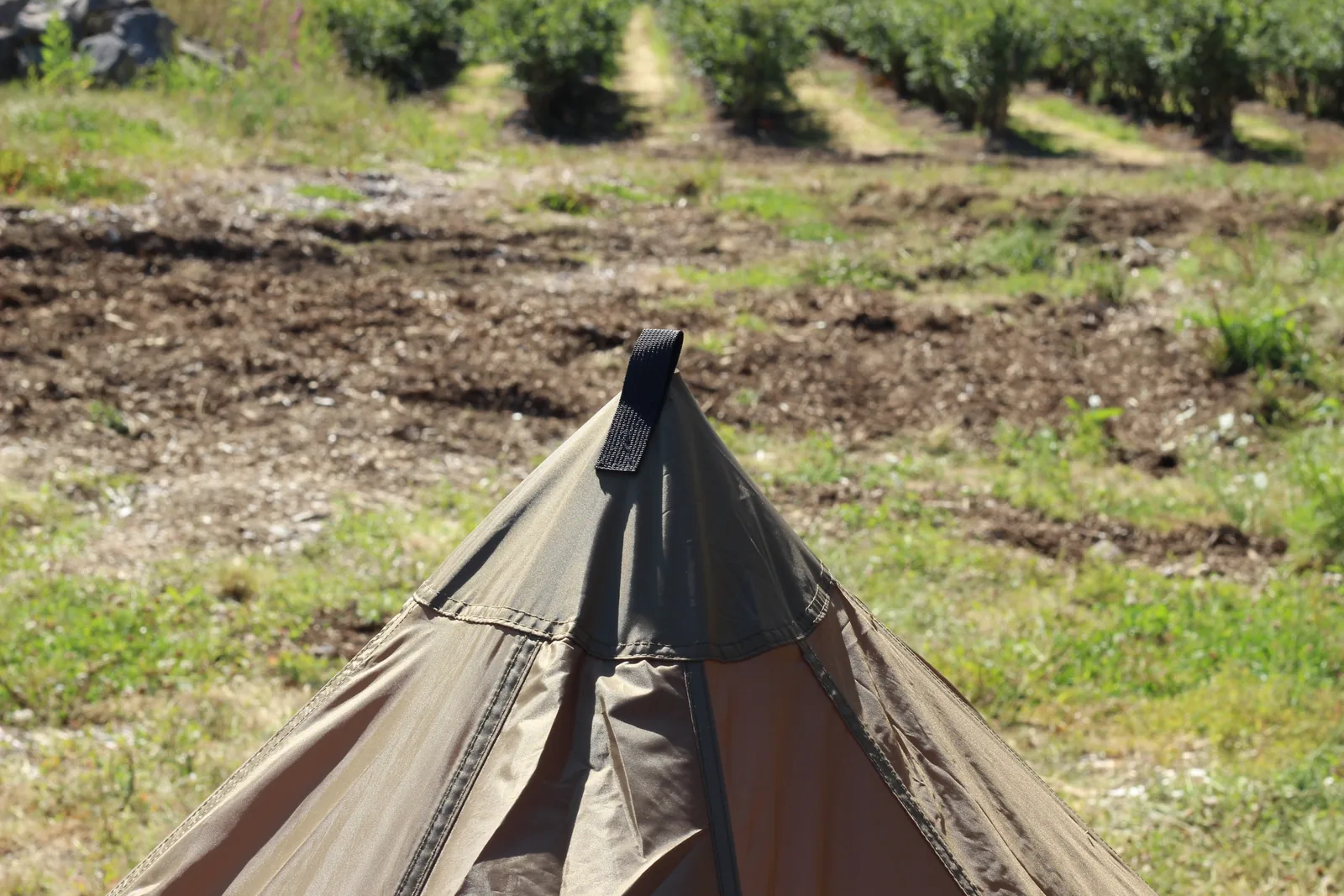
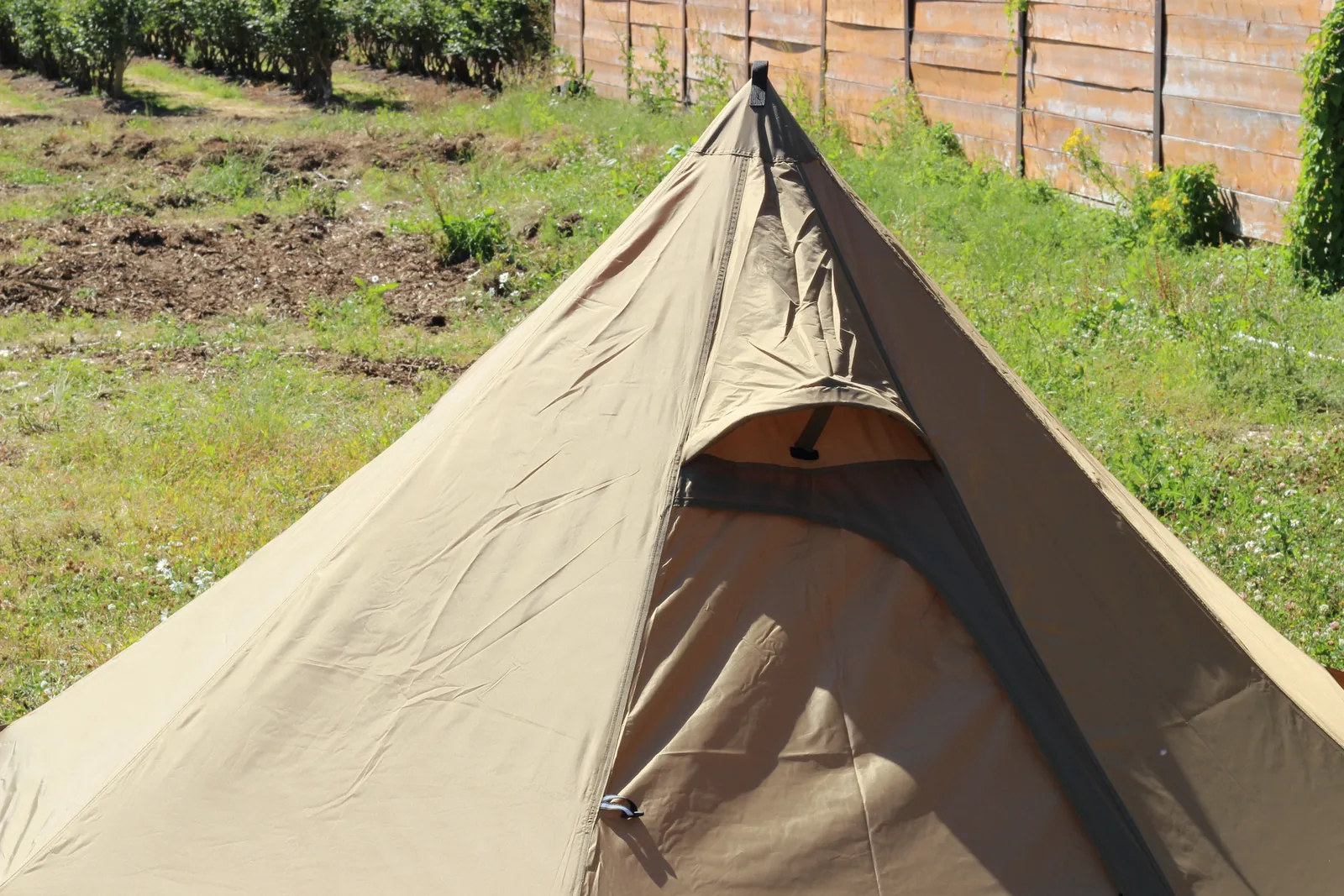
Ventilation and the apex

Pitching It
The manual claims about ten minutes, and the sequence is short enough to believe that once you have done it once.
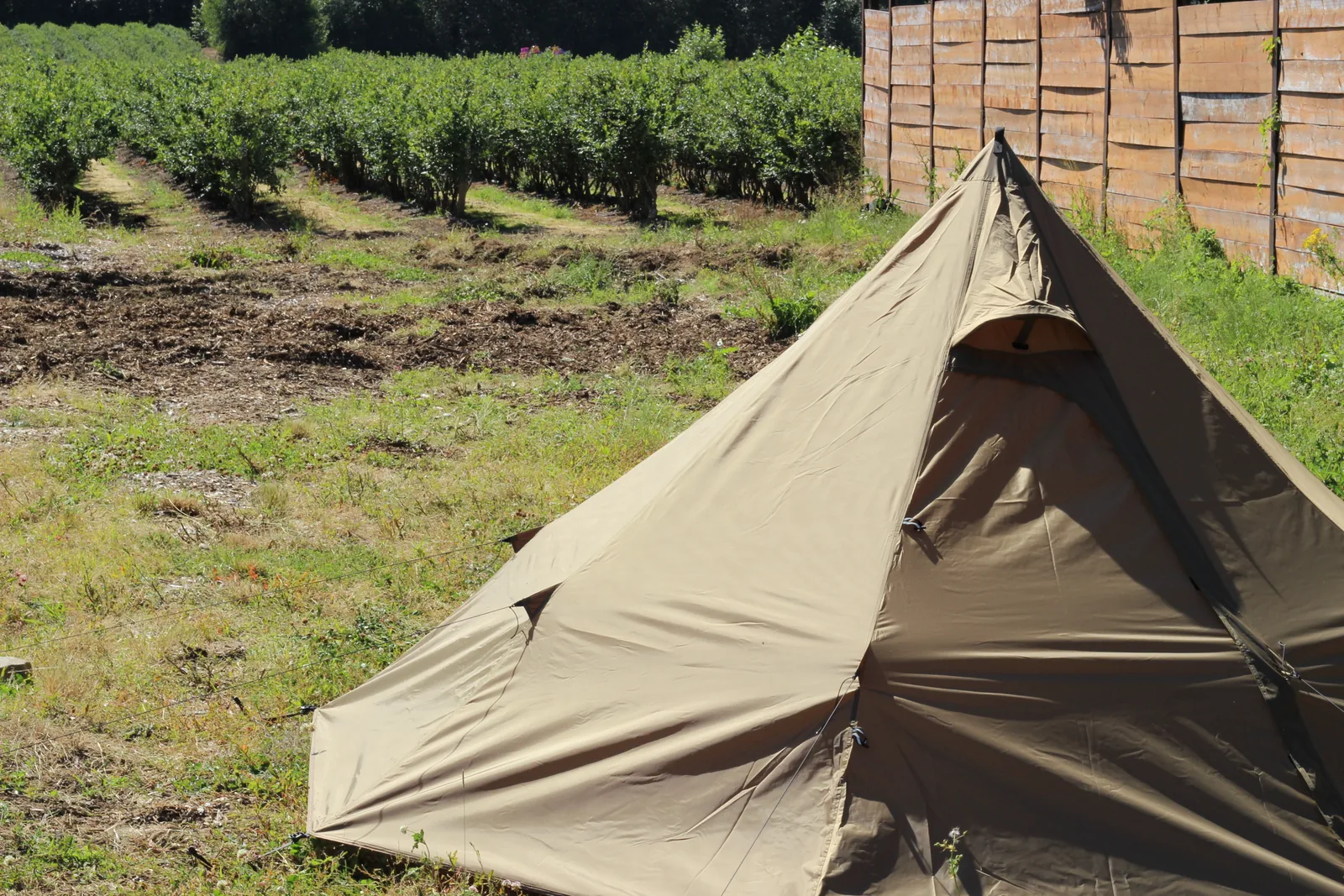
The order that matters is this: stake the perimeter first, with the tent flat on the ground and the hem pulled out to an even circle, then raise the pole under the apex. Doing it the other way round — pole up first, then chasing the hem around with pegs — is how a pyramid ends up with one panel slack and three drum-tight. Ten sides means ten hem points to get roughly even before the pole goes in, which is the fiddly part and the reason sixteen stakes in the bag is a genuinely useful inclusion rather than a padded spec.
The pole is a straight sectional tube with a bracket at the top that spreads into the apex cap. Once it is standing, the tension comes from walking the perimeter and taking up the hem tensioners a little at a time rather than pulling any one point hard. The guy lines go on last, and on this shape the mid-panel guys matter more than the corner ones — the flat faces are what catch wind.
One consequence of the single-pole design is worth knowing before you buy: the pole stands in the middle of the floor, and on this tent it lands in line with the door. You step around it every time you go in and out. That is the price of a shelter with no complicated pole geometry and nothing that can snap in a gust, and most hot-tent users accept it — but it does shape where the stove and the sleeping space go.
Pitched
What C$129.90 Does and Doesn’t Buy
| Element | Included | What that means |
|---|---|---|
| Outer canopy | Yes | 210T taffeta, PU2500 mm, ten-sided, stove jack fitted |
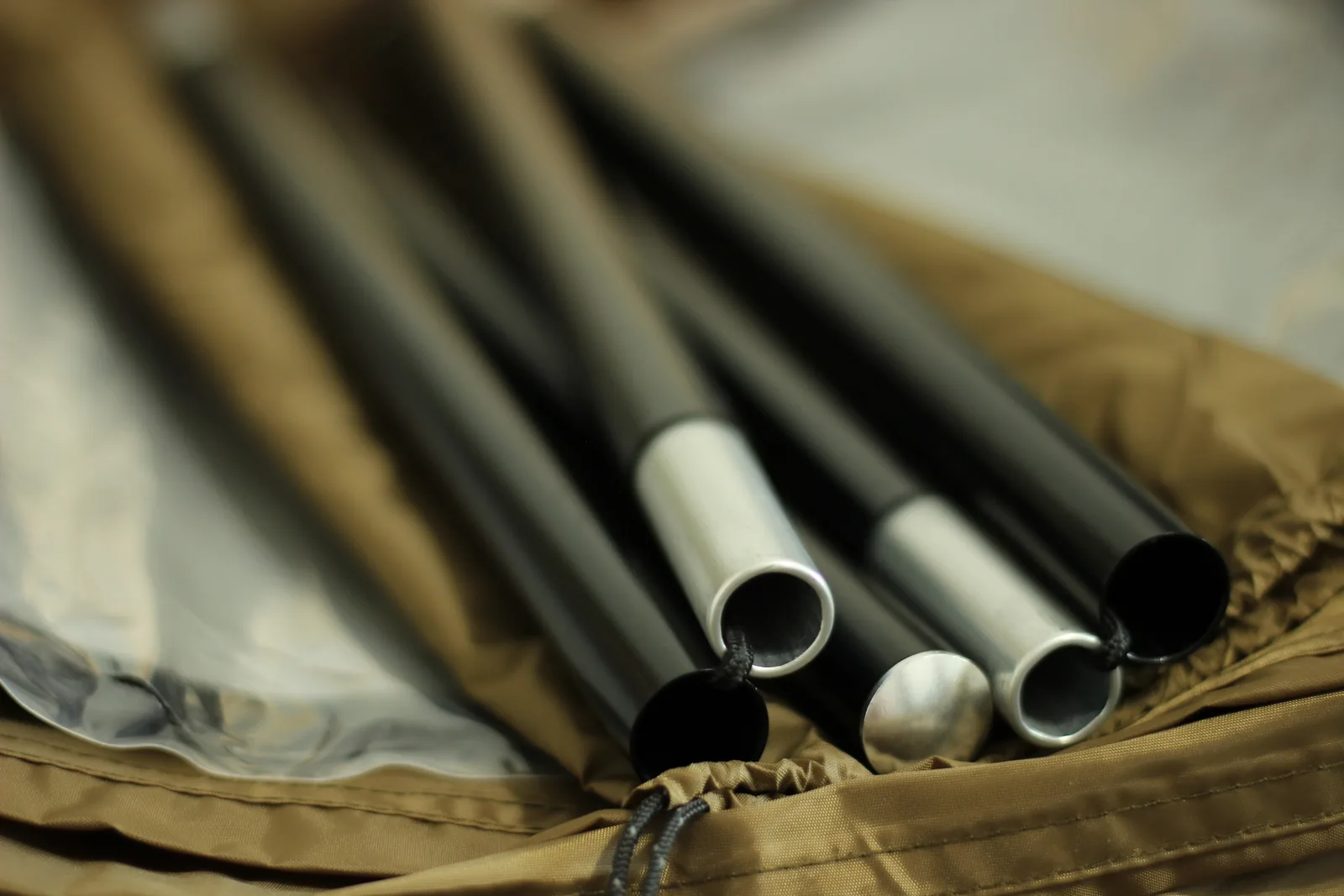
| Centre pole | Yes | Sectional aluminium, Ø25 × 2000 mm |
| Stakes & guys | Yes | 16 stakes, 8 reflective guy lines — a generous count |
| Stove jack | Yes | Flame-retardant panel, hook-and-loop cover |
| Groundsheet | No | You supply a floor — a tarp, a footprint, or nothing |
| Inner tent / bug mesh | No | Single wall only; no insect protection |
| Stove | No | Budget separately; a small tent stove roughly doubles the outlay |
Inclusions confirmed against VEVOR's own listing and against what came out of the bag in the photographs above. Peg count cross-checked against the printed parts list in the manual.
The honest framing is this: this buys a canopy, not a camp. Add a groundsheet and a stove and the real cost of getting into hot tenting this way lands somewhere in the C$300–C$450 range — still well under half what an established hot-tent brand charges for the shelter alone.
How It’s Built to Be Used
A base camp you can heat
This is the case for the tent. Two metres of peak height means standing room at the pole, four metres of base means room for cots and a stove with clearance, and 3.1 kg means one person carries the shelter. For a stationary camp that stays up for a weekend, the geometry is genuinely good.
Late-season hunting
The colour is right and the shape is right. Ten shallow faces shed wind from any direction without needing to be oriented, and snow slides off a pyramid rather than pooling on it. A stove in a tent in November is the difference between enduring a camp and enjoying one.
Where it is limited
Bugs, and rain over days. There is no inner tent and no mesh, so in mosquito season this is a shelter you sleep under a net inside. And a single wall in sustained wet means condensation on the inside face — running a stove helps by driving moisture out, but the moment the stove dies the temperature differential works against you.
Running a Stove In It — the Part That Is On You
The stove jack is a feature, not a safety system, and a review that shows one without saying this would be doing the reader a disservice.
Carbon monoxide is the actual risk. Not fire. A wood stove in a sealed shelter consumes oxygen and produces CO, and CO is odourless. Every hot-tent fatality that gets written up is a CO story, not a burning-tent story. A battery CO alarm inside the tent is not optional equipment — it costs a fraction of the tent and it is the single most important thing you will put in it. The peak vent photographed above needs to stay open when the stove is lit, and so does a low gap somewhere for make-up air, because a fire cannot draw without one.
The chimney needs a spark arrestor. A 210T taffeta canopy will melt and then burn from a landed ember. The mesh cap on the chimney top is what stops embers leaving the flue in the first place, and it is the reason a proper tent stove costs more than a stovepipe and a box.
Clearance is geometry, not guesswork. The jack panel handles the immediate contact area where the pipe passes through the fabric, and nothing else. Guy the tent taut so no panel can billow against a hot pipe in wind, keep bedding and packs away from the stove’s radiant zone, and check that the pipe stands vertically through the jack rather than leaning on one edge of it.
Never sleep with a live fire unattended in a shelter this size. A stove in a 4 m tipi is for taking the edge off the evening and for drying gear, and for warming the tent before bed. Banking it and sleeping is a practice with a real body count behind it.
None of this is a criticism of the YT-02 — every hot tent at every price carries exactly the same obligations. It is simply the part of the purchase that no tent can do for you, and at this price the tent will reach a lot of first-time buyers who have not encountered it before.
Pros and Cons (the Honest Version)
What it does exceptionally well. It removes the price barrier from hot tenting without faking the feature that matters — the stove jack is real flame-retardant cloth properly set into the panel, the guy points are bar-tacked, the peg count is generous, and the geometry is a sound one. For a first hot tent, or for a camp shelter that will see a handful of trips a year, the value is hard to argue with.
Where it falls short. No floor, no inner, no bug protection, and a fabric that is light for the “four season” claim on the listing. None of these are hidden — they are all visible in the photographs and stated in the spec — but a buyer who does not read carefully will be surprised by the tarp in our interior shot.
How It Compares
vs. an established hot-tent brand (~C$550–950). Heavier fabrics, taped seams, better stakes, real warranty support, and usually a groundsheet or inner in the box. If the tent is going out twenty nights a year in bad weather, that money buys something. If it is going out four nights a year, it does not.
vs. the VEVOR YT-01 (2-person, ~C$100). The smaller sibling: 3.2 m base, 1.6 m peak, 2.1 kg, twelve pegs. Around thirty Canadian dollars less for meaningfully less room and no standing height. The YT-02 is the better buy unless weight is the deciding factor.
vs. a plain tarp and a bivvy (~C$90). Cheaper still and lighter, and it will keep rain off. It will not let you put a stove under it, which is the entire point of this category.
Who Should Buy It
Buy it if you want to try hot tenting without committing several hundred dollars to finding out whether you like it; if you need a stove-ready base camp for a handful of trips a year; if you already own a tarp and a stove and only need the shelter; if you want a light, packable pyramid for late-season hunting.
Don’t buy it if you expect a complete camp in the box — plan on a groundsheet from day one. Don’t buy it as your shelter for sustained bad weather at altitude. And don’t buy it if you are not prepared to take stove safety seriously, because the tent will not do that part for you.
Final Verdict
The VEVOR YT-02 is an unusually honest piece of budget gear. It does not pretend the fabric is heavier than it is, it does not hide that the floor is missing, and it spends what money there is in the right places — the bar tacks at the guy points, the sixteen stakes, the reflective tracer in the lines, and a stove jack that is genuinely the correct material properly set into the panel.
What you are buying here is a competent canopy with a hole in it for a chimney, and the freedom to spend the money you saved on a stove and a decent floor. Judged as that, rather than as a premium tent that happens to be cheap, it is very good indeed. Judged as a complete four-season shelter, it will disappoint — and the listing’s “4 season” language does it no favours.
Rating: 4.1/5 Stars
Brands sometimes provide samples for review. Hunt & Live writes its honest opinion either way — gear that doesn’t earn its keep doesn’t get a recommendation.