
Featured Review · Winnerwell · Tent Stoves
Winnerwell Nomad PLUS Double View External Air Review — The Stove That Stops Breathing Your Tent
Our Rating
Current Price
- Model
- Nomad PLUS Double View External Air — L size (WN-PL)
- Material
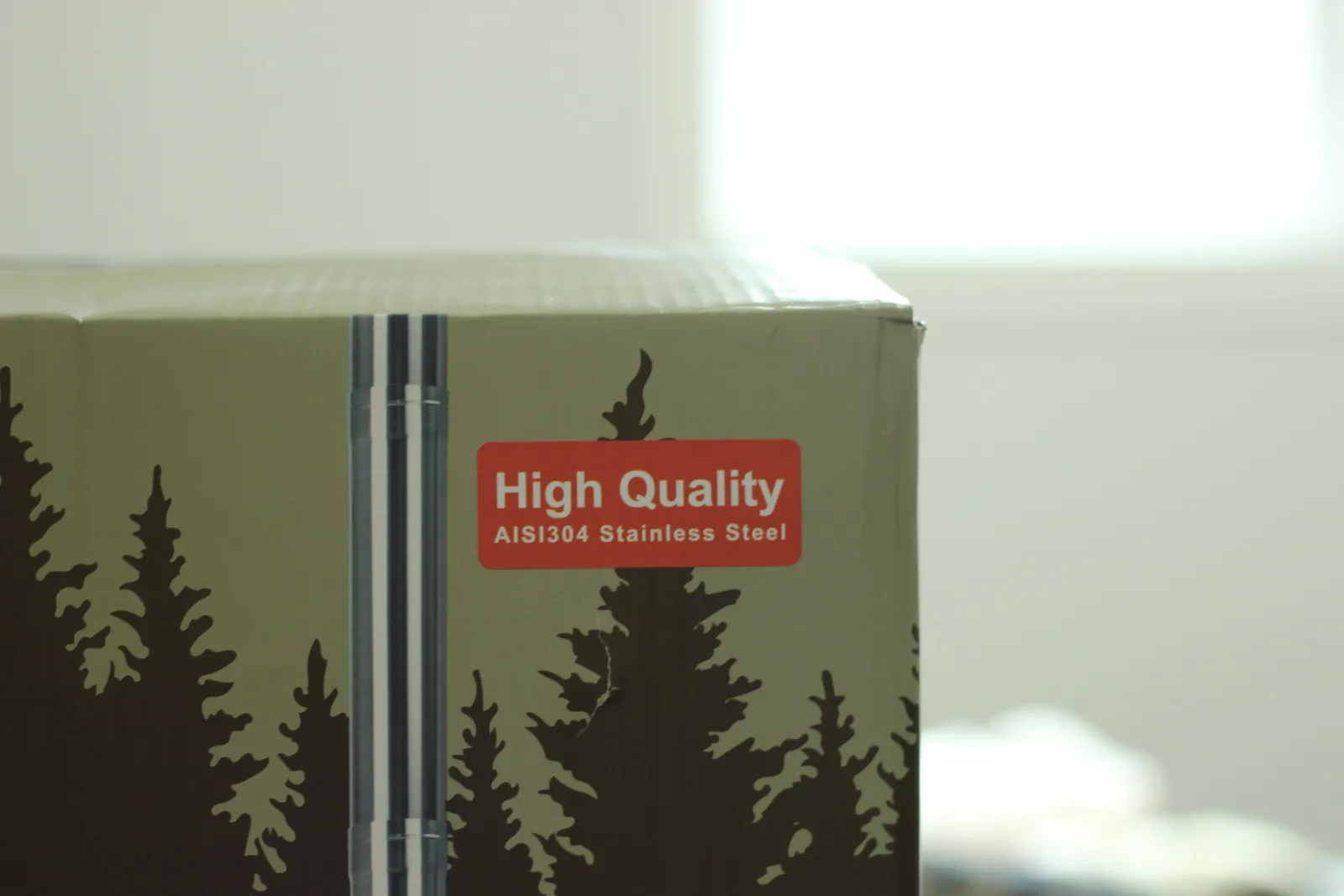
- AISI 304 stainless steel
- Firebox
- 440 × 250 × 250 mm (17.3 × 9.8 × 9.8 in) — 27.5 L
- Assembled
- 600 × 645 × 2615 mm (23.6 × 25.4 × 103 in)
Pros
- The external air intake is the real feature — a sealed duct feeds combustion air from outside the tent, so the fire is not consuming the air you are breathing or the air you just paid firewood to heat
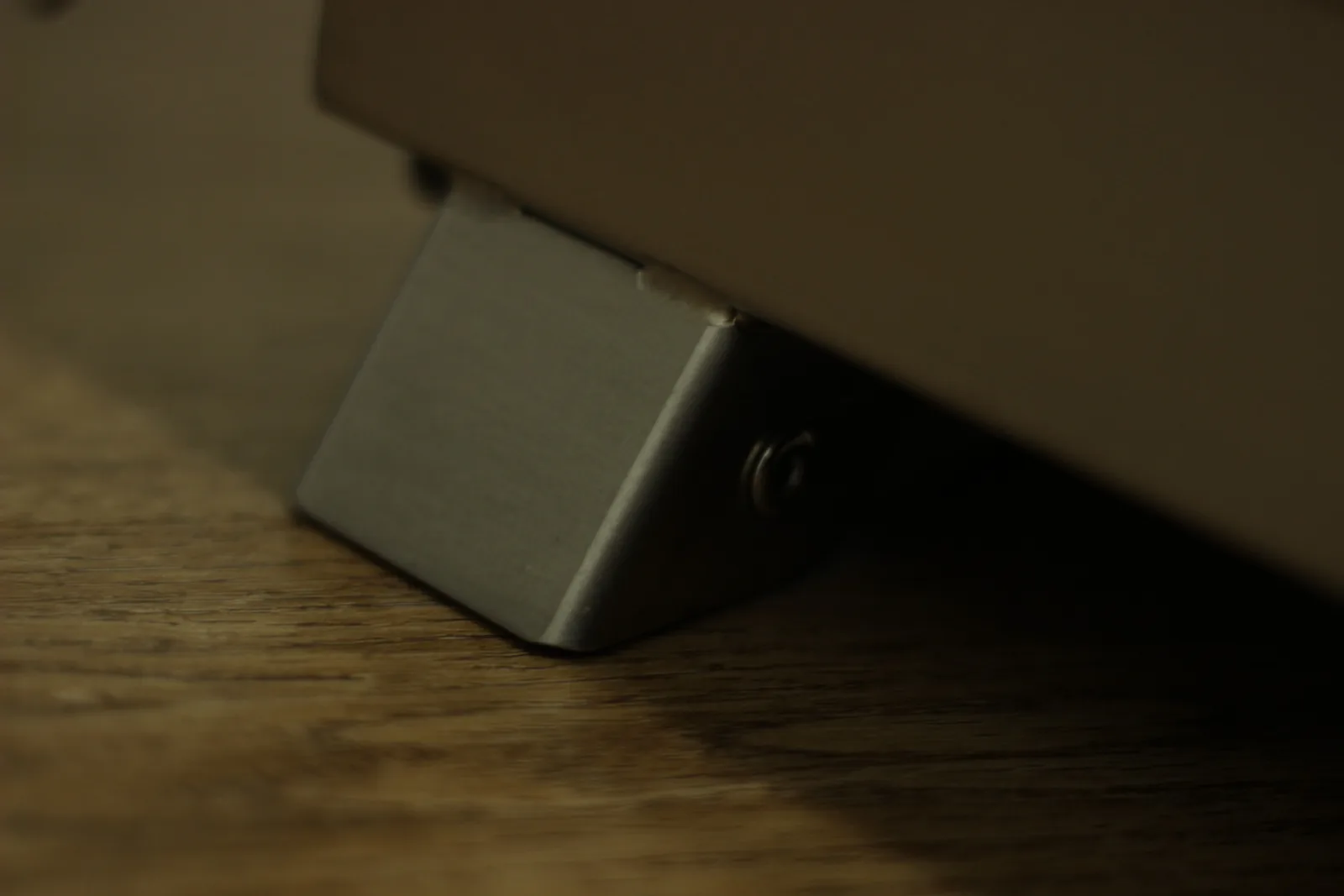
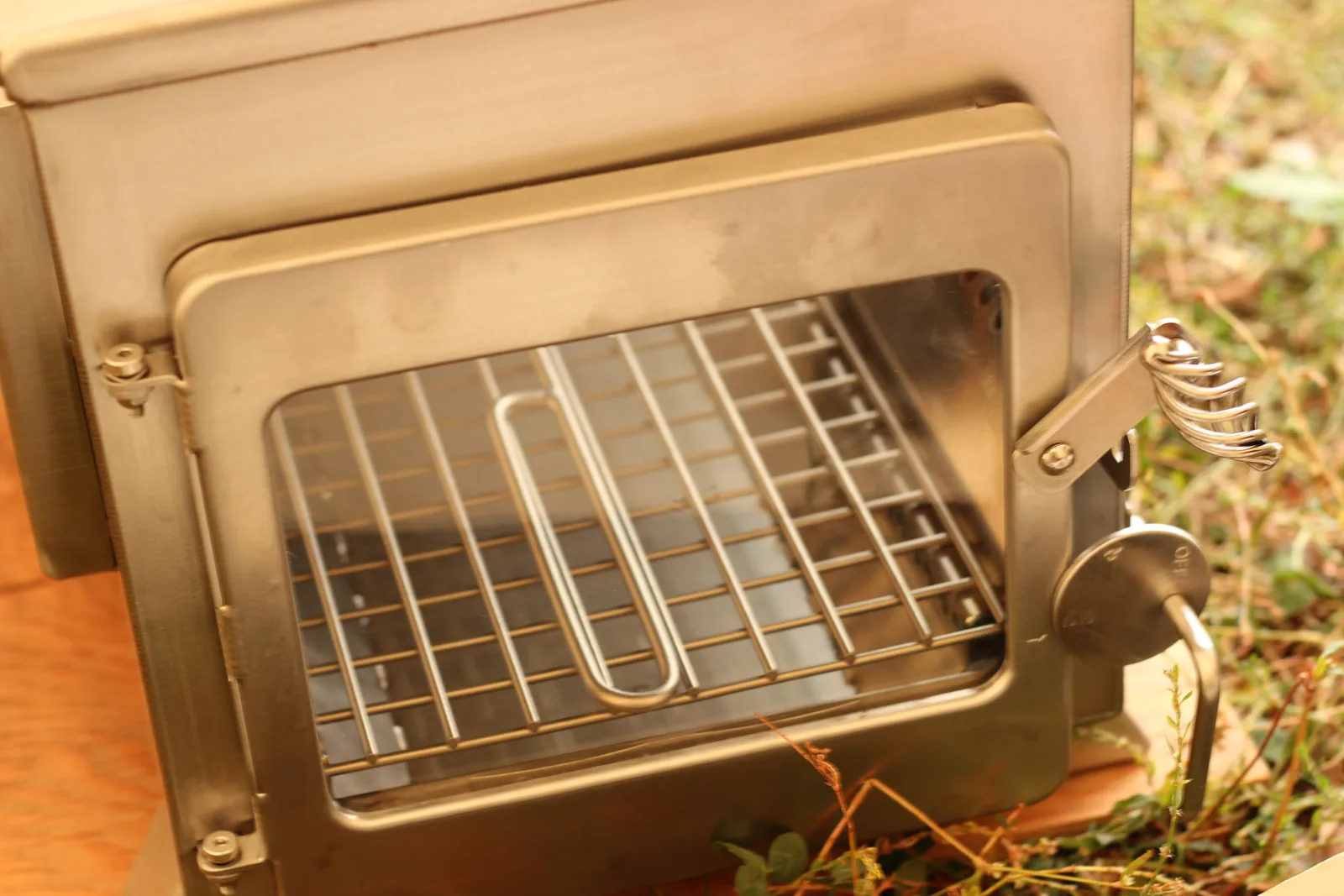
- AISI 304 stainless throughout, in a body that arrives dead flat, square and free of weld spatter — this is properly made metalwork, not a folded box
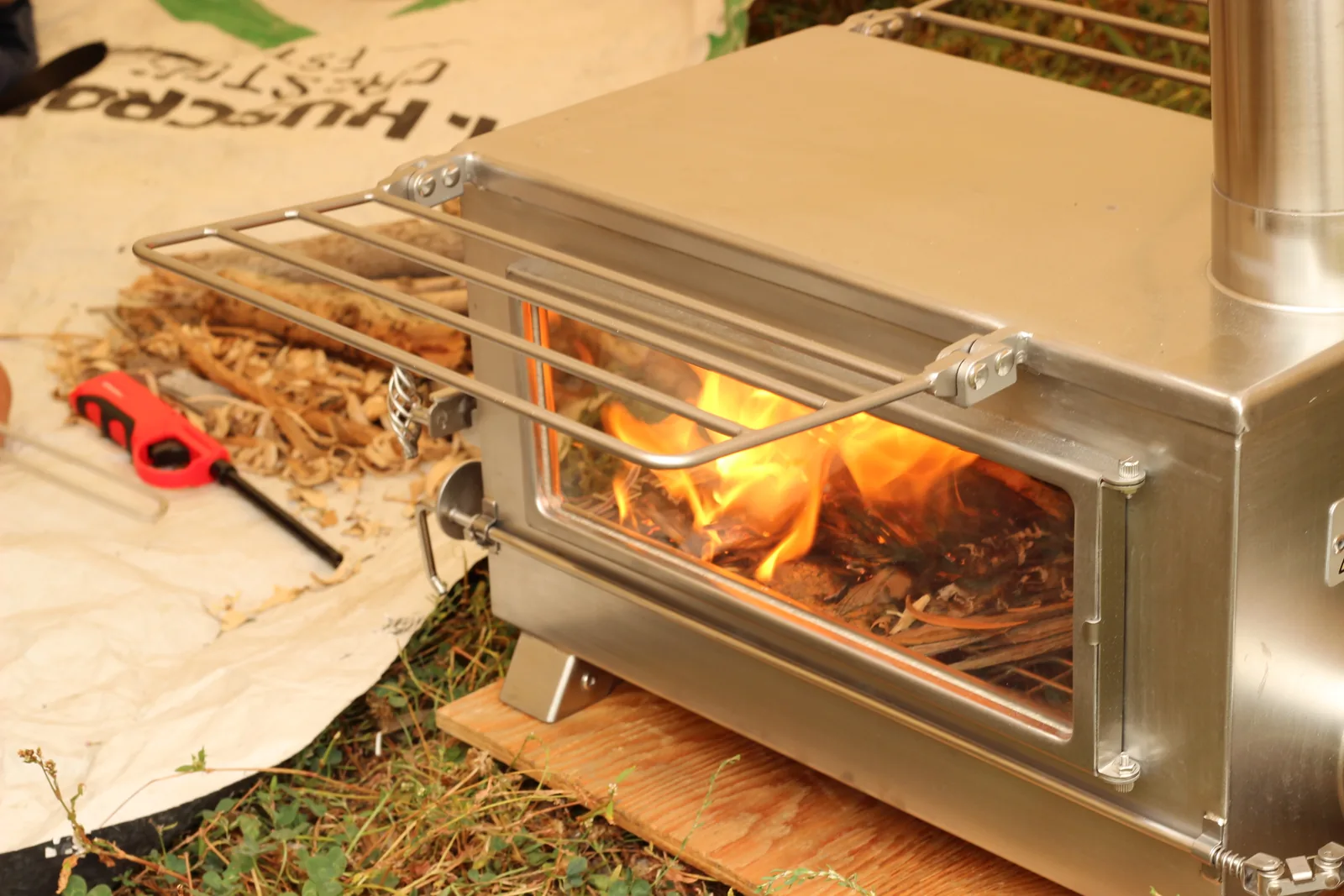
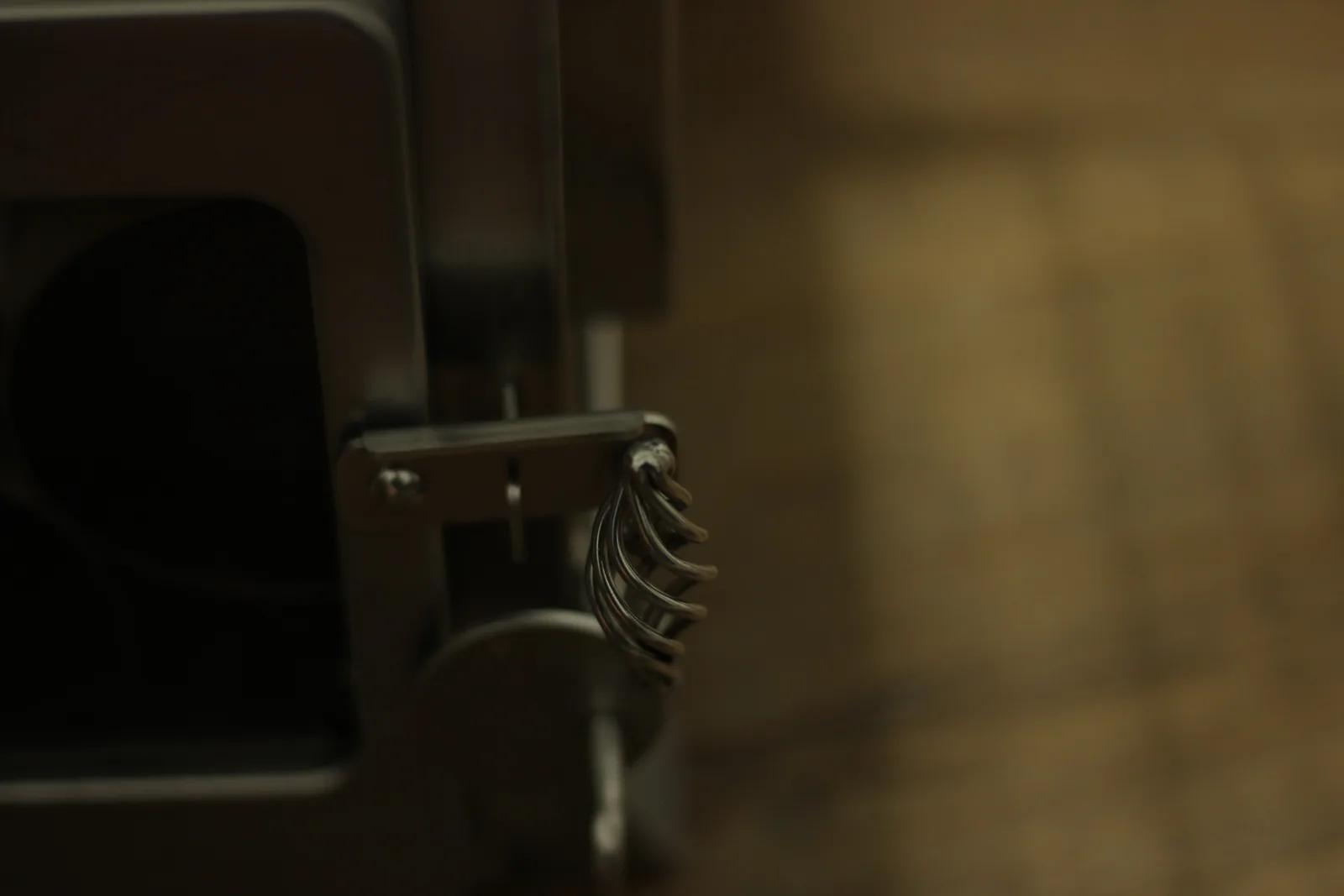
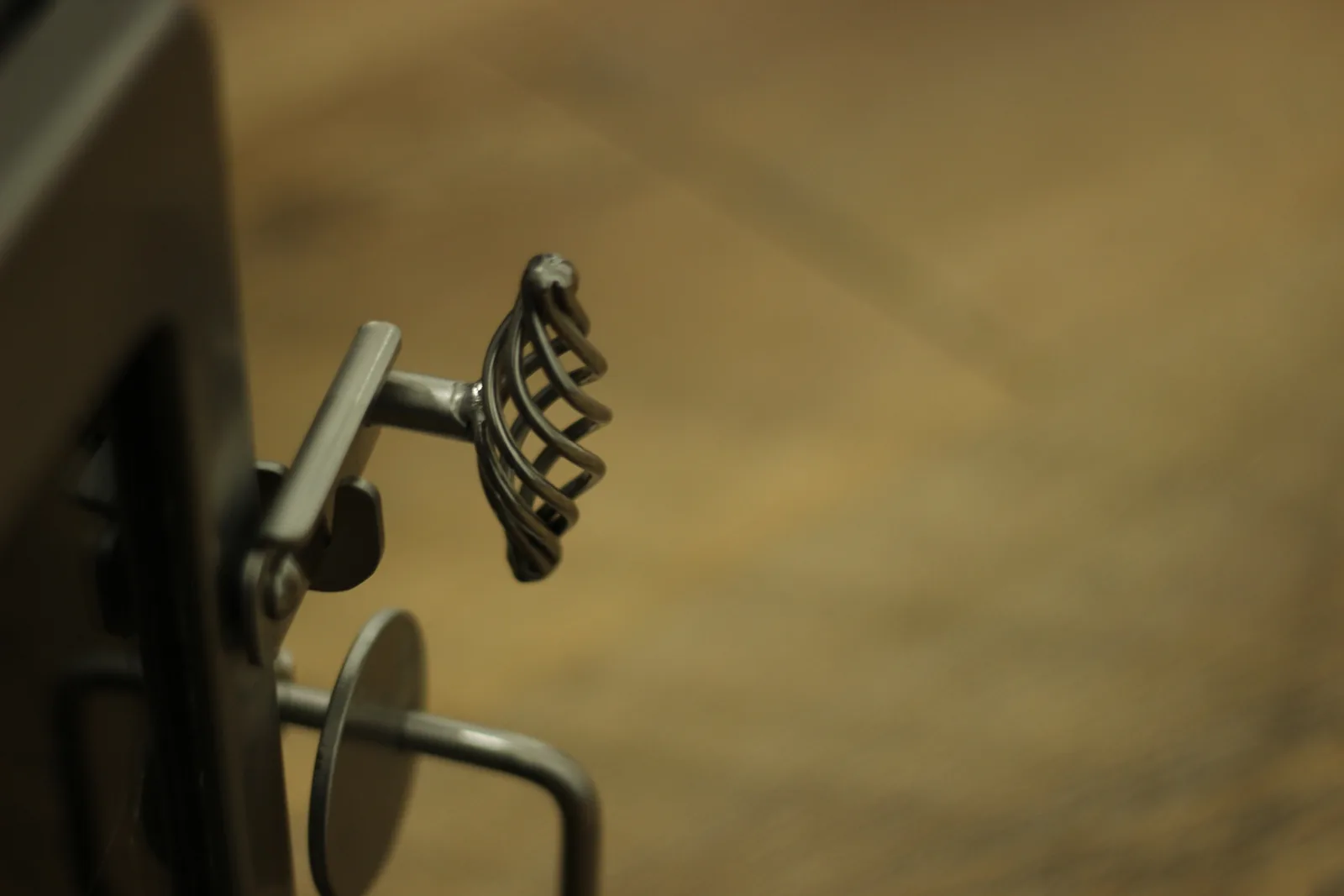
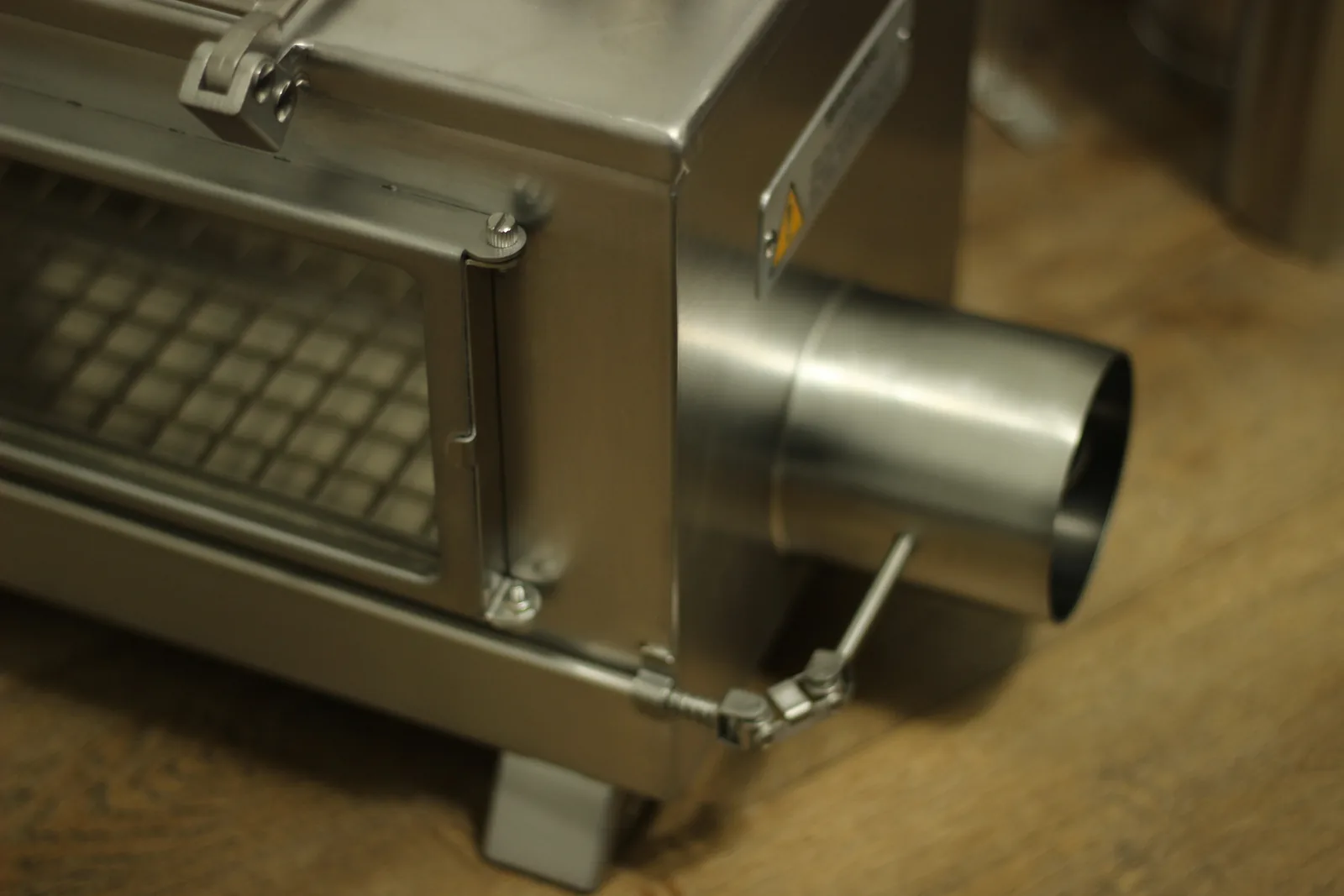
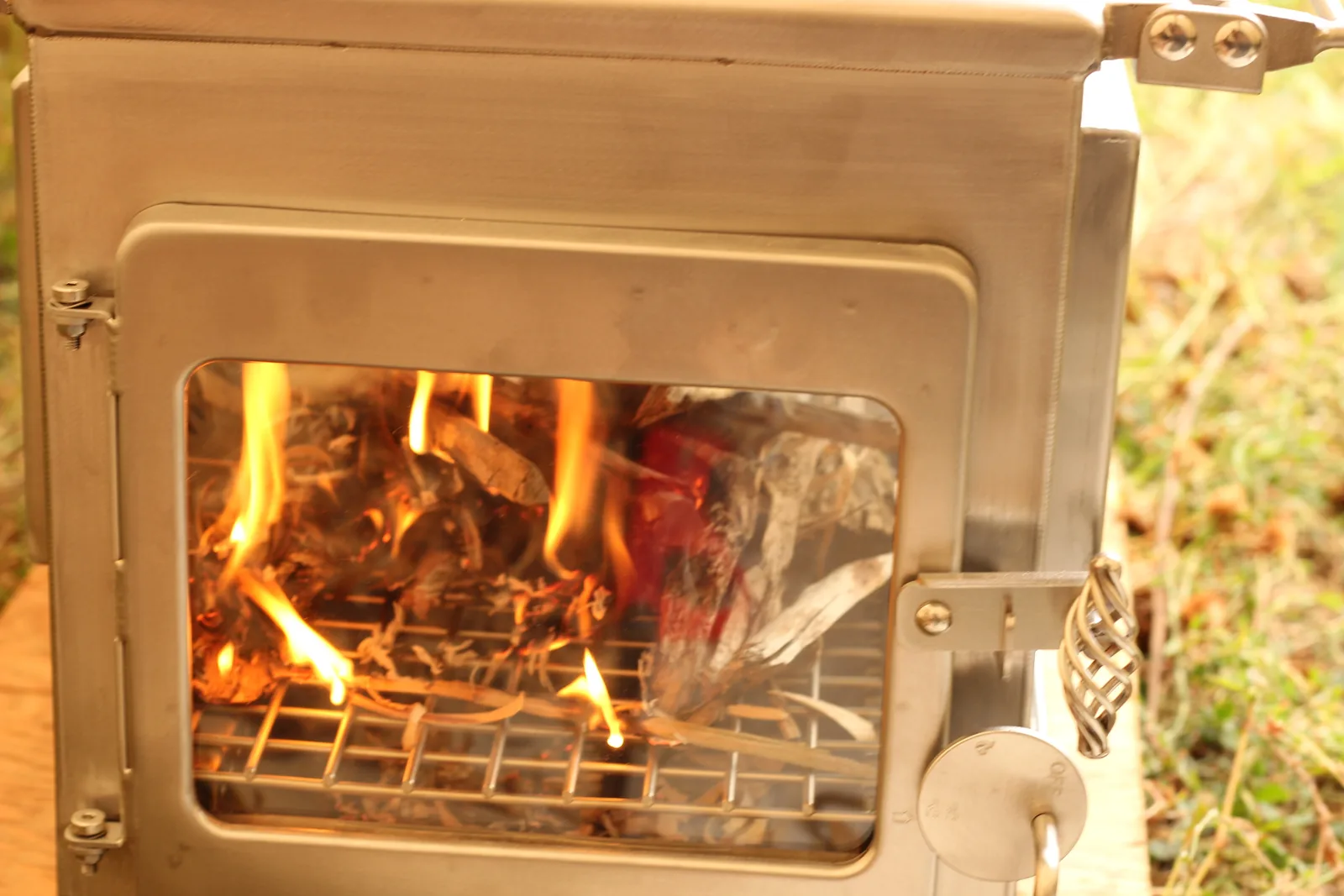
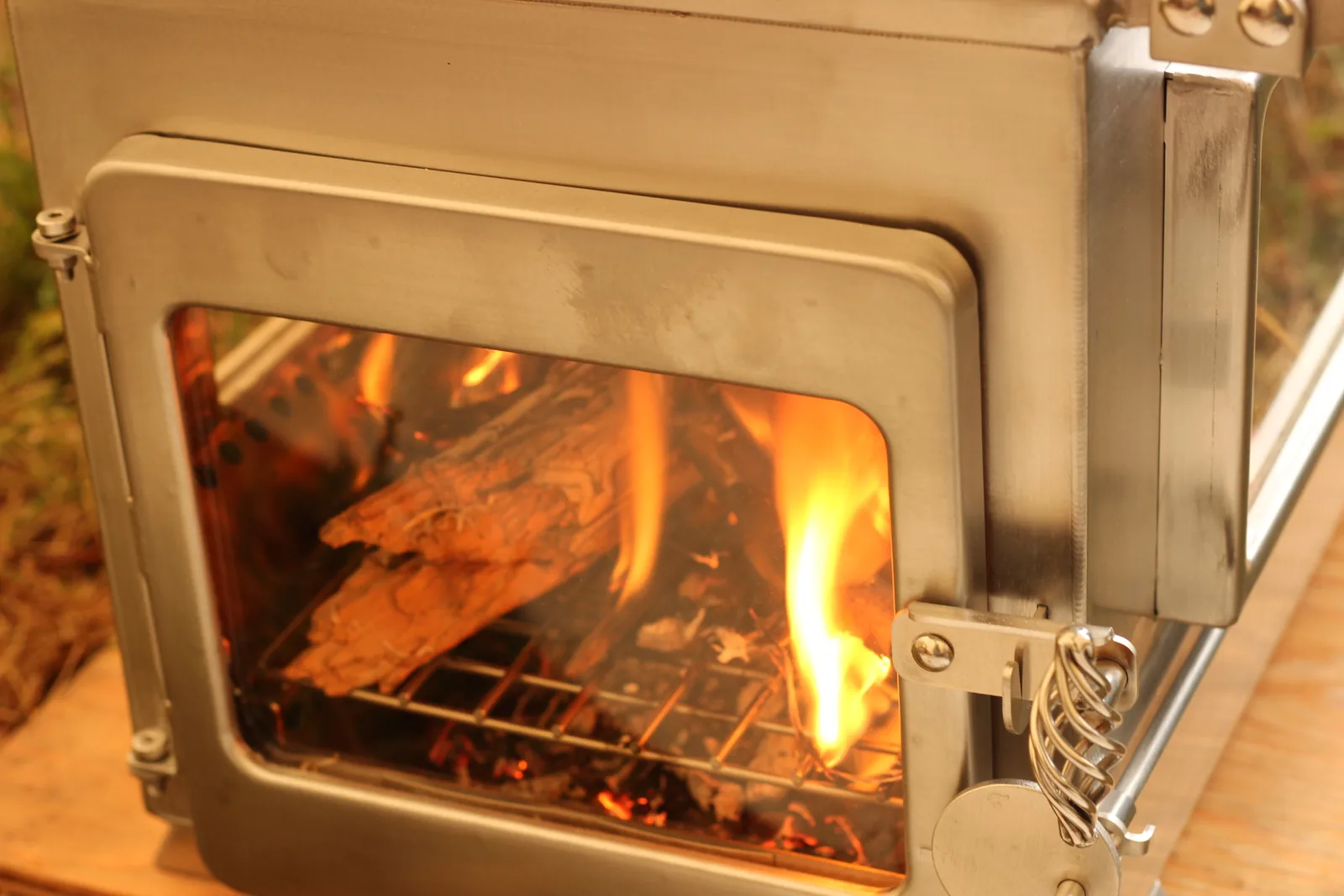
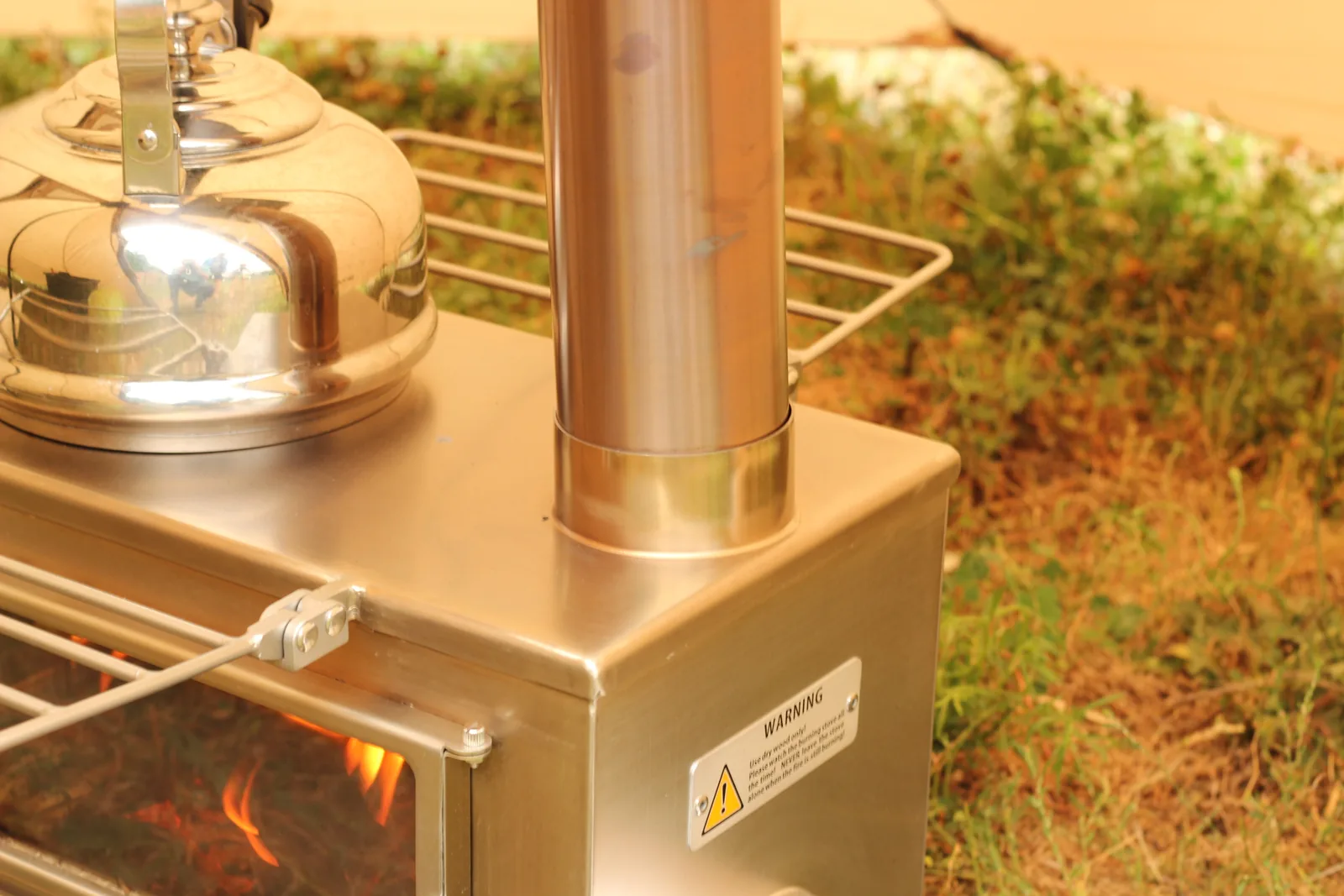
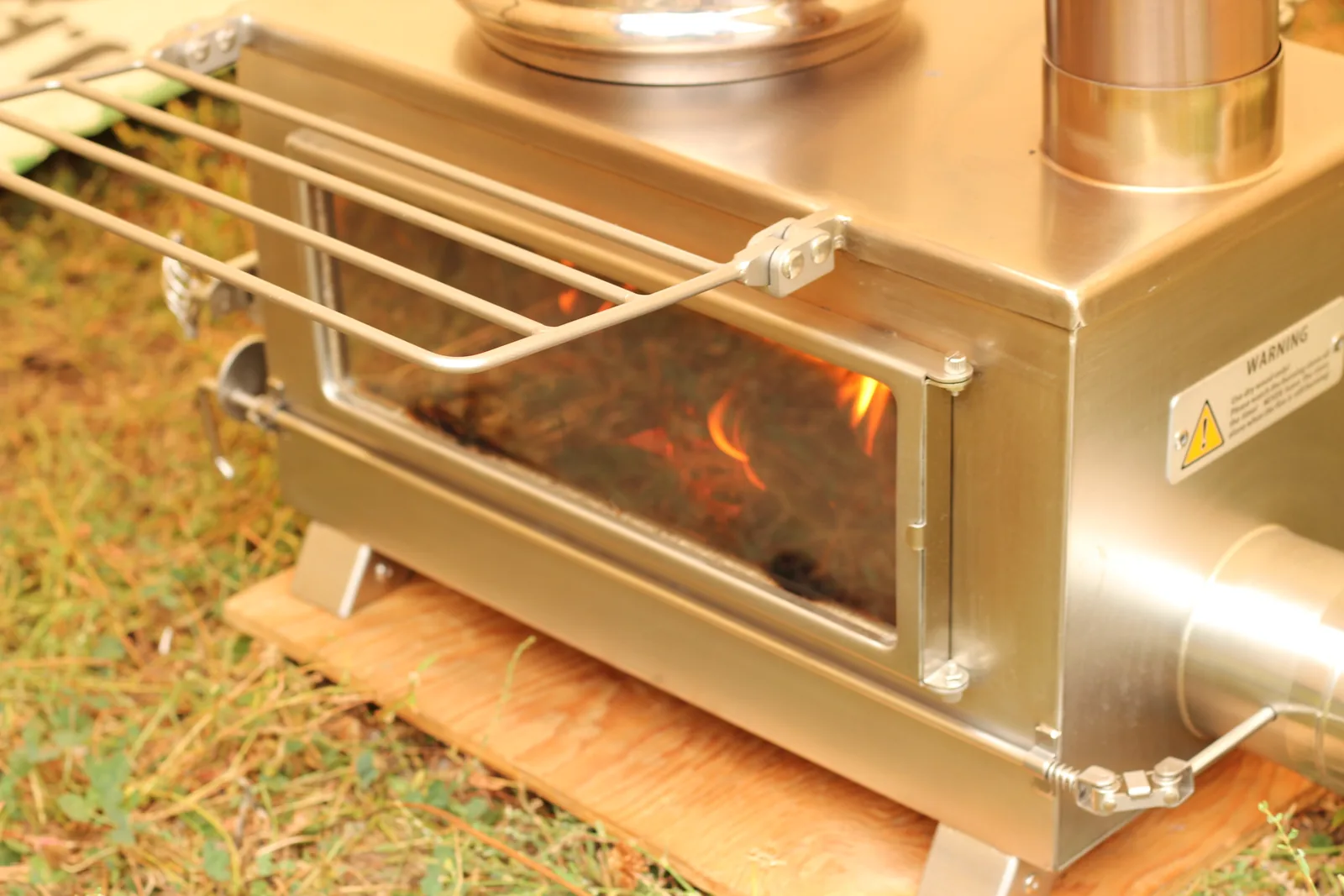
- Two heat-resistant glass windows, front and side, and the difference that makes to a camp at night is out of all proportion to the engineering involved
- 27.5 litres of firebox on the L size — 82 percent more than the M — which is what lets it hold a bed of coals rather than needing feeding every twenty minutes
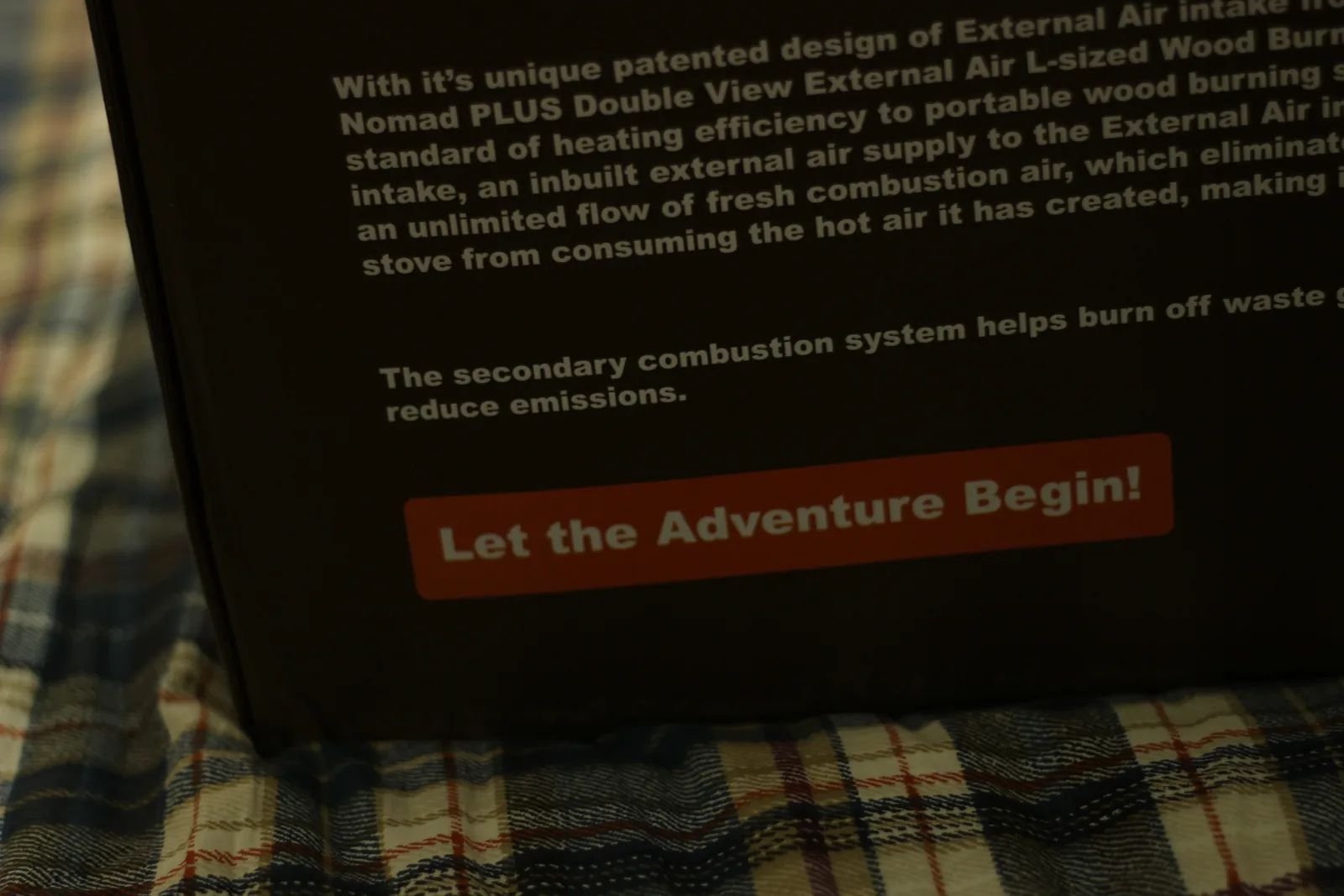
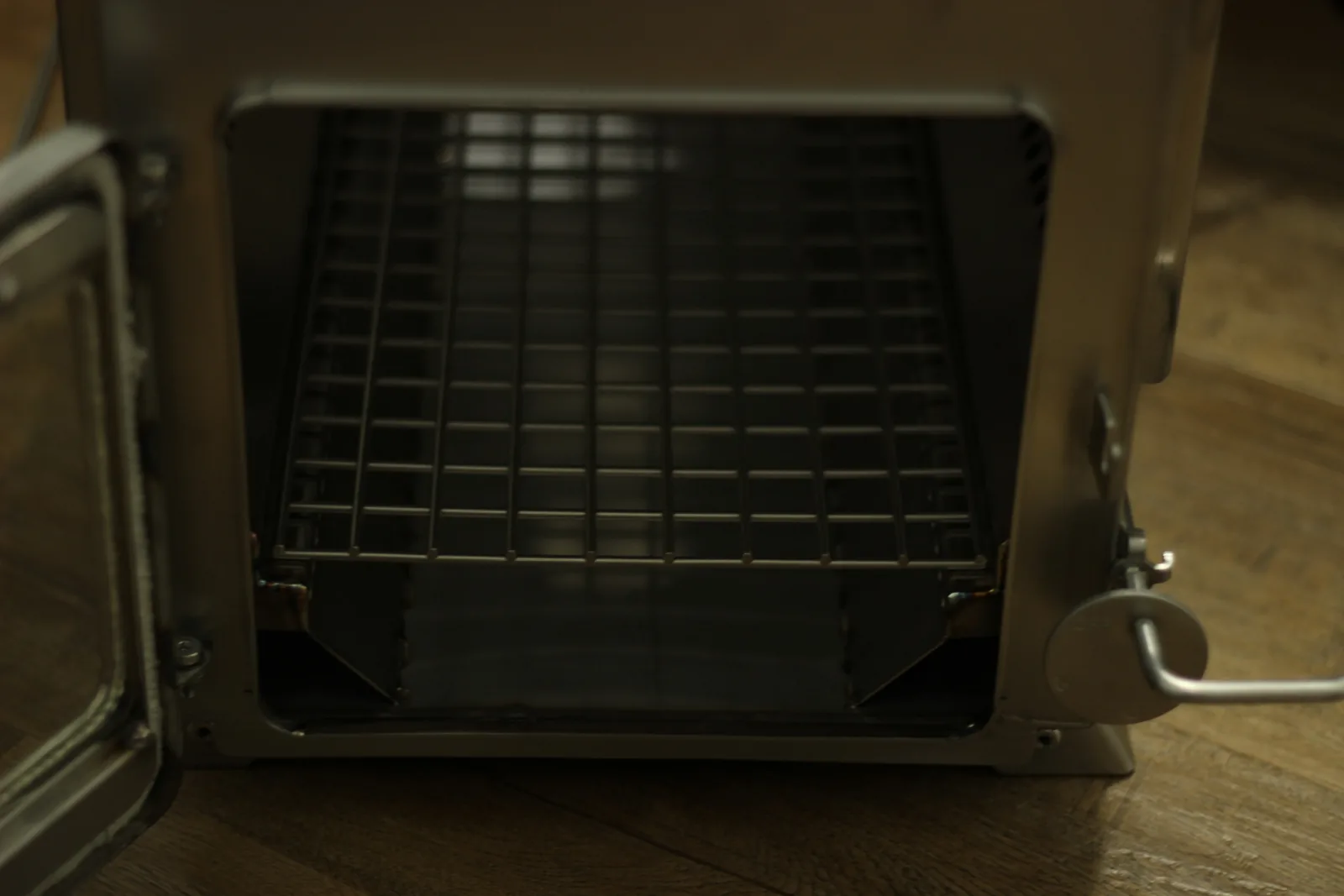
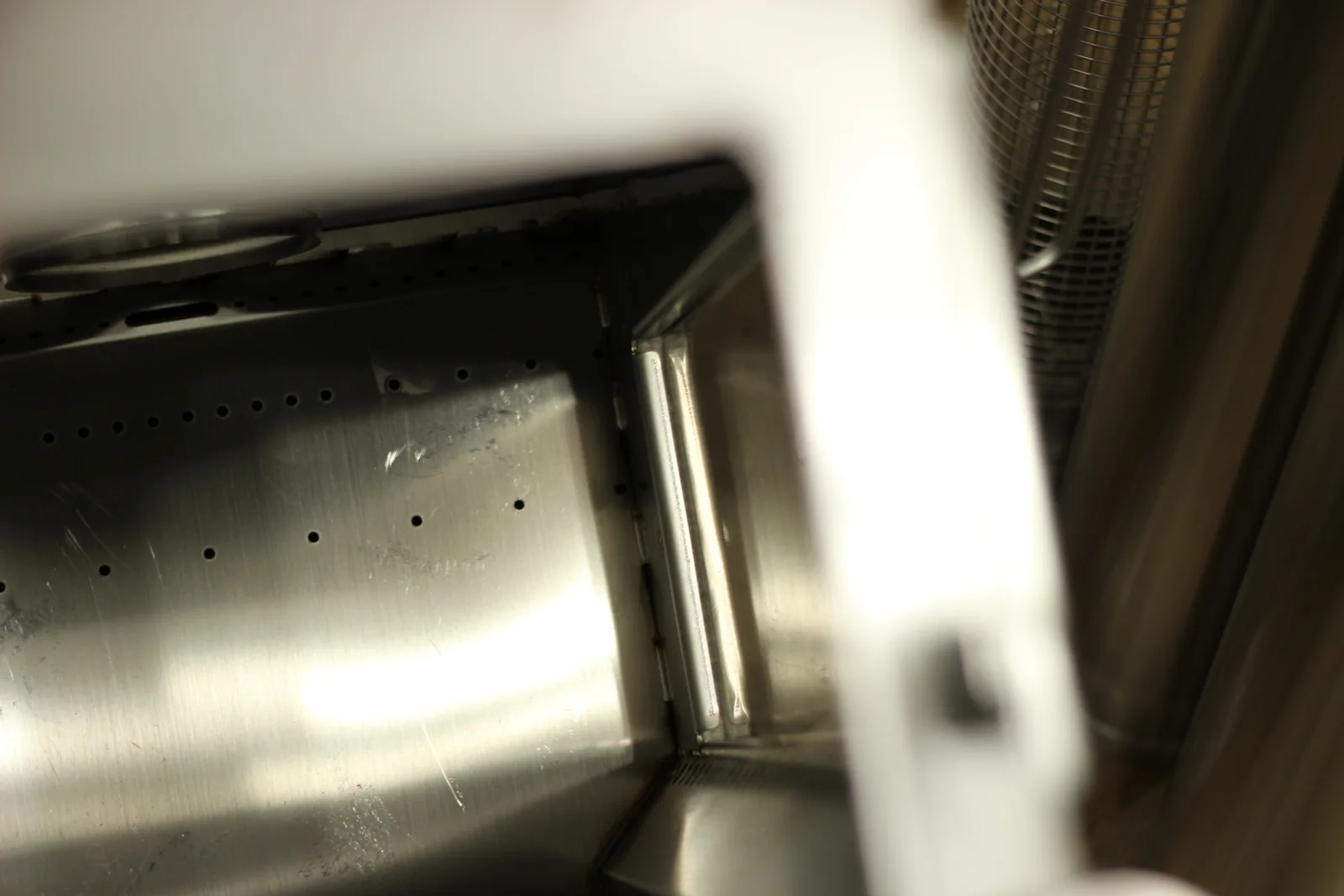
- Secondary combustion holes across the upper firebox burn off gases that would otherwise leave as smoke, which means more heat from the same wood and less creosote in the pipe
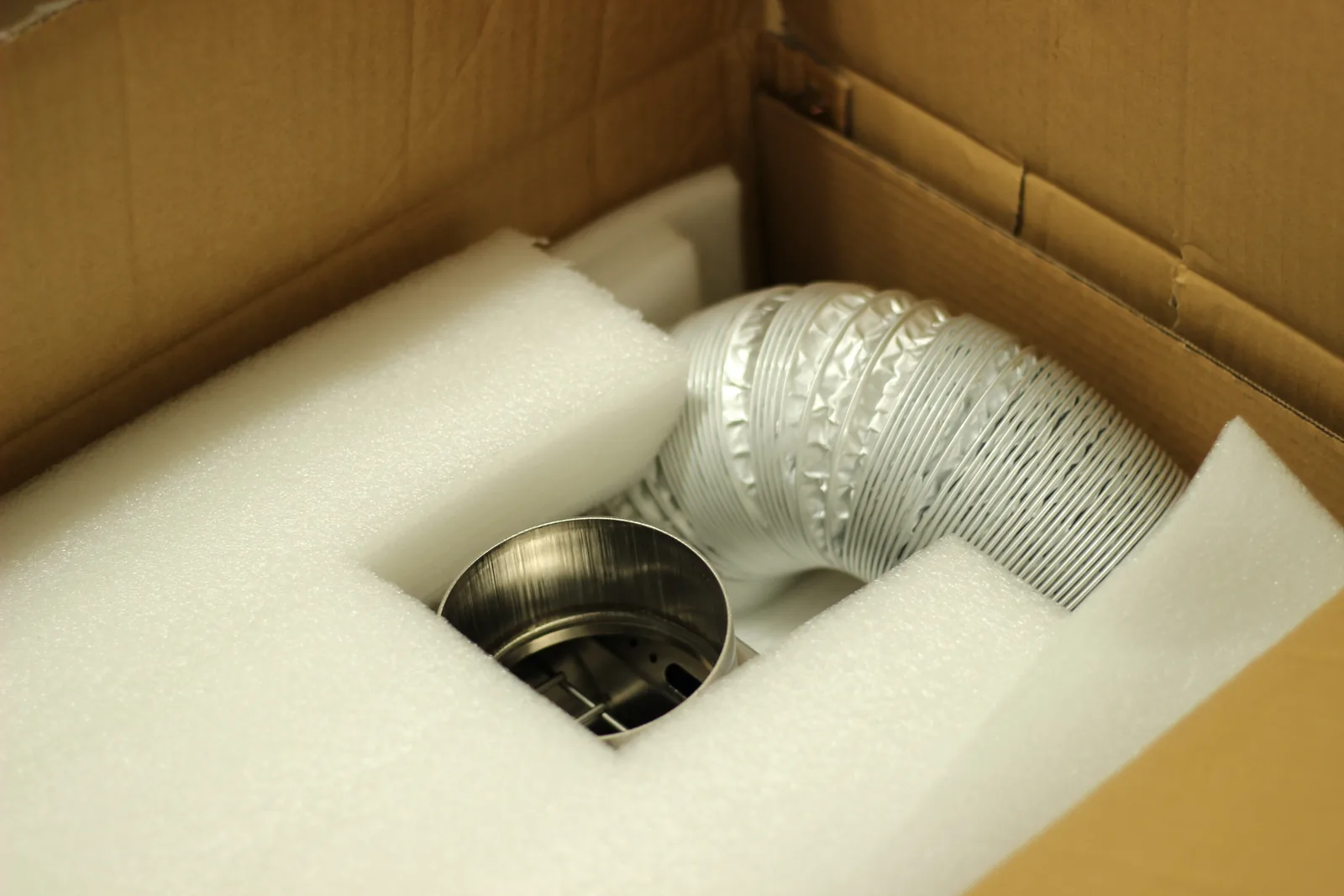
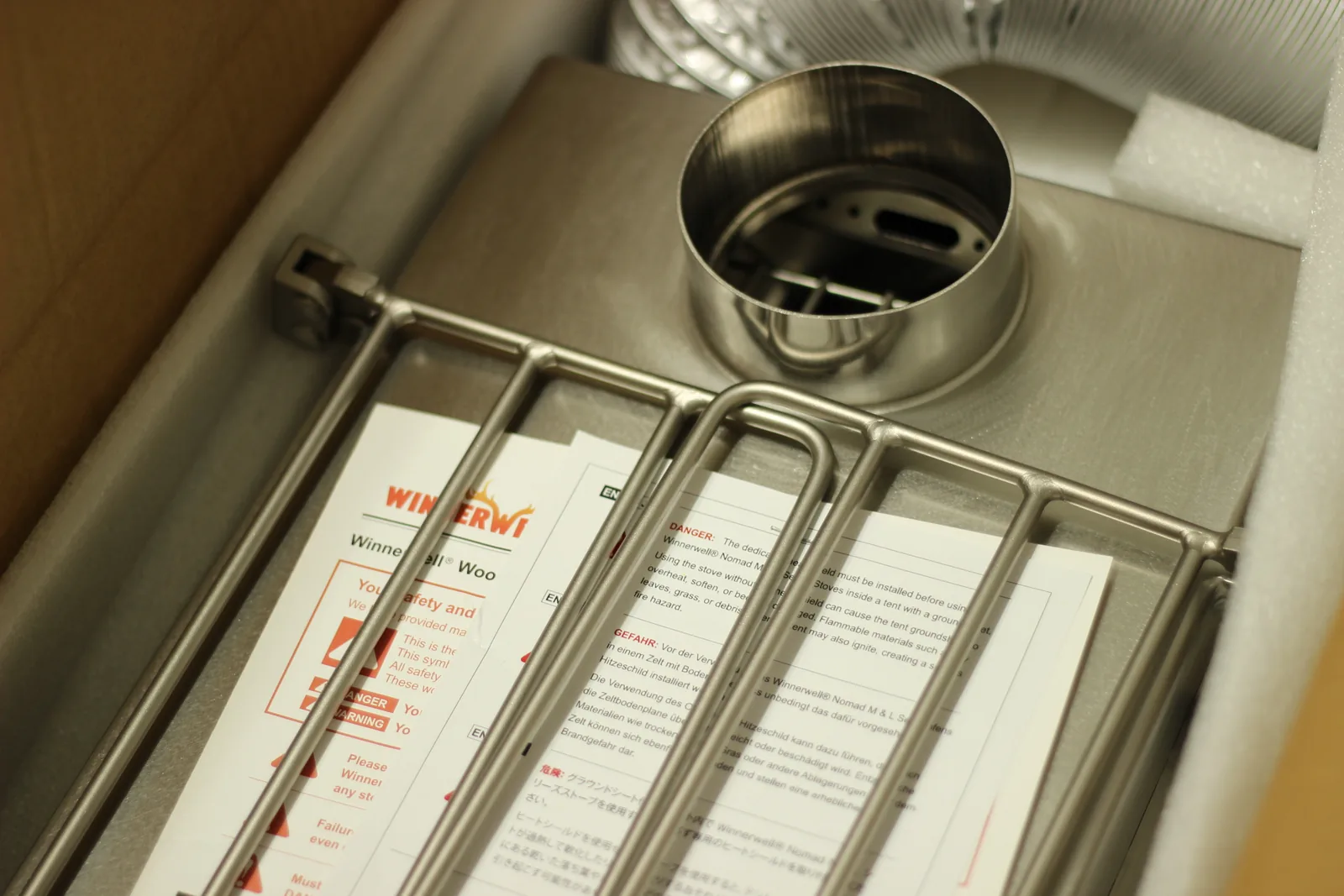
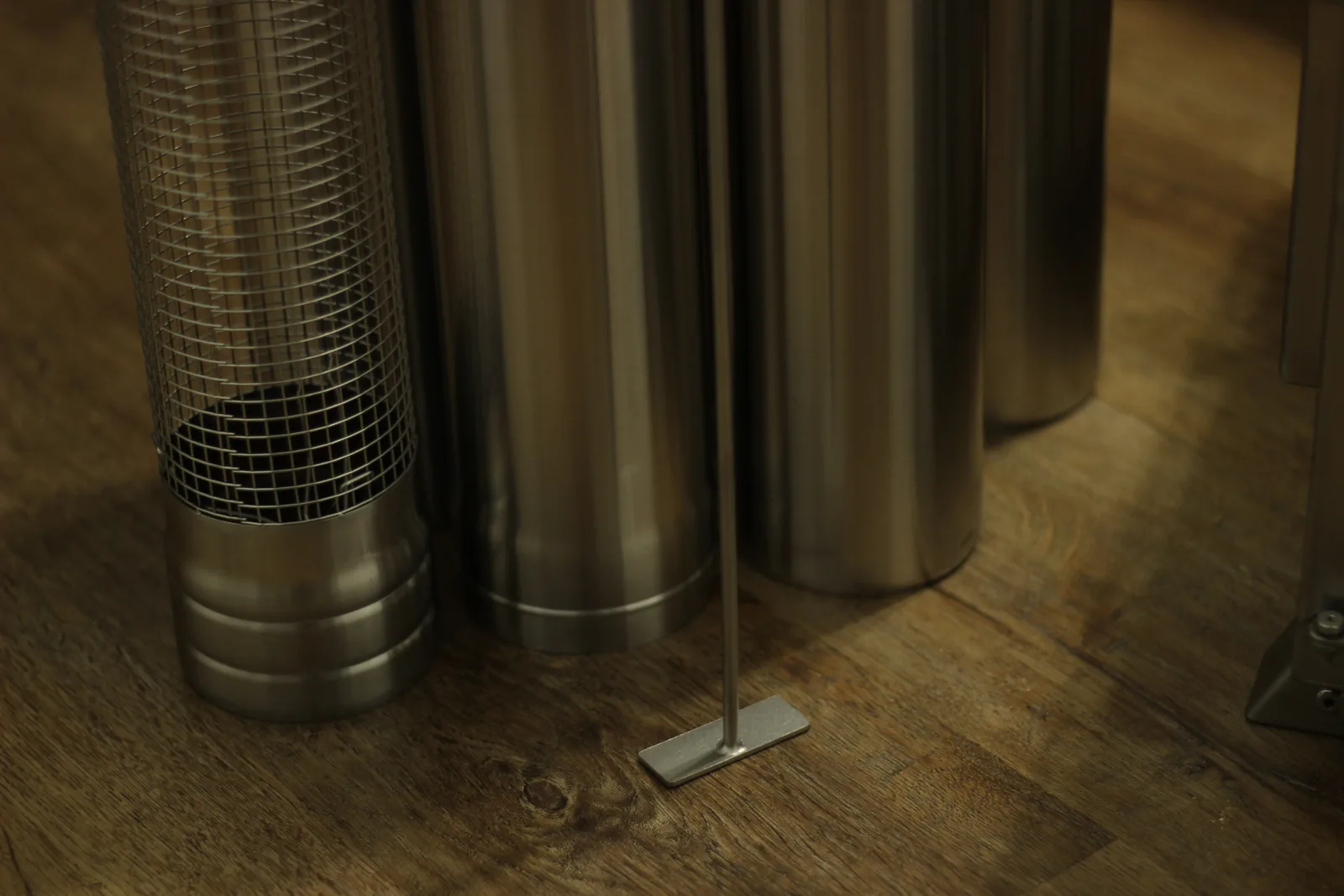
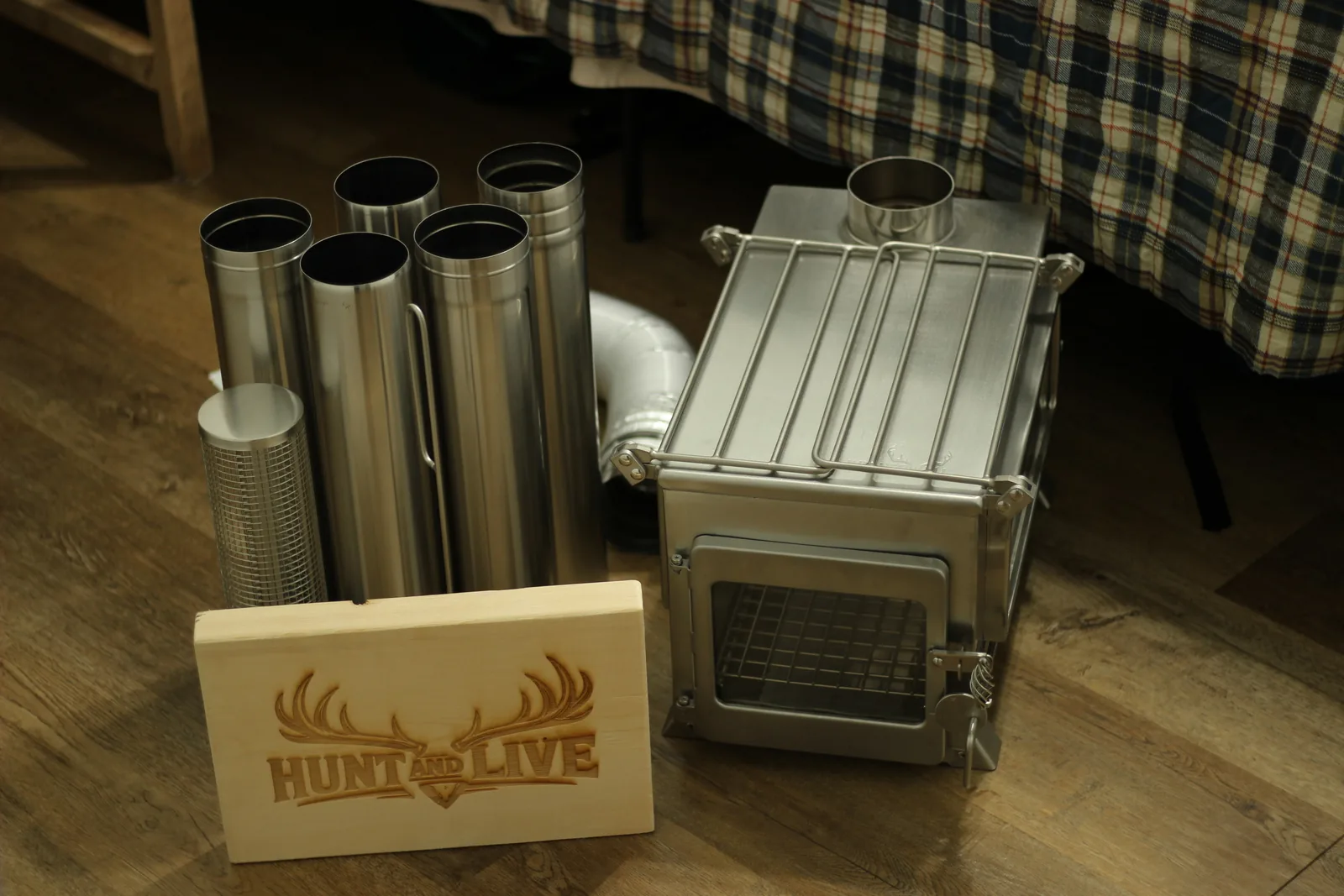
- Spark arrestor, grate, ash scraper and the external air pipe are all in the box — nothing essential is an upsell
Cons
- 17.8 kg for the L size, and it is by far the heaviest thing in a hot-tent kit — the stove alone outweighs the tent it heats by more than five to one
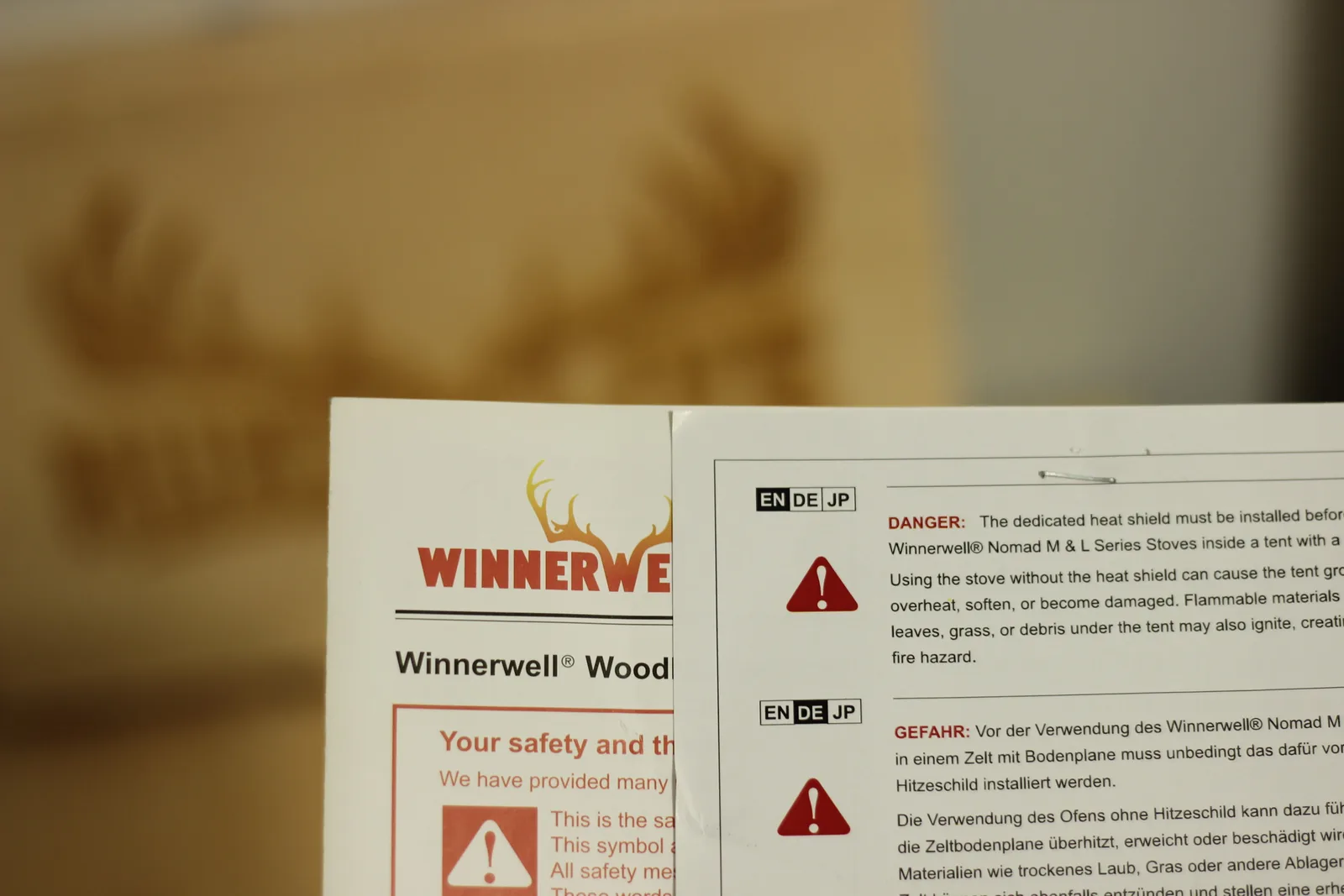
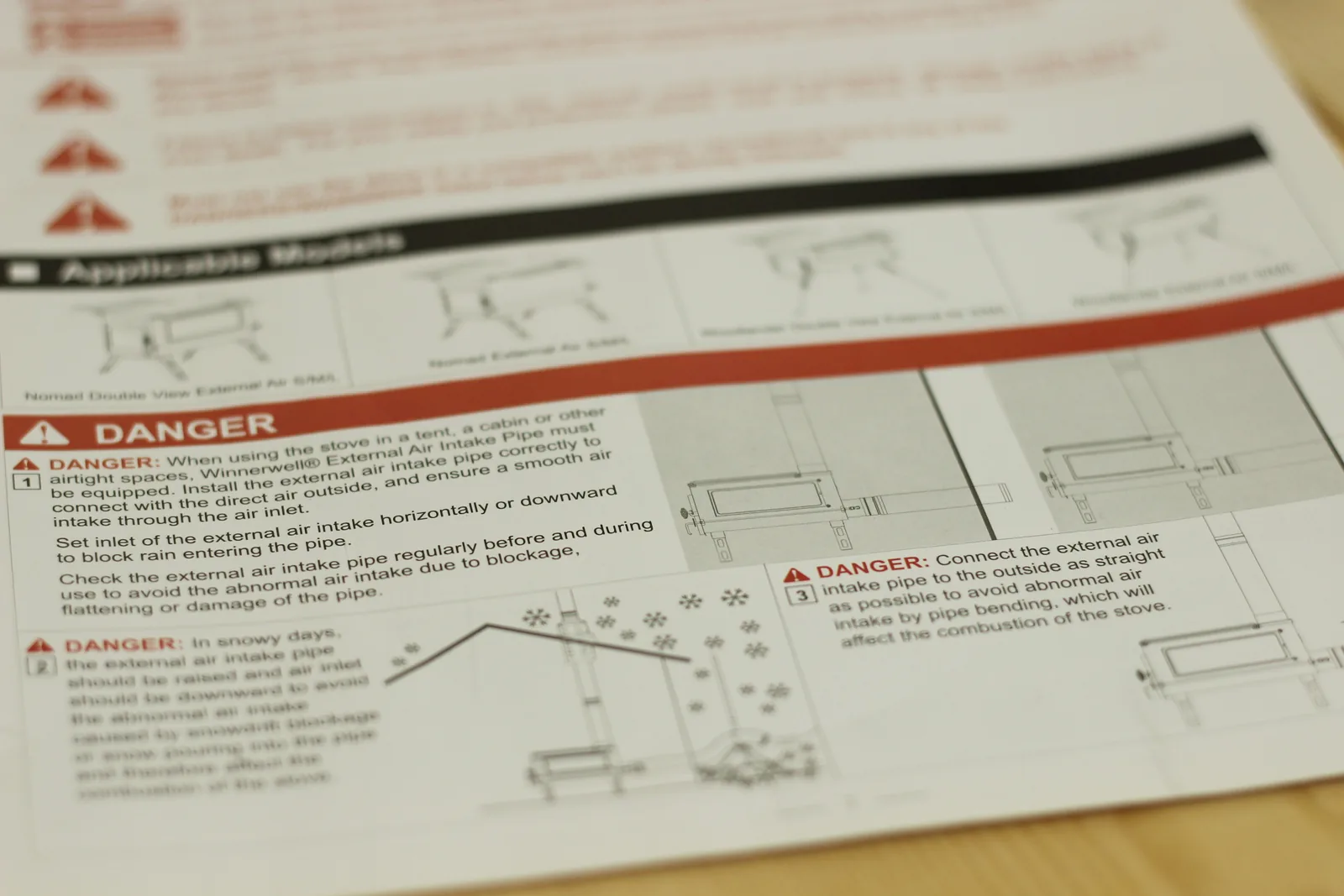
- The dedicated heat shield is required for use over a tent groundsheet and is sold separately — the danger notice in the box says so plainly, and the shield is not in the box
- Around eight hundred dollars before you have bought a tent, which puts the whole setup well past most people's first winter-camping budget
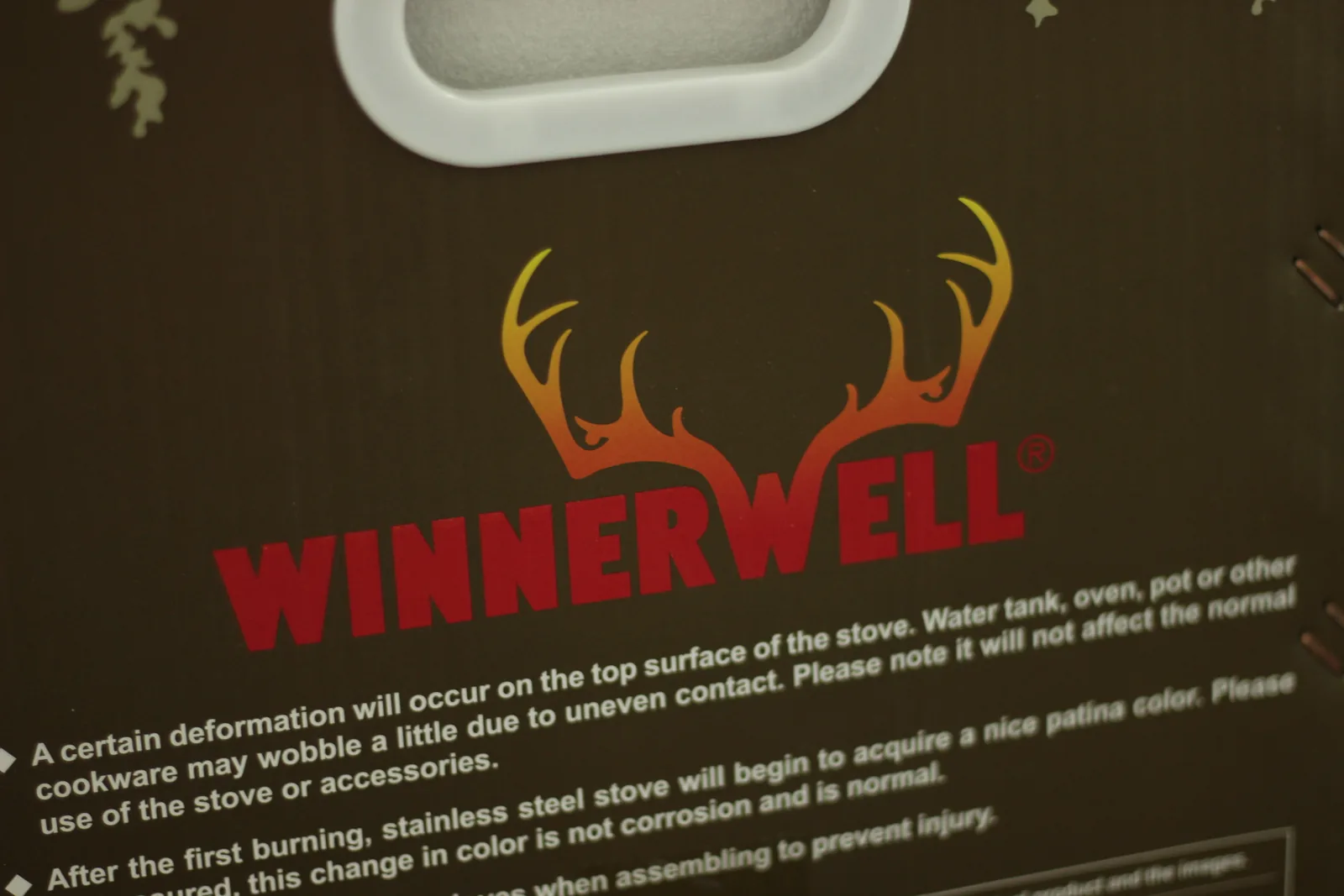
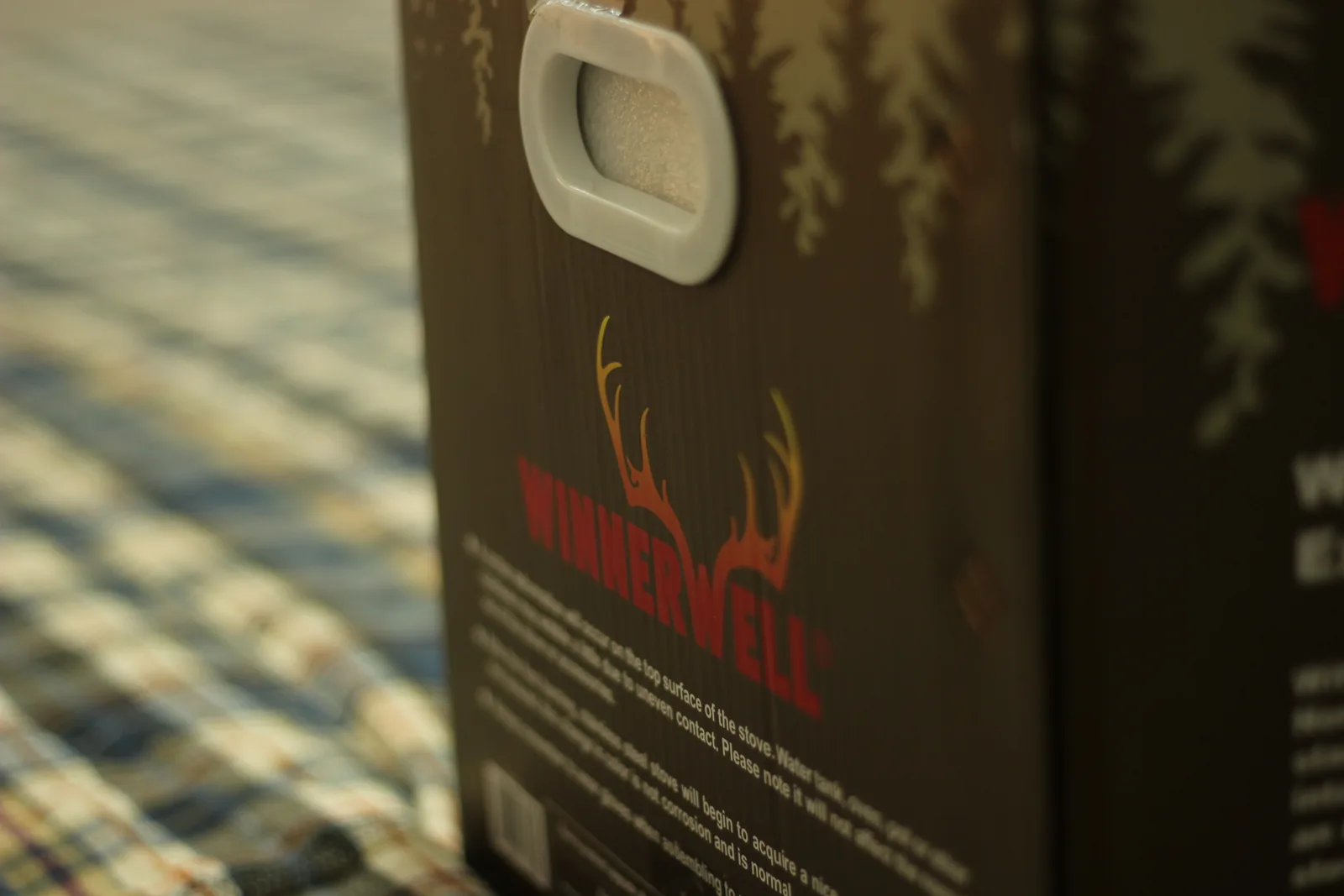
- Stainless discolours to a bronze patina after the first burn — Winnerwell says so on the carton, it is not corrosion, but it will never look showroom-new again
- The glass needs wiping to stay clear, and a stove run too cool will fog both windows within a session
There is a problem at the heart of hot tenting that most stove reviews never name. A wood fire needs oxygen, and in a sealed tent the only oxygen available is the oxygen the occupants are breathing. Worse, the air a stove pulls into the firebox and sends up the chimney is warm air — air the same stove just spent firewood heating. A conventional tent stove is, in a small way, competing with itself and with you.
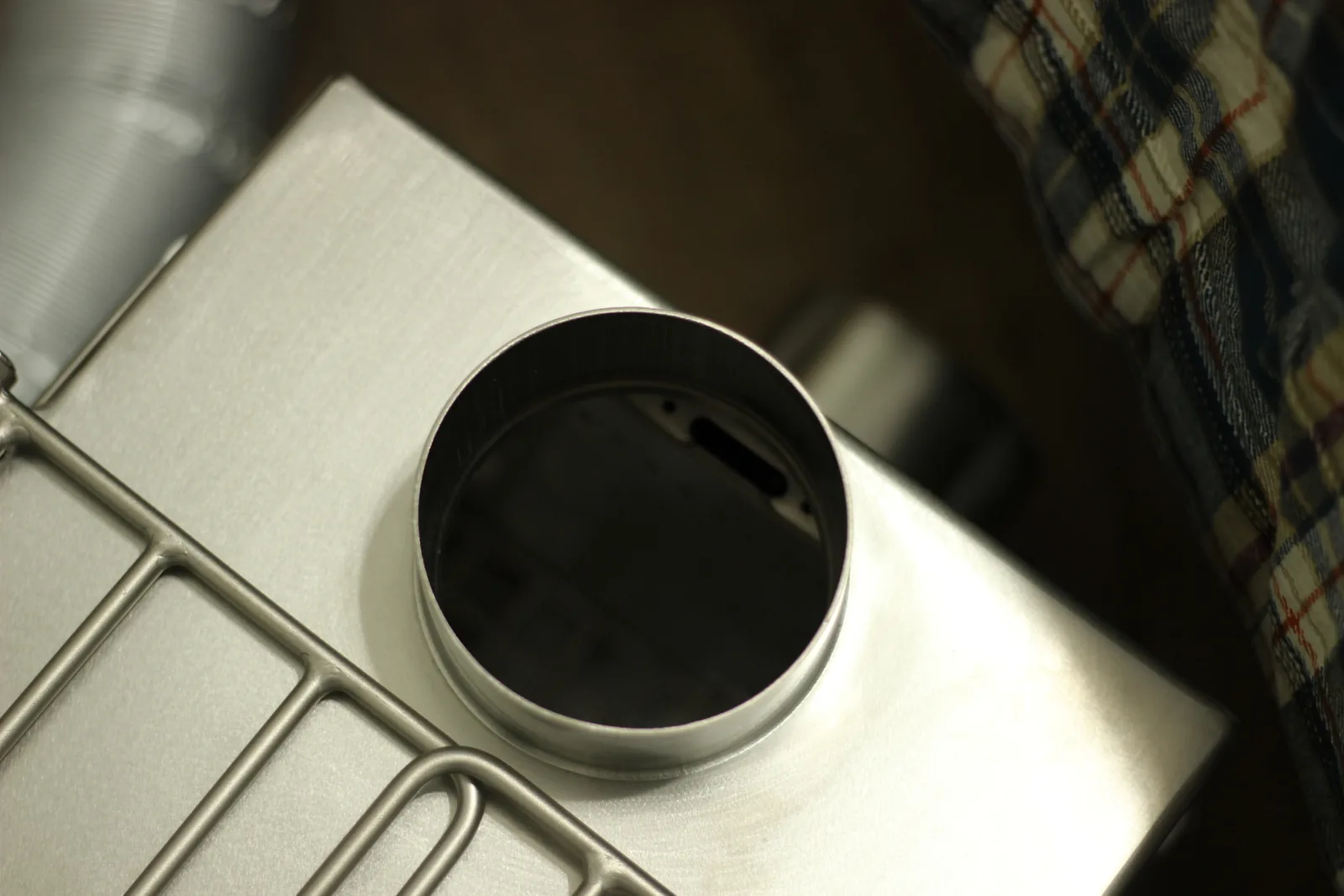
The Winnerwell Nomad PLUS Double View External Air is built around fixing exactly that. A sealed duct runs from the firebox out through the tent wall, so the fire draws cold air from outside and never touches the air inside. It is not a marketing feature. It is the difference between a stove that heats a shelter and a stove that heats a shelter while quietly emptying it of oxygen.
This review covers the L size, which is what came out of the carton: 17.8 kg of AISI 304 stainless, a 27.5-litre firebox, two windows, secondary combustion, and about eight hundred dollars.
At a glance · L size
In the Box
The carton tells you the material before you open it, which is a good sign about a company’s priorities.
Design and Build
The metalwork
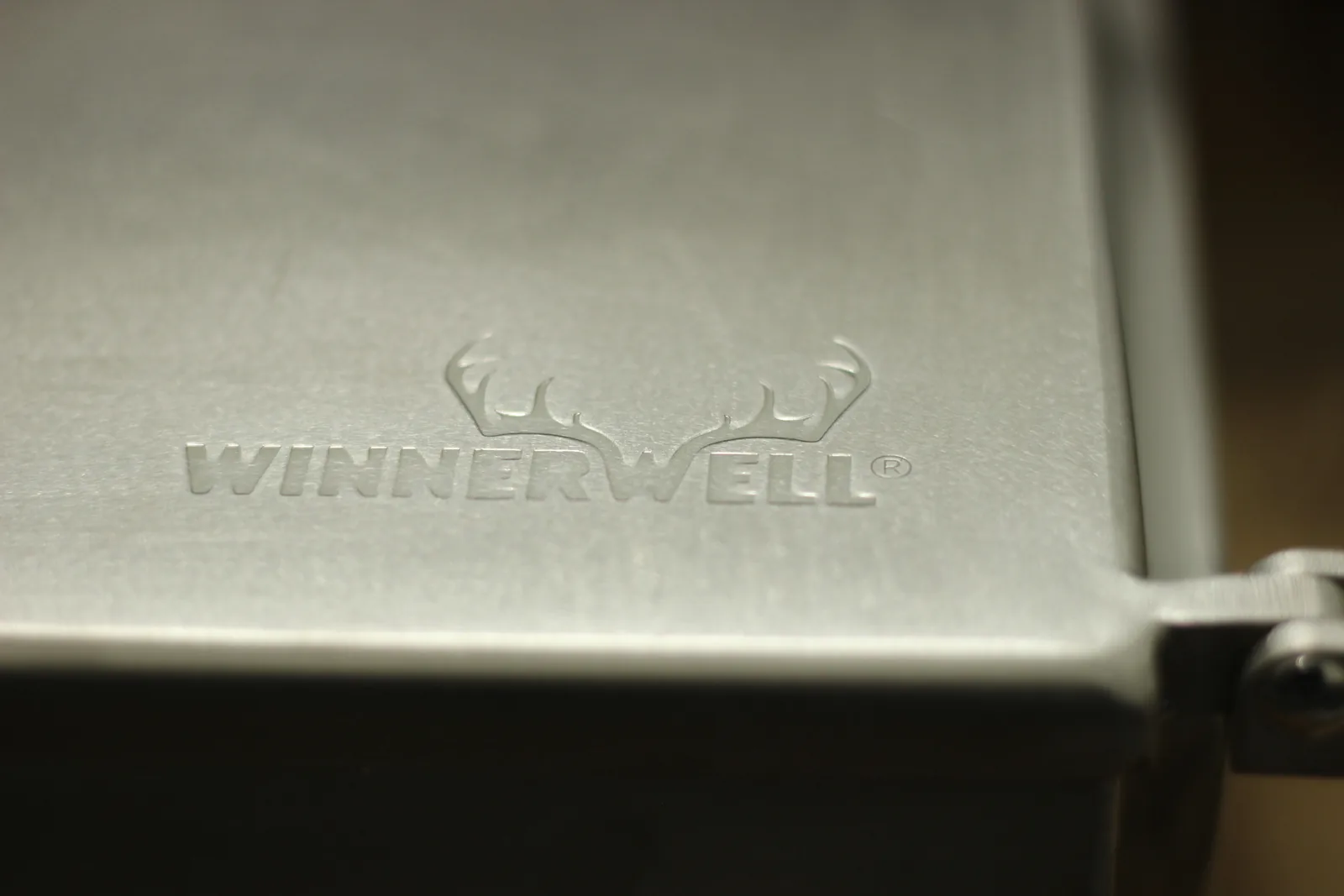
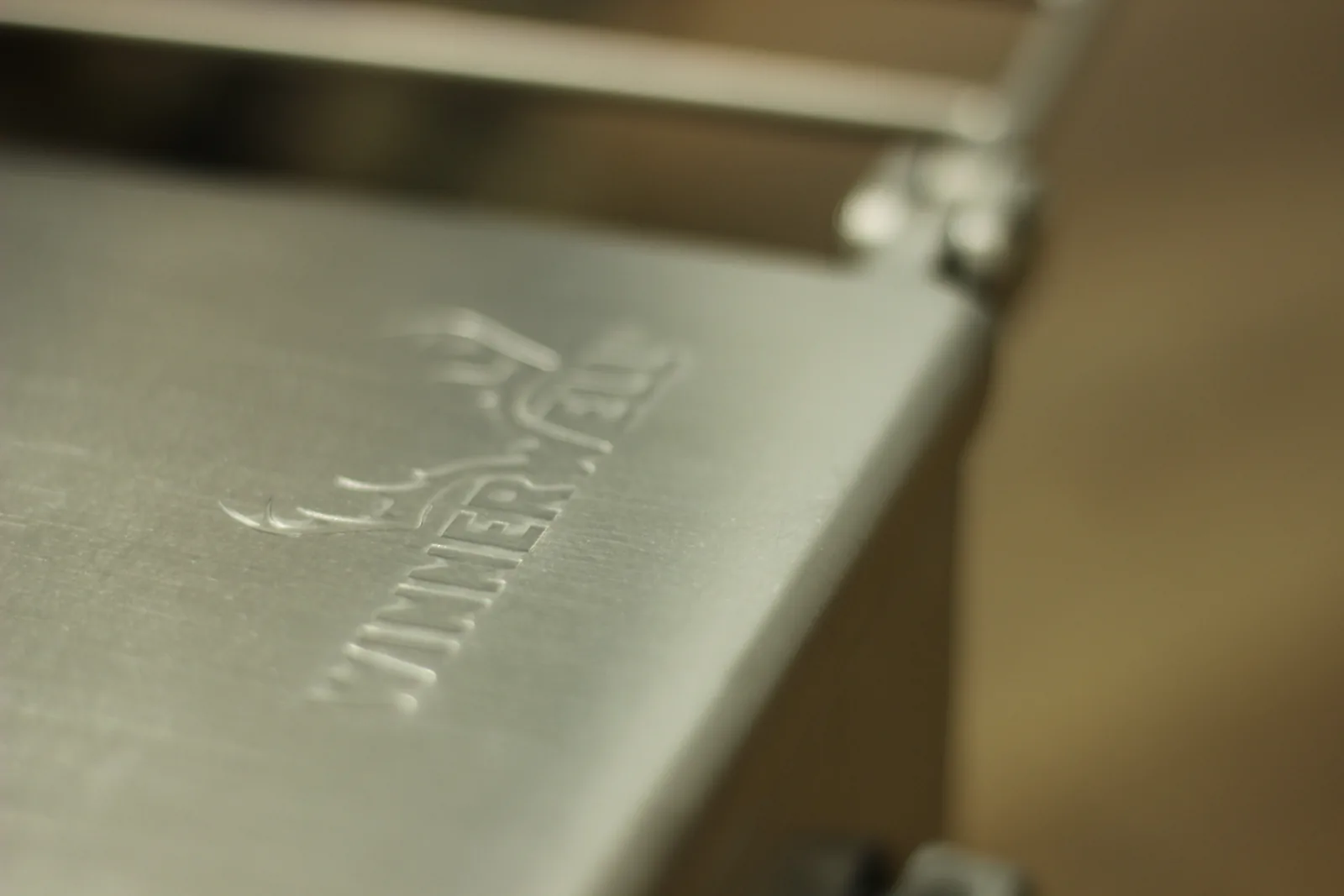
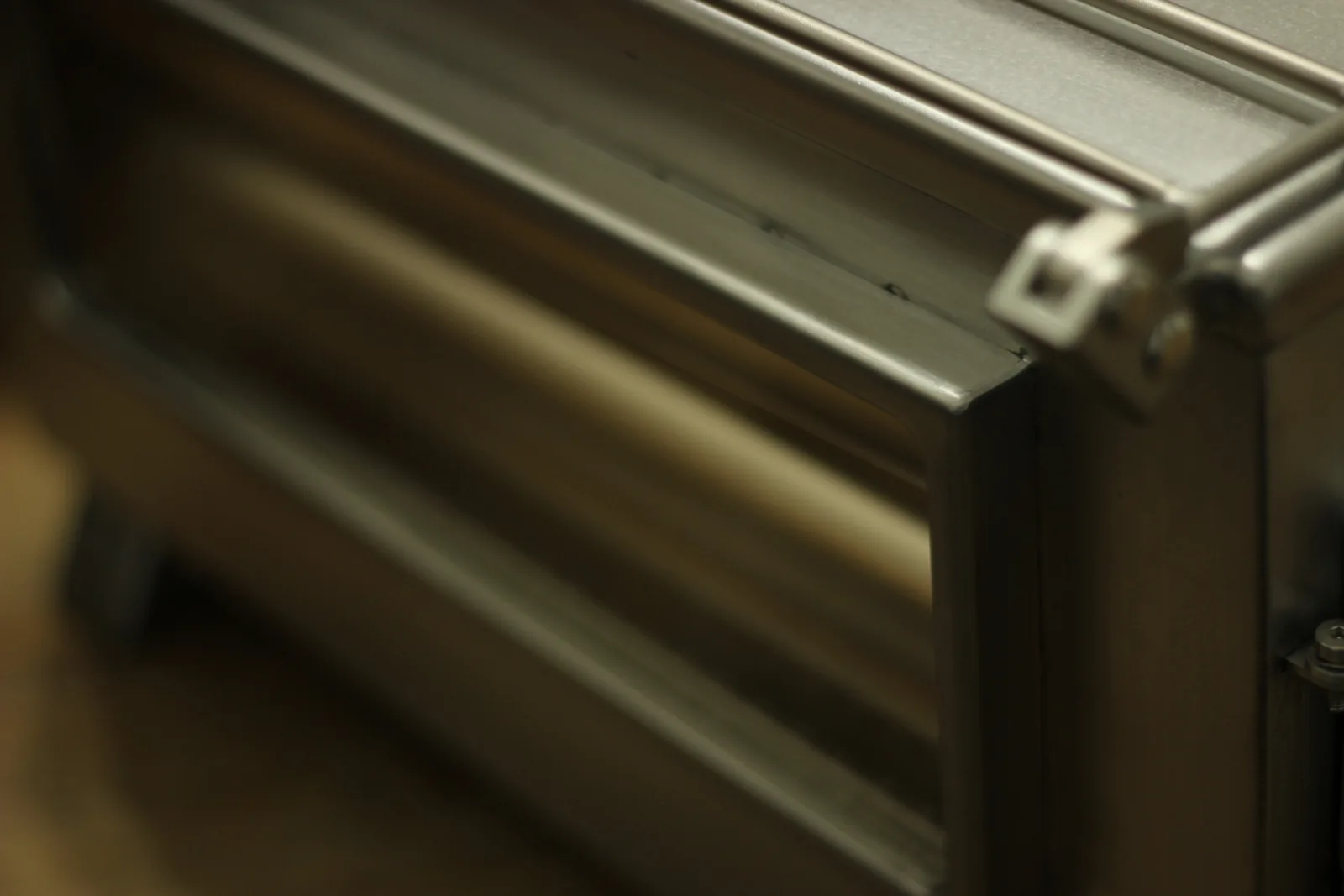
This is the part that separates a five-hundred-dollar stove from a hundred-dollar one, and it shows immediately.
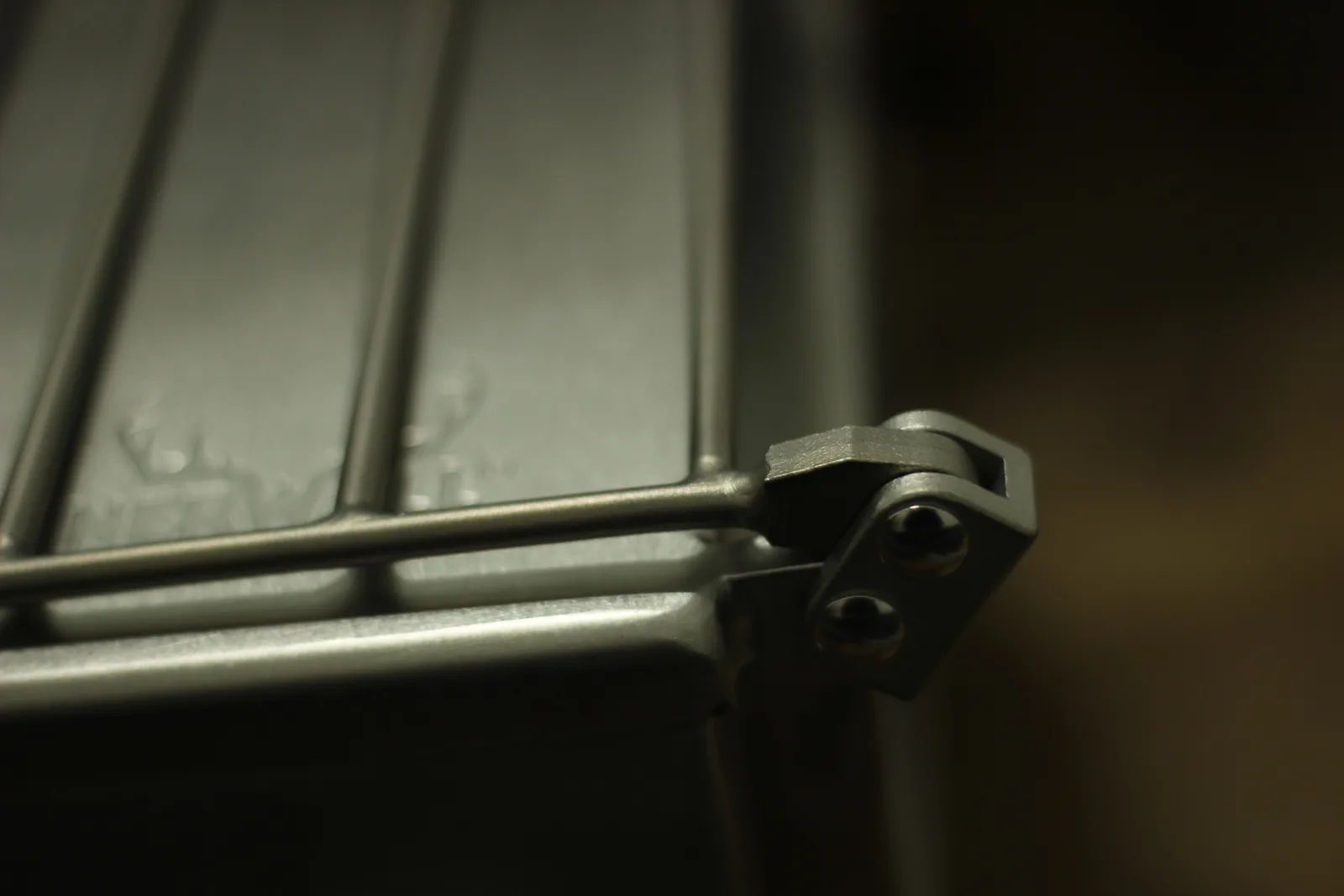
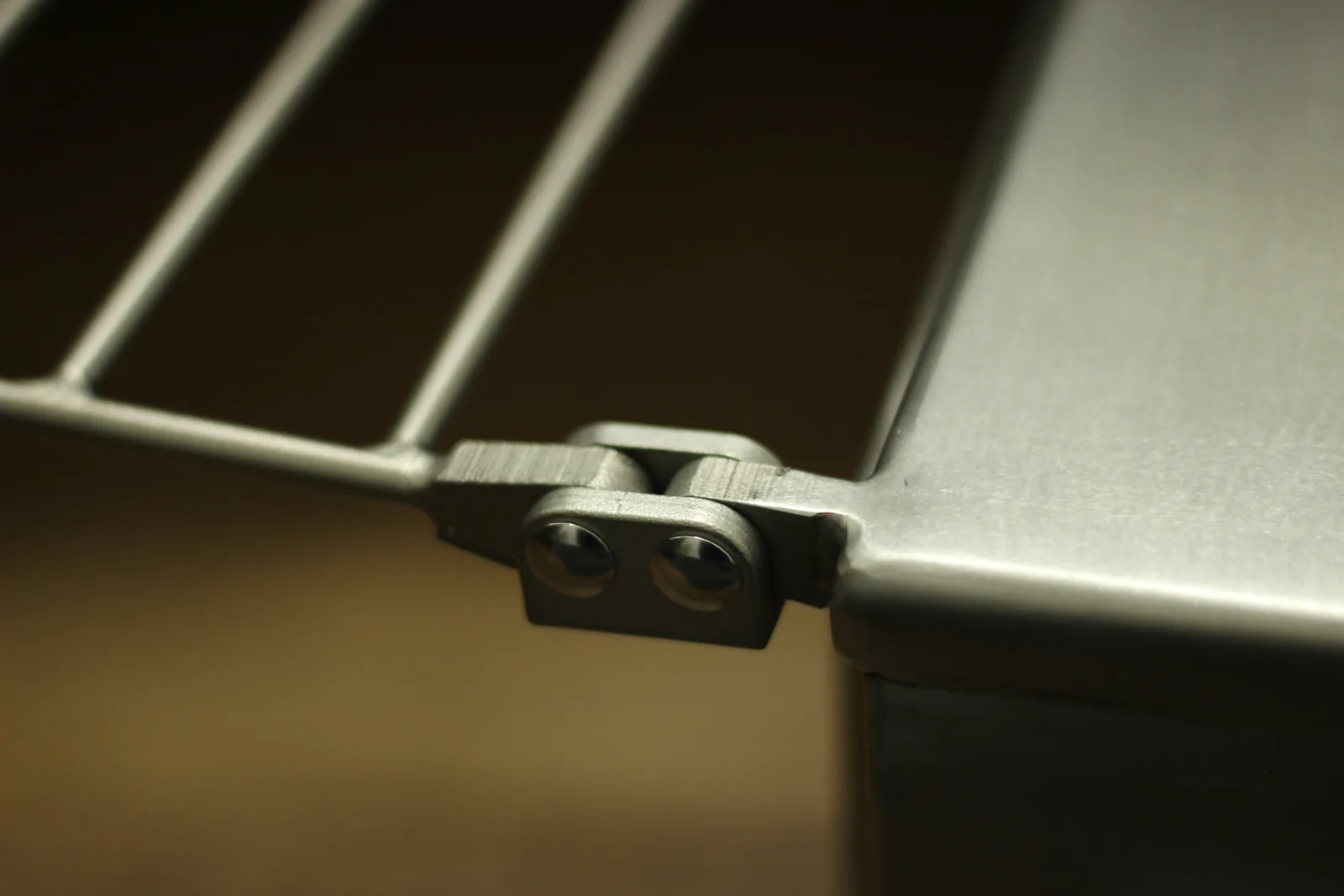
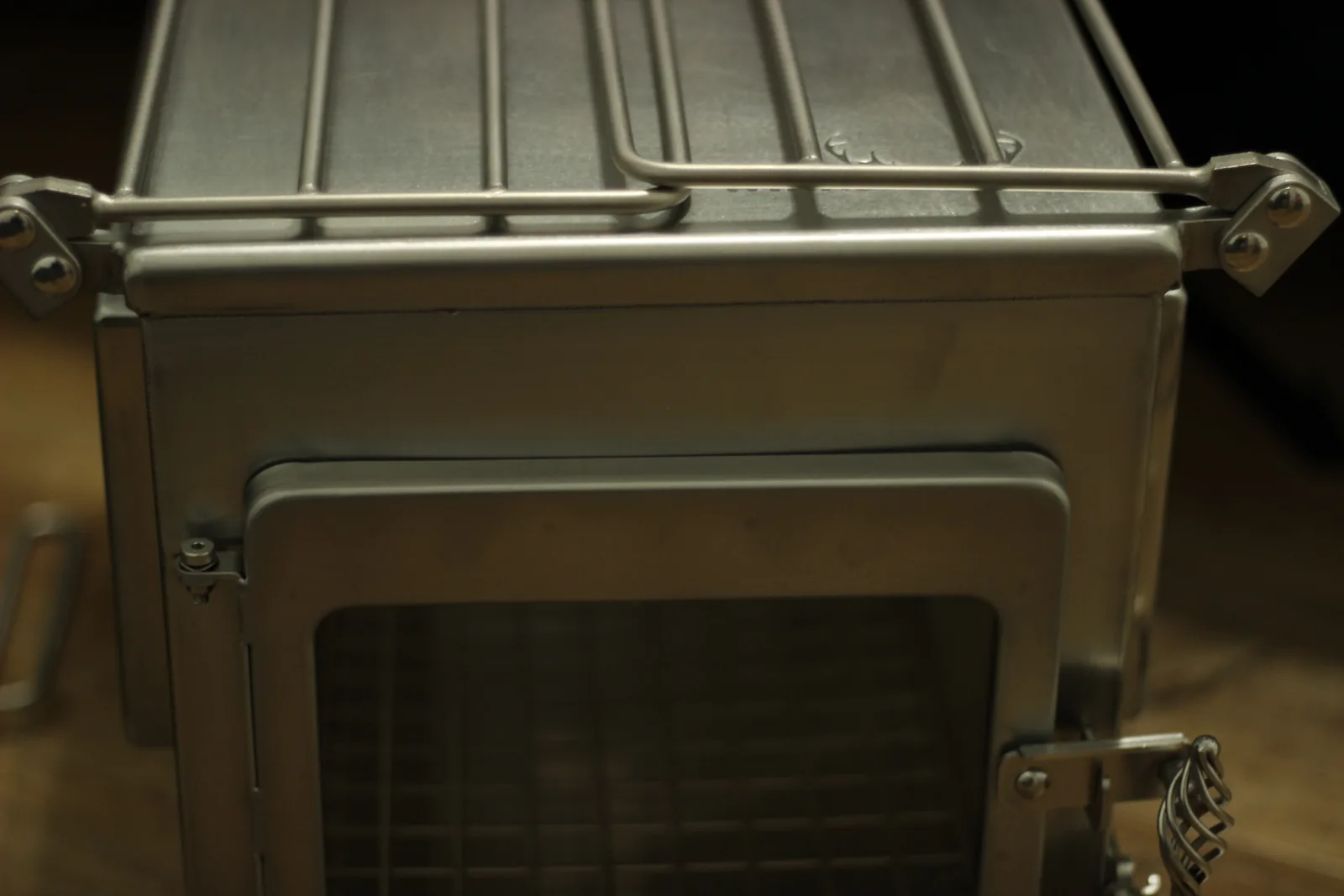
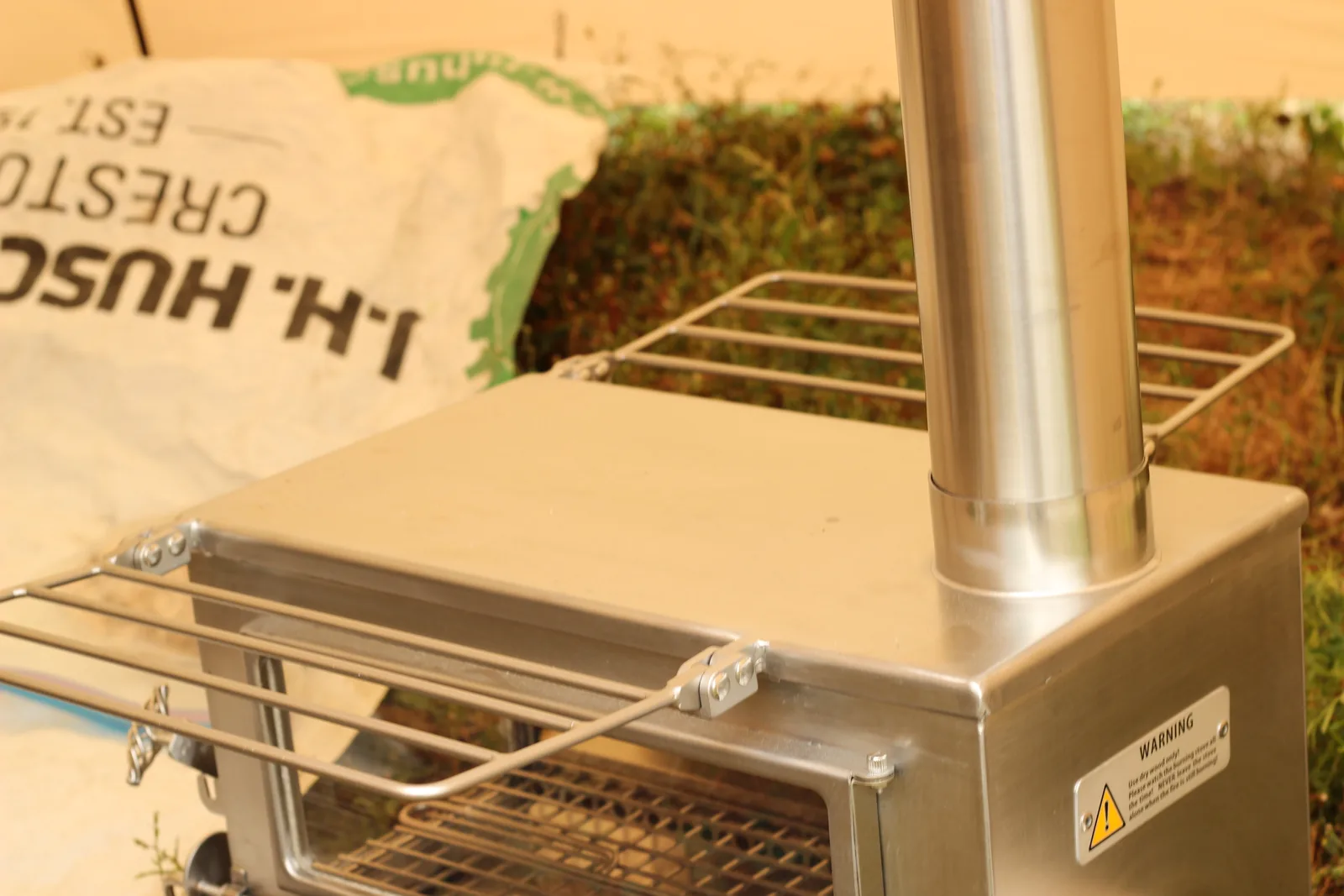
The doors, the glass and the handles
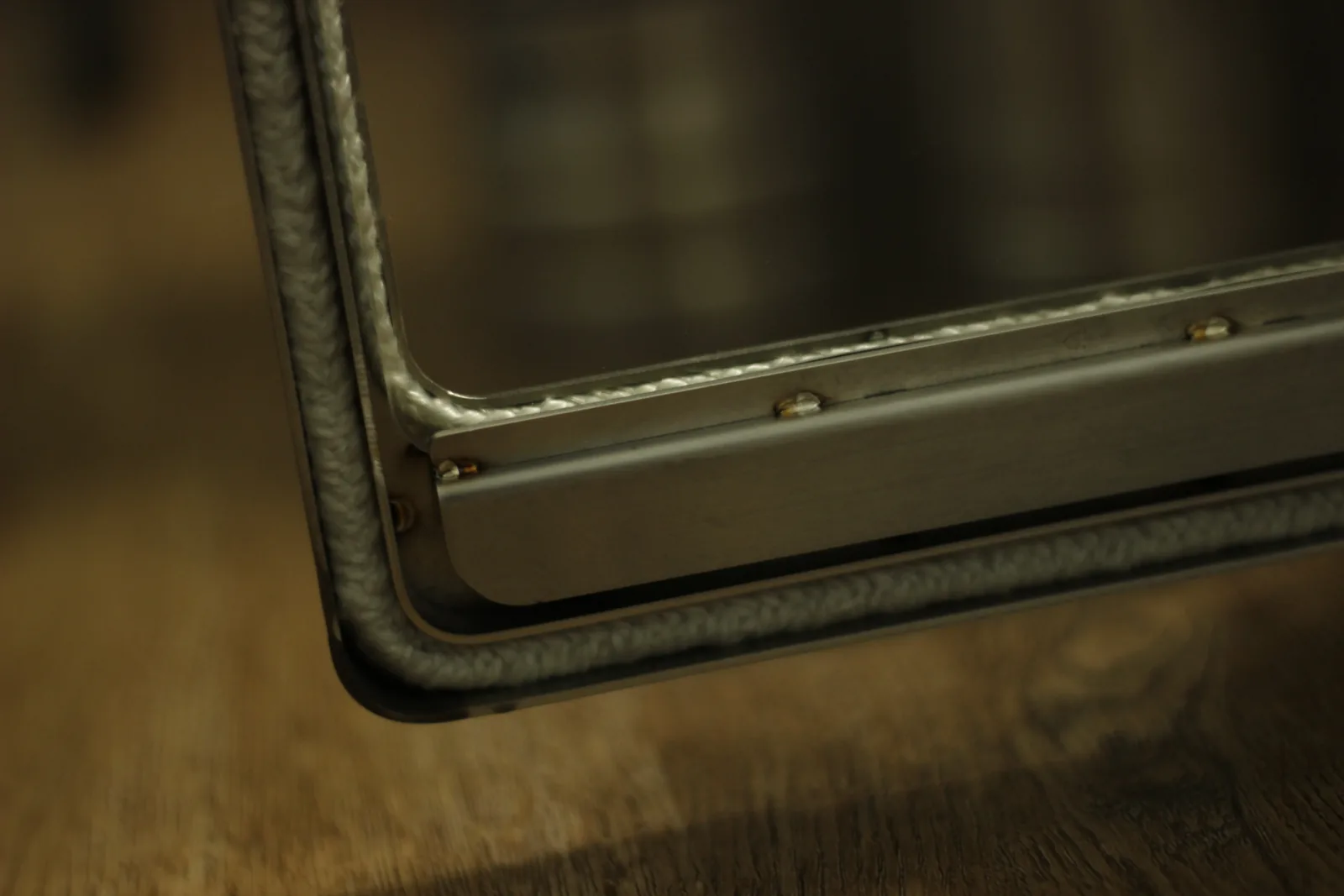
Inside the firebox
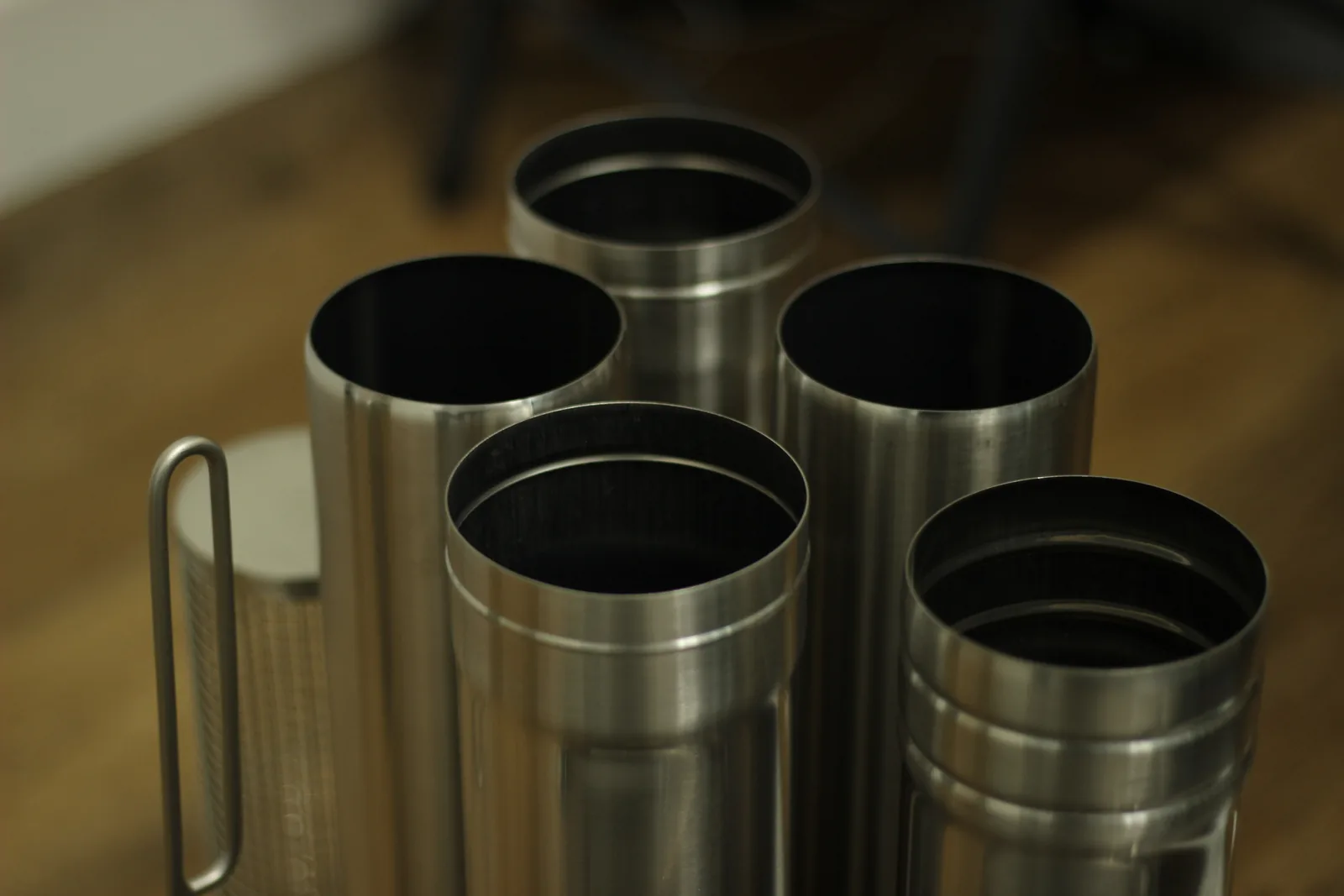
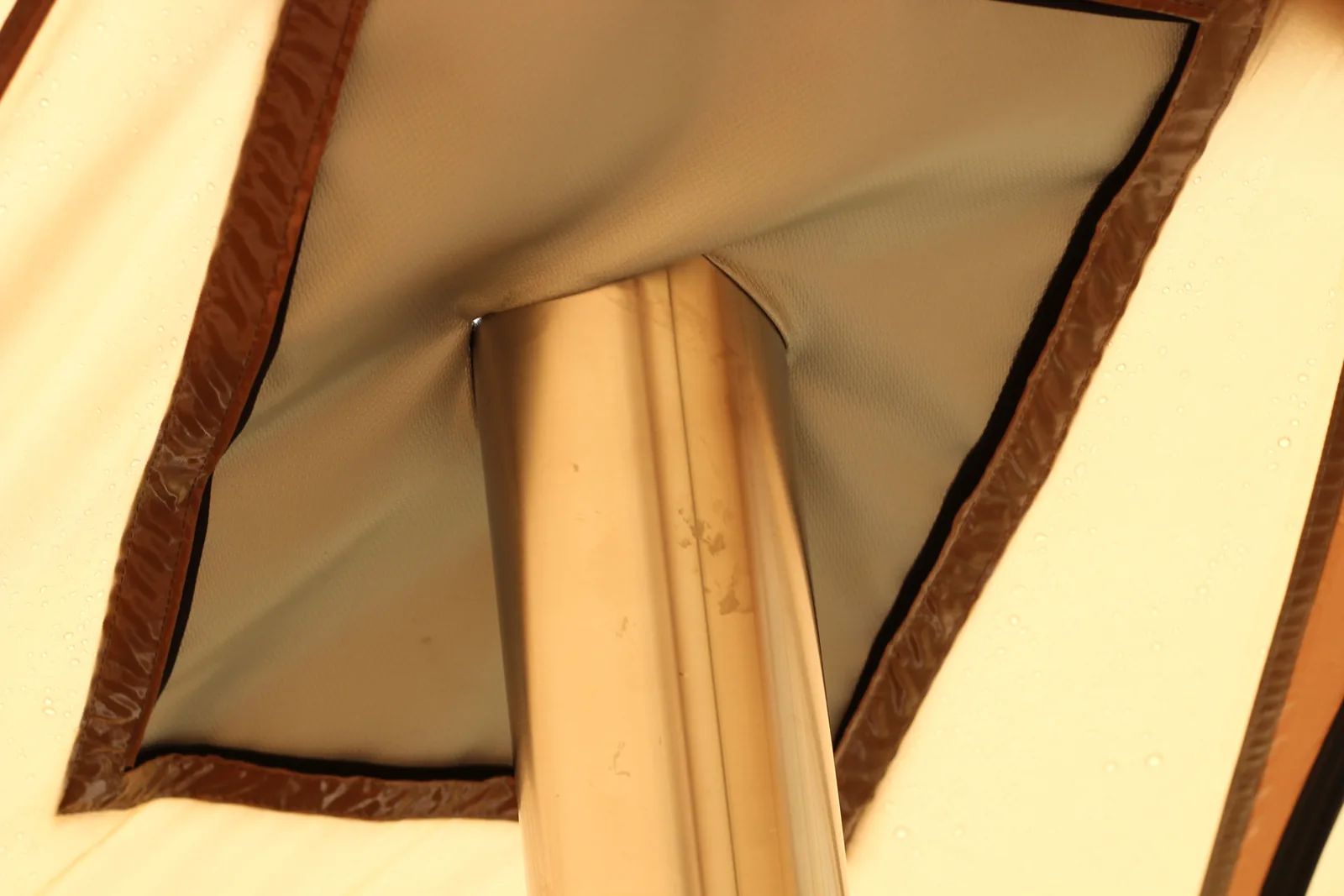
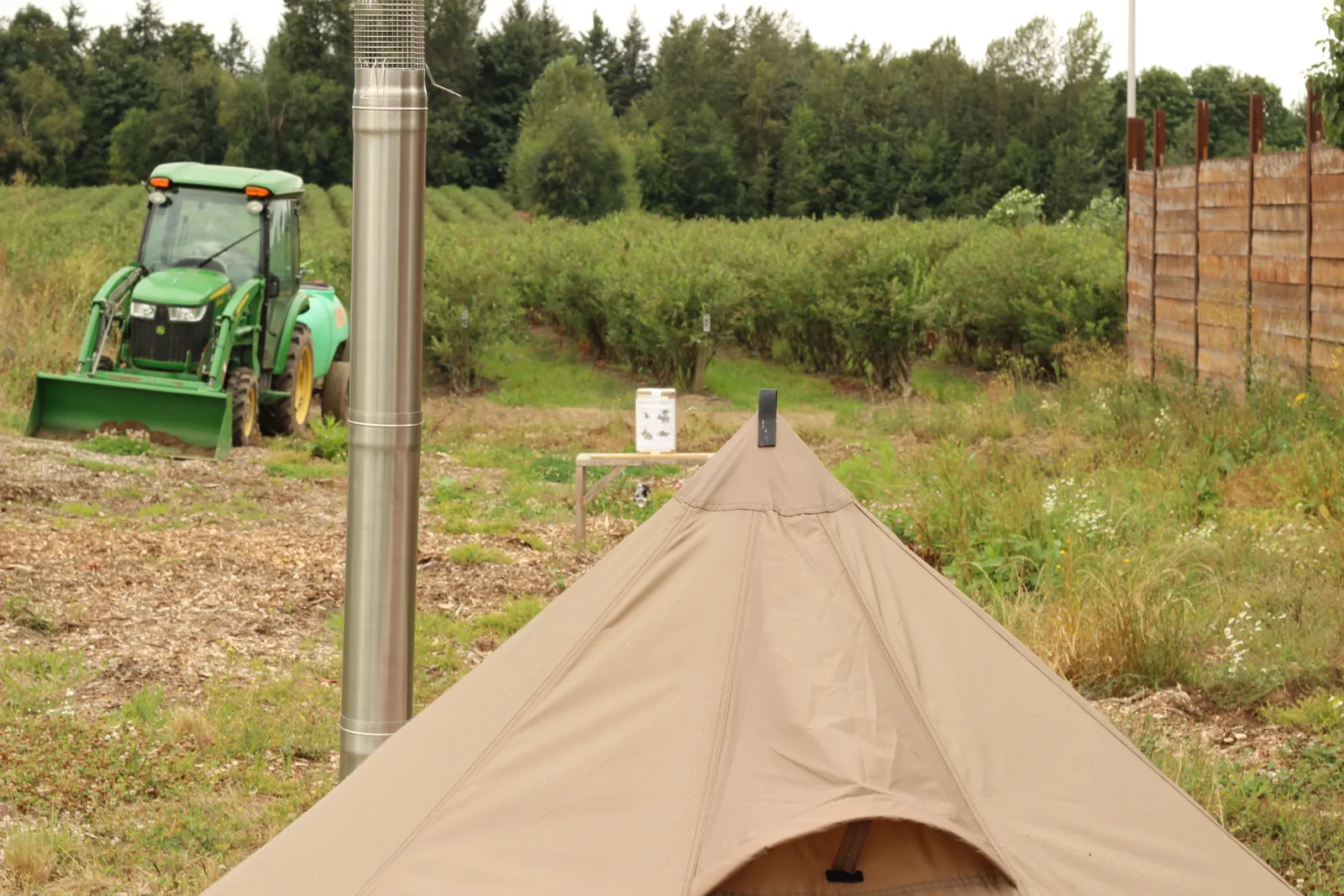
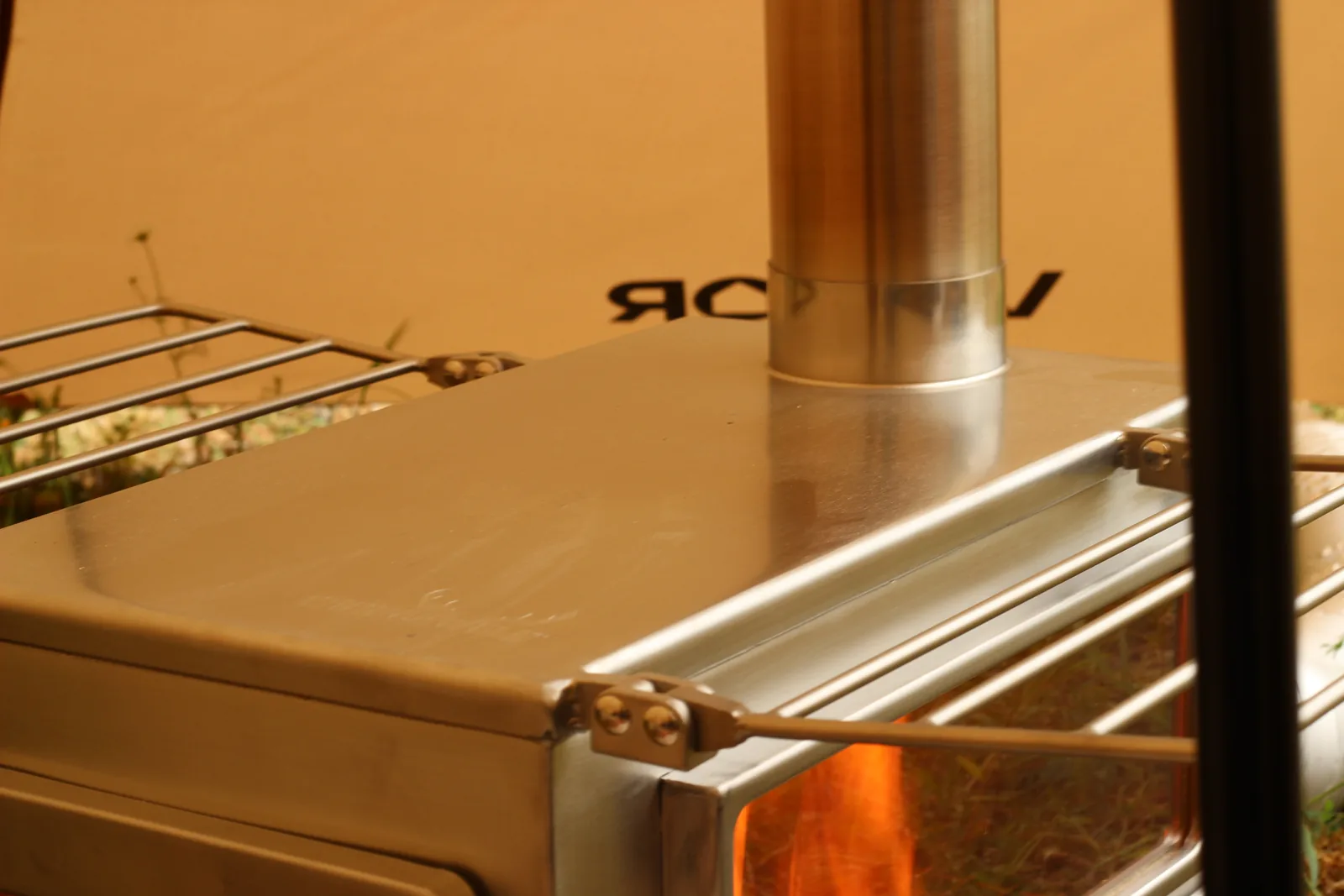
The chimney and spark arrestor
The Numbers: M vs L
Winnerwell sells the Nomad PLUS Double View in two sizes, and the choice is not obvious from the names.
| Spec | M size (WN-PVM) | L size (WN-PL) | Difference |
|---|---|---|---|
| Firebox | 360 × 200 × 210 mm | 440 × 250 × 250 mm | L holds 82% more |
| Firebox volume | 15.1 L | 27.5 L | +12.4 L |
| Weight | 11.8 kg | 17.8 kg | +6.0 kg |
| Assembled height | 2120 mm | 2615 mm | +495 mm of chimney |
| Packed | 510 × 265 × 300 mm | 600 × 315 × 325 mm | +50% packed volume |
| Chimney | Ø76 mm + Ø73 mm | Ø89 mm + Ø85 mm | Larger flue, stronger draw |
| Price | A$699.95 | A$799.95 | +A$100 |
Manufacturer specifications from Winnerwell's own product page. Firebox volumes calculated from the stated internal dimensions.
Firebox volume in litres, calculated from Winnerwell's stated internal dimensions. The L costs A$100 more and holds 82 percent more fire — which is the single number that should decide the size for most buyers.
That last figure is worth sitting with. A hundred dollars is roughly twelve percent more money for eighty-two percent more firebox, and firebox volume is what determines how long a stove holds heat between refuels. Unless you are carrying the stove on your back, the L is the better buy.
What a Hot-Tent Camp Actually Weighs
Here is the thing nobody tells you when you decide to try hot tenting: the stove is the camp. Everything else is a rounding error.
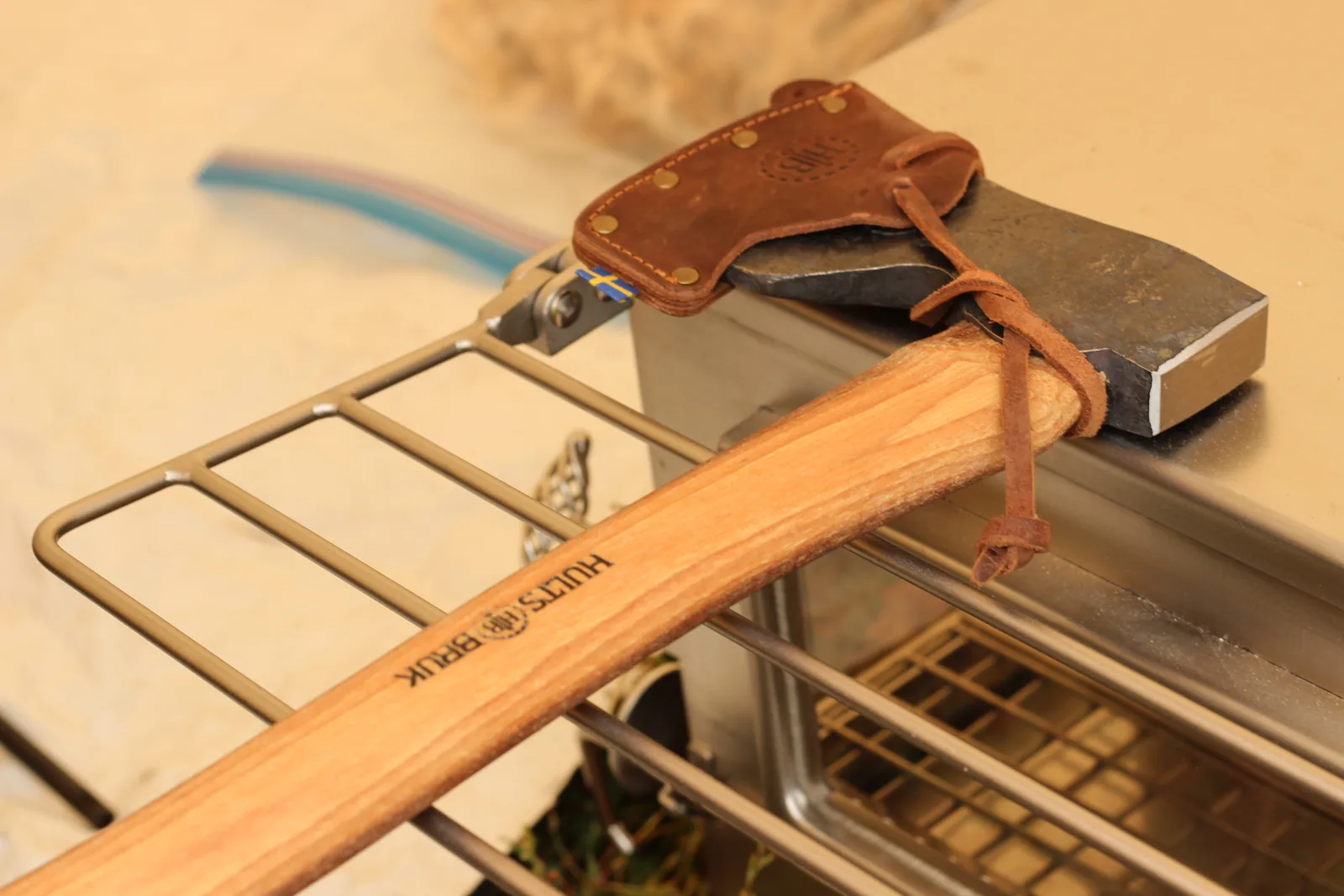
Kilograms. Stove figures from Winnerwell; tent and axe figures from our own reviews of the VEVOR YT-02 and the Hults Bruk Dvärdala. A complete L-size hot-tent camp — shelter, stove and axe — comes to about 21.9 kg, and the stove is 81 percent of it.
This reframes the whole category. Hot tenting is not backpacking. It is a camp you drive to, or sled to, or carry a short distance and then stay put. Anyone planning to walk far with this should be looking at the M size, and should still expect the stove to dominate the load.
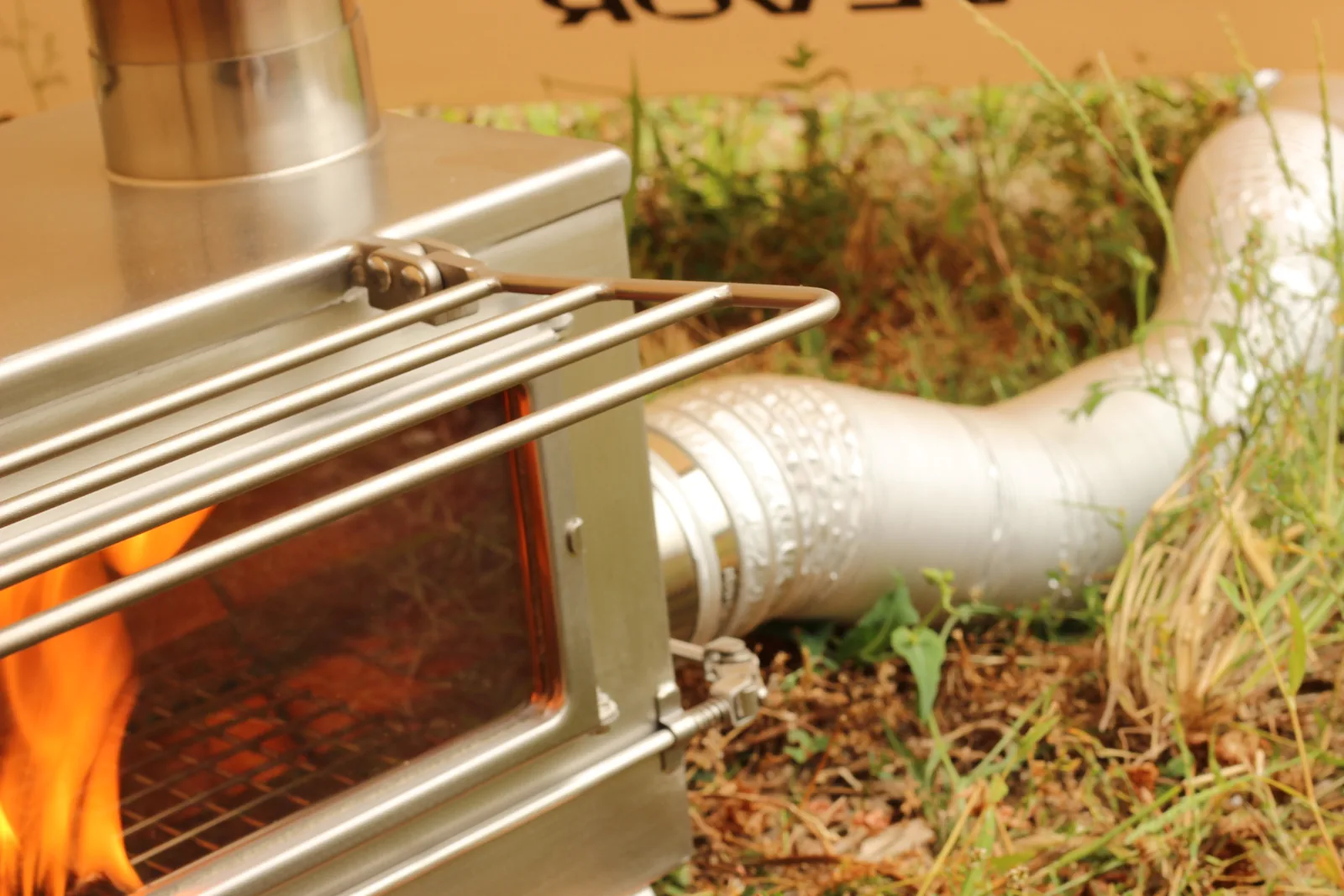
The External Air System
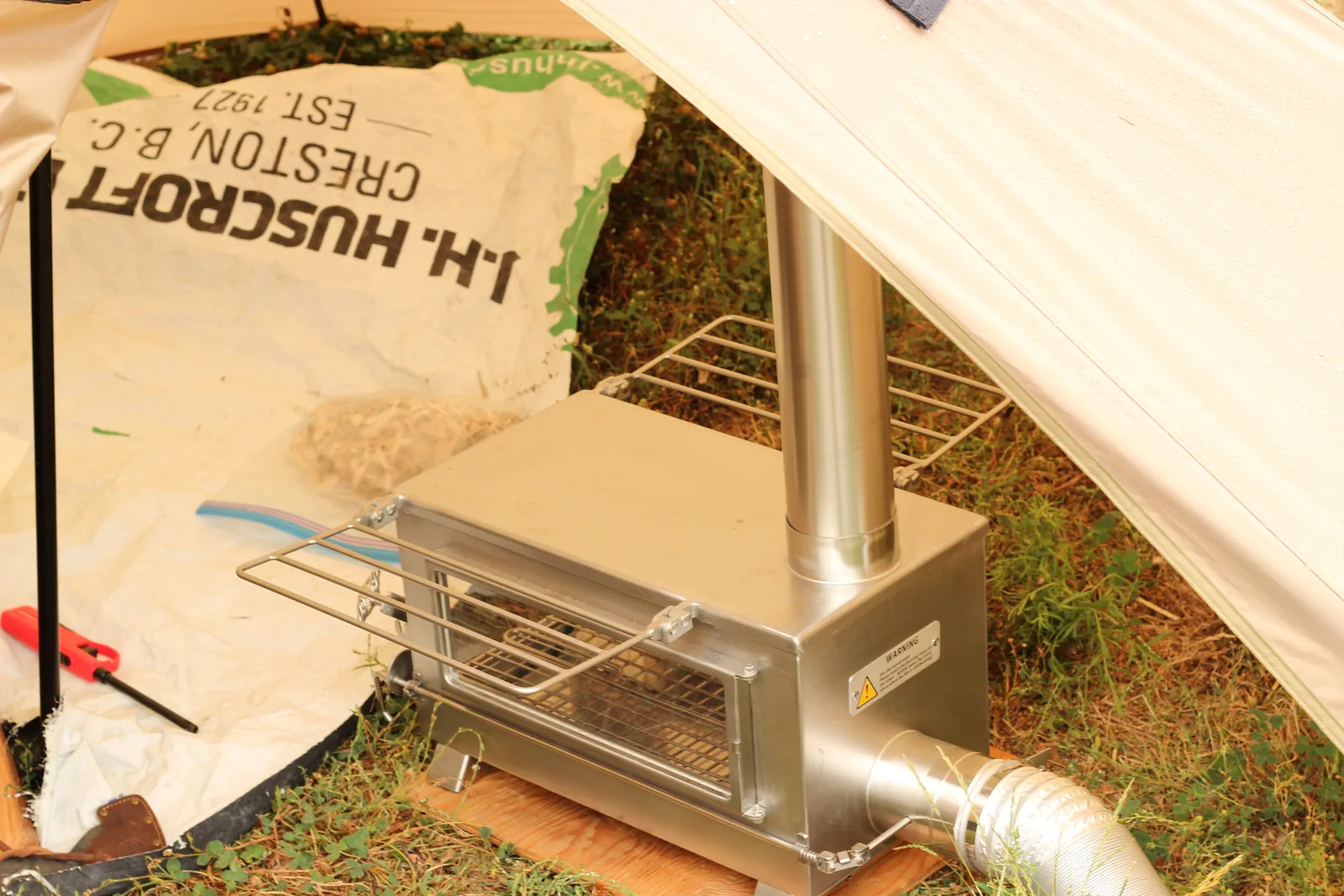
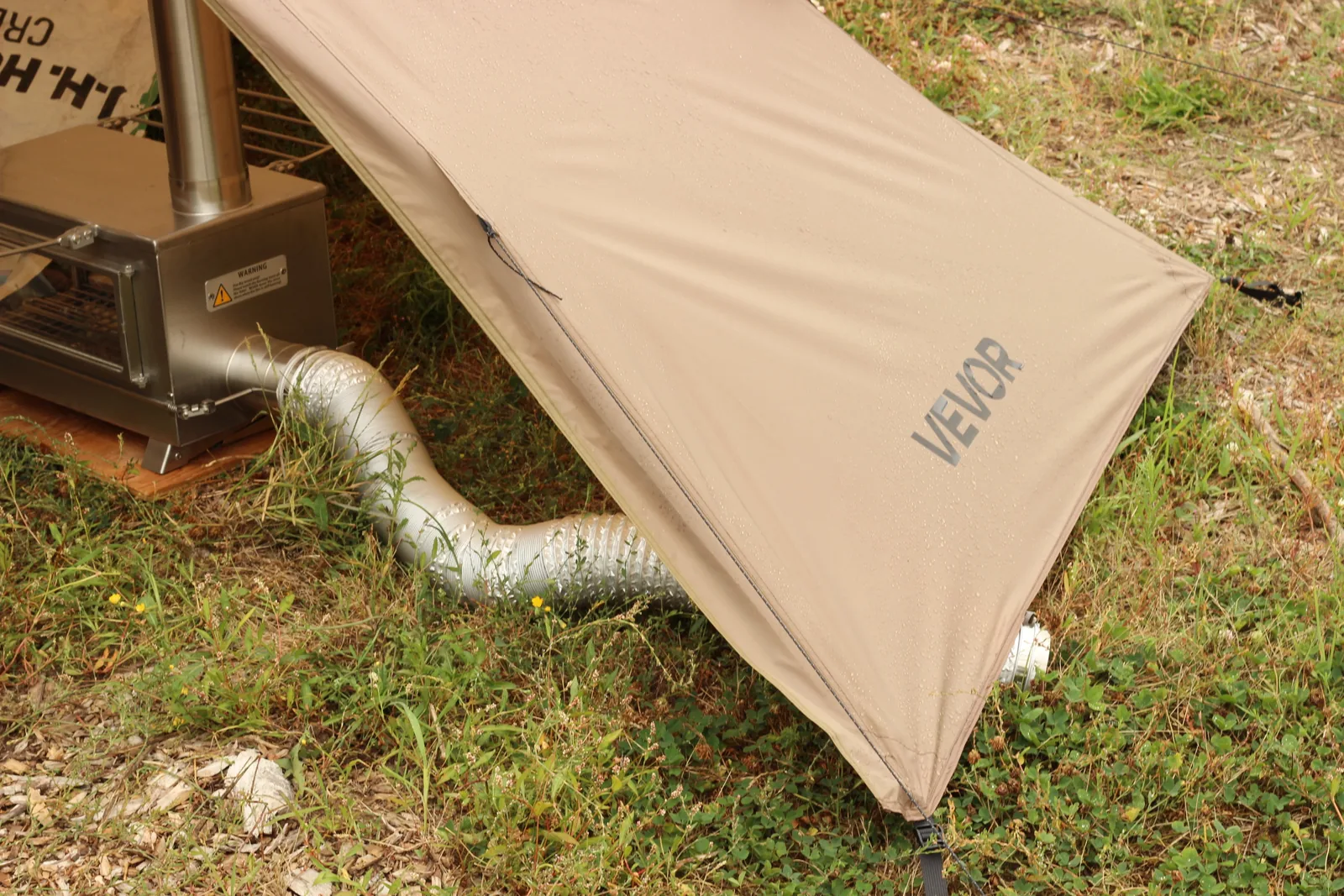
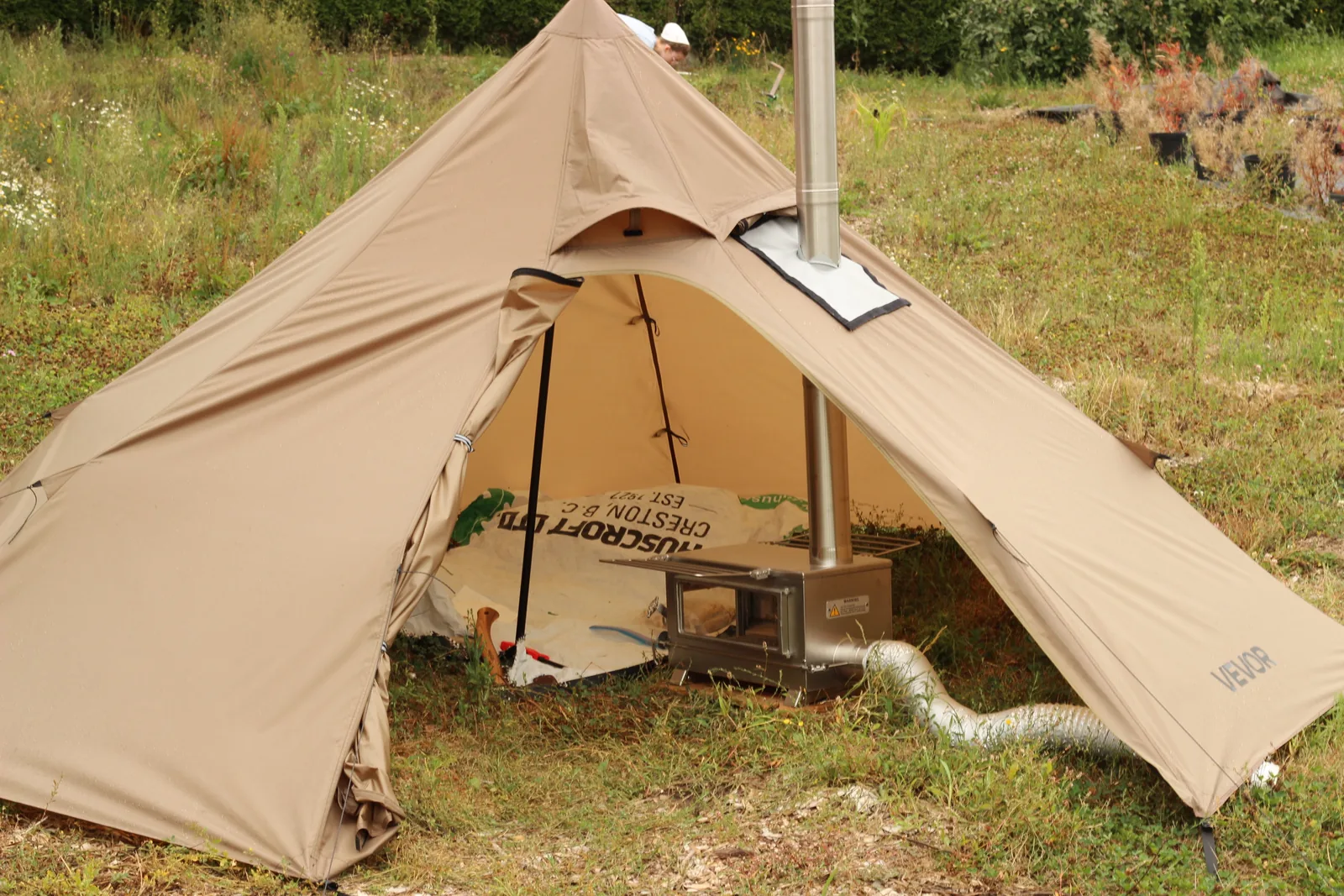
The engineering here is simple and the consequence is not. On a conventional stove, every cubic metre of air that goes up the chimney has to be replaced by outside air leaking in around the door, the hem and the zip. That draught is why a hot tent can have a stove roaring and still have cold air pouring across the floor. Duct the combustion air from outside, seal the firebox, and the draught stops.
The second consequence is the safety one, and it is why we would pay the premium. A sealed stove is not competing with the occupants for oxygen. That does not make a carbon monoxide alarm optional — the manual still specifies a minimum ventilation opening, and so do we — but it removes the largest single mechanism by which a tent stove depletes the air in a shelter.
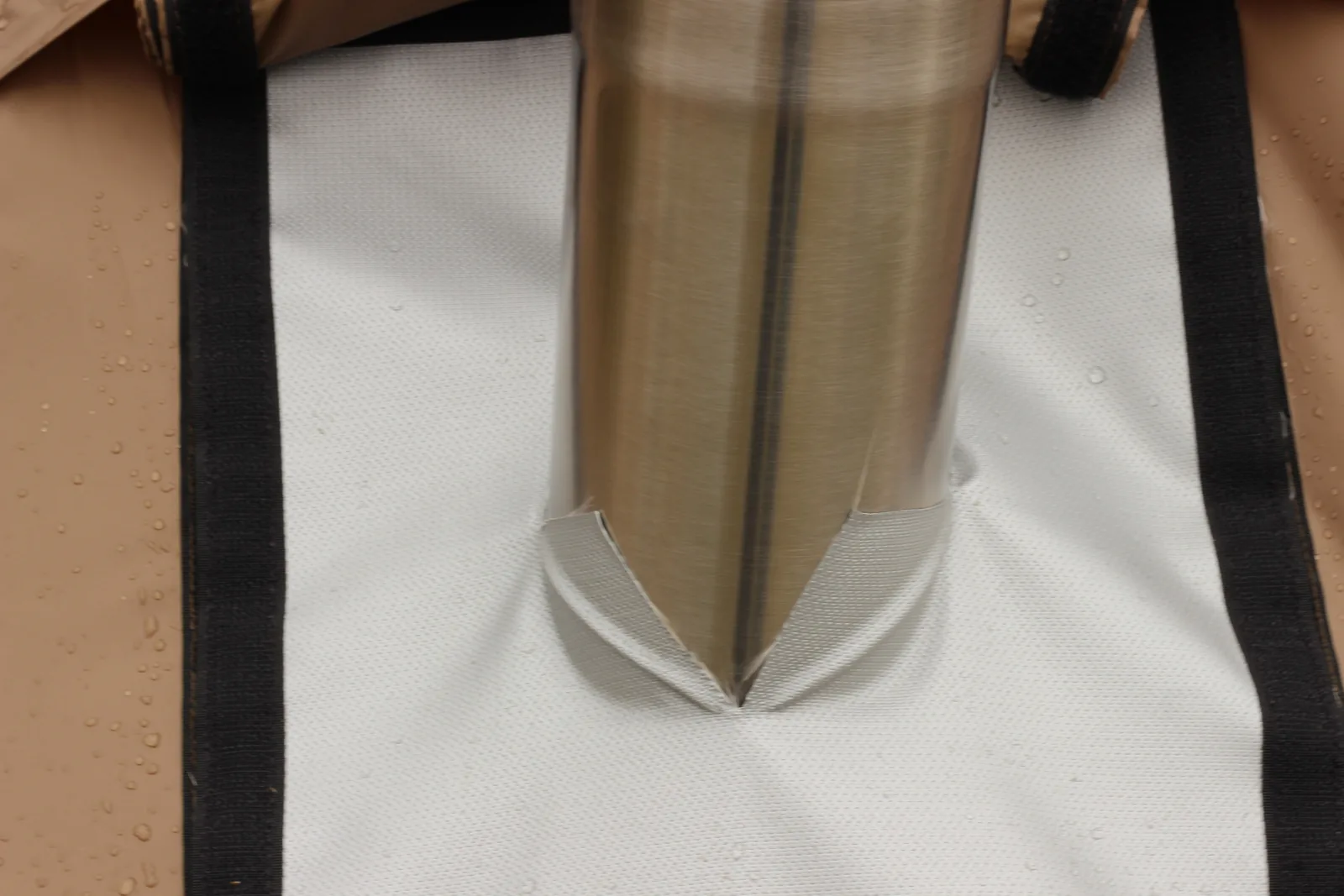
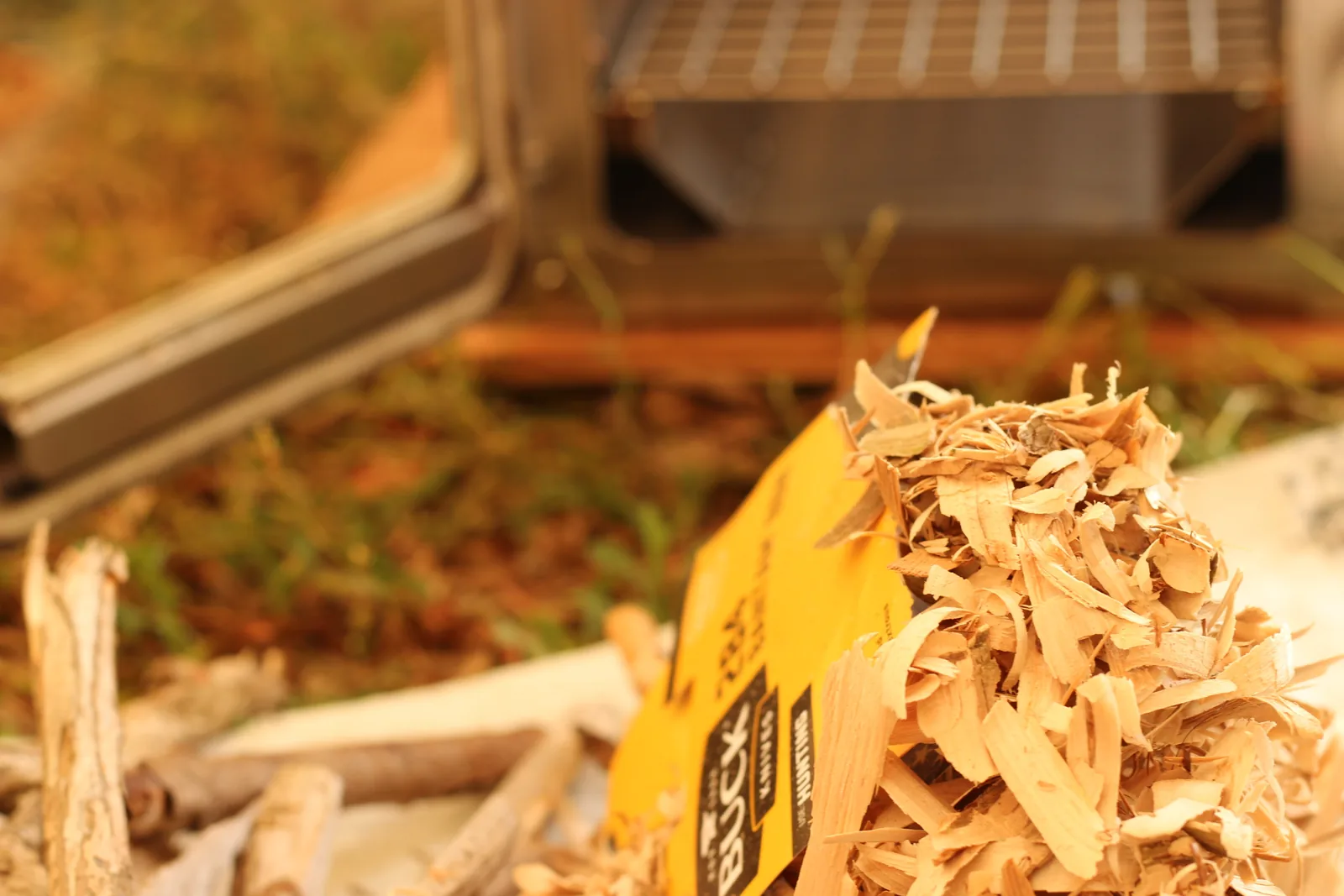
Lighting It
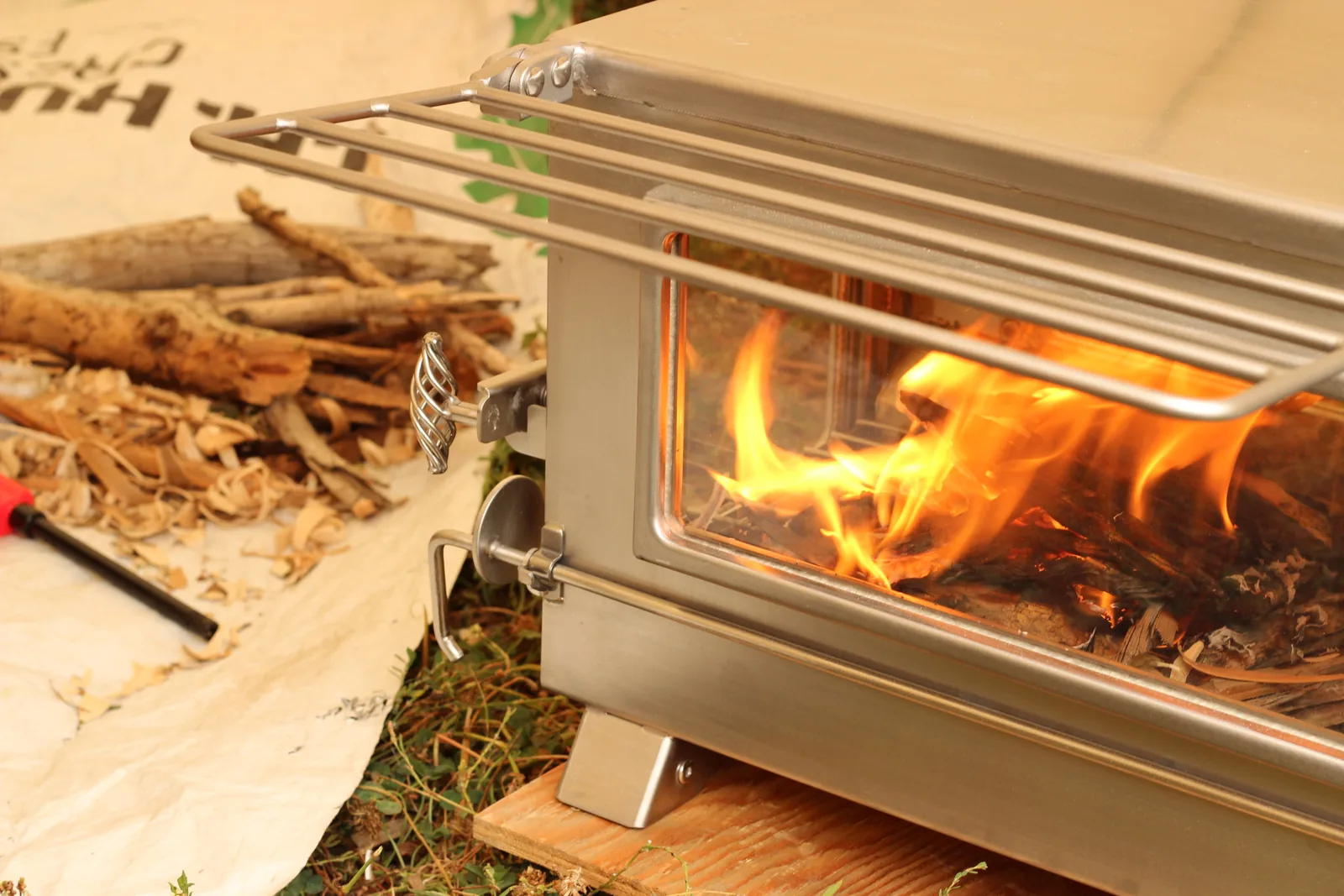
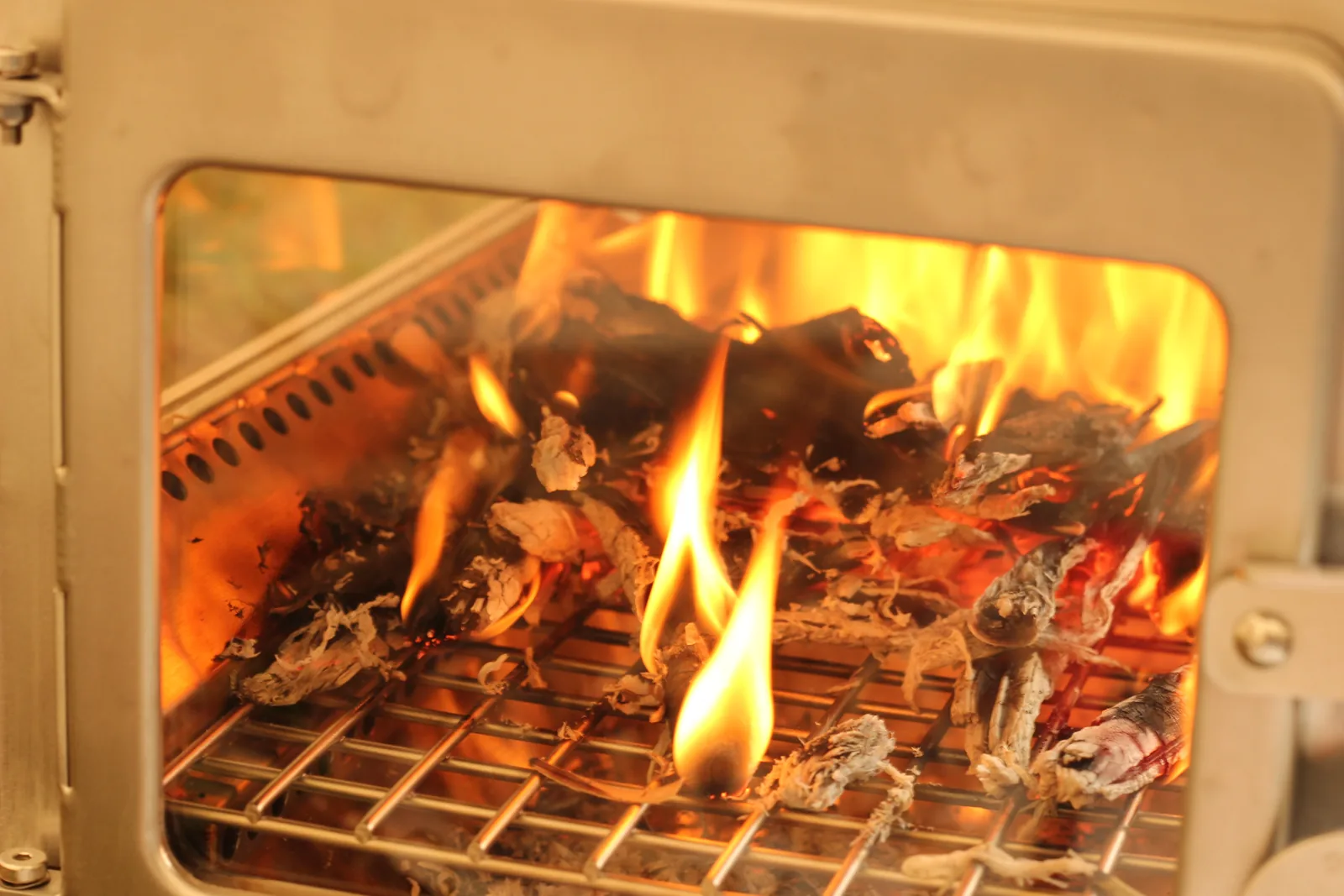
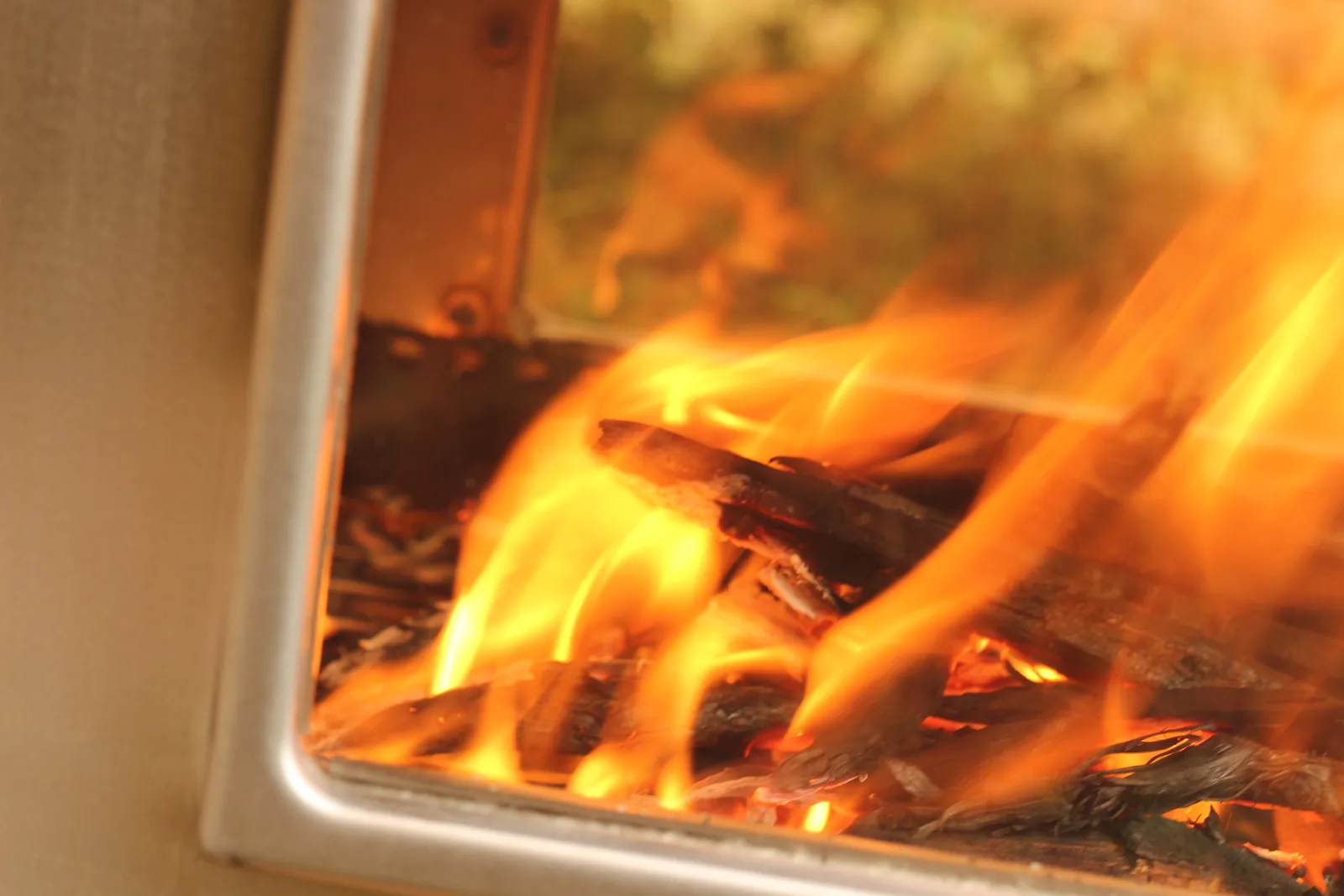
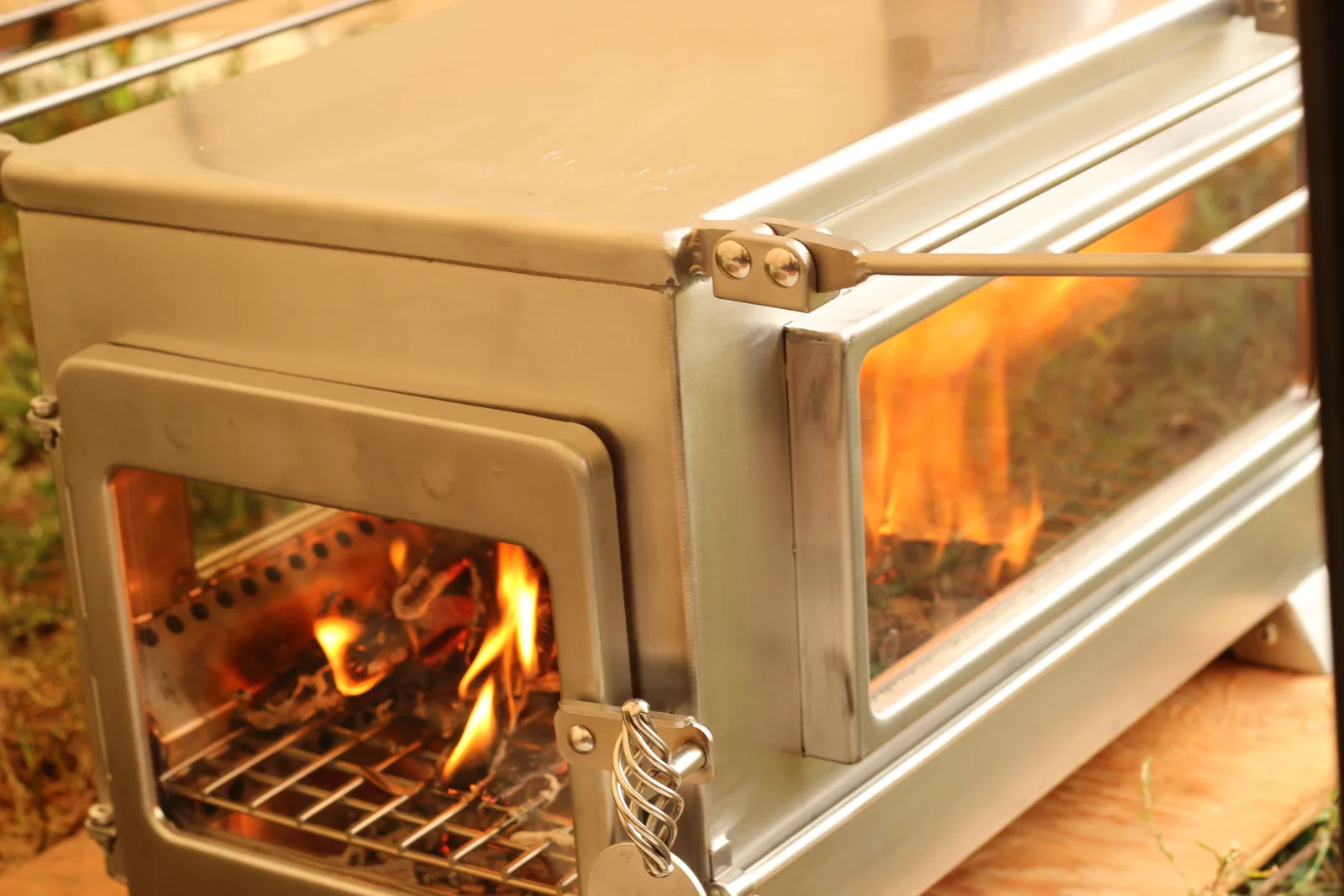
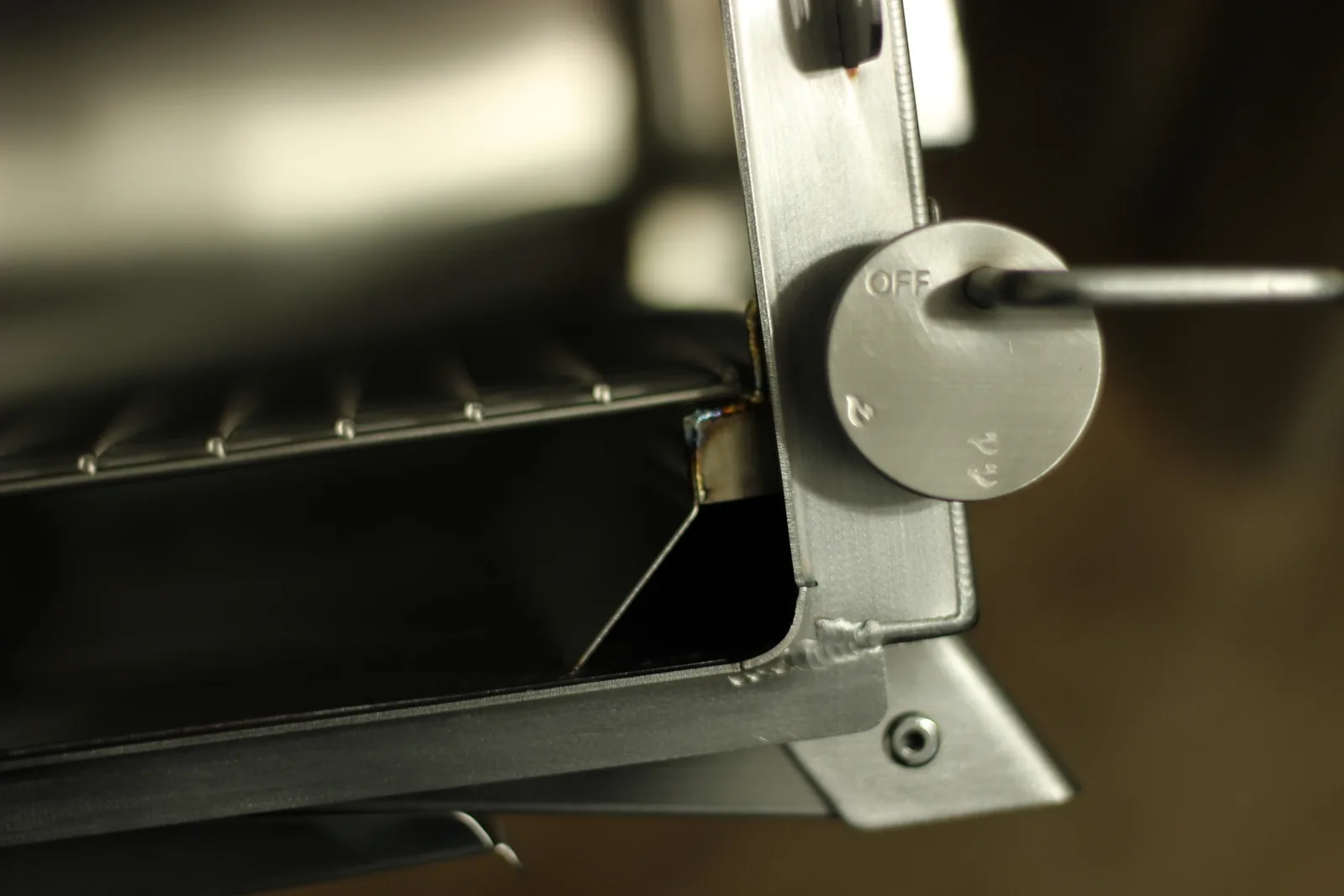
Running It — Secondary Combustion and the Air Dial
A sealed stove is operated differently from an open one, and this is the part the manual is thinnest on.
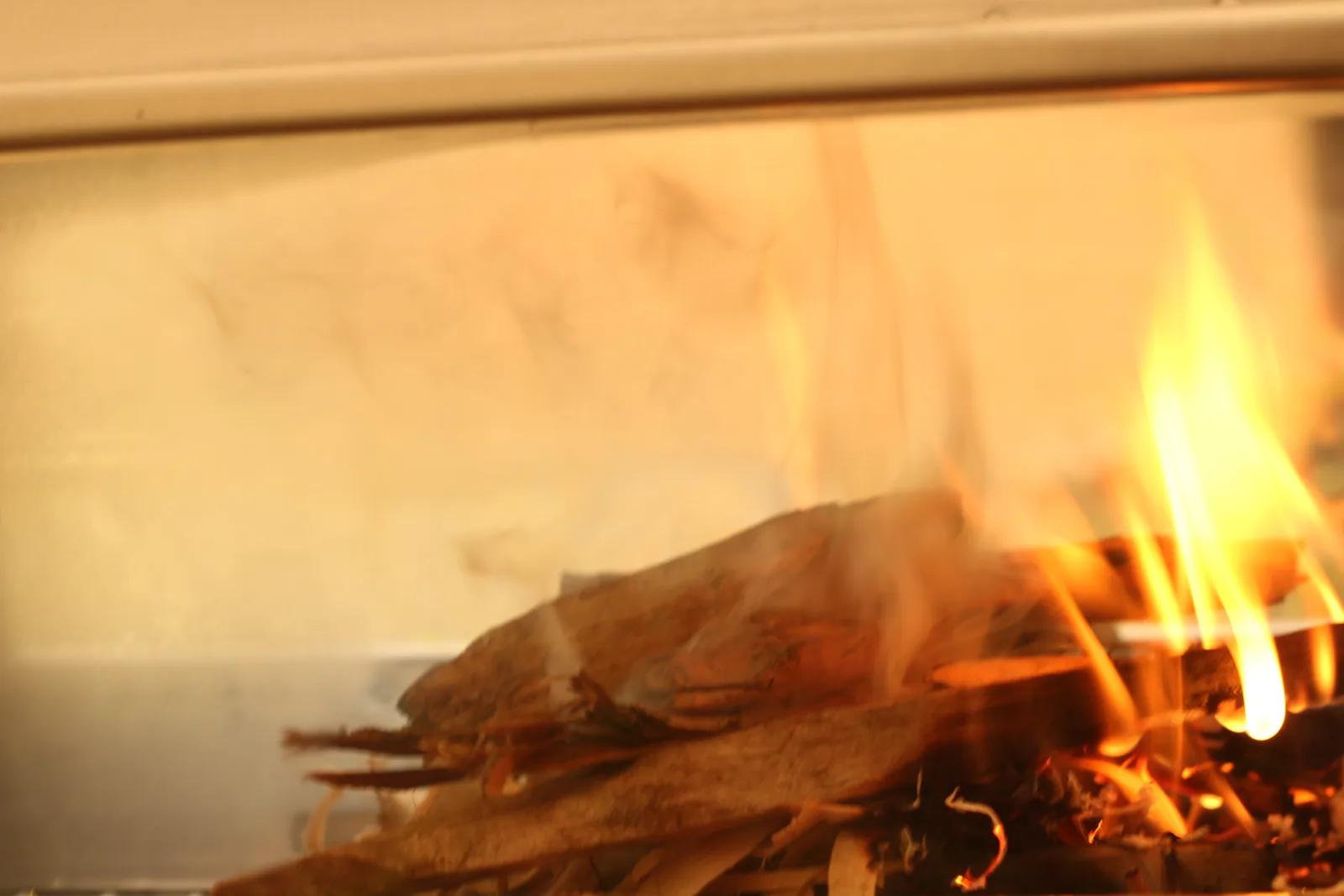
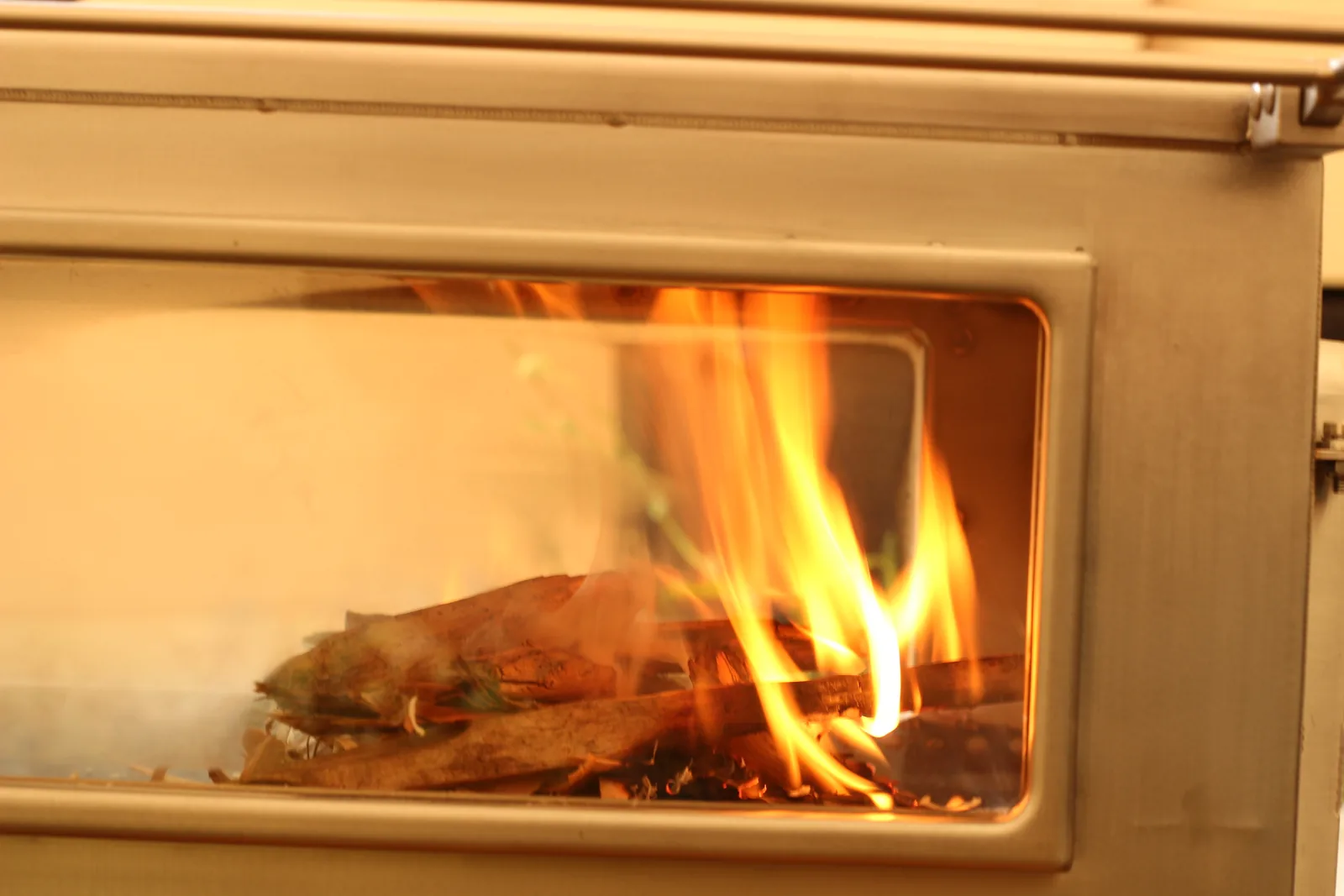
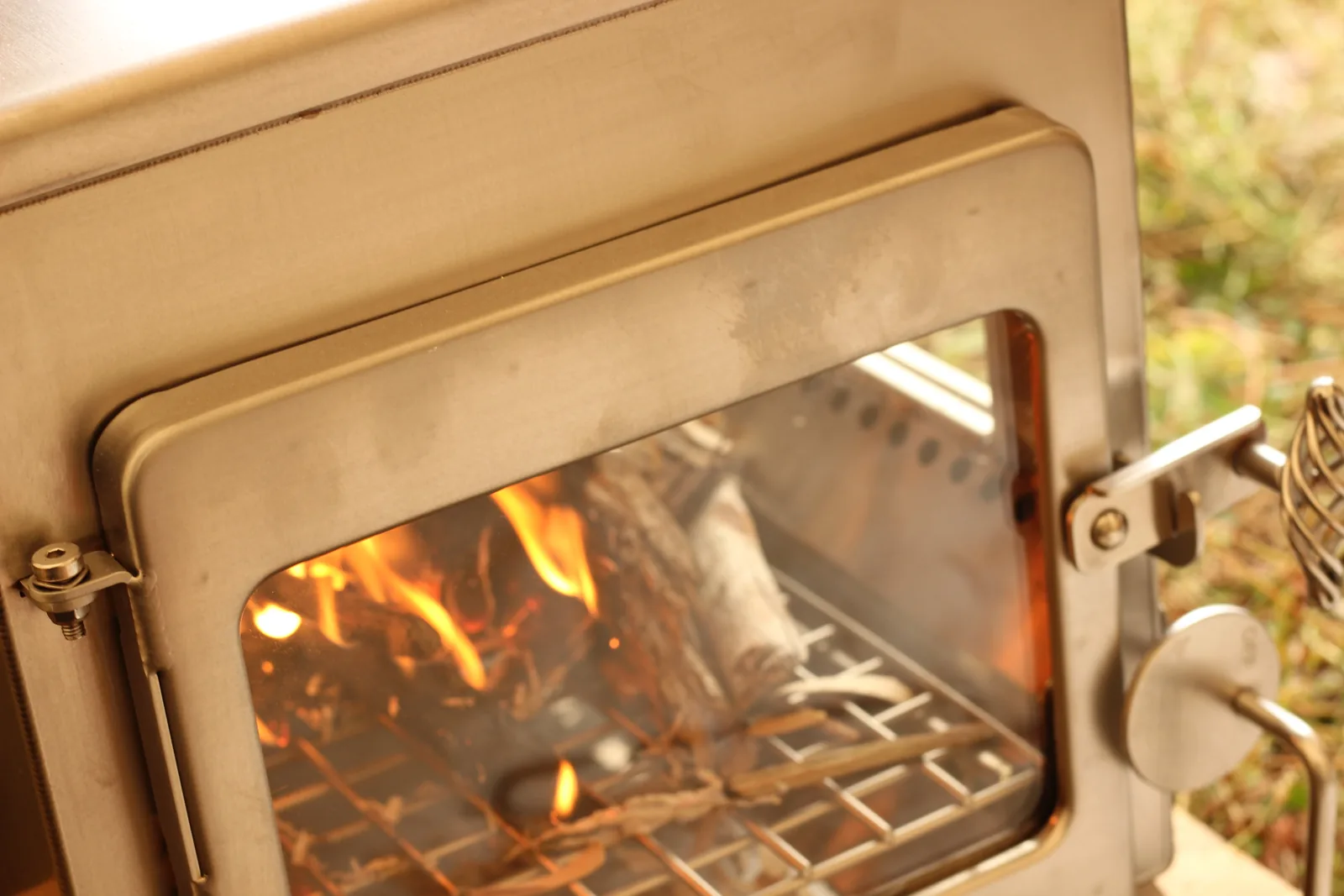
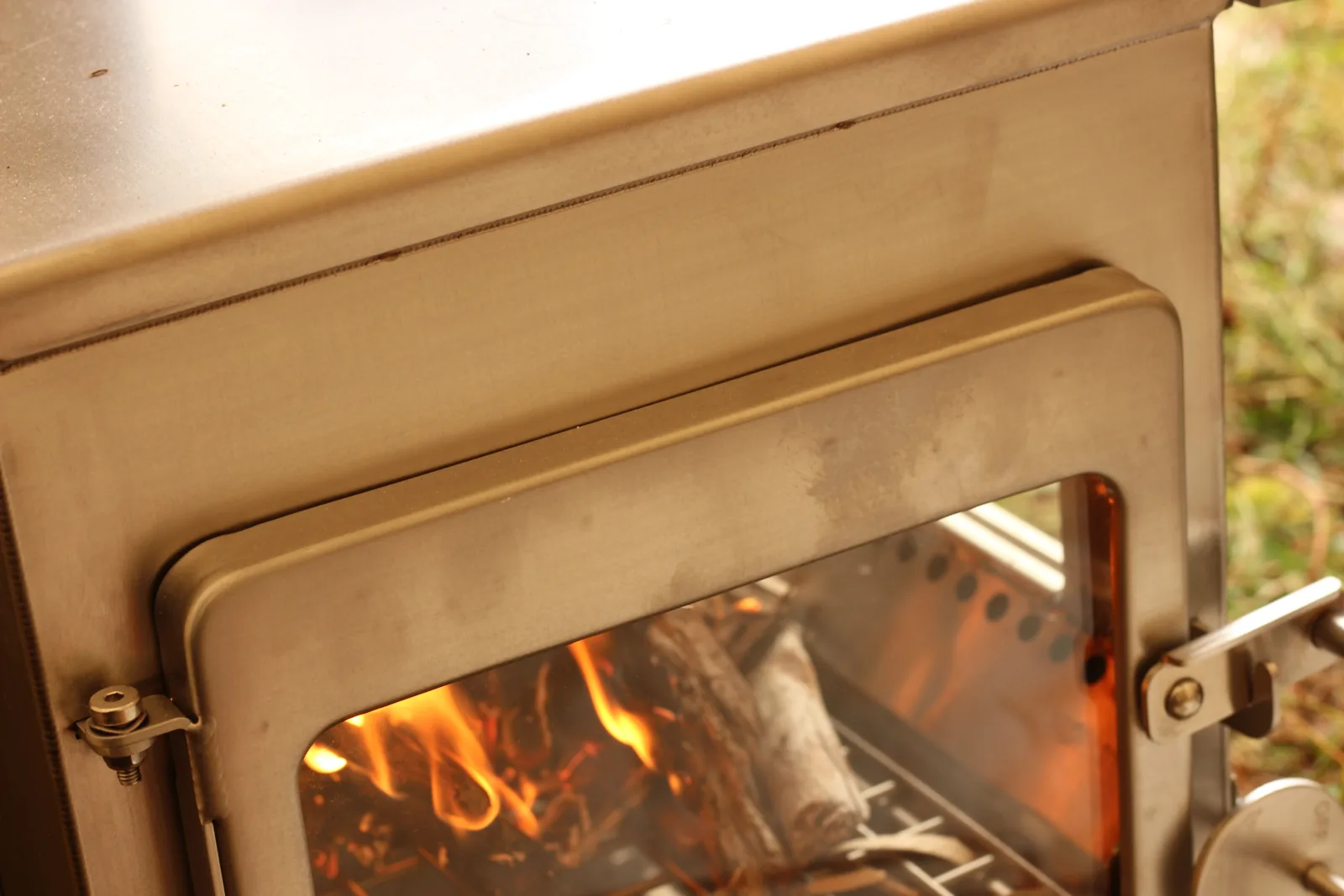
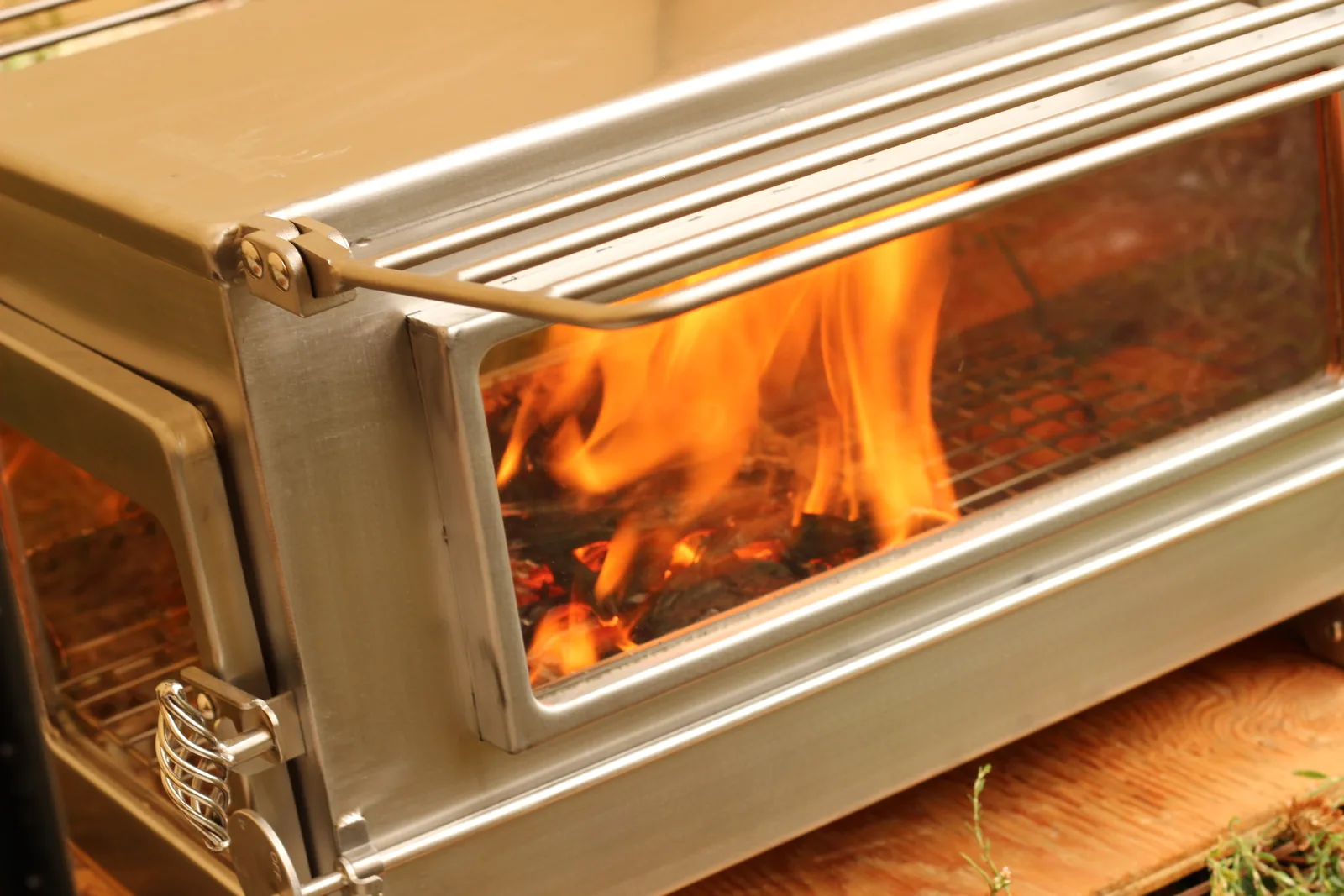
Secondary combustion is why the air dial matters more here. Wood does not burn in one step. It first gives off flammable gases, and on a poorly run stove those gases go straight up the chimney as smoke — visible energy leaving the building, and creosote plating the inside of the flue on the way. The row of holes across the upper firebox injects preheated air above the fire so those gases ignite instead. When it is working you see a second layer of flame licking along the top of the firebox, above and separate from the wood, and the smoke leaving the spark arrestor thins out to almost nothing.
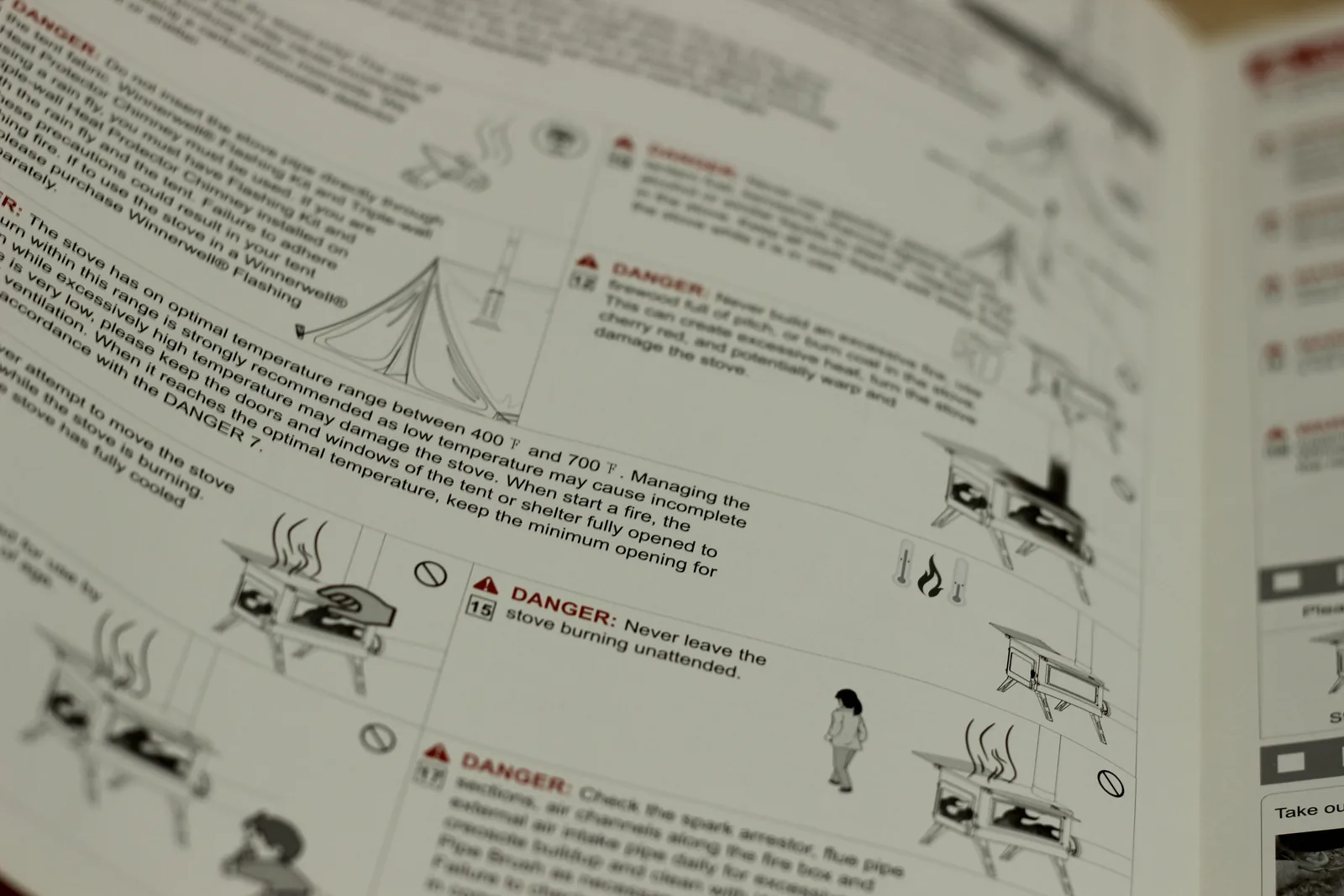
Getting there requires the stove to be hot. A fire run cool and choked never reaches secondary ignition, which is why a stove damped right down to make fuel last is not the economy it appears to be — you burn more wood, foul the flue faster, and fog the glass. Winnerwell’s manual gives an optimal operating band and warns in both directions: run it too cool and combustion is incomplete; run it too hot and you damage the stove.
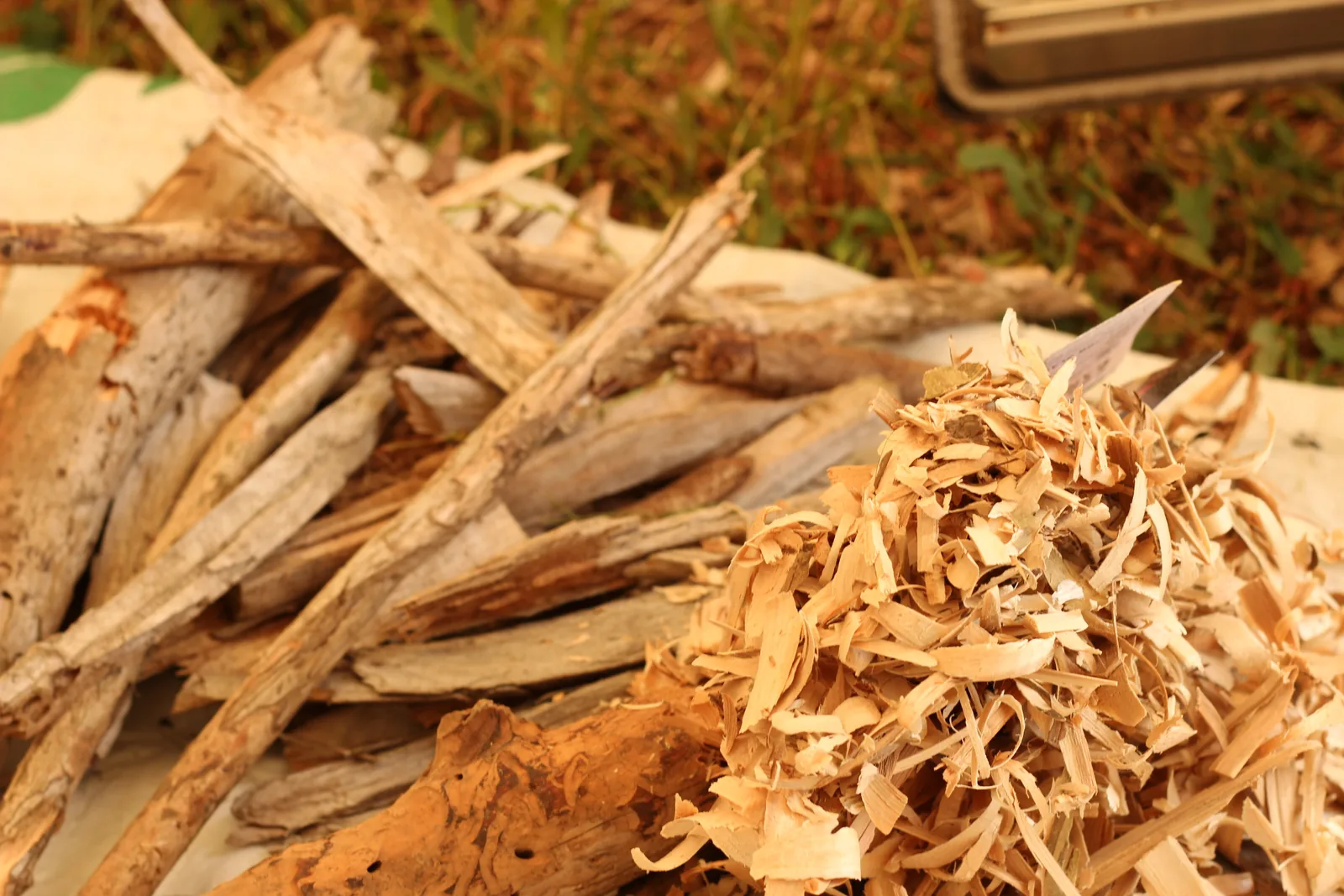
The practical sequence is to open the air fully, build a hot fire on kindling, let the box come up to temperature with a couple of small splits, and only then back the dial off to hold it. Manage from there by what the glass shows rather than by the dial position — clear glass and lively flame means it is running clean; lazy orange flame and greying panes means it needs more air.
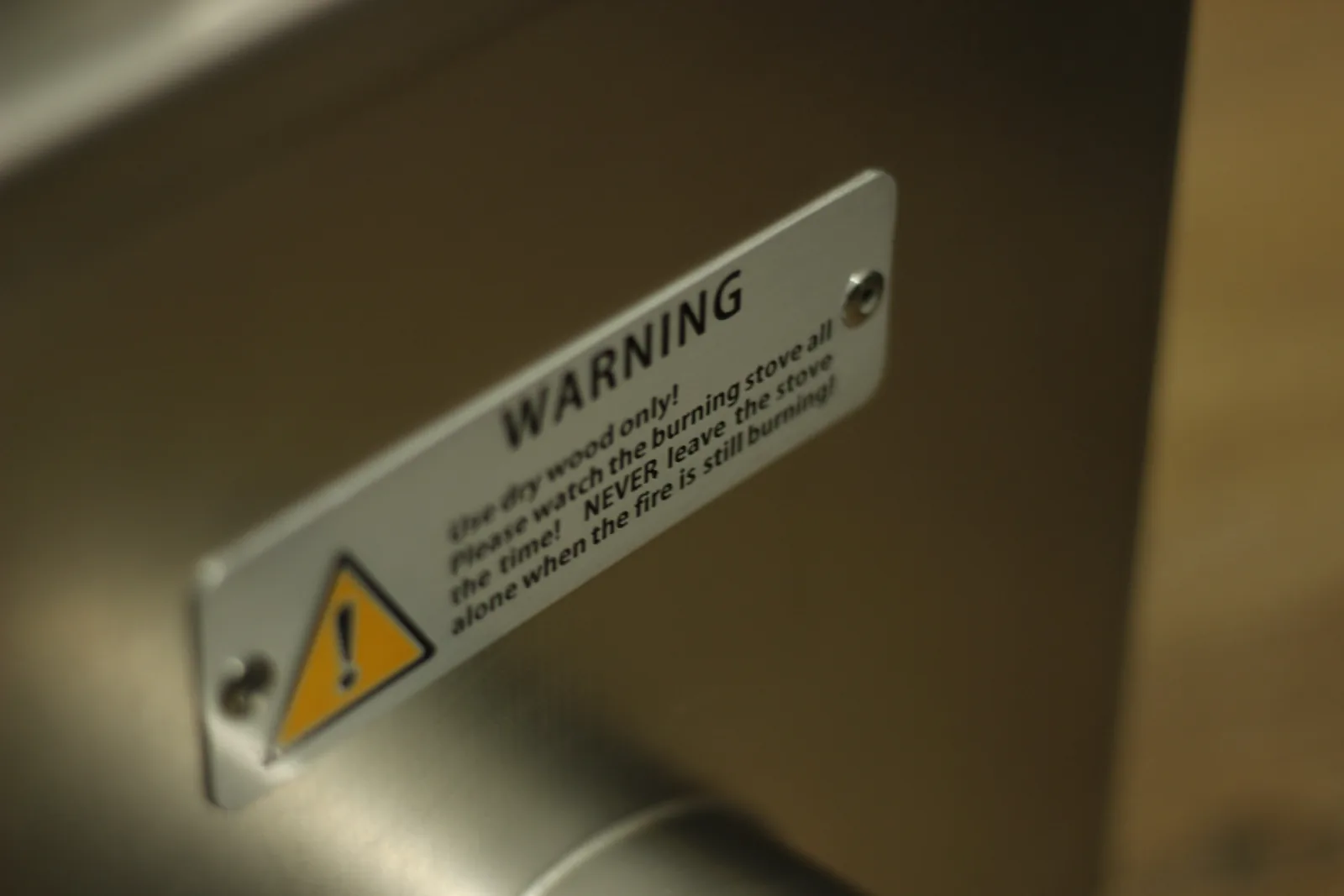
On fuel: the warning plate says dry wood only and a sealed stove means it. An open stove compensates for wet fuel by pulling more air through every gap; this one cannot, because there are no gaps. Wet wood in a sealed firebox produces a smouldering, smoking, glass-blackening fire that never reaches secondary combustion.
What the “PLUS” Actually Adds
Winnerwell sells several Nomad variants and the naming does not make the differences obvious. Here is what the three feature words on this one mean in practice.
| Feature | What it is | Why it matters |
|---|---|---|
| External Air | Sealed intake port and flexible duct running outside the shelter | The fire stops consuming tent air, and the draught of cold replacement air through every gap stops with it |
| Double View | Heat-resistant glass in the front door and the long side panel | You can read the fire from a cot without opening the door and losing the draw |
| PLUS / secondary combustion | Row of preheated-air holes across the upper firebox | Burns the gases that would otherwise leave as smoke — more heat per split, less creosote in the flue |
Feature descriptions from Winnerwell's product page and printed carton; the practical consequences are our own reading of the design as photographed above.
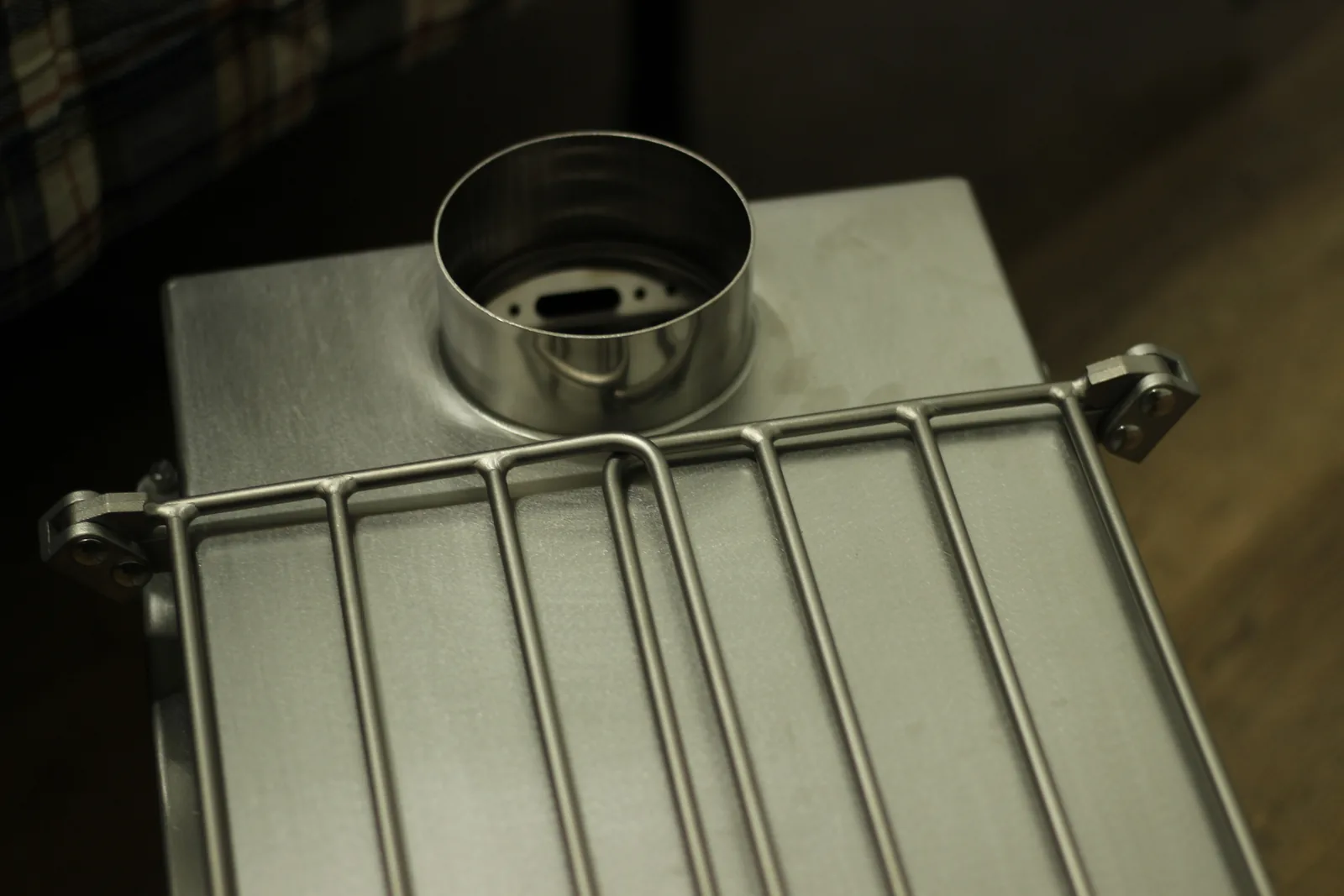
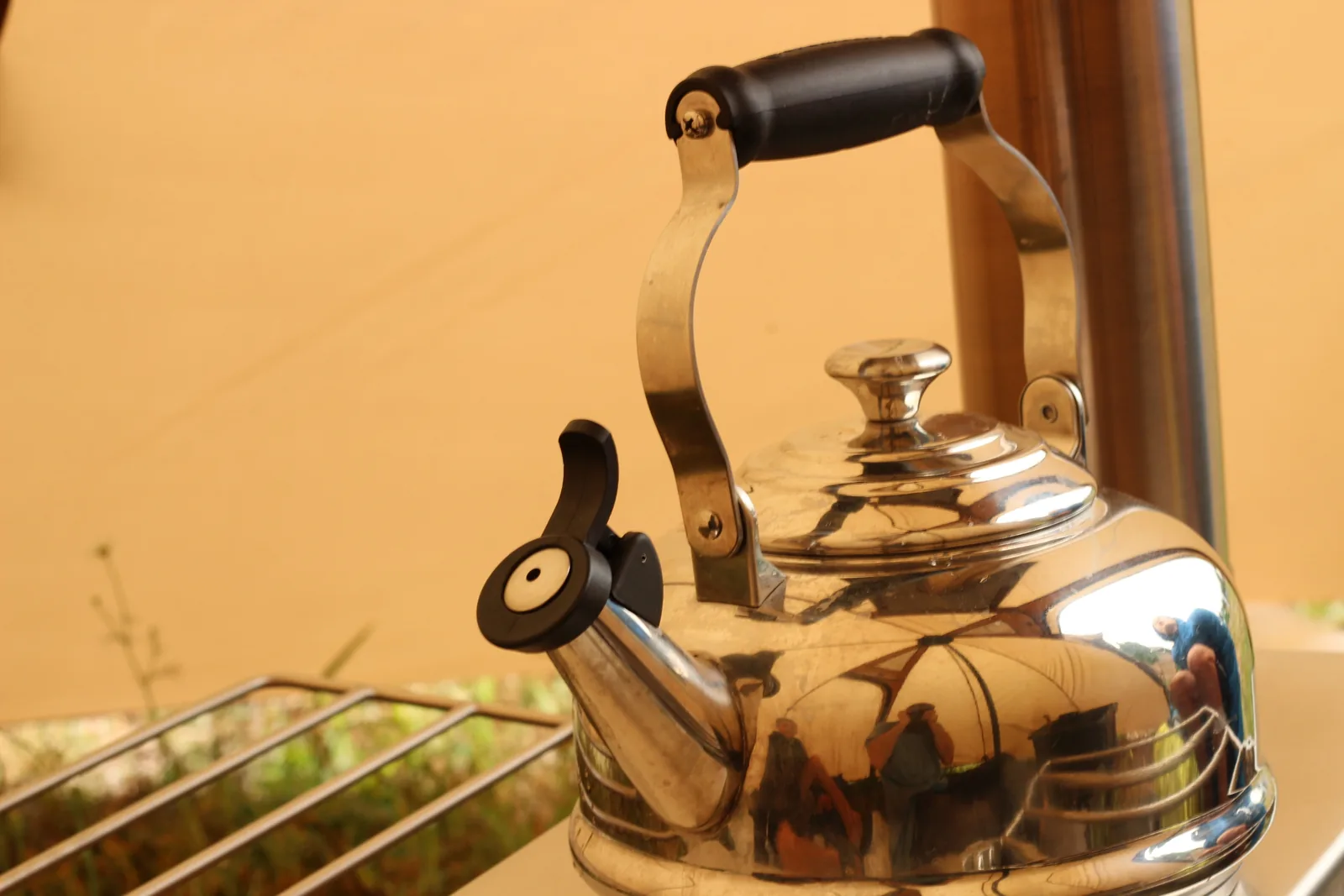
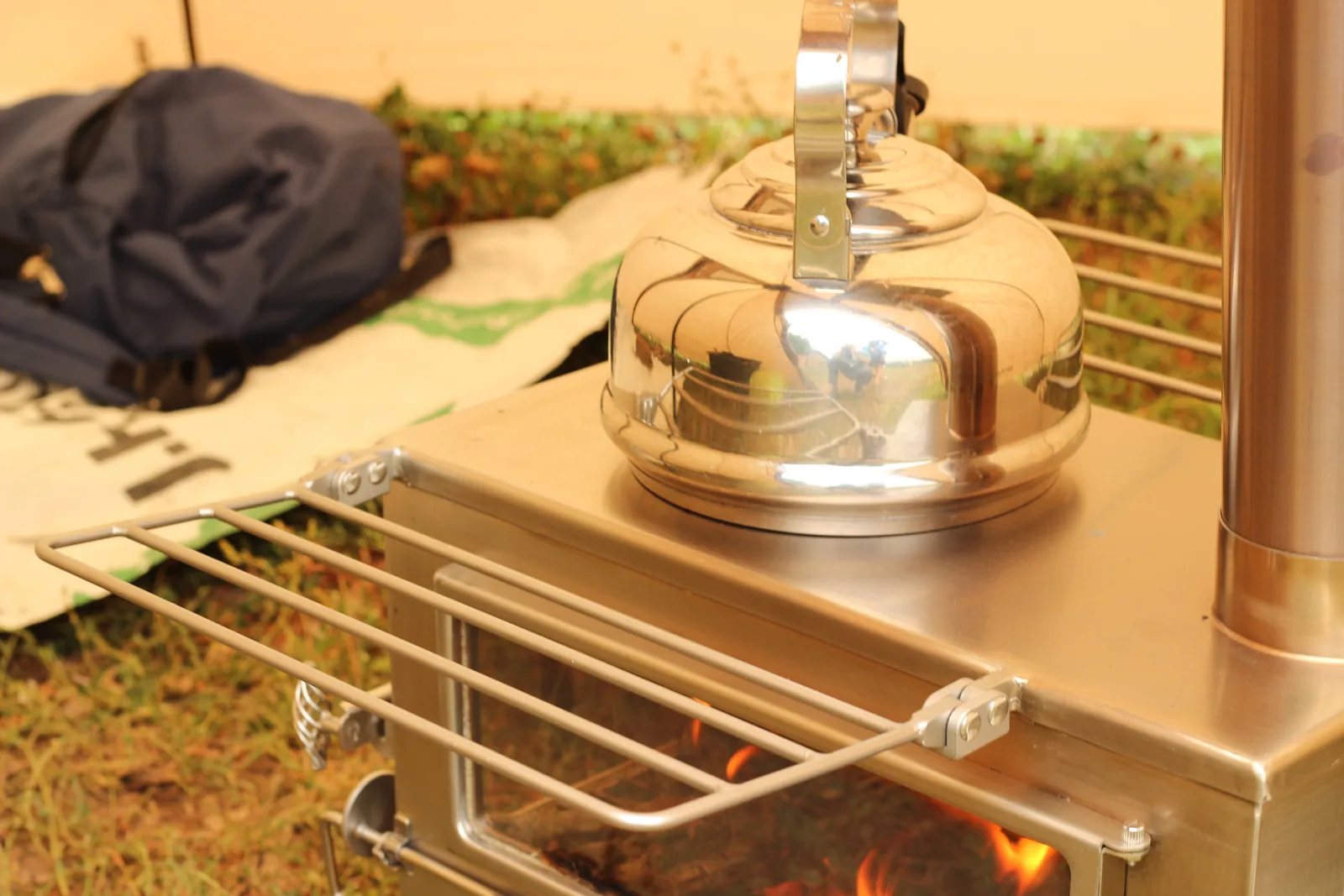
The Cooktop
The Heat Shield You Have to Buy Separately
This is the review’s real criticism and it deserves its own heading, because it is a safety item that is not in the box.
The printed DANGER notice packed with the stove reads: “The dedicated heat shield must be installed before using Winnerwell® Nomad M & L Series Stoves inside a tent with a groundsheet. Using the stove without the heat shield can cause the tent groundsheet to overheat, soften, or become damaged. Flammable materials such as dry leaves, grass, or debris under the tent may also ignite, creating a fire hazard.”
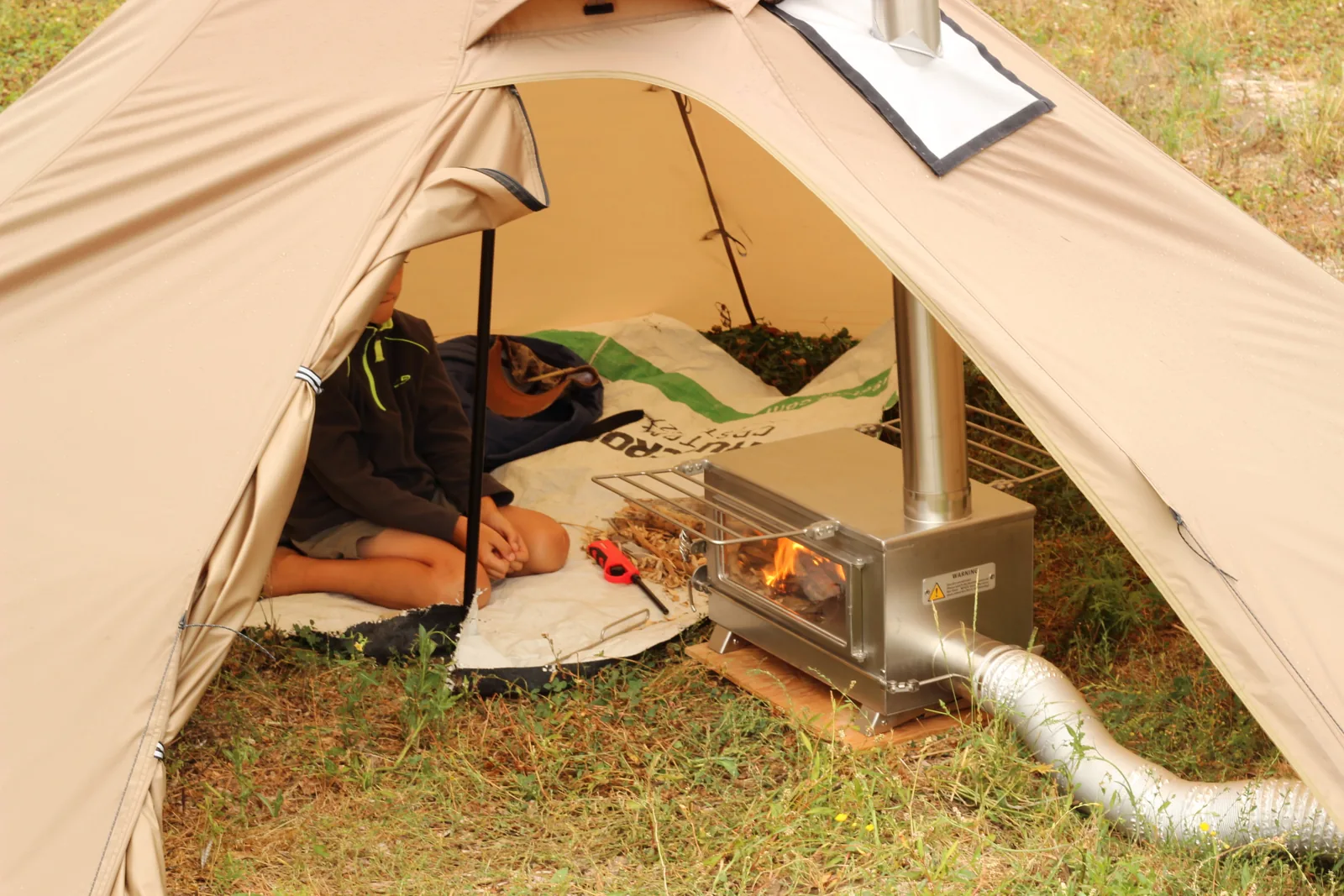
That is unambiguous, and the shield is a separate purchase. In our photographs the stove is standing on plywood over a tarp in a tent that has no groundsheet at all — which is the one configuration where the requirement does not bite. Anyone pairing this stove with a floored tent needs to budget for the shield at the same time as the stove, and Winnerwell should arguably include it.
To their credit, the warning is prominent, printed in several languages, and sits on the top of the literature stack rather than on page eleven.
Pros and Cons (the Honest Version)
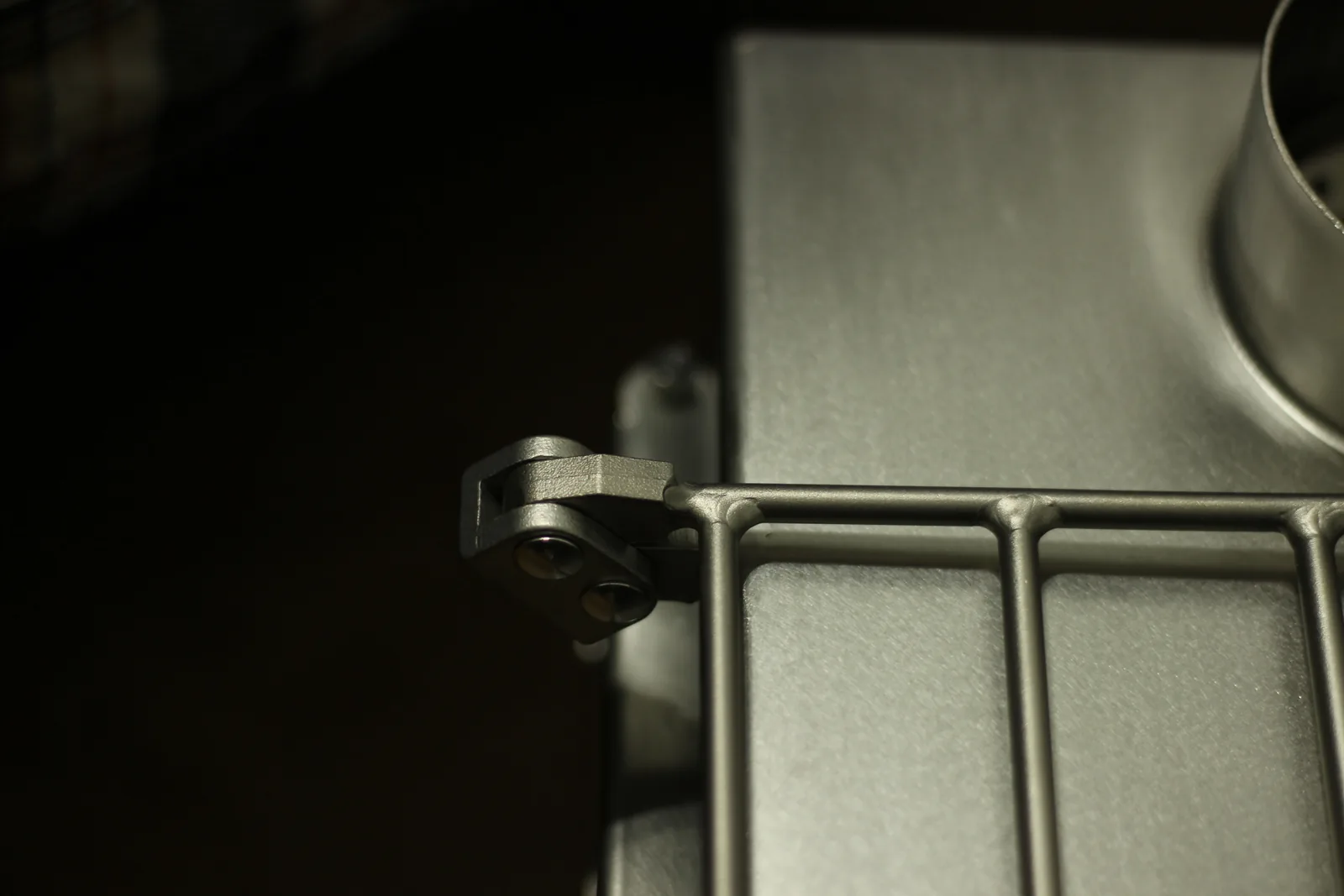
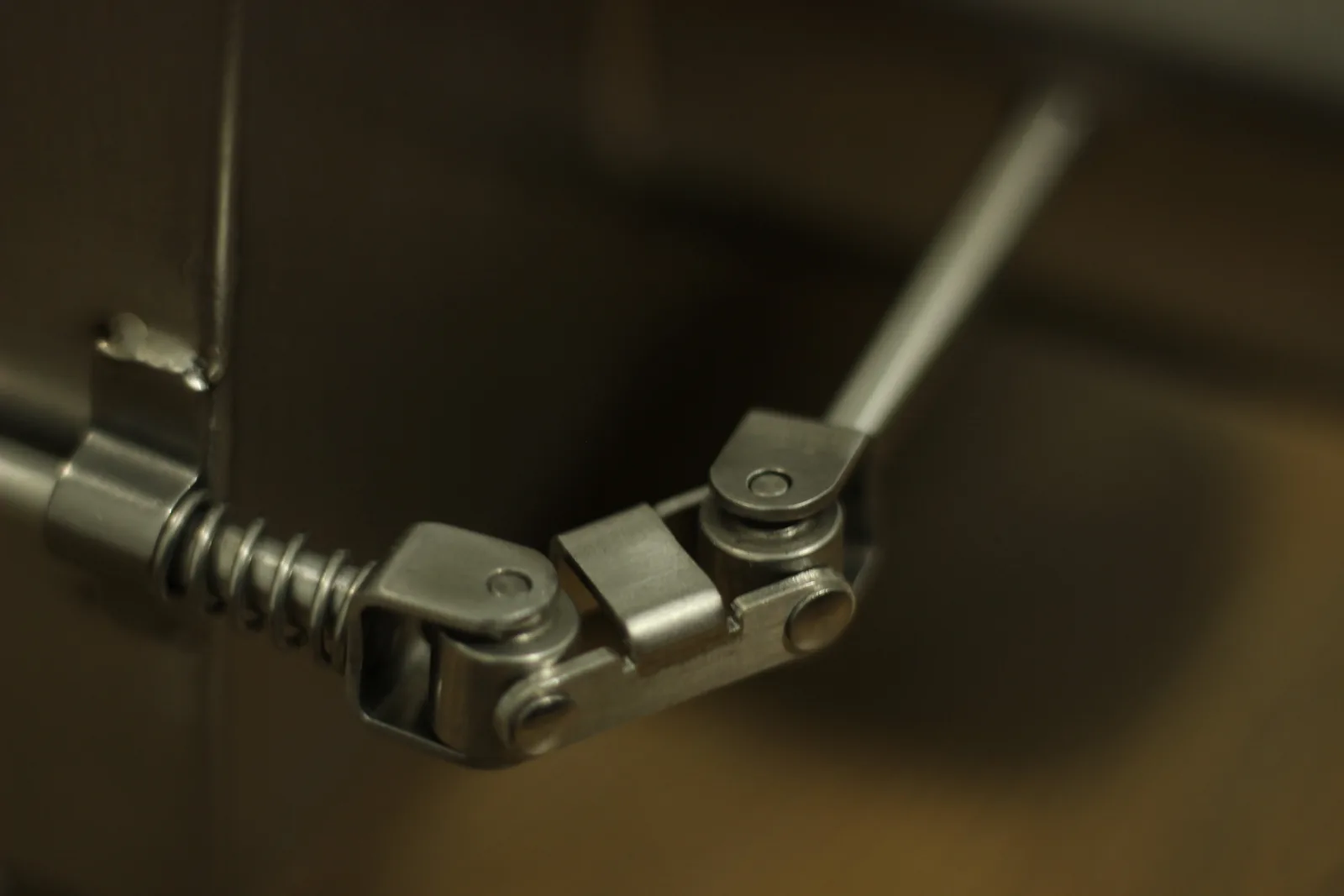
What it does exceptionally well. The external air system solves a real and underdiscussed problem, and it is executed properly — a sealed door on a ceramic rope gasket, a collared intake, and a duct in the box. The metalwork is genuinely good: 304 stainless, formed rather than fabricated where it counts, embossed marks, machined brackets, stainless fasteners throughout. Two windows instead of one changes how a camp feels at night far more than the spec sheet suggests. And the kit is complete — spark arrestor, grate, scraper and duct all included, so the stove works out of the box.
Where it falls short. It weighs 17.8 kg and dominates any load it is part of. The heat shield is a mandatory safety item for floored tents and is not included. It costs around eight hundred dollars before you have bought anything to put it in. And the stainless will discolour permanently after the first fire — disclosed, harmless, but a surprise to anyone who bought it for the finish.
How It Compares
vs. a budget stainless tent stove (~$150–250). The obvious comparison, and the honest answer is that a cheap stove will also heat a tent. What it will not do is seal, and it will not draw its air from outside. It will also be thinner steel that warps, plain hinges that loosen, and often no spark arrestor. For occasional use in mild conditions the gap is tolerable; for a stove that lives in a winter camp it is not.
vs. the Nomad PLUS M size (A$699.95). Six kilograms lighter and 12.4 litres smaller in the firebox for A$100 less. The M is the right answer if the stove has to be carried any distance; the L is the right answer for everyone else, and the price gap is small enough that firebox size should decide it.
vs. a titanium packable stove (~$400–600). Genuinely light — often under 3 kg — and the correct choice for anyone walking in. Titanium warps, has a much shorter service life under repeated heat cycling, rarely seals well enough for external air, and does not give you a flat cooktop. Different tool for a different trip.
Who Should Buy It
Buy it if you are building a hot-tent camp you will use for years rather than trying the idea once; if the camp is reached by vehicle, sled or a short carry; if you want a sealed stove that is not consuming the air in the shelter; if you want a stove that is also a cooktop and a drying rail; if you would rather buy one stove than replace a cheap one twice.
Don’t buy it if you are backpacking — 17.8 kg settles that. Don’t buy it before you have priced the heat shield alongside it if your tent has a floor. And don’t buy the L if the stove has to go anywhere on your back; buy the M.
Final Verdict
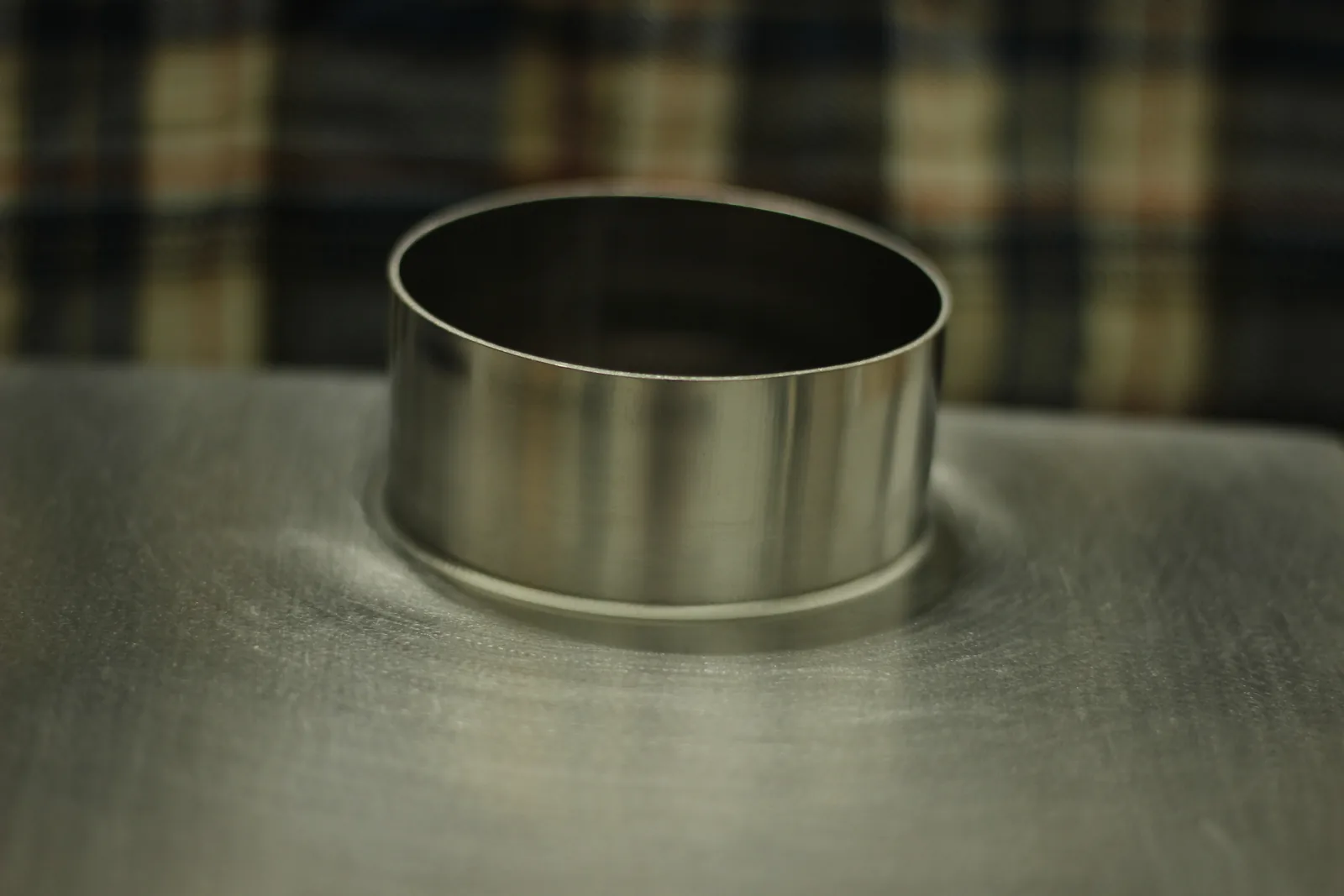
The Winnerwell Nomad PLUS Double View External Air is the most convincingly engineered piece of camp equipment we have put through this site. The build quality is visible in every photograph above — the swaged flue collar, the ceramic rope under the glass, the machined brackets, the embossed mark, the absence of a single bead of weld spatter anywhere on it. But the reason to buy it is not the metalwork. It is that this stove does not breathe your tent, and once you understand why that matters, going back to a stove that does is difficult.
The reservations are real. It is heavy, it is expensive, and the heat shield being a separate purchase for floored tents is a genuine miss on a product this considered. None of that changes the conclusion: pair it with a shelter and an axe and you have a winter camp that works, and this is the component of that camp you will still own in twenty years.
Rating: 4.8/5 Stars
Brands sometimes provide samples for review. Hunt & Live writes its honest opinion either way — gear that doesn’t earn its keep doesn’t get a recommendation.