
Featured Review · 5.11 Tactical · Packs
5.11 RUSH12 Survival Starter Bundle Review — A 24-Litre Kit That Arrives Already Sorted
Our Rating
Current Price
- Bundle contents
- RUSH12 2.0 pack · 6.6 Pouch · Icarus DP Mini · EDC PL 2AAA
- Pack capacity
- 24 L (1,476 cu in)
- Main compartment
- 18 × 11 × 6.5 in
- Pack weight
- 3.15 lb
Pros
- A genuinely coherent kit rather than four items in a box — the pouch mounts to the pack, the knife and light live in the admin panel, and nothing needed buying to make it work
- 24 litres in 1050D nylon at 3.15 lb: big enough for a full day out or a light overnight, small enough to wear all day without it becoming the point
- MOLLE on the front, the sides and the shoulder straps, so the pack grows with what you bolt to it instead of being fixed at purchase
- The admin panel is properly organised — dual zipped mesh pockets, a padded sleeve and enough separation that small kit stops migrating to the bottom
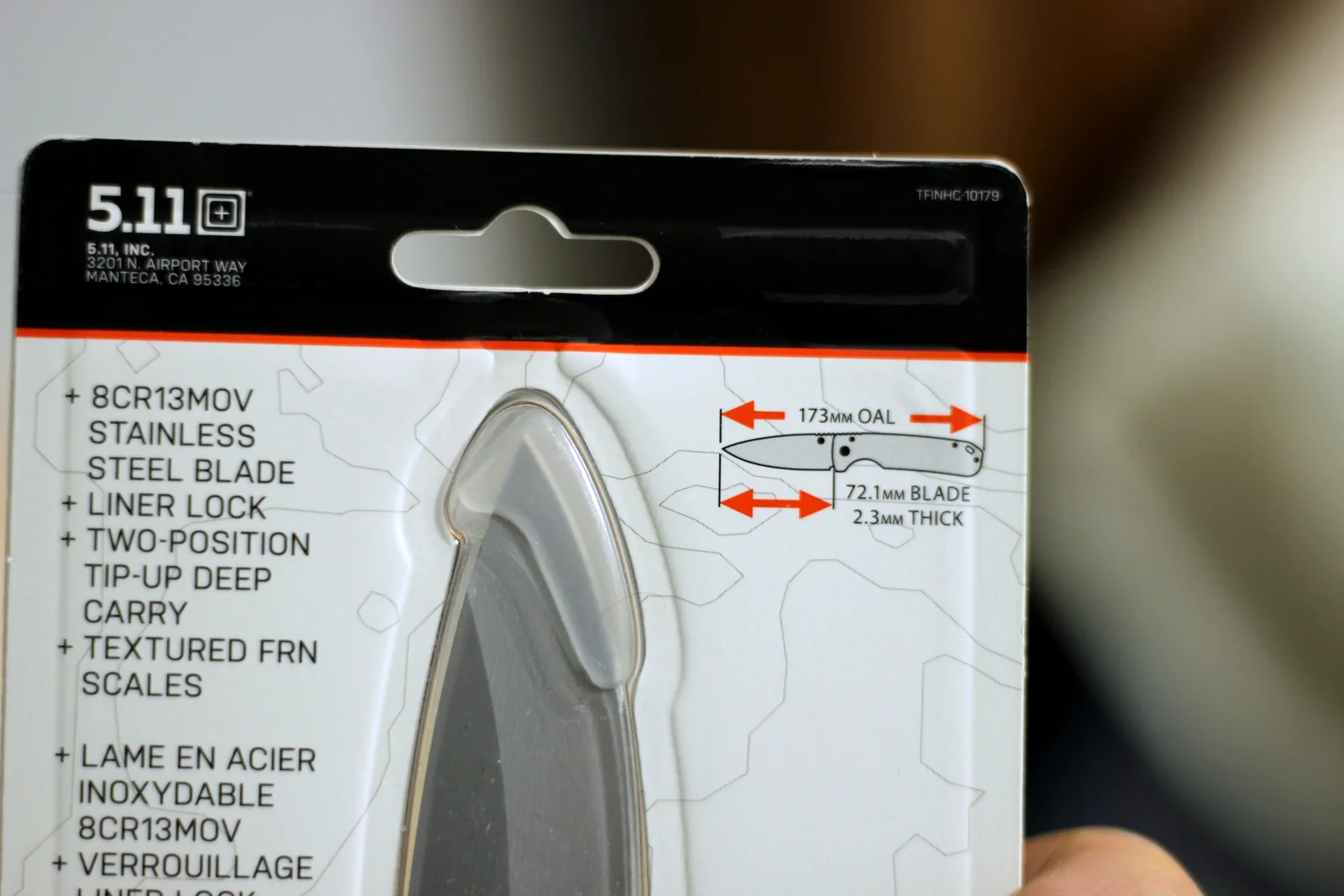
- The Icarus DP Mini is a real knife, not a bundle filler: 8Cr13MoV, liner lock, textured FRN scales and a two-position deep-carry clip at 173 mm overall
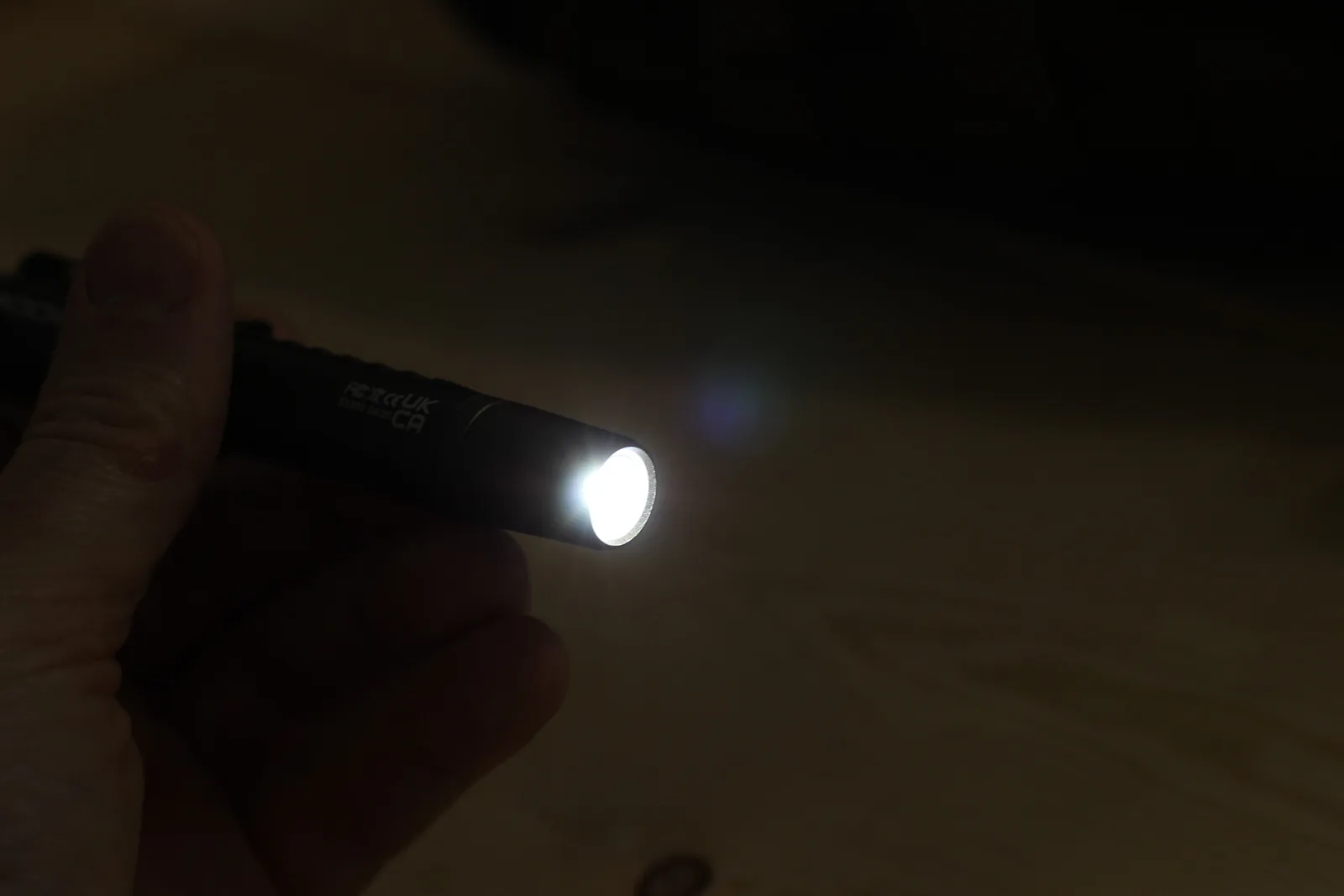
- The EDC PL 2AAA runs on AAA cells you can buy anywhere — 107 lumens, 4 hr 20 min, 26 m throw and a 2 m impact rating, all measured to the FL1 standard
Cons
- The bundle is built around AAA and MOLLE rather than USB-C and laser-cut, which is a deliberate choice for field-repairability but reads as conservative on paper
- At 24 L it is a day pack; if you want a three-day bag this is the wrong end of the RUSH range
Bundles are usually a way of moving stock. A brand takes its best seller, straps three things to it that nobody asked for, knocks a few percent off the total and calls it a kit.
So the question worth asking about the 5.11 RUSH12 Survival Starter Bundle is not whether the pack is good. The RUSH12 has been the default 24-litre tactical daypack for a decade and its reputation is settled. The question is whether the other three pieces are things you would have bought anyway — and whether, once everything is out of the packaging, they actually work together.
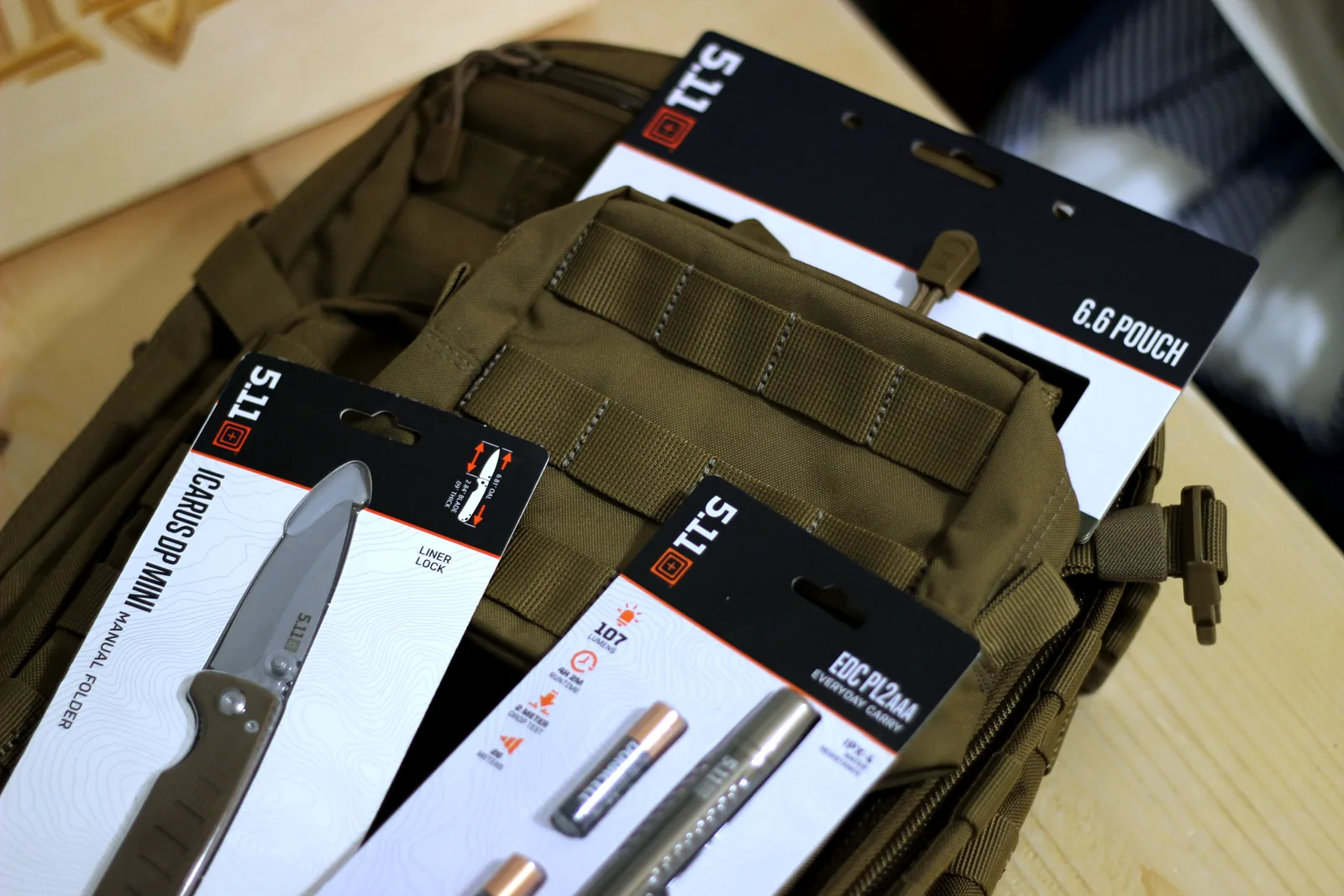
Four items: the RUSH 12 2.0 pack, a 6.6 Pouch, the Icarus DP Mini folding knife and the EDC PL 2AAA flashlight. US$193.98, down from US$222.00.
We went through all four, photographed every part of them, and read every number off the packaging rather than off a listing.
At a glance
What’s in the Bundle
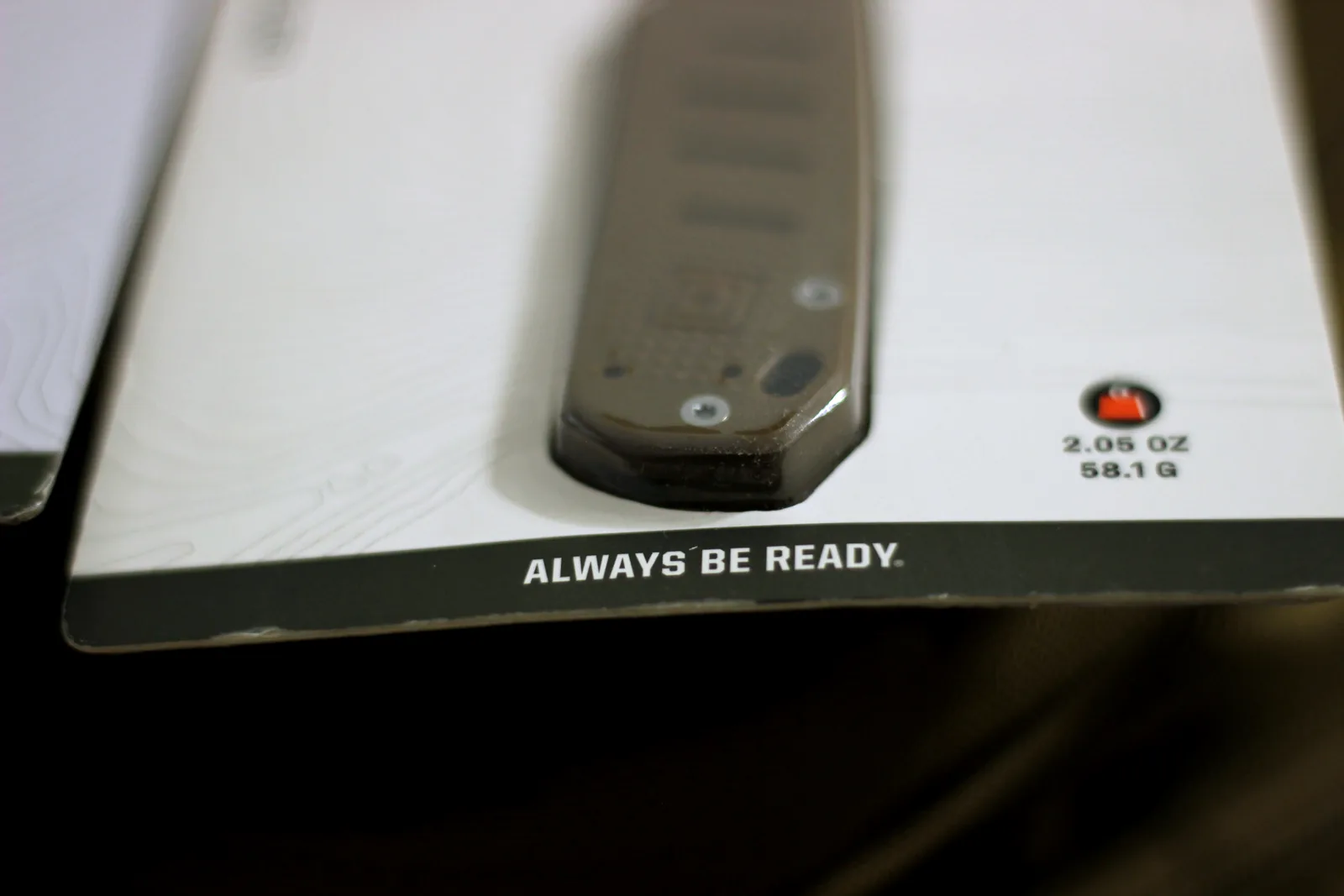
Before the detail, one note on sourcing. The numbers in this review are read off the packages in the photographs below, not copied from a retailer listing. Listings for this sort of kit contradict each other constantly — the hang cards do not.
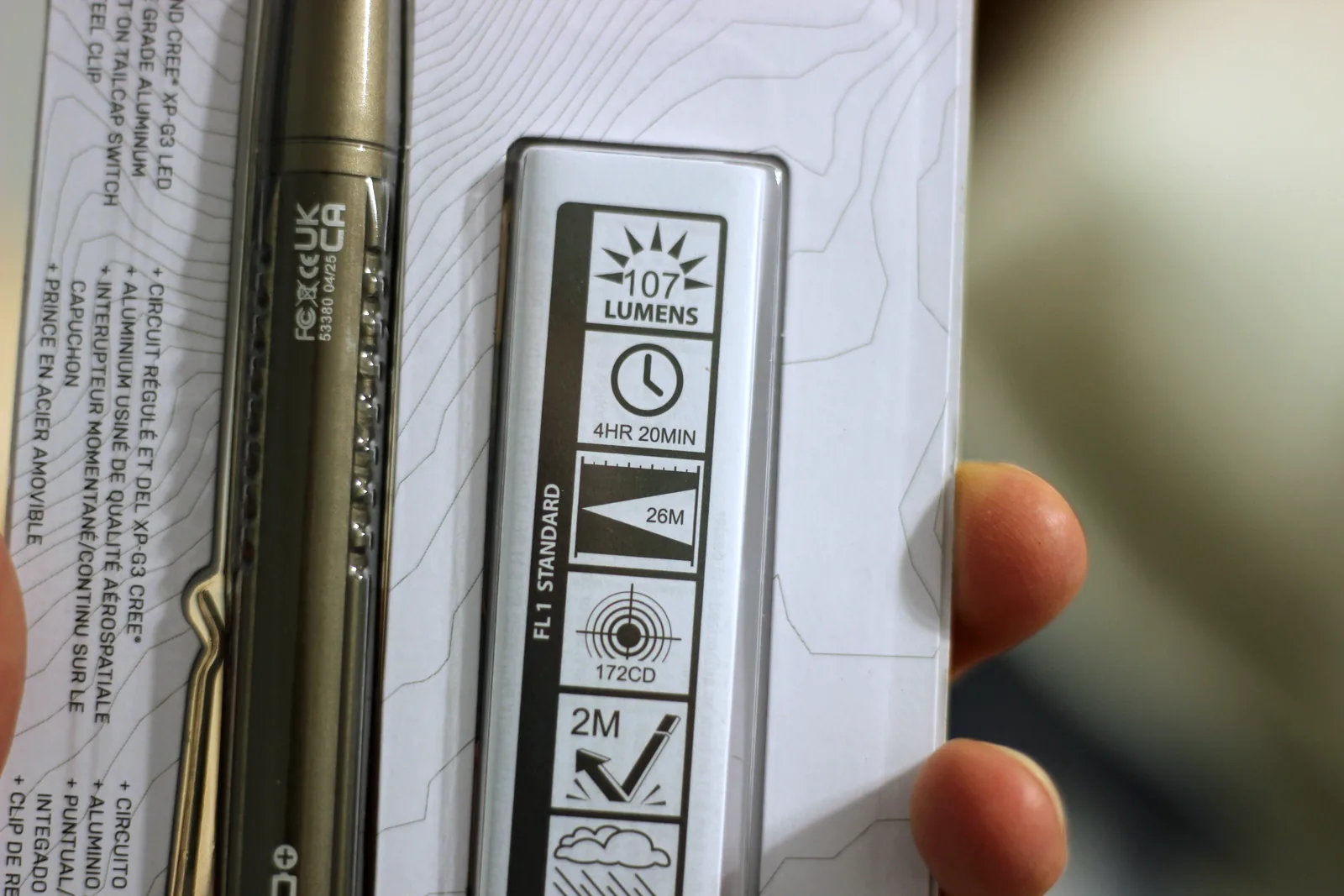
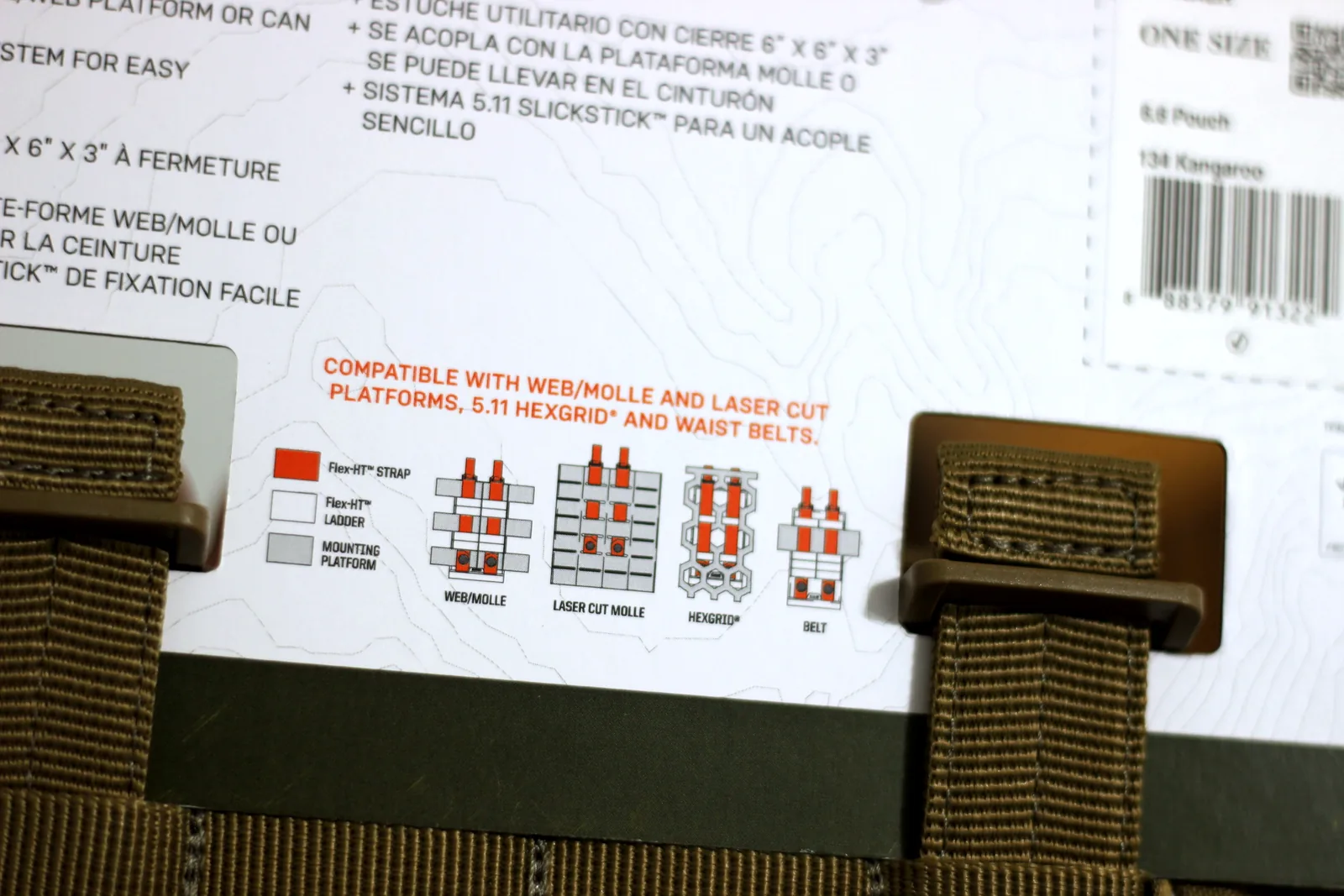
| Item | Key specification | What it is there for |
|---|---|---|
| RUSH 12 2.0 pack | 24 L · 1050D nylon · 3.15 lb | The platform. Everything else mounts to it or lives inside it. |
| 6.6 Pouch | 6 × 6 × 3 in · MOLLE / laser-cut / HEXGRID | Modular volume — first-aid kit, stove, optics caps — on or off the pack in seconds. |
| Icarus DP Mini | 8Cr13MoV · liner lock · 173 mm overall | The knife you carry every day and are not precious about. |
| EDC PL 2AAA | 107 lm · 4 hr 20 min · 2 × AAA | Close work at arm's length, on batteries you can buy anywhere. |
Specifications as printed on the product packaging photographed above.
The RUSH 12 2.0 Pack
The pack is the reason the bundle exists. Twenty-four litres, a main compartment measuring 18 × 11 × 6.5 inches, 1050D water-repellent nylon, and 3.15 lb empty.
Carrying it
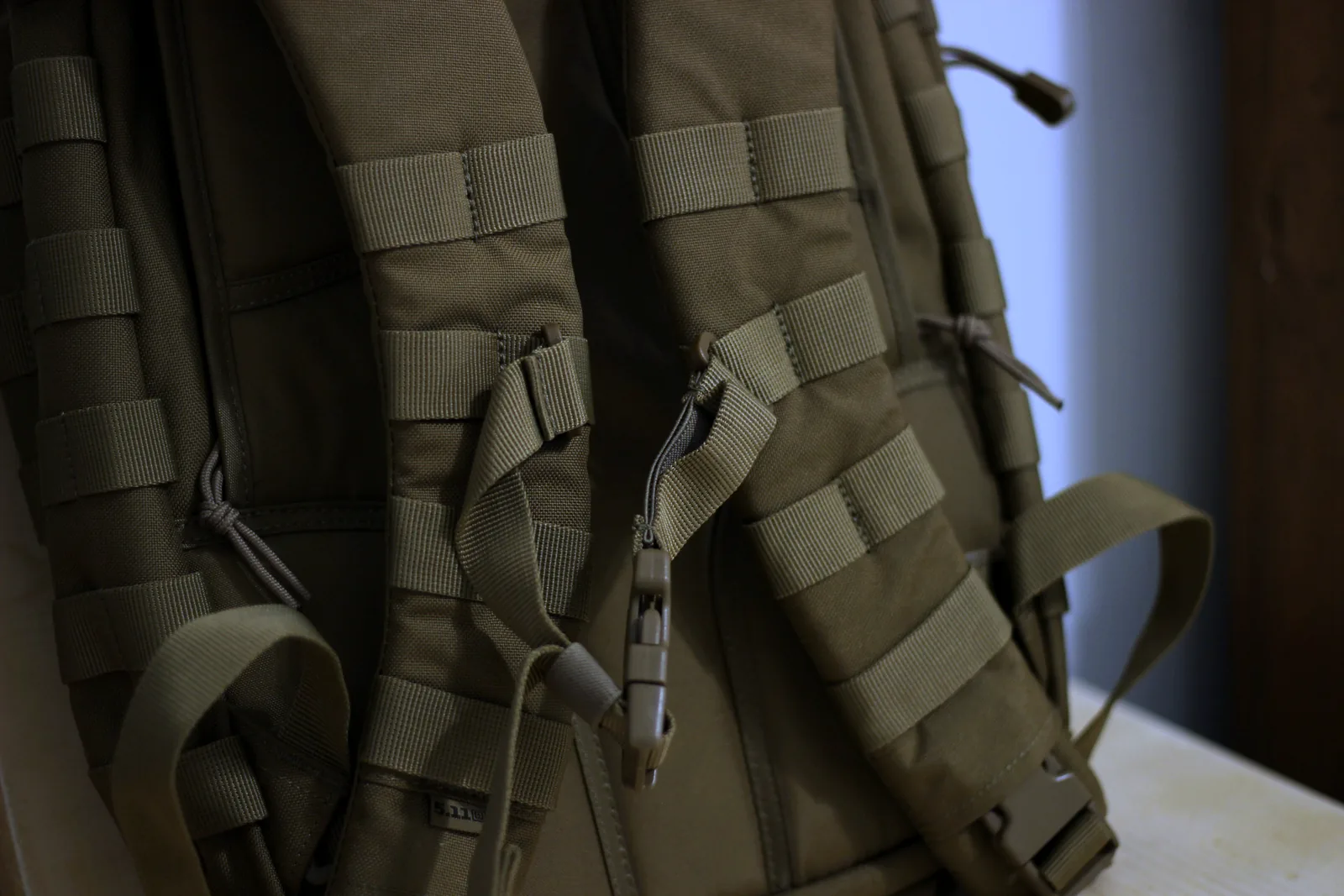
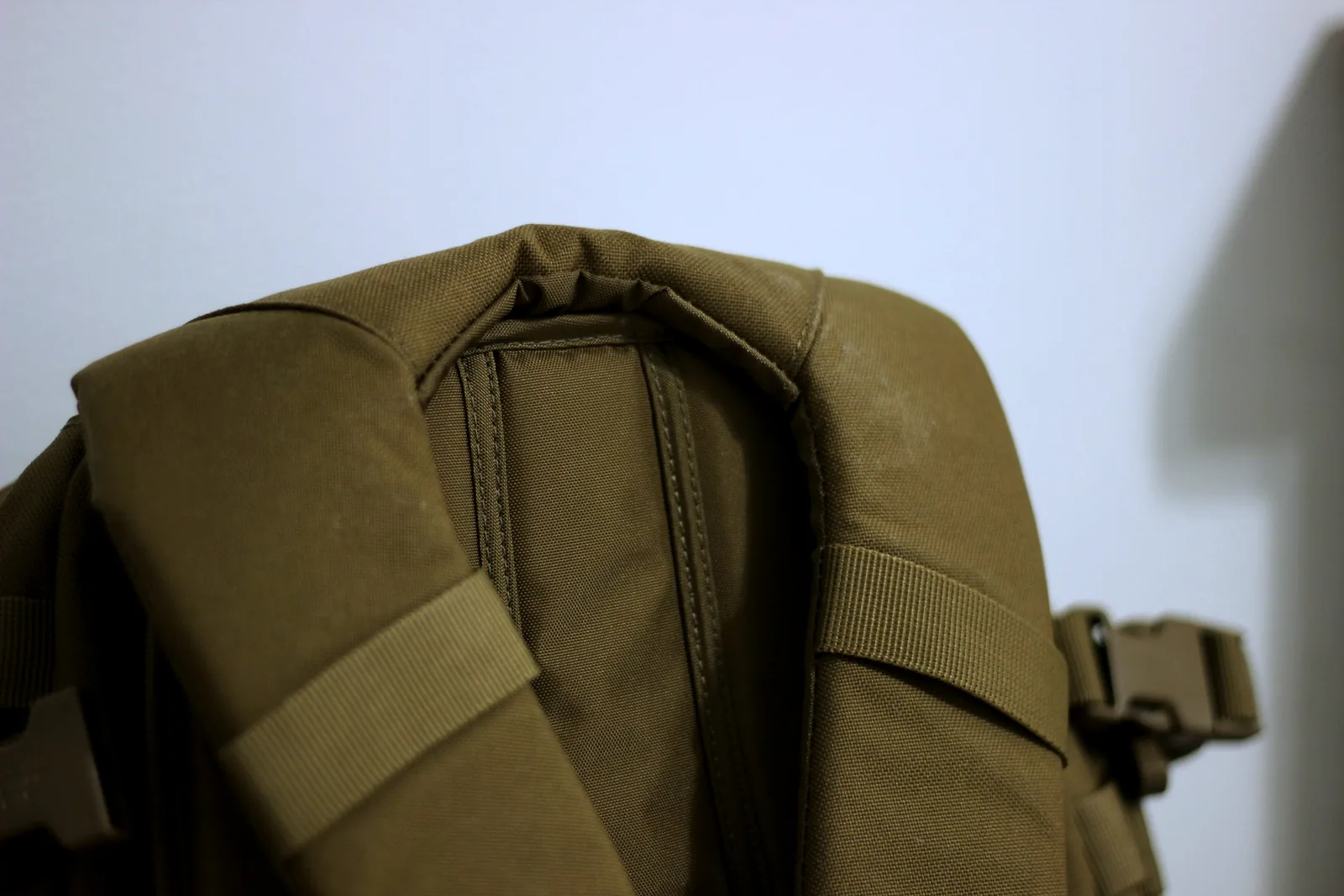
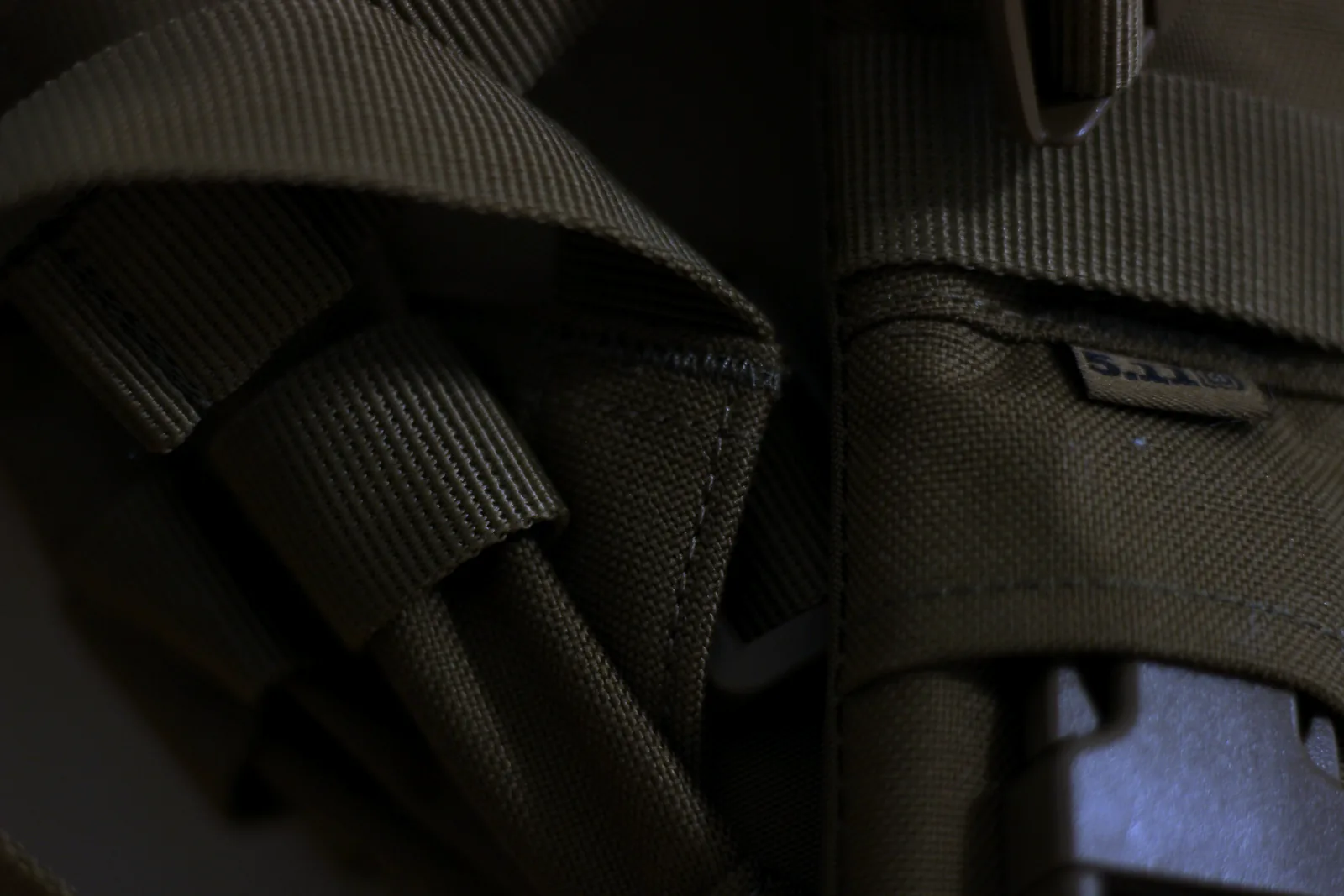
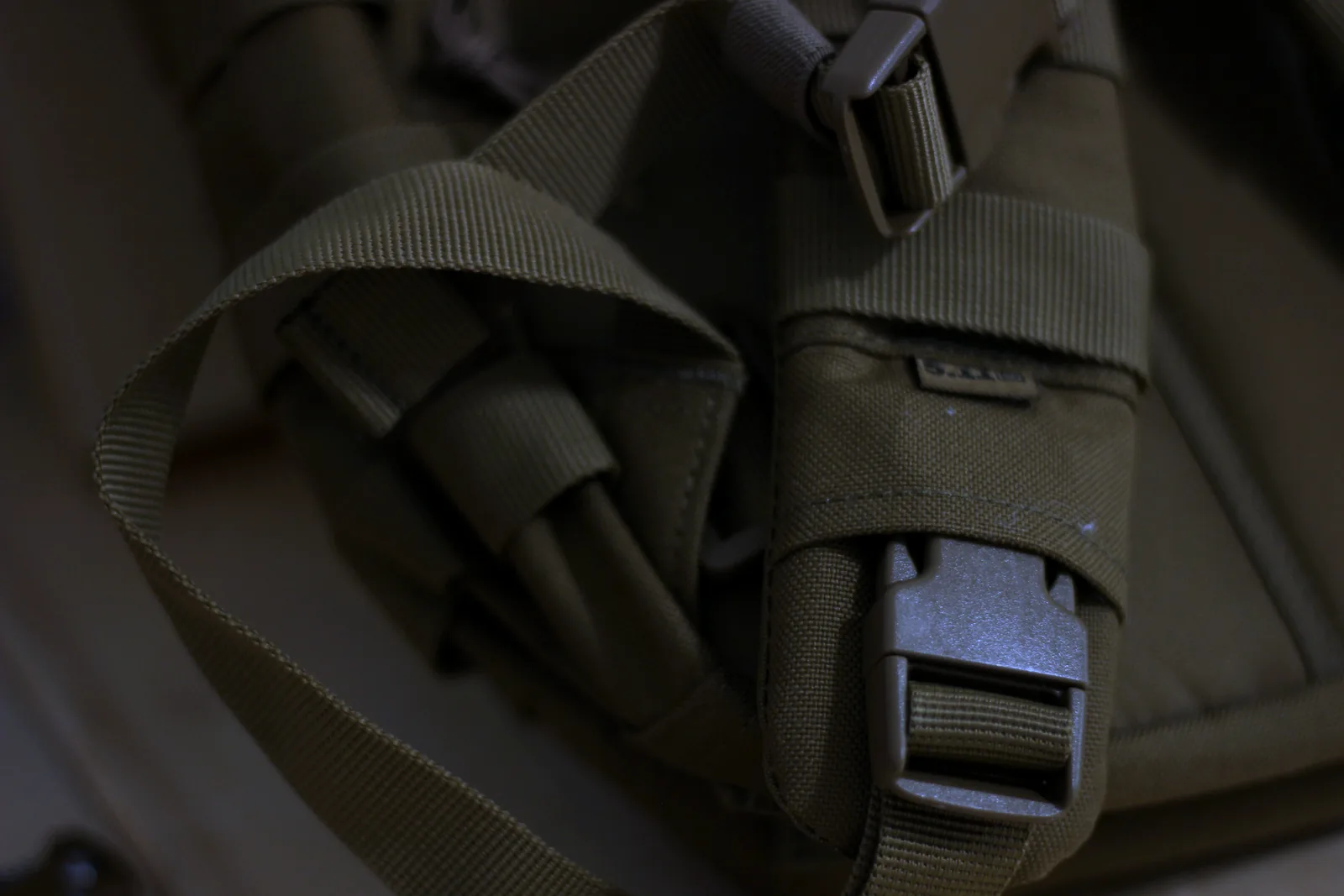
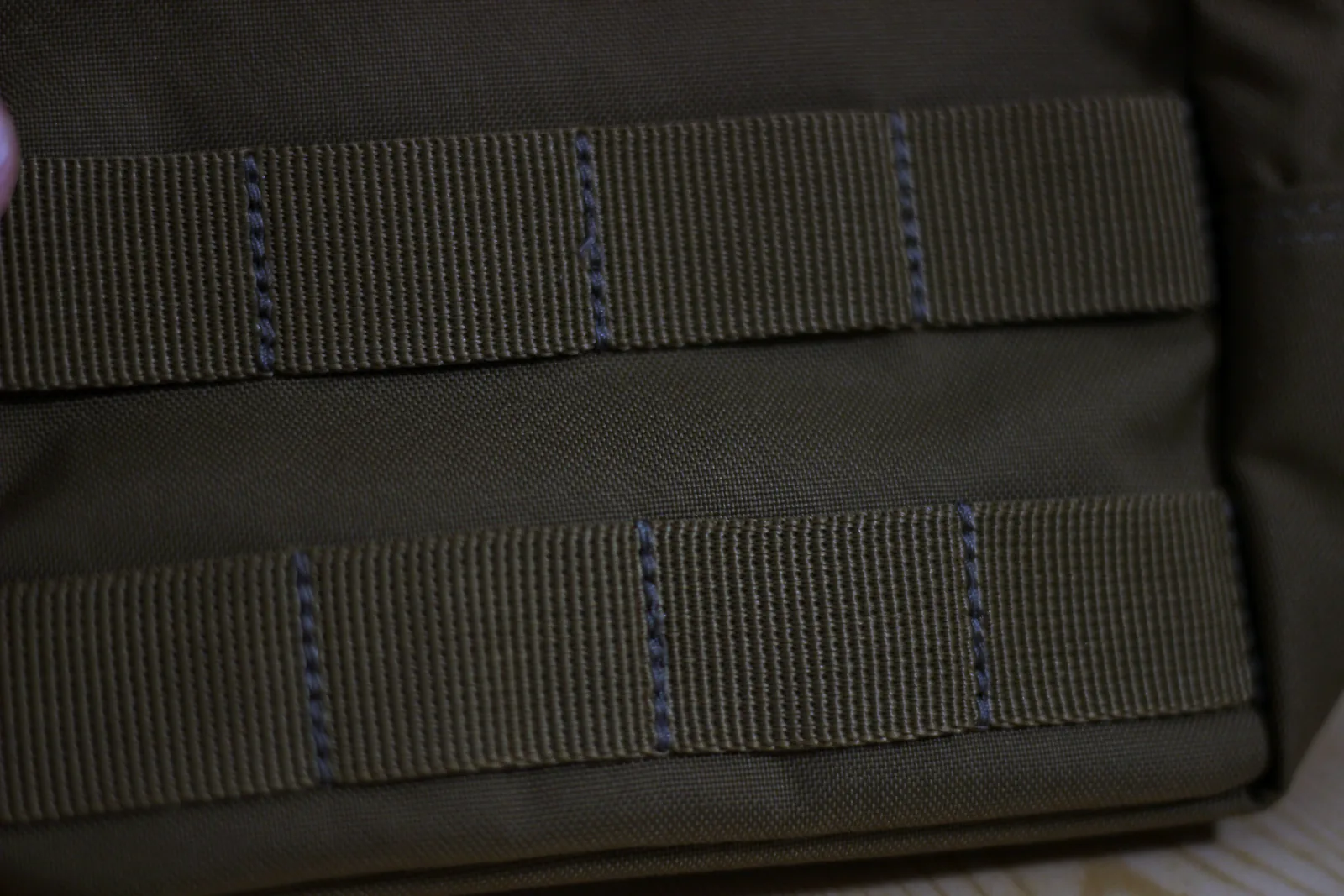
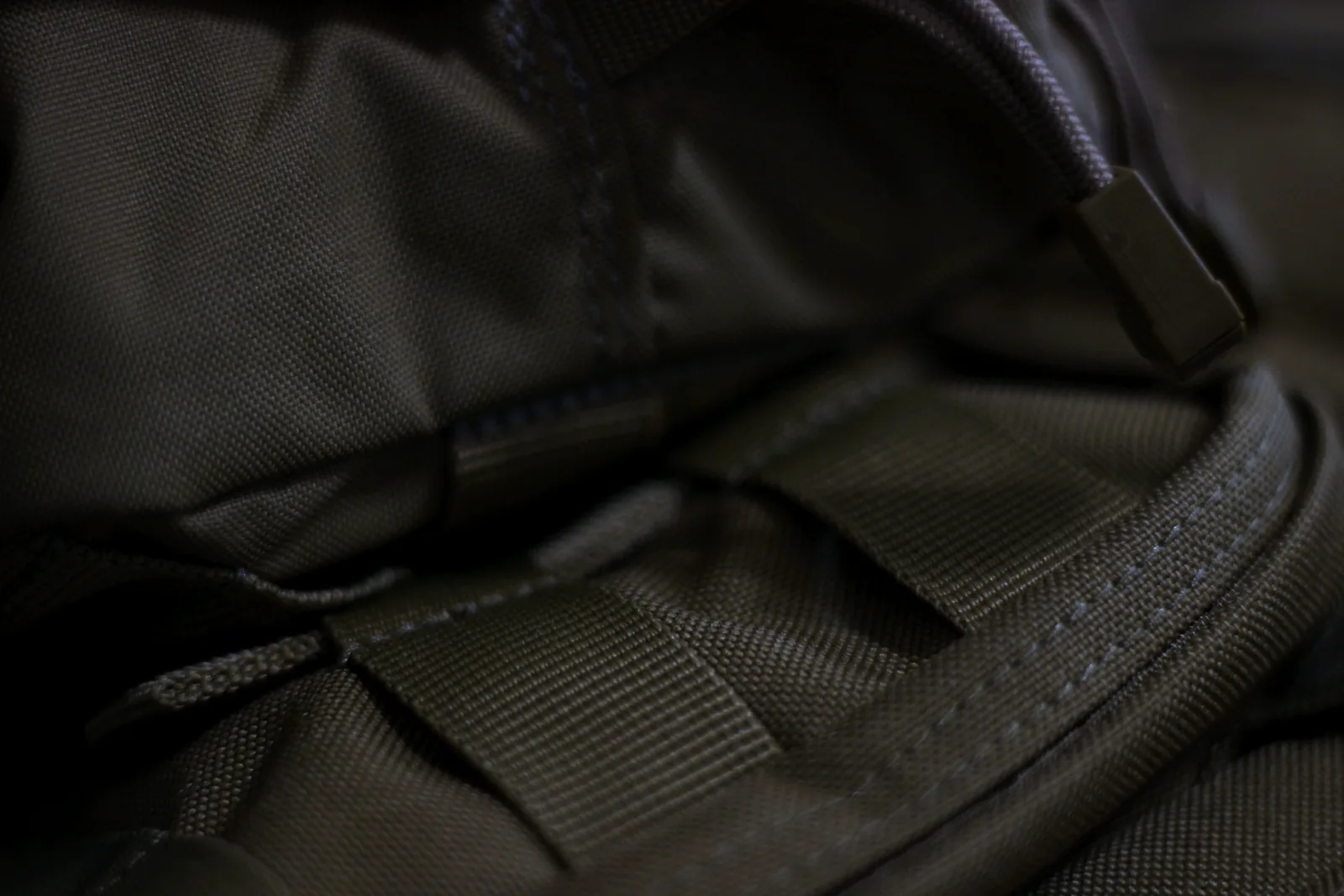
The MOLLE, and what it means in practice
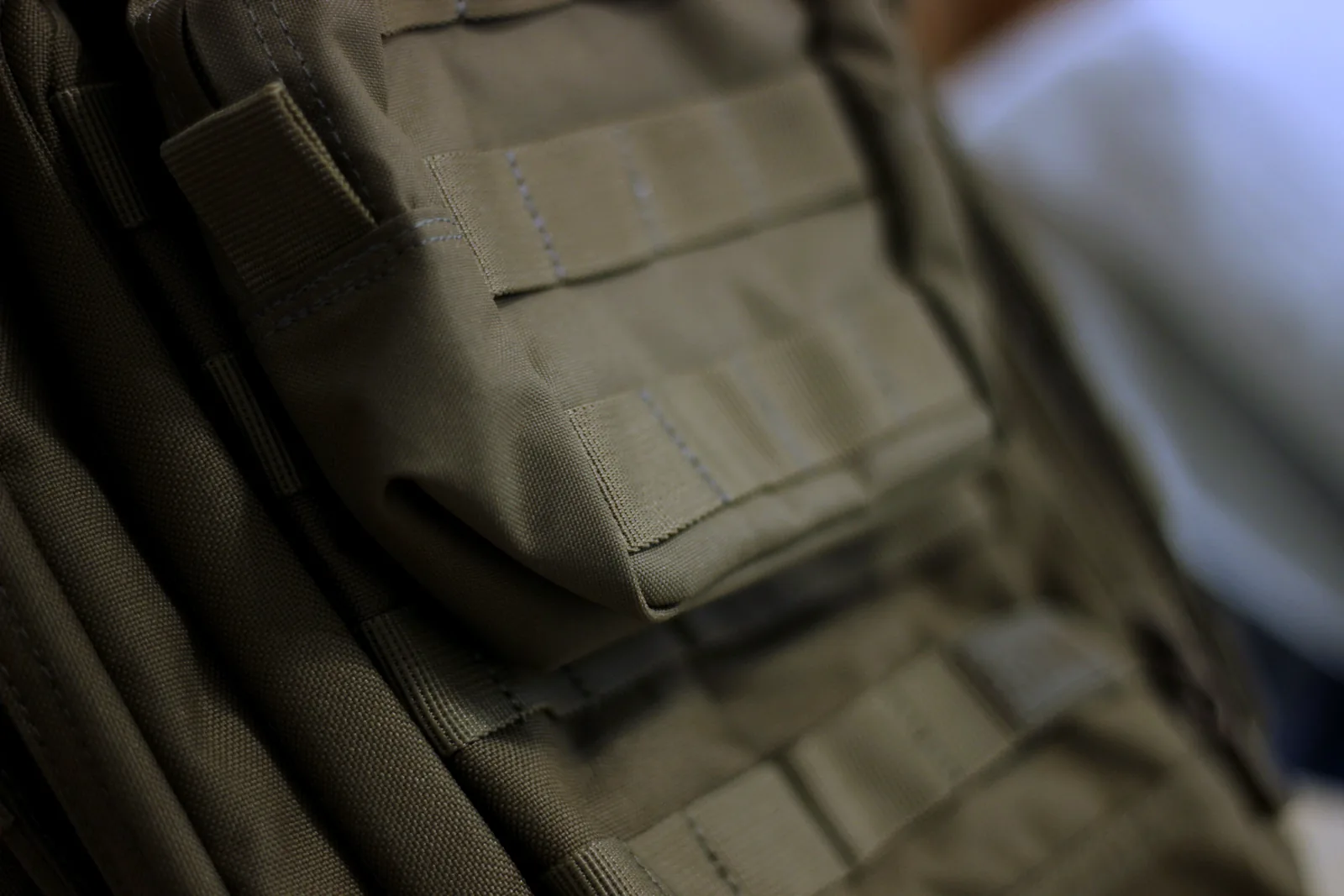
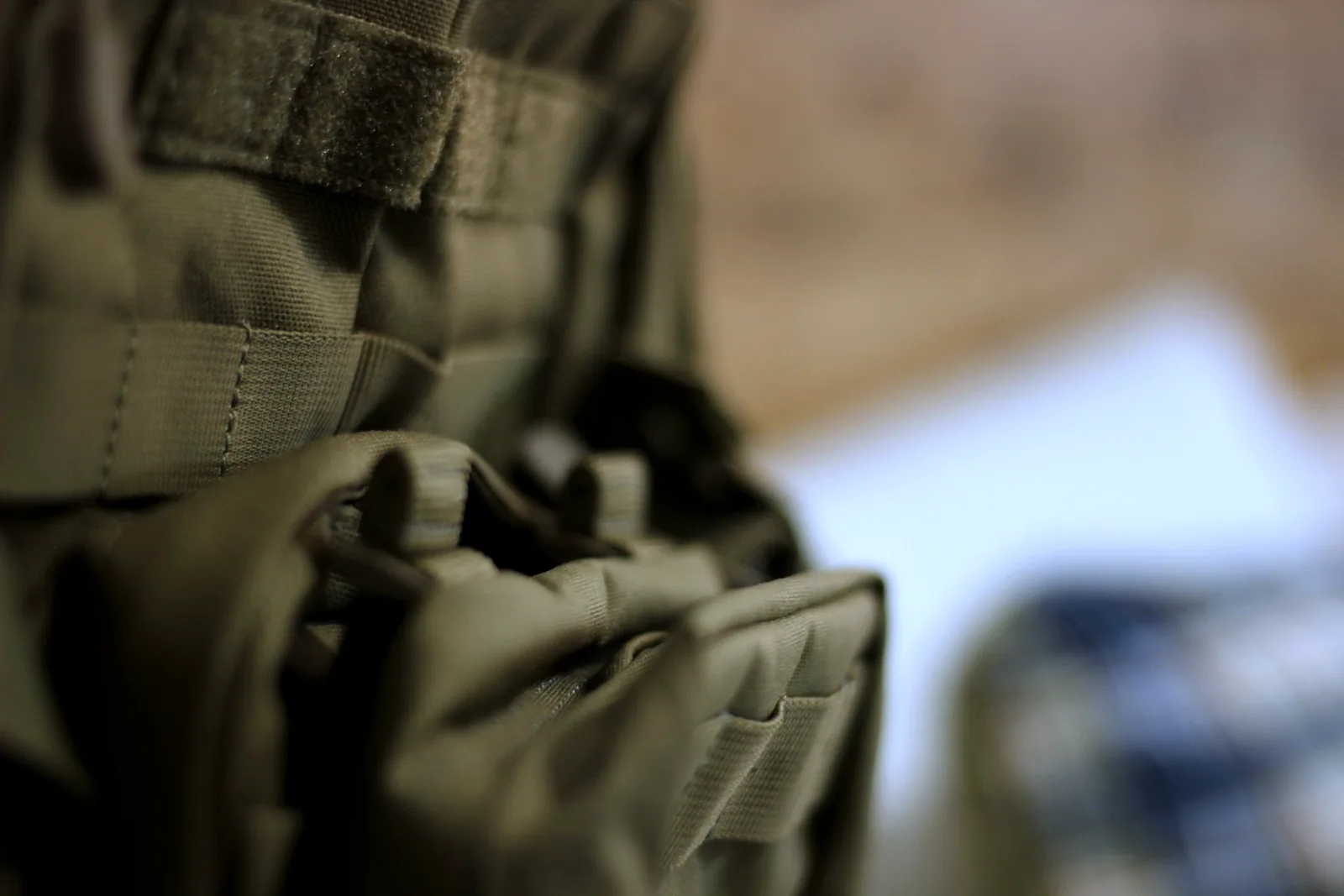
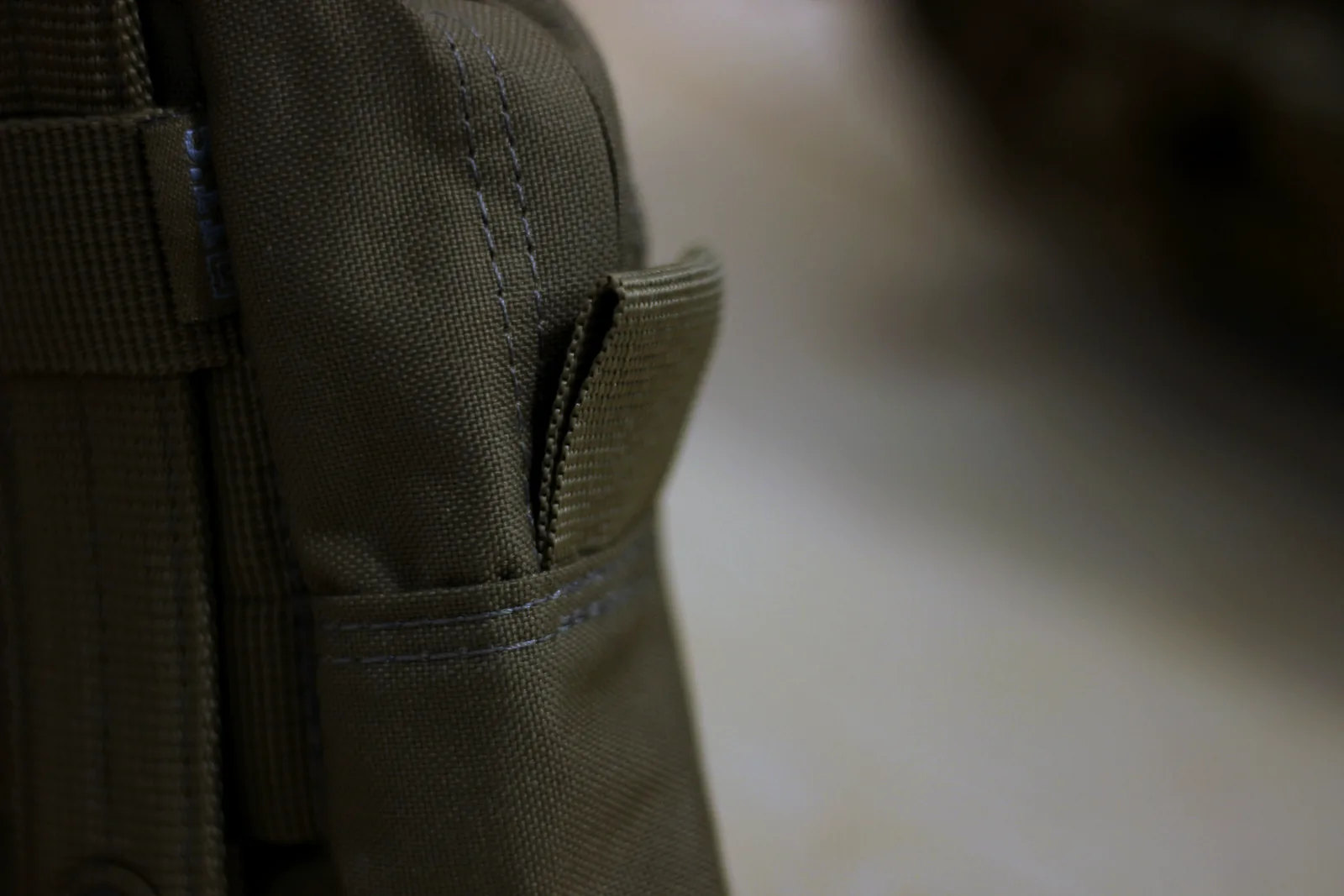
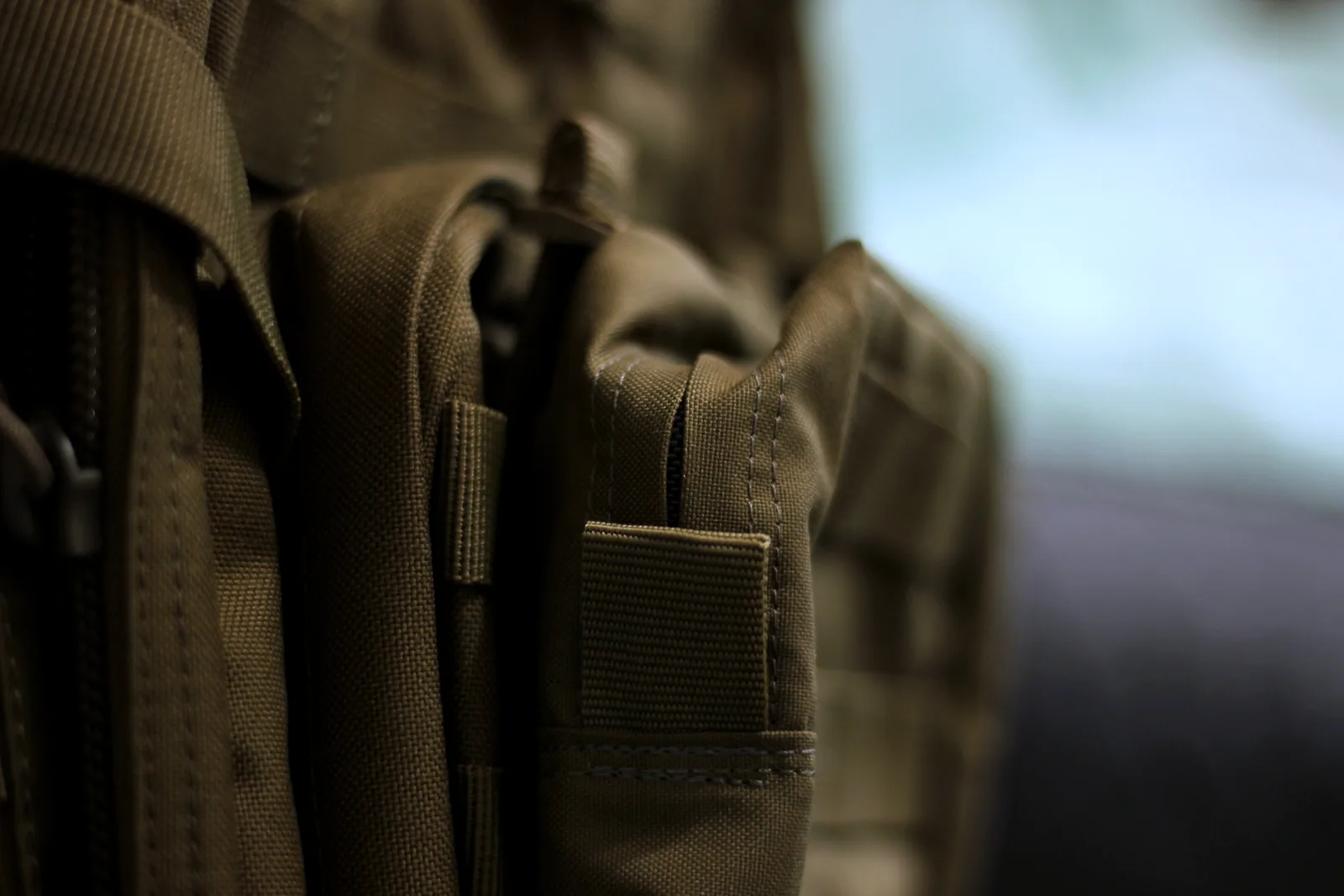
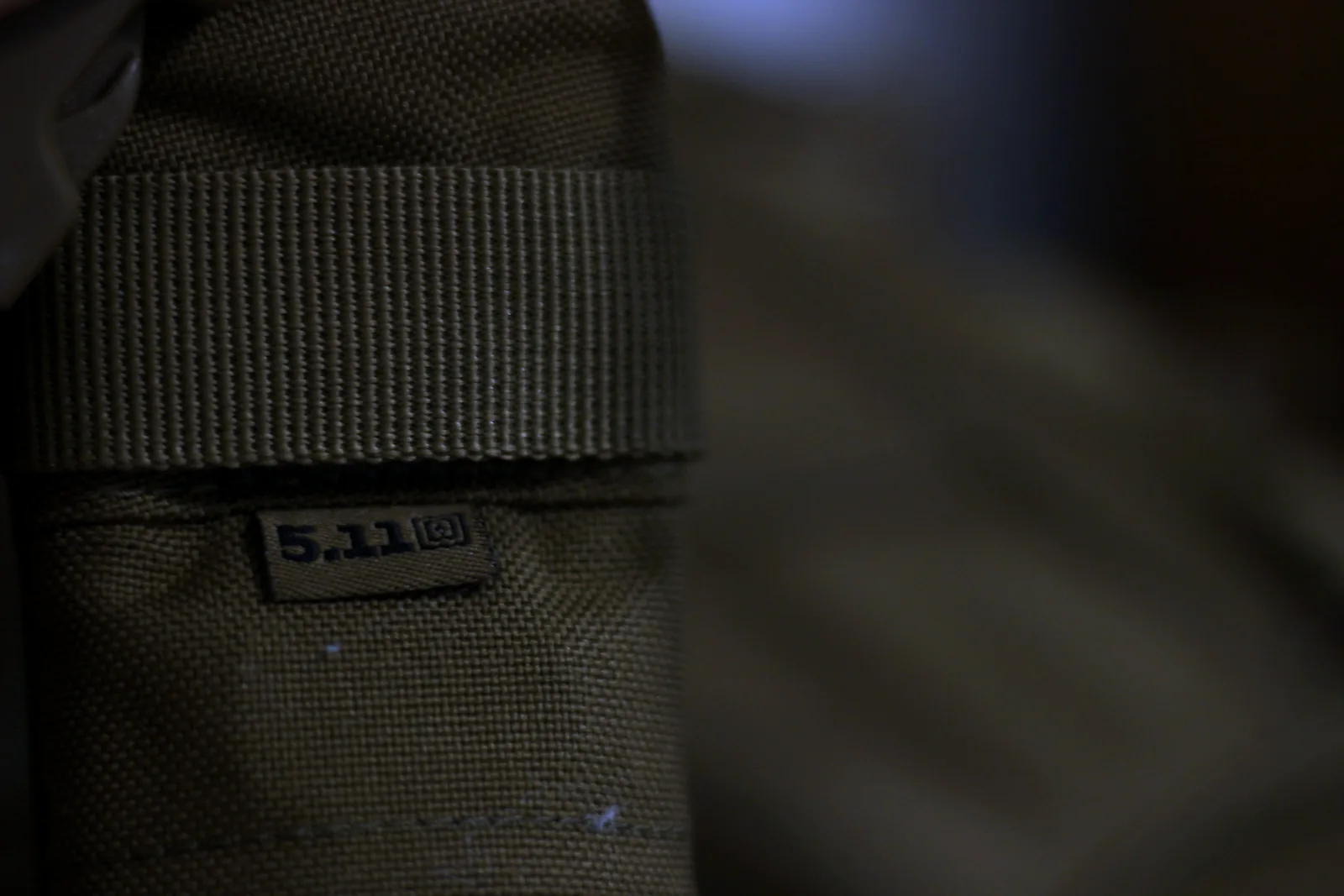
MOLLE is an open standard, and that is the point of it. A pouch bought today mounts to a pack bought a decade ago, to a plate carrier, or to a belt. Brands that invent a proprietary attachment system lock you into their catalogue; this does not.
Inside
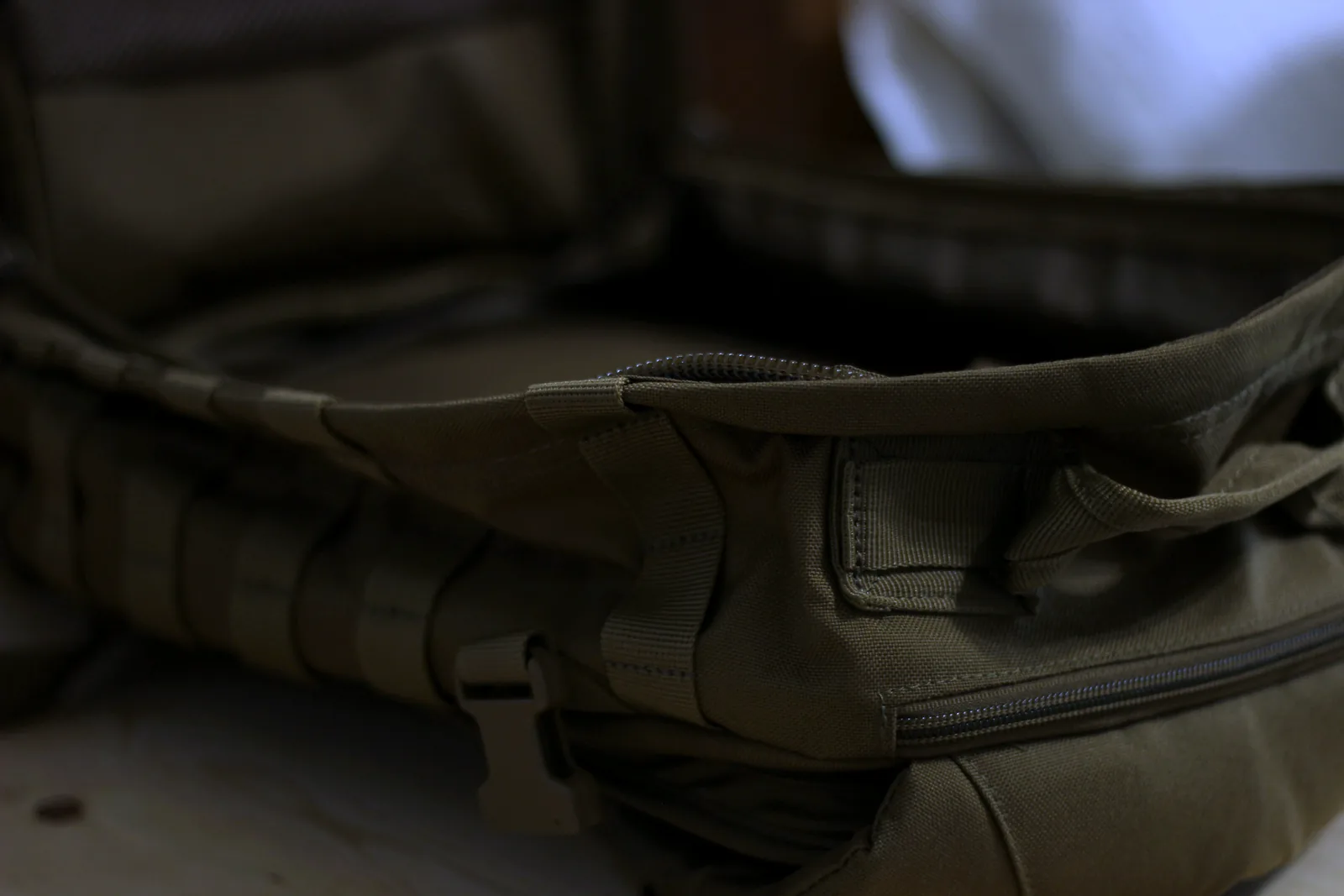
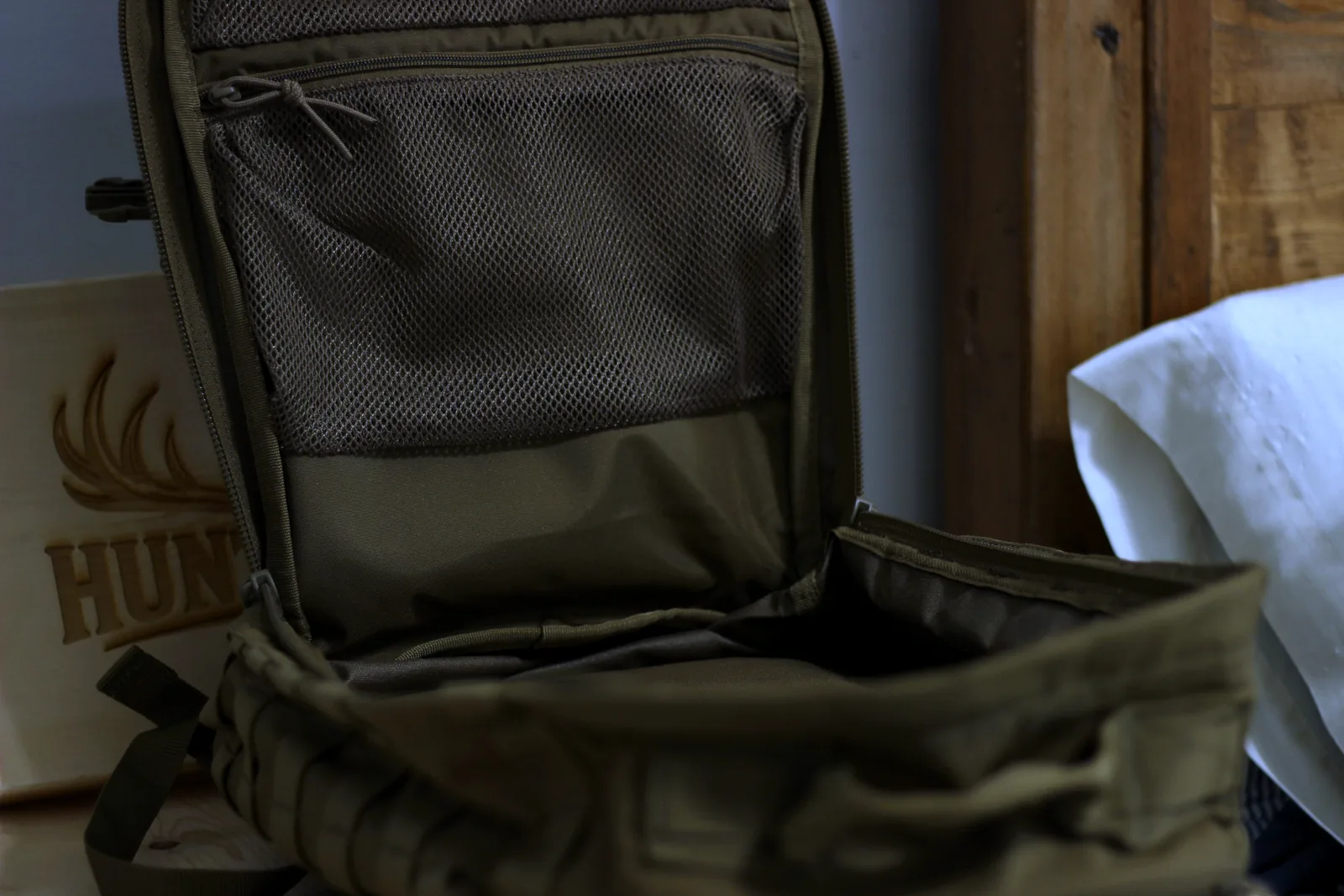
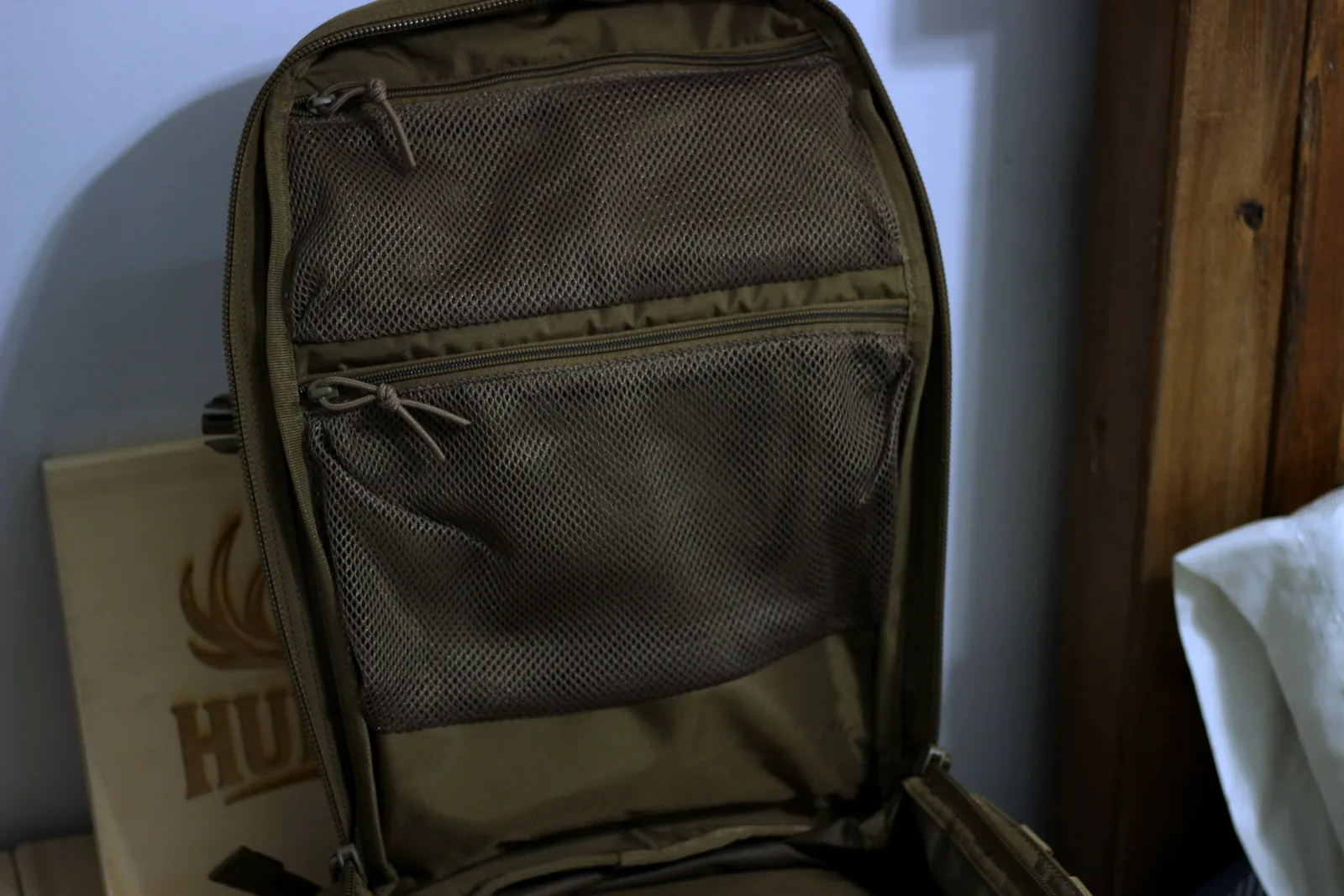
Beyond the main compartment there is a bottom front pocket, a 1.5 L hydration sleeve with rear tube ports, a fleece-lined eyewear and media pocket, a padded laptop sleeve that takes a 15-inch machine, and a hidden CCW compartment. Whether you use that last one for its intended purpose or not, it is a full-height flat pocket against the back panel, and it is the right place for documents, a slim first-aid kit or a map.
The fabric
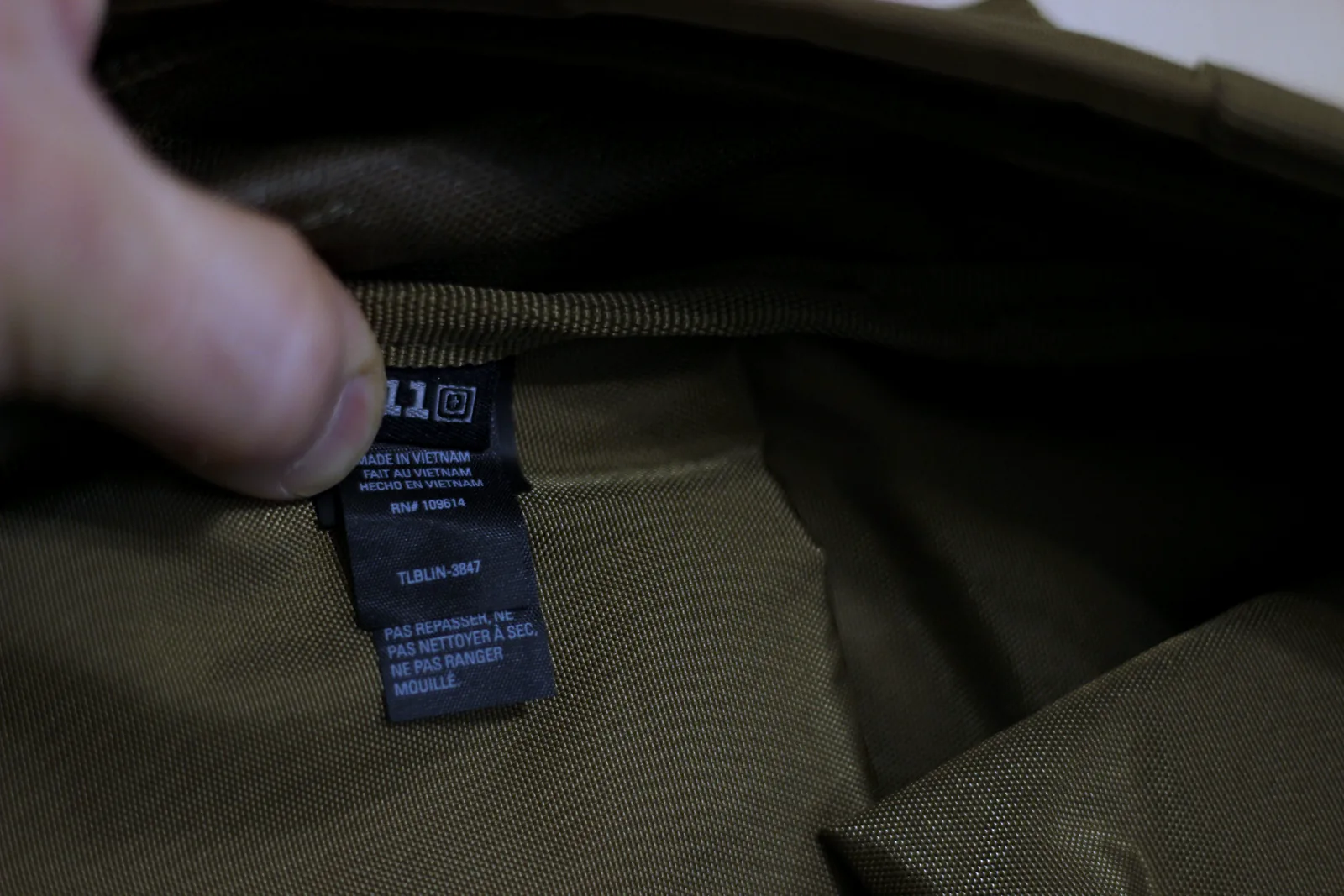
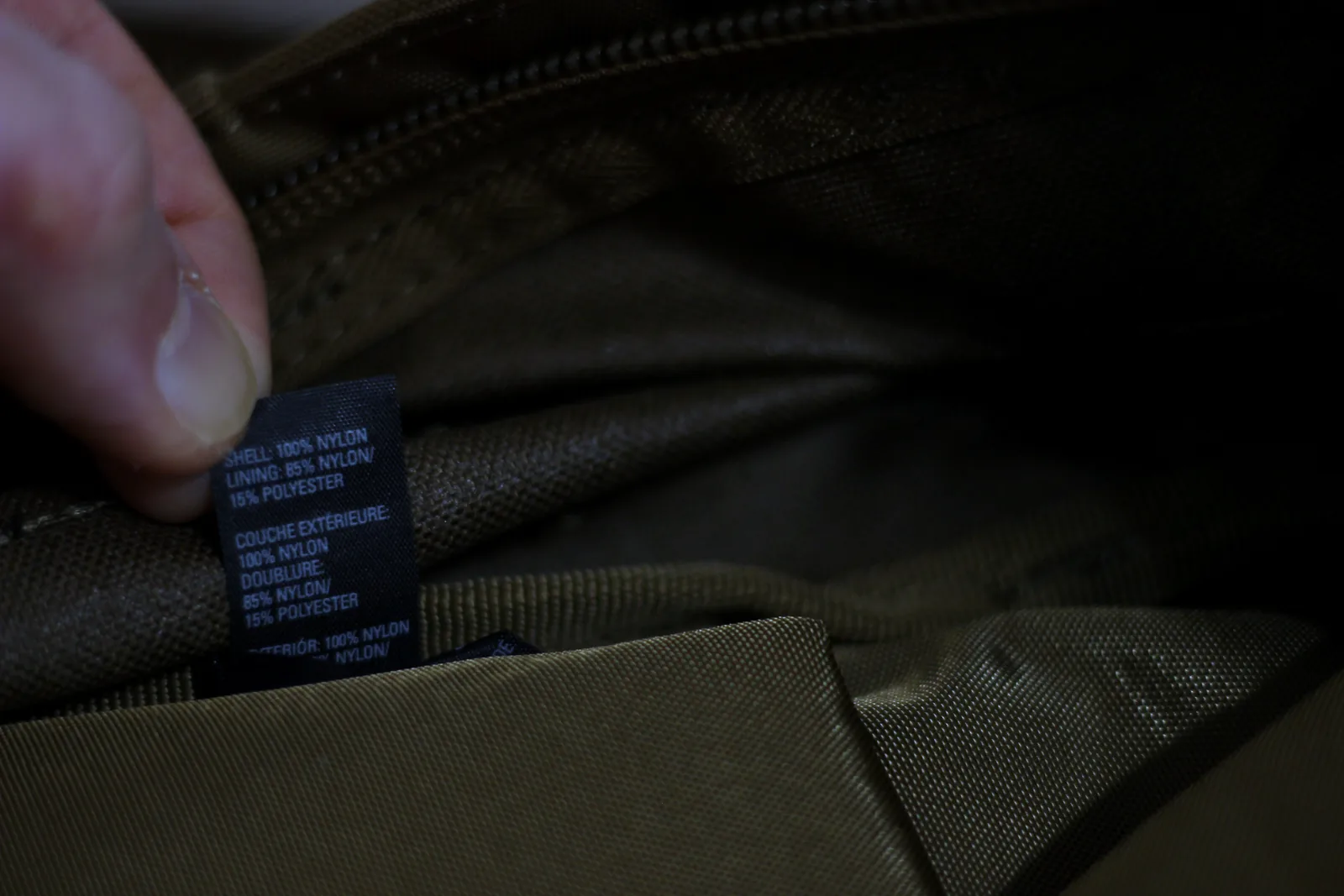
Ten-fifty denier is the number that matters here. It is a heavy, hard-wearing nylon — the weight class used for gear that gets dragged in and out of vehicles and dropped on gravel, rather than the 500D or 600D that keeps most daypacks light. It is a large part of why the pack weighs 3.15 lb, and it is the correct trade for a bag meant to last a decade.
The 6.6 Pouch
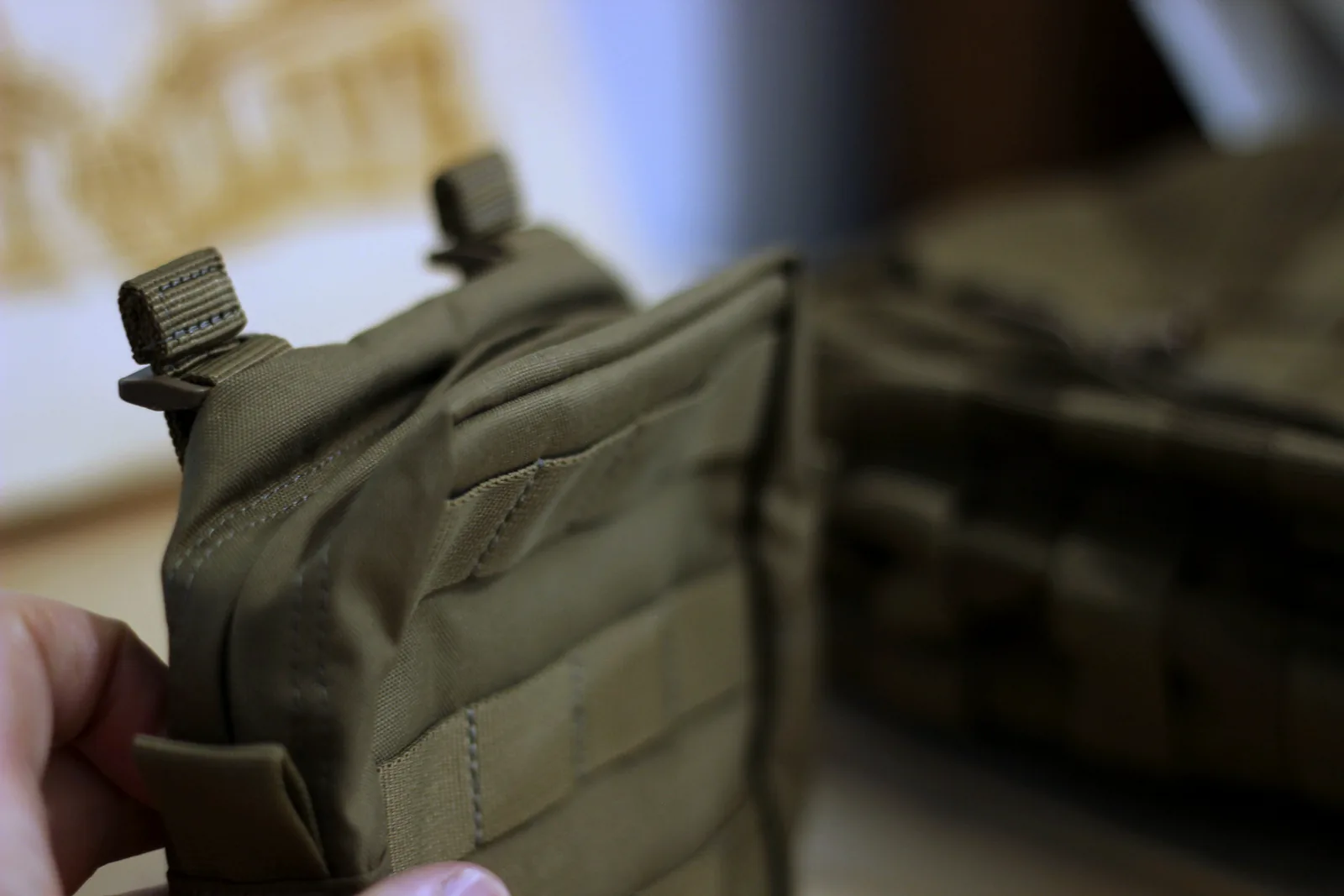
That size is genuinely useful: a compact first-aid kit, a stove and a fuel canister, a set of optics caps and spare batteries, or the knife and light from this same bundle when they are not on your person.
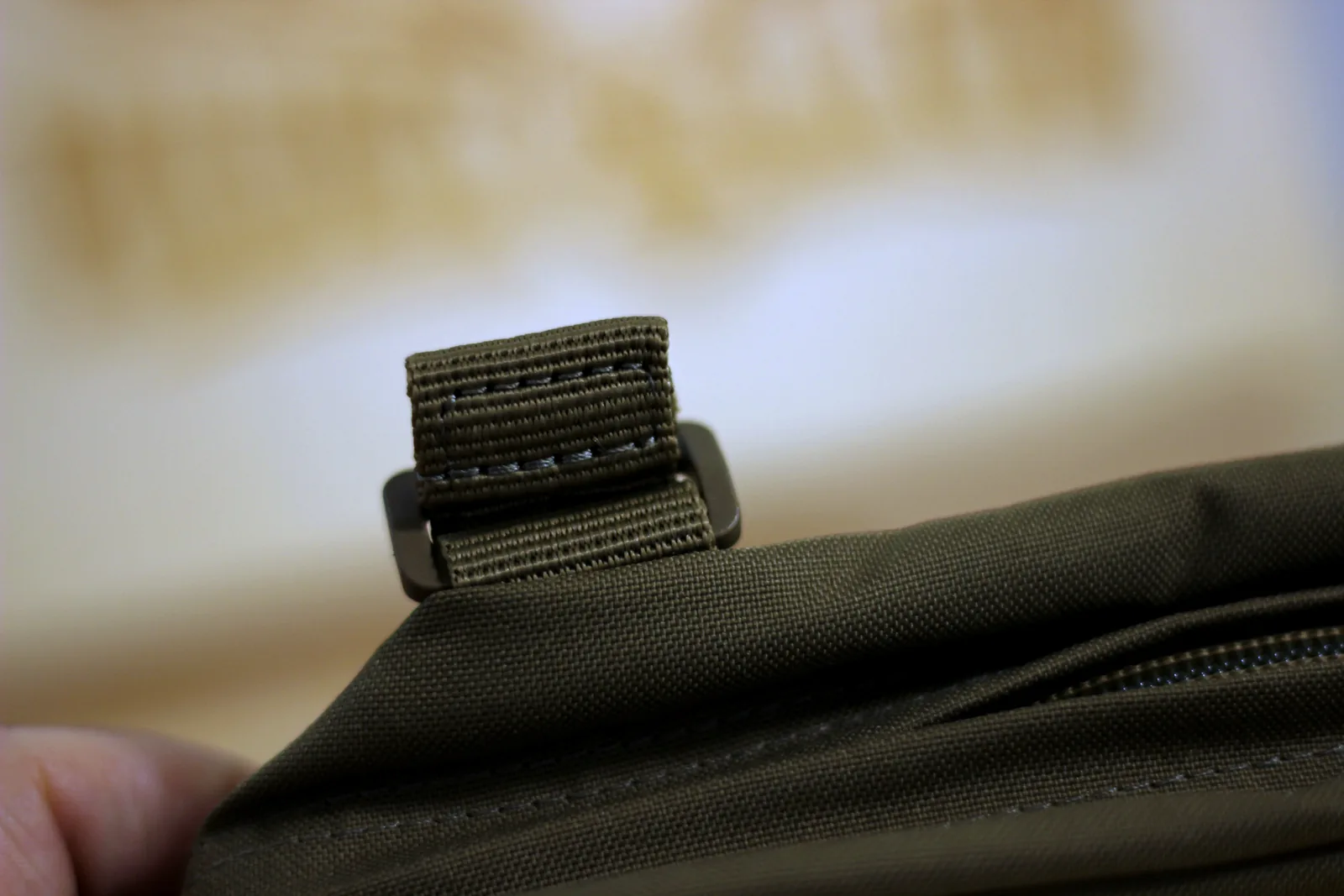
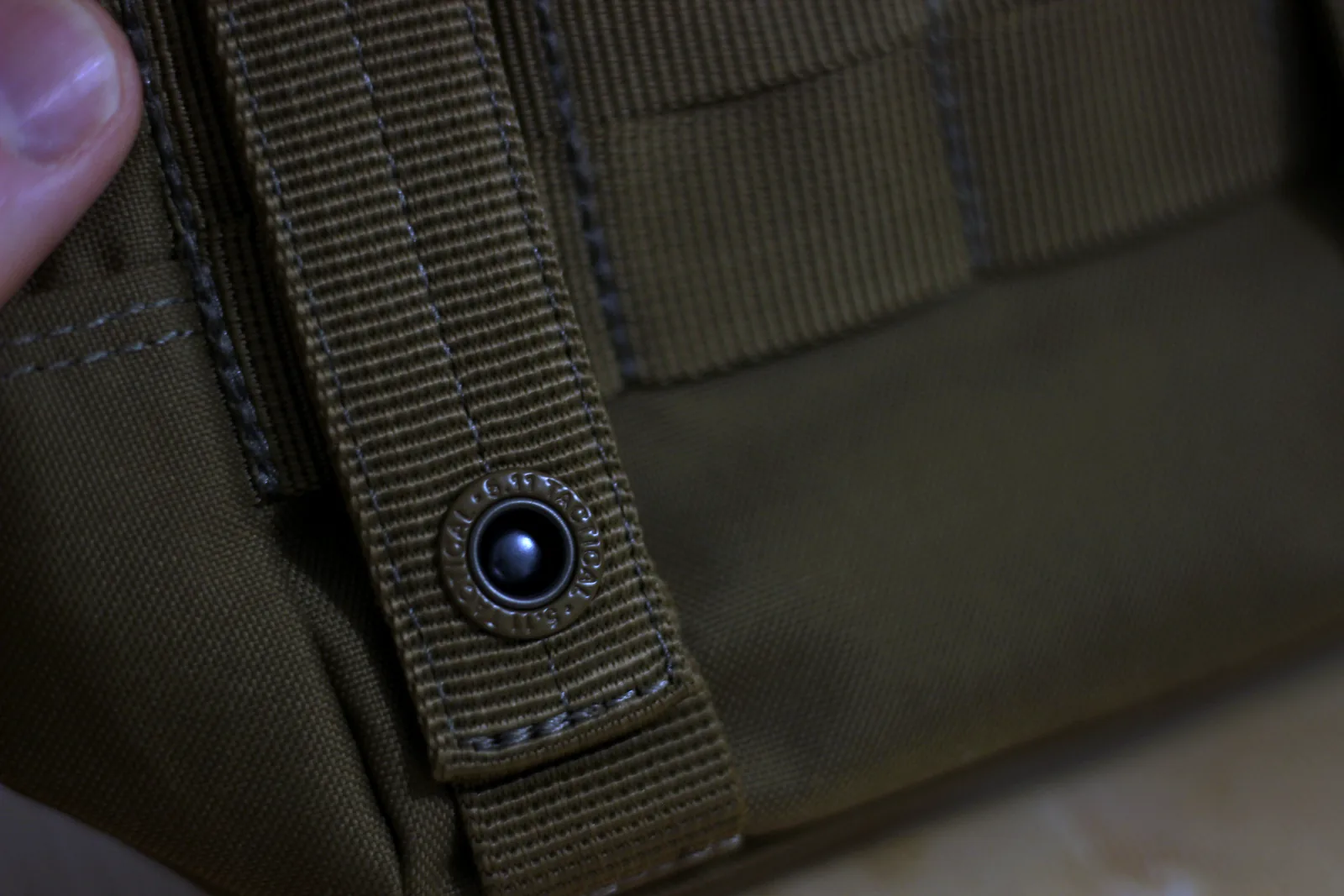
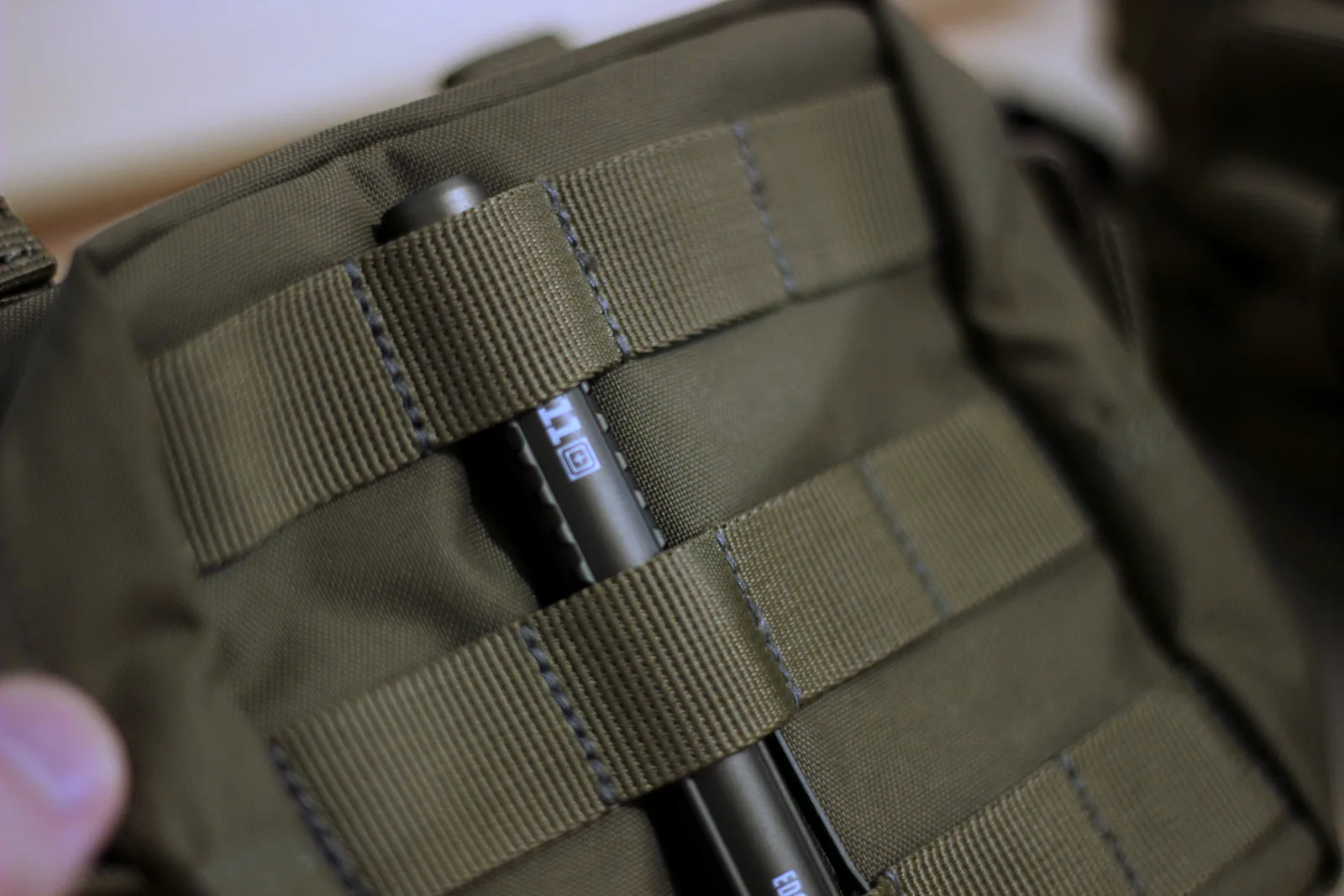
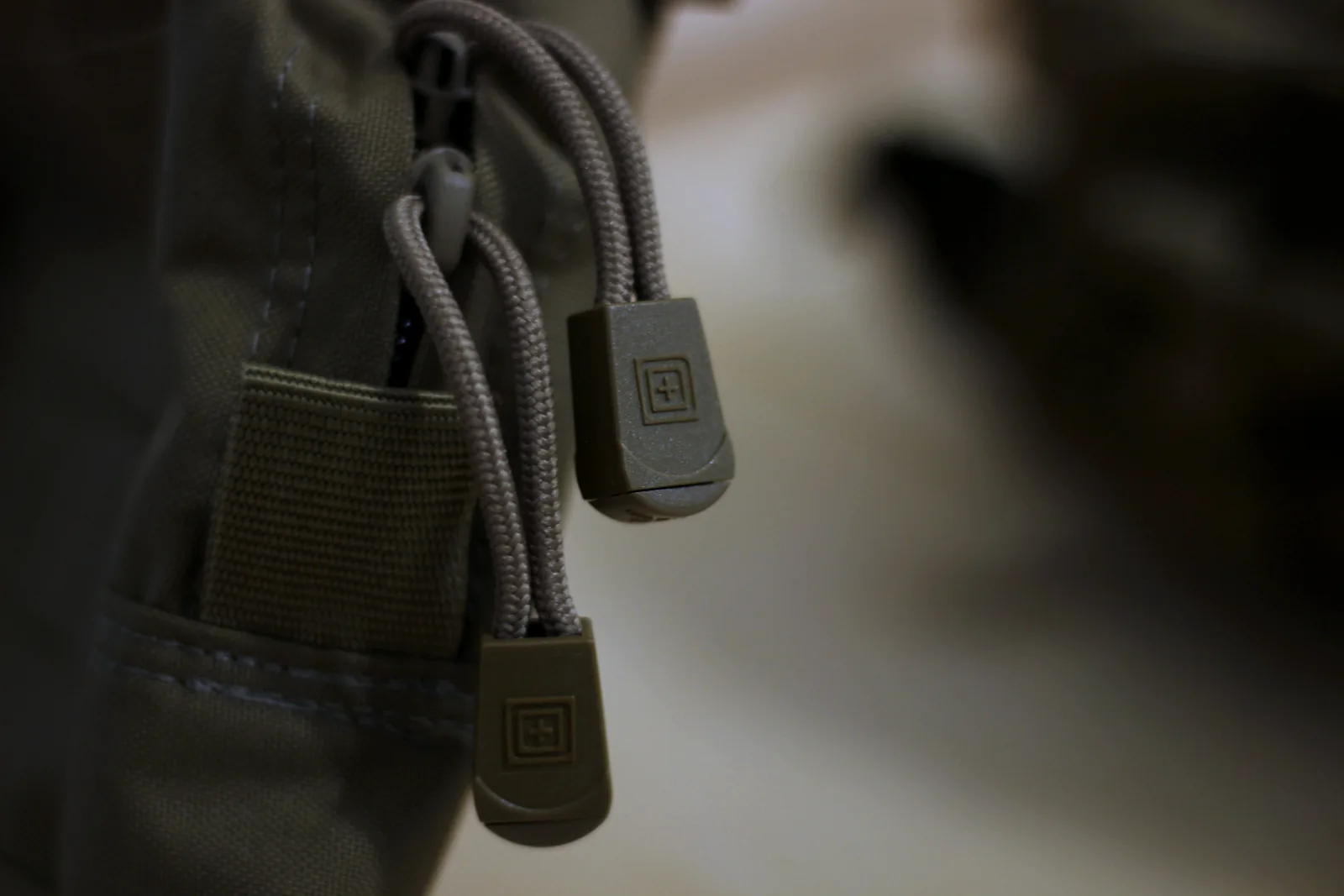
The card lists MOLLE, laser-cut platforms, 5.11’s own HEXGRID and waist belts. The practical effect of the SlickStick is that you will actually reconfigure the pack when the job changes, rather than setting it up once and living with it forever.
The Icarus DP Mini Knife
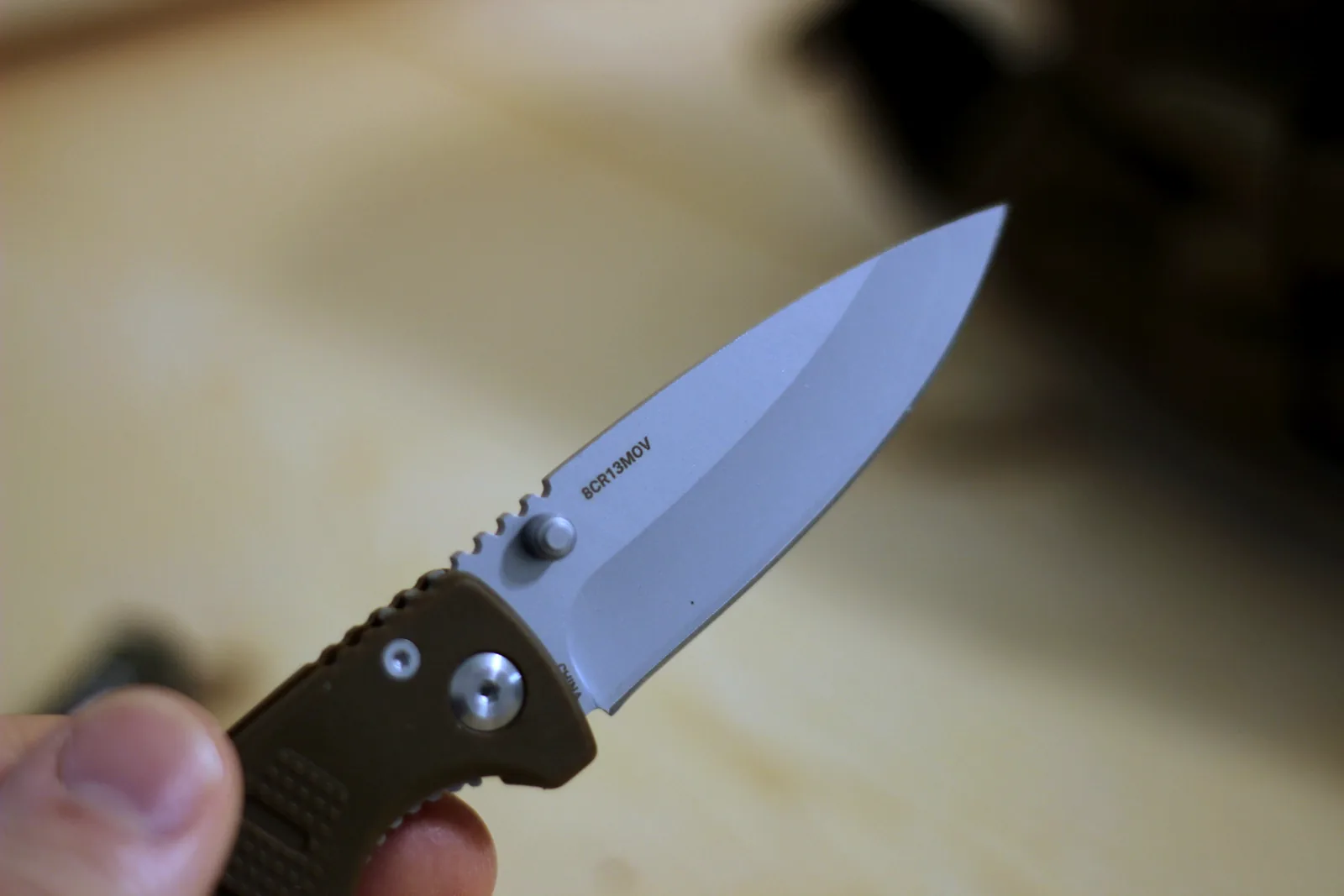
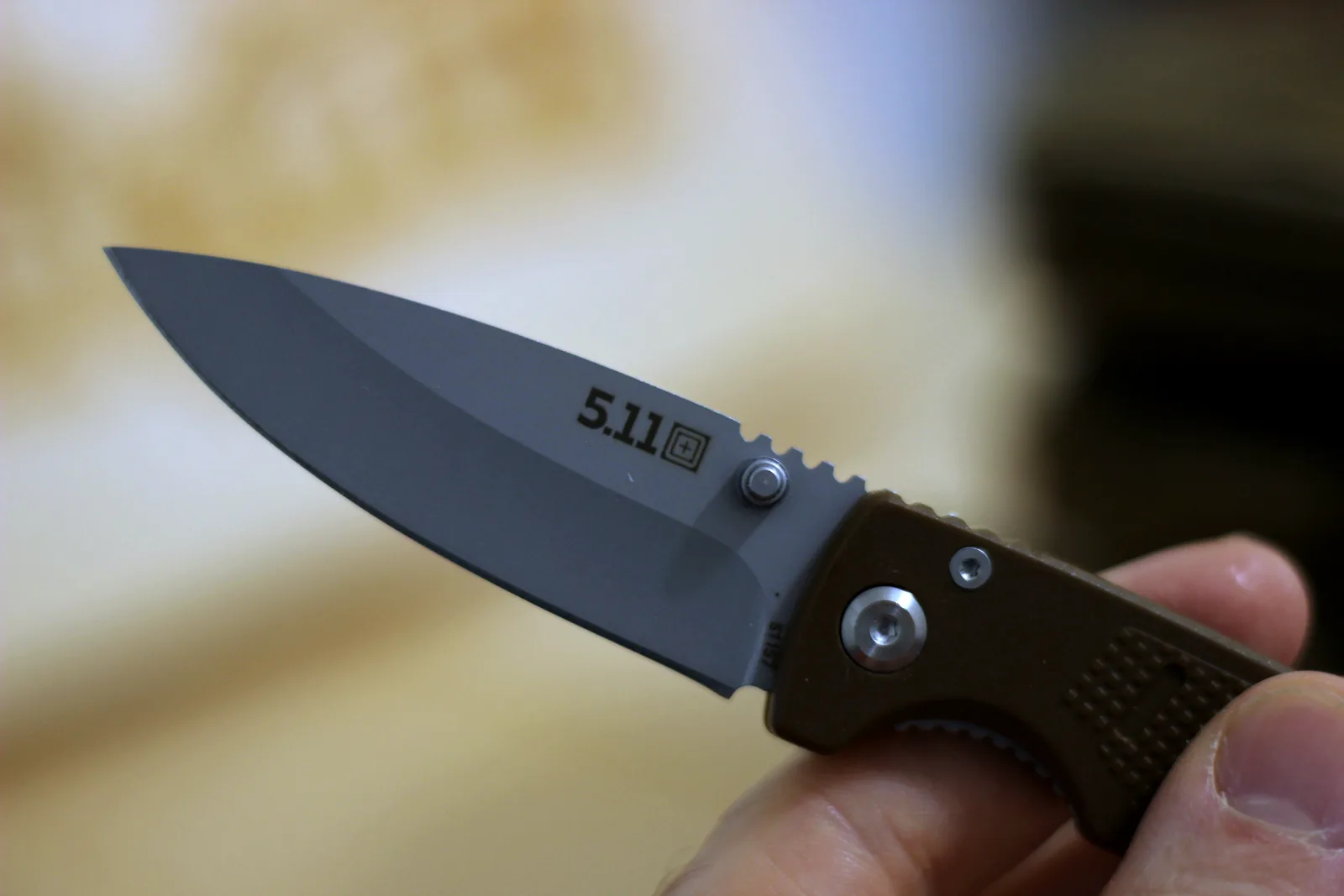
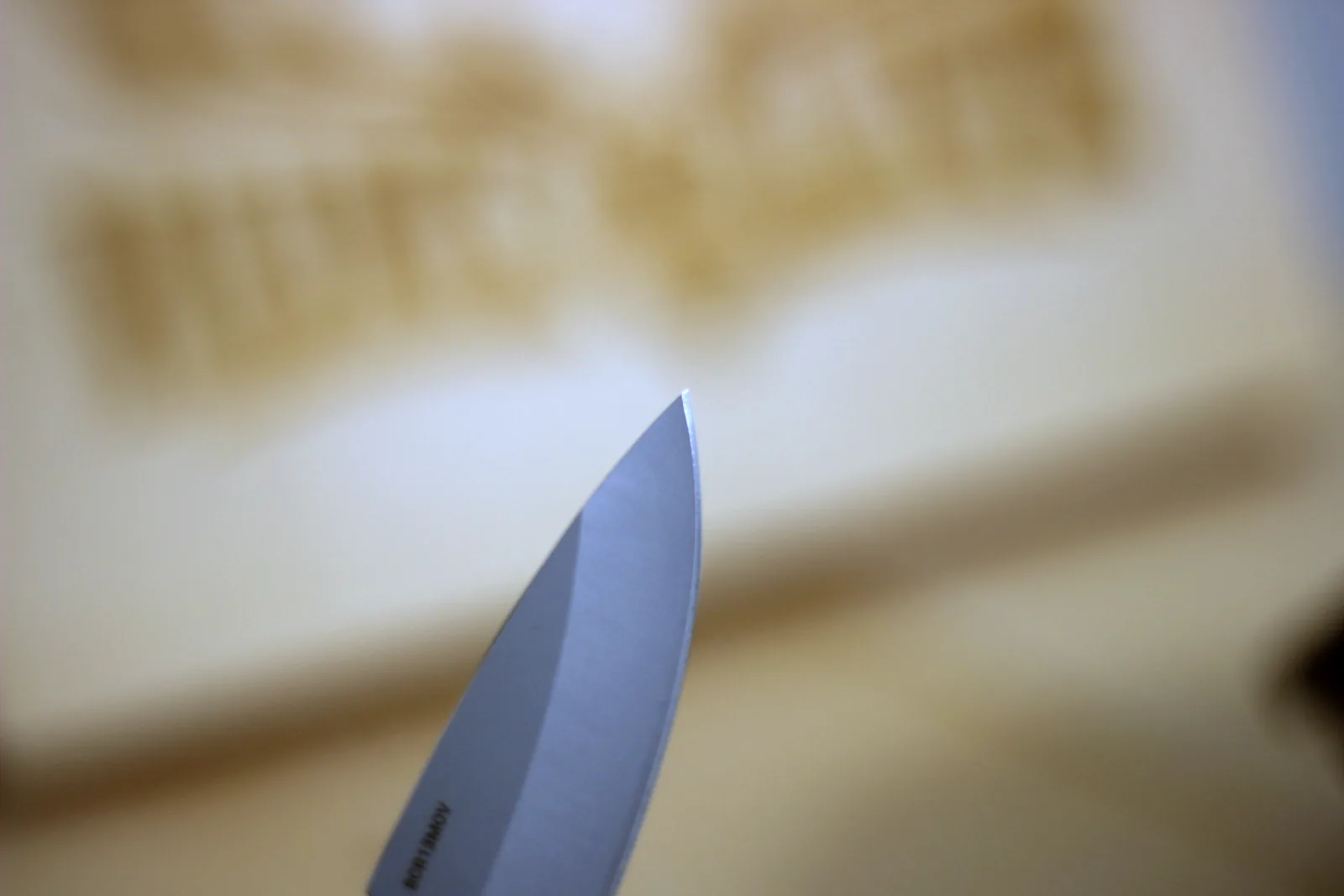
This is the piece that could have been the bundle filler, and is not. 8Cr13MoV is not a premium steel and nobody claims it is — it is the sensible working stainless that sits under the powder steels: easy to sharpen on anything, corrosion-resistant, and entirely adequate for what a folder actually does. On a knife you will lend out, leave in a pack for a season and use to open feed sacks, it is arguably the better choice than something you would be precious about.
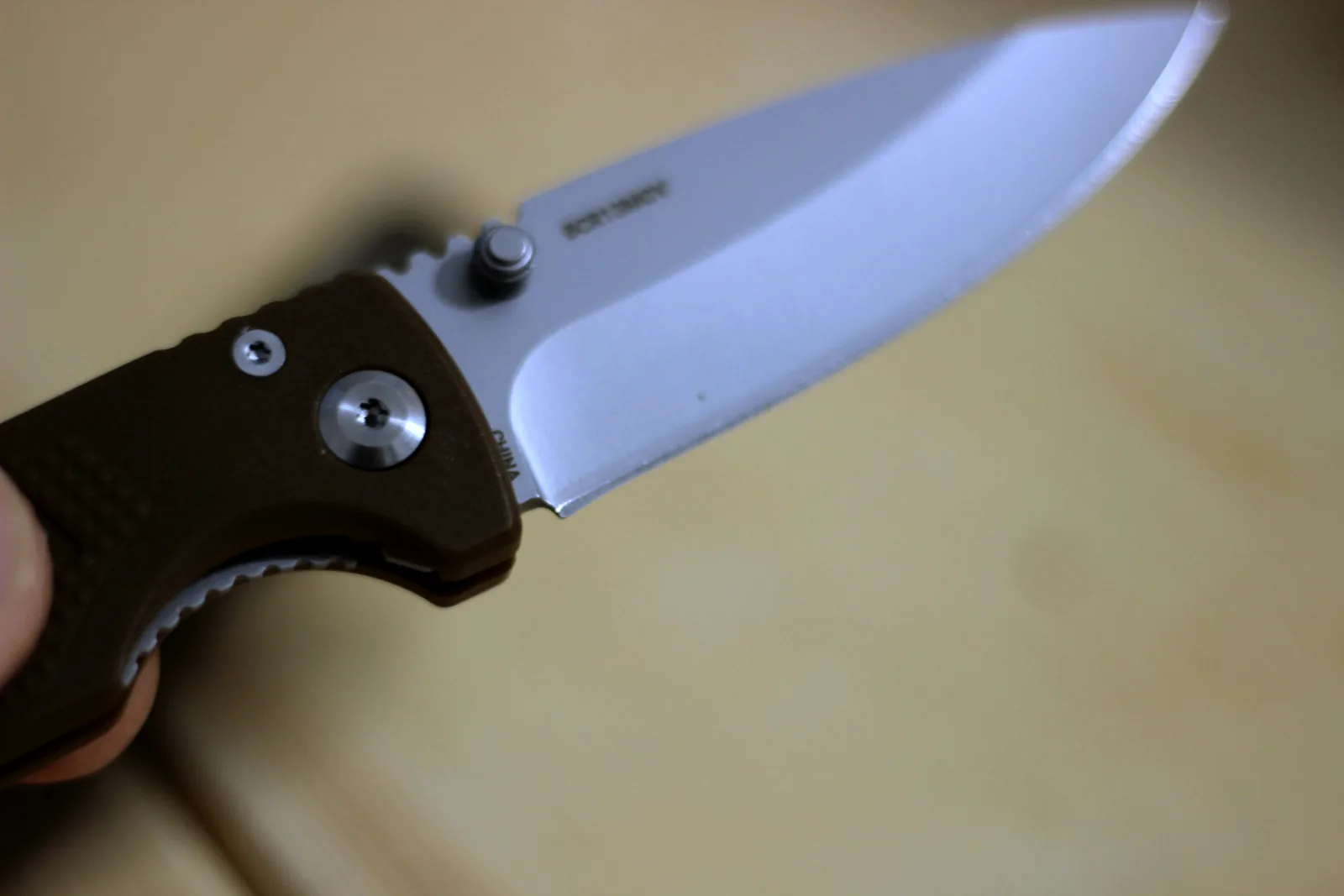
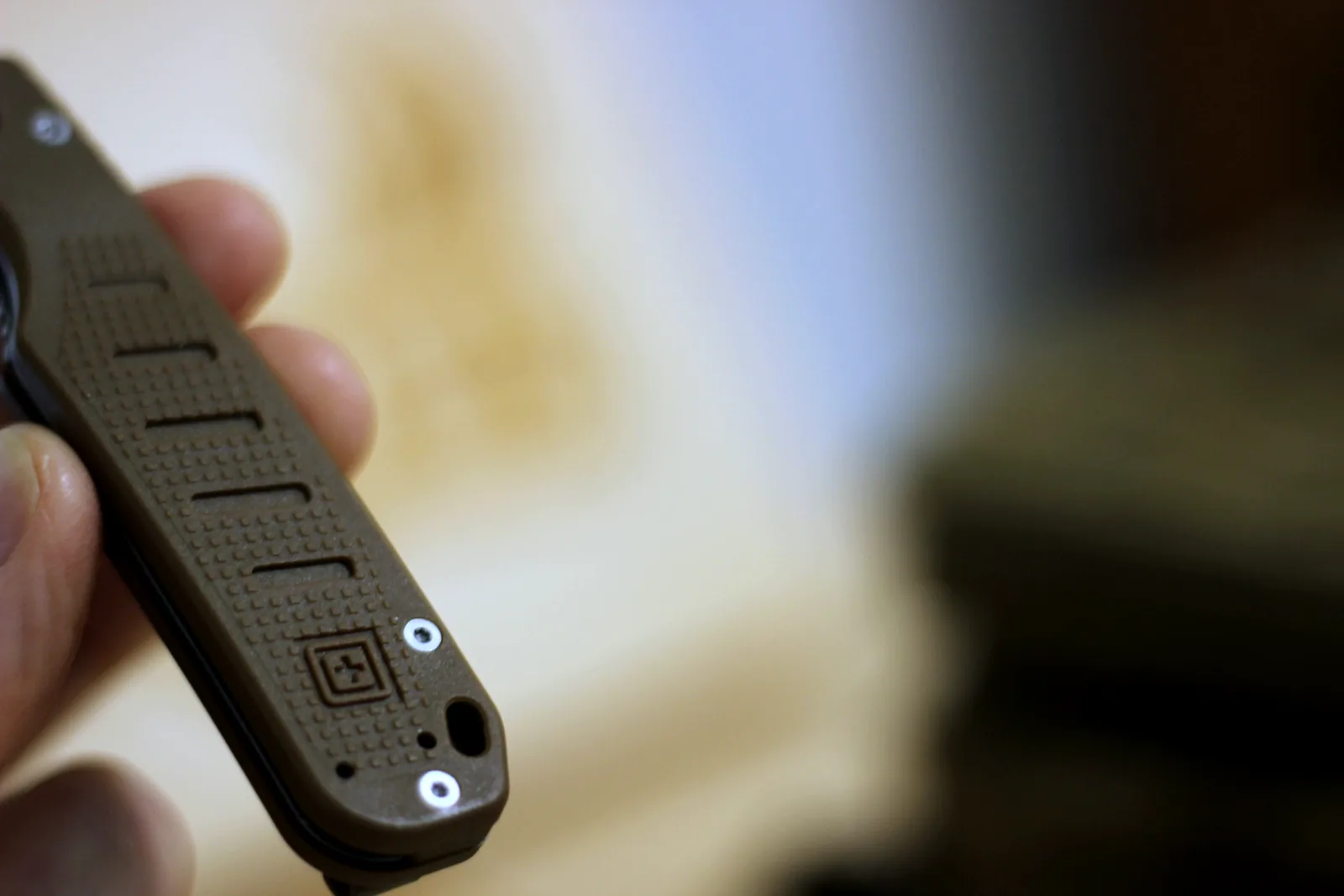
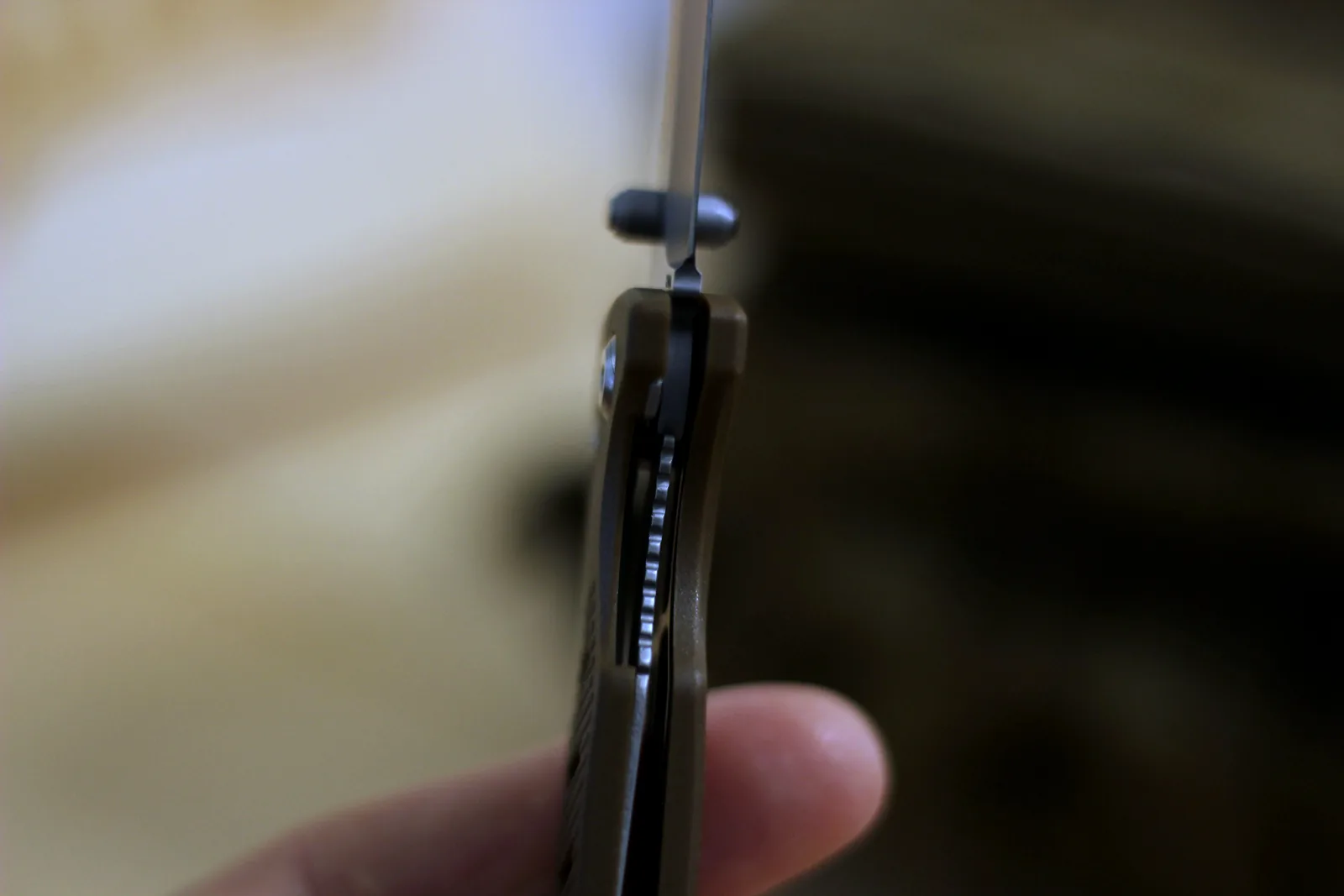
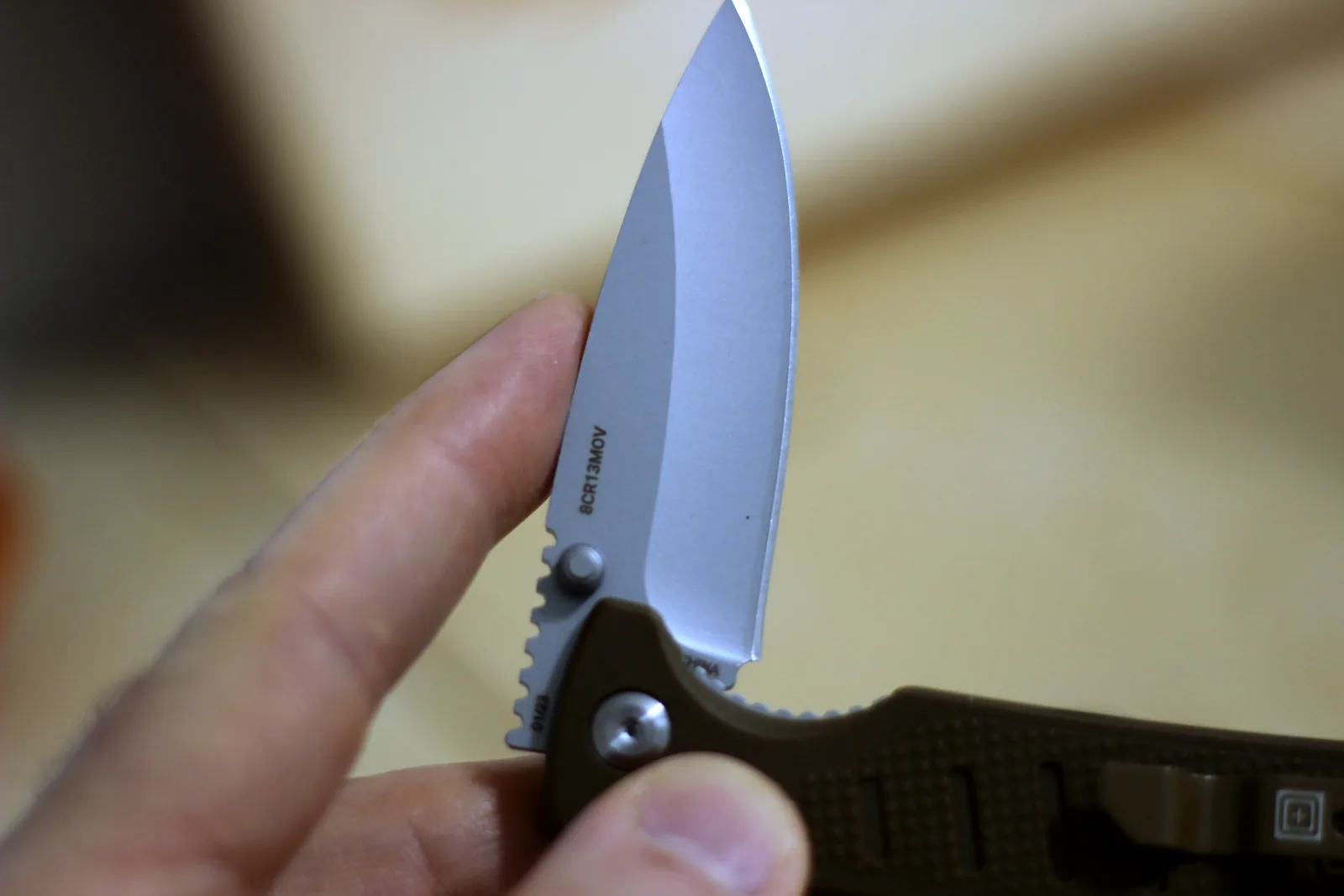
The deep-carry clip is the detail that separates a knife you carry from a knife you own. It rides low enough that the handle does not stand proud of the pocket, and being two-position means left-handed carry is a screwdriver away rather than a different product entirely.
The EDC PL 2AAA Flashlight
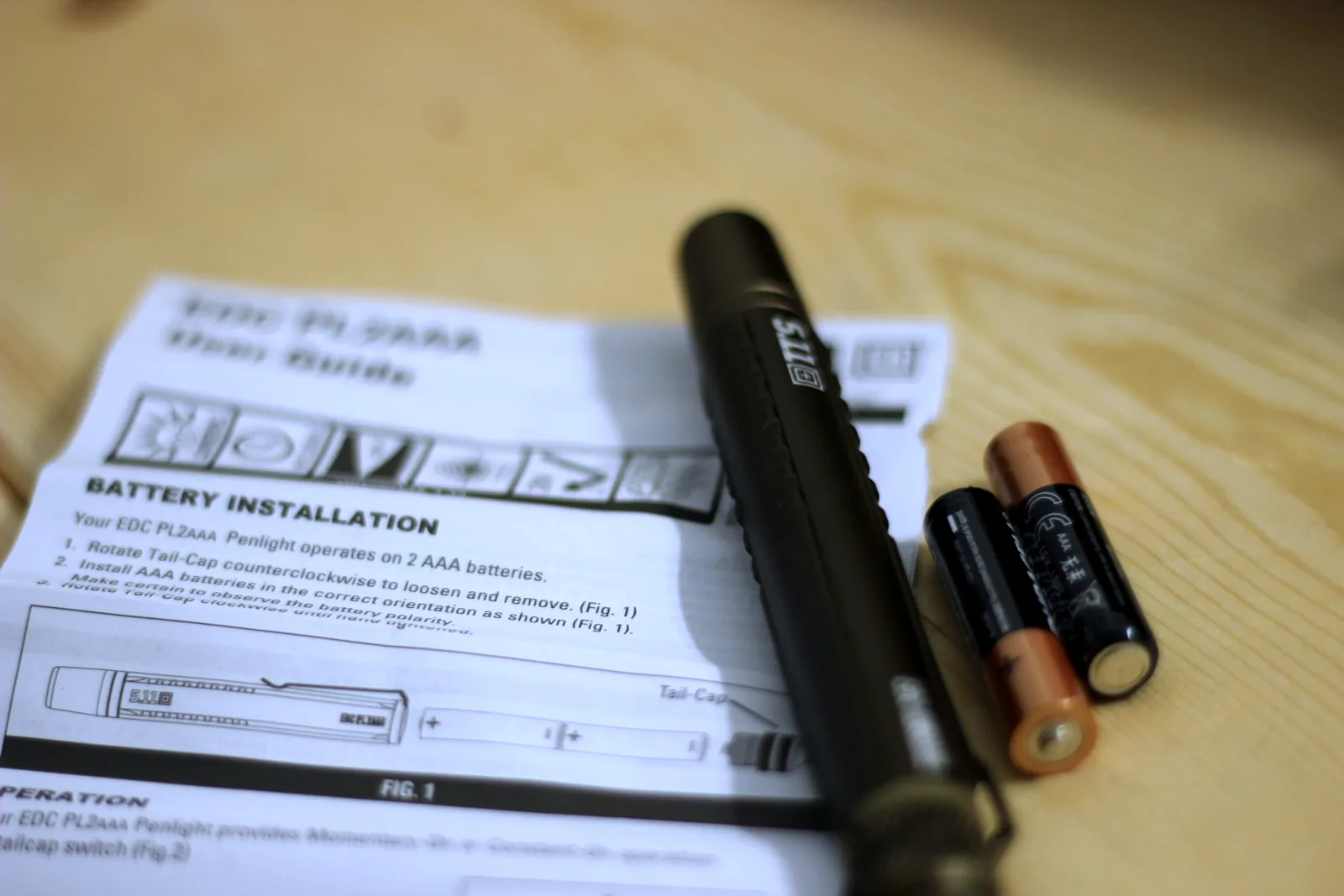
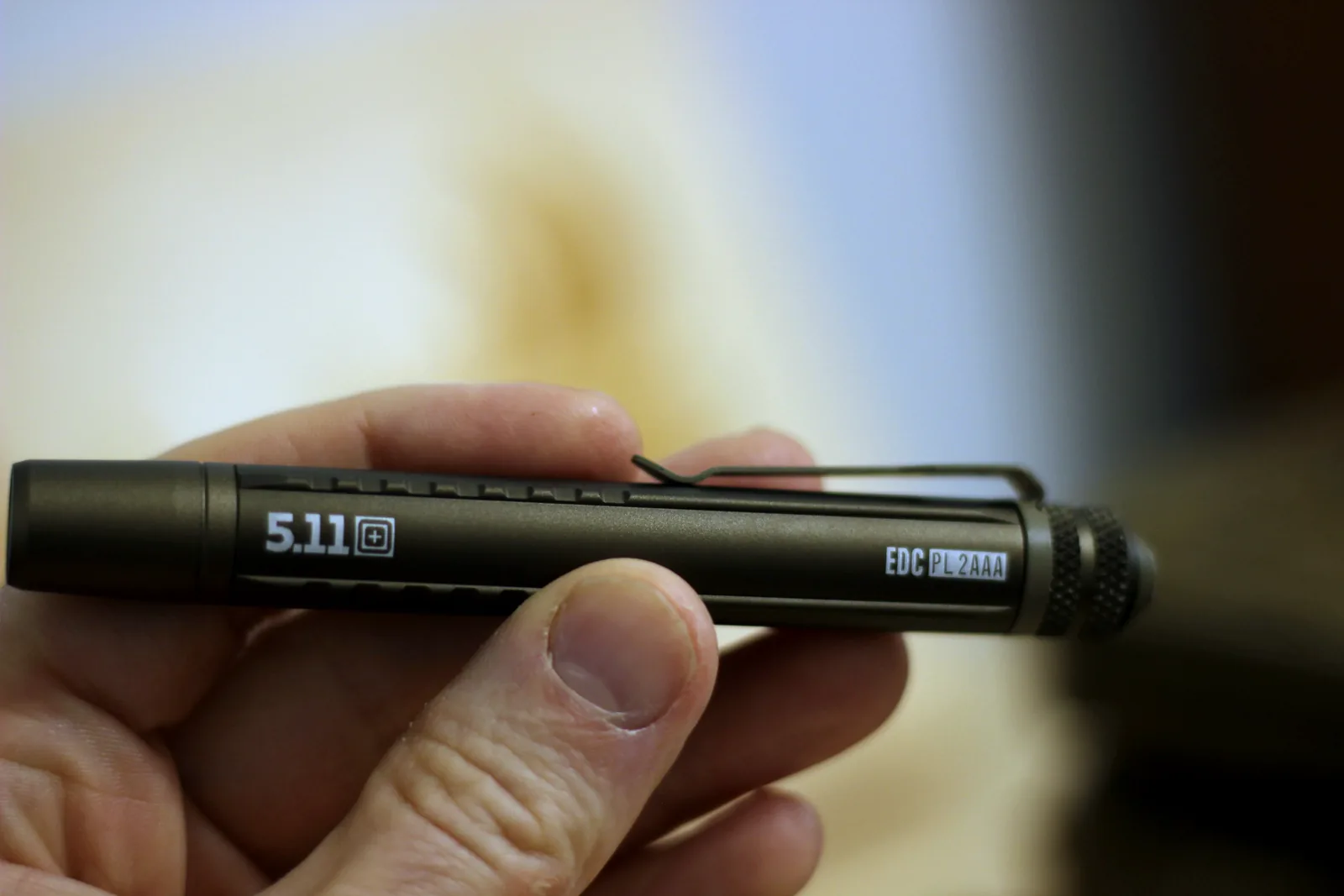
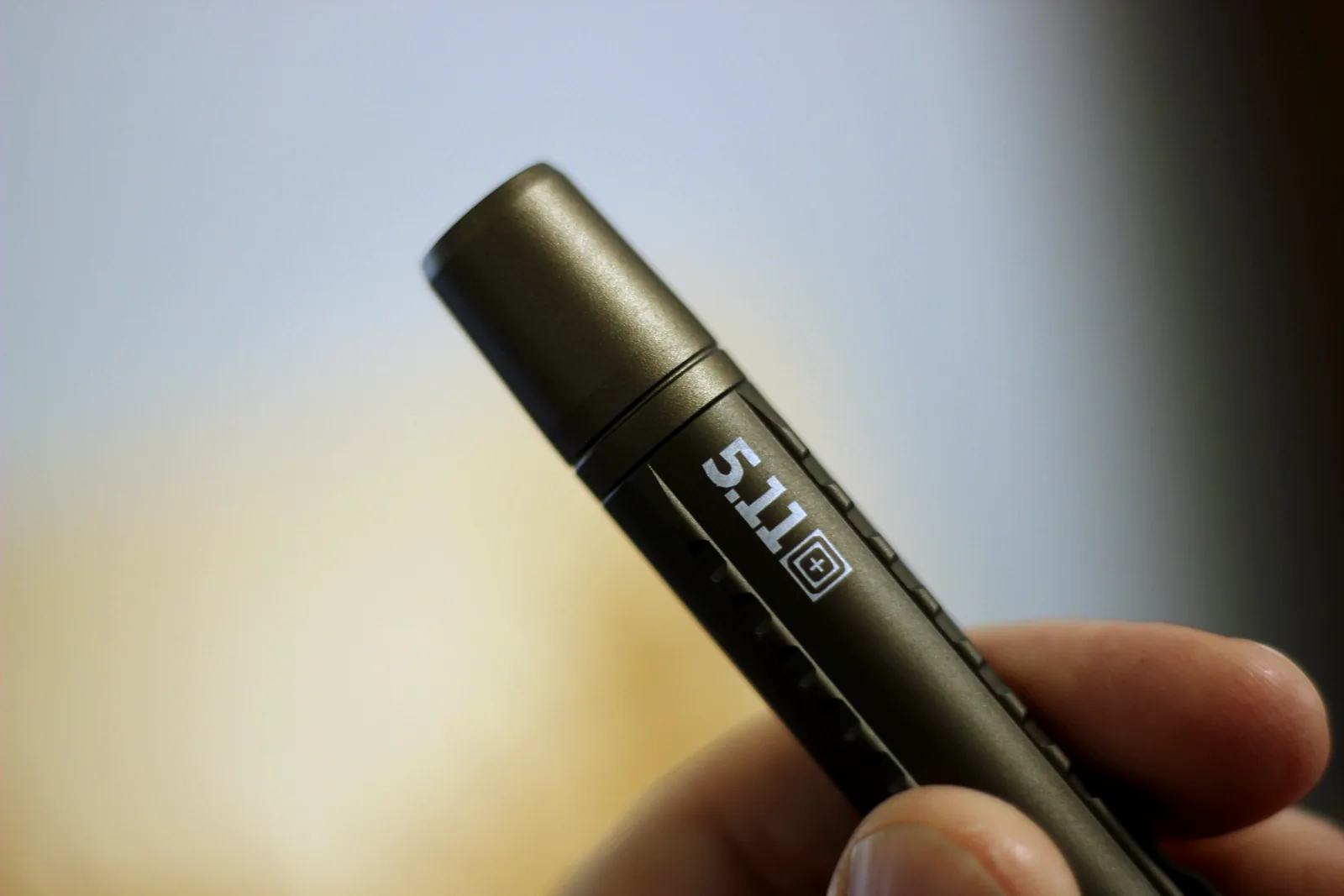
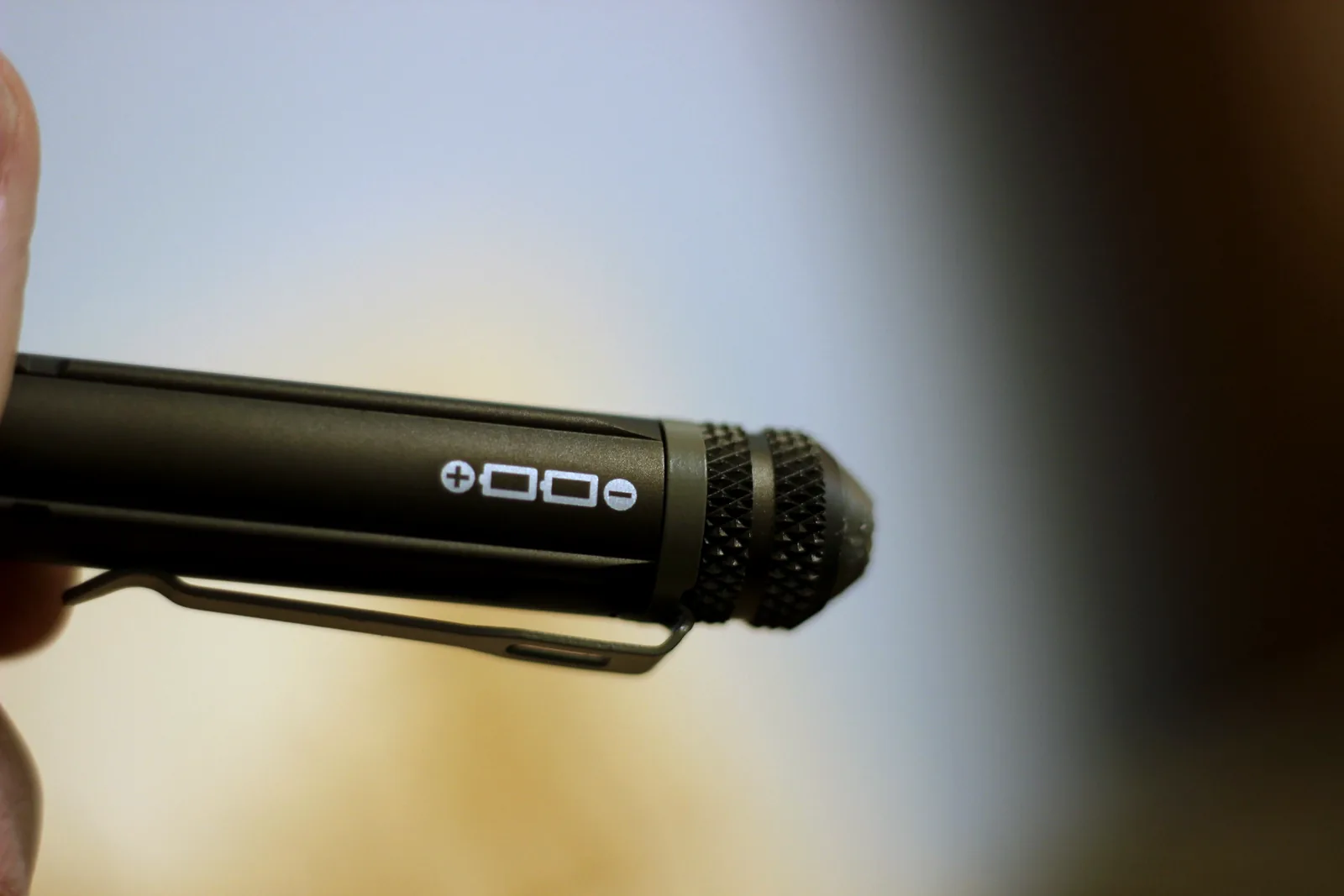
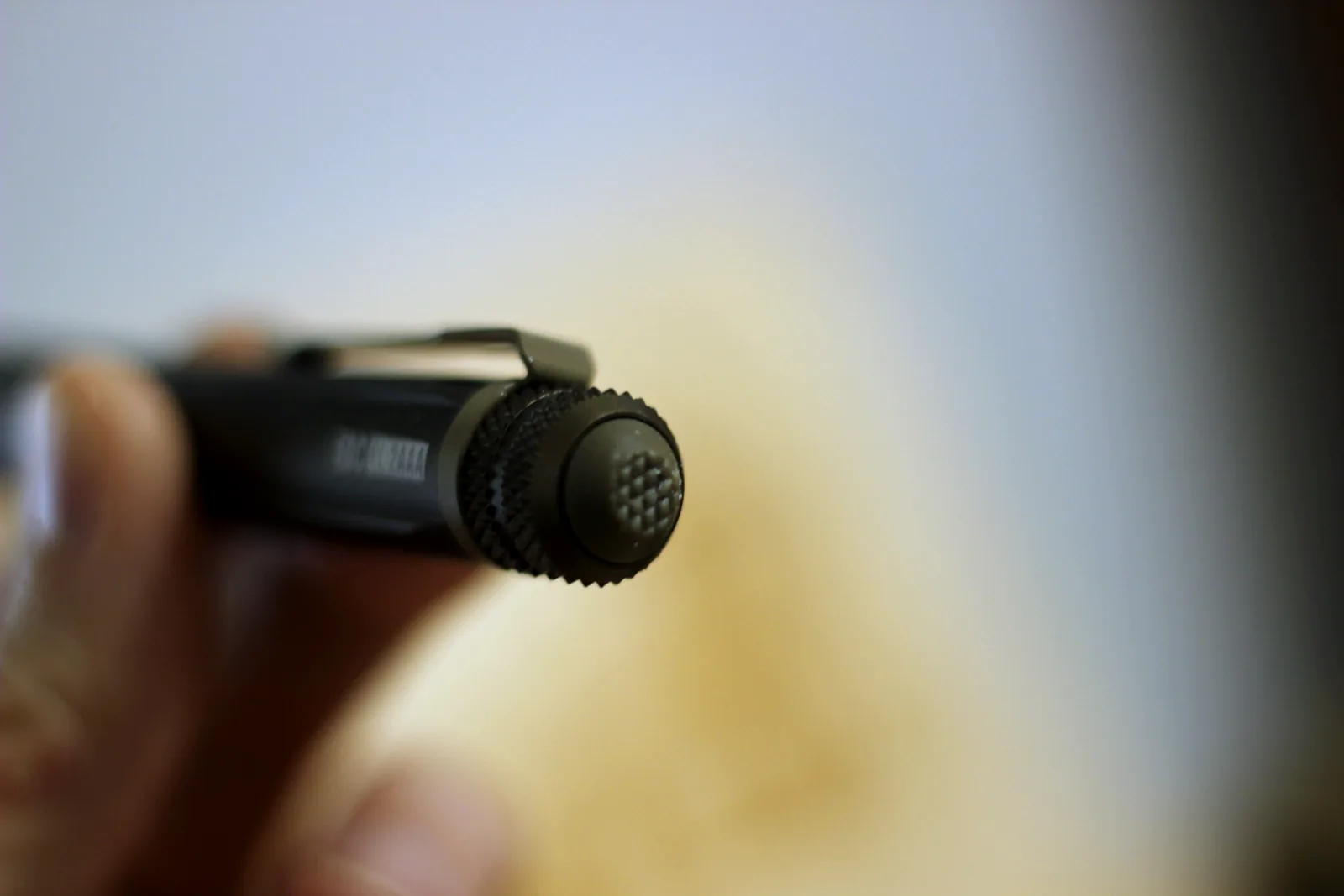
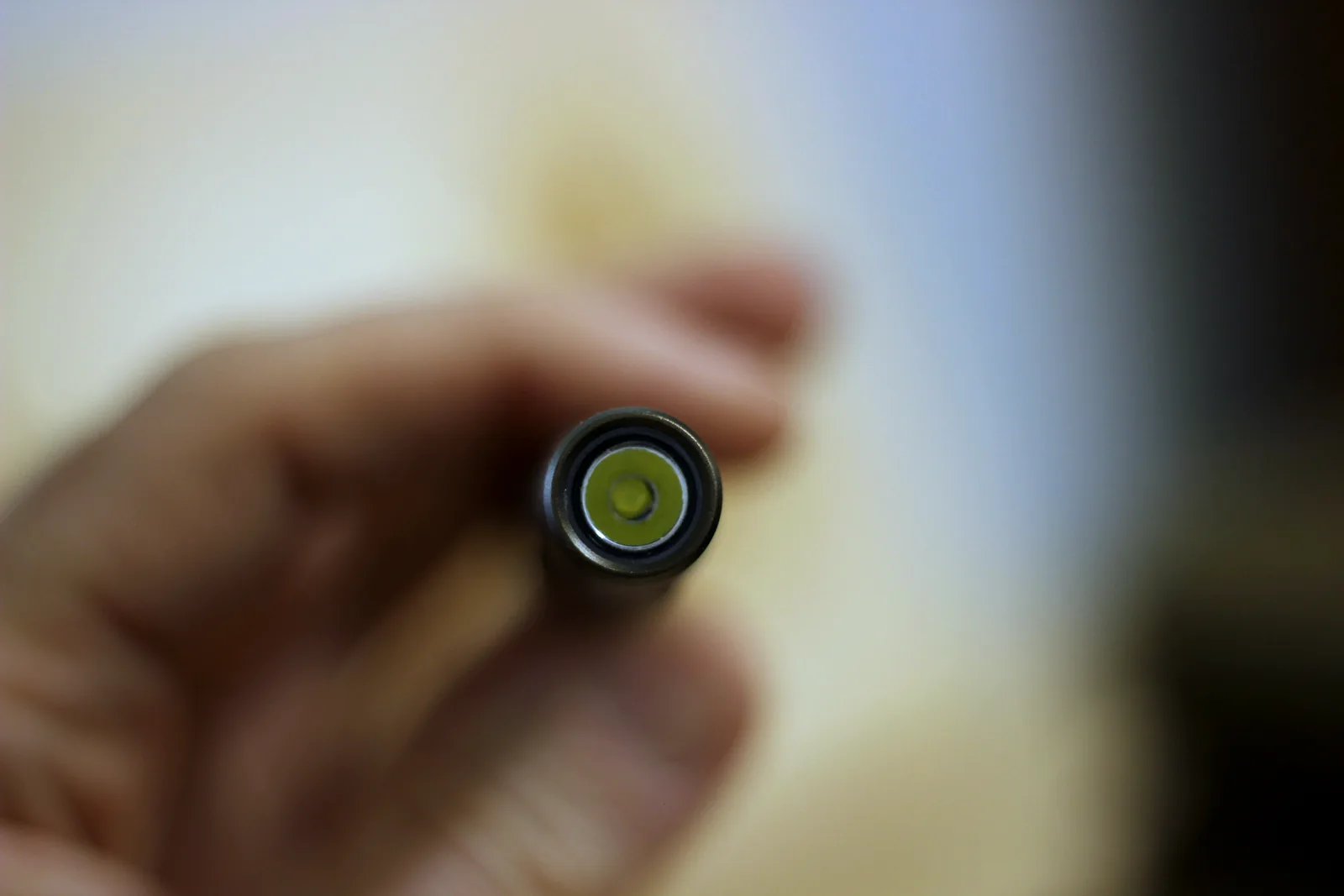
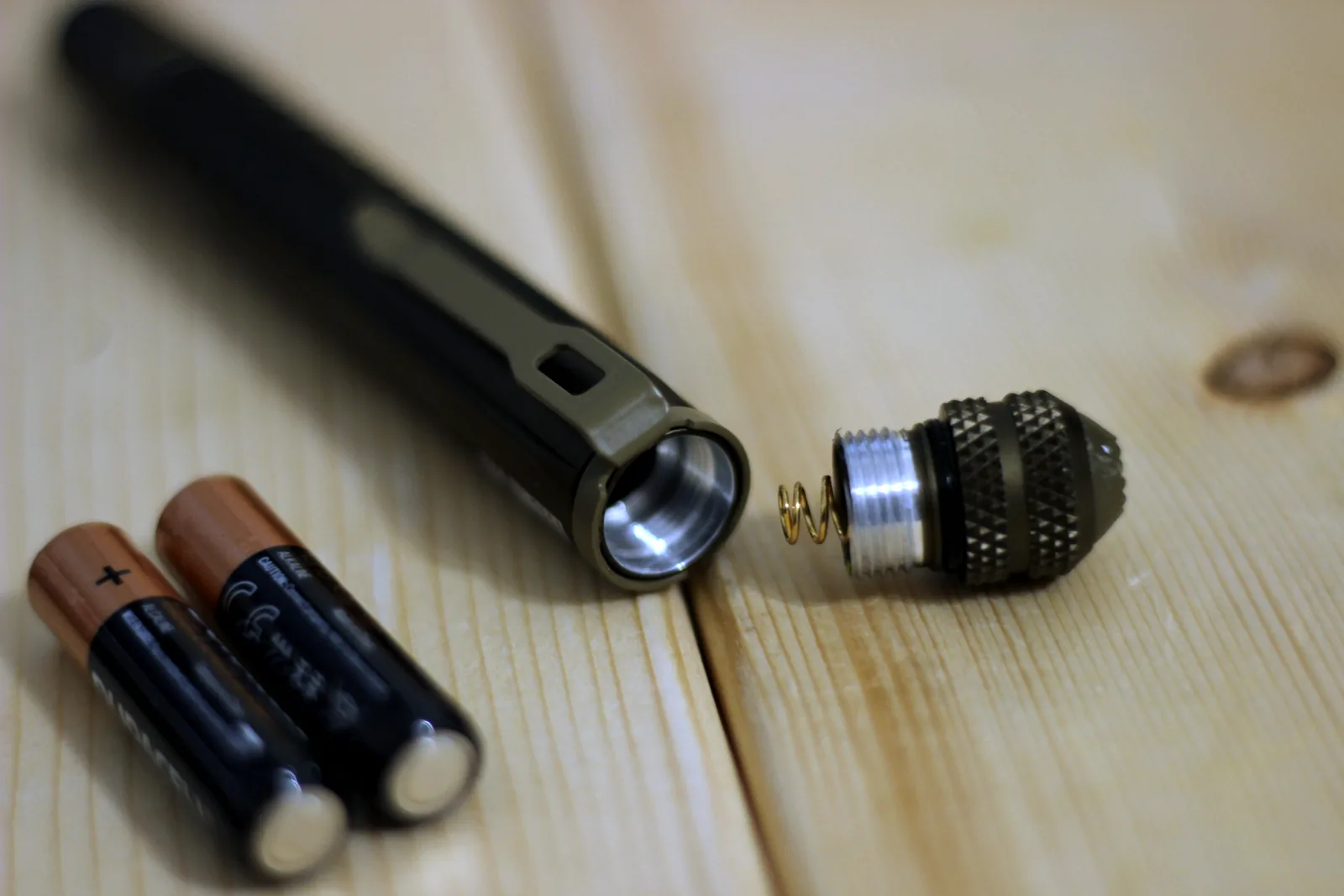
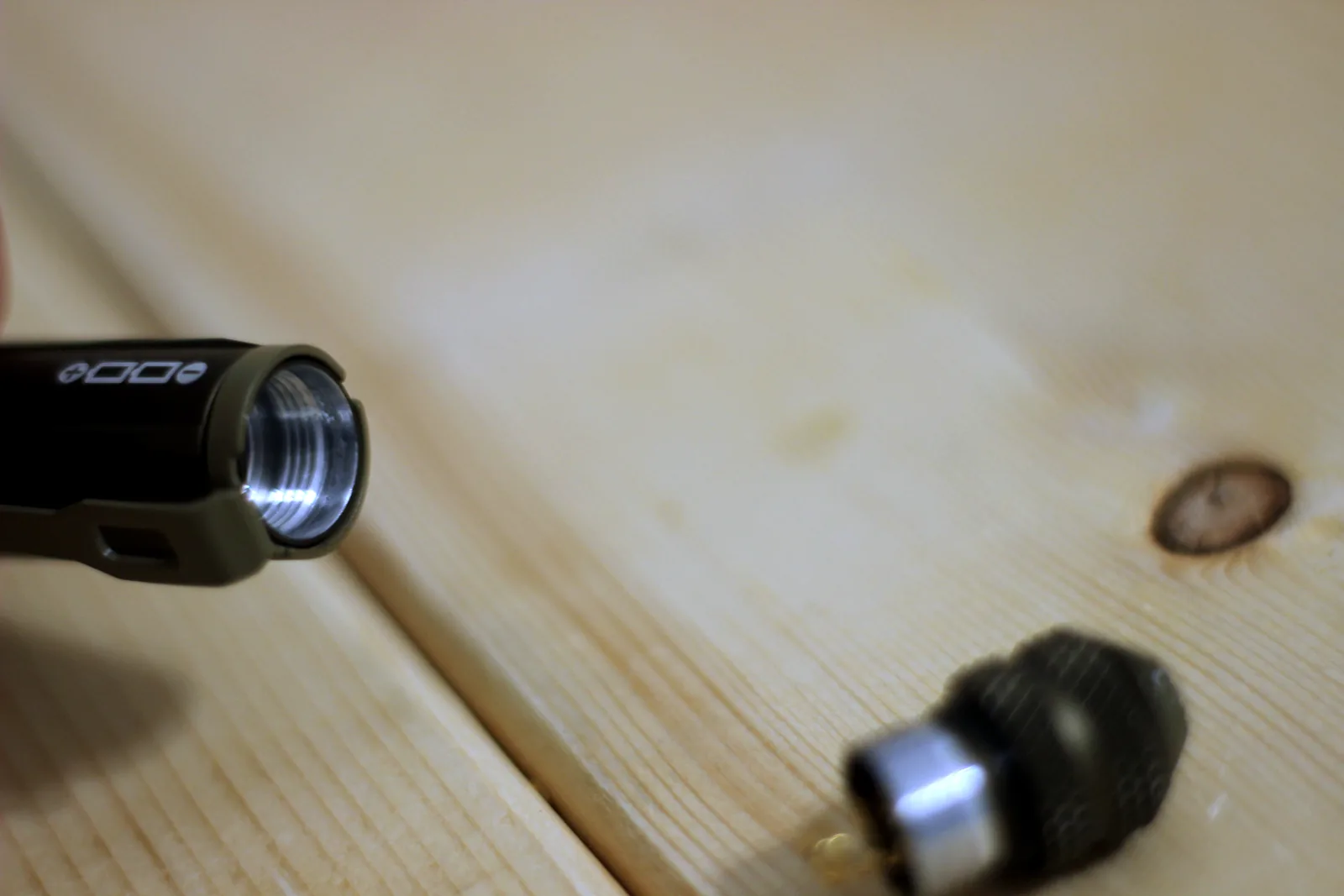
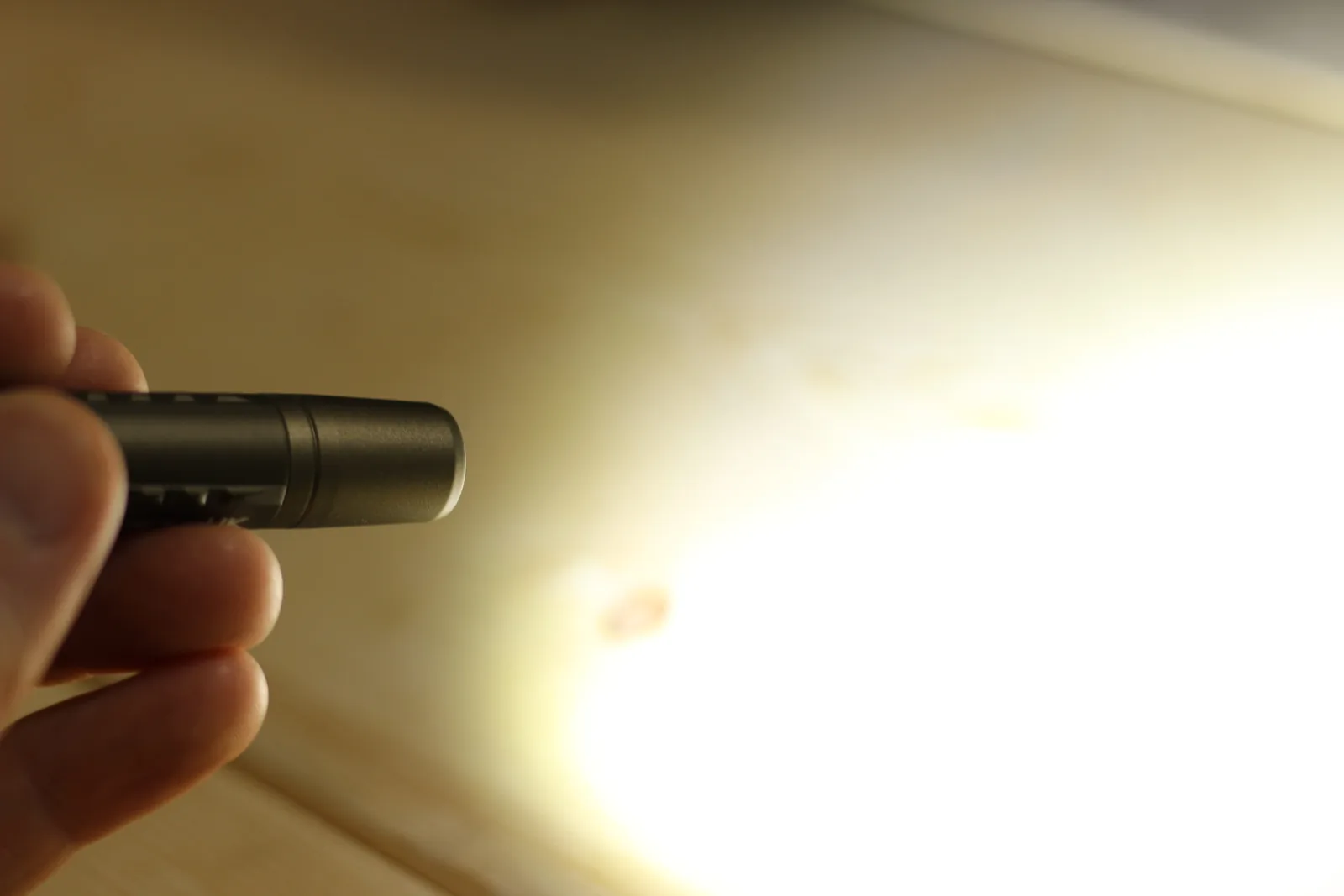
One hundred and seven lumens sounds modest beside the four-figure numbers on rechargeable lights, and for close work it is the more useful figure. This is a light for reading a map, finding a dropped cartridge, checking a trail at your feet, working on an engine or getting to the outhouse — jobs where a thousand lumens simply blinds you off the nearest reflective surface.
Does It Work as a System?
This is the only question that matters about a bundle, and the answer is yes — for one specific reason. Nothing in the box needs anything else bought to make it useful.
The pouch mounts to the pack on the SlickStick without an adapter. The knife clips into a pocket or the admin panel. The light clips anywhere, including the MOLLE on the shoulder strap where you can reach it one-handed. The pack has the volume to carry all of it plus a day’s kit, water in the 1.5 L sleeve, and a laptop if the day happens to be that sort of day.
Configured as a grab bag it works: pack on the hook by the door, pouch on the front with a first-aid kit in it, knife and light in the admin panel, bladder in the sleeve. Configured as a range or hunting daypack it works too, and the 24-litre size is the reason. It is enough for a full day out or a light overnight without being the sort of bag you resent carrying.
The saving is real, but it is not the point. At US$193.98, $28.02 off $222.00 is about thirteen percent — a discount rather than a giveaway. The value is in not having to choose the other three pieces yourself, and in them being from one maker so they mount to each other.
Pros and Cons (the Honest Version)
What it does well. The RUSH12 is a genuinely excellent 24-litre pack — 1050D nylon, MOLLE on three surfaces, a properly organised admin panel, a hydration sleeve, a laptop sleeve and a hidden flat compartment, at 3.15 lb. The pouch mounts to it in seconds on the SlickStick and swallows a first-aid kit or a stove. The Icarus DP Mini is a real working folder with a liner lock and a two-position deep-carry clip, not a giveaway. The light is honest about its output, measured to FL1, ships with its cells, and runs on batteries you can buy anywhere. As a package it arrives already sorted.
Where to go in with your eyes open. The kit is built around AAA cells and MOLLE rather than USB-C and laser-cut, which is a deliberate choice in favour of field repairability but reads as conservative on a spec sheet. And 24 litres is a day pack: if you want a three-day bag, look further up the RUSH range.
Who Should Buy It
Buy the bundle if you are putting together a first serious grab bag and would rather start from a coherent kit than assemble one from four brands. Buy it if you want a hard-wearing daypack for hunting, the range, work or travel and would take a decent folder and a pocket light along with it. Buy it if you like AAA cells and MOLLE and have no interest in a bag that needs charging.
Buy the pack on its own if you already carry a knife and light you trust — the RUSH12 stands up perfectly well by itself. Look further up the RUSH range if you need three days of capacity rather than one.
Final Verdict
The 5.11 RUSH12 Survival Starter Bundle is that unusual thing: a bundle where the extras are things you would have bought anyway. The pack is the established 24-litre standard and deserves to be. The pouch mounts to it without an adapter. The knife is a proper liner-lock folder with a deep-carry clip. The light is modest, honest, and runs on cells you can buy anywhere.
At US$193.98 the discount is thirteen percent, but the real value is that it arrives as a working kit rather than a shopping list. If you have been meaning to build a grab bag for two years and never got round to picking the pieces, this is the shortcut — and it is a good one.
Rating: 4.6/5 Stars
Brands sometimes provide samples for review. Hunt & Live writes its honest opinion either way — gear that doesn’t earn its keep doesn’t get a recommendation.