
Featured Review · Helikon-Tex · Camp Furniture
Helikon-Tex Traveler Lightweight Chair Review — A Comfortable Light Hunting Chair Option
Our Rating
Current Price
- Model
- Traveler Lightweight Chair (AC-TLC-CD)
- Weight
- 1,346 g (2 lb 15.5 oz)
- Packed size
- 36.5 × 19 × 14.5 cm (14.4 × 7.5 × 5.7 in)
- Assembled size
- 71 × 51 × 55.5 cm
Pros
- 500D Cordura seat at 263 g/m² — a high-tenacity nylon with a real abrasion specification behind it, and the right cloth for a chair that gets dragged through stubble and sat in with gun oil on your hands
- Rated to 150 kg (330 lb), a genuinely generous number for a chair that packs into a bread-loaf-sized case
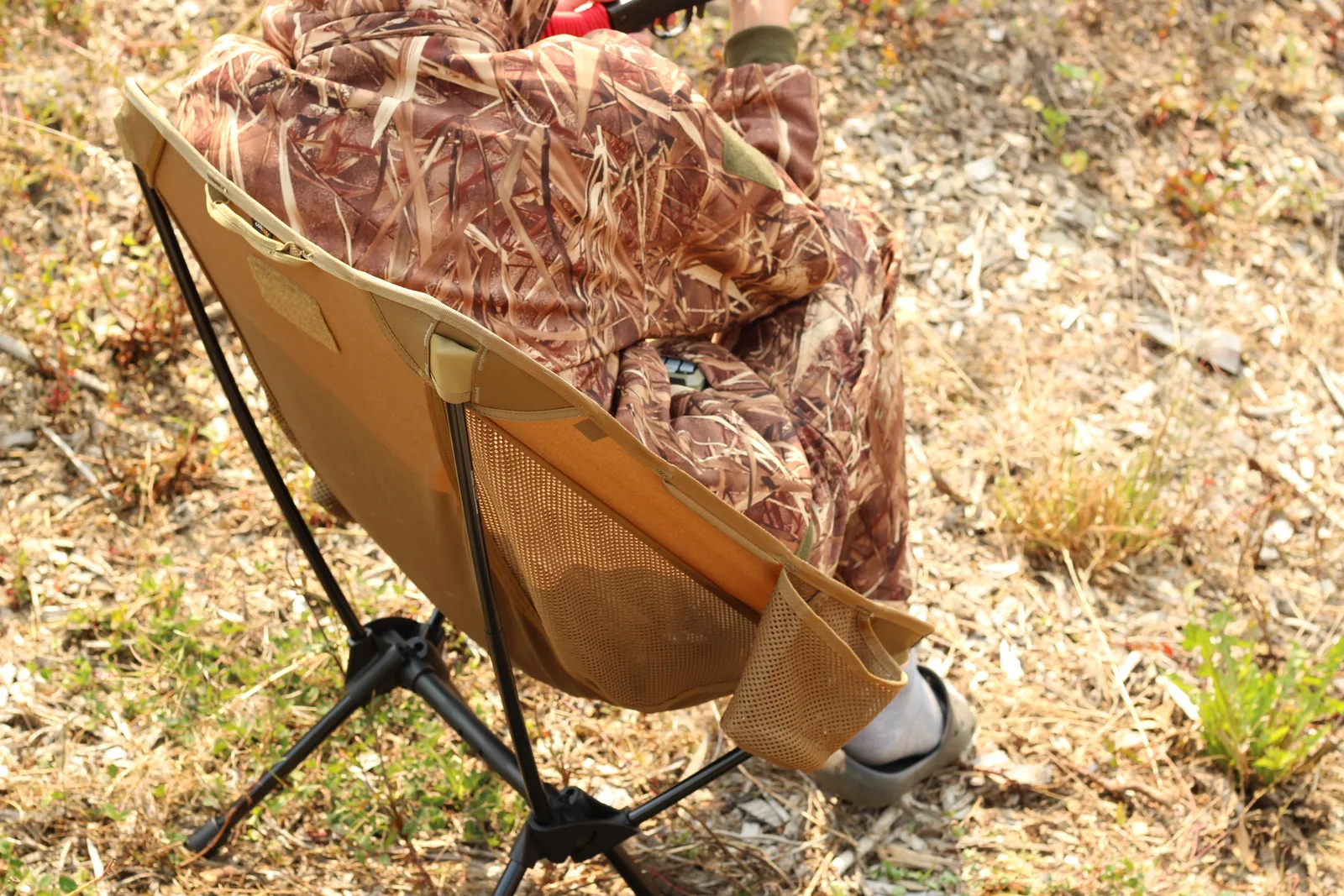
- Two nylon mesh pockets built into the seat sides — a smaller one sized for a drink, a larger one for calls, rangefinder and spare magazines
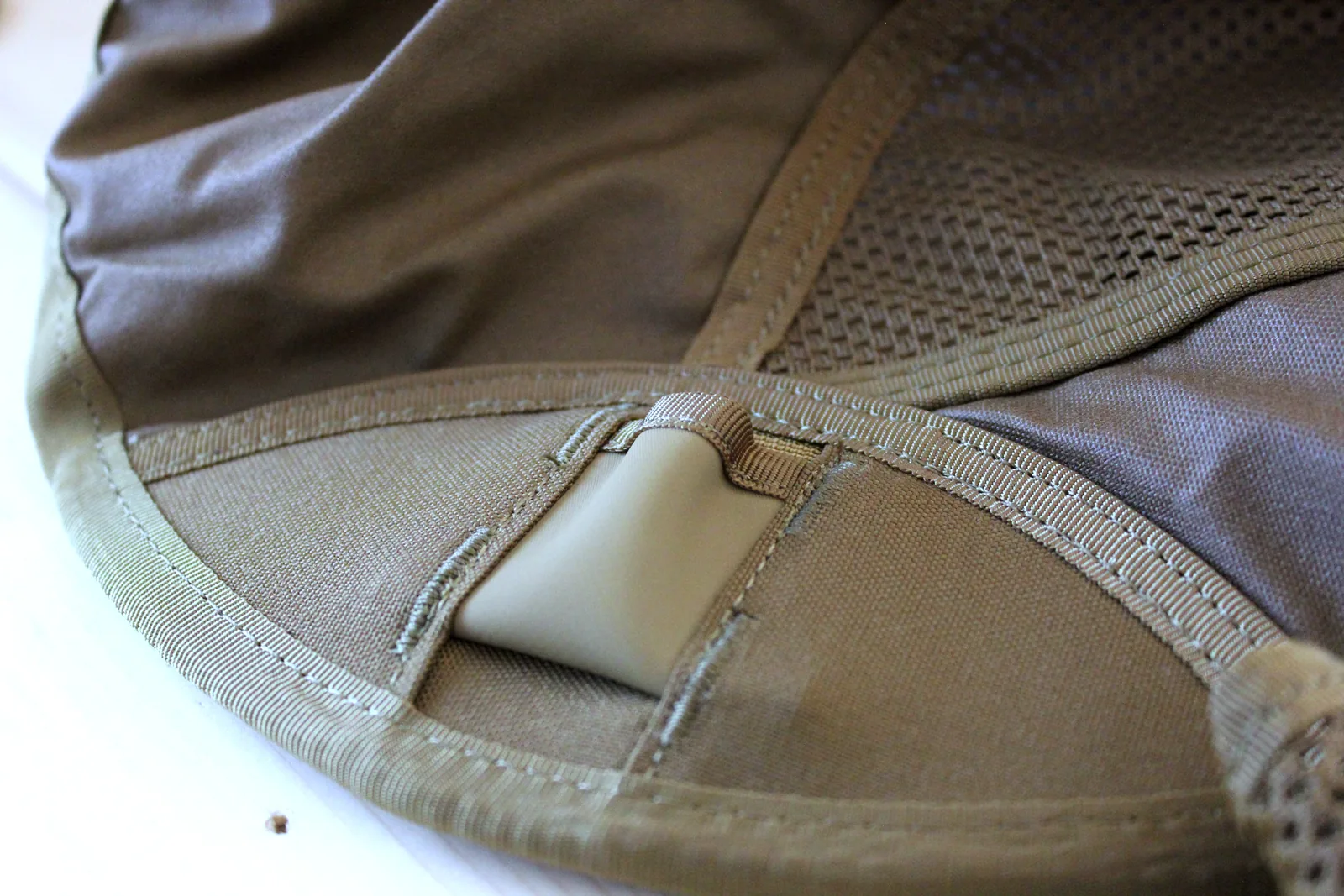
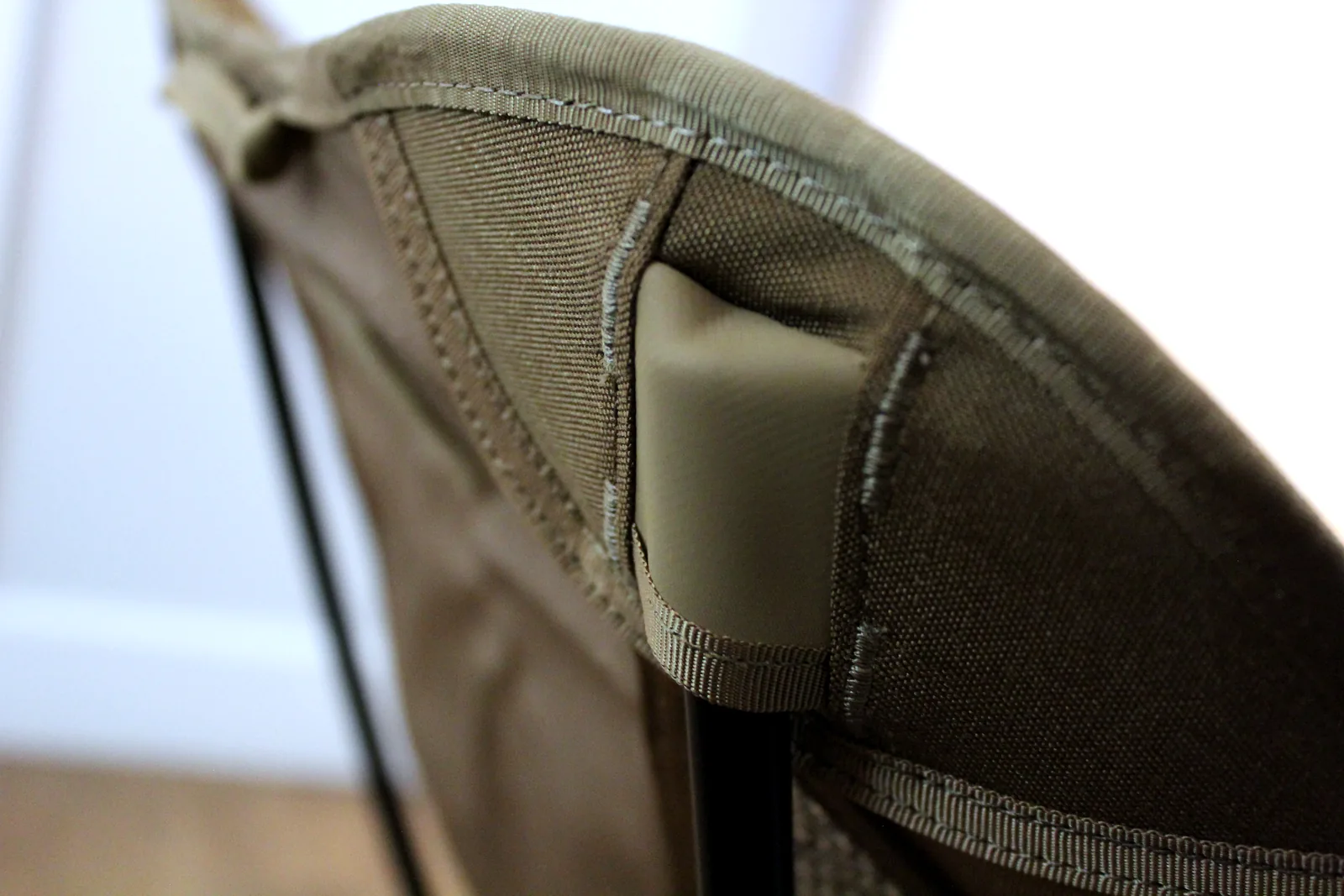
- Reinforced corner pockets with a moulded cup inside the webbing, so the pole ends bear on plastic rather than on stitched cloth
- Rubber ball feet that grip rock and hard ground, spread the load better than a bare tube end, and will not chew a tent floor
- Coyote, Shadow Grey and MultiCam only — this is a chair that disappears in cover instead of advertising you
- Shock-corded frame that very nearly assembles itself, and a zipped Cordura case with a shoulder strap and side-release buckle
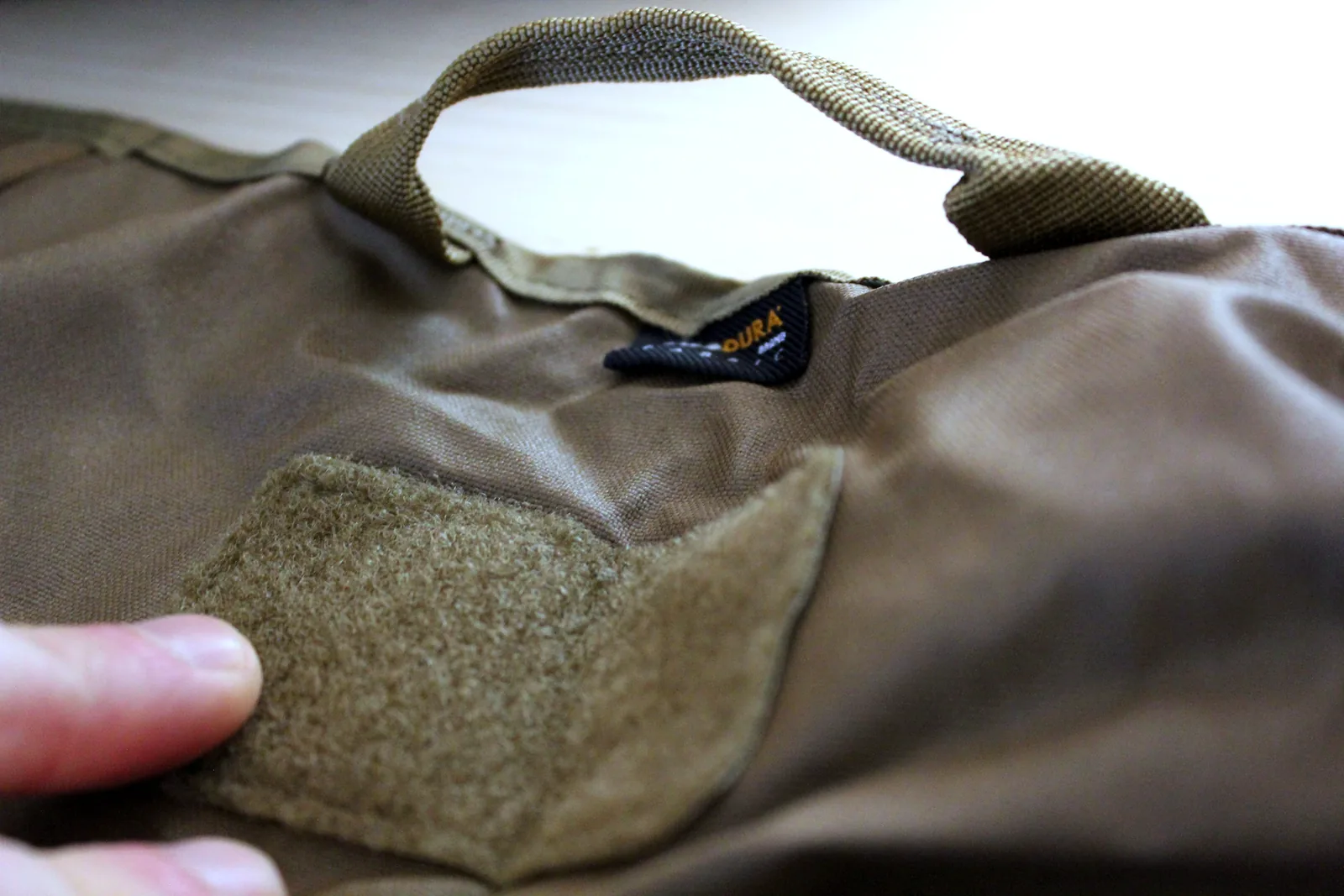
- Hook-and-loop patch panel and a webbing haul loop on the backrest for hanging it off a pack
Cons
- The sling geometry seats you reclined and low — superb for a long wait, and a relaxed posture rather than a square upright one
- The zipped case is slower to load than a drawstring sack, which is the fair price for a case that survives being packed last
- Taller sitters will want the Traveler Enlarged for the higher back rather than the standard model
- Helikon publishes the fabric spec and the load rating but not a frame alloy designation
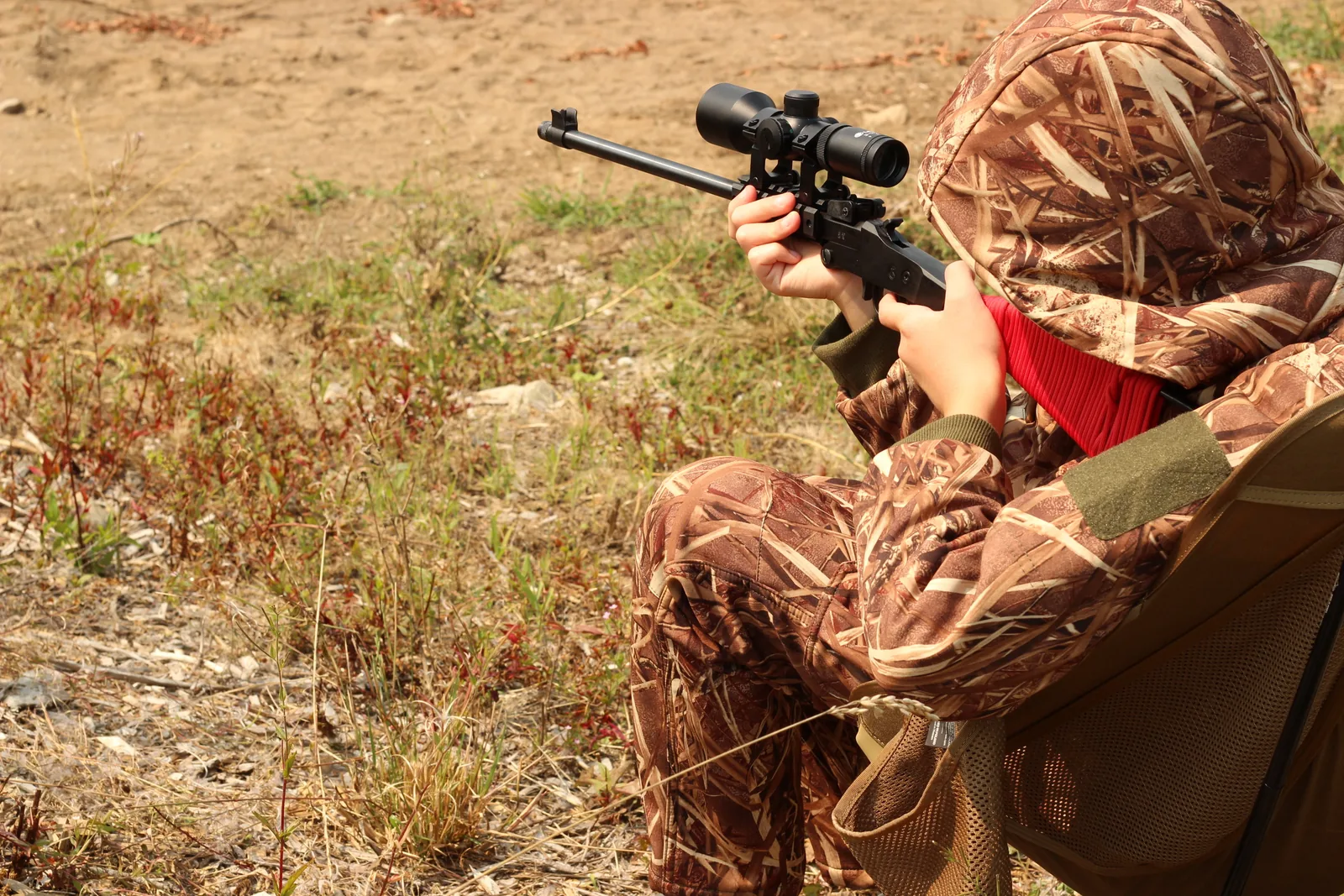
Most of the hunting you actually do is waiting. A coyote stand is fifteen to forty-five minutes of holding still on ground that was not chosen for comfort; a range session is a couple of hours between strings; a camp evening lasts as long as the fire does. What you are sitting on through all of that decides whether you stay sharp or start shifting — and shifting is what gets you seen.
The Helikon-Tex Traveler Lightweight Chair is built for exactly that stretch of time. It weighs 1,346 g, packs into a zipped case about the size of a loaf of bread, carries 150 kg, and puts 500D Cordura where most chairs in this class put ordinary polyester. Helikon’s own line for it is “a solid chair for the shooting range and more,” which undersells it slightly — this is a chair you can carry to a stand, sit in for the whole call sequence, and shoot from without getting up.
This review is about how it is built, how it behaves on real ground, and who gets the most out of it.
At a glance
In the Bag
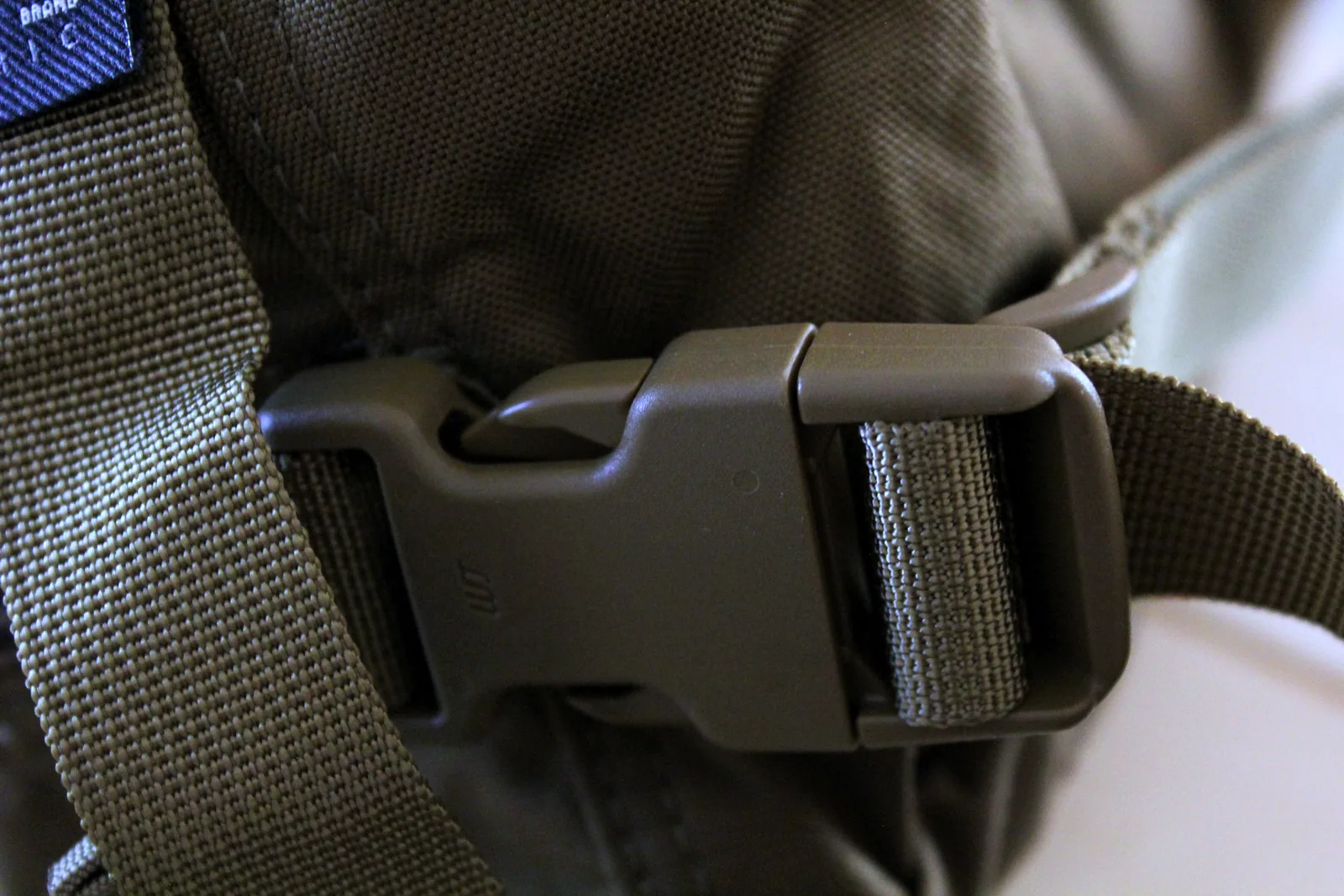
The chair travels in its own zipped carry case, and the case is the first sign that Helikon built this to live in the back of a truck rather than in a display photograph.
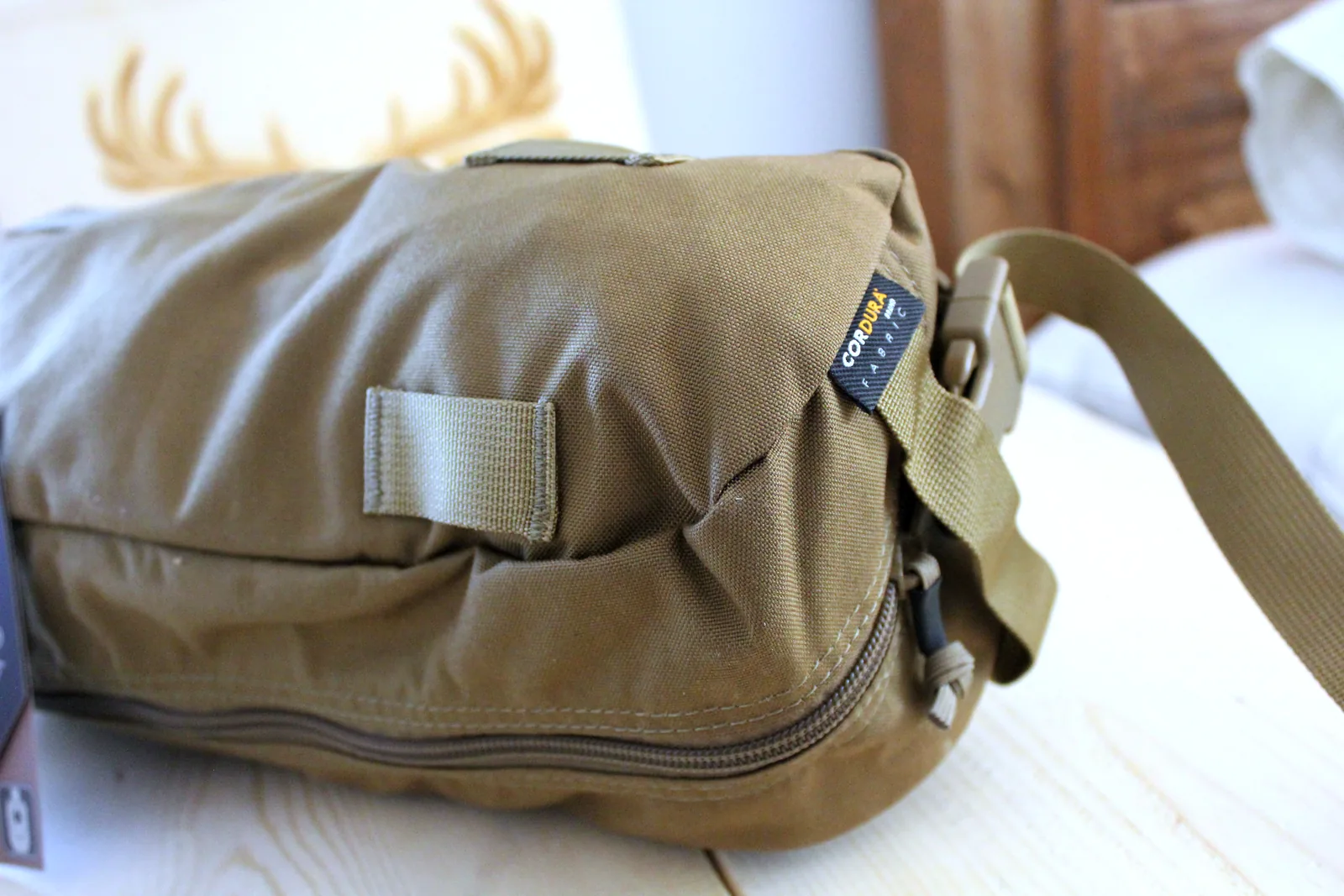
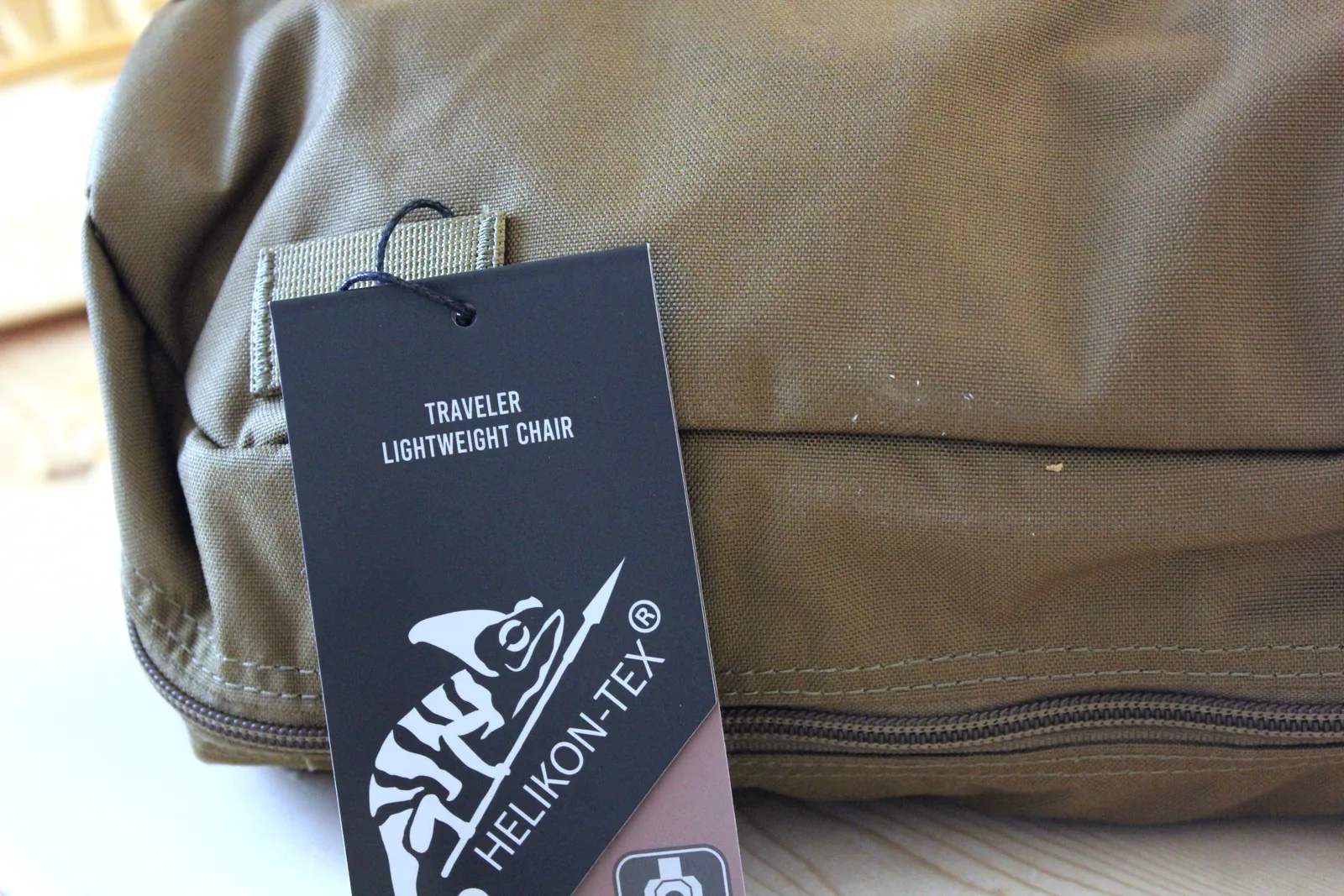
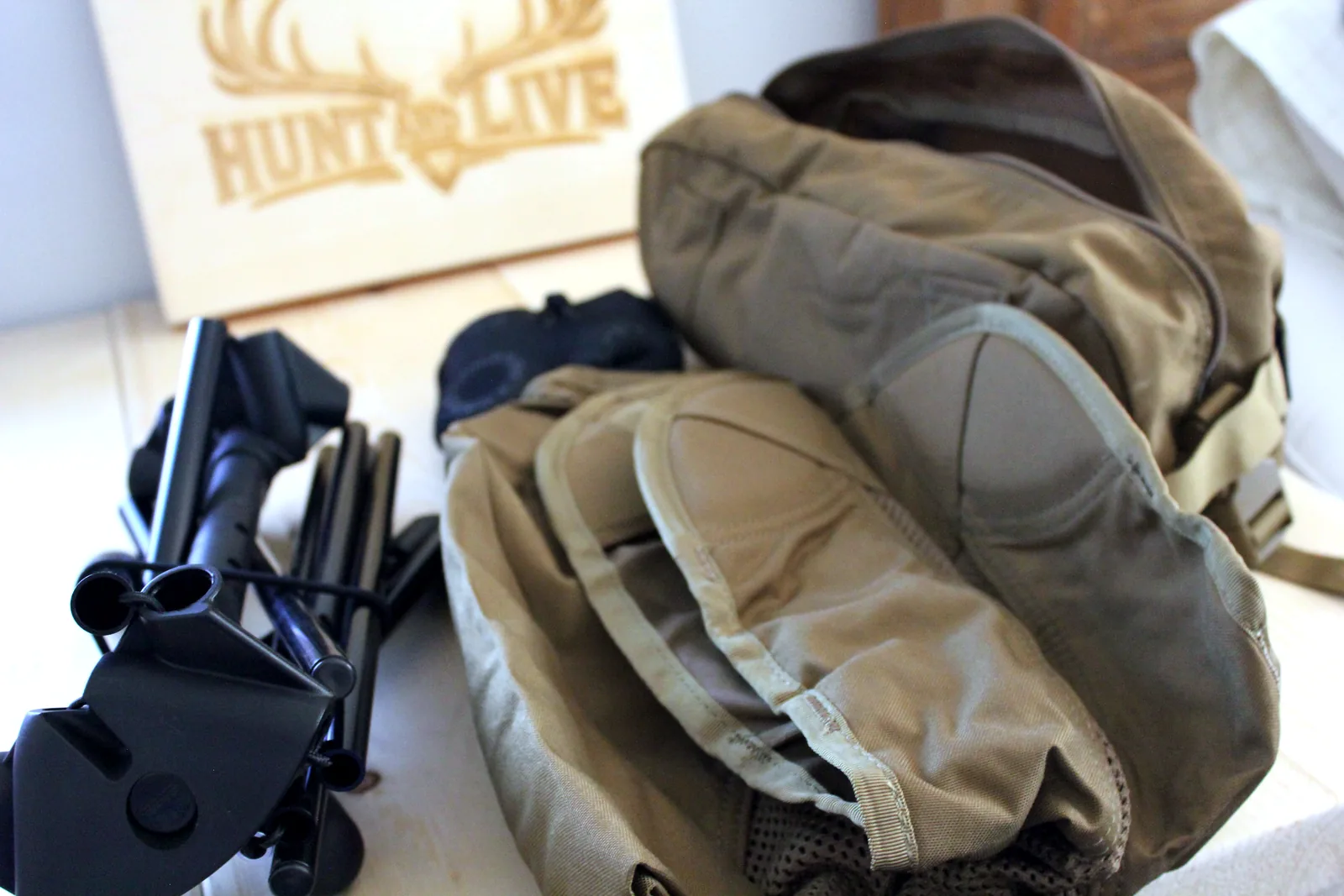
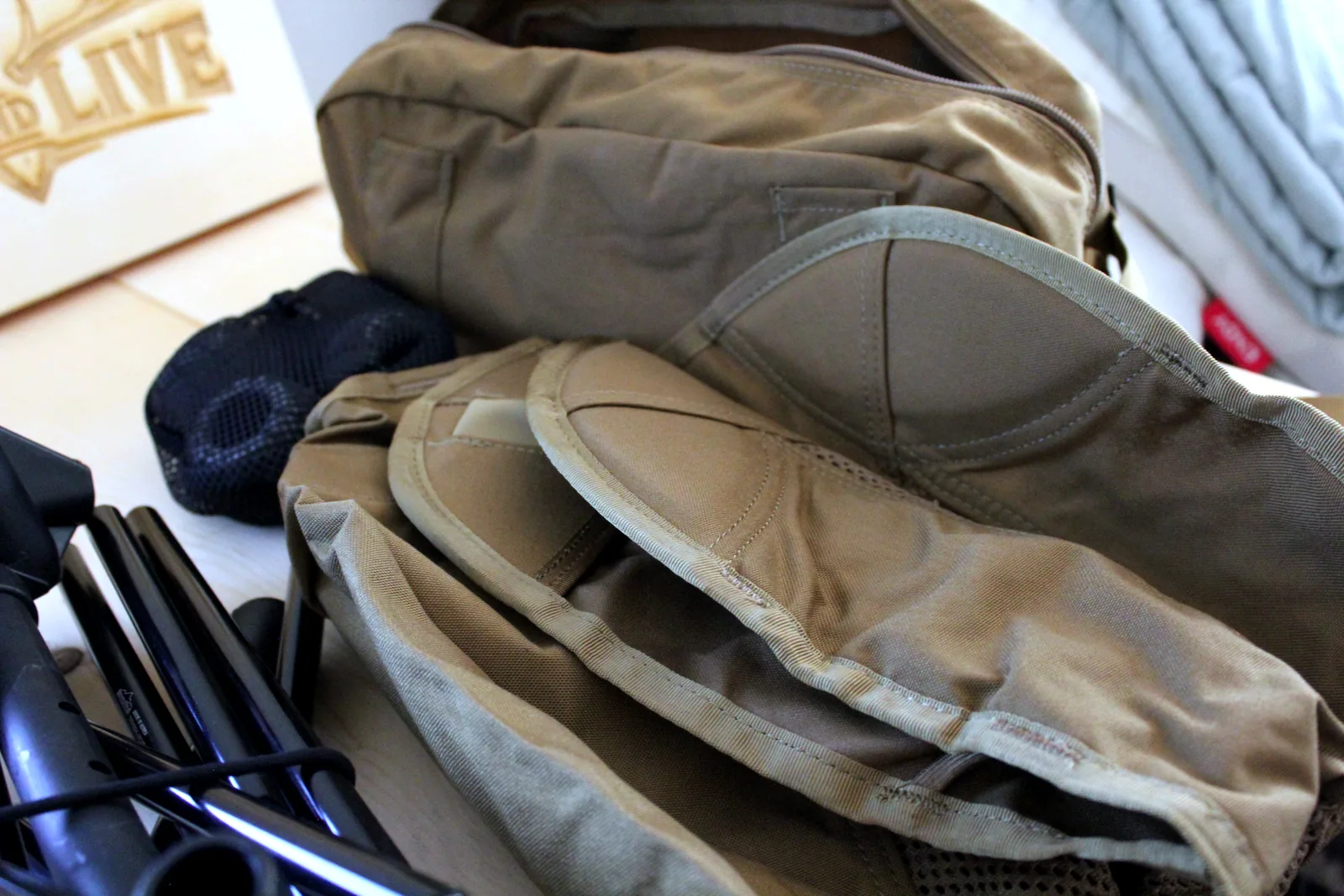
Unzip it and there are two components: the shock-corded frame folded into a bundle, and the seat. That is the whole product, and nobody needs instructions to work out what goes where.
Design and Build
The frame
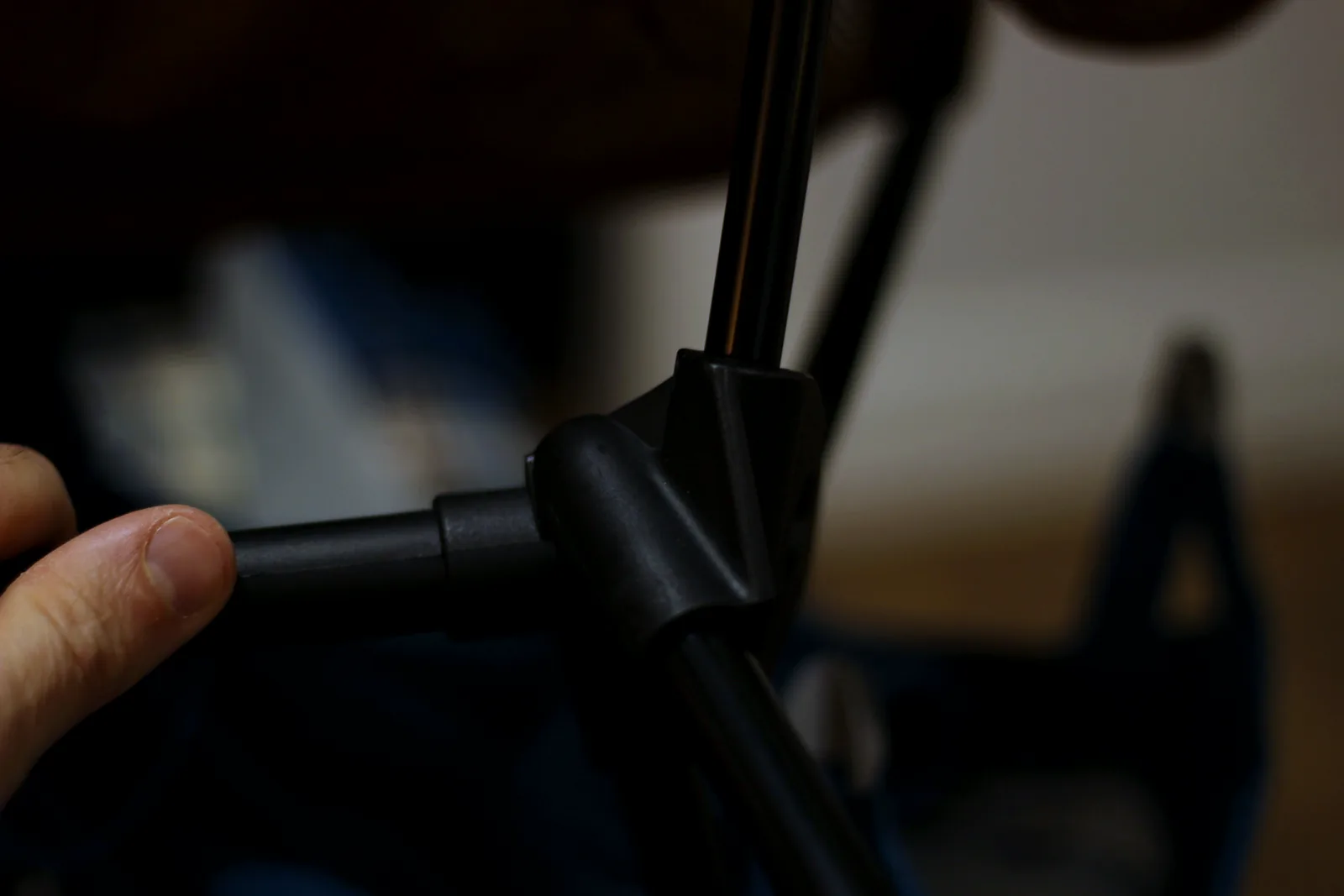
A rectangular upper rail, an X of legs beneath it, and moulded resin hubs where the tubes meet. The poles are black-anodised aluminium in shock-corded sections — you shake the bundle out and it very nearly finds its own shape, which is exactly what you want when you are setting up in poor light with cold hands.
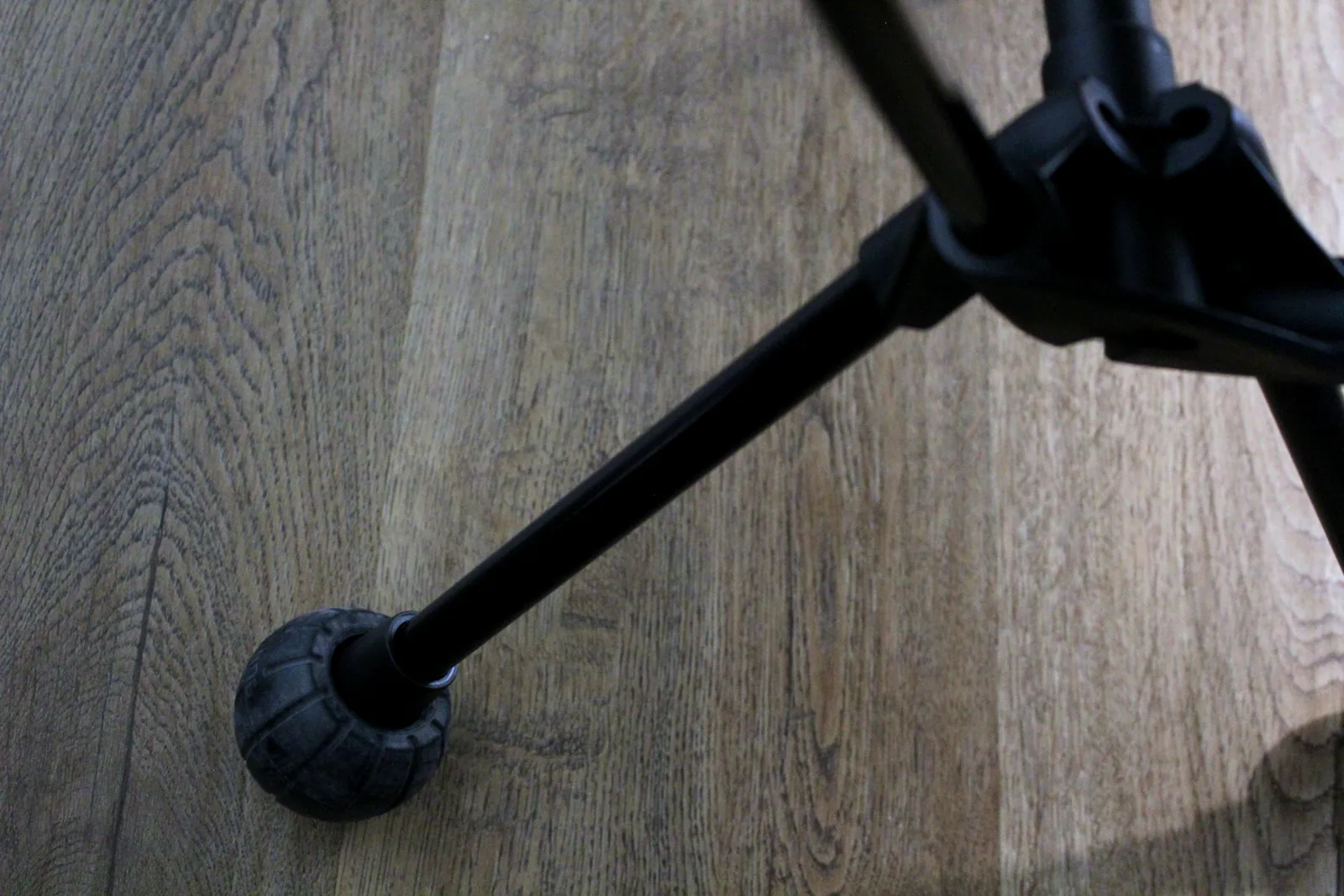
Helikon sells the rubber round caps as a stability feature and they earn it. A bare pole end skates on rock and punches into hard dirt. The rubber does neither, and that is the difference between a chair that stays put when you shift your weight to take a shot and one that walks a little every time you move.
The corners, which is where the load actually goes
The seat hangs on four pole ends pushed into pockets at its corners, and every bit of sitting load funnels into those four points. It is the most-stressed detail on any chair of this type, and it is where Helikon put the reinforcement.
The cloth
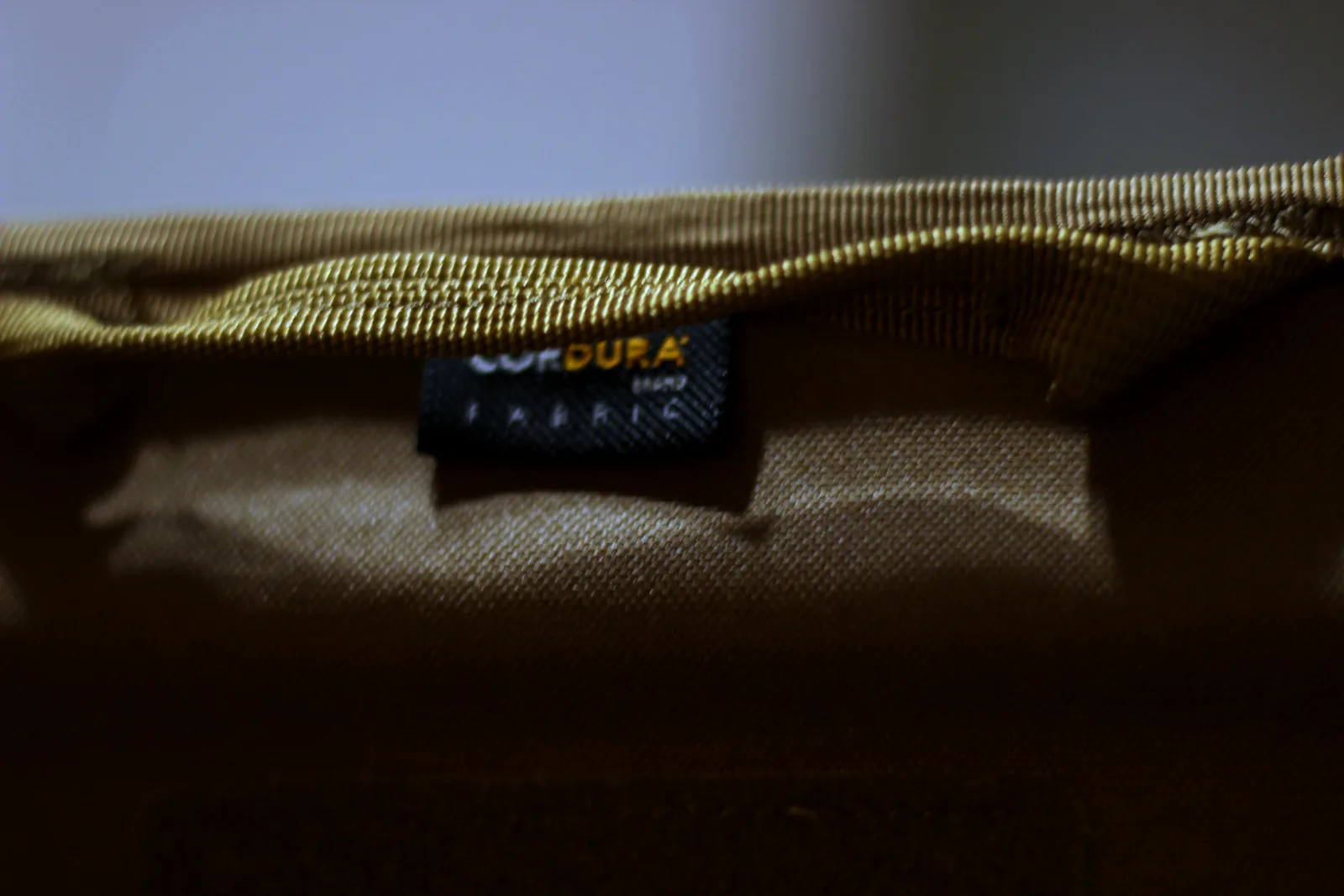
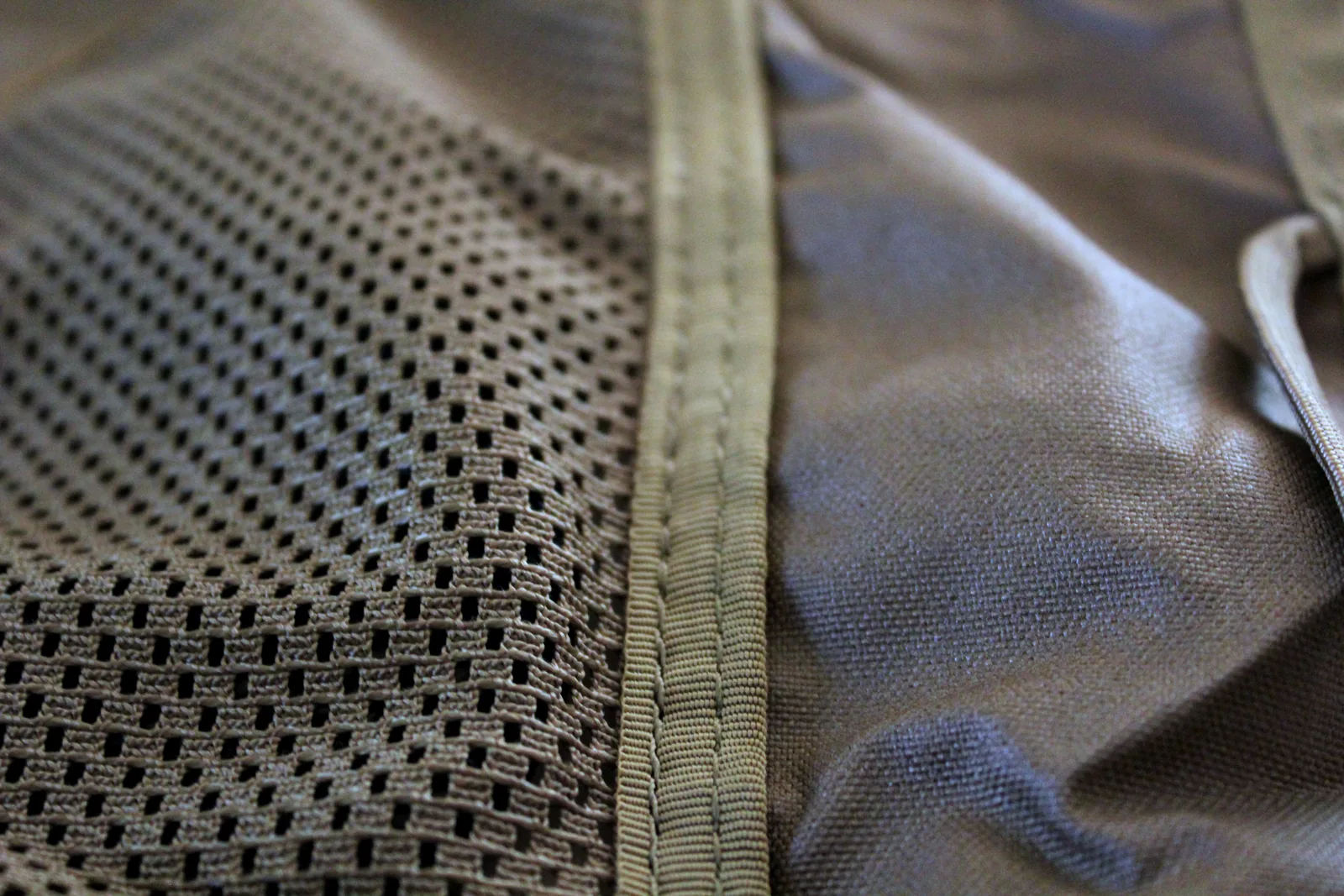
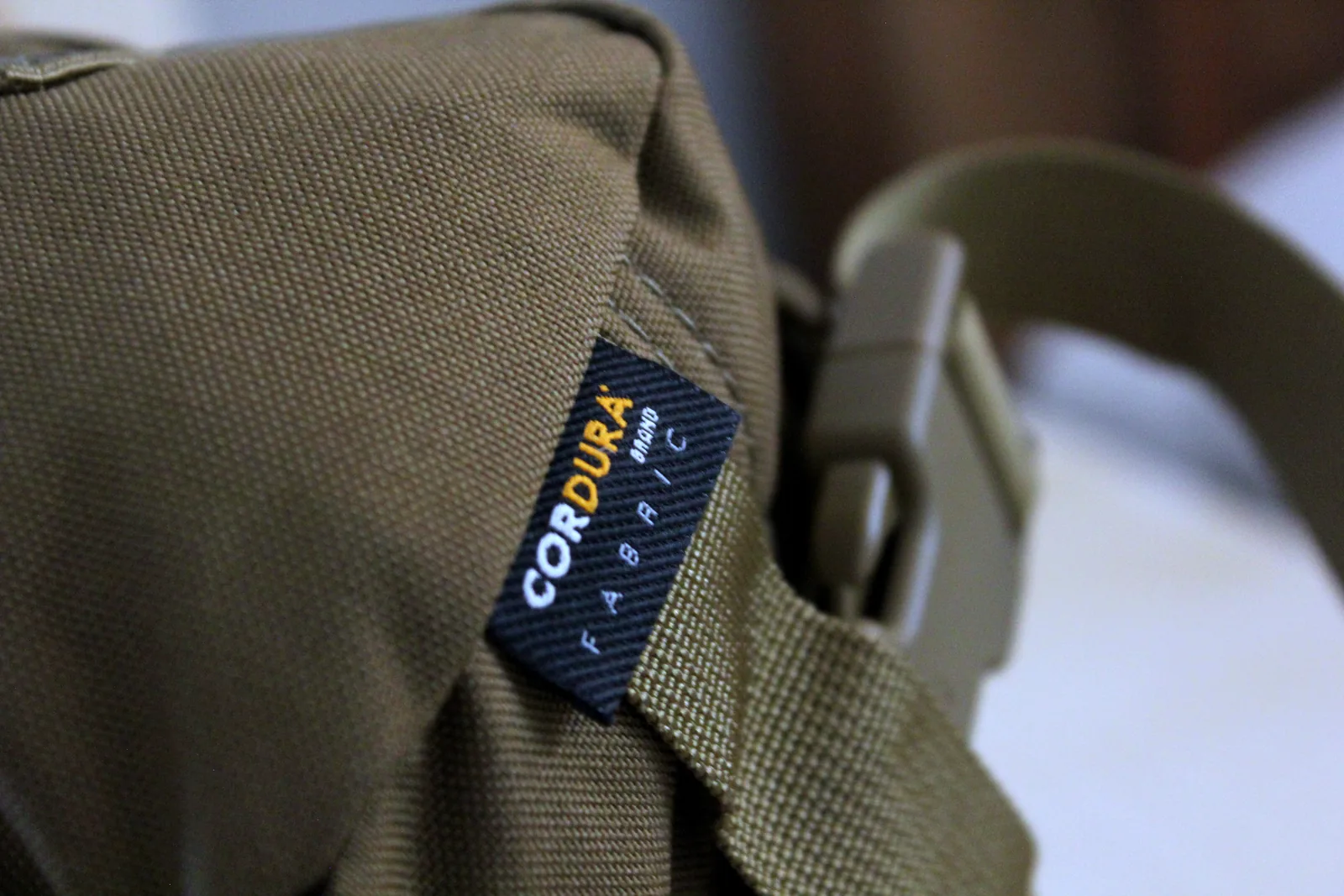
Cordura is a high-tenacity nylon sold under a trademark that carries an abrasion-resistance specification with it, which is a different proposition from an unbranded woven quoting a denier number and nothing else. In practice that shows up three ways. It takes being dragged over stubble and gravel without fuzzing. It takes a thorn or a barb without running a hole across the panel. And it takes solvent, bore cleaner and gun oil without going stiff or blotchy — which matters more than people expect on a chair that lives beside a shooting bench.
It also resists stretching, and stretch is the quiet failure mode of sling chairs: the seat slowly deepens into a bucket until the back support is gone and you are sitting in a hammock. A 263 g/m² Cordura panel is heavy enough to hold its shape, and holding its shape is what keeps a chair comfortable in year three.
Packed Size and Carry
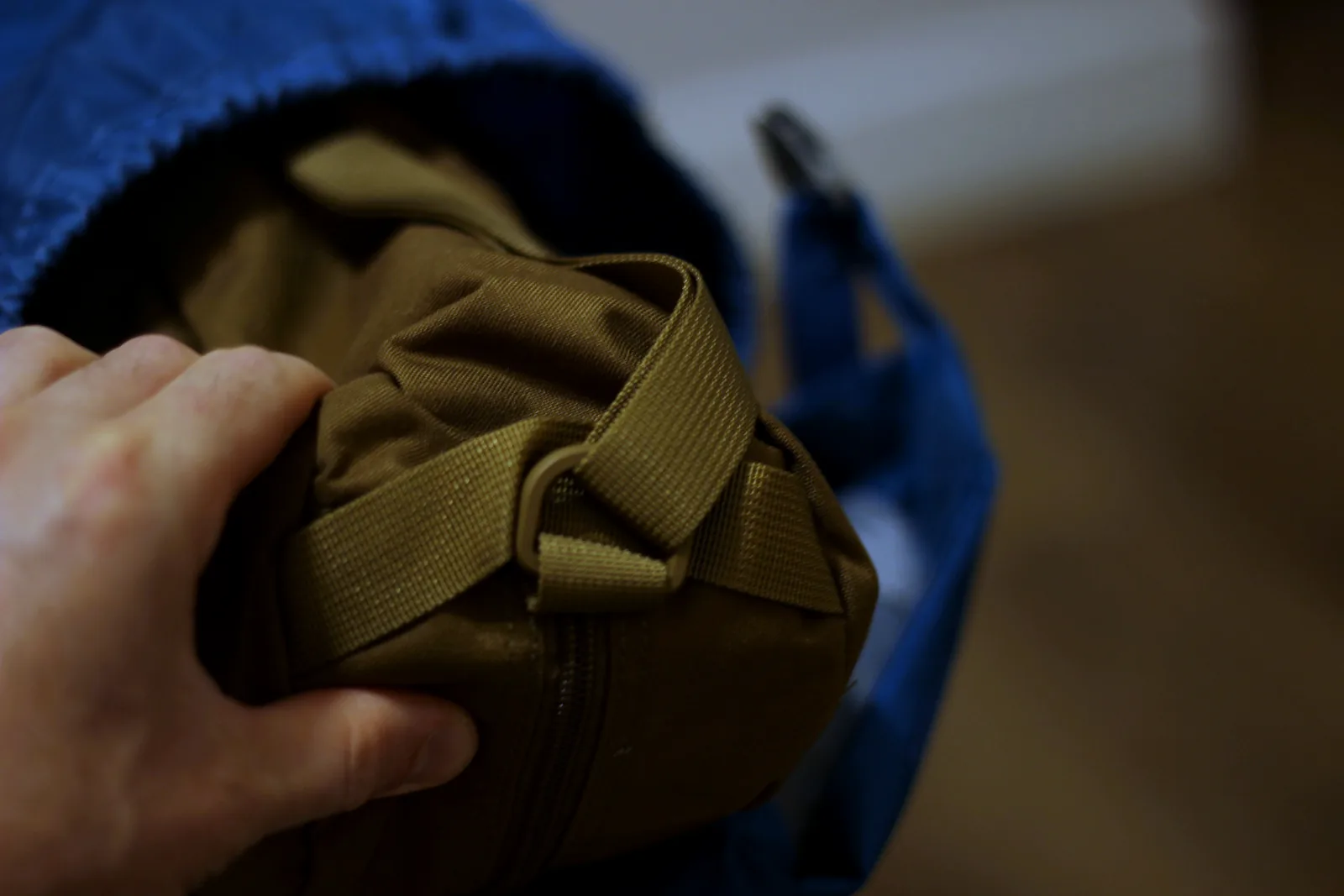
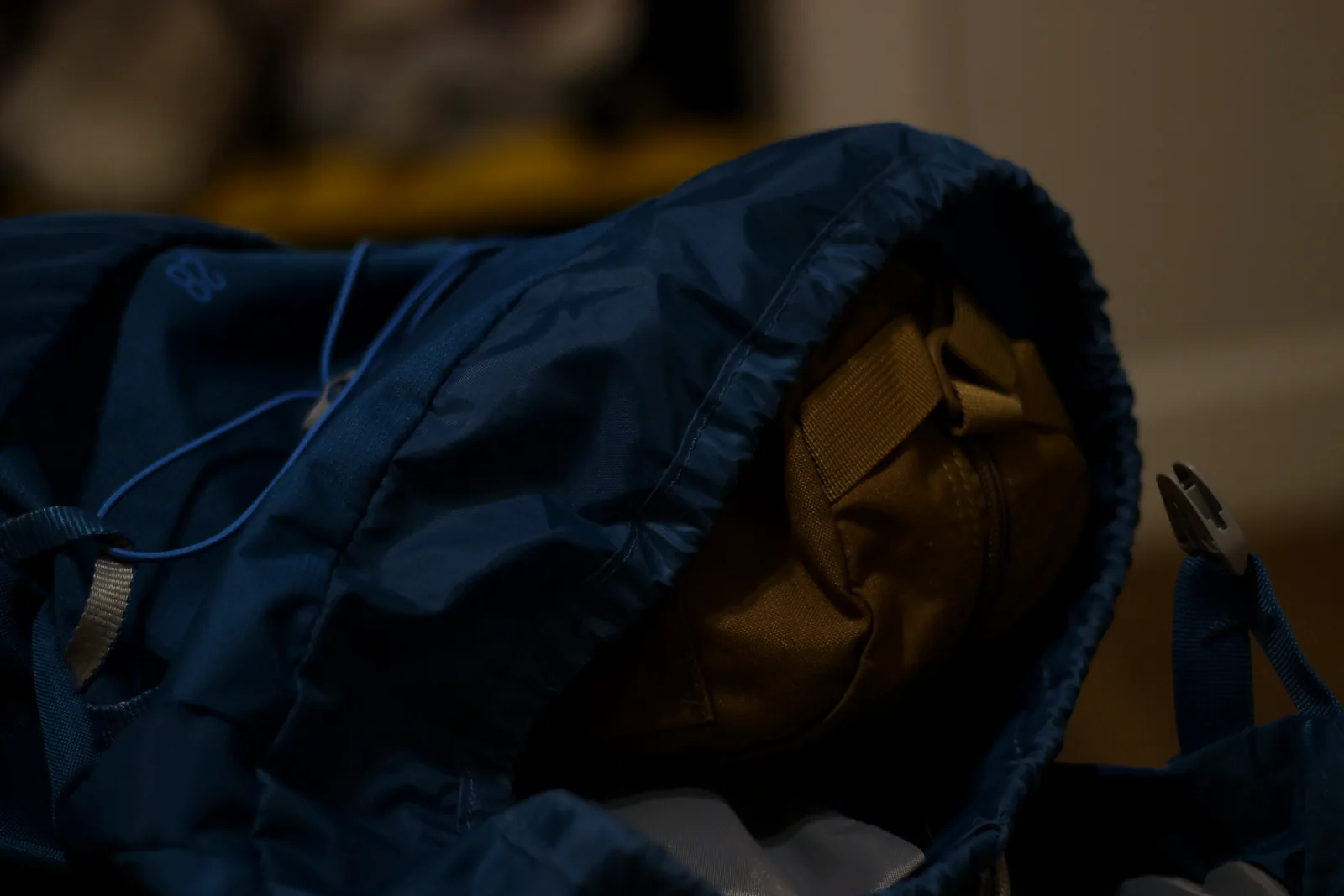
Three pounds is the number that decides whether a chair is one you own or one you actually bring. A folding camp chair of the old kind runs six to nine pounds and lives in the garage, because carrying it anywhere is a decision. This one goes in the pack with the calls and the thermos and comes out at every stand — and gear that gets used is worth more than gear that is theoretically better.
For a few hundred yards to a stand, from a truck to a bench, or around a camp, it is effectively free weight. Clip it to the outside of a pack on the haul loop and your hands stay on the rifle.
How It’s Built to Be Used
The long predator-stand sit
The two things that decide whether you can hold a forty-five-minute stand are back support and whether you can get the rifle up without standing.
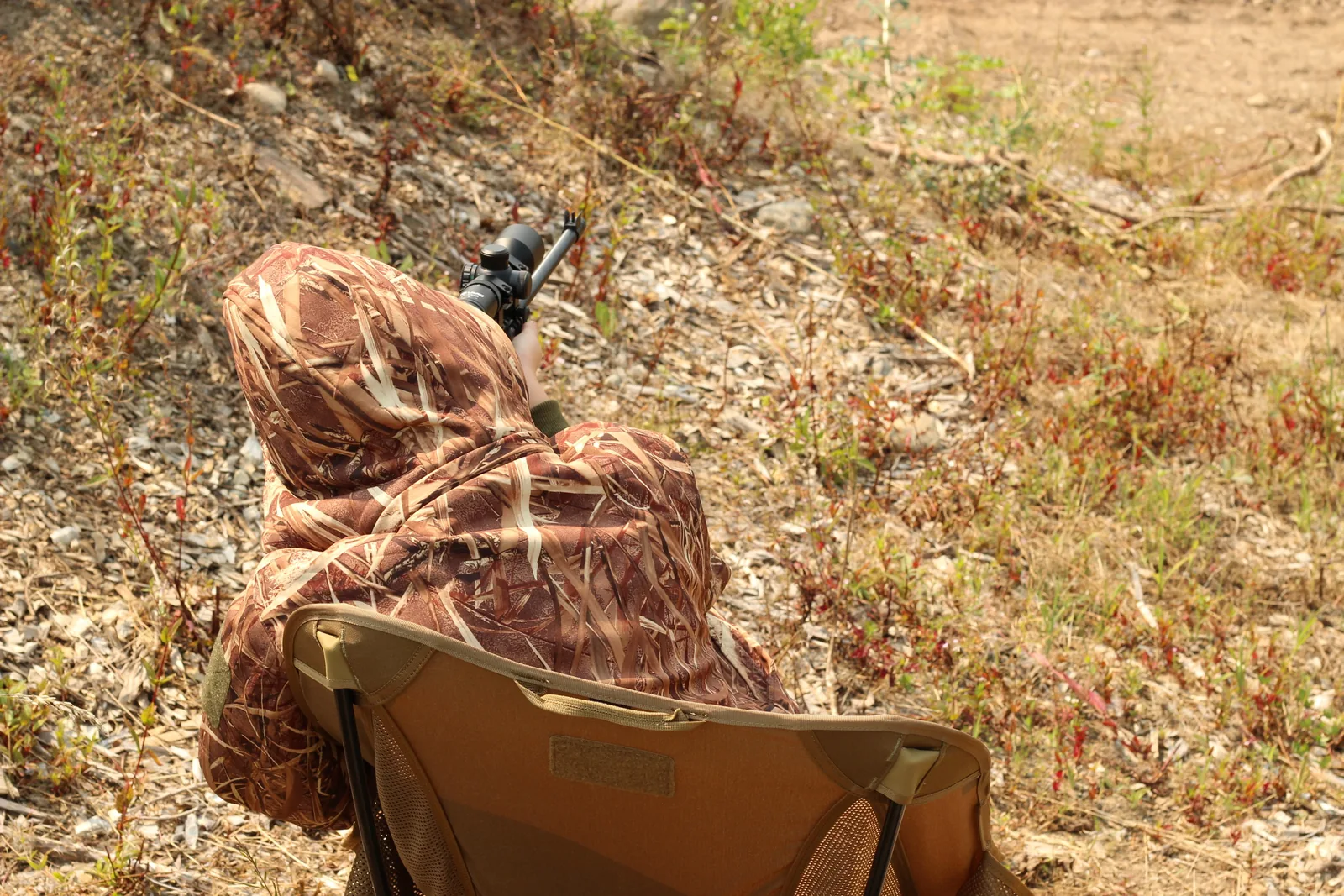
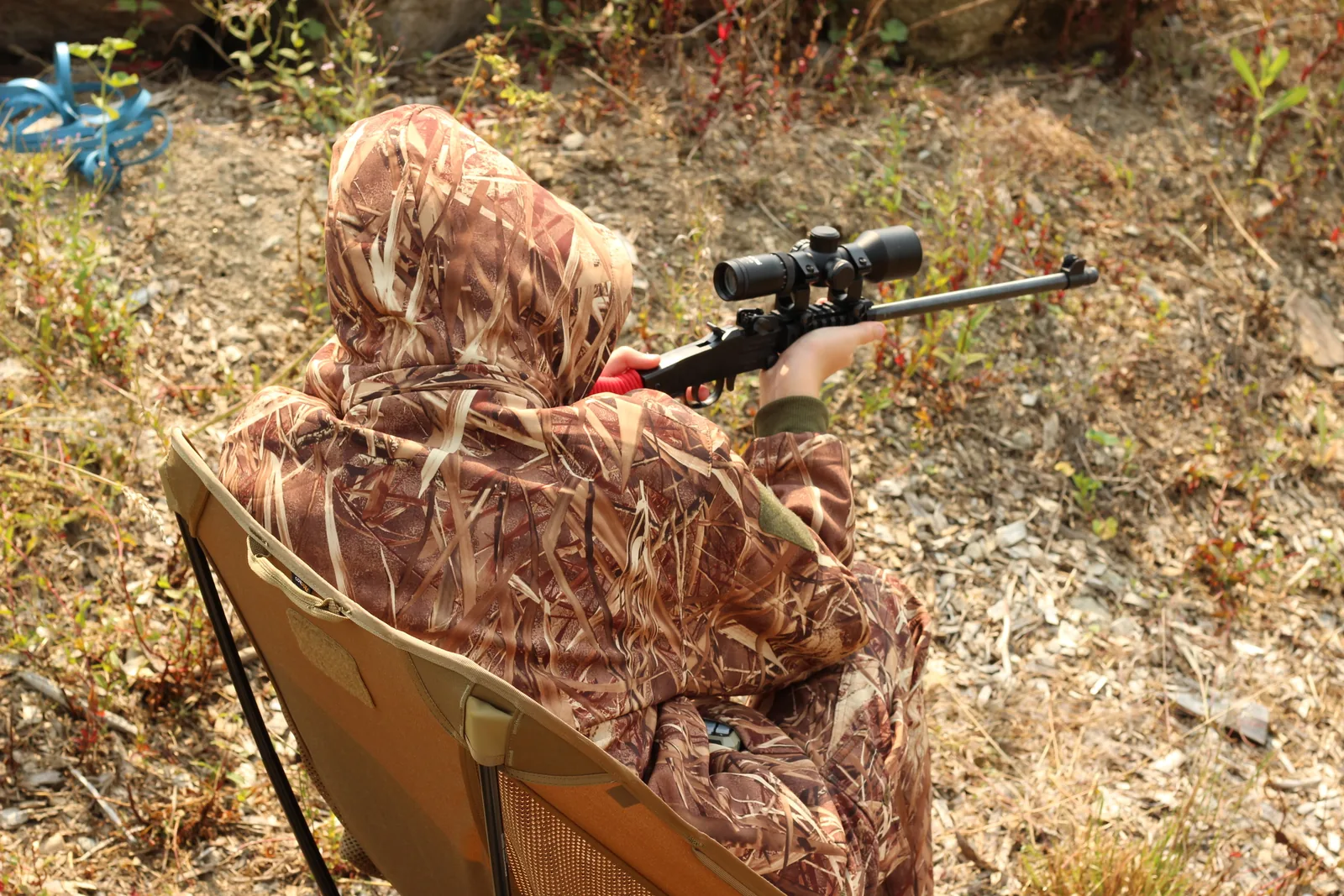
That reclined geometry is the whole point. A sling between four poles supports your back along its length rather than at one point, so nothing goes numb and nothing starts aching at the twenty-minute mark — and twenty minutes is exactly when a stand gets interesting. It is a relaxed posture rather than a square upright one, and for glassing, calling and waiting that is the better of the two: a shot you are still comfortable enough to take beats a smarter position you abandoned early.
The mesh pockets earn their keep here. Helikon sizes them differently on purpose — a smaller one for a drink, a larger one for accessories — so a call, a rangefinder and a spare magazine live at your hip instead of in the grass, and a stand ends without ten minutes of looking for something.
Stability on uneven ground
Uneven ground is handled by the design rather than by fussing with it. Because the seat is a sling rather than a rigid panel, one leg sitting an inch lower than the others tilts you slightly but does not unload the corner or twist the frame — and it does not rock the way a four-legged stool does on the same rocks. You put it down, you sit, and it settles.
On rock, packed dirt, gravel and dry stubble the rubber caps hold without any help at all. It handles a slope well too, which is what you actually get on a hillside stand: the sling redistributes as you lean, so you are not fighting to stay square.
Low profile
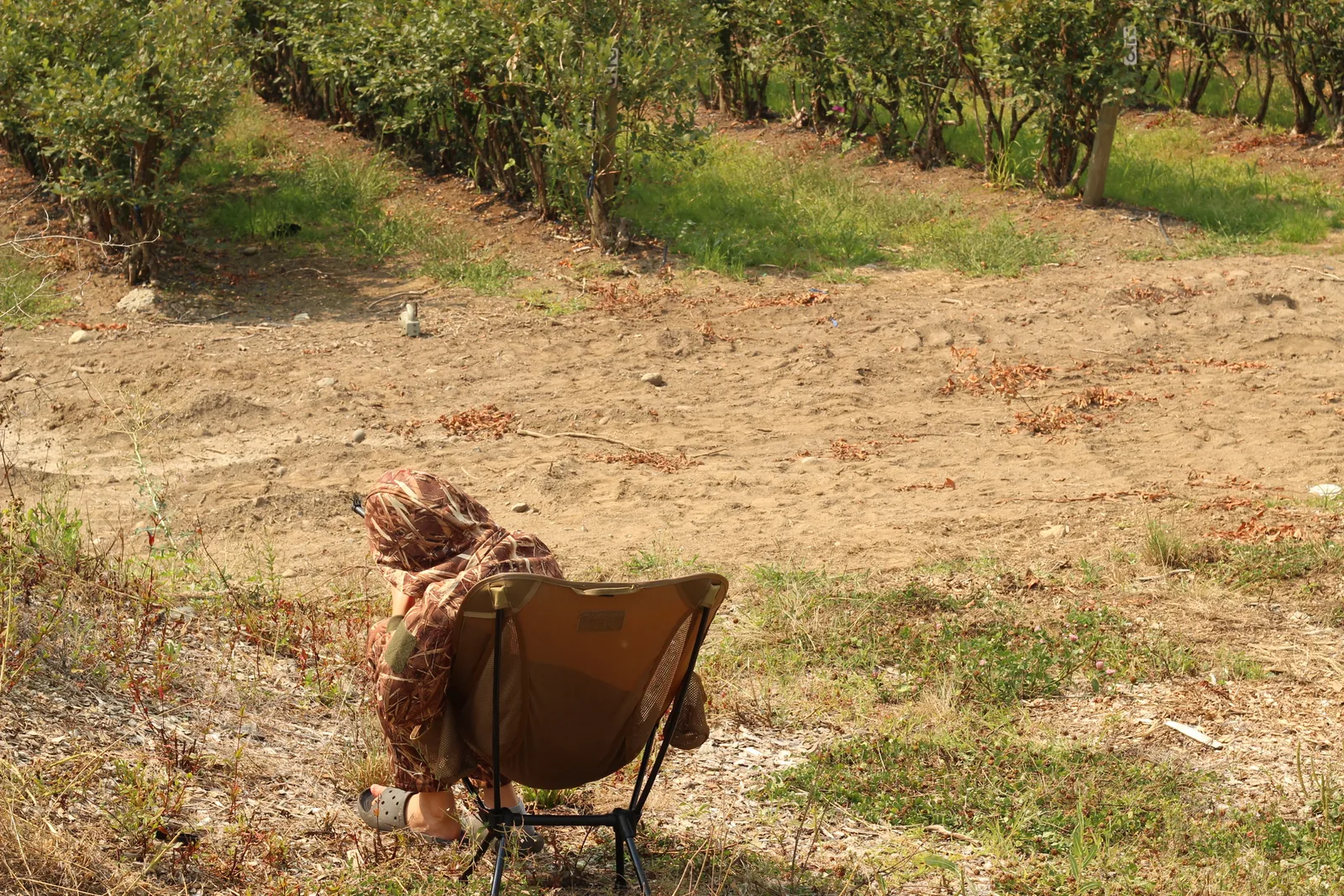
Colour is a specification on a hunting chair, not a preference. Helikon sells the Traveler in Coyote, Shadow Grey and MultiCam and nothing else, and that constraint is a feature: there is no version of this chair that lights you up against dry grass. Sitting low helps as much as the colour does — a seated silhouette in cover is a fraction of a standing one, and coyotes read outlines before they read anything else.
Setup and breakdown
Shake the frame out, snap the hubs together, drop four pole ends into four corners. It is a one-handed job after you have done it twice, in the dark or in gloves. Breakdown is the same in reverse, and the frame folds back onto its own shock cord so it goes into the case as a single piece.
Traveler or Traveler Enlarged?
Helikon sells two versions of this chair, and picking the right one matters more than any other decision here.
| Traveler Lightweight Chair | Traveler Enlarged | |
|---|---|---|
| Weight | 1,346 g (2.96 lb) | 1,695 g (3.74 lb) |
| Packed size | 36.5 × 19 × 14.5 cm | 42 × 15 × 11 cm |
| Rated load | 150 kg (330 lb) | 150 kg (330 lb) |
| Seat fabric | Cordura 500D | Cordura 500D |
| Back height | Standard | Higher — more shoulder support |
| Soft-ground feet | Rubber round caps | Round caps plus stabilising overlays |
| Colours | Coyote, Shadow Grey, MultiCam | Coyote, US Woodland, Tiger Stripe, Desert Night |
Both sets of figures from Helikon-Tex published specifications. The Enlarged carries the same seat fabric and the same load rating — the differences are back height, soft-ground feet, and about 350 g.
The standard Traveler is the one to buy if you are of average height, if the chair moves around a lot, and if your ground is firm — hardpack, rock, gravel, stubble, range gravel, a blind floor. Go to the Enlarged if you are tall enough to want the higher back under your shoulders, or if your country is genuinely soft: sand, deep loam, snow. The overlays spread the foot load, and for 350 g that is a sensible upgrade in that terrain.
Pros and Cons (the Honest Version)
What it does well. The materials are the story. 500D Cordura at 263 g/m² is a tougher, less stretchy seat than this class usually gets, and it is the right cloth for gear that gets dragged, sat on wet, and wiped down with solvent. The reinforced corner cups, taped edges and moulded hubs are real construction rather than cost-cut stitching. The 150 kg rating is generous. The two differently sized mesh pockets are the feature you use most on a stand. The rubber caps make it genuinely stable on hard and uneven ground. The colourways are correct for hunting, the case is better than any drawstring sack, and at just under three pounds it is light enough that it actually comes with you.
Where to go in with your eyes open. It is a sling chair, so it seats you reclined and low — that is the reason it is comfortable for an hour, and it is also a relaxed posture rather than an upright one. The zipped case is slower to load than a drawstring sack, which is the fair price for a case that lasts. Taller sitters should buy the Enlarged rather than the standard model. And Helikon publishes the fabric spec and the load rating but not a frame alloy designation, which is a small gap in an otherwise well-documented product.
Who Should Buy It
Buy the Traveler if you run predator stands and want to be comfortable enough to sit out the whole call sequence without shifting. Buy it if you shoot from a bench or a range mat and want a seat that carries in one hand and takes gun oil without complaint. Buy it if you have stretched or torn a cheaper chair and want the cloth problem solved for good. Buy it if you need the chair to disappear in cover, and if pockets at your hip on a stand is something you will actually use.
Buy the Enlarged instead if you are tall, or if your ground is soft enough that you want the stabilising overlays.
Final Verdict
The Helikon-Tex Traveler Lightweight Chair does the thing a hunting chair has to do: it makes sitting still for forty-five minutes easy, and it weighs little enough that you bring it every time. The Cordura seat, the moulded corner cups, the taped edges and the rubber feet are all decisions made by someone who expected the chair to be used hard rather than photographed, and the two mesh pockets are the kind of small, obvious feature most makers leave out.
At just under three pounds and rated to 150 kg, it sits in the useful middle of this category — light enough to carry to a stand, built heavily enough that you are not nursing it. If your seat is the thing that ends your stands early, this fixes it.
Rating: 4.6/5 Stars
Brands sometimes provide samples for review. Hunt & Live writes its honest opinion either way — gear that doesn’t earn its keep doesn’t get a recommendation.