
Featured Review · Separett · Off-Grid Toilets
Separett Privy 501 Outhouse Kit Review — How a C$189 Insert Turns a Stinking Pit Into a Dry, Odour-Free Off-Grid Toilet
Our Rating
Current Price
- Model
- Privy 501 Outhouse Kit, blue bowl
- SKU
- 1121-03
- Type
- Urine-diverting insert with seat and lid
- Seat footprint
- 450 × 375 mm (approx. 17.5 × 14.5 in)
Pros
- Turns any outhouse, cabin bench or bucket toilet into a urine-diverting toilet — the change that removes most latrine odour
- Only solids go down the hole or into the bucket, so a pit or container fills far more slowly and stays dry
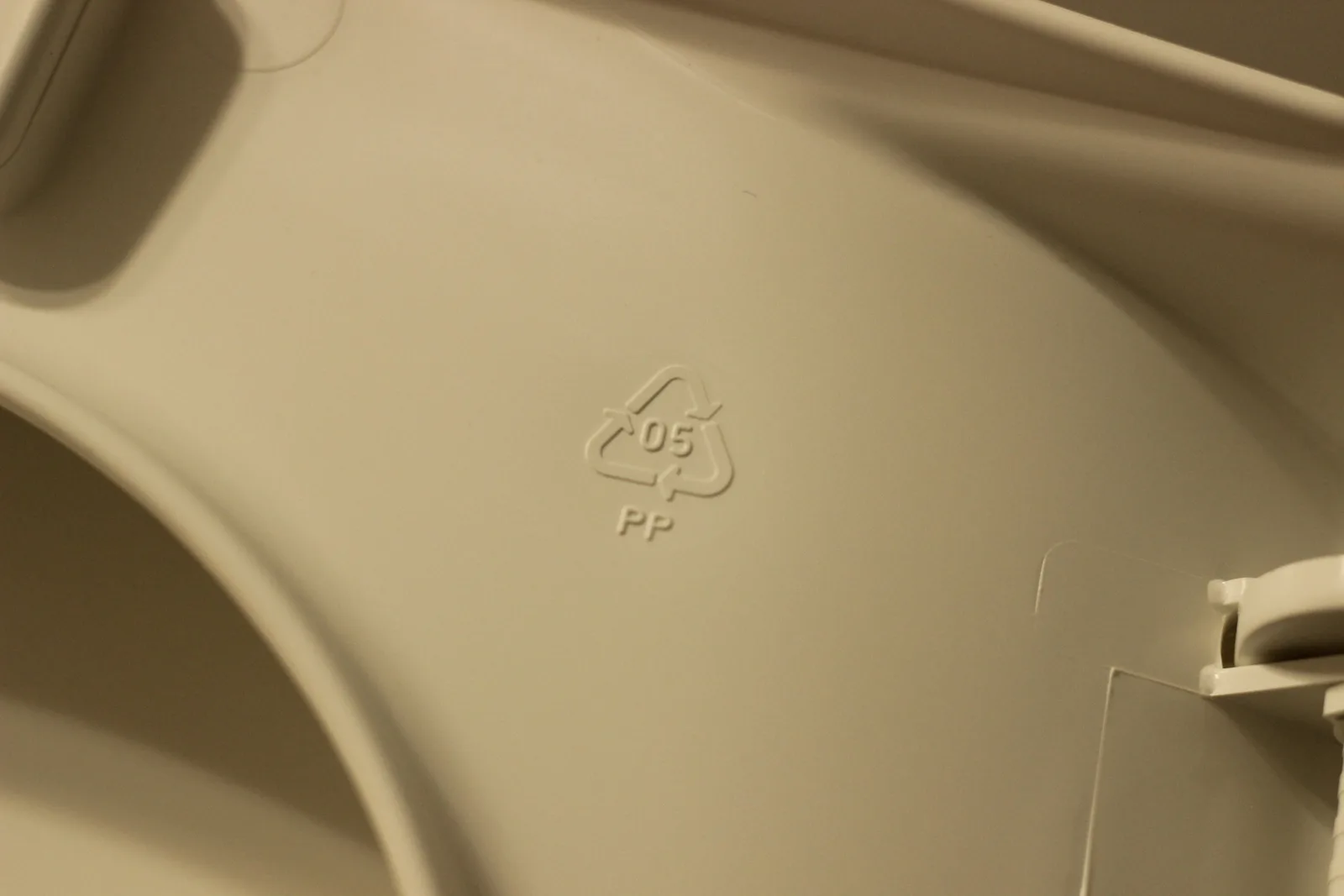
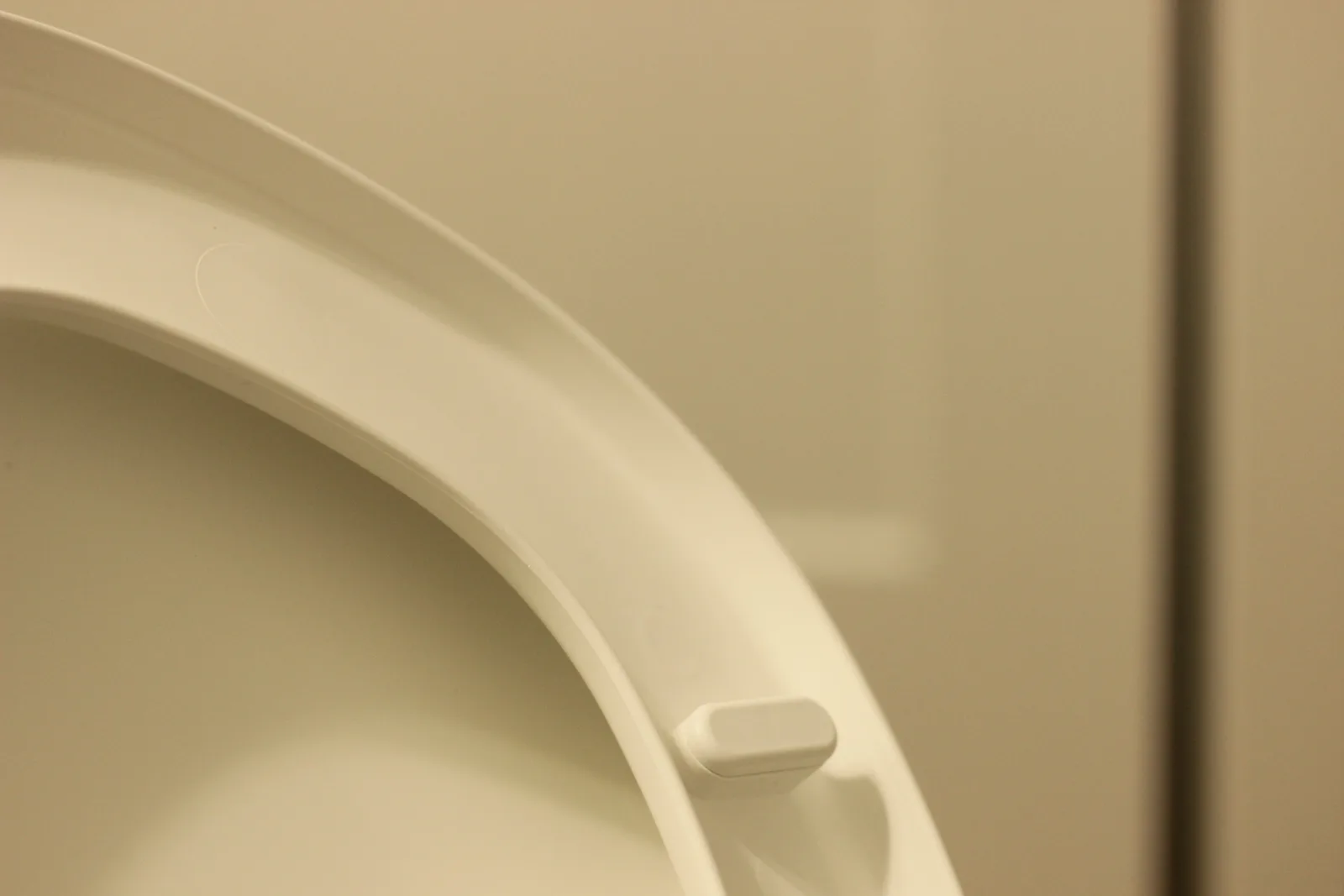
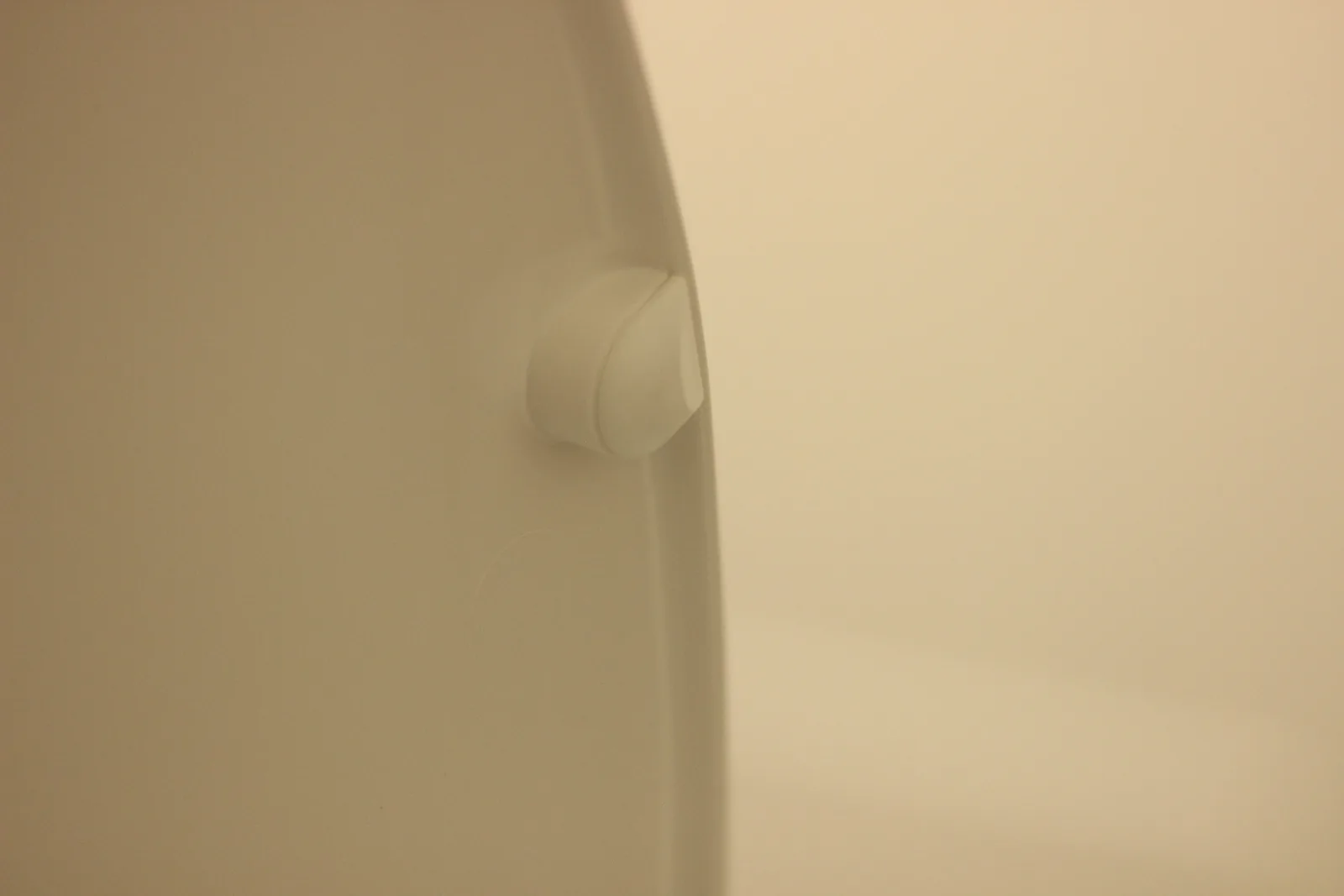
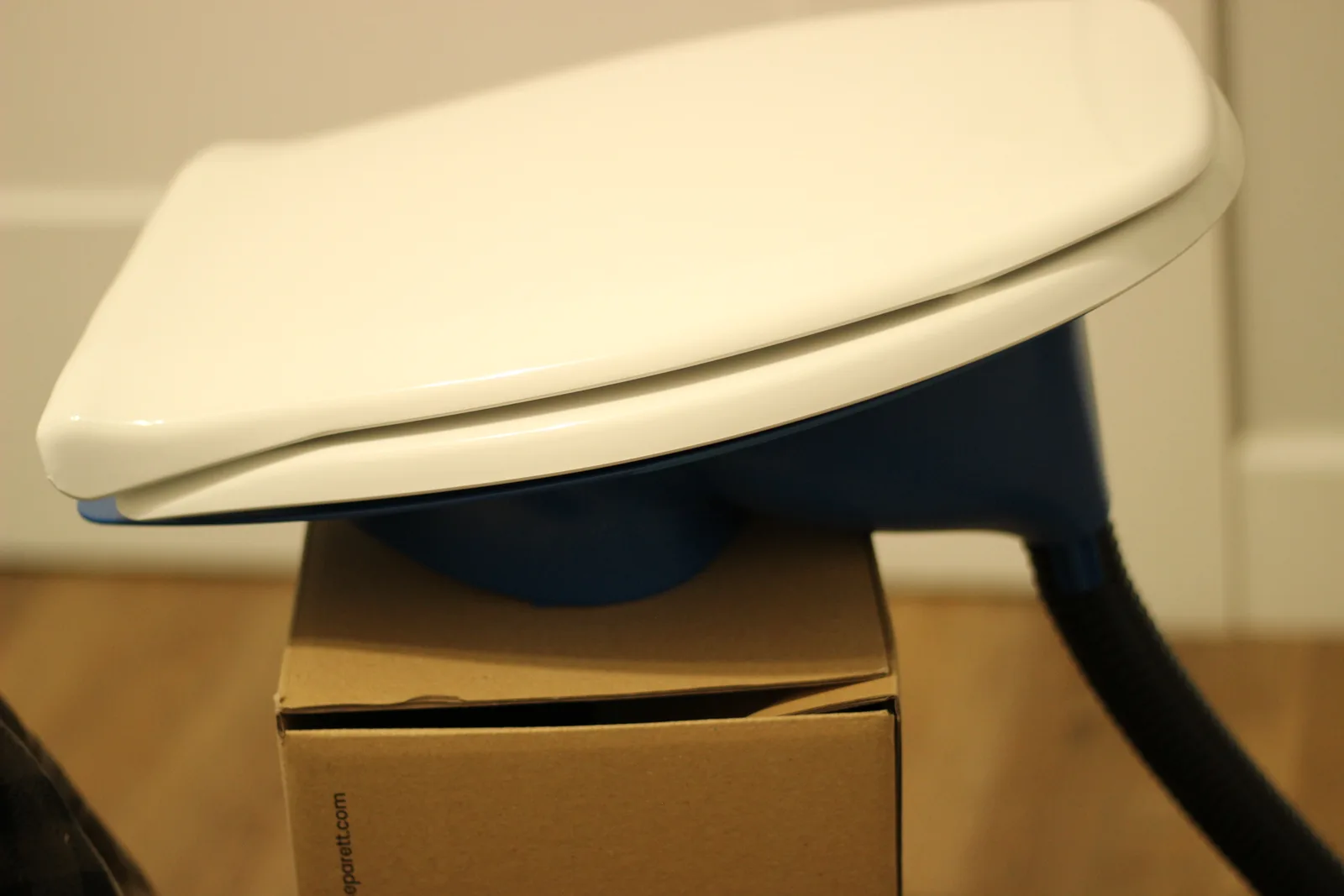
- A real toilet seat and lid in sturdy, easy-clean polypropylene — not a foam ring or a bucket rim
- 2.5 m (8.2 ft) of 1¼-inch flexible urine hose, mounting screws, a Bio-Drain sample and a cutting template printed on the box
- Fits directly over a bucket with a 36 cm (14 in) top, or into a bench of your own design
- Swedish-made by the company that has specialised in waterless toilets for decades, sold and supported in Canada by Canadian Eco Products
- Scales from a C$189 basic outhouse to a vented, solar-powered off-grid washroom
Cons
- It is a kit, not a toilet: you build the bench, choose the solids container and route the hose
- Rated for year-round use only where winters are mild — an exposed urine hose can freeze in a hard Canadian winter
- Urine lines need care: keep a steady downhill slope, use Bio-Drain, and do not let guests put paper in the front bowl
- Everyone has to sit — standing to pee defeats the separation, and a sticker on the lid says so
- We have not yet built our outhouse around it; this review covers the kit, the install plan and owner experience
Every cabin, hunting camp and off-grid homestead eventually has the same conversation about the outhouse. It smells. It fills up. It draws flies in August and freezes into a pyramid in January. And moving it means digging a new hole.
Almost all of that comes down to one thing: urine and solids mixed together in a pit. Mixed, they make a wet, anaerobic sludge that smells like a latrine and fills the hole fast. Kept apart, solids stay dry, break down far better and barely smell, and urine — which is mostly water — can go to a simple soak-away.
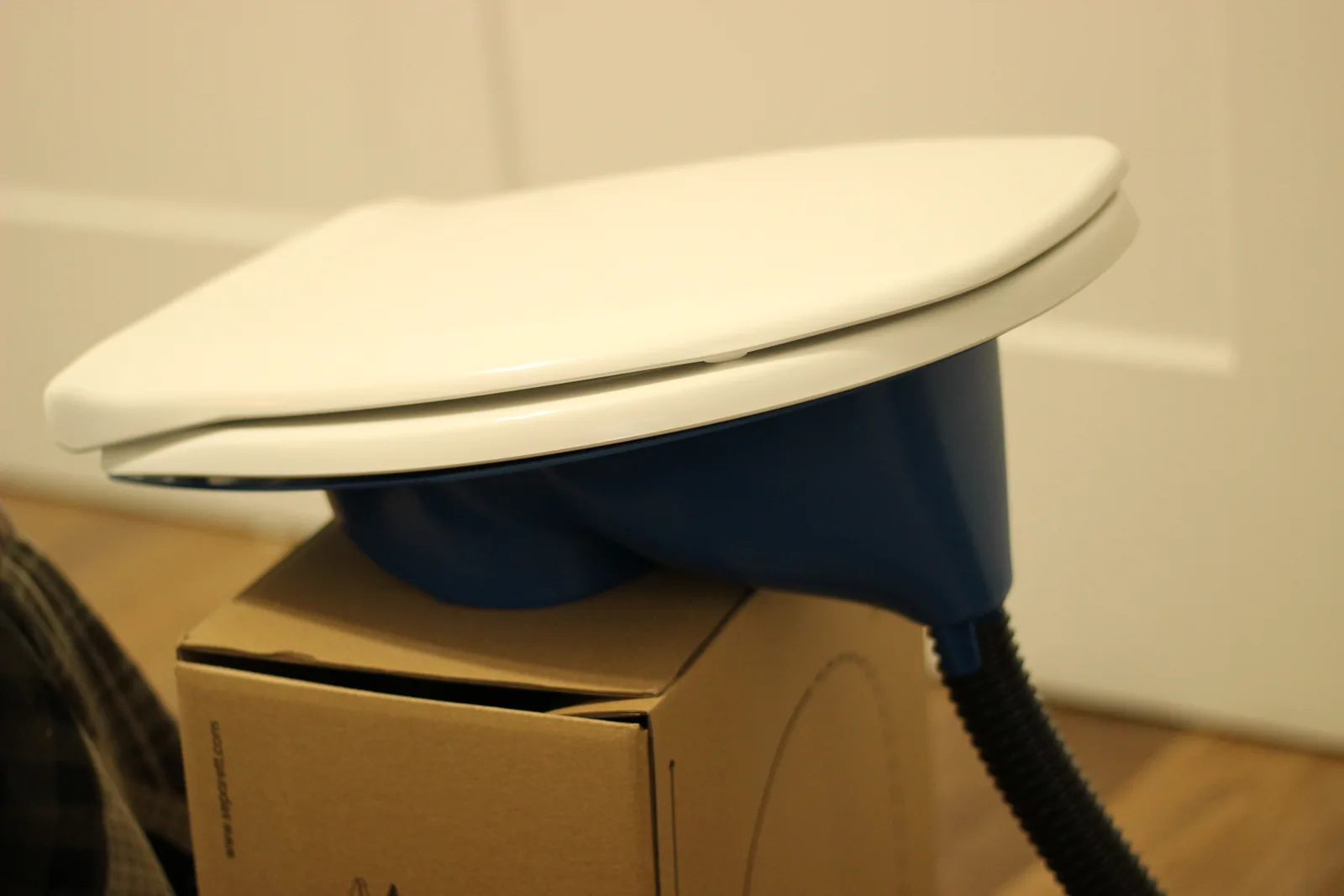
The Separett Privy 501 is a C$189 kit that does exactly that separation in any outhouse or bench you build. It is a blue urine-diverting insert with a proper toilet seat and lid: the front of the bowl catches urine and sends it down 2.5 m of hose to a soak-away or tank; the rear opening drops solids into your pit, bucket or container. It is made in Sweden by Separett, who have specialised in waterless toilets for decades, and sold and supported here by Canadian Eco Products, their Canadian reseller.
We have not built our outhouse around it yet — that is next season’s project. So this is a deep first look: everything in the box, photographed in detail, how the system works, and two complete builds drawn and animated — the basic outhouse Separett shows, and the deluxe off-grid version we are planning, with a solar-powered vent fan, a small panel and 12V lighting.
At a glance
If you read our Separett Rescue Camping 25 review, the principle will be familiar — the Rescue is Separett’s portable, self-contained answer for camps, vans and emergencies. The Privy 501 is the permanent one: the same urine-separating idea, built into a structure that stays put.
In the Box
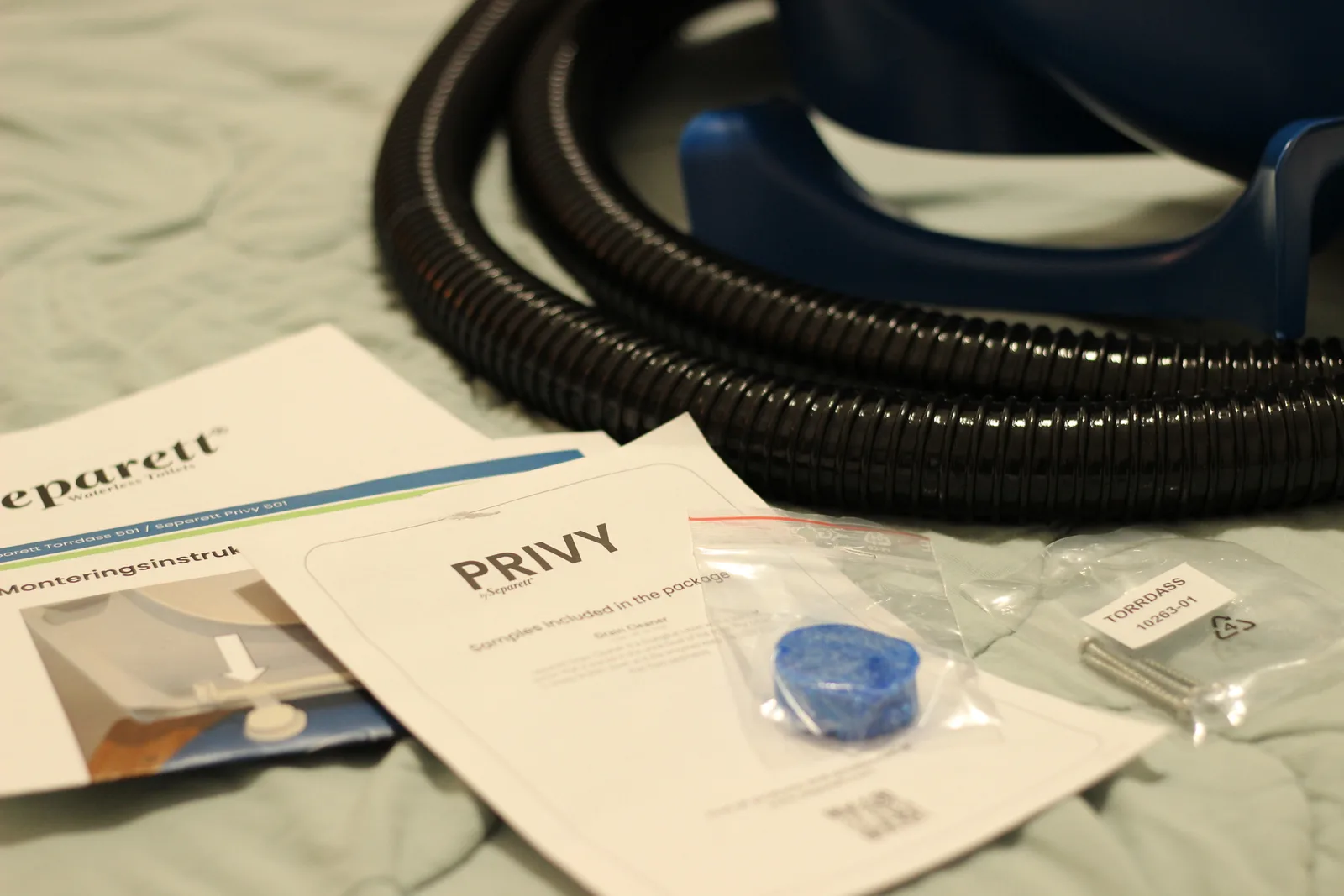

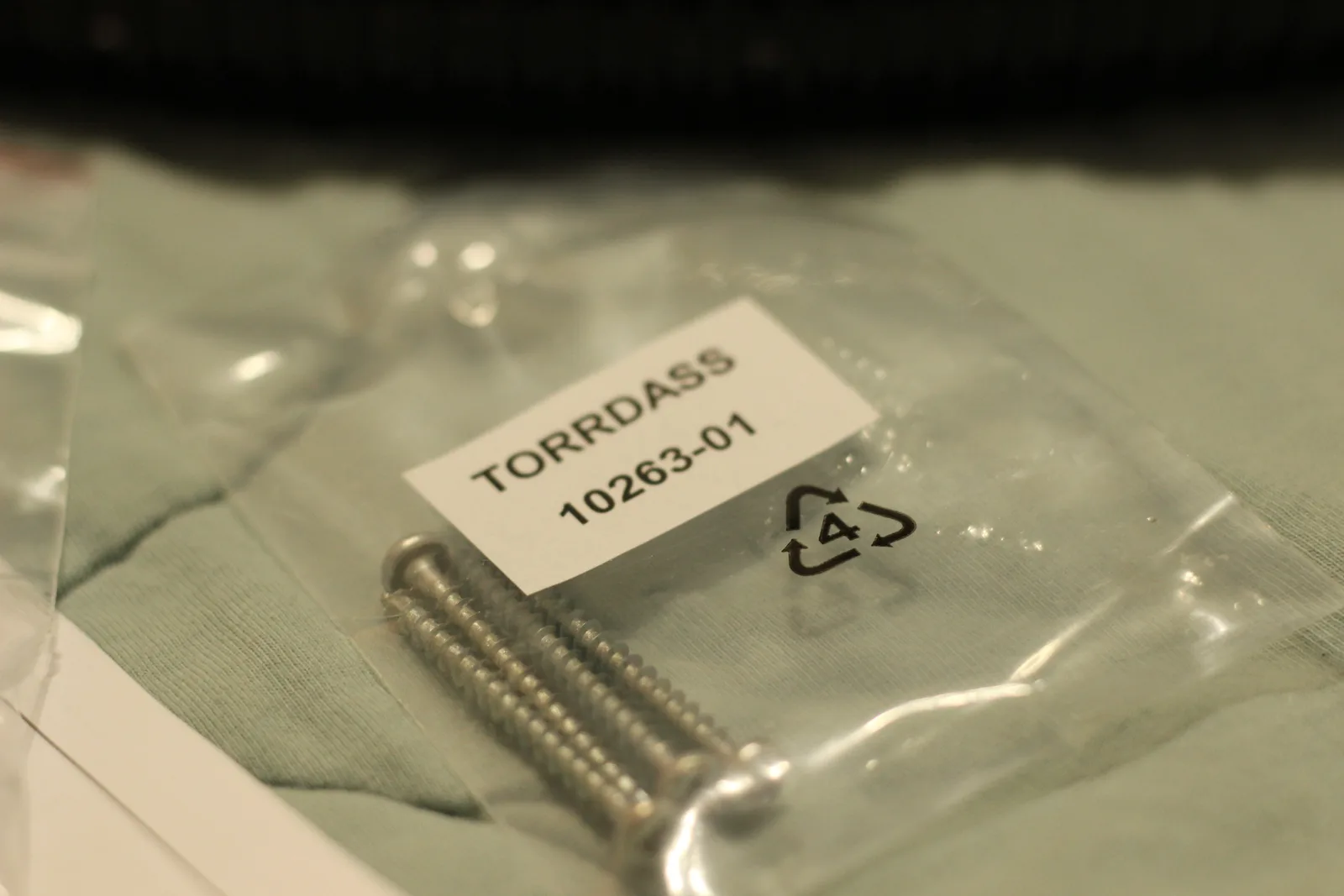
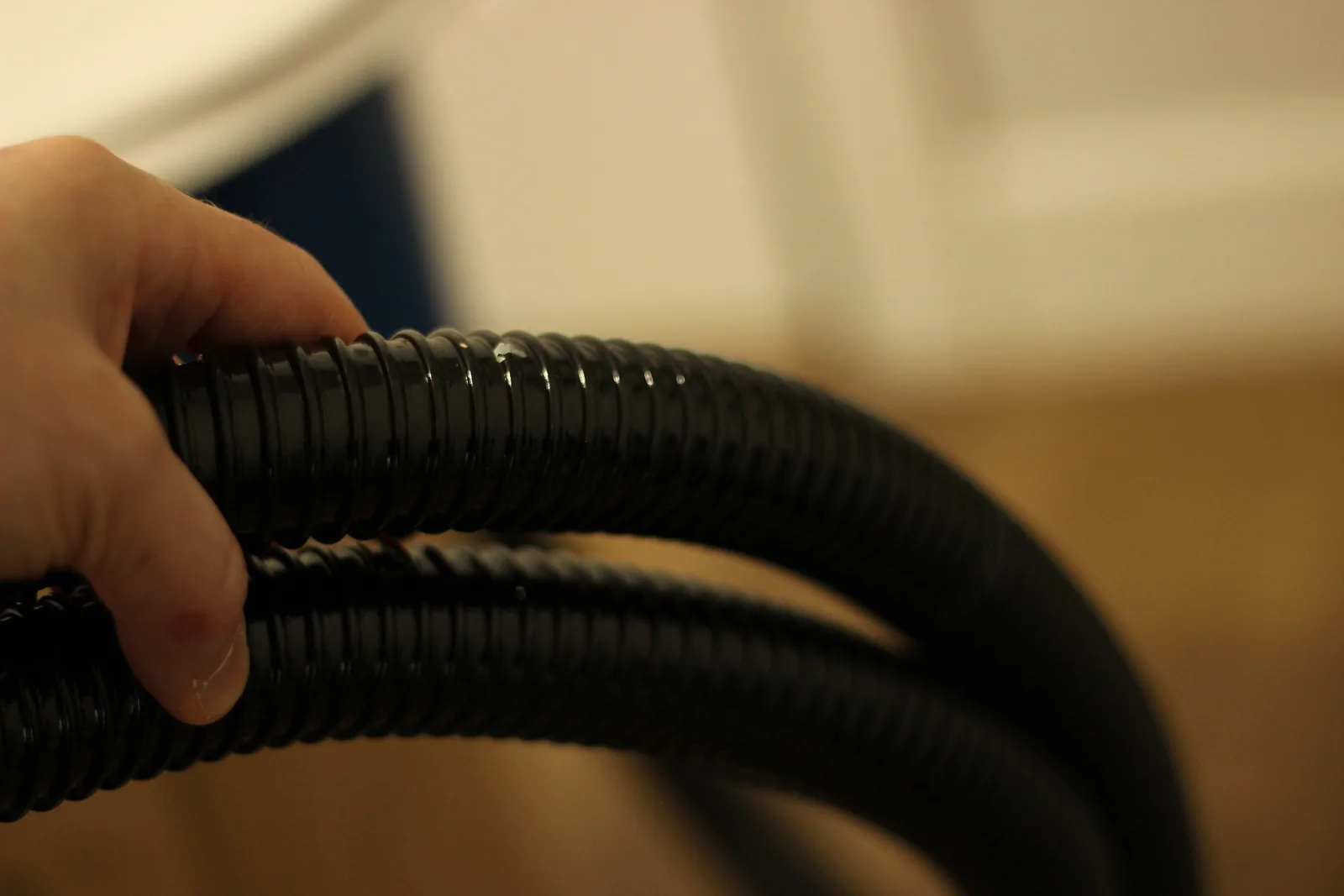
The other thing in the box is the box itself: Separett prints the cutting template for the seat opening directly on the packaging, so you trace it onto your bench board rather than measuring. The kit also mounts directly over a bucket if the bucket’s top is 36 cm (14 in) across.
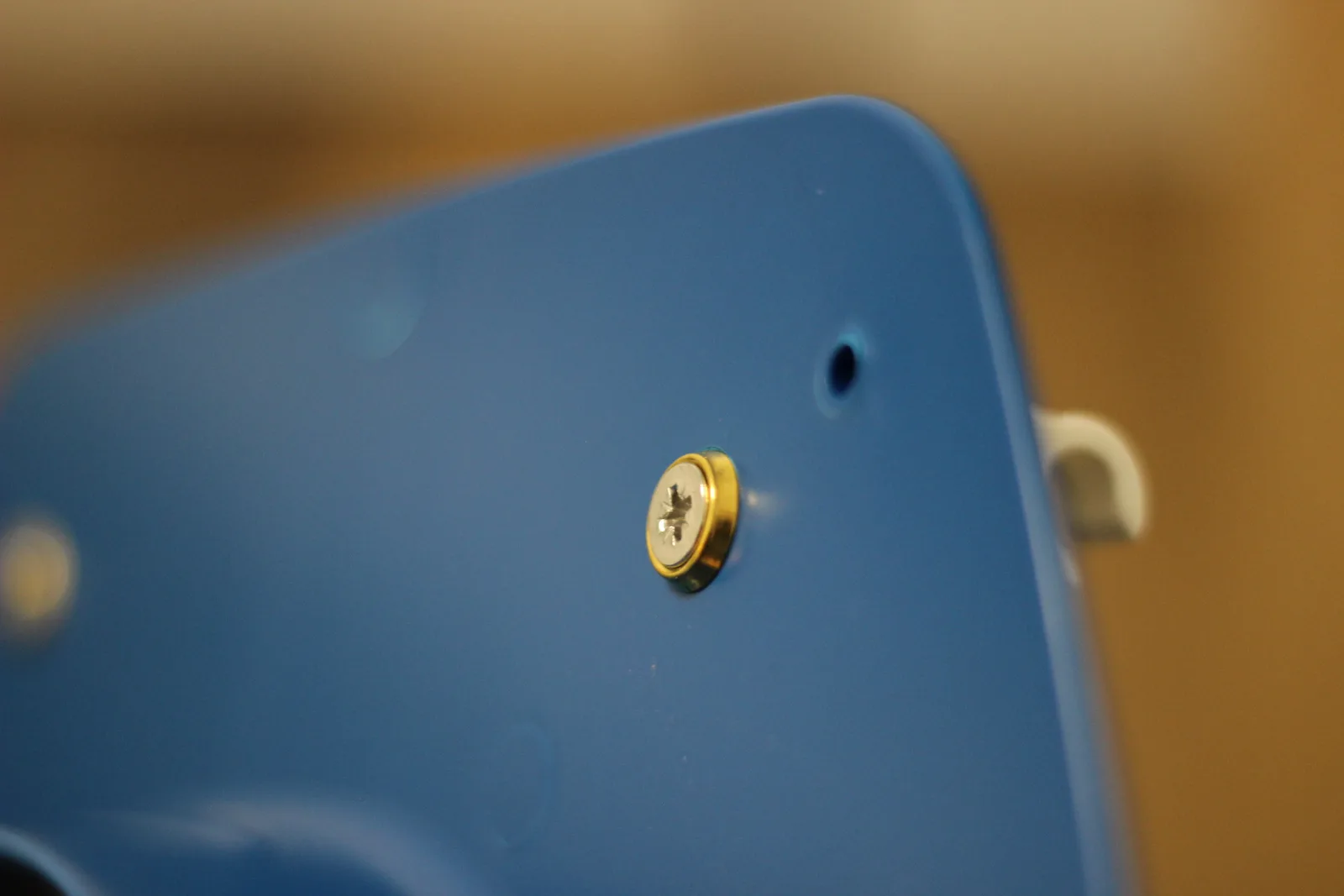
The Insert, Up Close

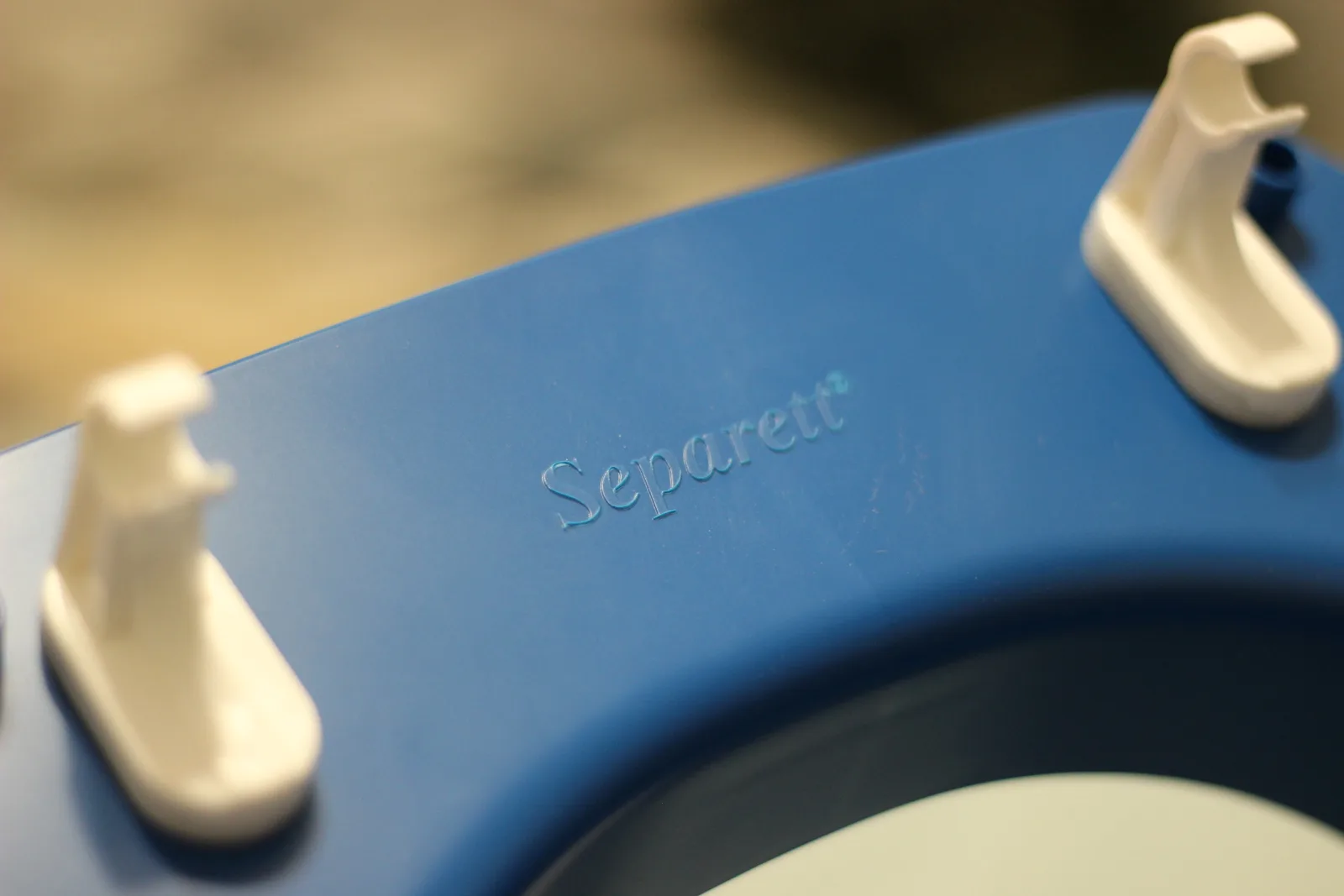

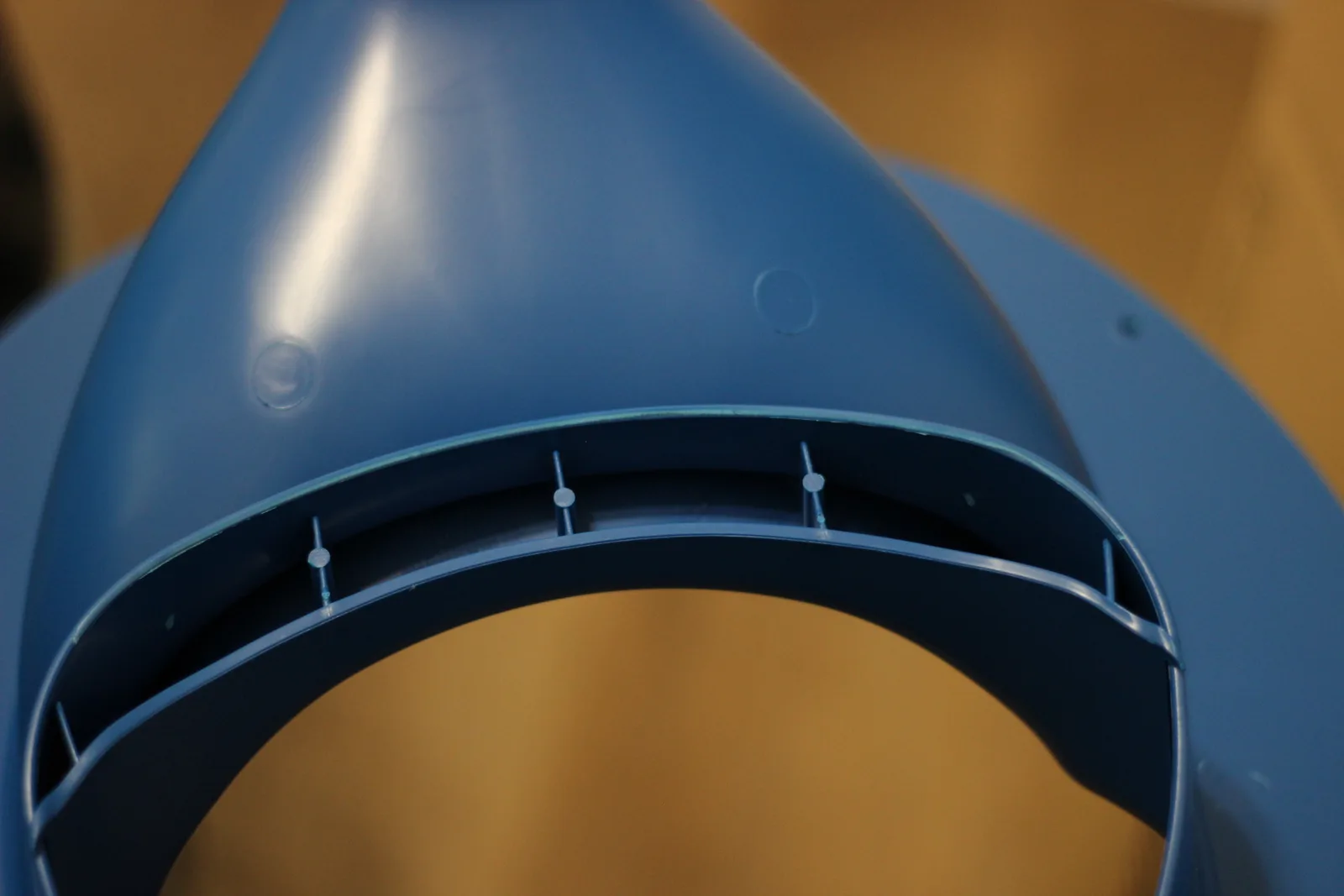
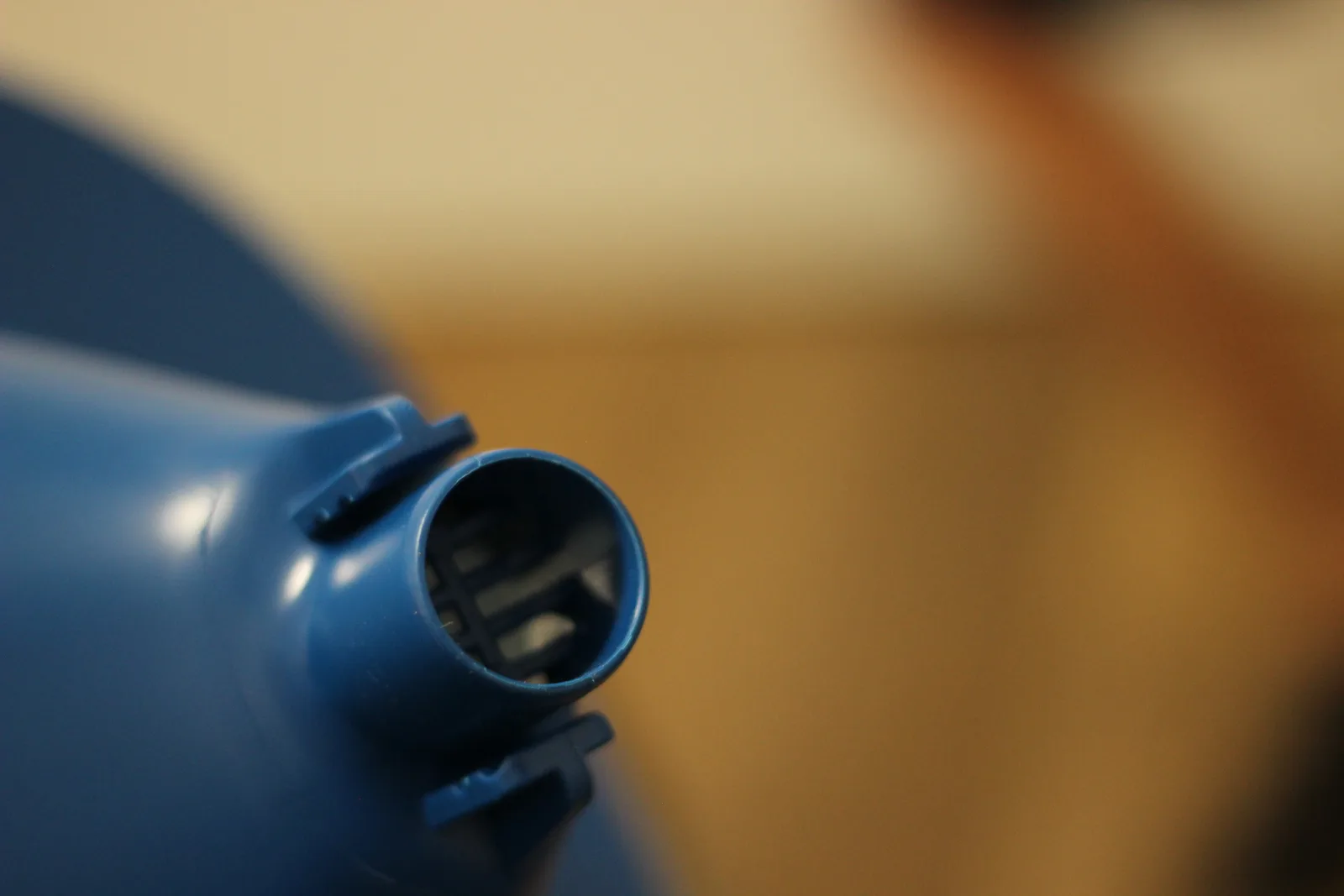
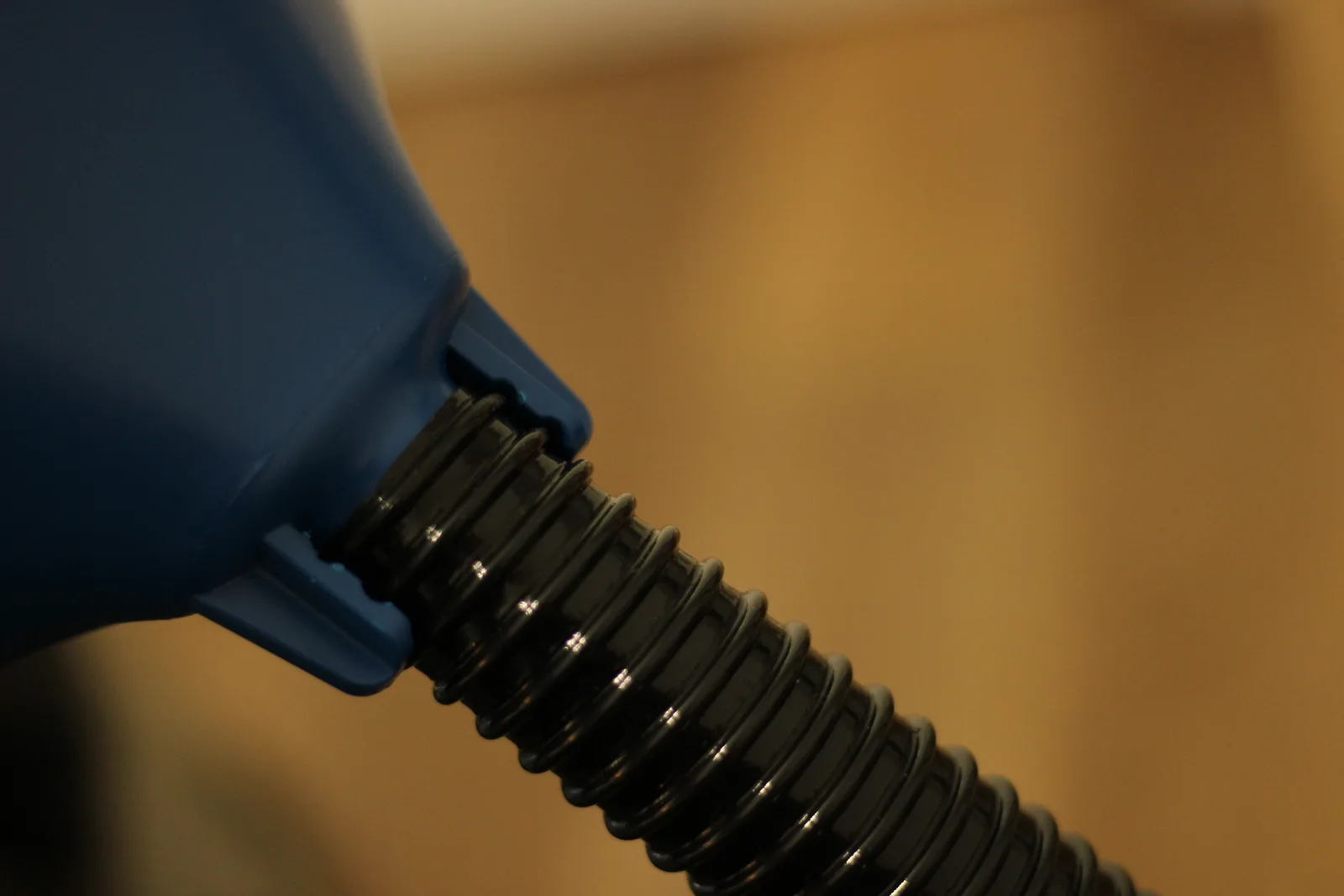
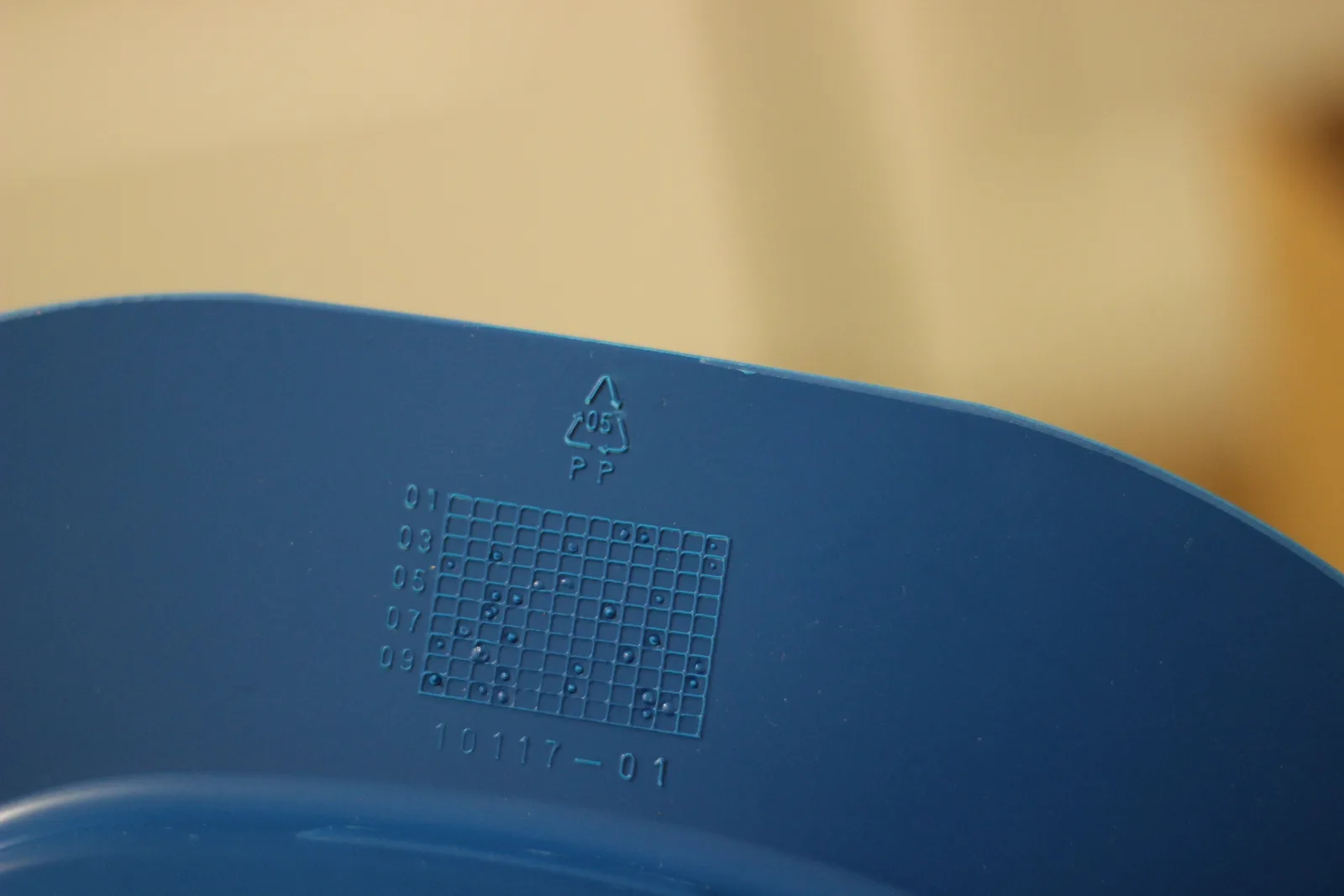
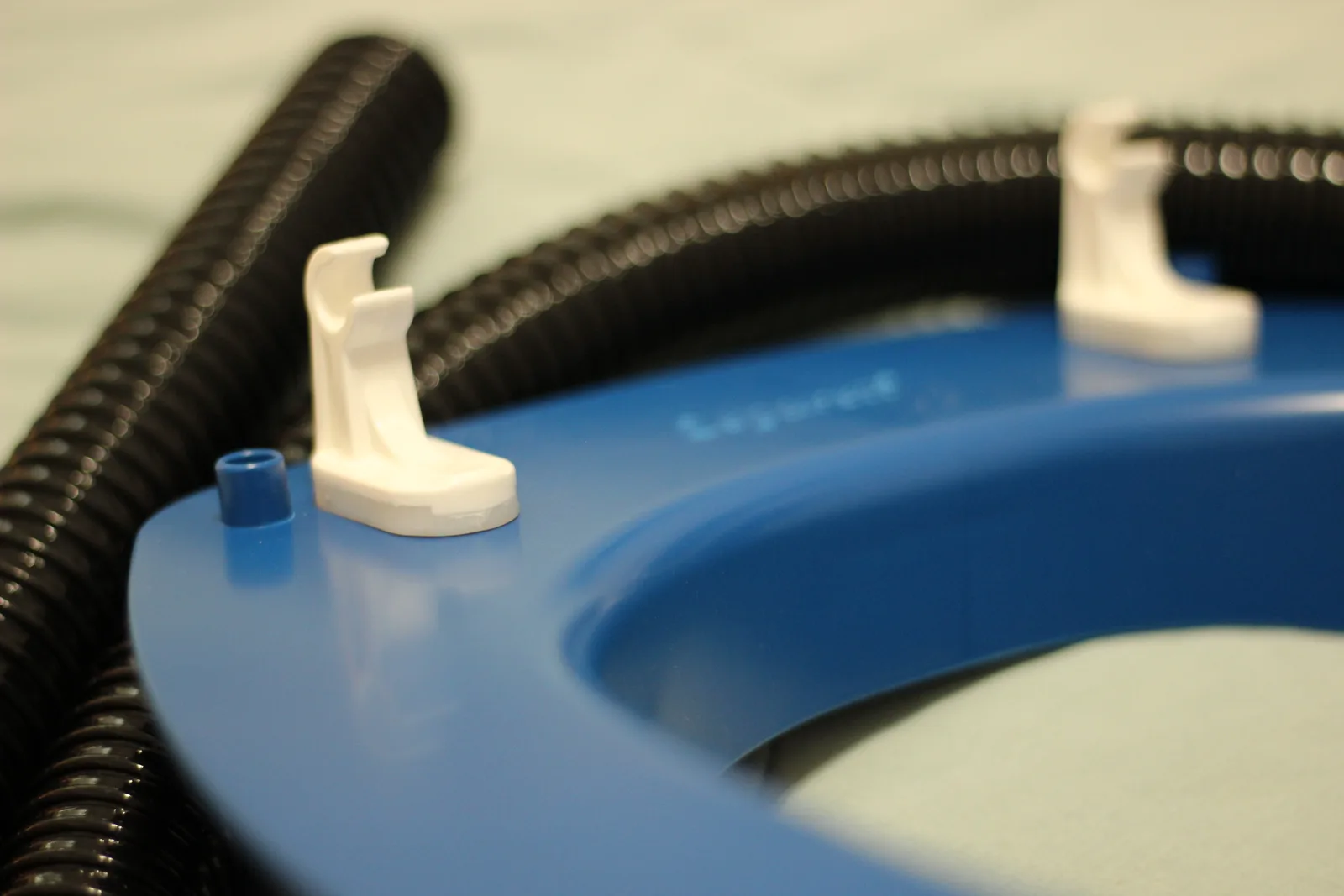
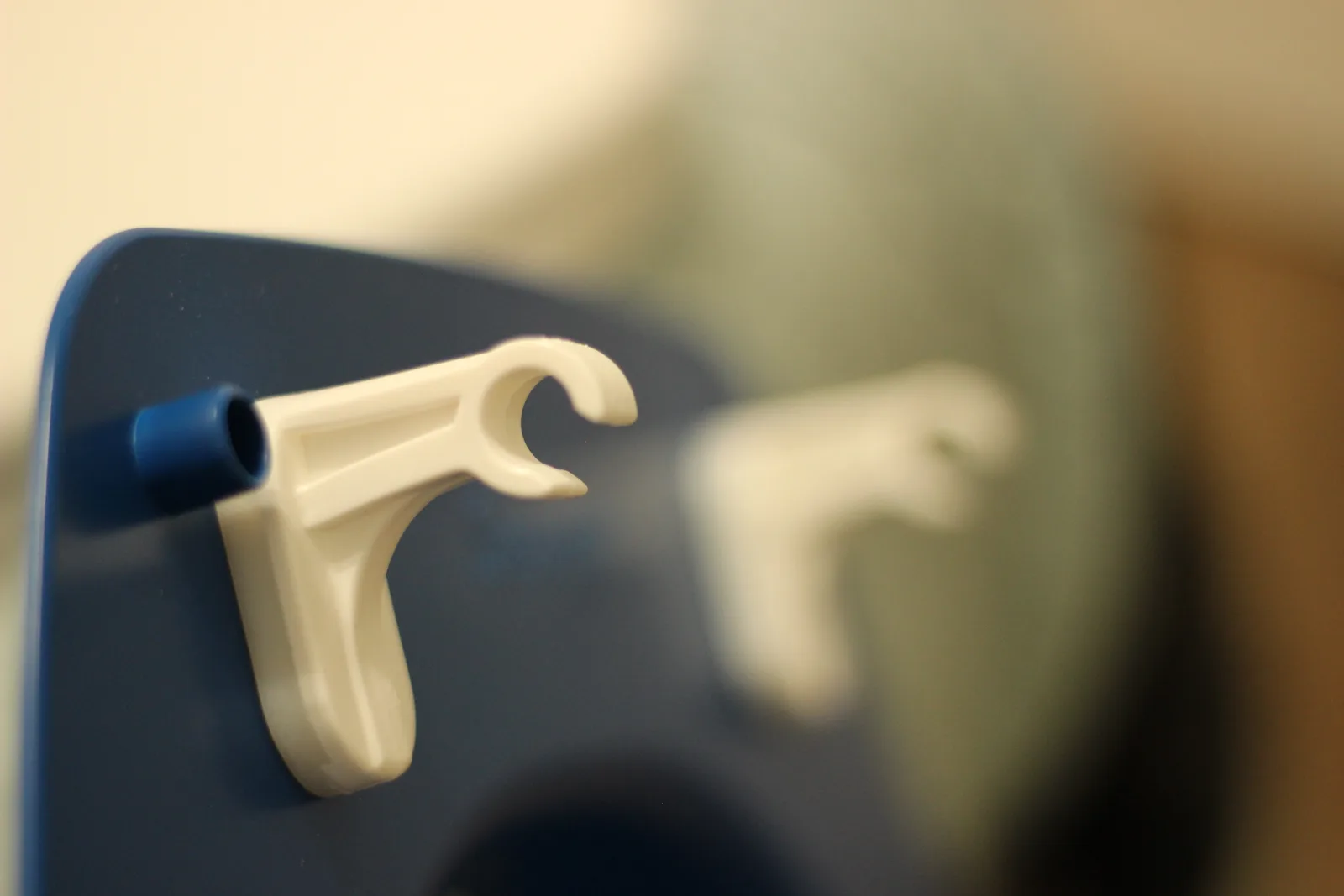
The Seat and Lid
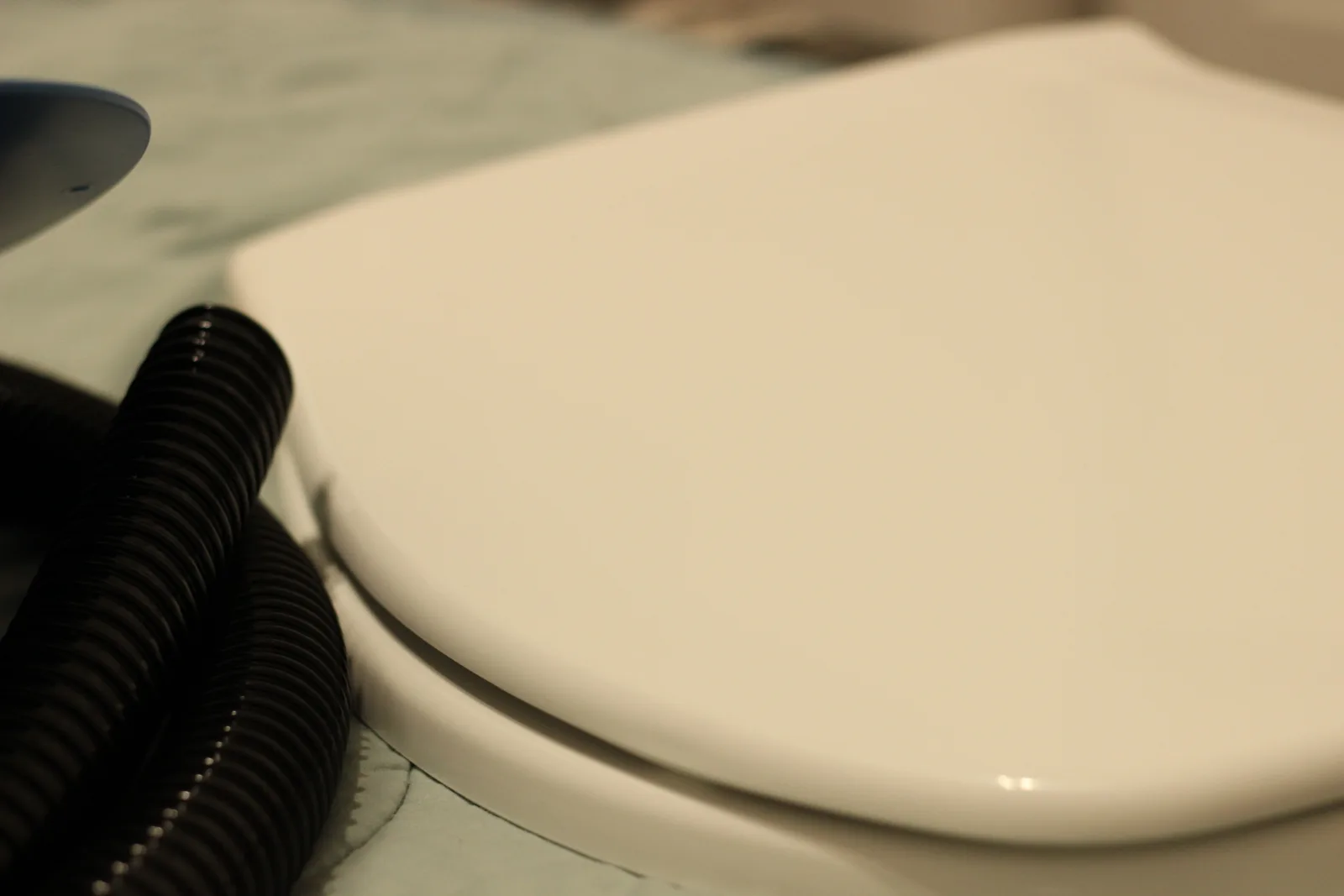

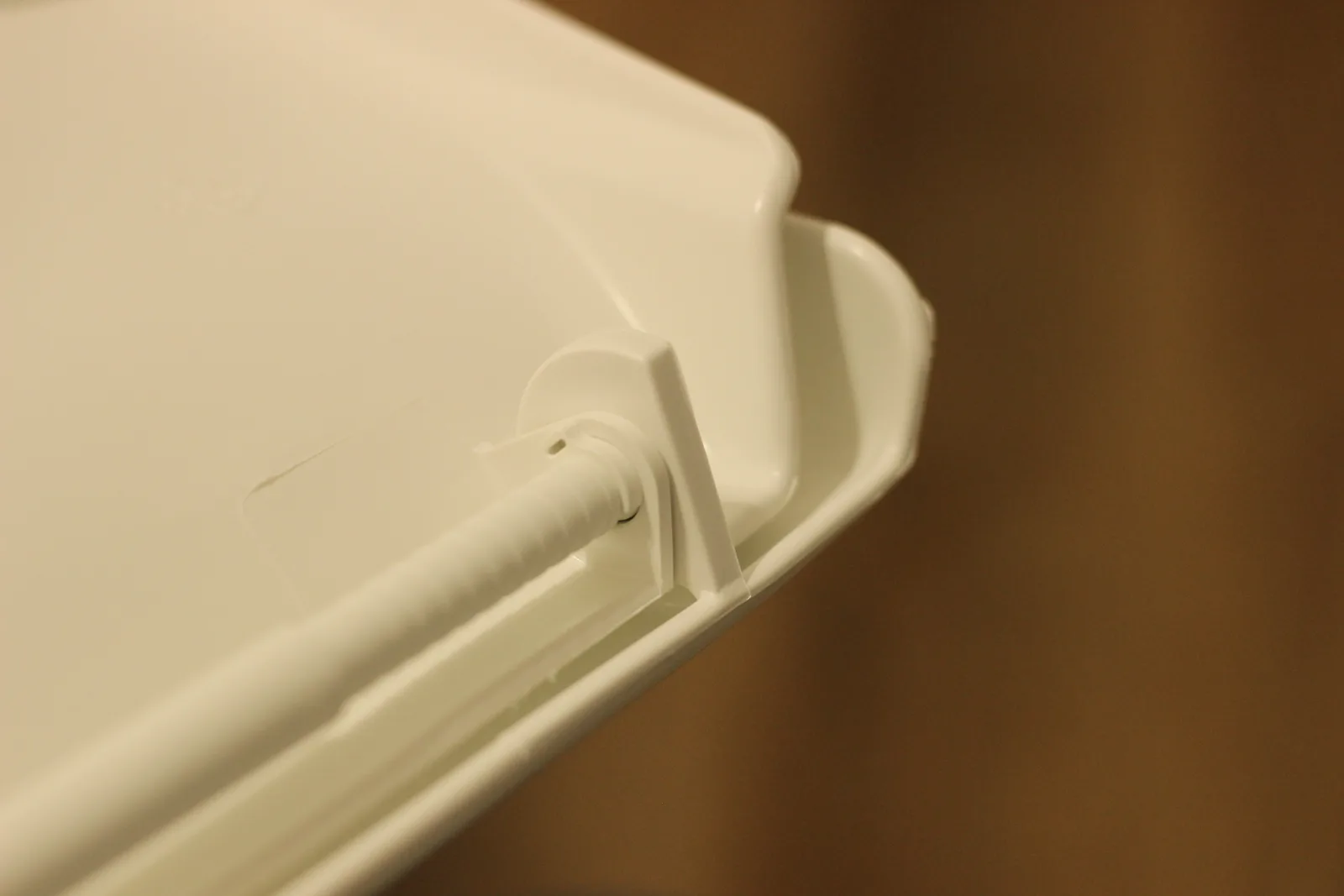
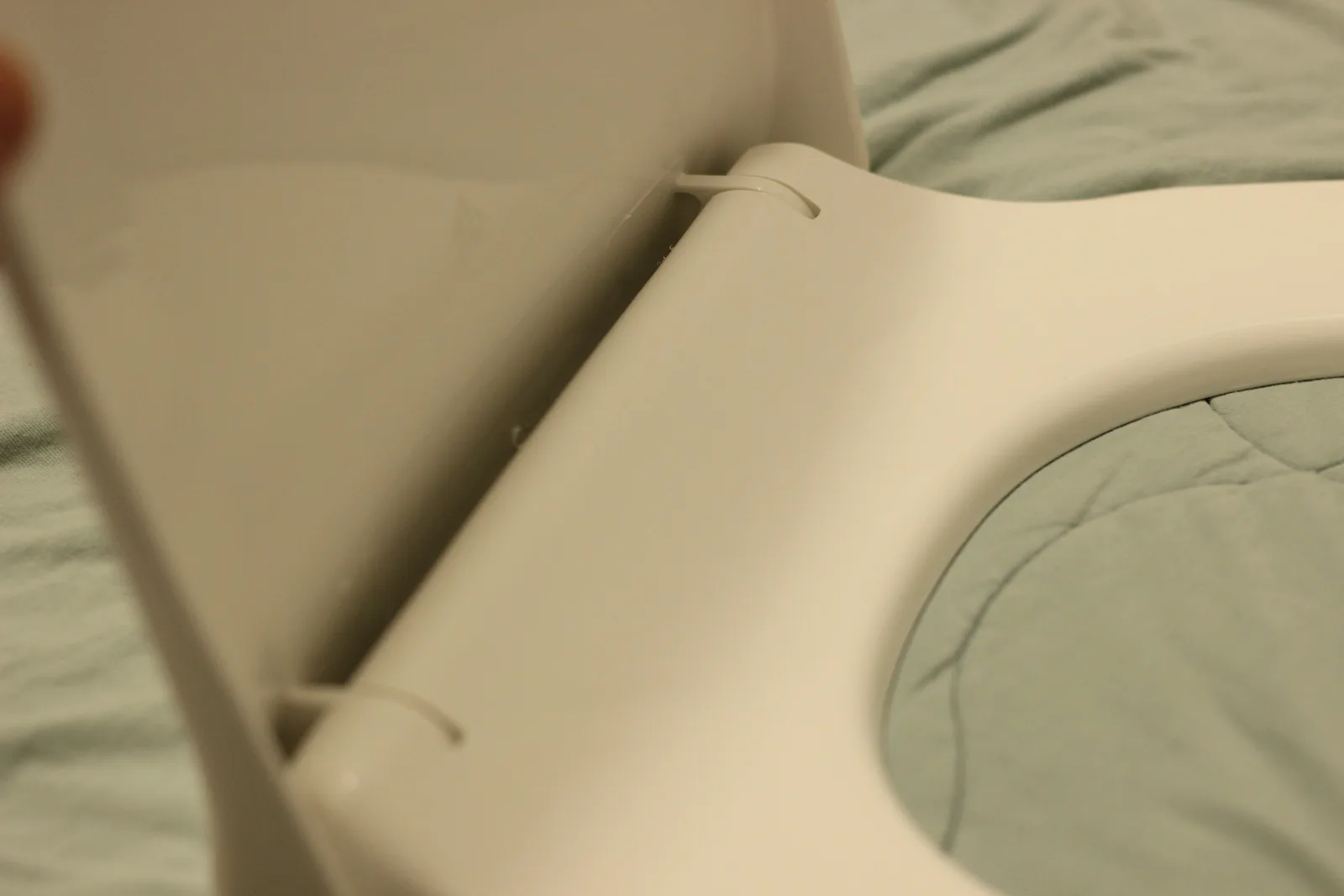

How It Goes Together
Separett’s own drawing (the reference for every illustration in this review) shows the Privy 501 as layers: a white seat and lid on top of the blue urine-diverting insert, which drops through a hole in a bench board at least 450 mm deep, over a solids container standing on the floor, with the urine hose leaving from the front of the bowl.
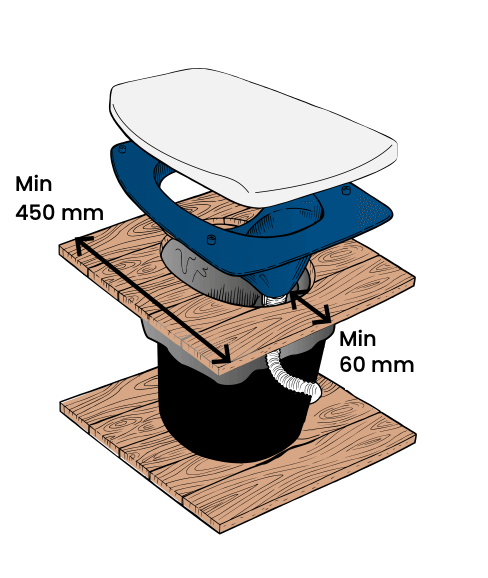
We redrew it in the same style so you can pull it apart. Drag the slider to explode the kit into its layers, or press play.
How Urine Separation Works
The whole idea fits in one sentence: urine goes forward, solids go back, and they never meet. Step through it below, or press play.
Why this matters so much: in a conventional outhouse, urine is most of the volume going into the pit. Mixed with solids it makes a wet, airless sludge — the source of the classic latrine smell and the reason pits fill so quickly. Take the urine away and what is left is a fraction of the volume, stays relatively dry, and smells far less. That is the whole promise of Canadian Eco’s product page: no latrine odour, a pit or container that fills more slowly, and end products that are easier to handle.
Two Ways to Build It
The basic outhouse
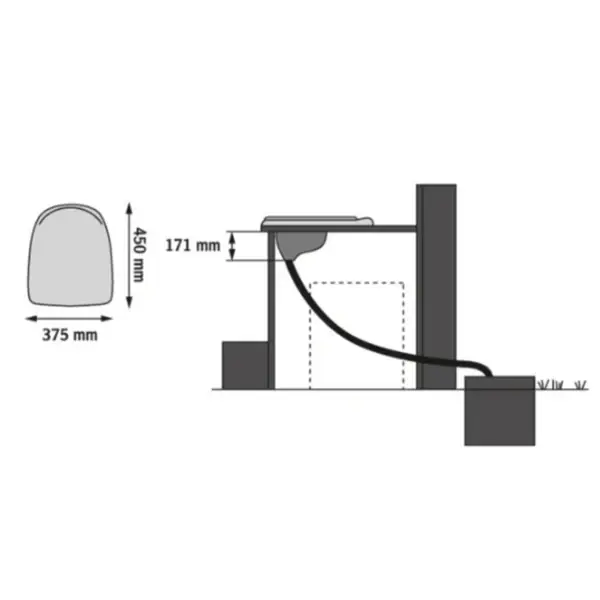
Separett’s own setup drawing shows the simplest install: the seat on a bench, the solids container under it, and the urine hose running down behind the container, through the back wall and out to a soak-away dug beside the outhouse. The dimensions on the left are the seat footprint — 375 × 450 mm — and 171 mm is the depth from the top of the insert to the urine outlet, which tells you how much height you need under the bench before the hose starts its run.
Our deluxe off-grid build
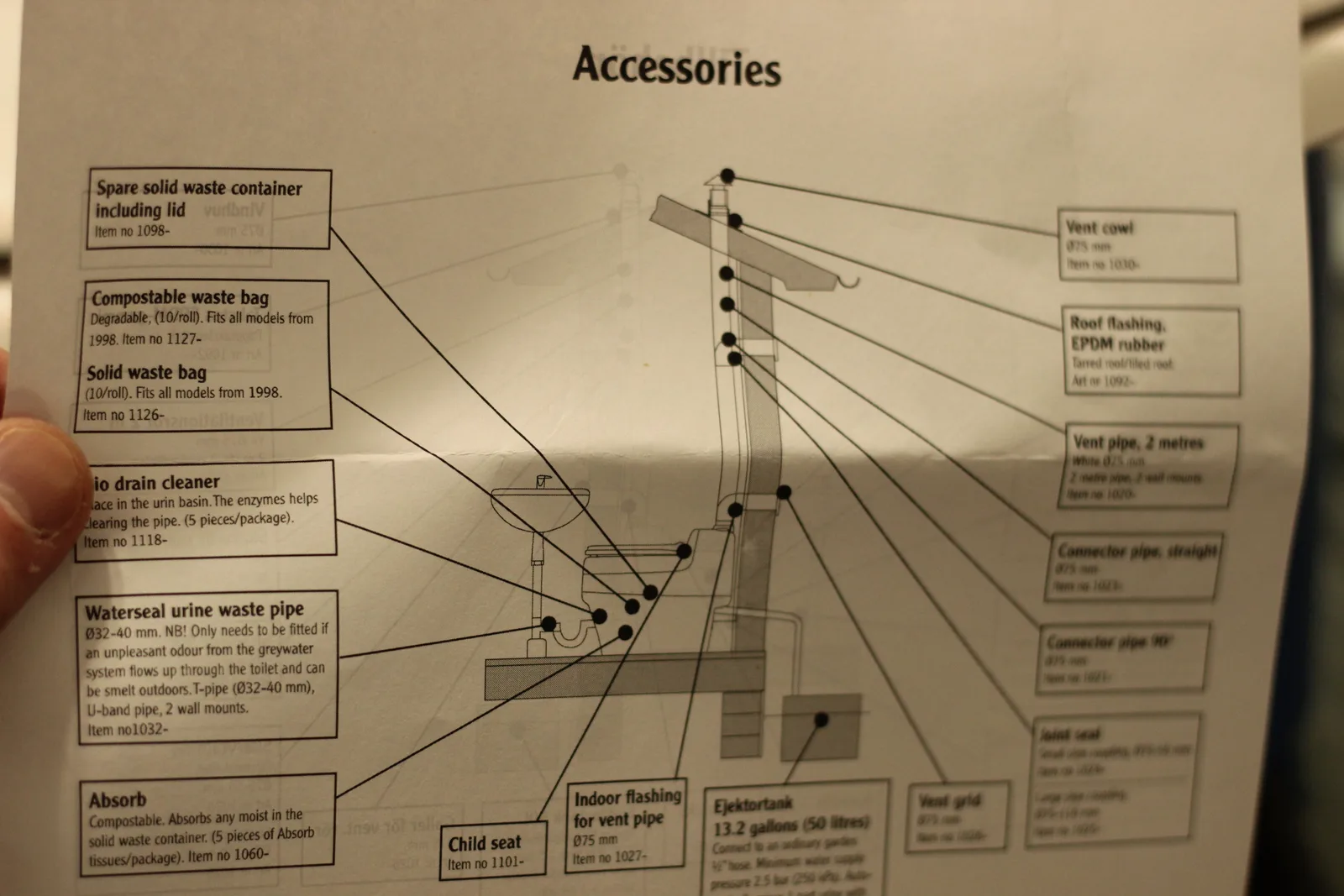
This is the one we are planning, drawn in the same style. It adds what Separett’s accessories diagram points toward — a 75 mm vent pipe from the solids chamber up through the roof with a cowl — and then takes it off-grid: a small 12V inline fan in the vent pipe, a small solar panel on the roof charging a 12V battery through a charge controller, an LED light, and wall switches for the light and the fan. The urine can go to a soak-away or to a closed tank.
Switch between the two, toggle individual parts, and flip the light and fan switches on the wall in the drawing.
- 1Small solar panel on the roof, charging…
- 2…a 12V battery through a charge controller
- 3Wall switches: LIGHT and FAN
- 412V LED ceiling light
- 512V inline fan in the vent pipe
- 675 mm vent pipe from the chamber through the roof, with flashing and cowl
- 7Privy 501 seat and insert on the bench
- 8Solids container under the bench, with cover material
- 9Urine hose, falling all the way to a soak-away or tank
A few notes on the deluxe build, because none of it is complicated but all of it matters:
- The vent is the upgrade that matters most. A vent pipe from the solids chamber up through the roof, with the fan drawing air down through the seat and out above the roofline, means any smell leaves the building instead of the user’s nose. Separett’s accessories diagram shows the same arrangement with a 75 mm pipe, roof flashing and a cowl.
- Keep the fan small and the panel matched to it. A low-draw 12V inline fan can run for long periods on a small panel and battery; a charge controller between panel and battery is not optional. Size the panel to your fan and light — and if in doubt, put the fan on its own switch so you choose when it runs.
- 12V LED lighting turns an outhouse into a room you will actually use after dark — and costs almost nothing to run on the same battery.
- The urine hose must fall all the way. No dips, no rises, no sag between supports. A dip holds urine, which crystallises and blocks.
- Mind the frost. Canadian Eco rates the Privy 501 for year-round use where winters are mild. In a hard winter an exposed urine line can freeze; bury or insulate the run, or switch to a tank you can bring in.
This is our design, not a Separett kit — the vent parts are Separett accessories; the solar, battery, fan and lighting are standard 12V off-grid components. We will publish the actual parts list, wiring and photographs when we build it.
Before and After
Drag the handle to compare a traditional pit outhouse with the same outhouse running the Privy 501.
Plan Your Install: Sizing Calculator
How often will you empty the solids container, and how much urine does the soak-away or tank need to take? Set your camp up below. The figures are rule-of-thumb planning estimates, not Separett specifications: roughly 1.4 litres of urine per person per day at home, and about 0.4 litres per person per day going into the solids container once paper and cover material are included. Real numbers vary a lot with diet, heat and how much cover you use.
That last line is the real argument for urine diversion in one number. On these assumptions, roughly four-fifths of what goes into a conventional outhouse is urine. Take it away and a pit or container lasts several times as long.
What Owners Say Around the Web
We have not lived with a Privy 501 yet, so here is what people who have are saying — summarised in our words.
Simple to fit, cuts smell and bulk
Every review is four or five stars. Buyers praise easy installation, build quality and fast delivery, in sheds, woodland sites and glamping loos. One customer who fitted eight of them says they reduce both smell and bulk. The criticisms: some find it expensive, one found the urine hose oversized, and one wanted a centre line on the printed template.
Great — with a lesson about guests
A German owner using it in a garden for guests and parties is enthusiastic, but some visitors put the wrong things in the front bowl and blocked the urine side; she asks for pictograms for guests. Other owners report years of good use and that it is working well.
DIY in an afternoon
On the Privy 501 page, one buyer describes installing it in a fifth-wheel trailer as a one-to-two-hour DIY job and says it works as advertised; another says it works extremely well and recommends practising the set-up before you rely on it.
Keep the urine line clean
A long thread on Separett urine lines (on the Villa, but the principle is the same) is the best practical warning: lines clog slowly with a waxy build-up. Owners' fixes include flushing with water, enzyme cleaners like Separett's own, and cleaning out the line — and avoiding baking-soda remedies.
The pattern is clear and consistent with how urine diversion works: the system is simple and the smell reduction is real, and the urine line is where problems happen — usually from a poor slope, from paper or debris in the front bowl, or from skipping maintenance. Separett includes a Bio-Drain sample for exactly that reason. Teach guests to sit and to keep paper in the back, and stick a note by the door.
Privy 501 or Rescue Camping 25?
We have now looked at two Separett systems. They solve different problems.
| Privy 501 Outhouse Kit | Rescue Camping 25 | |
|---|---|---|
| What it is | A urine-diverting insert and seat for a bench you build | A complete, portable separating toilet |
| Install | Permanent: outhouse, cabin, bunkie | None — set it down and use it |
| Urine | Hose to a soak-away or tank | Into its own container |
| Solids | Pit, bucket or bin of your choice | Its own container with bags |
| Best for | Hunting camps, cabins, homesteads | Truck camping, vans, emergencies, tents |
| Price (Canadian Eco) | C$189 | C$179.99 |
If you have a camp you return to every season, the Privy 501 is the better tool. If you move, or you need a toilet for a storm, a power outage or a trailer, the Rescue is. Plenty of off-grid properties end up with both.
Pros and Cons (the Honest Version)
What it does well. It solves the outhouse problem at its source by keeping urine out of the pit, which removes most latrine odour and makes a pit or container fill far more slowly. It is a proper seat and lid in sturdy, easy-clean polypropylene. The kit is complete for a basic install — insert, seat, lid, 2.5 m of 1¼-inch hose, screws, a Bio-Drain sample and a template printed on the box — and it fits a bench or a 36 cm bucket. It scales from a C$189 basic outhouse to a vented, solar-lit off-grid washroom, and it comes from a Swedish company that does nothing but waterless toilets, sold and supported in Canada by Canadian Eco Products.
Where to go in with your eyes open. It is a kit, so the bench, container and hose run are your job. Canadian Eco rates it for year-round use where winters are mild — in a hard Canadian winter, plan around a freezing urine line. The urine side needs a continuous fall and regular Bio-Drain to stay clear. Everyone has to sit. And this review is a detailed first look: we have photographed and dry-fitted the kit, but our outhouse build is still to come.
Who Should Buy It
Buy the Privy 501 if you have an outhouse that smells, a pit that fills too fast, or a cabin or hunting camp where you would like a proper toilet without plumbing. Buy it if you are building a new outhouse and want it to be pleasant from day one — and then, if you can, add the vent pipe. Buy it if you want a system that grows: basic this year, solar fan and lights next.
Look elsewhere if you need a toilet that moves with you — that is the Rescue Camping 25 — or if you want a fully self-contained indoor toilet with built-in fan and no hose to route, which is what Separett’s Villa range is for.
Final Verdict
The Separett Privy 501 is a small piece of moulded plastic that fixes a very old problem. By sending urine one way and solids the other, it takes the smell, the wet and most of the volume out of an outhouse, for the price of a decent tarp. It is well made, simple to fit, and it scales from a hole in the ground to a properly vented, solar-lit off-grid washroom.
The questions left are about our build — the frost, the fan, the slope of a real hose run — and we will answer them when we build it. As a kit, it earns its place.
Rating: 4.6/5 Stars
Coming Up: Our Build
Next season this goes into our camp outhouse, built as the deluxe off-grid version above — vent pipe, solar fan, LED light and switches. We will publish the build step by step, with the parts list, the wiring, and how it performs through a full year, including the first hard freeze.
Brands sometimes provide samples for review. Hunt & Live writes its honest opinion either way — gear that doesn’t earn its keep doesn’t get a recommendation.