
Featured Review · Briden Solutions · Emergency Kits
In Case Of 2 Person Deluxe 72 Hour Emergency Kit Review — The Essential Kit for Survival
Our Rating
Current Price
- Model
- 2 Person Deluxe In Case Of 72 Hour Emergency Kit (SKU 9-0013)
- Price
- $219.95 CAD
- Bag
- Orange Cordura, 40 × 30 × 17 cm
- Weight
- 7.5 kg
Pros
- A genuinely complete two-person kit in one orange Cordura bag — food, water, heat, light, shelter, first aid, sanitation and a radio all arrive together
- The folding stove and Camp Heat canister lit first time and heated a pot of water, so you can make a hot drink with nothing but the box
- Dynamo radio with a USB output that put charge into a phone — the one piece that matters most when the power and the towers are both out
- Sanitation is not forgotten: two WAG Bag Platinum toilets, N95 masks, soap and gloves are in there, which most budget kits skip
- Assembled in Calgary and shipped across Canada, with free shipping over $199
Cons
- Only 1.5 L of water (twelve 125 ml pouches) for two people — the Government of Canada guidance is 4 L per person per day, so this is the first thing you must fix
- Water purification relies on 50 Aquatabs and your own containers, which means you need to add storage before the tablets are any use
- Shelf life of the food, water and batteries is not stated on the product page, so you need to check the dates on the packs when it arrives
- The phone charged slowly — the screen read 31 percent and Slow Charger — so treat the radio as an emergency top-up, not a power bank
- The bag is 7.5 kg and 40 × 30 × 17 cm, which is fine for a closet but not a bug-out pack
When the grid goes down, the first few hours are not about being clever. They are about whether the things you need are in one place, and whether you can find them in the dark. That is the whole pitch of a 72 hour kit, and it is why we wanted to see what a ready-made one actually looks like when you tip it out on the floor.
The 2 Person Deluxe In Case Of 72 Hour Emergency Kit comes from Briden Solutions, a Calgary company that assembles and ships these across Canada. It costs $219.95 and weighs 7.5 kg. We unpacked all of it, lit the stove, cranked the radio and charged a phone from it. This review covers what we saw. It does not invent endurance figures we did not measure.
At a glance · 2 person kit
The Bag
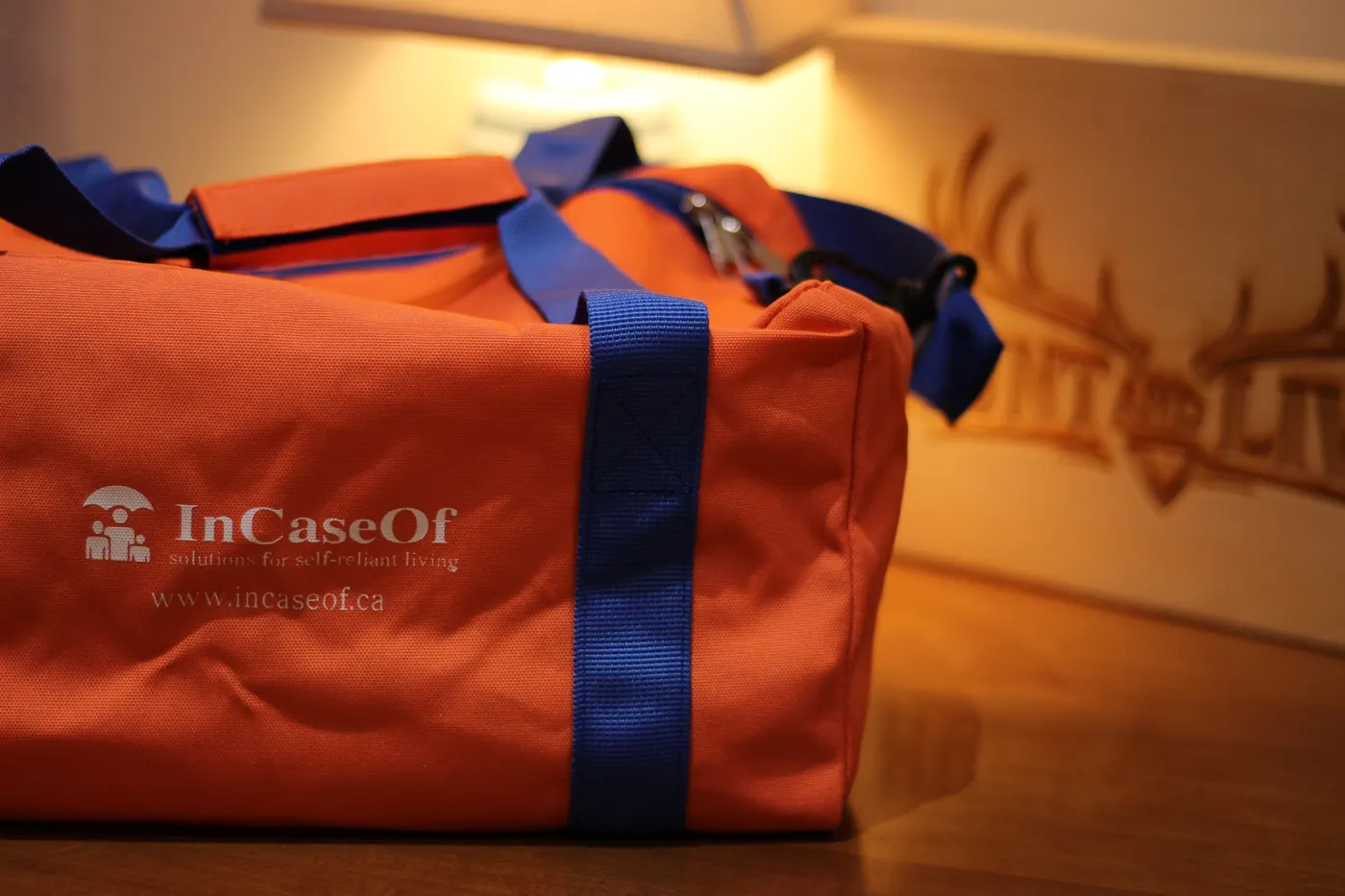
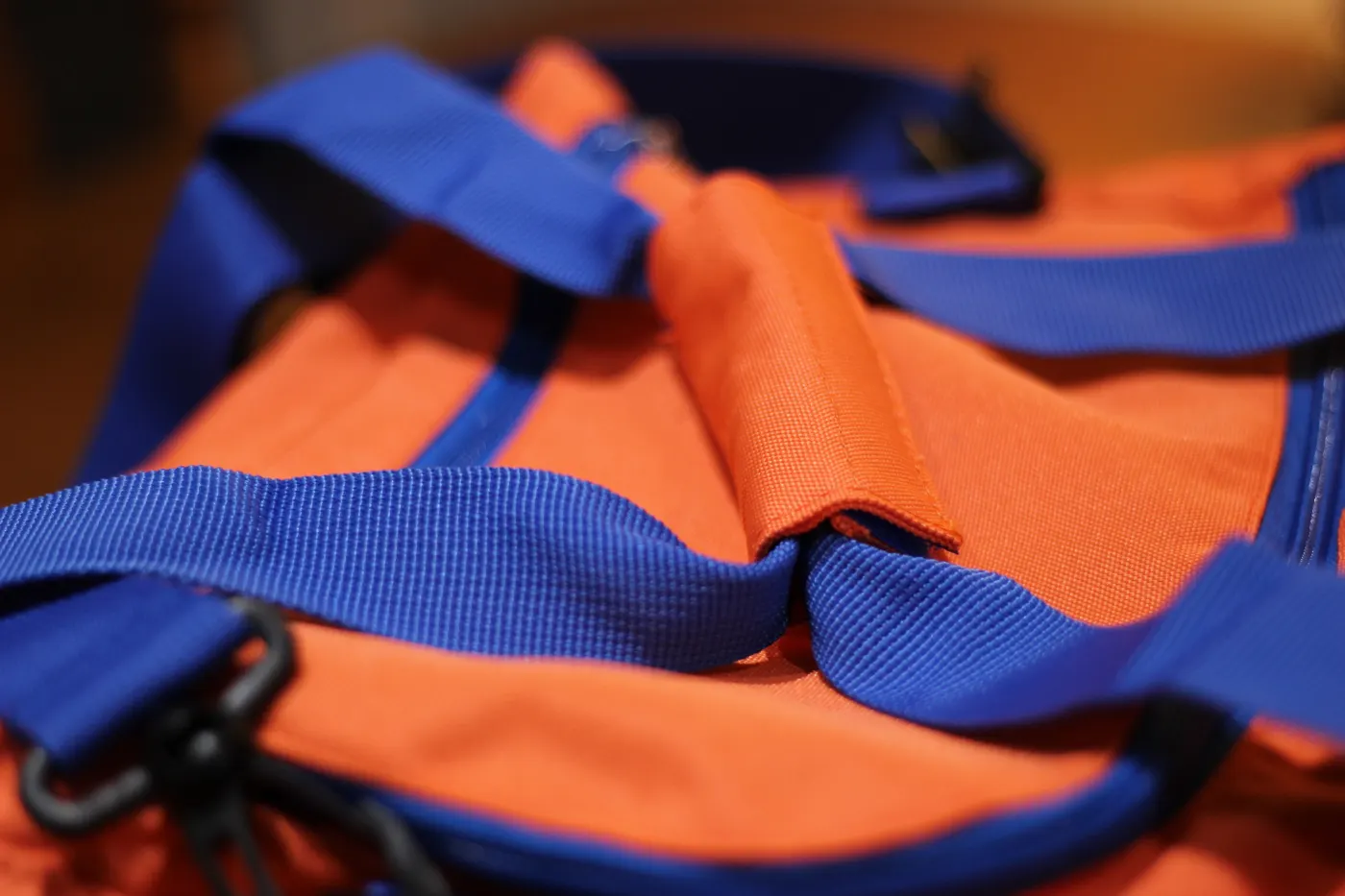
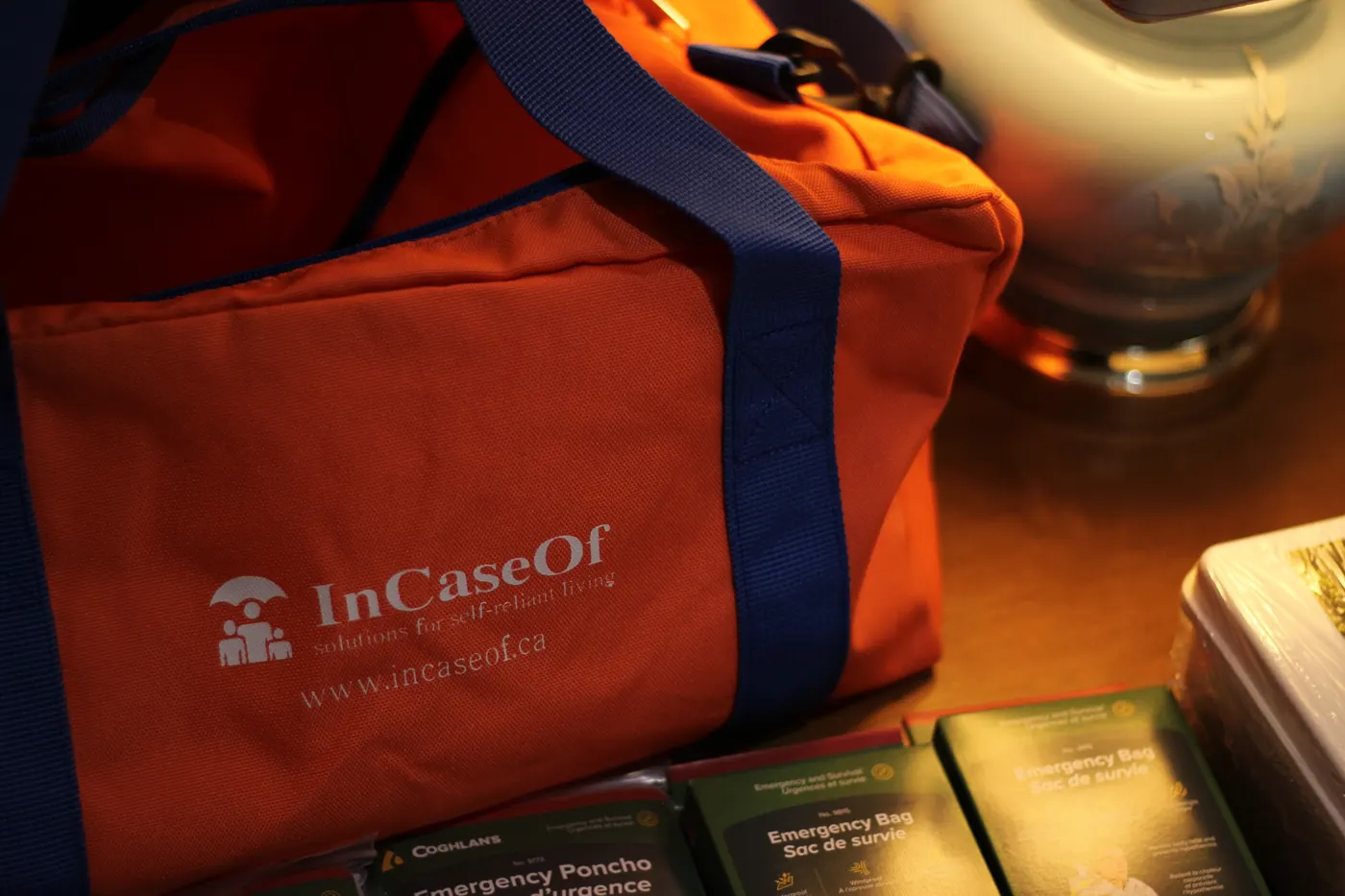
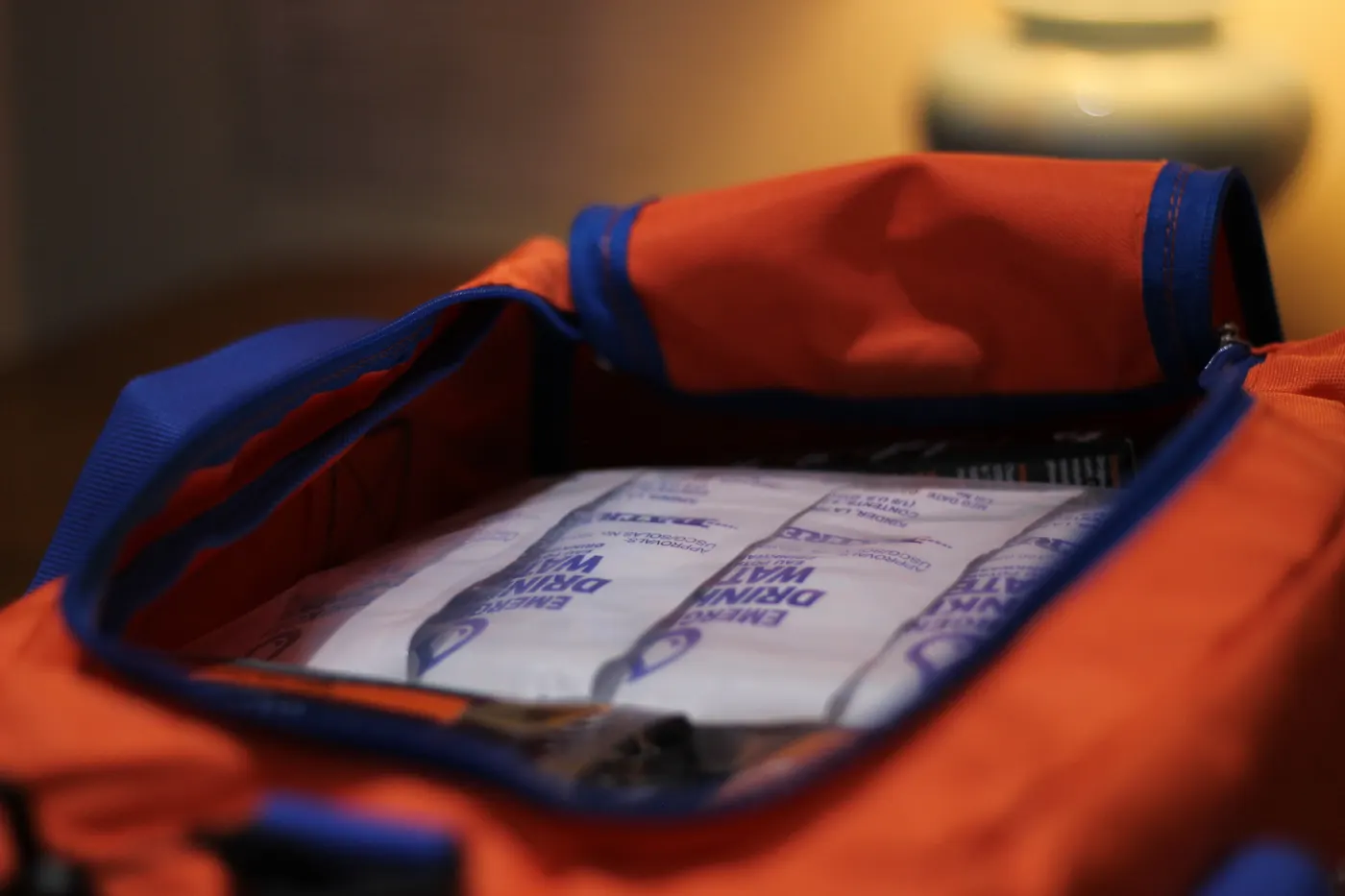
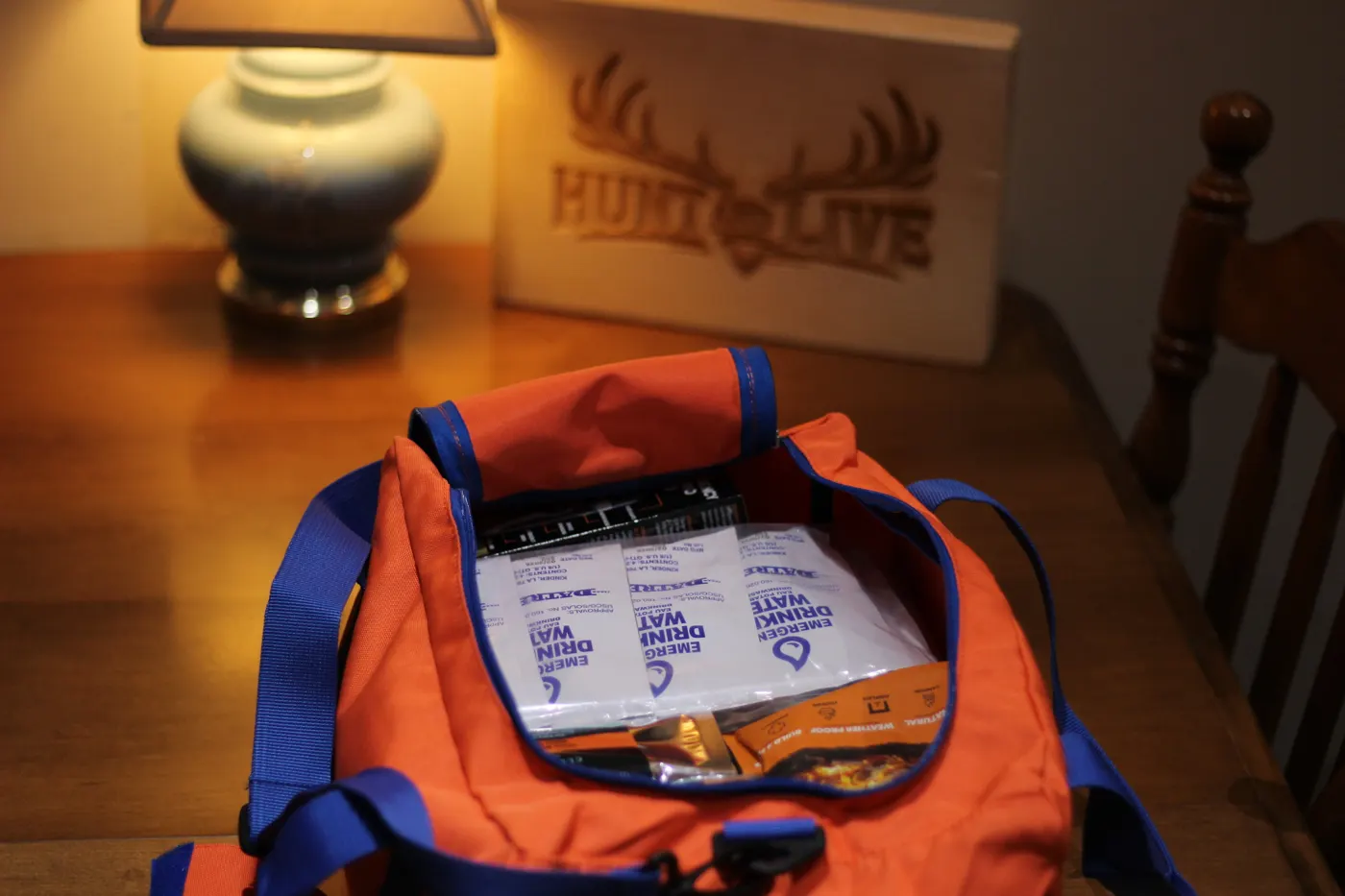
The bag is the first useful thing about this kit. Orange Cordura is easy to spot in a closet, a trunk or a dark basement, and the zip opens wide enough that you can see what you have without pulling it all out.
Opening It Up
Everything in the Kit
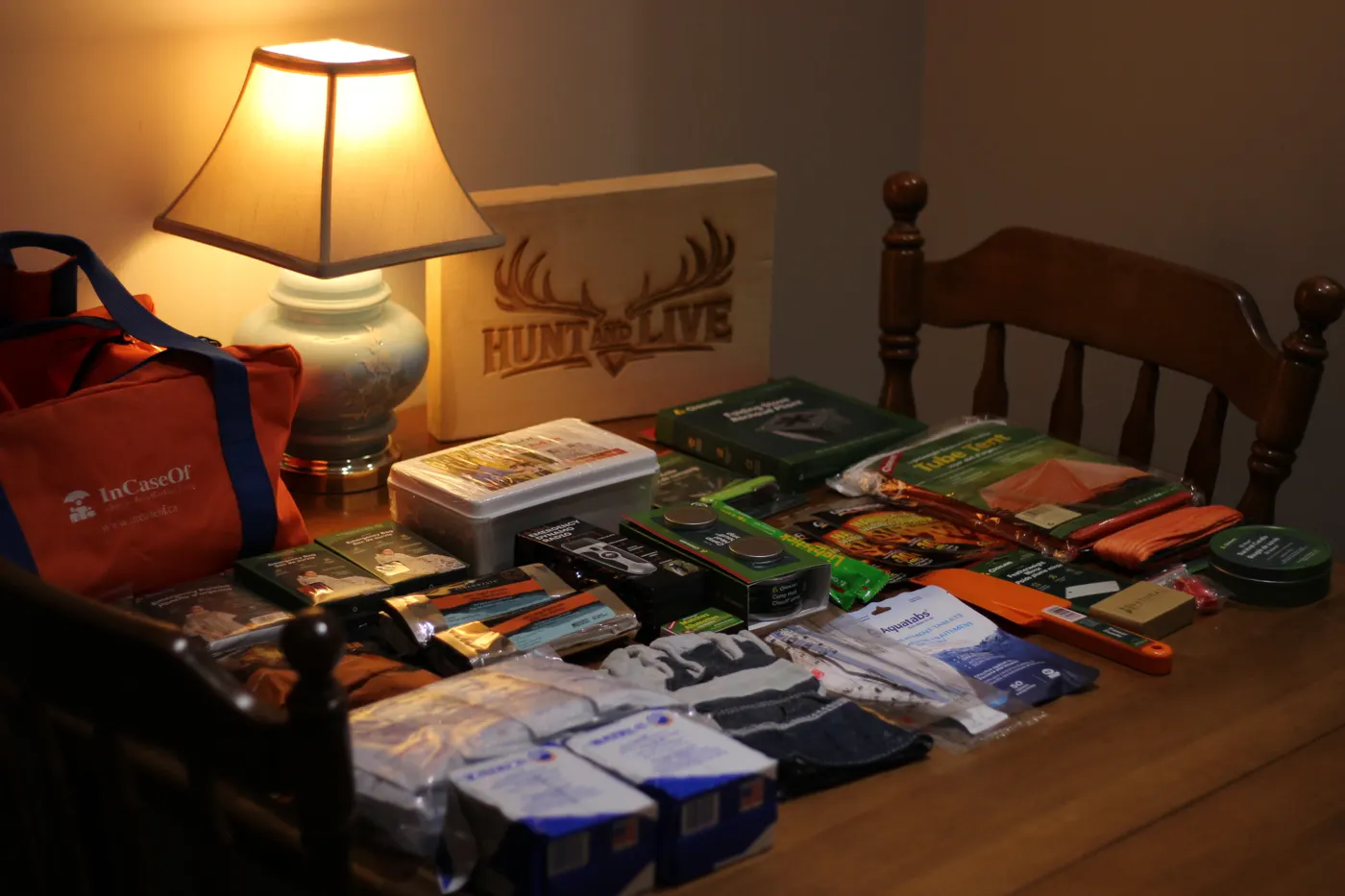
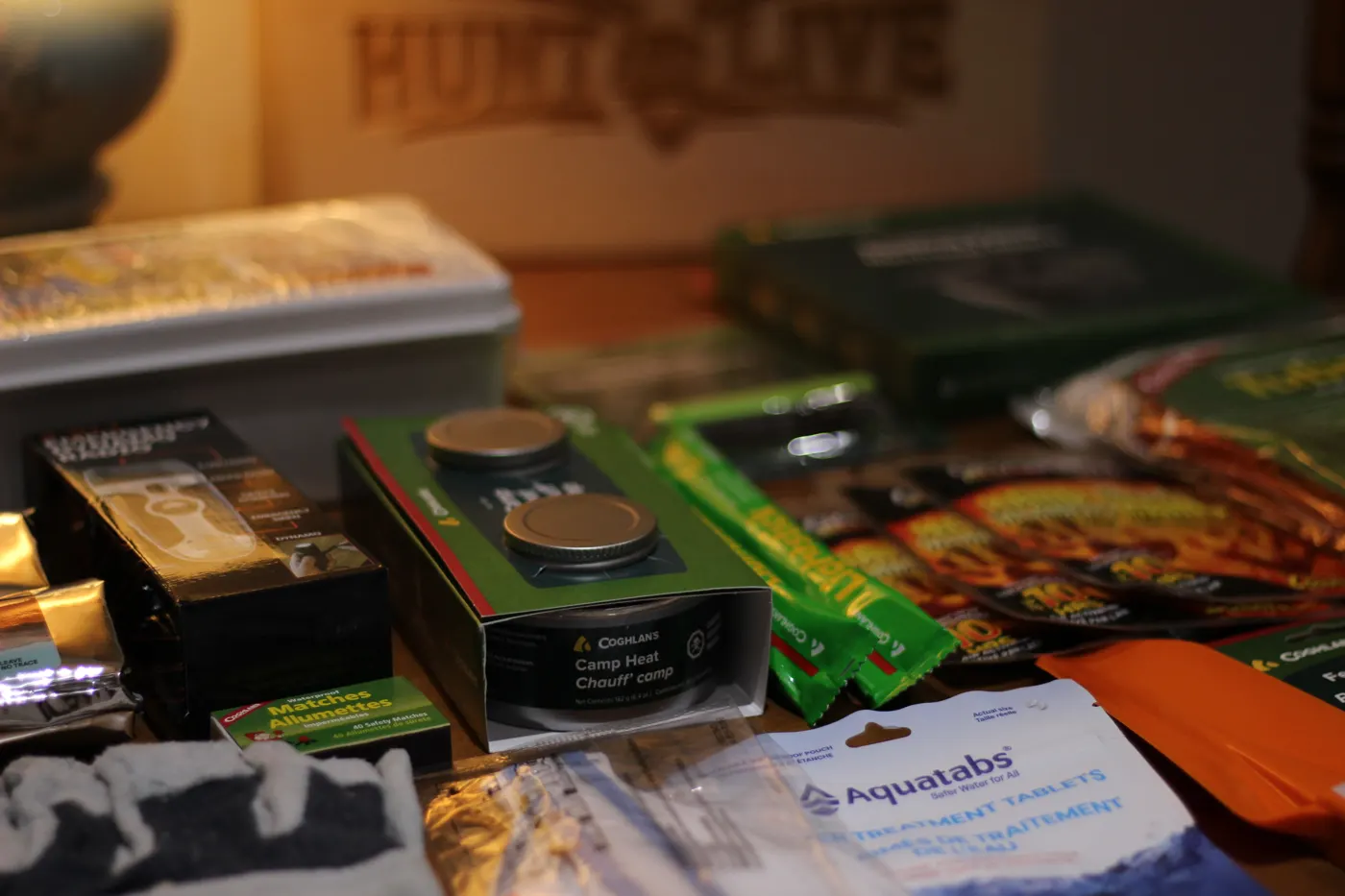
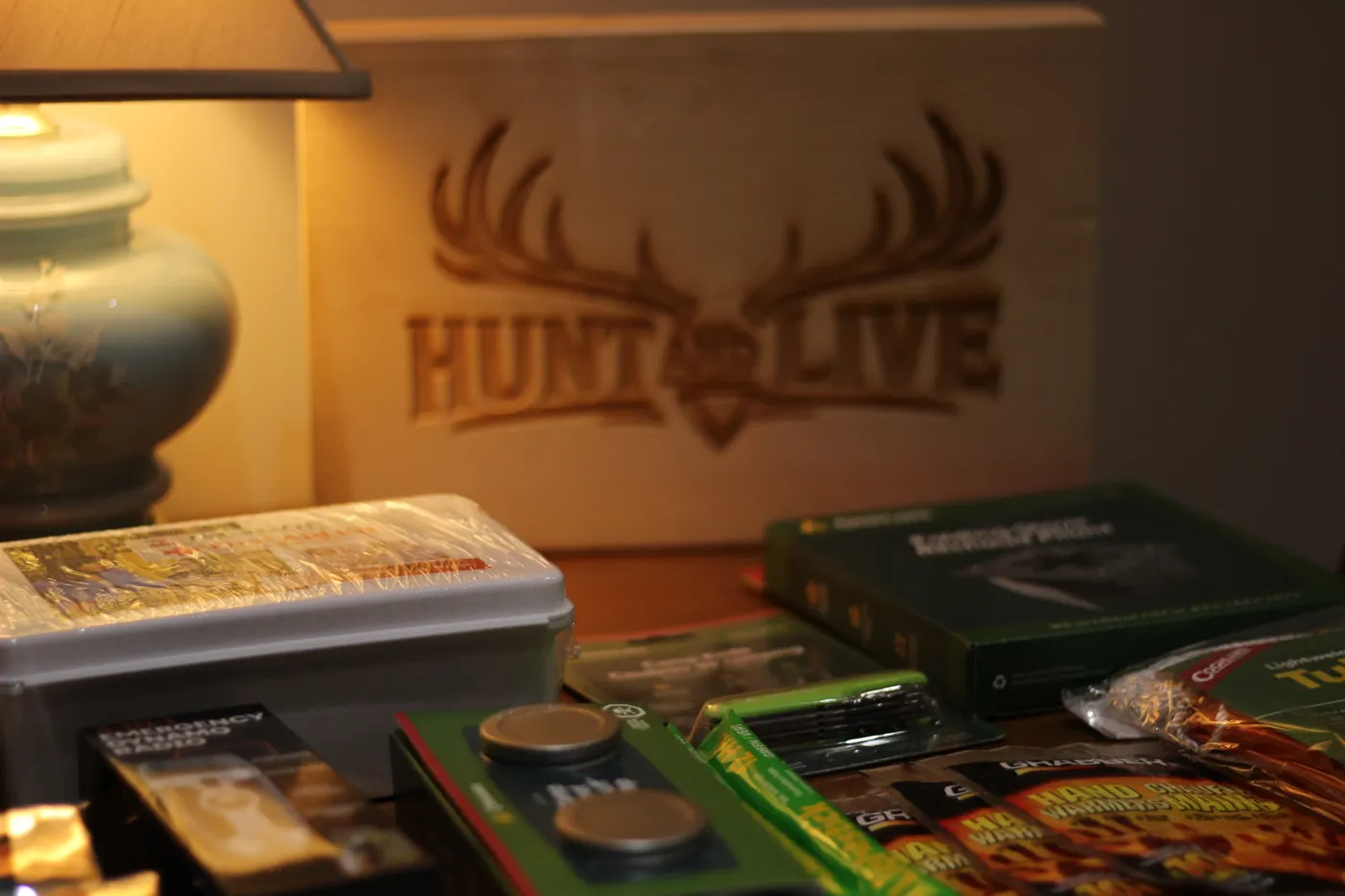
We laid every item out before touching anything. It is the quickest way to see if a kit is as complete as its list says.
Food and Water
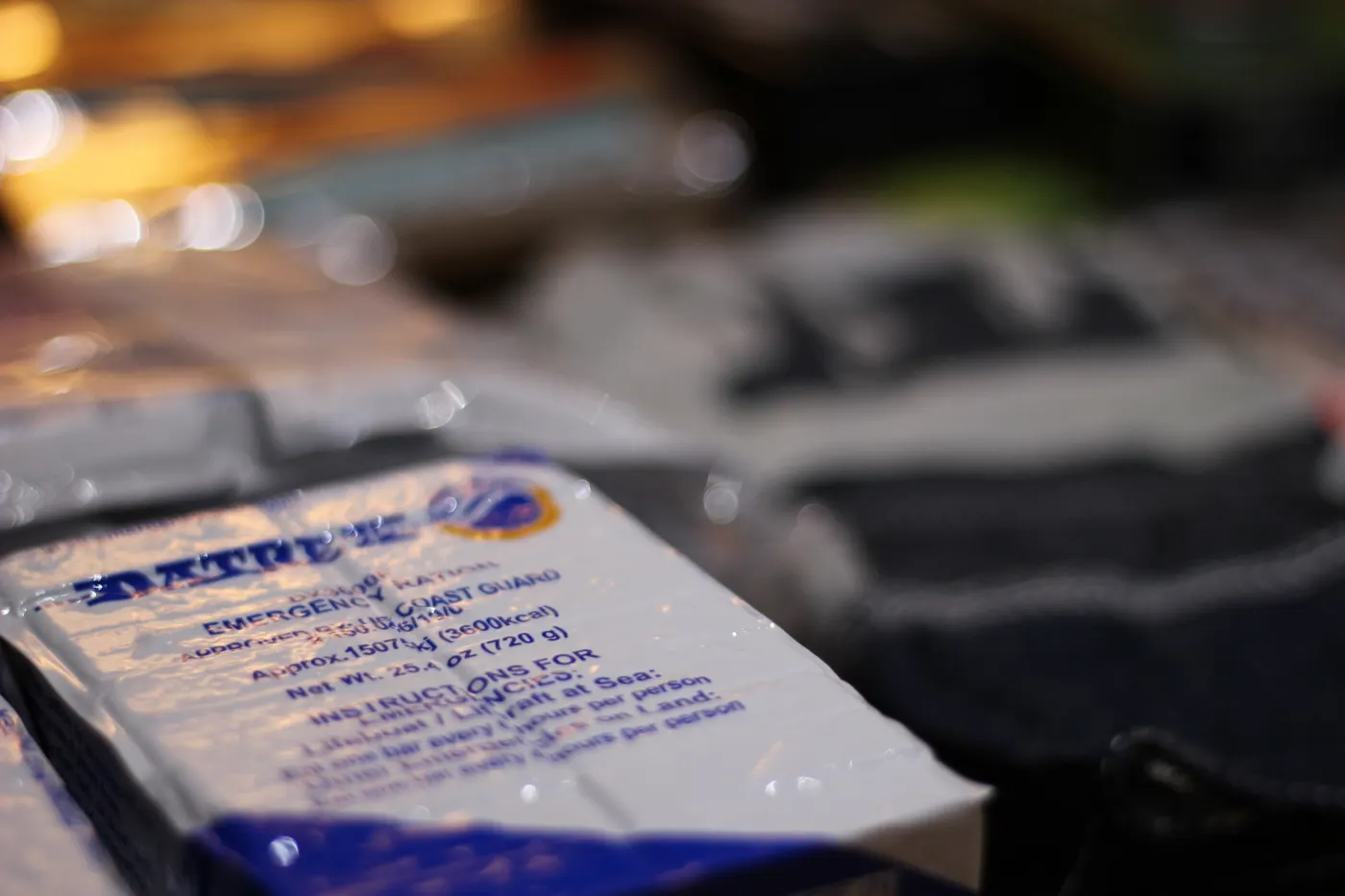
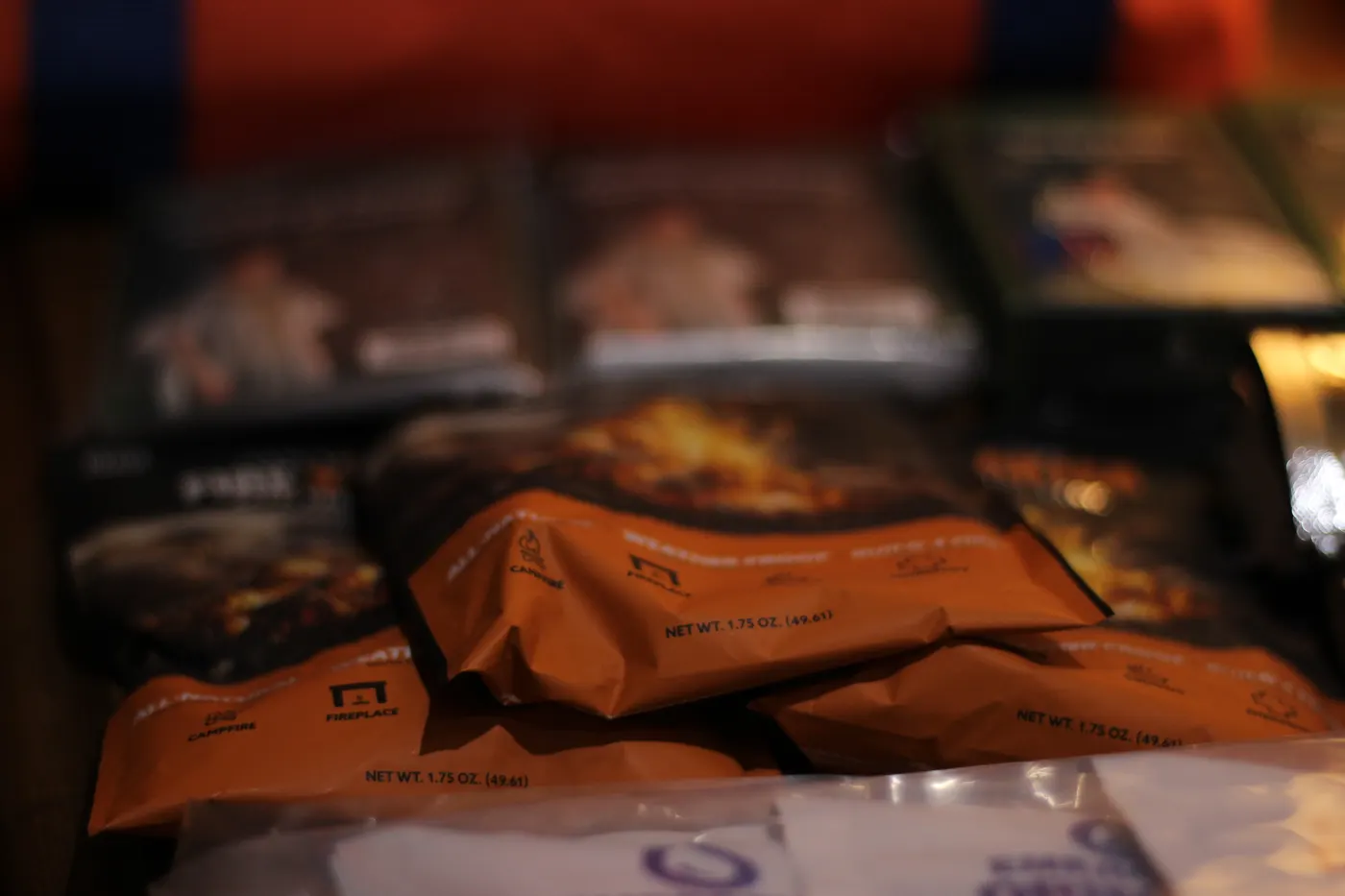
The food is plain and compact. Two 3600 kcal Datrex rations will not win a dinner, but they will keep two adults fed through a short outage without needing any cooking.
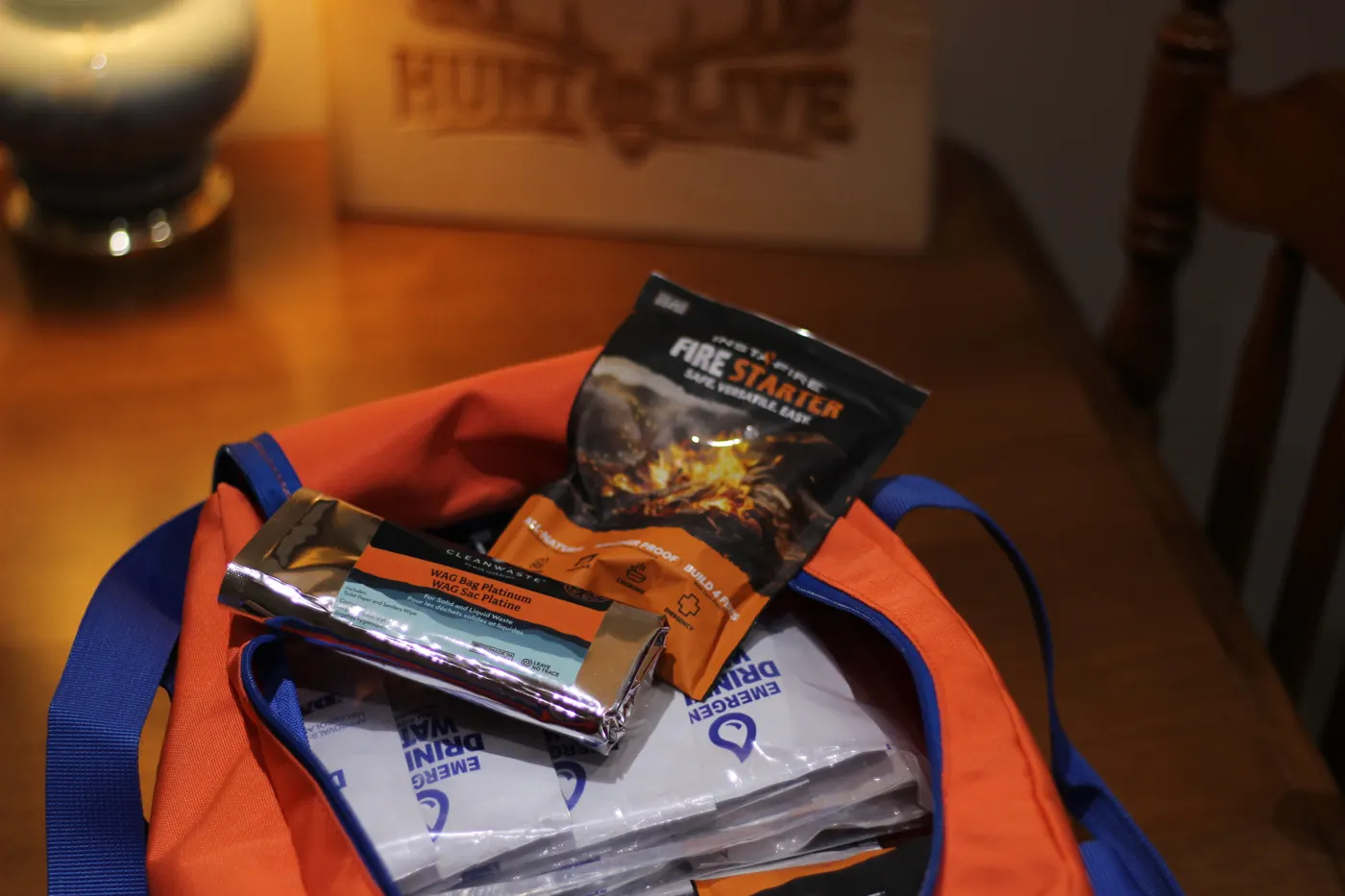
Water is where the kit falls short. Twelve 125 ml pouches is 1.5 L, which is well under the Government of Canada guidance of 4 litres per person per day. For two people over three days that is 24 L. The kit also includes 50 Aquatabs (a one-litre tablet each), which is a sensible backup because they purify water you find. But you need containers to put that water in, and the kit does not include them. We cover what to add at the end.
How much water do you actually need?
Set your household and the number of days. The bar shows how much of the Government of Canada guideline (4 L per person per day) the 12 pouches in the kit cover.
The Aquatabs add treatment, not water: 50 tablets can treat up to 50 L, but only if you have a source and a container to put it in.
The food deserves a straight look at the numbers. Two 3,600 kcal rations give a total of 7,200 kcal. Spread over two people and three days, that is about 1,200 kcal per person per day, which is well under the roughly 2,000 kcal used as the everyday reference on Canadian food labels. For a short outage it will keep you functioning, but not comfortable. If you have kids, are working physically or are in cold weather, add food. Our survival food picks in the 90 day guide are a good place to start.
Heat, Light and Fire
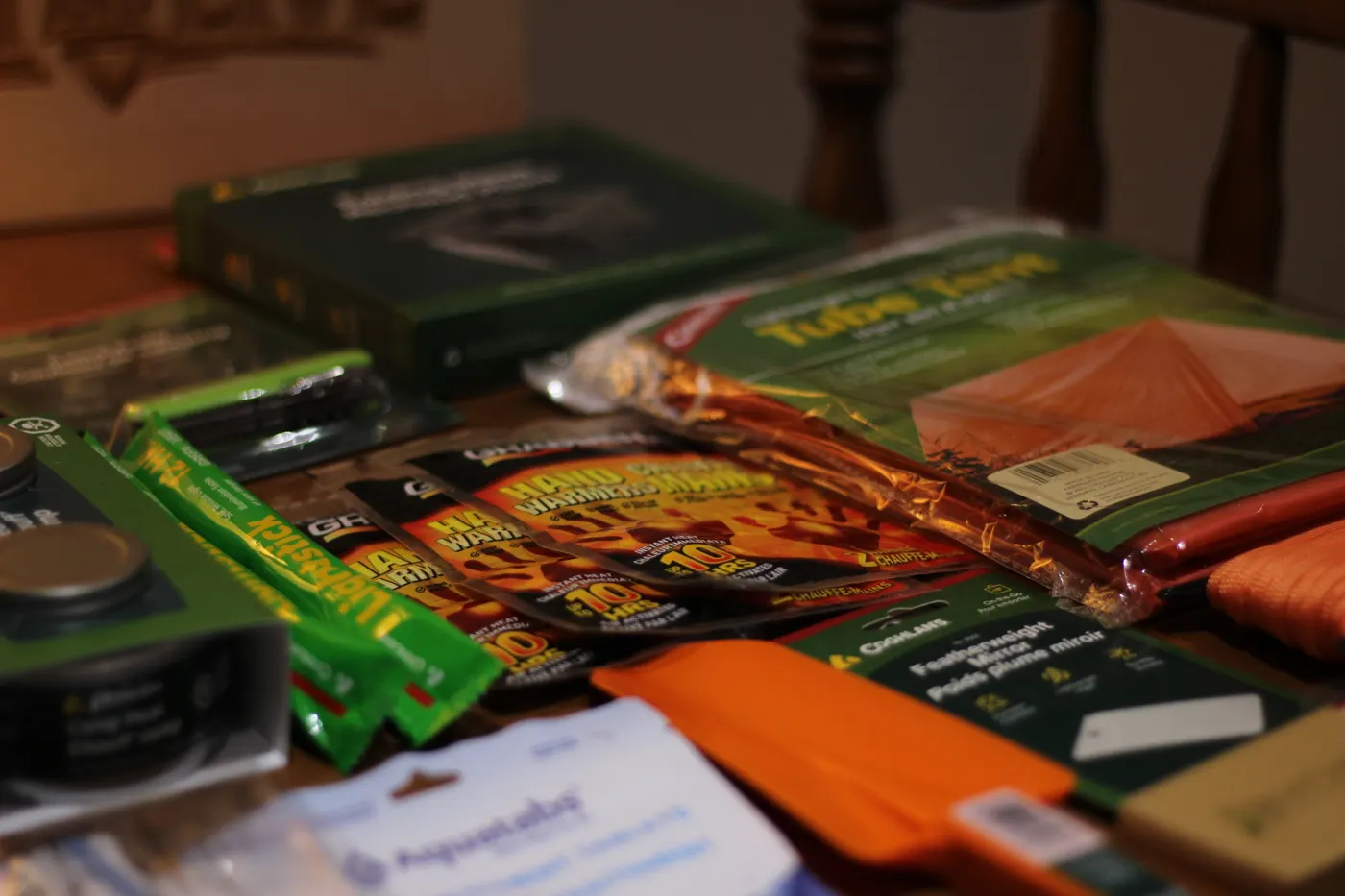
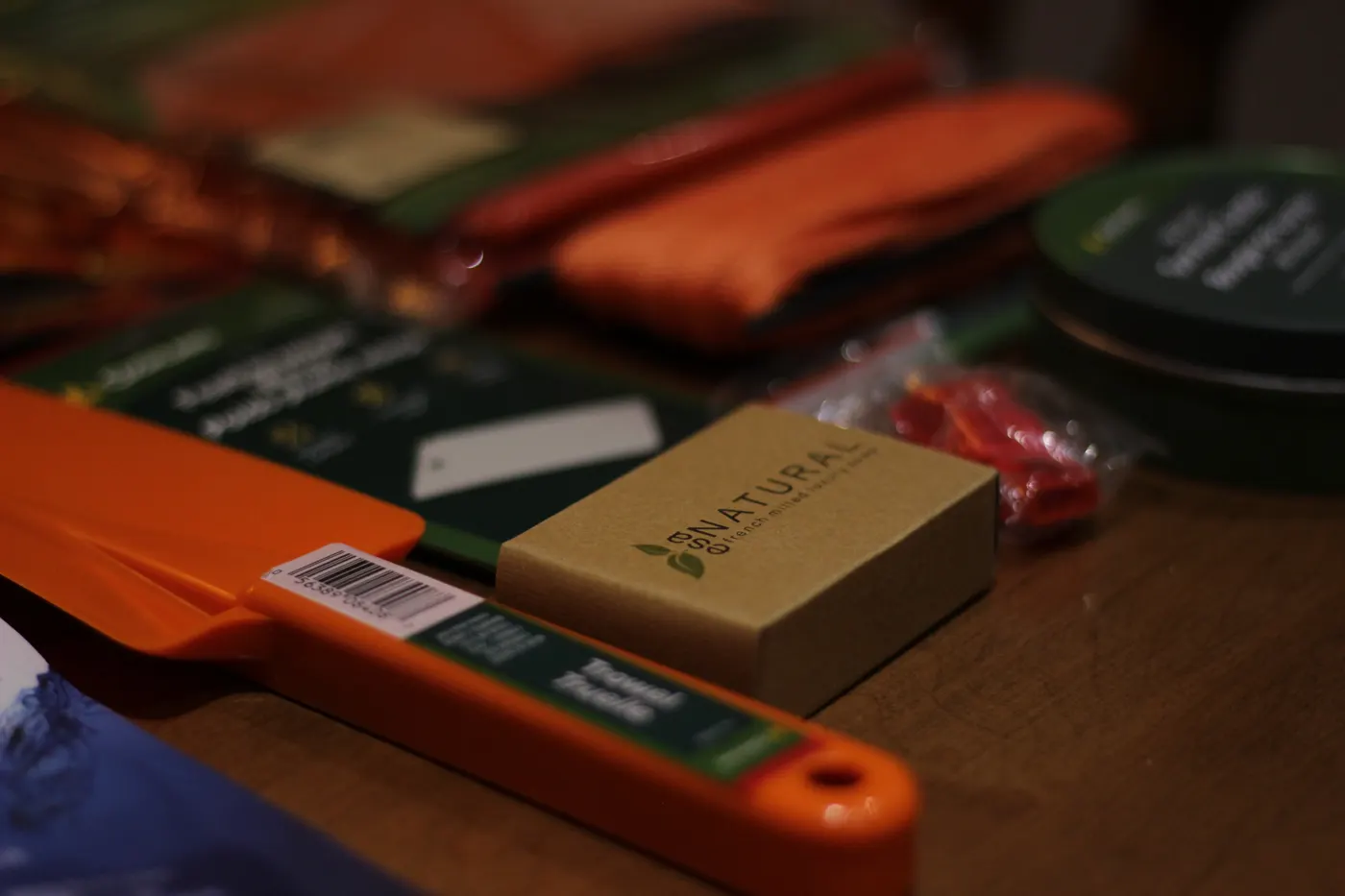
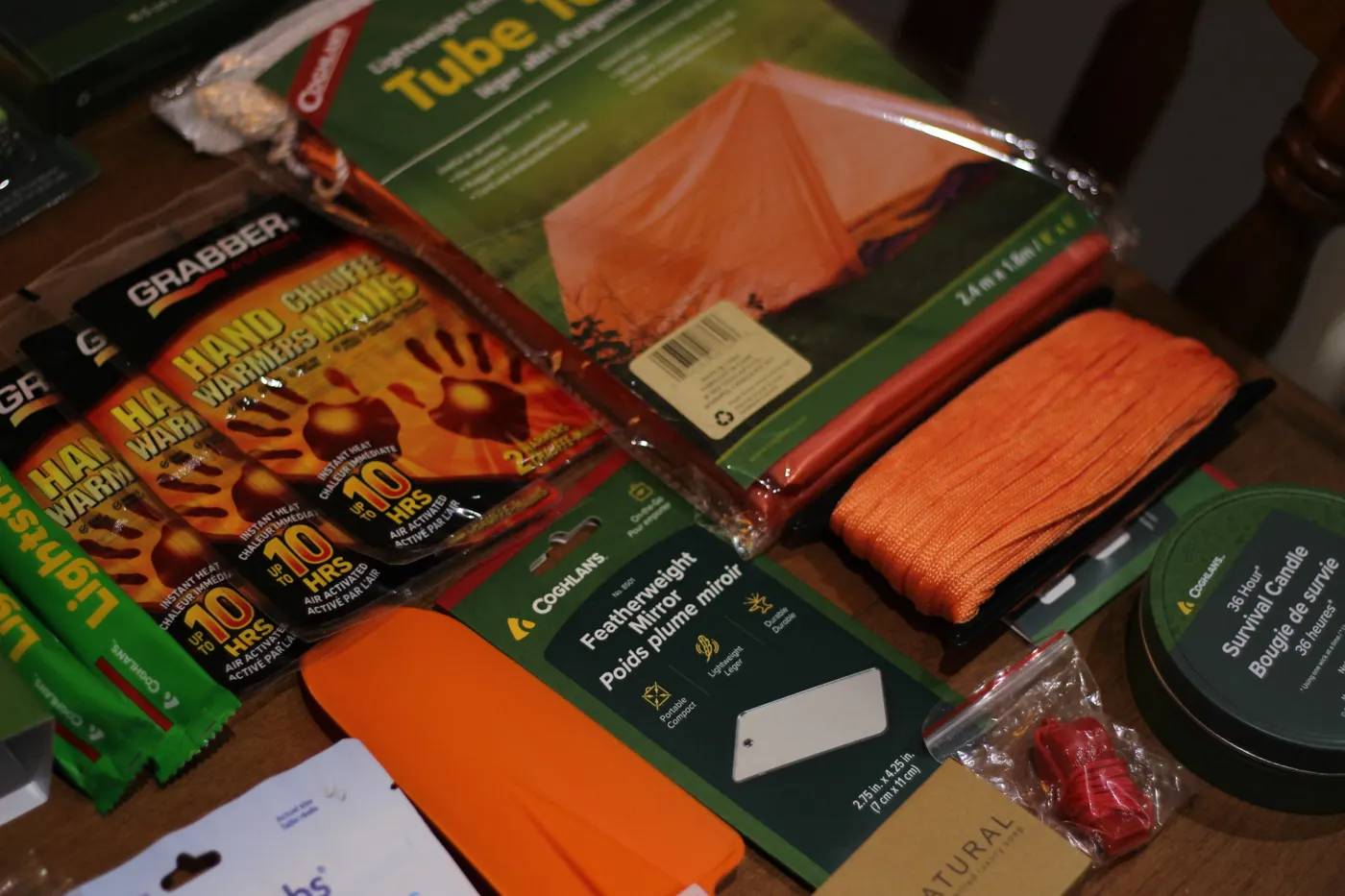
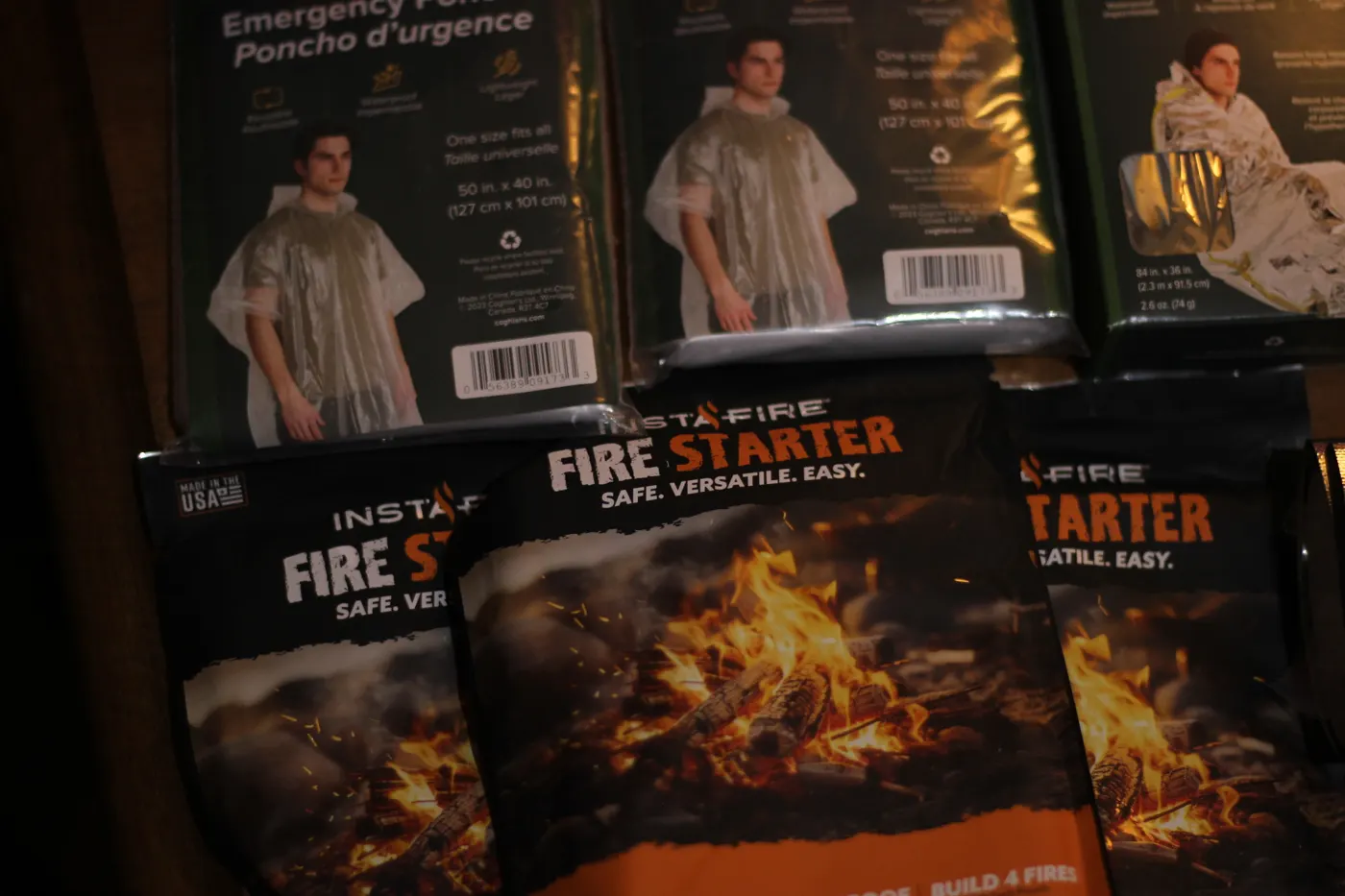
Light and fire are well covered. Between the candle, light sticks, waterproof matches, fire starter pouches and the radio’s built-in flashlight, you are not short of ways to see or to start something burning.
Shelter and Warmth
The tube tent, the two heat-retention bags, the two ponchos and the six hand warmers are the cold-weather plan. They are the right pieces, but they are minimal. A tube tent is a plastic sleeve: it blocks wind and rain and traps a little body heat, and that is all. In a Canadian winter outage, where the real risk is a freezing house, the tent is a last resort. The better plan is to pick one small room, close it off, hang blankets over the windows and put on layers.
The hand warmers are listed at 6 hours each, 36 hours of warmth in total. They are for the hands, feet and core, not for heating a room. Think of the heat-retention bags and warmers as the safety net under your sleeping bags, not as a replacement for them.
First Aid, Radio and Sanitation
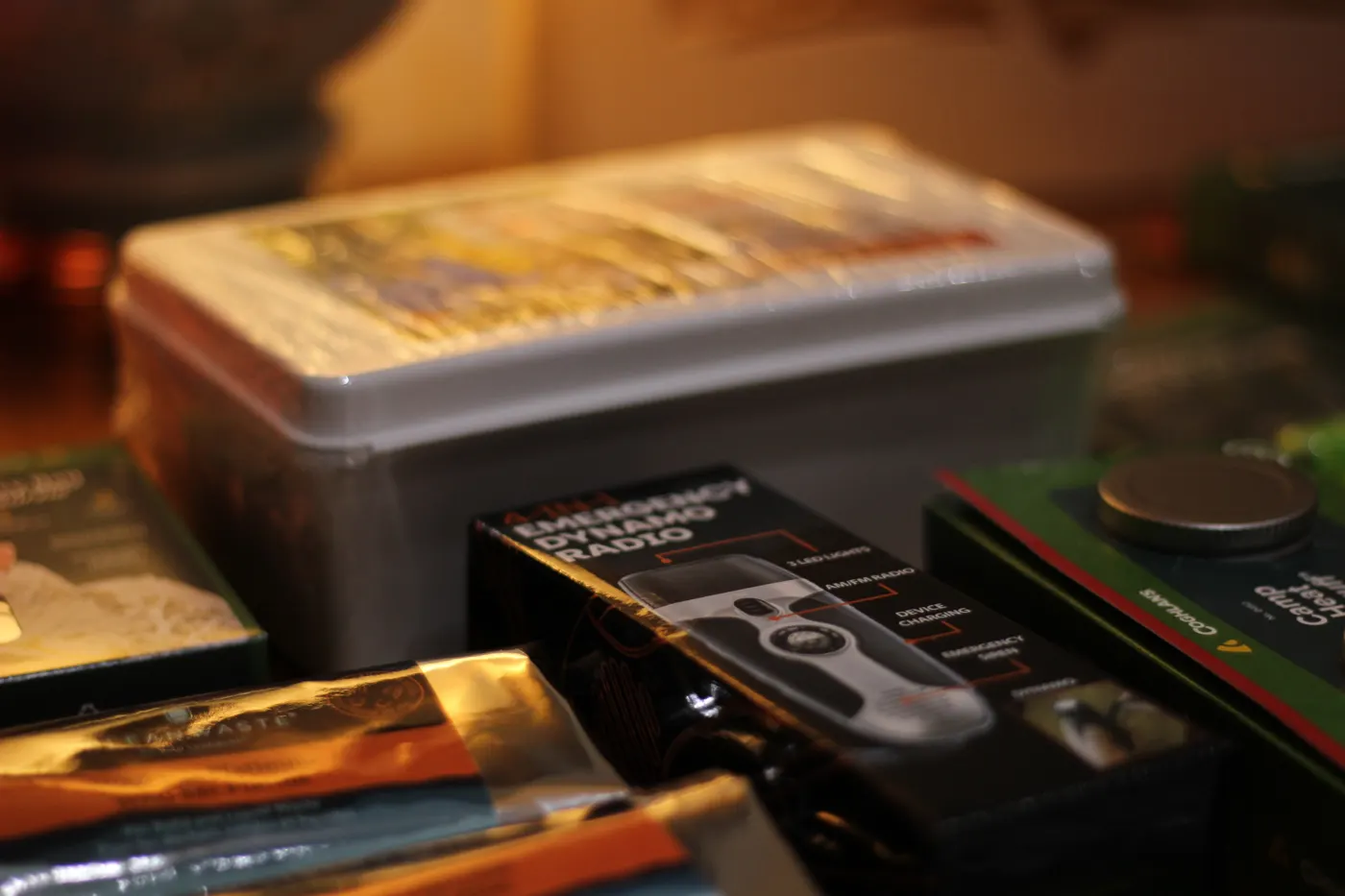
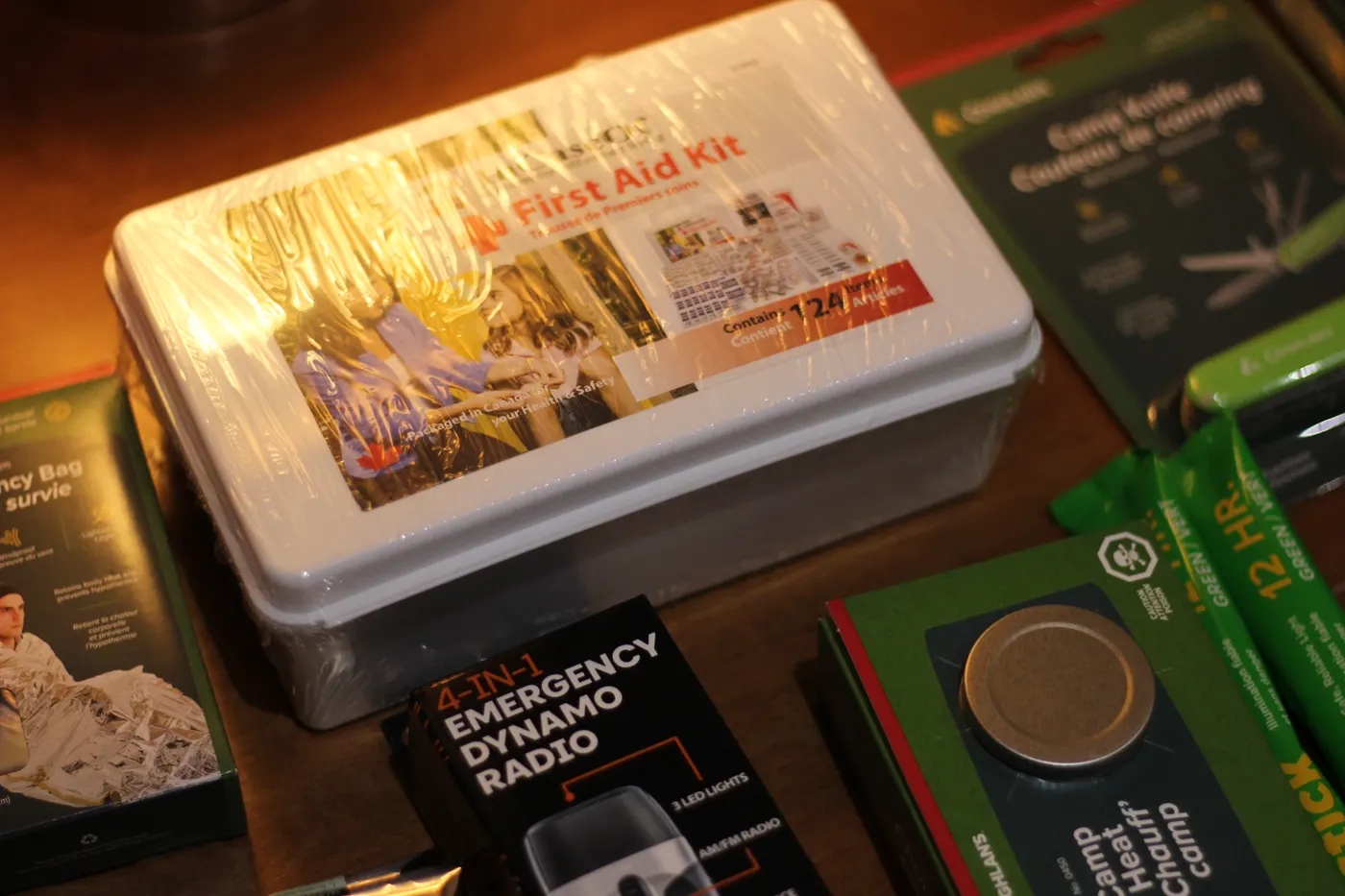
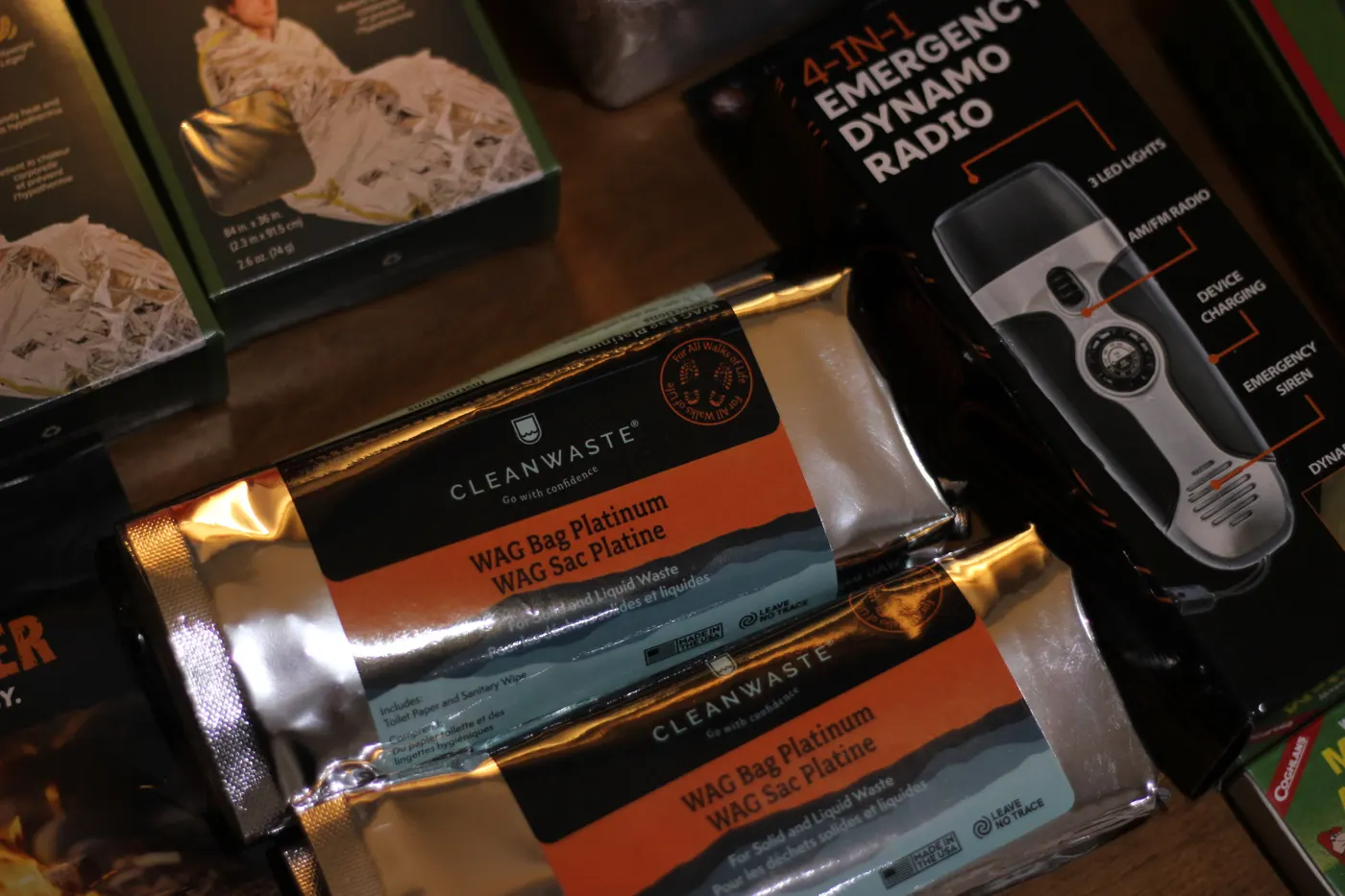
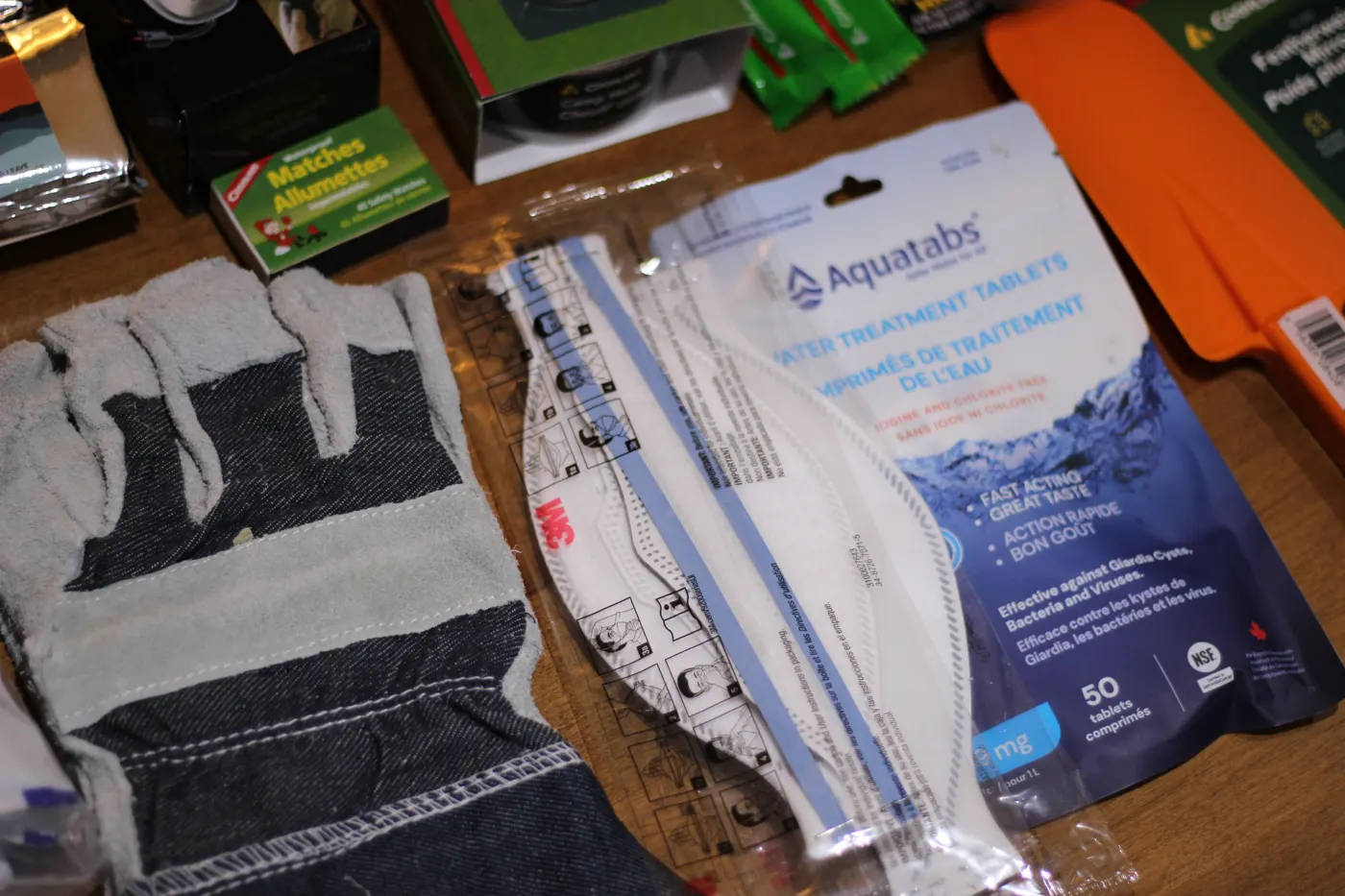
The sanitation items are the part we liked most. Most budget kits ignore the toilet problem entirely. Here you get two WAG Bags, soap, masks and gloves, which is what stops a short outage from turning into a health problem.
Sanitation: The Part You Will Be Glad Is There
When water stops, the toilets stop within a flush or two. The kit includes two WAG Bag Platinum toilets. Each is a bag with a gelling powder that locks up the waste and controls odour, and each can be sealed and set aside for later disposal. Two bags is not many for two people over three days, so add more, and a bucket with a lid makes a stable seat. The N95 masks, soap and gloves are the other half: hygiene is how a short outage stays a short outage. Get used to using these before you need them.
If you only buy one add-on, though, buy water first.
The 124 piece first aid kit comes in a tin. Briden does not publish the full contents list, so open it when it arrives and check what is actually in there against what you would reach for: bandages and dressings, gauze, tape, tweezers, wipes, gloves and pain relief are the basics. It will cover cuts, scrapes and minor sprains. It will not cover prescriptions, an EpiPen, insulin or anything specific to your family, and no kit does. Add those yourself.
Aquatabs: What 50 Tablets Can and Cannot Do
Aquatabs are chlorine-based treatment tablets, one per litre of water. That means 50 tablets can treat up to 50 L, roughly two people for six days at the 4 L guideline. It is the single most valuable part of the kit for stretching the water supply, and the part you will not appreciate until the pouches are gone.
Three limits matter. First, the tablets need a container and a source, neither of which is in the kit. Second, they need time to work: read the contact time on the packet and wait the full time before drinking. Third, they do not remove silt or other particles, so if the water is cloudy, strain it through a clean cloth first. A tablet turns questionable water into safer drinking water; it does not turn mud into something you want to drink.
For a longer outage, our Sawyer Squeeze review covers a filter that pairs well with this kit, and the 90 day power outage guide lays out water in more detail.
Tools
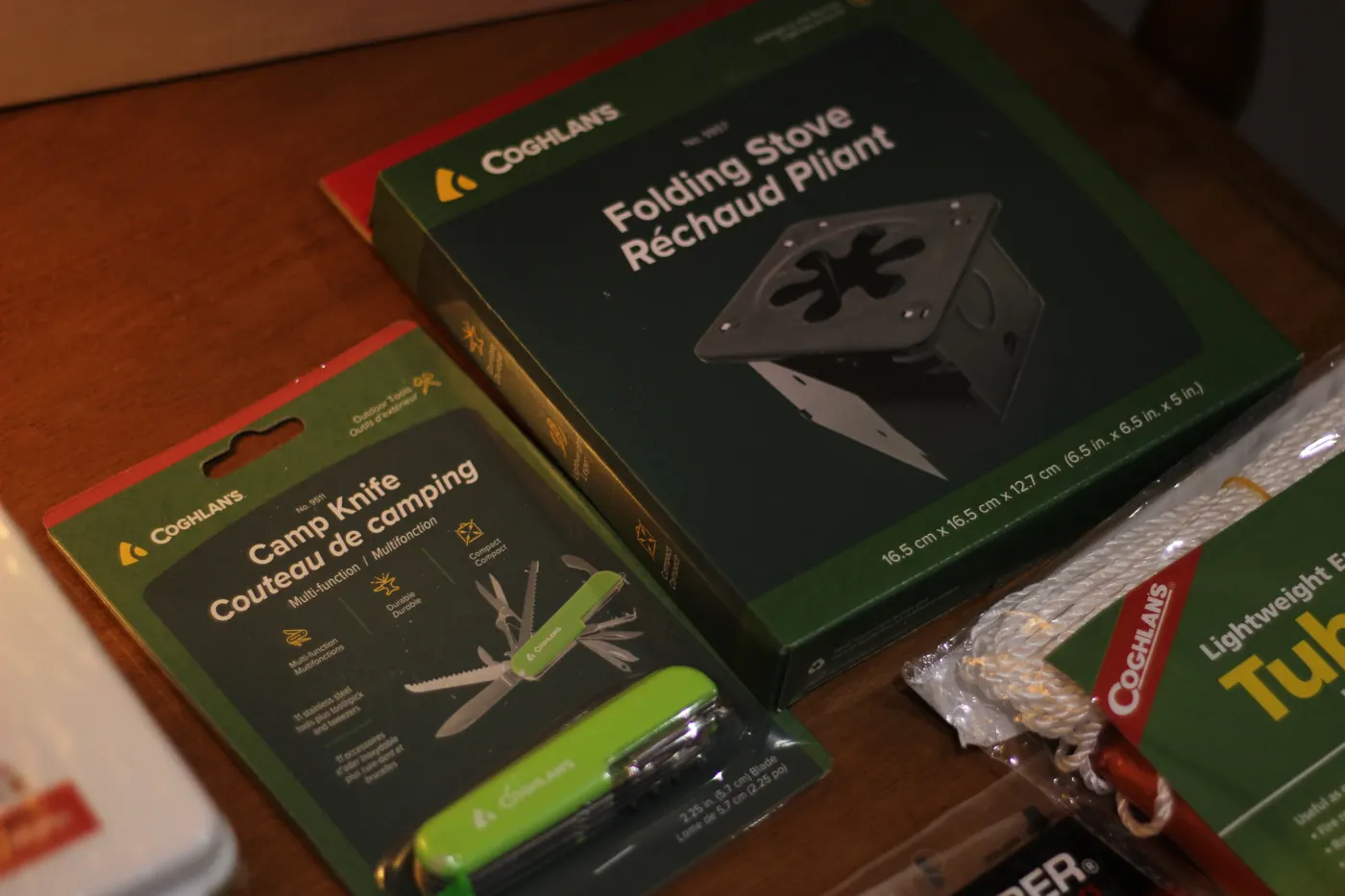
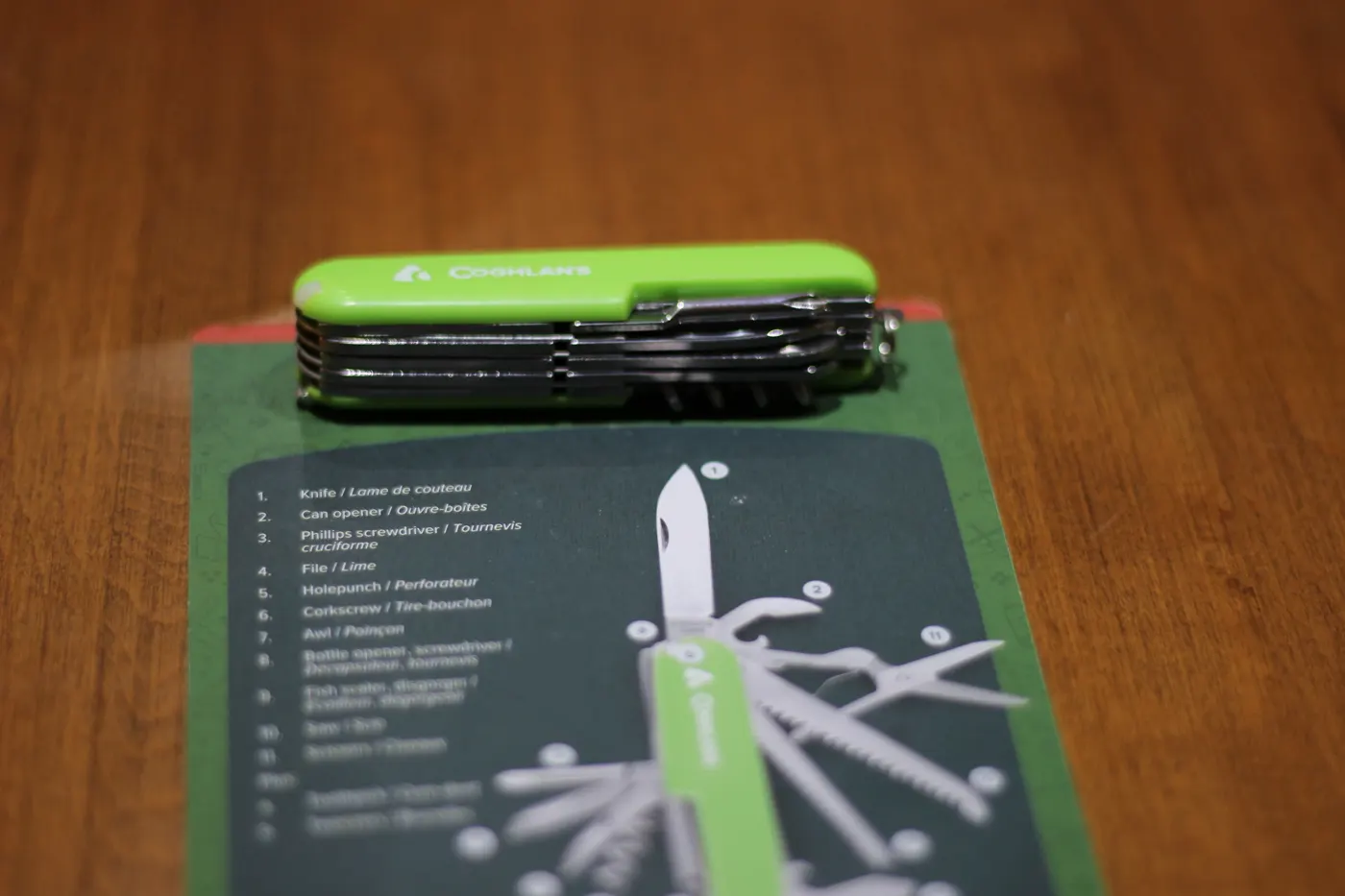
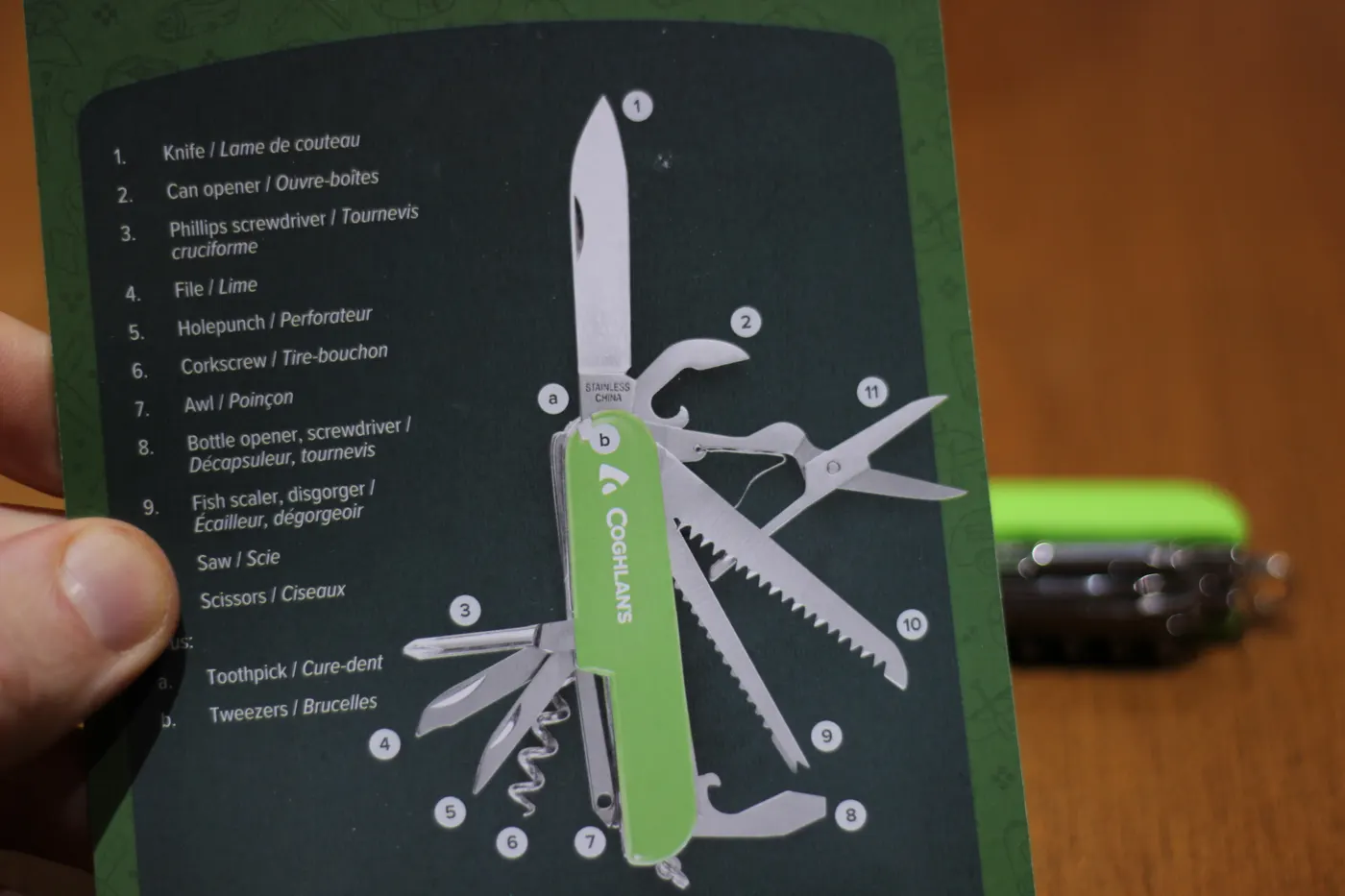
Hour by Hour: What Runs Out First
The kit is called a 72 hour kit, but not everything in it lasts 72 hours. Press play, or drag the slider, to watch the clock run. The bars use the run times Briden lists for each item, plus two figures we worked out ourselves, and they show how the pieces overlap and where the gaps are.
* Drinking water: 1.5 L shared by two people at 2 L each per day (the drinking half of the Government of Canada figure) is about 9 hours. ** Two 3,600 kcal rations over three days for two people works out at 1,200 kcal per person per day. Run times for the fuel, light sticks, candle and hand warmers are Briden's listed figures, not ours.
Testing the Stove
This was the test we cared about. A kit that includes a stove is only worth it if you can heat something without hunting for instructions. We set up the folding stove, dropped in a Camp Heat canister, lit it and put a pot on top.
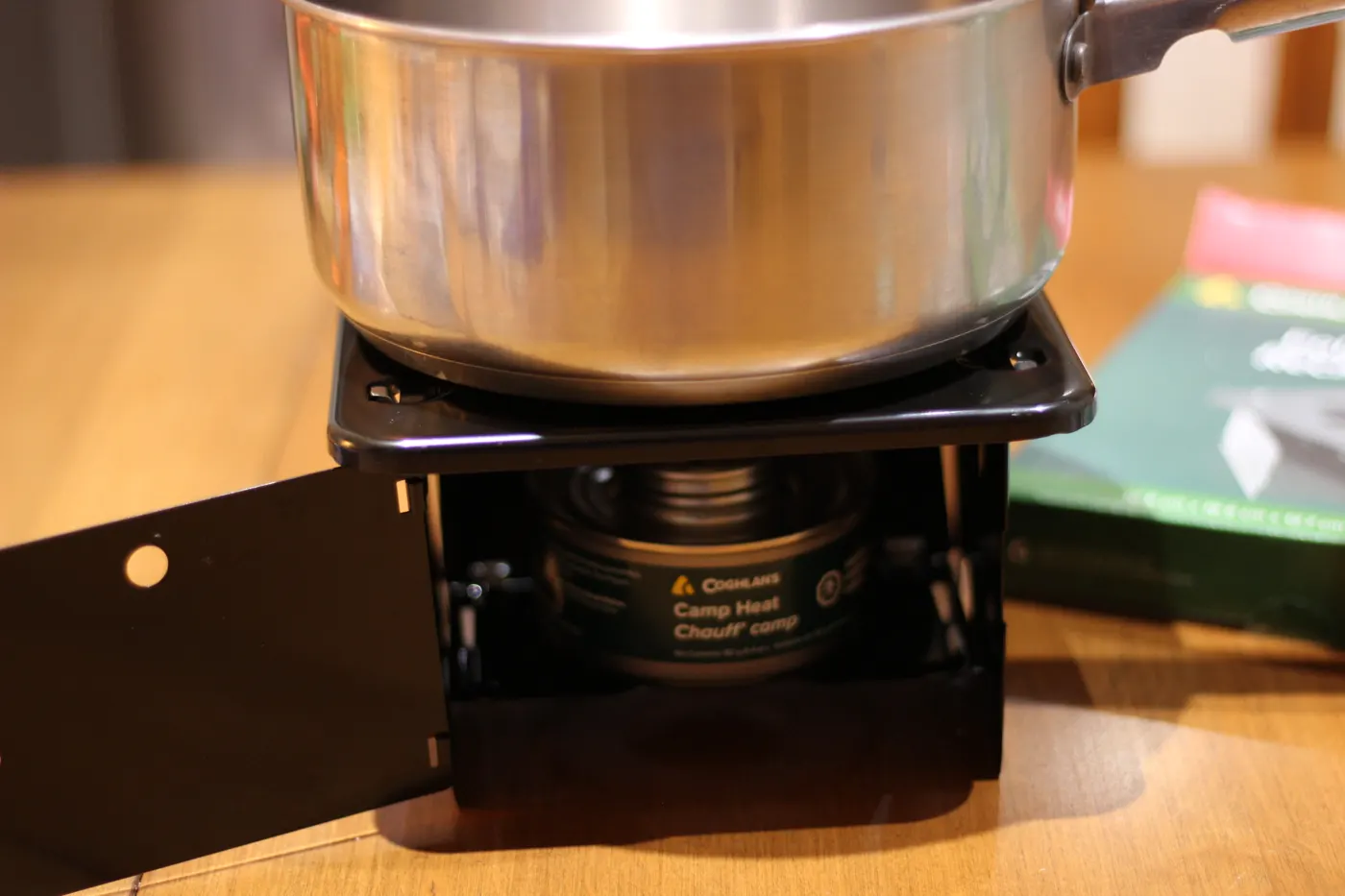
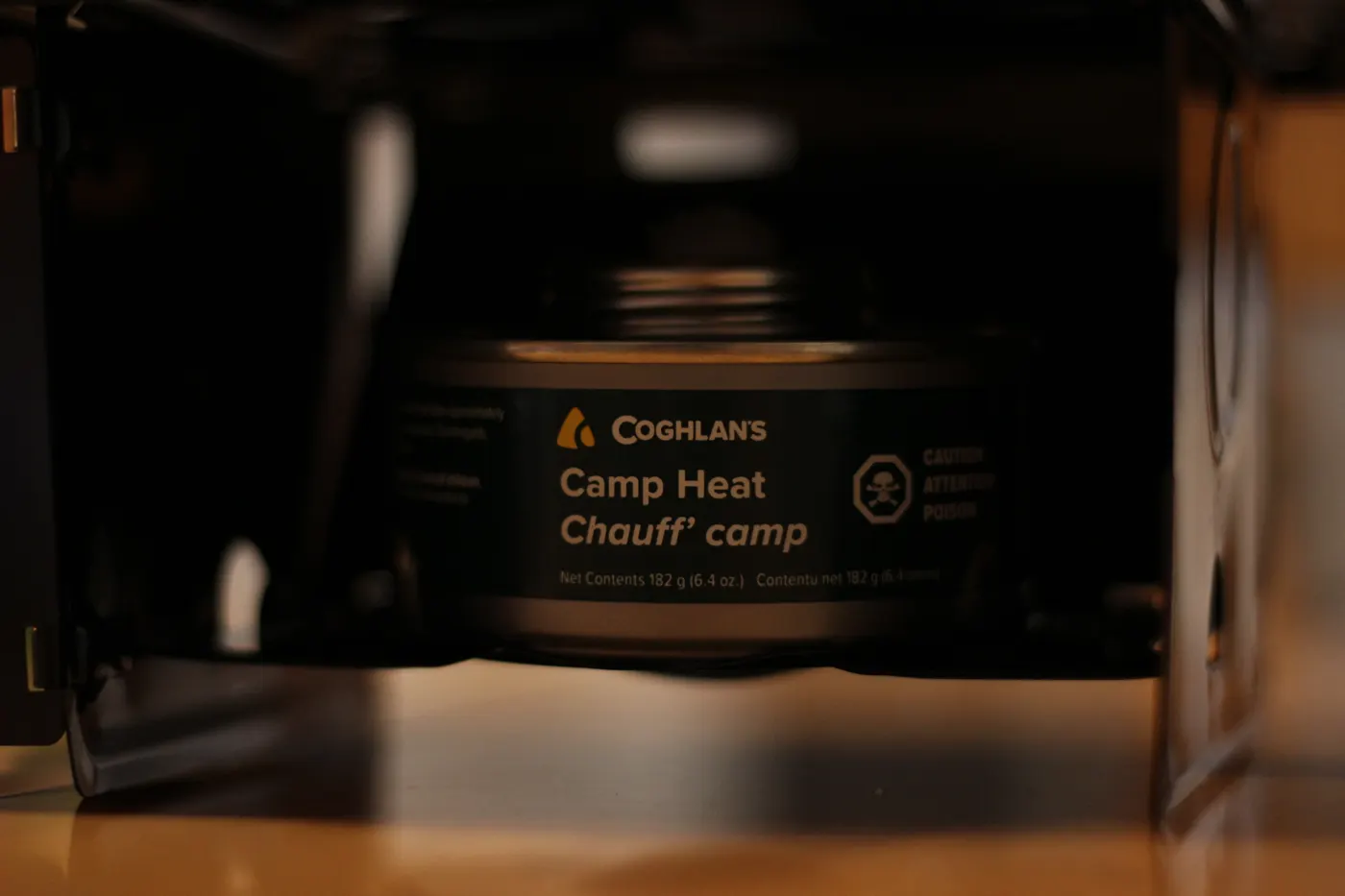
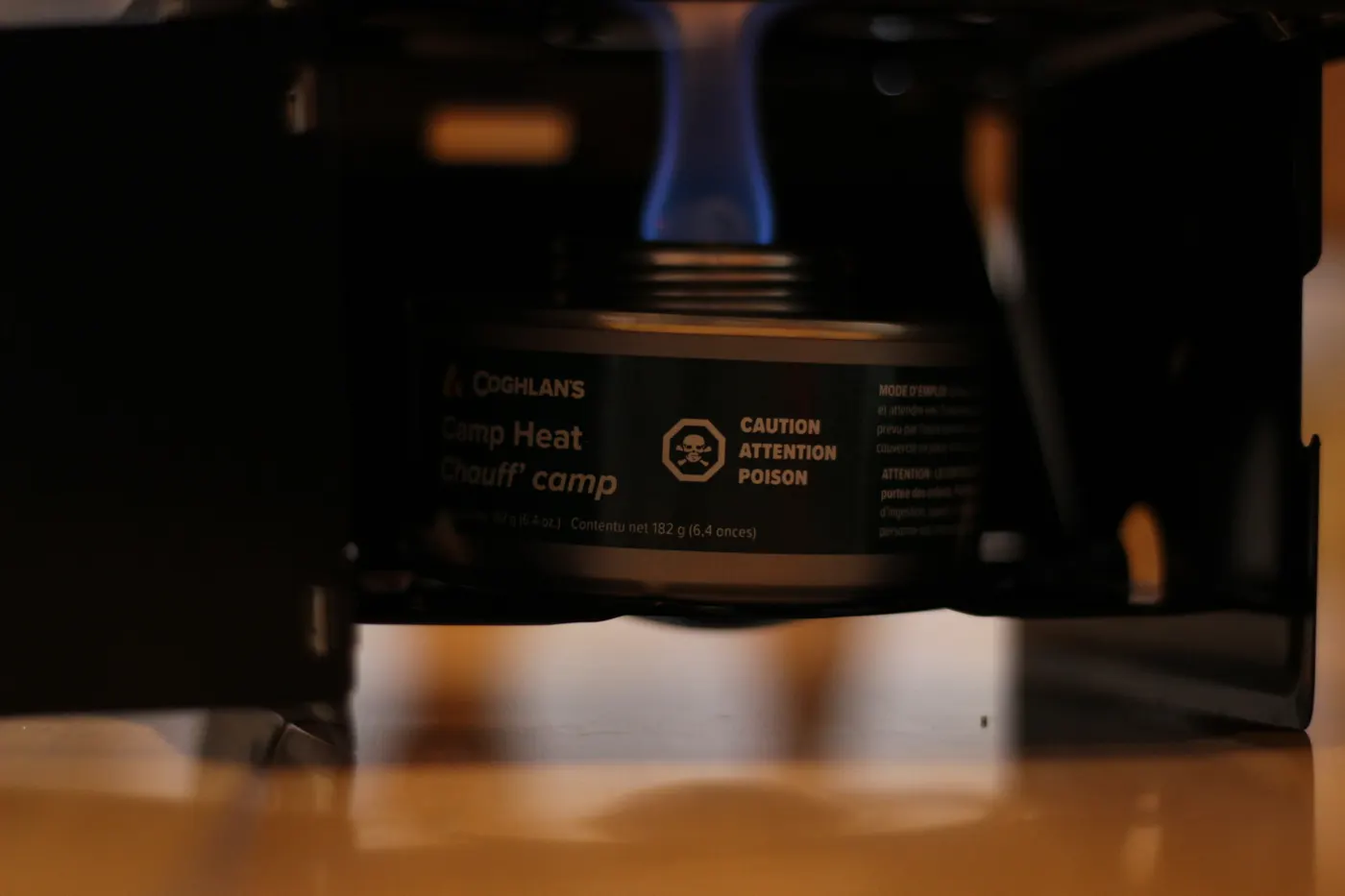
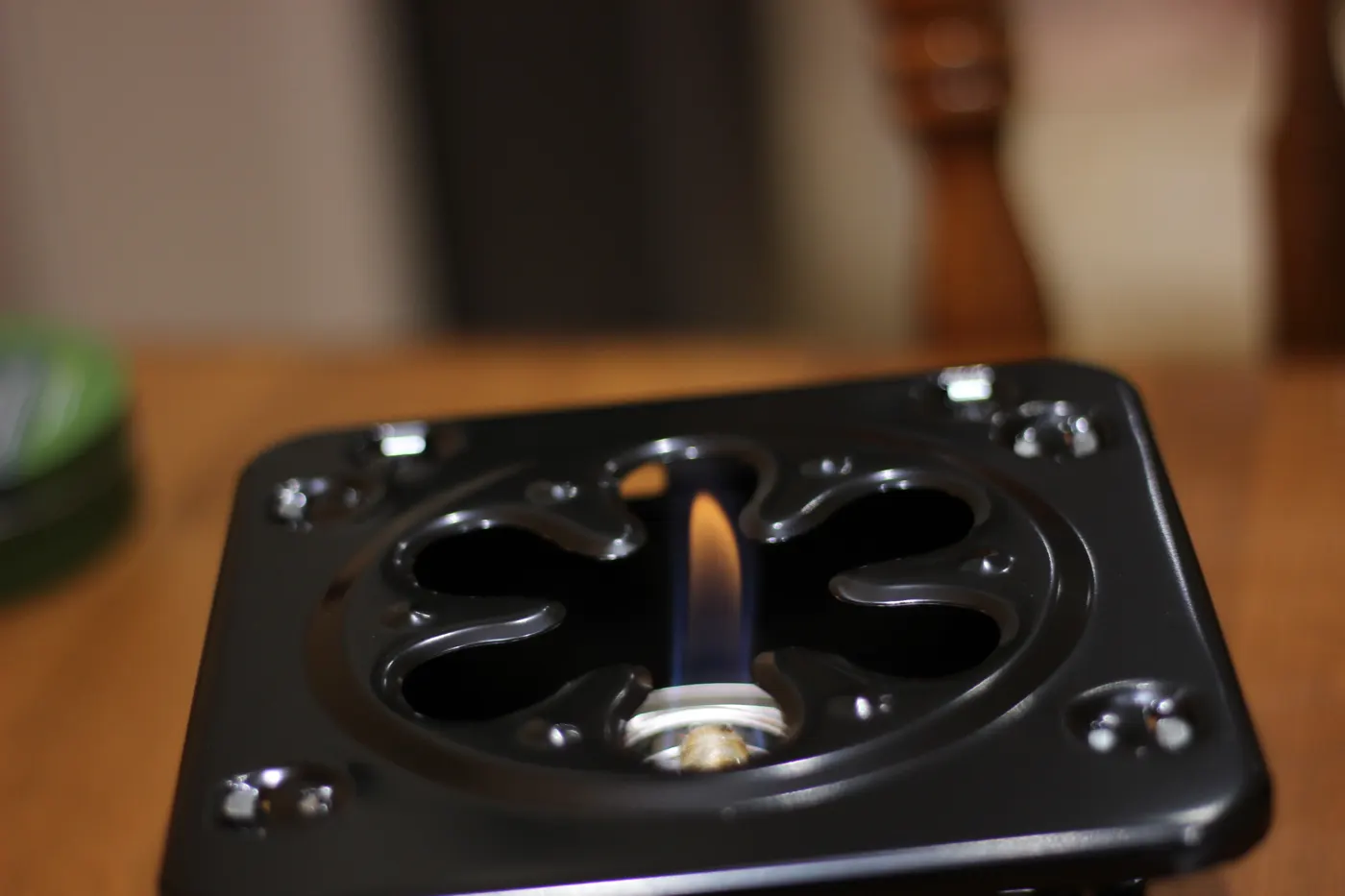
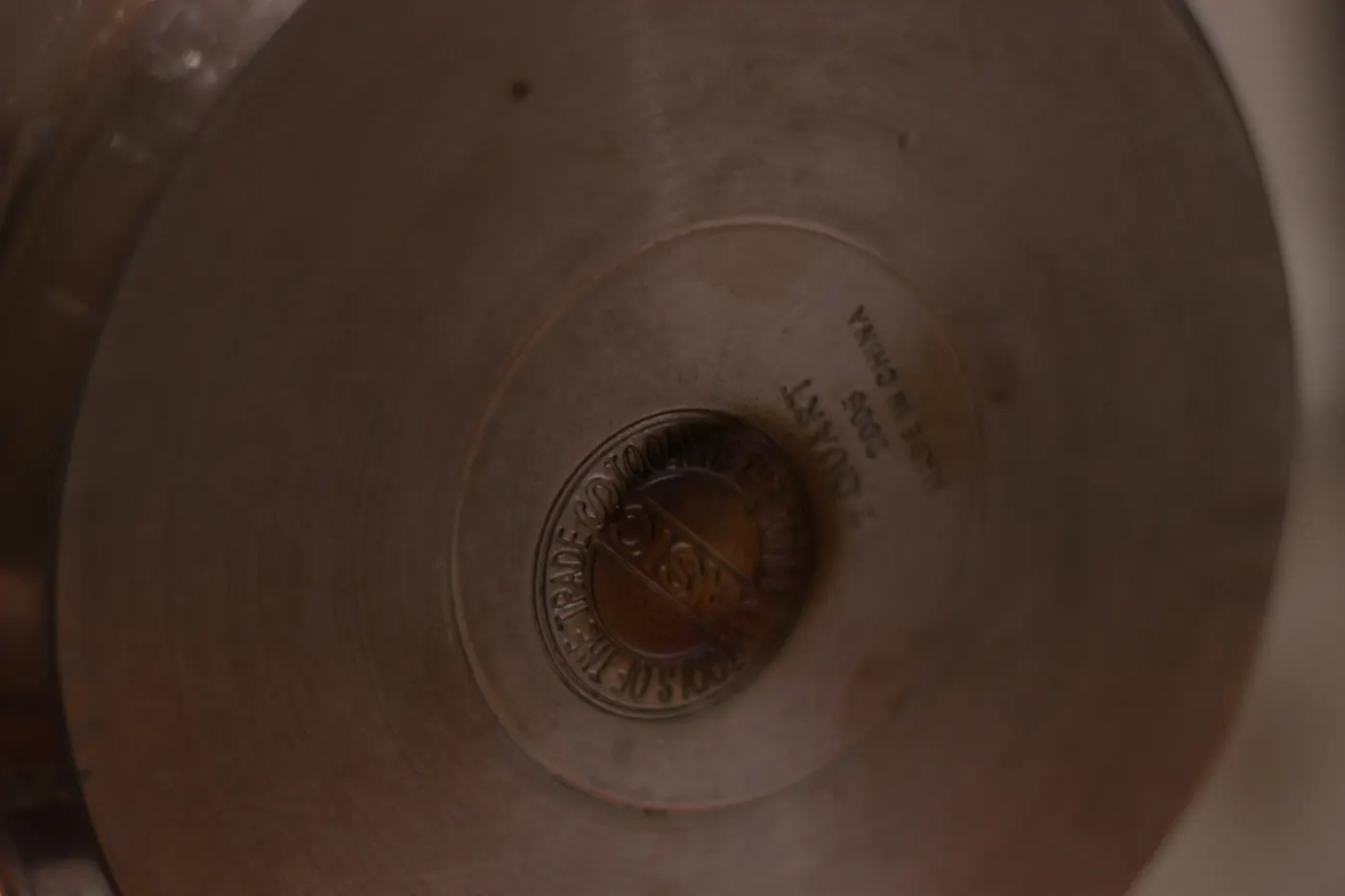
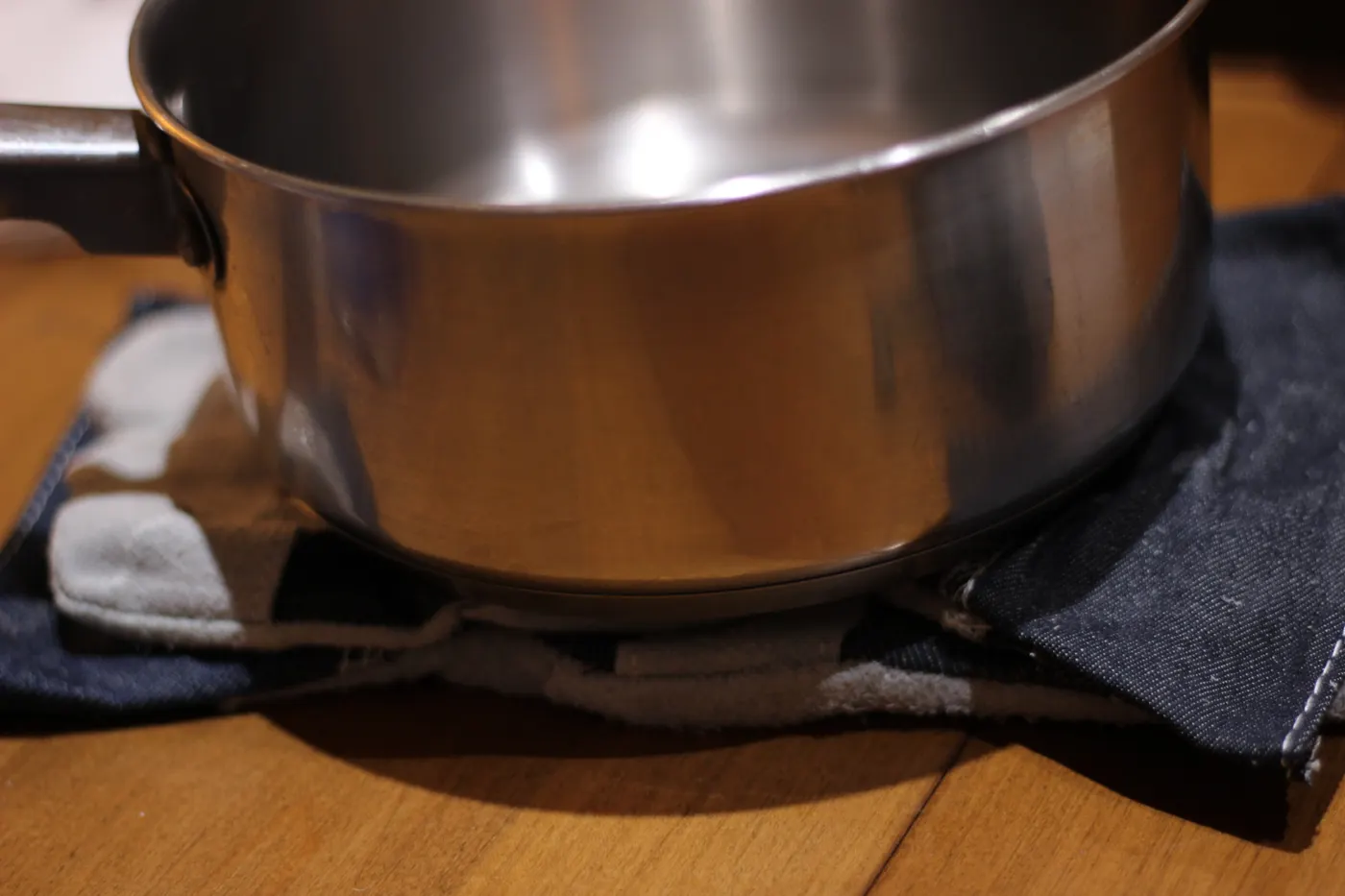
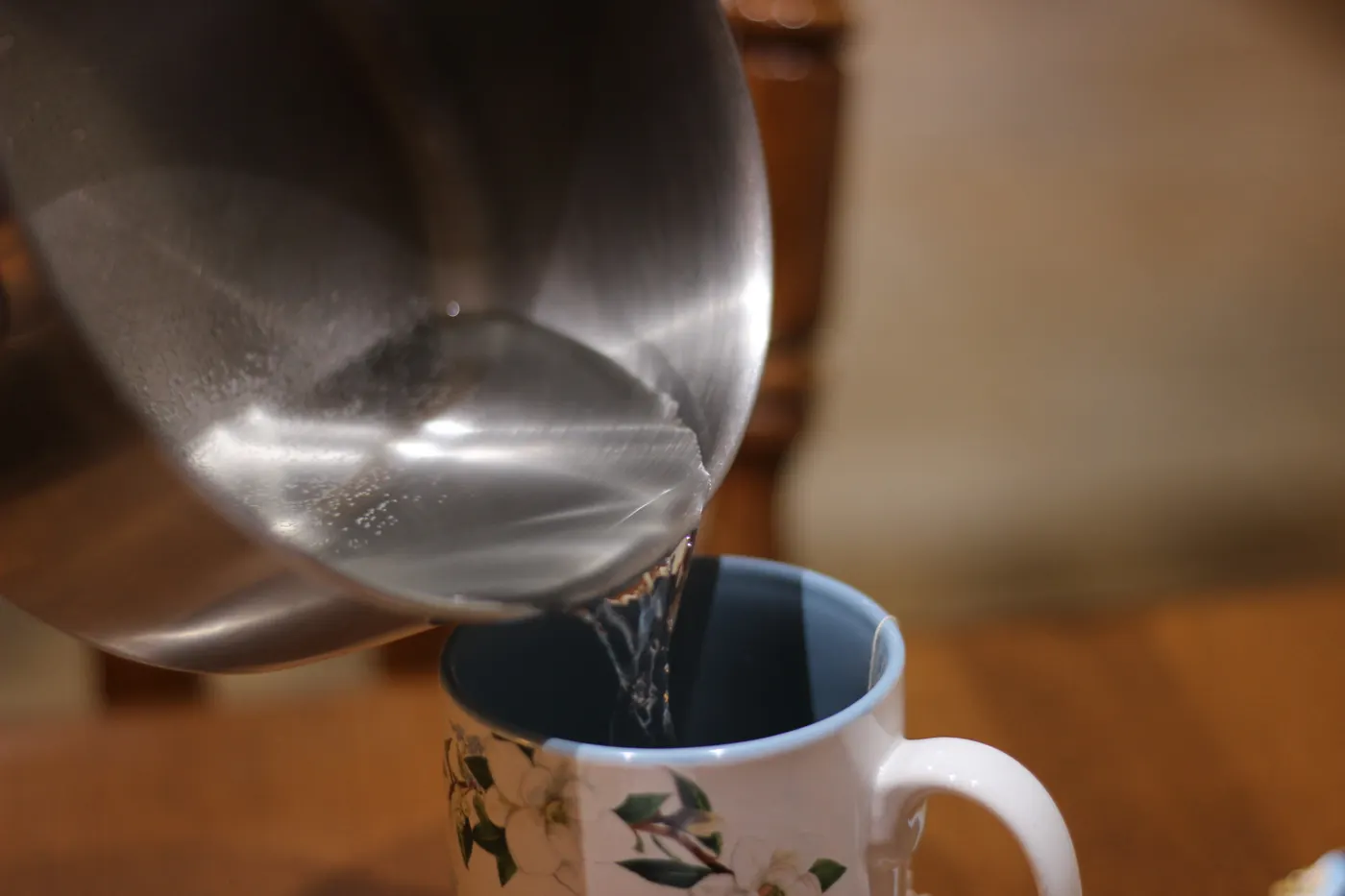
The stove did what it is meant to do. It lit, it held a flame and it heated water we could pour into a cup. We did not time a boil or measure a canister burn, so we are not going to quote you a number. Briden lists the Camp Heat canisters as 4 hours each, which is the manufacturer’s figure rather than ours. The leather gloves are a nice touch because they handle a hot pot, which is easy to forget when you are working with a small stove.
The Stove and Camp Heat Fuel, In Detail
The cooking system is three pieces: a fold-up stove, a pot, and two Camp Heat canisters that Briden lists as 4 hours each. The canister sits in the base of the stove, the pot rests on top, and that is the whole system. There is no pump, no regulator and no fuel to mix. In an outage, that simplicity is the point.
What it is not is a stove for cooking every meal for a week. Two canisters is about eight hours of flame in total, so it is built to heat water for drinks and rehydrate food, not to cook from scratch. Use it deliberately: boil enough water once, pour it into an insulated bottle or the mug, and make that go further.
Canned heat gives off carbon monoxide and uses oxygen like any open flame. Use it outdoors or in a space with real ventilation, never in a closed tent or a sealed room. The kit’s tube tent is not a place to light it. If you are in an apartment during a long outage, the safe spot is an open window or a balcony, with the canister and pot on a stable, non-flammable surface.
The leather gloves proved useful as a trivet and a pot holder, as the photo above shows. The pot and stove body get hot enough that you want something between your hand and the metal.
Testing the Radio
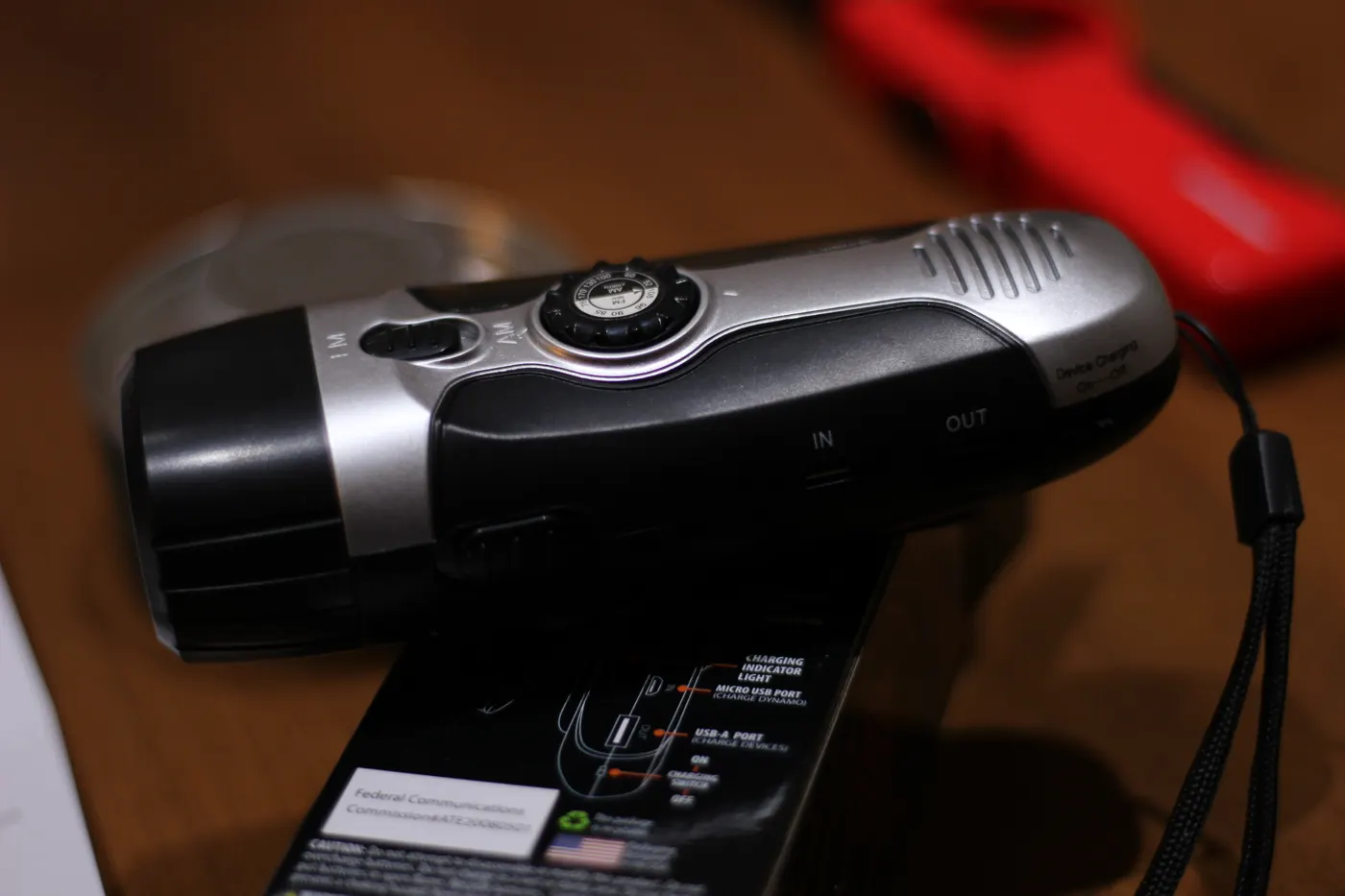
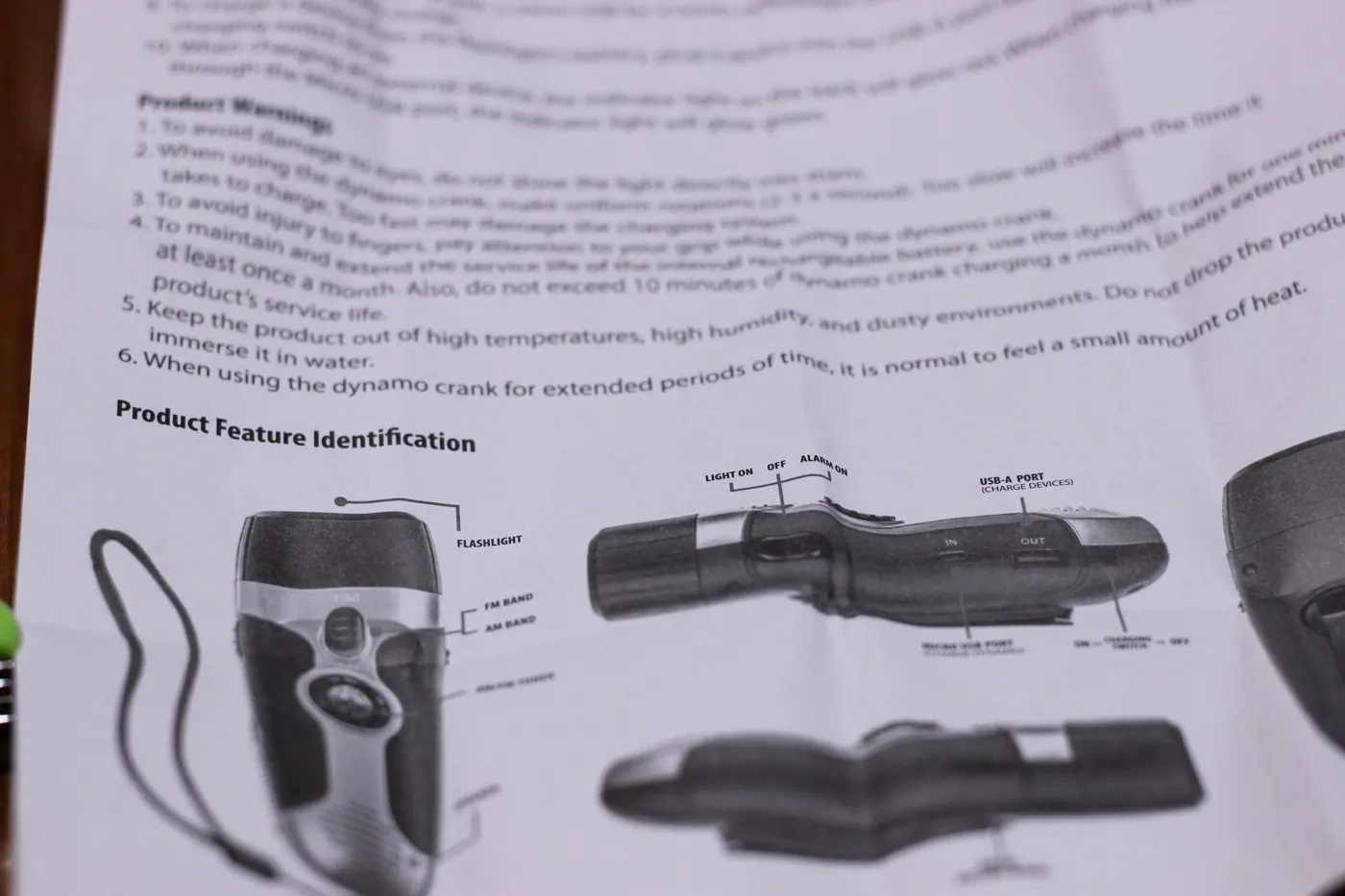
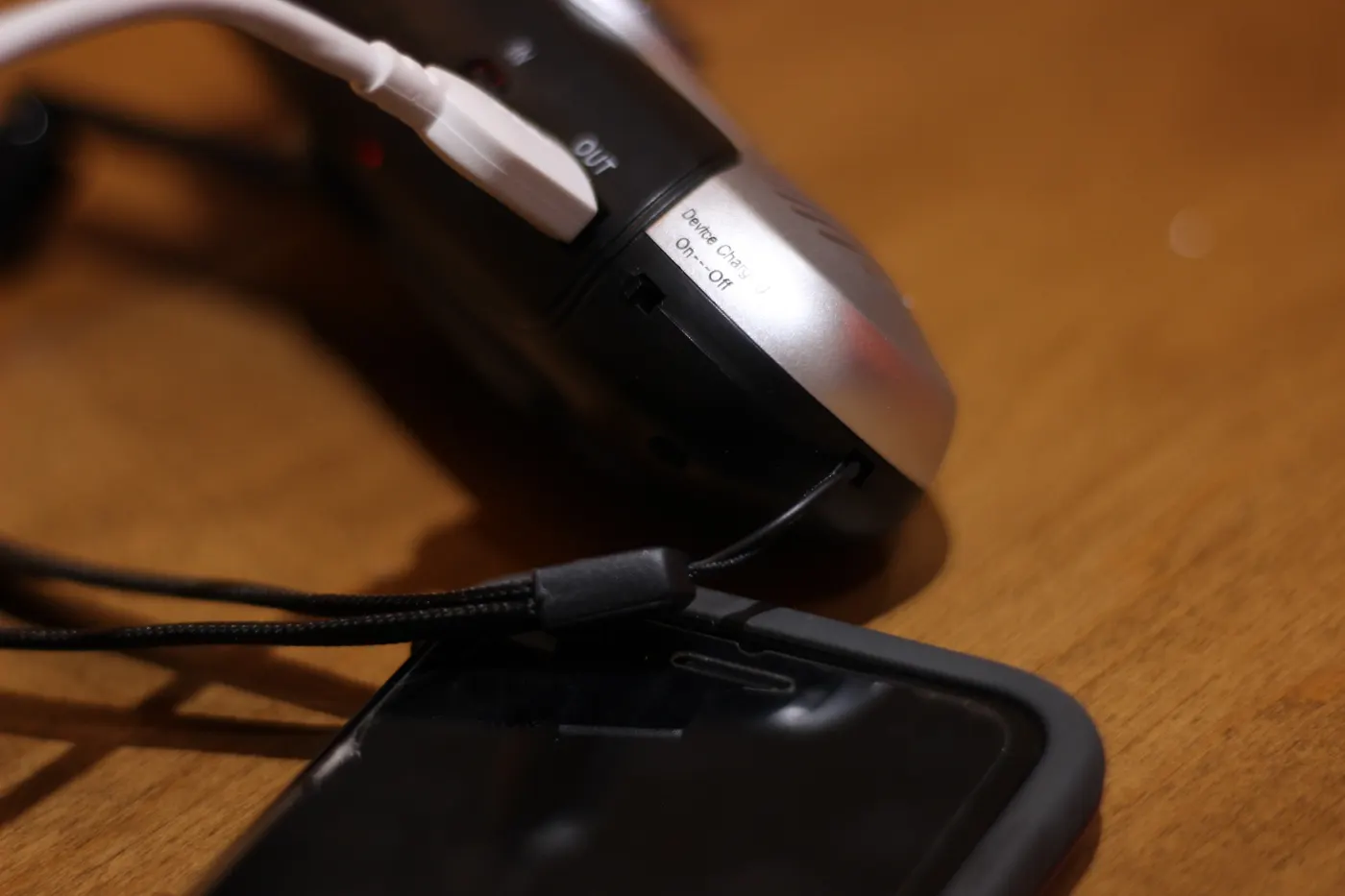
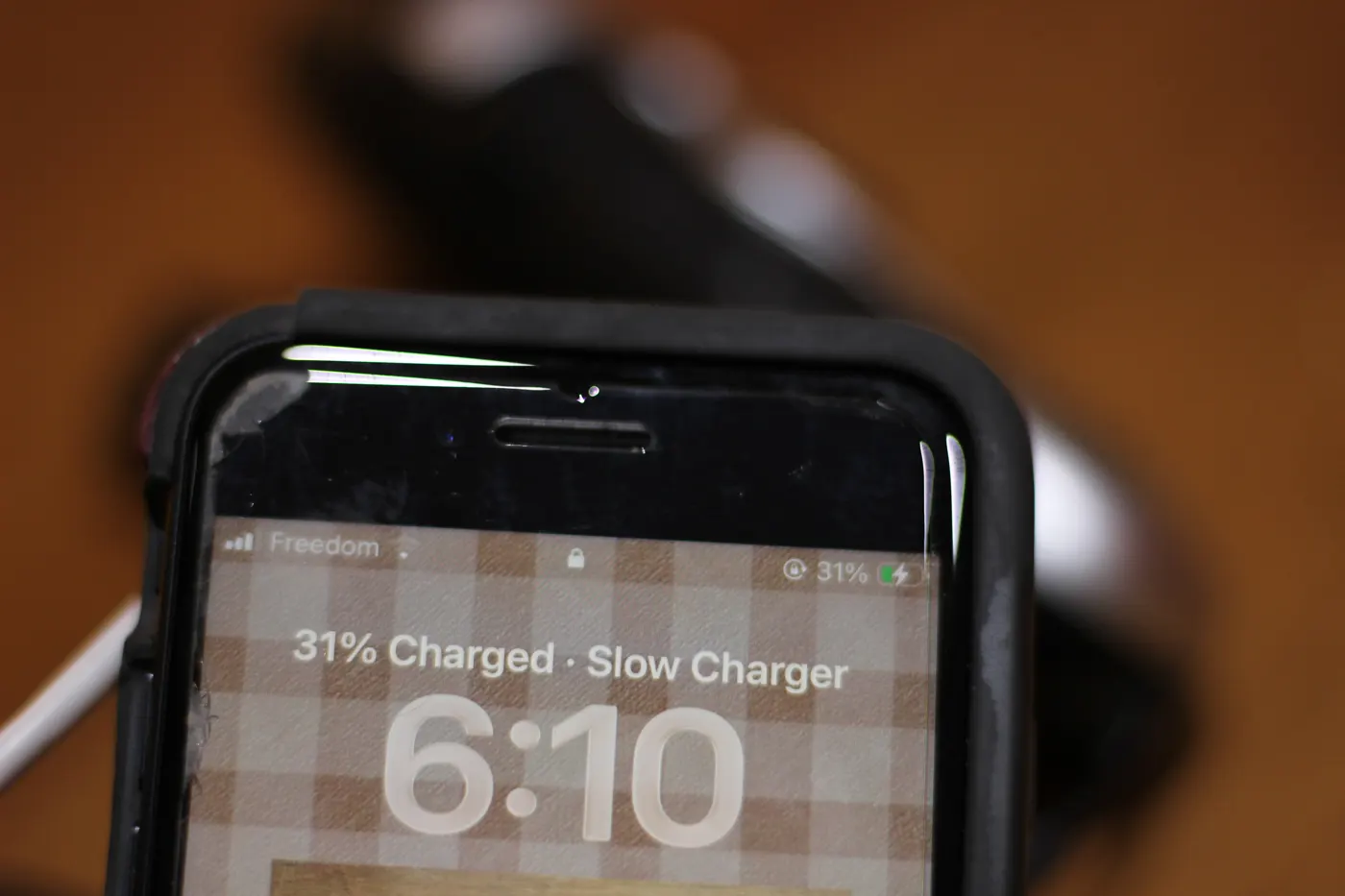
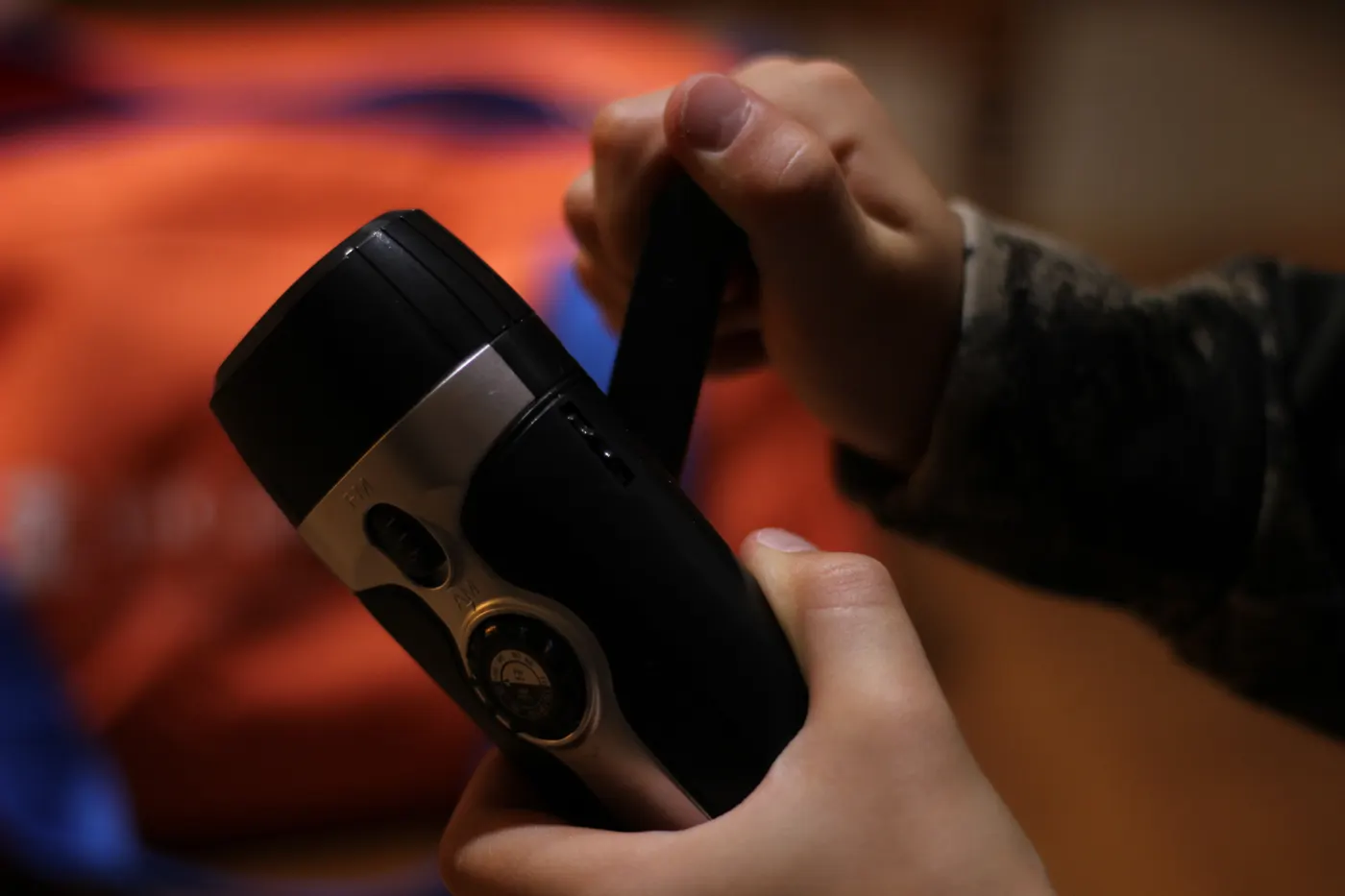
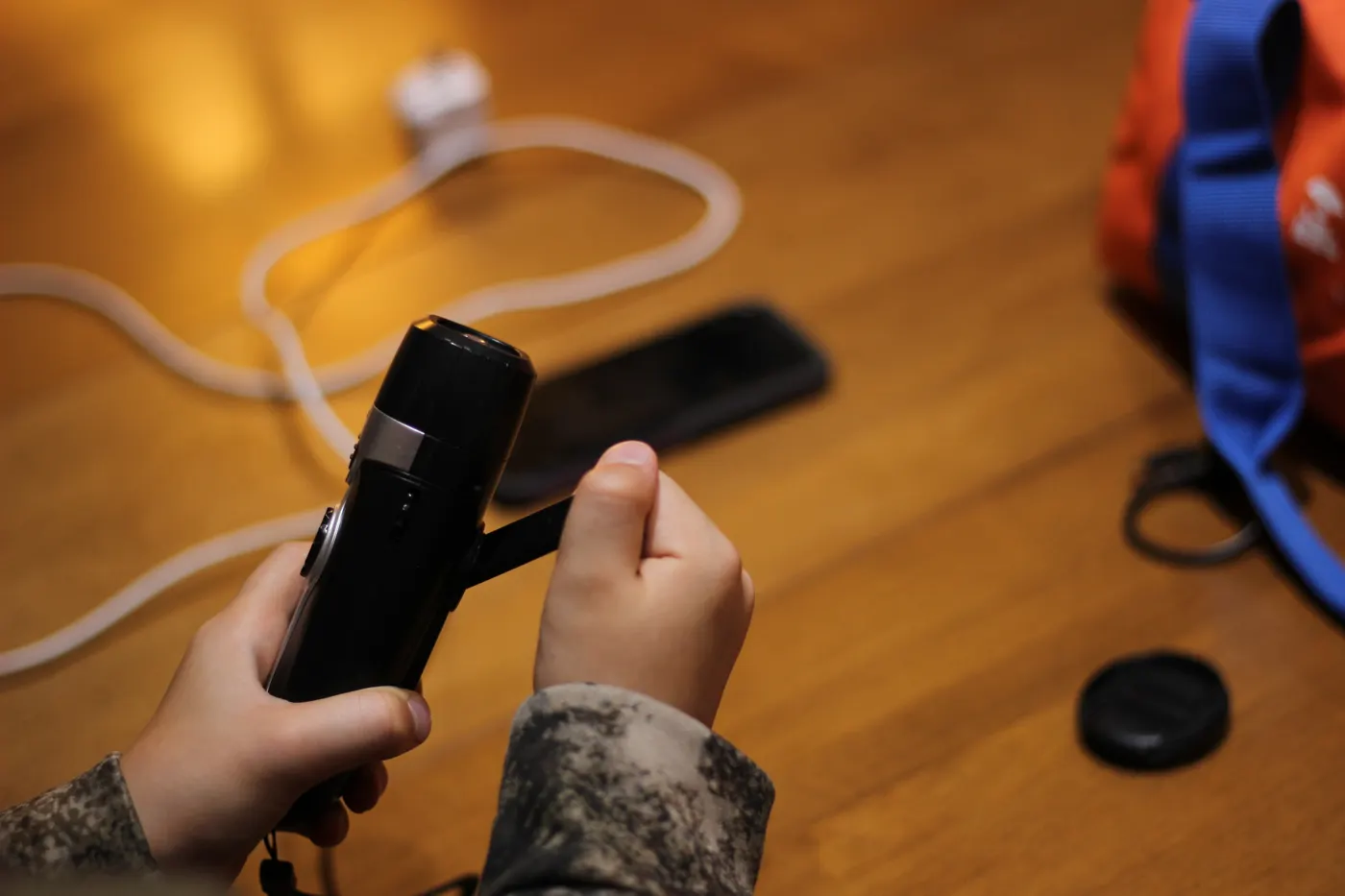
We connected the radio to a phone with the USB cable and cranked. The phone accepted charge and showed 31% · Slow Charger. That is what you should expect from a hand crank: slow, and worth doing only for an emergency top-up. It is not going to replace a power bank. It is still useful, because when the power is out and the towers still work, a few percent can be the difference between sending a message and not.
How the crank radio charges a phone
The product page does not give the radio’s specifications, so we cannot say which bands it receives or how long a minute of cranking runs it. If you rely on it for alerts, check the box and the manual for whether it receives Environment Canada weather radio, which is the channel that carries official warnings. And if you ever add two-way radios to the kit, confirm that they are certified for use in Canada before you rely on them.
Pros and Cons
What it does well. Everything a two-person 72 hour kit should cover is in one orange bag: food, water, heat, light, shelter, first aid, sanitation and a radio. The folding stove lit and heated a pot of water we poured into a mug, the radio put charge into a phone, and the sanitation items (two WAG Bag Platinum toilets, N95 masks, soap and gloves) are the part most budget kits leave out. It is assembled in Calgary and ships across Canada.
Where it falls short. Only 1.5 L of water for two people against the Government of Canada guidance of 4 L per person per day, no containers for the 50 Aquatabs to work on, no stated shelf life on the product page, and a crank radio that charged a phone slowly (31%, “Slow Charger”). At 7.5 kg it is a closet kit, not a bug-out pack.
What to Add
For a $219.95 kit, the gaps are small and easy to fix. Here is what we would add before putting it in the closet:
Fix the kit: your add-on list
Tick things off as you buy or pack them. The bar fills as the kit gets closer to a real 72 hours.
If you want to go further than three days, our 90 day power outage guide walks through how to stage up from a 72 hour kit to a real household plan. And before you buy any radio gear, check that it is certified for use in Canada.
Who Should Buy It
Buy it if you have no kit at all and want one box that covers most of the list in a single order. It suits a condo, a closet, a vehicle trunk or a first kit for a new household. The sanitation items and the stove are the reasons it earns its price.
Don’t buy it if you already own most of this gear, because you can build a stronger kit from parts. And do not treat it as finished: the water must be added.
Final Verdict
The 2 Person Deluxe In Case Of 72 Hour Emergency Kit is a good starting kit that covers the whole list with a few honest gaps. The stove lit and heated water, the radio charged a phone, and the toilets, first aid kit and shelter are all there. The water is the one real shortfall, and it costs very little to fix.
Rating: 4.0/5 Stars
Brands sometimes provide samples for review. Hunt & Live writes its honest opinion either way — gear that doesn’t earn its keep doesn’t get a recommendation.