02 — Pillar · Off-Grid
Expert guides and Q&A about aquaponics off grid.
Q&A in this topic
60 total
Aquaponics is a more suitable choice for off-grid systems due to its ability to produce both fish and vegetables, utilizing waste and minimizing resource consum
Aquaponics systems are more sustainable than traditional farming by utilizing up to 90% less water, generating up to 50% more yield per unit area, and producing
Aquaponics systems are not no-maintenance, but they do offer a relatively low-maintenance approach to growing both fish and plants in a symbiotic environment.
Homemade aquaponics systems can be a rewarding and cost-effective way to grow fish and plants, but require significant effort, space, and expertise to maintain
Laws regulating aquaponics vary by state, and it's crucial to check with your local authorities for specific regulations, such as permits, water usage, and zoni
Yes, there are specific water quality tests for aquaponics, including pH, ammonia, nitrite, and nitrate testing, as well as measuring water hardness, alkalinity
Lettuce does well with a variety of companion plants that provide beneficial effects such as pest control, improved growth, and increased yields. Cilantro, radi
For off-grid aquaponics, consider fish varieties like tilapia, goldfish, and koi, which are tolerant of cold temperatures and low oxygen levels, making them ide
For aquaponics growth stages, the best lighting solutions prioritize high PAR (photosynthetic active radiation) values, balanced spectra, and adjustable intensi
For off-grid aquaponics, nutrient sources like fish waste, compost, and worm castings are ideal due to their high nutrient content and ability to sustain ecosys
Clean aquaponics tanks regularly to prevent bacterial and algae growth, using a combination of physical removal, water circulation, and chemical treatments as n
Short Answer: Cycling an aquaponics system involves gradually introducing beneficial bacteria to establish a stable ecosystem, typically taking 2-4 weeks. This
Regular fish harvesting in aquaponics is crucial for maintaining a healthy and productive system, typically done every 3-6 months by removing 10-20% of the fish
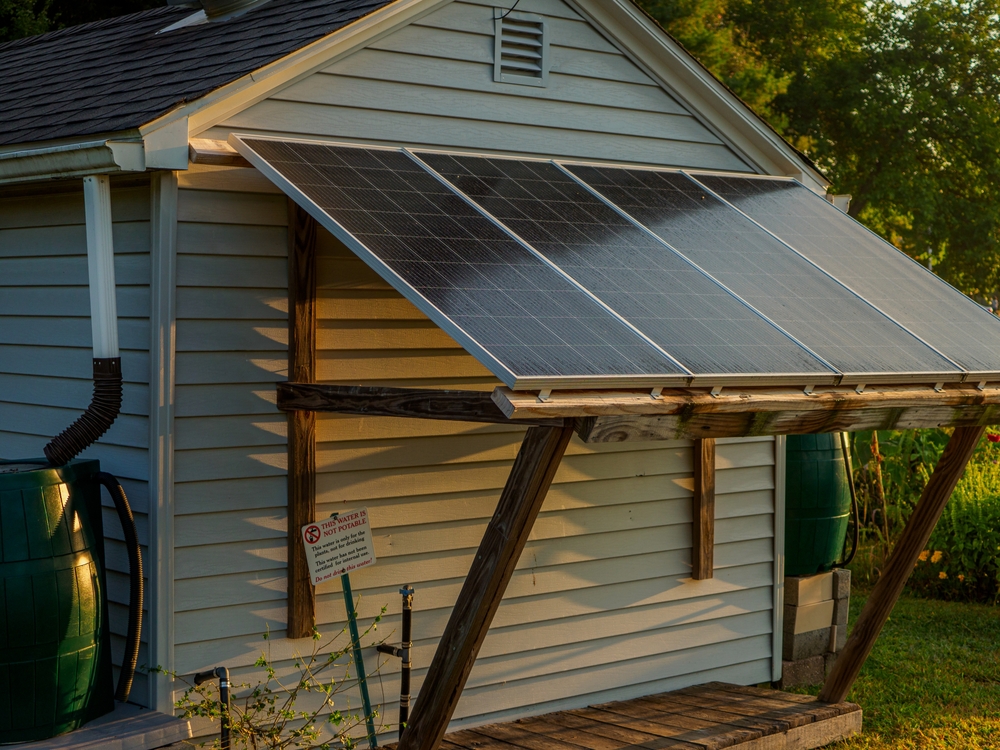
Solar-powered water pumps are ideal for aquaponics systems, offering a reliable and energy-efficient solution for circulation and aeration. Consider using DC-po
To manage fish health in aquaponics, maintain optimal water quality, monitor pH and ammonia levels, and ensure adequate circulation and oxygenation. Regular wat
To ensure nutrient delivery to aquaponics plants, it's crucial to maintain a balanced water chemistry, utilize a reliable nutrient source, and implement an effe
Aquaponics can produce a substantial portion of a family's food needs, especially when combined with other sustainable farming methods. A well-designed system c
Aquaponics can provide a year-round food supply with proper planning, climate control, and management of water temperature, pH, and nutrients. This approach all
Aquaponics can be a viable alternative to traditional gardening techniques for some growers, offering increased water efficiency and crop yields. However, it re
Yes, aquaponics systems can be built with recycled materials, offering a sustainable and cost-effective solution for off-grid applications.
Aquaponics systems can work in cold weather climates, but they require special design and management considerations to ensure the health and survival of both fi
Home aquaponics systems can be scalable, allowing for increased fish production and crop yields while maintaining a stable and balanced ecosystem. Scalability i
Lettuce can grow in water-only aquaponics systems, but it requires careful management of water quality, pH, and oxygen levels. This is because lettuce is a leaf
Lettuce can thrive in aquaponics without soil, provided it receives adequate nutrients and oxygen. A well-designed aquaponic system can supply these needs, allo
Yes, it is possible to achieve year-round production with aquaponics, but it requires careful planning, a suitable climate, and a well-designed system.
Yes, you can assemble a DIY aquaponics system effectively with proper planning and knowledge of the components involved.
Yes, you can combine fish and greens in one system, known as aquaponics, where fish waste is converted into nutrients for plants, creating a sustainable and eff
Combining vegetables and fish in a small setup is entirely feasible with the right design and management. Aquaponics is a closed-loop system that recycles water
Can You Compost in an Aquaponics System: It is possible to incorporate composting into an aquaponics system, but it requires careful planning and execution to a
Yes, it is possible to fish from an aquaponics system, as long as the system is designed to include a separate fish compartment and the fish are raised for food
Yes, it is possible to grow aquaponics without electricity, utilizing natural systems that harness the power of sunlight and gravity to maintain water circulati
Herbs can be included in an aquaponics system, providing a dual benefit of fresh produce and a balanced ecosystem.
Yes, beneficial microorganisms can be introduced to aquaponics systems to enhance water quality and system health.
Yes, it's possible to overwater plants in an aquaponics setup, which can lead to root rot and other issues. This is particularly true in setups with recirculati
Yes, you can successfully grow tilapia and lettuce together in a controlled environment like an aquaponics system.
Aquaponics can be used for growing specialty greens like arugula, but it requires careful management of water chemistry and nutrient levels, as greens have spec
Aquaponics can be used in areas with limited water supply, but it requires careful planning and management of water resources to ensure sustainability and minim
Aquaponics can be used to grow food for livestock by providing a sustainable source of fish, plants, and other aquatic crops that can be used as animal feed.
Compost tea can be used as a fertility supplement in aquaponics, but it requires proper management to avoid over-fertilization and maintain water quality.
Yes, fish from aquaponics can be used for consumption, but proper management and monitoring are crucial to ensure safe and healthy fish for eating.
Yes, you can use rainwater for aquaponics systems, but it requires proper treatment and testing to ensure water quality.
Tilapia waste can be used as fertilizer indoors, but it requires proper management and handling to avoid water quality issues and pathogen transmission.
You can use worm castings in aquaponics fertilization as a natural, nutrient-rich supplement for your plants.
Fish need aeration in aquaponics systems to maintain healthy water quality, prevent disease, and support optimal growth.
Regulations regarding permits for aquaponics vary by location, so it's essential to check with your local authorities to determine the specific requirements for
Harvesting lettuce in an aquaponics system typically takes 20-40 days from sowing the seeds, depending on the variety, water temperature, and quality of the sys
A general rule of thumb for aquaponics is to stock 1-2 pounds of fish per 100 gallons of water, depending on the type and growth rate of the fish, as well as th
A basic aquaponics setup requires a minimum of 4-6 square feet of space for a small-scale system, assuming a single fish tank and a grow bed, with the ability t
Check water parameters in aquaponics at least once a week, but ideally every 2-3 days during peak production cycles. This ensures optimal conditions for both fi
Tilapia can be fed 2-3 times a day in aquaponics, with 1-2% of their body weight in feed per meal. The amount and frequency of feeding can be adjusted based on
Tilapia prefer water temperatures between 72°F and 82°F (22°C and 28°C) for optimal growth. Maintaining the ideal temperature range is crucial for the health an
Choosing the right aquaponics system for beginners involves considering factors such as space, budget, and desired fish and plant varieties. A compact system wi
Choosing the right grow medium for aquaponics involves considering factors such as water retention, aeration, and pH stability. A good grow medium should also s
Controlling pest problems in aquaponics systems involves a combination of prevention, regular monitoring, and integrated pest management techniques to minimize
Create a backup power solution for aquaponics by installing a 2-4 kW solar panel array, a 12-24V deep cycle battery bank, and a 2-3 kW inverter to support the s
Creating a self-sustaining aquaponics system involves integrating fish and plant production in a closed-loop ecosystem that recirculates water. This requires a
To design a space-efficient aquaponics setup, integrate multiple components, such as fish tanks, grow beds, and biofilter systems, into a compact and efficient
Overcrowding in an aquaponics fish tank can lead to water quality issues, reduced fish growth, and increased disease susceptibility. To handle overcrowding, reg
To increase crop yield in aquaponics systems, optimize water temperature, pH, and nutrient levels. Implement a robust aeration system and ensure adequate water
Introduce new fish to an existing aquaponics system by acclimating them to the system's water temperature and chemistry over a period of 24-48 hours, using a fl