02 — Pillar · Off-Grid
Expert guides and Q&A about comms ham radio emergency.
Q&A in this topic
60 total
Handheld ham radios can be sufficient for survival scenarios, especially when paired with a reliable power source and a clear understanding of communication pro
PORTABLE ANTENNAS FOR EMERGENCY HAM RADIO SETUPS: SOME RELIABILITY CONSIDERATIONS
Local and state laws concerning ham radio use in emergencies vary, but most states allow ham radio operators to assist in emergency communications when traditio
Yes, there are specific emergency frequencies that you should always monitor, including those dedicated to search and rescue operations, weather alerts, and nat
Yes, there are specific channels for emergency communications on ham radios, including national and international frequencies.
Yes, there are specific ham radio repeaters designed for emergency use, often referred to as emergency repeaters or backup repeaters, which are designed to prov
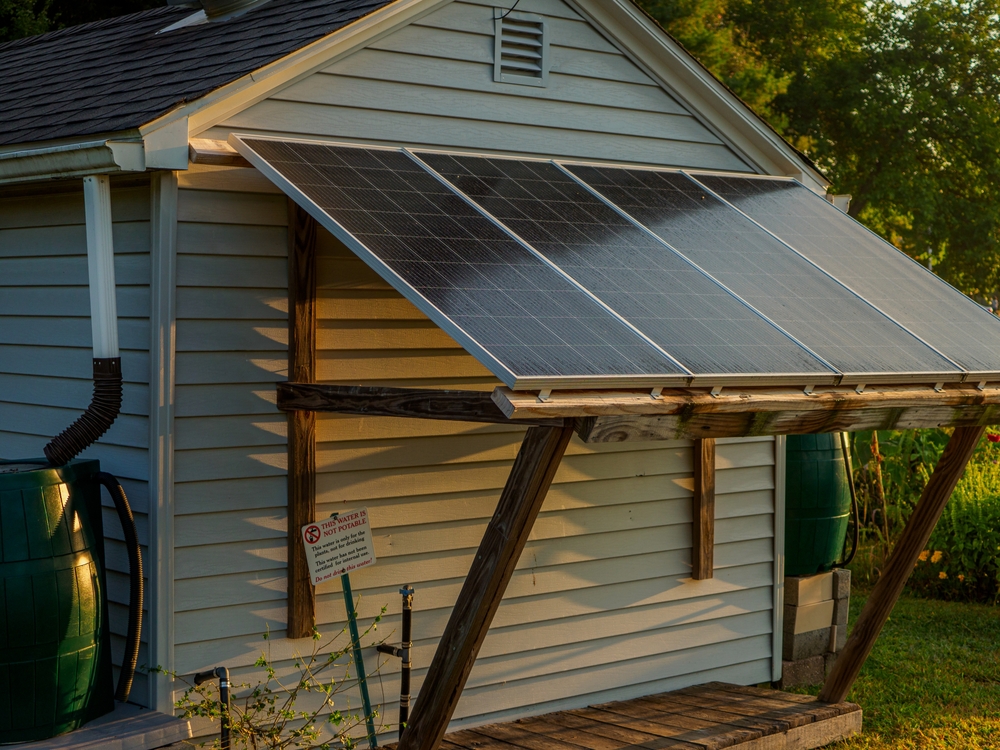
A solar panel setup ideal for ham radios depends on power requirements, available sunlight, and space constraints. A typical setup includes a high-efficiency so
For remote locations, the best HF antennas are often simple, lightweight, and easy to deploy, with a focus on resonant dipoles, inverted V antennas, and end-fed
Dense forests with high canopy and rugged terrain make it challenging to set up a reliable ham radio station. Suitable locations often have a clearing or a spot
Ideal locations for setting up a ham radio tower off-grid include high points with open views, such as mountain tops or hills, with minimal obstructions like tr
Maintaining ham radio batteries off-grid requires regular charging, monitoring, and storage techniques to ensure reliable power supply during emergencies. This
For off-grid living, consider portable ham radio setups that combine a reliable power source, a compact radio, and a robust antenna system. Popular options incl
Before a natural disaster, prep your ham radio by checking its power source, antenna, and communication equipment to ensure they are functioning properly, then
When reaching out to local authorities via ham radio, use clear, concise language, and provide your location and situation description. Use standard amateur rad
Store ham radio equipment in a secure, climate-controlled area, such as a converted shipping container or a dedicated comms shack, with a temperature range betw
Gain hands-on experience with ham radios by joining a local amateur radio club, attending workshops or training sessions, and participating in emergency communi
Ham radio operators can assist during community disasters by providing emergency communication services, helping to coordinate relief efforts, and enabling crit
Yes, you can communicate internationally with a UHF radio during emergencies, but you'll need to use a radio that supports international frequencies and modes,
Yes, you can communicate over long distances without a license with ham radio, but the power and frequency limitations apply.
Yes, you can operate a ham radio effectively from a mountain top, but proper planning, equipment selection, and knowledge of propagation are crucial for reliabl
You can operate a ham radio without formal training, but it's highly recommended to learn the basics and local regulations to ensure safe and effective communic
A car battery can power a ham radio, but it's essential to consider the battery's capacity, the radio's power requirements, and the duration of use.
A handheld ham radio can be a reliable tool for off-grid disaster communication, providing a means to send and receive messages even in areas with no cellular o
Yes, you can use a mobile ham radio in a remote area to stay connected and communicate with others, especially during emergencies.
Yes, you can use a mobile unit to facilitate emergency communication in a vehicle, but it's crucial to choose the right equipment and follow proper setup proced
Non-ham operators can indeed assist in emergency communications, primarily through the use of digital messaging apps, satellite phones, and other means of commu
Non-licensed individuals can still assist with ham radio operations during disasters by providing non-technical support, such as handling equipment, monitoring
Solar panels can effectively power a ham radio during a blackout, providing a reliable source of energy for communication.
Solar power can reliably run a ham radio station, but it requires careful planning, a sufficient solar array, and proper battery storage to ensure continuous op
In the United States, amateur radio operators are not required to have a license to operate during disasters, but it is highly recommended to have some level of
You do not need to register your ham radio equipment, but you do need to obtain a license from the Federal Communications Commission (FCC) to operate it.
Antenna design can significantly impact your ham radio's performance off-grid by affecting signal strength, directionality, and resistance to interference, ulti
Weather conditions can significantly impact your ham radio reception, often making it more difficult to establish and maintain contact with other stations.
Licensing regulations for ham radios vary by state, and while the Federal Communications Commission (FCC) sets the basic requirements, states may have additiona
LOCAL LAWS AFFECTING HAM RADIO OPERATIONS DURING DISASTERS ---
Digital encryption in ham radio communications uses algorithms to scramble data, making it unreadable to unauthorized parties. This is typically achieved throug
Effective antenna placement can increase communication range by elevating the antenna to a higher position to reduce ground losses and by positioning the antenn
The solar cycle affects HF radio communications by altering the Earth's ionosphere, which can either enhance or degrade signal propagation, particularly during
Weather conditions significantly impact ham radio signal propagation, affecting the range, clarity, and reliability of transmissions. Temperature, humidity, and
Digital modes in emergency ham radio communications are highly effective, offering a reliable means of transmitting data and voice over long distances using min
A backup power source is crucial for ham radio operations, as it ensures continuous communication during power outages, emergencies, or natural disasters. Relia
Having a first-aid kit alongside ham radio gear is crucial for emergency situations where medical help may be delayed or inaccessible. A well-stocked first-aid
Check your ham radio equipment at least once a month, after every 50 hours of operation, and before each emergency or critical communication event.
Test your ham radio equipment at least once every 6-12 months for reliability, ideally during a routine maintenance schedule. This can help prevent unexpected e
Choose a frequency with minimal interference, ideally 2 meters (144-148 MHz) or 70 cm (420-450 MHz), and consider local regulations and emergency service freque
Enhance your antenna range without extra power by using a higher gain antenna, a better antenna placement, and by tuning the antenna for optimal performance.
To ensure your ham radio is secure during a crisis, store it in a secure location, use a physical lock and key to prevent unauthorized access, and use encryptio
Search for local ham radio clubs through online directories like the American Radio Relay League (ARRL) and the National Association for Amateur Radio (ARRL) we
To prepare your ham radio equipment for extreme weather, secure it in a safe location, protect it from moisture, and ensure it is properly grounded to prevent e
Assemble your portable ham radio kit by attaching antennas, batteries, and the transceiver unit according to the manufacturer's instructions, ensuring secure co
Securing your ham radio gear during a natural disaster involves protecting it from physical damage, electrical surges, and environmental elements. This can be a
To set up a portable antenna for emergency use, you'll need a mast or pole, a feedline, and an antenna that can be easily assembled and disassembled. Choose an
To troubleshoot audio issues in ham radio transmissions, check the signal strength and clarity on both the transmitter and receiver ends, and ensure proper head
To troubleshoot reception problems with your ham radio, start by checking the antenna and mast for damage or corrosion, then verify that your radio is set to th
A dipole antenna can be sufficient for emergency preparedness in remote areas, but its effectiveness depends on various factors such as frequency, terrain, and
A dual-band portable ham radio is a valuable investment for emergencies due to its ability to communicate on multiple frequencies, increasing the chances of mak
A dual-band radio is highly recommended for emergency situations due to its ability to operate on multiple frequencies, increasing the chances of making contact
In the United States, a license is required to use ham radio frequencies, but during a natural disaster, amateur radio operators are often exempt from specific
An emergency drill is necessary for practicing ham radio communications to ensure you can effectively respond to a disaster scenario, where communication networ
An emergency go-kit is essential for ham radio enthusiasts, providing vital equipment for communication and basic survival needs in case of a disaster or emerge