02 — Pillar · Off-Grid
Expert guides and Q&A about earth berm homes.
Q&A in this topic
60 total
Passive solar design in earth berm homes offers significant energy efficiency and climate control benefits by harnessing the sun's heat during winter and shadin
Using recycled materials in earth home construction offers numerous benefits, including reduced waste, lower costs, and a lower carbon footprint. It also allows
Earth berm homes can be a more affordable option in the long run due to reduced heating and cooling costs, lower maintenance requirements, and the potential for
Earth berm homes can be suitable for off-grid living due to their natural insulation properties, reduced energy needs, and ability to integrate with renewable e
Earth shelters can be environmentally friendly due to their natural insulation properties, reduced energy consumption, and ability to blend with the surrounding
Earth shelters can be prone to pest and rodent infestations due to their unique underground environment and potential for moisture accumulation.
Earth shelters are suitable for most climates, but not all. They can be effective in areas with moderate temperatures, where insulation and passive design princ
Building with soil and clay can pose health risks if not done properly, as improper construction or use of contaminated materials may lead to structural instabi
Zoning restrictions for earth berm homes vary by location, but many municipalities and counties have specific regulations governing the construction of such str
Benefits of Building Earth Shelters for Disaster Resilience include enhanced structural integrity, reduced risk of damage from natural disasters, and a sustaina
When installing windows in earth sheltered homes, it's essential to prioritize energy efficiency, natural light, and reduced thermal bridging. This can be achie
Insulating an earth shelter involves using a combination of materials such as spray foam, fiberglass batts, and reflective insulation to minimize heat transfer
Concrete is an essential component in earth berm construction due to its durability and ability to withstand external pressures. To ensure a successful outcome,
For learning earth shelter construction techniques, consider online resources such as the Earthship Biotecture website and YouTube channel, and books by Michael
Concrete, brick, and stone are effective thermal mass materials for off-grid homes, providing stable temperatures and energy efficiency. These materials absorb
The best types of insulation for earth berm homes include expanding foam insulation, reflective radiant barrier insulation, and spray foam insulation. These mat
Vegetation with deep taproots, such as trees and shrubs, is effective for stabilizing earth shelters due to their ability to hold soil in place and prevent eros
Building an earth berm home in cold climates requires careful consideration of the unique challenges posed by freezing temperatures, moisture, and snow loads.
Building codes for earth sheltered homes vary by location, but generally require compliance with the International Residential Code (IRC) and the International
Earth berm homes can be built in urban areas, but they may require special permits and zoning variances due to their unique design and construction.
SHIPPING CONTAINER EARTH BERM HOMES CAN BE BUILT, BUT THEY REQUIRE SPECIALIZED DESIGN AND CONSTRUCTION TECHNIQUES.
Earth berm homes can provide adequate security due to their design, which incorporates natural materials and terrain to create a secure perimeter.
Earth berm homes can withstand extreme weather conditions, such as high winds and heavy rainfall, due to their design and construction. Berm homes have a lower
Earth berms can provide some degree of natural disaster protection, but their effectiveness in earthquake-prone areas depends on various factors, including berm
Earth sheltered homes can indeed look modern and stylish, with the right design and materials, such as sleek lines, large windows, and exterior finishes like st
Short Answer: Green building certifications can apply to earth sheltered homes, such as those built with earth berms, although specific requirements may need to
Off-grid systems can be effective in earth berm homes with proper design and installation, taking into account the unique characteristics of these structures. E
Thermal mass can improve indoor comfort in off-grid homes by stabilizing indoor temperatures and reducing temperature fluctuations, making it a valuable compone
An earth berm home can be built in flood-prone areas, but it requires careful planning, design, and construction to ensure the structure's integrity and safety
Yes, building an earth home as a DIY project is feasible with proper planning, research, and execution. It requires a good understanding of earthwork techniques
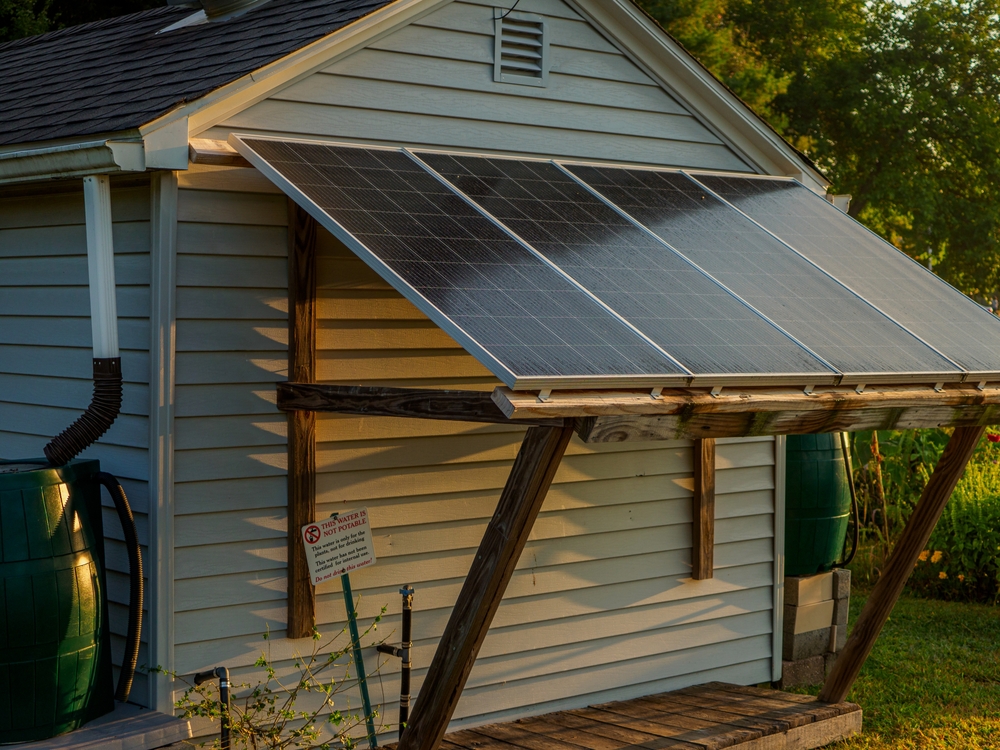
Earth shelters can be combined with other eco-friendly techniques such as solar power, rainwater harvesting, and passive solar design to create highly efficient
Natural ventilation can be effectively incorporated into earth shelters by utilizing specific design elements and techniques.
Yes, you can install solar panels on an earth sheltered roof, but it's essential to consider factors like roof orientation, shading, and structural integrity.
SMART HOME TECHNOLOGY IN EARTH HOMES CAN BE INTEGRATED, ENHANCING SUSTAINABILITY, EFFICIENCY, AND COMFORT. THIS CAN BE ACHIEVED THROUGH WIRELESS SYSTEMS, ENERGY
Yes, a traditional home can be retrofitted to an earth berm design, but it typically requires significant excavation and structural reinforcement to ensure stab
Yes, using Earth Berms can significantly lower energy bills by reducing the surface area of the home exposed to extreme temperatures and decreasing the need for
Yes, reclaimed water can be safely used for landscaping around earth homes, but it's essential to treat and disinfect the water to prevent contamination and ens
Waterproofing a bermed home can be a significant challenge due to the unique design where the roof is built into the earth, creating a potential for water intru
Common Misconceptions About Earth Berm Construction are that they are expensive, require massive amounts of dirt, and are only suitable for rural areas. However
Common Structural Issues in Earth Berm Home Construction include foundation instability, inadequate drainage, and poor soil compaction.
Earth sheltered living, incorporating earth berm homes, varies in cultural acceptance and practicality across different regions, influenced by factors like clim
Earth berm homes typically don't require extensive foundation work due to their design, which allows for a natural, sloping foundation that blends into the surr
Earth homes, including earth berm homes, can have higher property values than conventional homes due to their unique features and environmental benefits.
Building permits for earth shelters are typically required, as they are considered conventional homes. However, specific requirements vary depending on location
A green roof can provide adequate waterproofing, but it requires careful design and implementation to ensure that the waterproofing layer is effective.
Earth sheltered homes exhibit significantly higher energy efficiency compared to conventional homes due to their ability to harness natural insulation from the
Earth berm homes require regular maintenance every 3-6 months to ensure structural integrity and prevent damage from weathering, vegetation growth, and pest inf
Effective heat retention in earth sheltered structures can be achieved through the use of thermal mass materials, insulation, and design considerations such as
Soil type significantly affects the durability of earth shelter homes due to its impact on moisture, settlement, and structural integrity. Different soil types
Rainwater harvesting is implemented in earth berm homes by incorporating a catchment area, gutters, downspouts, and storage tanks to collect and store rainwater
The cost to build an earth sheltered home can range from $80 to $250 per square foot, depending on the location, design, and materials used.
Natural light can penetrate deep into an earth-sheltered home, especially those with south-facing windows and a well-designed roofline, allowing for up to 50% o
Achieving optimal humidity levels in earth shelters requires a balance between moisture control, ventilation, and climate considerations. This can be achieved t
Moisture issues in earth sheltered living can be mitigated by ensuring proper waterproofing, controlling humidity levels, and managing water run-off.
Assess soil stability before earth berm construction by conducting a site analysis, inspecting soil conditions, and performing a soil classification test to det
To blend earth berm homes into their surroundings, use natural materials for the exterior finish, plant native vegetation, and carefully select the berm's shape
Choose a location for an earth home where the terrain is flat or gently sloping, with access to natural sunlight, and proximity to a water source. The site shou
Creating a liveable space in an earth berm home involves excavating a hole, building a foundation, and constructing interior walls to enclose the space. The ear
To create effective drainage systems for earth berm homes, consider installing a French drain or a swale to direct water away from the structure, and ensure the
To create outdoor living spaces with earth shelters, start by designing a natural and flowing landscape that incorporates the earth-sheltered home. This can inv