02 — Pillar · Off-Grid
Expert guides and Q&A about earthbag building.
Q&A in this topic
60 total
Earthbag homes are generally safe against termite damage due to the impermeable nature of polypropylene bags and the presence of a physical barrier, but they ar
Earthbag techniques can be an effective method for retrofitting existing structures, particularly when done with attention to structural integrity and careful p
Earthbag builders can find community resources through online forums, social media groups, and regional earthbag organizations. These resources offer practical
Yes, there are eco-friendly alternatives to polypropylene bags, including reusable bags made from natural fibers like jute, cotton, or hemp, as well as bags mad
Short answer: Local regulations governing earthbag construction vary by jurisdiction, but typically require permits and inspections to ensure compliance with bu
Locally sourced alternatives to polypropylene bags include woven sisal or jute bags, which can be sourced from local hardware stores or purchased online. These
There are specialized plastering techniques for earthbags that help in enhancing the structural integrity and aesthetic appeal of earthbag buildings, which incl
Building codes for earthbag designs vary by region and jurisdiction, but most require compliance with local building codes and regulations. Earthbag structures
Specialized tools are not required for plastering earthbag homes, but specific techniques and equipment can make the process more efficient and effective.
For plastering earthbag domes, the best materials include a mixture of natural lime, sand, and pozzolana (pulverized volcanic ash), applied in a 3:1:1 ratio wit
To ensure a durable and long-lasting bond between earthbags and plaster, it's essential to cure the plaster properly, using a combination of techniques such as
Short answer: Filling earthbags efficiently requires a consistent technique, proper tool usage, and a well-organized workspace. This includes using a tamper to
Effective ventilation in earthbag homes requires strategic placement of windows, doors, and vents to ensure airflow and moisture management, particularly in dom
Best Sources for Learning Earthbag Building Skills include online tutorials, workshops, and books on the subject, which provide hands-on knowledge and visual gu
Mixing soil for earthbag projects requires a combination of soil types and additives to achieve optimal strength and durability. A mix of 80-90% soil, 5-10% san
For effective earthbag building, use a combination of durable tools, including shovels, trowels, and barbed wire, to lay polypropylene bags in a sturdy and sust
Barbed wire can be used as a fencing option around earthbag properties, but it requires careful consideration of the specific requirements of earthbag construct
Barbed wire can be used to enhance the security of earthbag residences by preventing unauthorized access and deterring potential intruders. Its effectiveness de
Barbed wire can be an effective deterrent against pest intrusions in earthbag homes, but it's essential to properly install and maintain it to ensure its effect
Earthbag construction can be adapted for tiny home projects due to its affordability, sustainability, and resilience.
Earthbag homes can be built in cold climates, but specific design considerations must be taken into account to ensure structural integrity and insulation. Key f
Earthbag homes can be built in seismic zones with proper design and construction techniques, such as using reinforced polypropylene bags, barbed wire, and a str
EARThbag Homes Can Be Customized for Aesthetics through various design options, including different polypropylene bag sizes, colors, and patterns, as well as cr
Earthbag homes can be easily expanded if needed, as the earthbag structure can be built in sections, allowing for incremental additions. This is particularly ad
Earthbag homes can withstand extreme weather conditions due to their durable and flexible design, but proper construction techniques must be followed to ensure
Earthbag walls can be load-bearing in multi-story designs, but careful design and construction are necessary to ensure the structure's stability and safety.
Earthbags can be effectively combined with other building techniques to create hybrid structures that offer improved strength, durability, and sustainability. T
Earthbags can be insulated for better energy efficiency by incorporating insulation materials within the earthbag structure or using a separate insulating layer
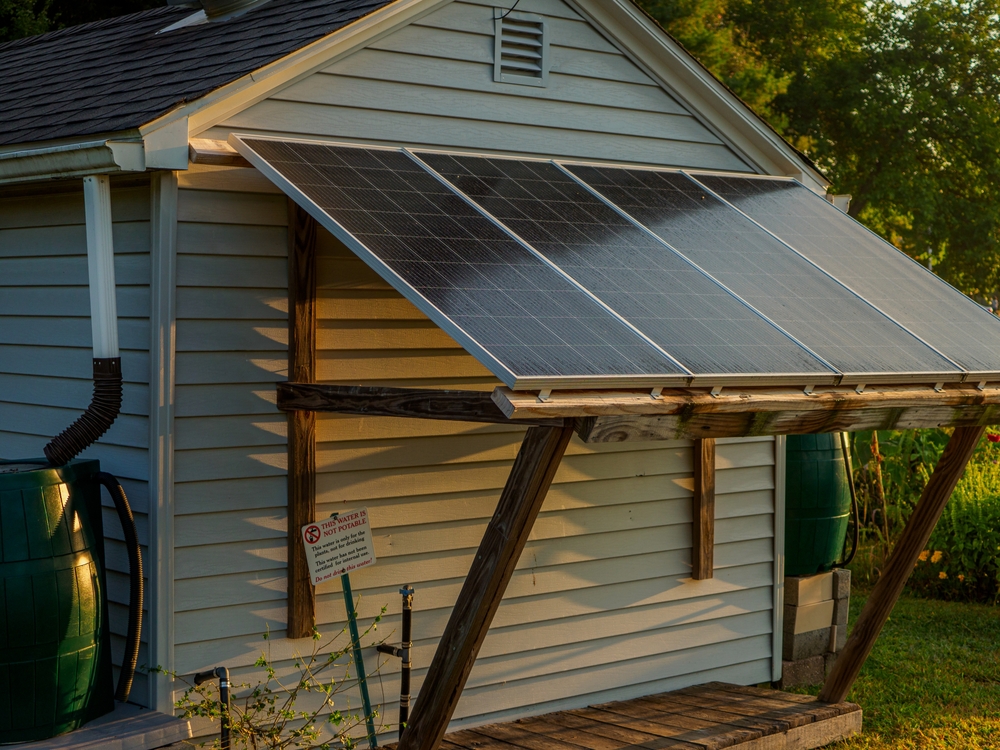
Earthbags can be integrated with solar power solutions, offering a unique combination of sustainable building and renewable energy.
Earthbags can be used for emergency shelters after natural disasters due to their easy construction, durability, and low cost. They can provide a safe and tempo
Earthbags can be used for flood-prone areas, but they require specific design and construction modifications to ensure their effectiveness and longevity.
Earthbags can be used for landscaping retaining walls, offering a sustainable and visually appealing solution for stabilizing slopes and terracing.
Earthbags can withstand heavy rainfall in tropical climates when properly designed and constructed, with a suitable foundation, adequate drainage, and a suffici
Yes, you can use alternative fill materials inside polypropylene bags for earthbag building, but it's essential to consider the weight, stability, and drainage
Polypropylene bags can be reused for building in earthbag construction, a sustainable and eco-friendly technique. They are used as bags to hold the earth or gra
Yes, a multi-story earthbag structure can be built safely with careful planning and execution, but requires attention to stability, drainage, and structural int
Yes, it's possible to build an earthbag home without professional help, but it requires careful planning, research, and physical labor.
Renewable energy systems can be effectively incorporated into earthbag homes by utilizing the natural building material's thermal mass properties to store and r
Earthbags can be used for small scale farming structures, offering a sustainable and durable option for buildings such as barns, greenhouses, and storage sheds.
Natural materials can be used in conjunction with earthbags to create a strong and sustainable structure.
Earthbag walls do require additional insulation for optimal energy efficiency, but the required amount depends on factors such as climate, local building codes,
Earthbags do not necessarily require a foundation or footings, but a stable base is crucial for the structural integrity of the structure.
Barbed wire can be used as a stabilizing element for earthbag walls, particularly for dome structures where the bag's curvature creates uneven forces on the wal
A dome-shaped earthbag structure is generally more energy efficient than a straight wall design, due to its curved shape which allows for better insulation and
Earthbag buildings offer numerous benefits over traditional methods, including superior earthquake resistance, lower material costs, and a reduced carbon footpr
Earthbag homes and straw bale structures share similarities in their eco-friendly and natural building techniques, but they differ in materials, construction me
Weather conditions affect earthbag building projects by influencing the soil's moisture content, which can impact the bags' stability and the plaster's adhesion
WEATHER EXTREMES CAN SIGNIFICANTLY IMPACT EARTH BAG CONSTRUCTION METHODS, PARTICULARLY IN TERMS OF STRAIN ON THE BAGS AND STRUCTURAL INTEGRITY, REQUIRING SPECIF
Earthbag construction can affect local wildlife by altering natural habitats and potentially disrupting animal migration patterns, although its impact can be mi
Soil composition significantly affects the durability of earthbag structures by influencing the integrity of the bags, the stability of the walls, and the overa
The size of polypropylene bags affects construction costs due to the number of bags required for a project, influencing material and labor expenses. Larger bags
Earthbag structures can last 50 to 100 years with proper care, including regular inspections, maintenance of waterproofing, and protection from extreme weather
A typical earthbag structure requires approximately 2-5 bags per square foot of floor area, depending on the design and material usage.
Earthbag structures should be inspected annually, with closer monitoring during the first few years after construction to ensure structural integrity. This help
A 2-3 inch (50-75 mm) plaster layer is a common thickness for earthbag buildings, providing a durable, weather-tight finish suitable for most climates. This thi
Proper moisture control in earthbag homes is achieved through a combination of drainage, ventilation, and waterproofing techniques, ensuring a dry and healthy l
To avoid common plumbing issues in earthbag homes, use a well-planned layout, incorporate drainage systems, and choose the right materials for water supply line
To choose the right size polypropylene bags for earthbag construction, consider the diameter of the bags and how they will be used in the structure, whether for
Cracking in earthbag plaster can be addressed through a combination of reinforcement, joint placement, and careful plaster application. Regular maintenance and
To effectively drain water around earthbag structures, use a combination of techniques such as installing a French drain system, grading the land to slope away