02 — Pillar · Off-Grid
Expert guides and Q&A about egg laying hens.
Q&A in this topic
60 total
Orpington eggs are generally considered to have a richer, creamier flavor compared to eggs from other breeds. This is due to the breed's larger size and slower
Orpingtons are moderate to heavy layers, producing around 200-220 brown eggs per year. They are known for their gentle nature and can be good backyard chickens,
Rhode Island Reds are generally considered easy to train due to their friendly and docile nature, making them a popular choice for backyard chicken keepers. How
Rhode Island Reds are known for their moderate foraging abilities, but they are not typically considered top performers in this area compared to other breeds.
Rhode Island Reds are generally more resistant to cold than Leghorns due to their thicker feathers and more compact body shape. --- Cold Hardiness Factors Rhode
For beginners starting off-grid, the best egg-laying breeds are Rhode Island Reds, Barred Rocks, and Australorps, offering a balance of hardiness, egg productio
Rhode Island Reds require a balanced diet with high-quality protein to achieve optimal egg production. A combination of layer feed and supplements such as grain
Orpingtons, a dual-purpose breed, can thrive with a consistent feeding schedule of 16 hours of light and 8 hours of darkness, supplemented with a balanced layer
Raising chickens without electricity requires a focus on manual feed, water, and waste management, as well as natural lighting for egg production. A suitable co
When integrating Leghorns into existing flocks, it's essential to maintain a stable social hierarchy, provide adequate space and resources, and monitor flock dy
Off-grid flock health management involves regular vaccinations, parasite control, and monitoring of water and feed quality to prevent disease outbreaks. A clean
To manage flocks in extreme weather events, prioritize providing adequate shelter, water, and nutrition while minimizing stress. This can be achieved by impleme
Winterize a chicken coop by insulating walls and floors, adding a roof overhang or awning to block wind and precipitation, and ensuring adequate ventilation to
Reducing stress in egg-laying hens involves providing adequate space, proper ventilation, and a balanced diet. Ensuring a calm environment and regular egg colle
The best time to start an egg-laying flock is typically in the spring or early fall, when temperatures are mild and rainfall is consistent, allowing for optimal
Introduce new hens gradually, starting with a few hours of separation from the existing flock, then introducing them in a neutral area before integrating them i
Protecting hens from common predators requires a multi-layered approach, including secure fencing, predator-proof coops, and strategic placement. A sturdy enclo
Free-range hens that forage and exercise outdoors tend to produce more nutritious eggs with better fatty acid profiles, higher omega-3 levels, and stronger shel
Hens can be trained to lay eggs in specific locations by introducing a consistent nesting area or coop and associating it with food rewards and a comfortable en
Leghorn Hens can live on scraps in an off-grid environment, but their egg production will suffer if they do not receive a balanced diet.
Leghorns can handle predator threats in off-grid settings, but they require adequate protection, such as fencing and roosting structures, to minimize losses. A
Orpington Hens can adapt to free-range living conditions, but it's essential to provide a gradual transition to prevent stress and ensure their well-being.
Orpington hens can thrive in cold climates with proper care and management. They have a moderate cold hardiness compared to other breeds.
Poultry netting can prevent some predators from accessing hens, but it is not a foolproof solution and should be used in conjunction with other forms of predato
Rhode Island Reds can be raised in urban backyards successfully with proper care and attention to local regulations.
Rhode Island Reds are generally good birds for children to handle, but it's essential to teach kids how to interact with them gently and respectfully.
Social Hierarchy Affects Egg Production in Chicken Flocks, with Dominant Birds Producing Fewer Eggs.
STRESS CAN NEGATIVELY IMPACT EGG PRODUCTION IN RHODE ISLAND REDS BY REDUCING LAYING RATES AND AFFECTING FERTILITY AND EGG QUALITY.
Yes, you can combine egg-laying hens with other types of poultry, but it's essential to consider factors like space, feed, and disease management to ensure a he
Mixing different breeds of hens can be done without issues, but it's essential to consider their temperaments, size, and space requirements to maintain harmony
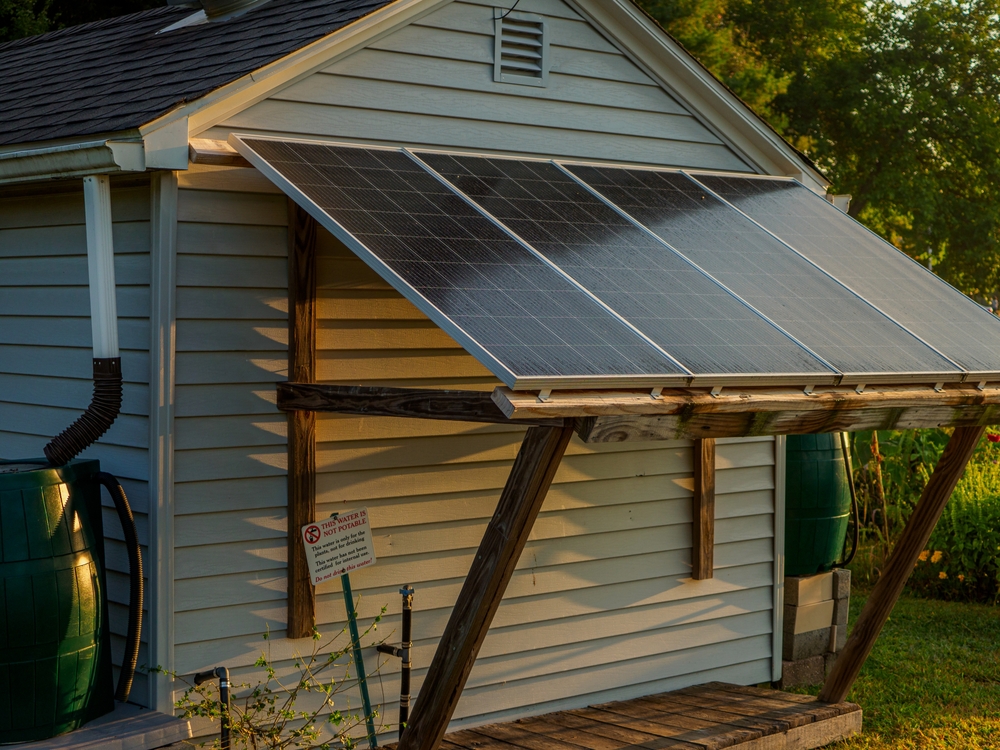
Yes, you can raise chickens in a solar-powered coop, providing a sustainable and renewable energy source for heat, light, and water pumping.
While it's possible to raise hens on a plant-based diet, it can be challenging to provide them with all the necessary nutrients, and egg production may decline.
Artificial light can be used to increase egg production in egg-laying hens by extending the day length and stimulating the birds' natural light-dependent proces
Natural remedies can be used in conjunction with conventional methods to prevent common hen diseases, such as mites, lice, and respiratory issues. Herbal extrac
Rhode Island Red hens are susceptible to various diseases such as Marek's disease, blackhead disease, and coccidiosis. These conditions can significantly impact
Different hen breeds may have specific nutritional requirements and feeding preferences due to variations in size, egg-laying capacity, and growth rates. Some b
Leghorns do lay eggs year-round, but their egg production can be affected by factors such as light, nutrition, and health. Leghorns are prolific layers, produci
Leghorns Prefer Free-Range Environments Over Coops because they are an active and social breed that thrive in spacious, natural environments. They have a strong
Leghorns Require More Space Than Other Laying Breeds due to their active and flighty nature, which necessitates larger enclosures to accommodate their roaming a
Orpingtons Require Moderate Care for Egg Production.
Rhode Island Reds tend to have a friendly, docile temperament compared to some other breeds, making them a popular choice for backyard chicken keepers.
Rhode Island Reds lay eggs that are typically around 55-60 grams in weight, which is considered medium to large in size. This breed is known for its consistent
Rhode Island Reds prefer a comfortable and clean nesting environment to optimize laying, which can be achieved with the right materials and setup.
Off-grid hens can lay eggs year-round with proper management and care, including providing adequate nutrition, light, and shelter. This can be achieved by suppl
Egg Characteristics: Different Breeds Produce Varying Egg Sizes --- Egg Size and Breed Variations
Egg production fluctuations occur due to various factors affecting the hens' health, nutrition, and environment, resulting in changes to their egg-laying cycle.
Some breeds are more prone to health issues or egg production challenges due to their genetic makeup, requiring breed-specific attention from the farmer.
Egg production trends are expected to shift towards more sustainable and efficient methods, driven by consumer demand for locally sourced and organic products.
The Orpington breed is generally considered superior for egg production, producing an average of 200 large brown eggs per year, whereas the Rhode Island Red ave
Leghorns, a popular breed for egg production, experience seasonal variations in egg laying. Hens typically produce around 280-300 eggs per year, but this number
Egg quality is influenced by the breed of laying hens, but distinct flavors are not primarily attributed to different breeds. Factors such as diet, living condi
Leghorns are prolific layers, producing around 280-300 large white eggs per year. They typically start laying eggs at around 18-20 weeks of age, with the first
Heritage breeds tend to lay fewer eggs annually than hybrid breeds, with a typical egg-laying frequency ranging from 100 to 200 eggs per year for heritage breed
For off-grid living, consider breeds like Rhode Island Reds, Barred Rocks, and Australorps, which are known for their hardiness, egg production, and ability to
Leghorns typically reach peak egg-laying production between 18 and 24 weeks of age, with some individuals starting to lay eggs as early as 16 weeks. The number
Egg production in hens is significantly affected by weather conditions, with temperature extremes, humidity, and sunlight exposure impacting the number of eggs
A Rhode Island Red can lay around 200 eggs annually, with some individuals reaching up to 220 eggs. This is due to their high egg production rate, making them a
A family of four typically requires 3-4 egg-laying hens to provide a consistent supply of eggs, considering an average hen lays around 280 eggs per year.
To choose the right nesting boxes for egg layers, consider the age, breed, and number of hens, and ensure the boxes are easy to clean and have a sturdy design.
Regularly inspect egg-laying hens for signs of respiratory issues, such as labored breathing, wheezing, or a runny beak. Look for changes in appetite, water int