02 — Pillar · Off-Grid
Expert guides and Q&A about generator carbon monoxide safety.
Q&A in this topic
60 total
Battery-Powered Generators Are Generally Safer for CO Prevention Because They Run on Electricity Rather Than Fossil Fuels, Which Can Produce Carbon Monoxide Whe
Dual-Fuel Generators emit less CO when running on propane compared to gasoline, due to propane's cleaner combustion characteristics.
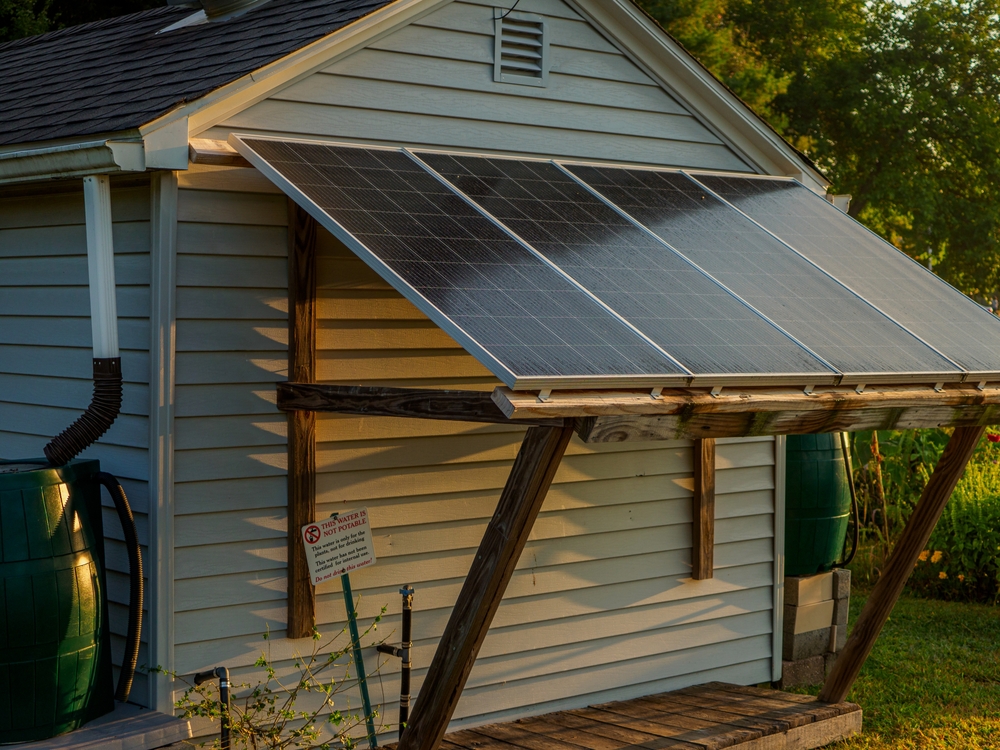
Solar Chargers Safer Than Generators for CO Emissions because they don't produce any toxic gases or emissions during operation.
When using generators in urban areas, special considerations include carbon monoxide safety, noise pollution, and local regulations regarding noise and emission
Yes, there are several apps that can help monitor CO levels near generators, providing critical safety data to users.
CO Prevention Tips Specific to Tiny Homes are crucial due to their compact living spaces and often limited ventilation. Tiny home dwellers are more susceptible
CO Risks with Portable Generators in RVs exist when generators are not installed, maintained, or used properly.
GENERATOR BRANDS WITH LOWER CO EMISSIONS OFTEN FEATURE ADVANCED ENGINE TECHNOLOGY AND CATALYTIC CONVERTERS TO REDUCE CARBON MONOXIDE OUTPUT. THEY ALSO OFTEN REQ
GENERATOR VENTILATION PRODUCTS EXIST TO PREVENT CARBON MONOXIDE POISONING. THESE PRODUCTS ARE SPECIFICALLY DESIGNED FOR USE WITH GENERATORS TO ENSURE SAFE OPERA
The best generator models with built-in CO safety features include the Westinghouse iGen2200 with CO Detect and the Generac GP2200i with CO Shield. These genera
Generator carbon monoxide (CO) emissions are a significant concern when using generators near lakes or rivers. Carbon monoxide is a colorless, odorless, and tas
To ensure safe generator use during power outages, position it at least 20 feet away from windows, doors, and vents, and always use a carbon monoxide detector n
GENERATOR EXHAUST MUST BE VENTILATED TO THE OUTSIDE TO PREVENT CARBON MONOXIDE BUILDUP AND OTHER HARMFUL FUMES. PROPER VENTILATION ENHANCES AIR QUALITY AND ENSU
Carbon Monoxide Levels Can Reach Dangerous Heights Rapidly, Often Within Minutes of Poorly Maintained Generator Use. This Rapid Buildup Can Be Fatal. Carbon Mon
CO sensors can be an effective addition to off-grid situations, but their accuracy depends on proper calibration and maintenance.
CO Shutdown Sensors can malfunction and lead to poisoning due to various factors such as poor calibration, exposure to chemicals, or physical damage.
Generators can be used indoors with proper ventilation, but this must be carefully planned and executed to prevent carbon monoxide buildup.
Generators can be used safely in high-humidity areas, but their safe operation requires careful consideration of carbon monoxide buildup, moisture accumulation,
Generators can produce carbon monoxide during a power surge, but it's more common when they're not properly maintained or ventilated.
Natural ventilation alone is not sufficient for ensuring generator safety, as it may not provide adequate airflow to prevent carbon monoxide buildup. Generators
It's possible to use a generator in a camping tent with ventilation, but it requires careful consideration of carbon monoxide safety and proper setup to avoid p
Yes, you can use a generator in a covered patio, but you must ensure proper ventilation to prevent carbon monoxide buildup from the generator. Check local regul
Yes, you can use a generator in an open barn, but it's crucial to ensure proper ventilation to prevent carbon monoxide buildup. This can be achieved by maintain
Yes, solar power can significantly reduce reliance on generators, minimizing carbon monoxide risks and providing a cleaner, more sustainable energy source.
Yes, trees or shrubs can affect a generator's ventilation effectiveness by blocking airflow, potentially leading to carbon monoxide buildup. Proper clearance is
Wind direction can affect generator carbon monoxide risks by increasing the concentration of CO in confined areas, potentially leading to overexposure and healt
Wind Turbines Can Be Used to Assist Ventilation of Generator Exhaust, But with Limitations.
Yes, you can install a CO shutdown sensor yourself, but it requires basic DIY skills and attention to safety precautions.
Venting generator exhaust through a wall is not recommended unless you comply with specific safety standards and codes, such as ASHRAE 135 and NFPA 37. Proper v
Flexible venting systems are not the best option for generator exhaust due to safety concerns.
It's generally not recommended to use a generator on a deck or balcony due to the risk of carbon monoxide poisoning from improper ventilation.
Yes, you can use a generator while camping safely, but it requires careful planning and execution to minimize risks such as carbon monoxide poisoning and electr
GENERATORS EMIT VARYING AMOUNTS OF CO. SOME GENERATORS PRODUCE MORE CO THAN OTHERS, DEPENDING ON THEIR TYPE AND DESIGN. GASOLINE GENERATORS, FOR EXAMPLE, TEND T
CO shutdown sensors do require regular maintenance to ensure proper function and avoid potential hazards.
CO Shutdown Sensors Work in extreme temperatures, but their performance may degrade slightly due to temperature fluctuations.
Generators can create CO risks in tiny homes if not installed or used properly, as carbon monoxide can accumulate in enclosed spaces.
Yes, generators emit more CO when overloaded, as they burn more fuel to compensate for the increased load, which results in higher emissions of carbon monoxide.
A CO detector is still crucial, even if your generator has a shutdown sensor, as it can detect CO levels before the shutdown sensor activates, providing a more
Having exhaust diverters on your generator does not entirely eliminate the risk of carbon monoxide buildup, and it's still recommended to use a CO sensor for op
Adequate ventilation is crucial when using off-grid generators to prevent carbon monoxide accumulation and ensure safe operation. This involves installing a ven
CO Shutdown Sensors are tested for accuracy through simulated exposure to CO levels in a controlled environment. This ensures the sensor's response is precise a
CO detectors are surprisingly ineffective in protecting against generator carbon monoxide poisoning due to high noise levels and poor design, but they can still
CO sensors in high-altitude locations are less effective due to lower oxygen levels, which can lead to false readings and delayed detection of CO poisoning. Thi
Generators should be at least 20 feet away from open windows and doors to prevent carbon monoxide buildup and ensure safe ventilation.
Ventilation areas should be checked for blockages every 3-6 months, or immediately after any construction or renovation work in the surrounding area.
CHECK_CO_SHUTDOWN_SENSORS: Check CO shutdown sensors daily, after every fuel tank refill, and before each use to ensure proper operation and safety.
Assess CO risks when using multiple generators by ensuring proper ventilation, using CO detectors, and maintaining regular generator inspections to prevent carb
To calculate safe distances for generator use, consider the generator's power output, carbon monoxide (CO) emissions, and wind direction. A commonly recommended
To choose a generator with effective CO prevention, consider units with built-in CO detectors, automatic shut-off, and emission ratings below 50 ppm. Look for g
To create a safe generator operation zone outdoors, provide a minimum of 3-4 feet of clearance around the generator, ensure good ventilation and airflow, and ke
Educate your family about generator CO risks by explaining the dangers of carbon monoxide poisoning, demonstrating proper generator placement and use, and sched
Educate others about generator CO risks by emphasizing the dangers of improper use, the importance of proper ventilation, and the need for regular maintenance t
Ensure Proper Generator Ventilation in a Shed: Maintain at least three feet of clearance around the generator, ensure proper airflow through unobstructed openin
A CO shutdown upgrade is necessary for a generator if it's over 10 years old, has been modified or maintained poorly, or has been used in an enclosed space. Loo
Position a generator in a well-ventilated area, at least 20 feet away from windows, doors, and any enclosed spaces to prevent carbon monoxide buildup in high-wi
Generator carbon monoxide poisoning is a significant risk when using off-grid power sources. To position your generator for optimal safety, keep it in a well-ve
Check for a steady, low-level hiss or whine coming from the generator's exhaust pipe, as this can indicate a CO leak. Look for signs of staining or corrosion on
Place generators at least 20 feet away from living spaces, windows, and doors to prevent carbon monoxide build-up. Elevate them on a level surface to improve ai
Carbon monoxide is not always a concern with off-grid living, but it can be a significant risk when using certain off-grid equipment, such as generators. Proper
Carbon Monoxide Poisoning is a serious concern with generators, especially when used indoors or in poorly ventilated areas. According to the US Consumer Product