02 — Pillar · Off-Grid
Expert guides and Q&A about ham radio hf off grid.
Q&A in this topic
60 total
Yes, multi-band antennas are effective for off-grid ham radio setups, offering a compact and efficient way to cover multiple frequency bands, reducing the need
Yes, there are off-grid ham radio clubs that provide support, offering resources, guidance, and camaraderie to those operating HF without traditional grid power
Portable solar kits designed for HF radio setups do exist and can be a great solution for ham radio operators who need to power their gear in remote areas.
Yes, national parks have regulations for HF ham radio operation. These regulations are typically managed by the National Park Service (NPS) and can vary by park
Specialized HF antennas are available for RV or camper use, designed to handle the unique challenges of mobile installations, such as limited space and weight c
Yes, specific frequencies should be avoided for off-grid HF use to minimize interference and maximize signal quality. The International Telecommunication Union
Yes, specific HF radio models are recommended for off-grid enthusiasts due to their reliability, range, and energy efficiency. Models like the Yaesu FT-857D, Ic
In the United States, amateur radio operators who wish to use off-grid high-frequency (HF) radios are required to hold a valid amateur radio license, which is i
For long-distance HF communication, the best antenna configurations feature a vertical dipole or a vertical monopole, often with a counterpoise system, and are
For HF ham radio antenna installations, the best coaxial cables are those with a minimum of 75 ohms impedance, a solid or braided center conductor, and a weathe
Off-grid locations with minimal interference, high elevation, and clear line-of-sight to the horizon are ideal for HF ham radio communication. Mountainous regio
For a reliable off-grid HF radio station, choose a location with minimal interference, use a well-designed antenna system, and select a power source capable of
Environmental noise can indeed impact HF radio signal clarity, particularly when operating in proximity to sources of man-made or natural electromagnetic interf
Ham radios with internet connectivity, known as IoT or IPSC modes, can establish a connection to the internet via satellite, cellular, or other off-grid means,
Yes, HF ham radios can operate reliably during power outages, but they require careful planning and preparation, including proper antenna setup, battery backup
HF ham radios can operate under extreme weather conditions with proper equipment setup and maintenance.
Yes, you can communicate globally using your HF radio, but coverage and reception depend on various factors such as antenna quality, transmission power, and atm
Yes, you can communicate with other countries using an off-grid HF setup, but the distance and quality of the signal depend on various factors such as antenna h
You can improve HF radio reception with a homemade antenna, but its effectiveness depends on the design, materials, and installation. Proper antenna selection a
Yes, you can listen in on emergency frequencies with an HF radio, but you need to know the correct frequencies and settings to do so.
For maritime communication, HF ham radio can be a reliable option, but only when properly set up and operated with the right equipment and techniques, and takin
Yes, you can run an HF ham radio on a bicycle or portable power, but it requires careful planning and equipment selection to ensure reliable operation.
Yes, you can set up a remote HF station for wilderness communication using a solar-powered system, antenna, and a reliable transceiver, but proper planning and
Yes, you can set up an HF radio station without commercial power, using alternative energy sources such as solar, wind, or DC power from a battery bank.
HANDHELD HF RADIOS CAN BE EFFECTIVE FOR OFF-GRID COMMUNICATION, BUT THEY REQUIRE PROPER ANTENNA SELECTION, TUNING, AND OPERATION. THEY OFTEN OFFER PORTABILITY A
A single-wire antenna is generally not suitable for long-distance HF communication due to its limited bandwidth, radiation pattern, and efficiency compared to a
Yes, you can use an HF radio to communicate with other countries, but it requires a good understanding of the technology, licenses, and regulations.
Yes, you can use an off-grid HF radio during winter conditions, but you'll need to take extra precautions to ensure reliability and effectiveness.
Digital modes can enhance HF signals during poor conditions by using advanced signal processing techniques, such as noise reduction and error correction, to ext
HF ham radio can be used for emergency alerts in wilderness situations, but it requires careful planning, equipment, and knowledge of HF propagation.
Using multiple antennas can indeed improve HF reception by increasing the signal-to-noise ratio and providing a more directional receive path. The setup and con
Yes, you can use your HF radio for contacting local emergency services, but it's essential to follow proper procedures and regulations.
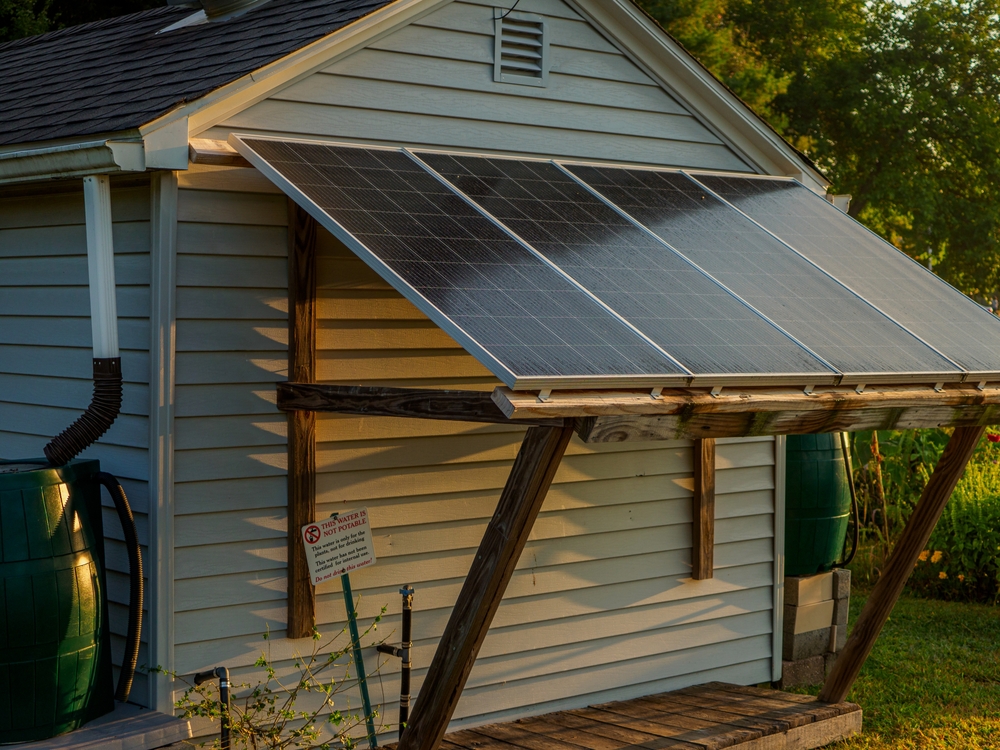
Solar panels can effectively power an HF ham radio station, but it requires careful planning and sizing to accommodate the ham radio's power requirements and en
In remote areas, common interference problems with HF ham radios include ionospheric noise, solar noise, and terrestrial interference from power lines and elect
Common mistakes when setting up an HF radio off-grid include poor antenna selection, inadequate grounding, and insufficient power supply.
SSB (Single Sideband) is generally preferred in off-grid ham radio use due to its higher power efficiency and longer transmission range compared to CW (Continuo
You may not need a license to operate a high-frequency (HF) ham radio in remote areas, but it's highly recommended to hold a valid amateur radio license issued
Off-grid operators need unique skills for HF ham radio due to the challenges of reliable communication in remote areas, requiring knowledge of antenna selection
Yes, altitude affects HF radio signal propagation, particularly above 5,000 feet where ionospheric conditions vary significantly.
Off-grid locations typically pose no unique challenges for obtaining a high-frequency (HF) ham radio license. The Federal Communications Commission (FCC) rules
Yes, terrain can severely impact HF radio signal strength in remote areas by absorbing, reflecting, or scattering radio waves, reducing the signal's ability to
Yes, the time of day affects HF radio transmission quality. Ionospheric conditions change throughout the day, influencing signal propagation and strength. Recep
To extend HF radio battery life, use low power modes, optimize antenna placement, and implement power-saving techniques like solar charging and voltage regulati
Propagation conditions affect HF radio performance by altering signal strength, clarity, and reliability due to ionospheric and tropospheric interactions.
An increase in antenna height generally leads to an expansion of the radio frequency signal's coverage area, as well as improved signal strength and reliability
Band noise impacts HF communication in remote areas by interfering with the reception of weak signals, making it difficult to hear distant stations.
Interference from power lines can significantly degrade High Frequency (HF) performance by causing noise, signal distortion, and reduced communication range due
Moisture significantly affects HF radio equipment in the field by causing corrosion, electrical shorts, and reducing overall system reliability.
For reliable HF transmission, a minimum of 100-150 watts is recommended, but 200-400 watts is ideal for optimal performance.
Perform maintenance on your HF radio gear at least every 6 months to ensure optimal performance and reliability, with daily checks and adjustments as needed.
Choose a feedline that matches your antenna's impedance and the distance it will cover. Consider factors such as power handling, size, and durability when selec
To hear weak signals on HF radio in remote locations, use a high-gain antenna, a low-noise amplifier, and a spectrum analyzer to optimize your setup. Consider a
Improve HF signal clarity by optimizing antenna design, using noise-reducing techniques, and selecting the best operating frequencies for your location.
To improve your HF radio's performance during peak hours, consider upgrading your antenna, reducing power consumption, and optimizing your radio's settings. Pro
To manage battery usage effectively for HF radio operations, it's essential to monitor the battery's state of charge, voltage, and current draw. Use a battery m
To maximize the efficiency of your HF antenna system, ensure a sturdy, elevated mast, optimize your antenna's physical location, and implement a matching networ
To minimize noise in HF radio communications off-grid, use a properly shielded antenna, avoid nearby power sources, and install noise-reducing equipment such as
Regularly inspect and clean HF radio equipment, paying attention to antenna connections, coaxial cables, and receiver components. Perform routine maintenance ta
To select an optimal location for an off-grid HF antenna, choose an open area with minimal line-of-sight obstructions, ideally 30-50 feet above the surrounding
To troubleshoot a weak HF radio signal in the bush, inspect the antenna for damage or detuning, check for signal sources like other transmissions or interferenc