02 — Pillar · Off-Grid
Expert guides and Q&A about ham radio vhf uhf.
Q&A in this topic
60 total
HANDHELD RADIOS EFFECTIVE FOR SEARCH AND RESCUE OPERATIONS, BUT WITH LIMITATIONS. THEY PROVIDE RELIABLE, SIMPLE COMMUNICATION IN EMERGENCIES, ESPECIALLY IN AREA
HANDHELD RADIOS ARE SUITABLE FOR WILDLIFE MONITORING PURPOSES WHEN CHOSEN FOR THEIR SPECIFIC FREQUENCY RANGE AND FEATURES, SUCH AS HIGH-GAIN ANTENNA AND LONG-LA
Handheld UHF radios are not the most suitable option for urban areas due to signal penetration issues, as buildings and structures can block the UHF frequency.
Yes, there are additional licenses for specific ham radio operations, such as amateur satellite operations, amateur television, and amateur radio service operat
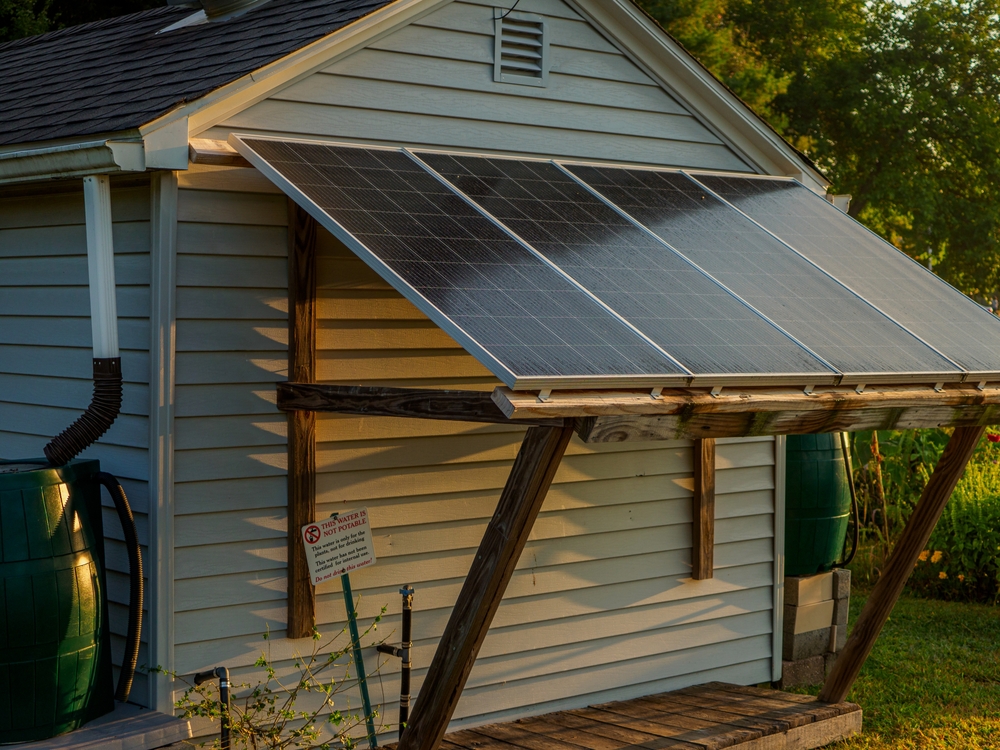
Eco-friendly charging options for ham radios include solar power, wind power, and USB charging from power banks, offering portable and sustainable alternatives
Ethical considerations for off-grid ham radio use include minimizing interference, respecting local regulations, and not using the system to facilitate maliciou
Yes, there are free software options for programming ham radios, including Fldigi and CHIRP, which support a wide range of devices and offer features like data
Reliable VHF/UHF radios for beginners can be found under $100, but it's essential to consider your specific needs and local regulations.
Yes, specific frequencies are recommended for emergency comms, particularly on VHF and UHF ham radio bands, to ensure reliable and efficient communication in em
For portable VHF/UHF radios, lithium-ion batteries and lead-acid batteries are the most suitable options due to their efficiency, reliability, and compatibility
In a survival situation, prioritize using a ham radio to contact emergency services and alert others to your location. Ensure your radio is properly tuned and c
Ideal locations for setting up a ham radio antenna off-grid include elevated areas such as hills, ridges, or mountaintops, and areas with minimal obstructions l
For emergency situations, the best portable VHF/UHF radio is the Yaesu FT-60R, offering reliable communication and durability at a reasonable price. This radio
To charge a ham radio in remote locations, use a high-capacity solar panel connected to a deep cycle battery, and monitor the battery's state of charge to avoid
Maintaining ham radio equipment off-grid requires regular cleaning, inspection, and storage of the gear to prevent corrosion and moisture damage.
For charging ham radios, the best solar-powered options include portable solar panels with DC output, such as the Goal Zero Nomad 7 or Renogy 100W solar panel,
For off-grid camping, the best VHF handheld radio is the Garmin inReach Explorer+, due to its long battery life, water resistance, and emergency SOS capabilitie
Yes, environmental noise can disrupt VHF/UHF radio signals.
Yes, handheld radios can connect to a car battery for power, but it's essential to consider the voltage and current requirements of the radio and the capabiliti
Handheld VHF radios can be used for mobile use, but with certain limitations and requirements. They need a suitable mounting solution and a power source to oper
Communicating with UHF radios inside buildings can be challenging due to the high frequency signal being easily blocked by solid objects. However, with the righ
Yes, you can integrate your ham radio with a GPS unit for navigation by using a separate GPS module or a smartphone with a ham radio app, and then transmitting
Yes, you can network with other ham radio operators off-grid using various methods, including VHF and UHF radio systems, satellite communication, and low-power
In the United States, you can operate a VHF radio during an emergency without a license, but only for immediate life-saving purposes, such as calling for help i
Yes, you can participate in ham radio contests while off-grid, but it's crucial to have a reliable power source, a clear view of the horizon, and an understandi
Yes, you can track wildlife using VHF radios in the field, but it requires a system of receivers, transmitters, and skilled operators to effectively locate and
Yes, you can use a handheld radio during severe weather conditions, but it's essential to consider the type of radio, antenna, and environment to ensure reliabl
A handheld VHF radio can be used for marine communications, but it's essential to choose a model with specific features to meet the demands of marine use. Look
Yes, you can use ham radios in national parks, but there are specific rules and regulations to follow, including obtaining a free permit and adhering to park ra
Yes, you can use your ham radio under FCC restrictions while camping, as long as you comply with the agency's rules and regulations, which include licensing req
Yes, solar panels can sustain a mobile ham radio in the field, providing a reliable source of power for critical communication operations.
Using repeaters can significantly enhance your VHF/UHF communication range by amplifying weak signals and re-transmitting them to a wider area.
VHF radios may not penetrate dense forest cover effectively due to signal attenuation, although they can work at shorter ranges.
You typically need an external speaker mic for handheld radios with low audio output or for use in noisy environments, but some modern handheld radios have suff
Yes, recommended frequencies differ by geographical location due to varying ionospheric conditions and terrestrial interference.
Solar chargers can effectively power handheld radios, but the performance depends on the solar charger's power output and the radio's power requirements. A well
UHF radios typically have better clarity and more channels than VHF radios, especially in areas with high levels of interference or multipath distortion.
UHF radios can require more frequent battery replacements due to the higher power consumption of UHF signals, but this difference is typically minor unless used
Yes, antenna placement significantly affects ham radio performance outdoors, impacting signal strength, reliability, and overall communication quality.
Terrain type significantly affects radio signal strength, with variations in elevation, vegetation, and water causing signal loss and interference. Hills, mount
Amplifying handheld radio signals can be achieved through antenna upgrades, signal boosters, and repeater technology. Antenna upgrades can increase signal stren
To extend the battery life of ham radios, use low-power modes, optimize antenna configurations, and maintain proper battery charging and storage conditions. Reg
Regulations have evolved to address growing concerns about electromagnetic interference and the public's right to quiet enjoyment, but overall, the framework fo
Solar panels can impact battery life for radios by providing a reliable external power source, potentially reducing the need for frequent battery replacements o
Humidity affects your ham radio's performance by increasing signal loss and distortion, especially on VHF and UHF frequencies, due to water molecules in the air
Terrain significantly affects VHF/UHF radio reception, causing signal blockages, reflections, and diffractions that can impact range and quality of communicatio
Typical batteries in a handheld VHF radio can last anywhere from 8 to 24 hours on a single charge, depending on usage patterns and the specific battery type.
Program 5-10 channels into your handheld radio, including local repeaters, emergency frequencies, and channels for simplex communication.
Regularly check your radio equipment for maintenance every 30 to 60 days, or after each major use. This includes inspecting for signs of wear, cleaning contacts
Choosing the best antenna for your VHF/UHF radio requires considering factors such as frequency range, power output, and environmental conditions. A good antenn
To choose the right frequency for local communications, consider the terrain, obstacles, and intended use of the communication system. For ham radio operations,
To ensure battery compatibility with your handheld radio, check the manufacturer's specifications for the recommended battery type and voltage rating. Ensure th
Improving VHF signal in a hilly area involves using a high-gain antenna, reducing terrain-induced multipath, and using a repeater or relay station if possible.
To set up a ham radio station in the wilderness, start by choosing a suitable location for your antenna and shack, then select a reliable power source, and fina
To troubleshoot poor reception on your handheld radio, check the antenna connection, adjust the antenna's position for optimal reception, and try changing the c
For long-distance communications, the ideal handheld radio is the Yaesu FT-60R or the Kenwood TH-D74A, both of which offer reliable and efficient performance on
A base station may not be necessary for reliable off-grid communication, but it can significantly enhance reliability and range, especially in situations where
A portable solar setup may not be enough for extended radio use, especially for high-power amateur radio operations, due to limited energy storage and potential
Dual-band functionality is not strictly necessary for a ham radio, but it can be beneficial for flexibility and convenience in certain situations.
Joining a local ham radio club can be a valuable experience for individuals interested in amateur radio, offering opportunities for hands-on learning, networkin