02 — Pillar · Off-Grid
Expert guides and Q&A about heat kerosene heater.
Q&A in this topic
60 total
Many kerosene heaters are certified for indoor air quality, but it ultimately depends on the model and specific standards met, such as the EPA's Phase 2 emissio
Kerosene heaters are not a recommended solution for heat during power outages due to safety concerns and risks of carbon monoxide poisoning.
Kerosene heaters are not a suitable long-term solution for off-grid living due to their inefficiency and safety concerns.
Portable kerosene heaters are not the safest choice for indoor use.
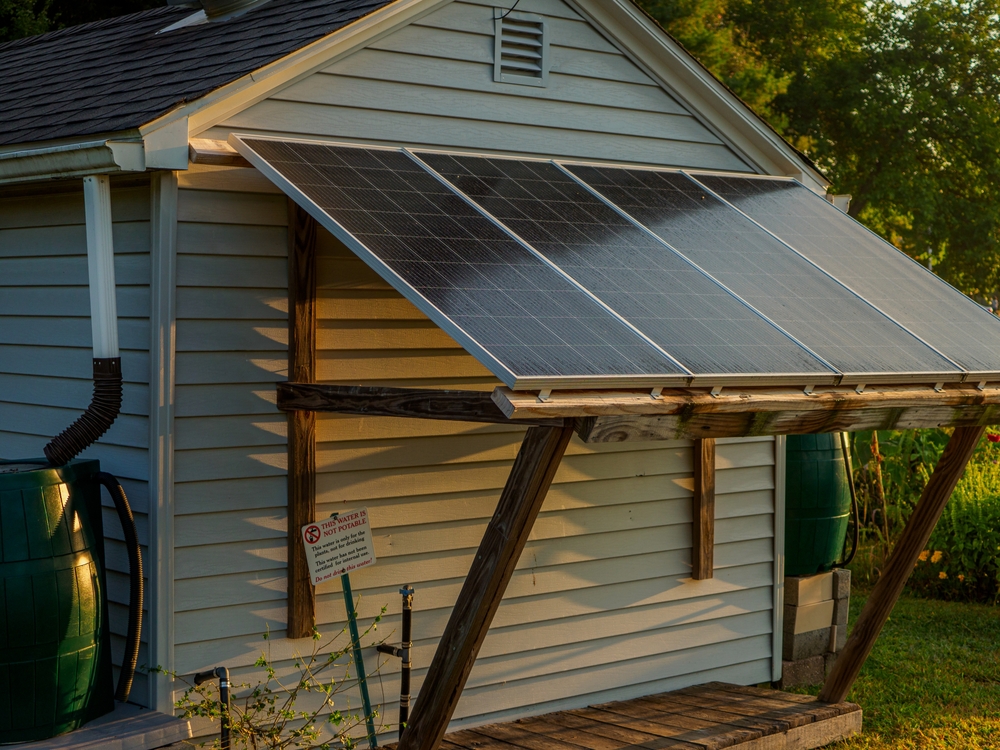
Yes, there are alternatives to kerosene for off-grid heating, including solar-powered systems and bio-based fuels like wood pellets or propane.
Kerosene heater usage is restricted in certain areas due to air quality and safety concerns. For example, some cities or states have bans or regulations on kero
Kerosene heaters require special considerations in winter due to increased demand for heat and potential safety hazards.
Yes, there are specific kerosene heater brands you can trust, including Coleman, Soto, and Optimus, known for their reliability and safety features.
Kerosene heater use is regulated by individual states in the US, and some cities have specific laws, often in response to indoor air quality, carbon monoxide sa
In emergency situations, it's essential to use K1 fuel efficiently in your heat kerosene heater to minimize consumption and maintain a safe environment. This is
Store K1 fuel in a well-ventilated area, away from heat sources, and in a container specifically designed for fuel storage. Keep the storage area inaccessible t
To ventilate safely while using kerosene heaters, maintain a 3-foot clearance around the unit, ensure proper airflow, and direct the exhaust away from windows,
Effective ventilation solutions for kerosene heater safety include installing a dedicated exhaust fan with a HEPA filter and ensuring proper clearance from comb
Children should be kept at a safe distance from kerosene heaters, ideally 3 feet or more, to minimize the risk of burns and carbon monoxide poisoning.
Using a kerosene heater in an unvented space is not recommended and can be hazardous. This is because kerosene heaters produce carbon monoxide and other byprodu
Kerosene heaters can be used as supplemental heat during winter, but they should be used with caution and follow proper safety guidelines.
Kerosene heaters can be used during severe weather events, but it's crucial to follow safety guidelines to minimize risks. Proper ventilation and usage are esse
Kerosene heaters can be used for cooking in emergencies, but with careful consideration and precautions, as they are not designed for cooking and can pose safet
Kerosene heaters can be used in areas with high humidity, but they may not operate efficiently or safely due to the risk of water accumulation and condensation
Kerosene heaters can be used in garage spaces, but it's essential to follow specific guidelines and precautions to ensure safe operation.
Kerosene heaters can be used in recreational vehicles, but they require careful installation, maintenance, and operation to ensure safe and efficient performanc
Kerosene heaters can cause carbon monoxide poisoning due to incomplete combustion of fuel, which releases CO into the air. This can lead to serious health issue
Using a kerosene heater can lead to allergic reactions due to the chemicals released during combustion.
Yes, you can combine kerosene heating with solar power, but it's essential to choose a kerosene heater that's compatible with solar power generation, and to siz
A kerosene heater can be used as a primary heating source in some cases, but it's essential to consider factors like safety, efficiency, and environmental impac
You can use a kerosene heater for outdoor heating applications, but it's essential to follow safety guidelines and consider ventilation requirements.
Using a kerosene heater in a tent is not recommended due to safety concerns, fuel leakage, and moisture accumulation, which can lead to carbon monoxide poisonin
Yes, you can use kerosene from a gas station in your heater, but it's crucial to meet the fuel's specifications and ensure the quality meets your heater's requi
Kerosene heaters are not designed for extended periods of use, as they can be hazardous to your health and safety due to carbon monoxide poisoning and kerosene
Using kerosene heaters in high altitude locations is not recommended due to reduced oxygen levels, which can lead to incomplete combustion, reduced efficiency,
Kerosene heaters are not always the most efficient or safest choice for heating, but they are not entirely false either; certain myths and misconceptions surrou
Kerosene heater ignition issues can be caused by a faulty spark generator, dirty or clogged burner, or low kerosene levels. Check the fuel supply and clean the
Kerosene heaters may affect home insurance policies by increasing fire risk and potentially voiding certain coverage types, but the specific impact depends on l
Kerosene heaters require regular maintenance to ensure safe and efficient operation, including cleaning the fuel filter every 10-20 hours of use and checking th
K1 Fuel typically produces minimal odors when burned indoors, as it is known for a relatively odorless combustion process compared to other types of kerosene. H
Alternative emergency heating options include propane-powered generators, wood-burning stoves, and portable electric heaters with a backup power source, such as
Harmful emissions from kerosene heaters include particulate matter, carbon monoxide, and volatile organic compounds. These pollutants contribute to respiratory
Kerosene heaters generally produce between 5,000 to 20,000 BTUs of heat output, while electric heaters typically produce between 1,000 to 5,000 watts, or approx
To heat a space with a kerosene heater, it's essential to choose the right heater size, provide adequate ventilation to avoid carbon monoxide buildup, and follo
To create an efficient ventilation plan for kerosene heating, ensure proper airflow, using windows and vents to remove combustion byproducts, and follow local v
Improve indoor air quality when using kerosene by ensuring proper ventilation, using a high-quality kerosene heater with a good filter, and maintaining a clean
Kerosene heater efficiency is generally lower compared to electric options, with an average efficiency of 40-50% for kerosene heaters, while electric heat pumps
K1 fuel can be stored for roughly 6-12 months without significant degradation when stored properly in a cool, dry place, away from direct sunlight and heat sour
A kerosene heater should not be run indoors for more than 8 hours a day, as prolonged use can lead to carbon monoxide buildup and poor indoor air quality. Prope
Typical kerosene heaters range from 10,000 to 30,000 BTUs, depending on the model and intended use. These units are often used for small spaces, like cabins or
Replace the wick in a kerosene heater every 200-300 hours of use or whenever you notice a significant drop in performance.
Service a kerosene heater every 40-50 hours of use or at the end of each heating season, whichever comes first.
To choose a kerosene heater for off-grid living, consider factors such as fuel efficiency, heat output, and safety features. Look for a heater with a high BTU r
Determine the right size kerosene heater by calculating the space's heat loss in BTUs, considering factors like insulation, windows, and occupancy, then match i
To ensure adequate airflow for a kerosene heater, maintain a clear space around the appliance, ensure proper venting, and provide enough clearance from surround
To identify a quality kerosene heater for long-term use, look for models with a robust build, reliable ignition system, and high-quality wick or burner design.
Your kerosene heater will typically need a fuel change when it starts to run out of fuel, which can be indicated by a decrease in performance, a change in the s
Dispose of old K1 fuel by taking it to a household hazardous waste collection facility or an auto parts store that accepts used fuel. Do not dispose of it in re
To safely transport K1 fuel, store it in a well-ventilated area, away from heat sources and open flames. Use a fuel can with a tight-fitting lid and a secure, l
For ideal kerosene heater placement, keep it at least 3 feet away from combustible materials, such as curtains, bedding, or furniture, and avoid placing it near
Indoor heating with kerosene is a significant contributor to environmental concerns due to the release of particulate matter, volatile organic compounds, and ca
A carbon monoxide detector is necessary with kerosene heaters due to the risk of carbon monoxide poisoning from incomplete combustion. Kerosene heaters can prod
Kerosene heaters can indeed pose indoor air quality concerns due to the combustion of kerosene releasing particles, volatile organic compounds, and other pollut
Monitoring humidity is not strictly necessary when using kerosene heaters, but it can help prevent condensation buildup, which can lead to corrosion and damage
Yes, it is possible to overheat a room with a kerosene heater, particularly if the heater is not properly maintained, the room is poorly ventilated, or the heat