02 — Pillar · Off-Grid
Expert guides and Q&A about hydroponics basic.
Q&A in this topic
60 total
Hydroponics can be a valuable addition to a survivalist or prepper's food production plan, offering a high-yielding and water-efficient way to grow a wide varie
There are numerous successful off-grid hydroponics systems in operation worldwide, providing a reliable source of fresh produce for individuals and communities.
To set up a basic hydroponics system, beginners need a water reservoir, a pump, a timer, a nutrient solution, and a growing medium such as clay pebbles. They al
Hydroponics offers increased crop yields, reduced water consumption, and improved growth rates compared to traditional soil gardening, making it a sustainable a
For Kratky hydroponics, the best containers are typically food-grade plastic buckets, totes, or tubs with a capacity between 5-20 gallons, and a minimum depth o
For beginners, some of the best DIY hydroponics projects include building a NFT (Nutrient Film Technique) system, a DWC (Deep Water Culture) system, or an Ebb a
For small spaces, a compact and efficient hydroponic setup is ideal. A NFT (Nutrient Film Technique) or DWC (Deep Water Culture) system is a good choice due to
For beginners in rural areas, the best hydroponic systems include NFT (Nutrient Film Technique) and DWC (Deep Water Culture) systems, which are easy to set up,
For beginners, the best hydroponics books cover the basics of growing plants in a nutrient-rich solution and provide practical advice on setting up a system. \
For off-grid living, the best hydroponics system is the NFT (Nutrient Film Technique) system, which provides high yields and minimal water usage, making it idea
To track plant growth in hydroponics, use a combination of digital scales to monitor root zone nutrient consumption, a pH meter to maintain optimal nutrient sol
The best off-grid plants for hydroponic growing include leafy greens like lettuce, kale, and spinach, as well as herbs like basil and cilantro. These plants are
Harvesting hydroponic plants requires careful consideration of timing, technique, and equipment to minimize damage and optimize yields. Aiming for morning or la
To prevent pest infestations in hydroponics, it's essential to maintain cleanliness, monitor your system regularly, and implement integrated pest management (IP
Hydroponic success requires optimal water quality parameters, including pH, Electrical Conductivity (EC), and nutrient levels. Maintaining a stable pH between 5
To insulate a hydroponics setup in cold weather, use a combination of techniques such as wrapping pipes with insulation, covering the system with a greenhouse o
Oxygenating water in DWC (Deep Water Culture) systems is crucial for healthy root growth and plant development. Effective oxygenation ensures a stable and thriv
Aeroponics can be used off-grid successfully with careful planning, the right equipment, and a thorough understanding of the system's requirements.
DWC Systems Can Be Integrated with Solar Panels.
Hydroponic crops can be grown year-round in cold climates with proper indoor lighting and temperature control, but may require additional energy and resources t
Hydroponic systems can fail in cold weather due to factors like low nutrient solubility, reduced plant growth, and increased risk of root damage. Most commercia
Hydroponics can be done without a grow tent, but it requires careful planning and execution to maintain a stable environment and prevent pests and diseases.
Hydroponics can be self-sustaining in an off-grid context, but it requires careful planning, precise water management, and efficient energy generation. This inv
Solar-Powered Pumps Work in Hydroponic Systems, offering a reliable and renewable energy source for nutrient-rich water circulation.
Hydroponic composting is a viable option, but it requires careful management to maintain optimal nutrient levels and prevent contamination. Composting in a hydr
Hydroponic nutrient solutions can be reused, but it's essential to properly dilute and balance the pH to prevent nutrient deficiencies and root damage. Reusing
Yes, hydroponics can be an effective method for growing medicinal herbs, allowing for precise control over nutrient levels and maximizing yields.
Hydroponics can be used to grow vegetables for a family, providing a controlled and efficient growing environment that can increase yields and reduce water usag
Organic nutrients can be used in hydroponics, but their effectiveness may vary depending on the specific formulation and the type of plants being grown. Organic
Yes, you can use rainwater for hydroponics successfully, but it's essential to ensure proper water treatment and filtration to eliminate contaminants and diseas
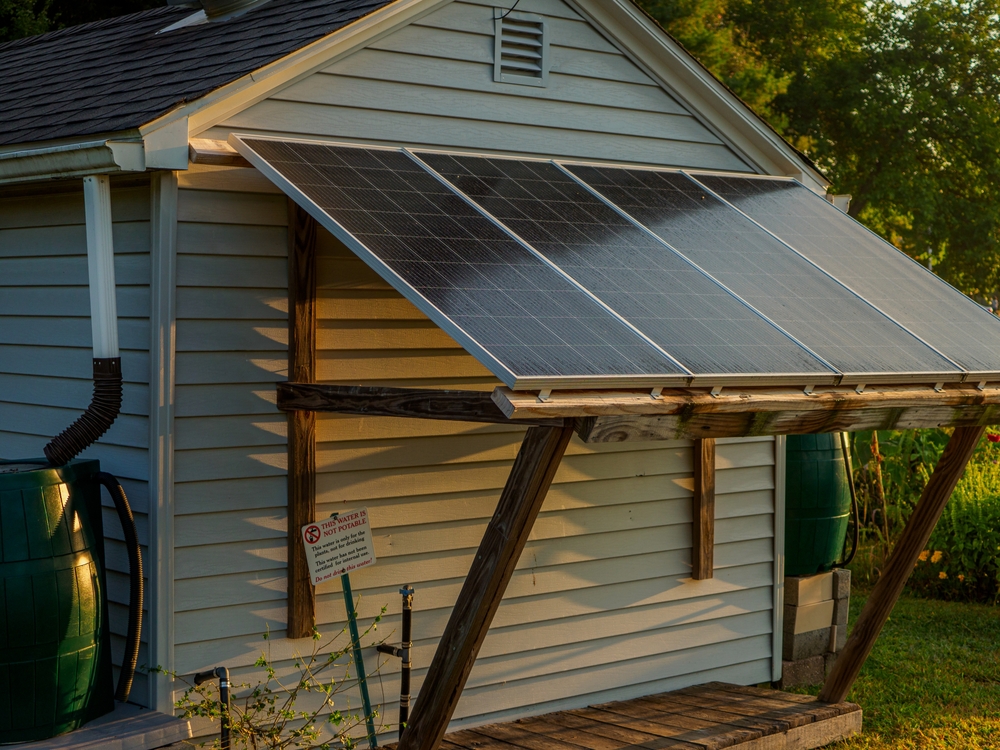
Solar power can be effectively used for hydroponics systems to provide a reliable and renewable source of electricity for lighting, pumps, and other essential c
Hydroponics in extreme weather conditions poses challenges such as fluctuating temperatures, intense sunlight, and heavy rainfall, which can affect nutrient del
Nutrient deficiencies in hydroponics can be identified by monitoring plant growth, observing visual symptoms, and using pH and nutrient testing kits to detect i
Common mistakes in hydroponic gardening to avoid include overwatering and under-oxygenating the roots, which can lead to root rot and nutrient deficiencies. Man
Hydroponic systems can attract more pests than soil gardens, particularly flying insects and spider mites, due to the increased water surface area and lack of b
Frequent pH adjustments are not required, but hydroponic systems do need regular monitoring and adjustments to maintain optimal pH levels within a narrow range,
You may not need a water pump for the Kratky method, but it depends on the desired growing parameters, such as water circulation and aeration. The Kratky method
No, you don't need special soil for hydroponics, as hydroponics uses a nutrient-rich solution rather than soil to feed the plants.
You do not necessarily need a timer for hydroponic lighting systems, but using one can significantly improve crop yields and reduce energy waste.
Hydroponics can save water compared to traditional soil gardening due to its efficient nutrient delivery system, which recirculates water and minimizes evaporat
For hydroponics, essential nutrients include a balanced mix of macroelements like nitrogen, phosphorus, and potassium, and microelements like iron, magnesium, a
Boost oxygen levels in hydroponic water by introducing aeration systems, such as air stones or venturi aerators, and ensuring adequate circulation through the s
Temperature fluctuations can significantly impact hydroponic yield, with optimal ranges varying between 65°F to 75°F (18°C to 24°C) for most crops, while temper
Change water in DWC systems every 7-10 days to maintain optimal nutrient levels and prevent nutrient deficiencies.
A hydroponics setup typically requires a space of around 10 to 20 square feet per plant, depending on the type and size of the system.
Check nutrient levels in DWC systems every 7-10 days to ensure optimal plant growth and prevent nutrient deficiencies.
When choosing a container for Deep Water Culture (DWC), consider the size, material, and aeration to ensure optimal growth for your plants. A 5-10 gallon food-g
Create a low-cost hydroponic system by repurposing plastic bottles, using a DIY water pump, and implementing a simple nutrient delivery system with an air stone
Short answer: To deal with root rot in DWC systems, identify and address the root cause, such as overwatering or poor air exchange, and take corrective action b
You know when to harvest hydroponic plants by checking their color, texture, and weight, as well as by observing their overall growth stage and nutrient levels.
To manage humidity levels in hydroponics, maintain a consistent relative humidity (RH) between 40-60% using misting systems, humidifiers, or a combination of bo
To optimize space with vertical hydroponic systems, consider using tiered or stacked growing systems, and incorporate trellises or cages to maximize vertical gr
Prevent algae growth in hydroponics by maintaining optimal pH levels between 5.5 and 6.5, ensuring adequate water circulation, and adjusting nutrient dosing to
To set up a simple Kratky hydroponics system, start by selecting a suitable container, such as a plastic tub or bucket, and fill it with a nutrient-rich solutio
To determine if hydroponic plants are getting enough light, observe their growth, color, and leaf density. Insufficient light typically results in pale or yello
Solar panels can power hydroponics systems through electricity, which is used for various components, including LED grow lights, pumps, and temperature control
Hydroponic gardening can be a rewarding hobby for beginners, offering a controlled environment for growing plants without the need for soil. With proper setup a
Hydroponics, like any other gardening method, poses some risks to users if not managed properly. These risks include bacterial infections, chemical contaminatio
A basic hydroponics setup can cost anywhere from $500 to $5,000 or more, depending on the size and complexity of the system. This estimate includes the cost of
Hydroponic vegetables thrive under a balanced spectrum of light with high percentages of blue (400-500nm) and red (600-700nm) wavelengths to promote healthy gro