02 — Pillar · Off-Grid
Indigo vat dyeing process.
Q&A in this topic
5 total
For indigo dyeing projects, the best fibers are natural and cellulosic, such as cotton, hemp, and linen, as they absorb and hold the dye well. Other options inc
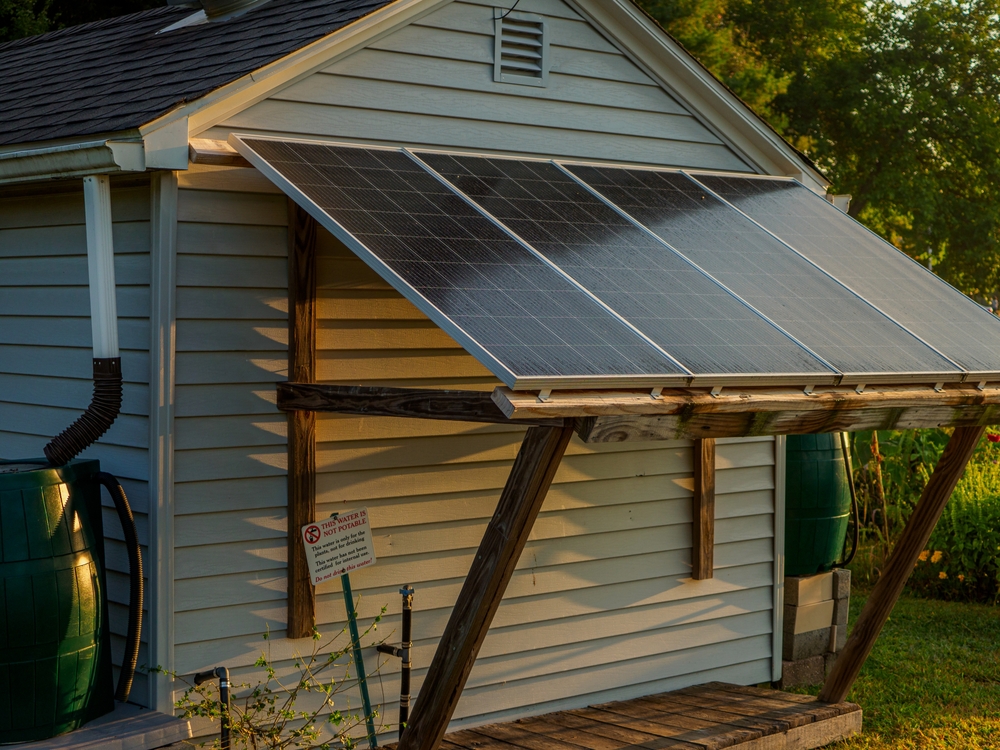
Indigo dyeing can be done off-grid effectively with proper planning and equipment, utilizing natural sunlight, rainwater, and sustainable dyeing techniques.
Indigo vat dyeing stands out as the better option due to its ability to produce a wide range of deep blues, its versatility in dyeing various fabrics, and its r
The ideal temperature for the indigo vat dyeing process ranges from 20°C to 25°C (68°F to 77°F), with a pH level between 10.5 and 12.5.
Indigo requires reduction to dye fabric due to its complex chemical structure, which makes it difficult to bind to fabric without a reducing agent to convert it