02 — Pillar · Off-Grid
Expert guides and Q&A about log cabin construction.
Q&A in this topic
60 total
For log cabin insulation alternatives to chinking, consider using spray foam insulation, caulk, or natural sealants like beeswax or linseed oil. These options c
When designing an off-grid log cabin, special considerations must be made for energy efficiency, water conservation, and waste management to ensure a sustainabl
Cabin construction in forested areas is subject to various regulations regarding environmental impact, building codes, and zoning laws.
Benefits of Using Logs from Local Trees for Cabin Building include reduced transportation costs, lower carbon footprint, and increased availability of sustainab
For humid regions, the best chinking materials for log cabins are those with high water resistance and breathability, such as natural latex or silicone-based pr
LOG FINISHES FOR EXTERIOR LOGS SHOULD PROVIDE A DURABLE WATER-BASED COATING THAT RESISTS WEATHERING, UV LIGHT, AND MINERAL STAINS. THE BEST FINISHES OFTEN INVOL
Ideal locations for off-grid log cabin construction include remote areas with abundant sunlight, access to natural water sources, and proximity to suitable buil
To chink log cabin joints in cold climates, use a combination of high-quality chinking material, proper application techniques, and adequate sealing to prevent
To insulate a log cabin roof, use a combination of breathable insulation materials and a waterproof membrane to prevent moisture buildup. Spray foam insulation
To scribe logs effectively, use a combination of a marking gauge, a pencil, and a straightedge to create accurate lines, and then apply a small amount of fricti
Log cabins require strategic ventilation to prevent moisture buildup, which can lead to mold, rot, and structural damage. A well-designed ventilation system can
Maintaining a log cabin requires regular inspections, sealing gaps, and applying protective coatings to ensure longevity and prevent damage from the elements. P
When choosing the right location for logs, consider factors like accessibility, sunlight, and drainage to ensure a stable and well-maintained log cabin. The are
Yes, a log cabin can be built on steep terrain, but it requires careful planning, specialized construction techniques, and adherence to building codes to ensure
Building a log cabin alone is possible, but it requires careful planning, physical stamina, and specialized tools. With some experience in carpentry and constru
Traditional insulation can be used in log cabins, but it may compromise the natural benefits of the log structure, such as thermal mass and natural air circulat
Yes, it's possible to live in a log cabin year-round off-grid, but careful planning and implementation of energy-efficient systems are crucial for a comfortable
Yes, you can use log cabin plans available online for your build, but ensure they align with local building codes and regulations.
Log cabins can be built in areas prone to wildfires, but it's crucial to incorporate fire-resistant design elements and materials from the outset to minimize ri
Chinking can be applied in cold weather, but the process and results may be affected by the temperature.
Yes, you can build a log cabin with minimal tools, relying on traditional techniques and basic hand tools.
Yes, you can build a log cabin without prior experience, but it will require careful planning, research, and a willingness to learn new skills.
It's possible to build an off-grid cabin without a building permit, but only if you meet specific exemption criteria, which vary by jurisdiction. In the US, for
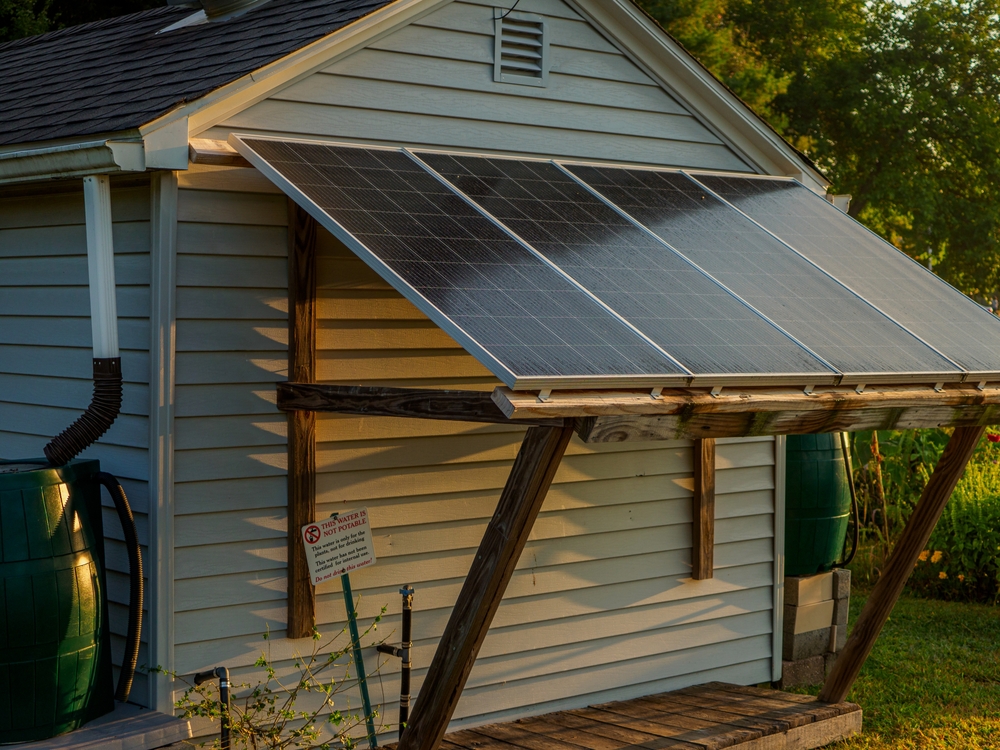
Yes, you can install solar panels on a log cabin roof, but it requires careful planning and consideration of the unique challenges posed by traditional log cabi
For log cabin construction, consider alternatives to traditional chinking like foam board insulation, closed-cell spray foam, or expanding foam sealants, which
Chinking is a crucial step in log cabin construction, and for DIYers, a simple and effective technique is a must. For a durable and long-lasting seal, chinking
Chinking should be inspected every 5-7 years to ensure the integrity of the log cabin's seal. Regular maintenance includes reapplying chinking as needed and per
Common Mistakes in Log Cabin Construction to Avoid: When building a log cabin, it is essential to avoid common mistakes that can compromise the structure's inte
Common Wildlife Encounters When Building an Off-Grid Cabin involve bears, snakes, and rodents, particularly in areas with high vegetation and near food sources.
Different log types can affect cabin insulation properties. Log thickness, density, and the presence of knots or other internal features can influence heat tran
Sealing logs is essential for preventing water damage and rot in a cabin in wet climates, especially when using untreated or partially treated wood.
Log cabins generally require more maintenance than traditional homes due to their natural materials and exposure to the elements. This includes regular inspecti
Building a log cabin from scratch can take anywhere from several weeks to several months, depending on the size and complexity of the project. A small log cabin
For a 1,000-square-foot cabin, you'll need approximately 20-30 cords of firewood, assuming a moderate to high level of insulation and a well-maintained cabin. T
Log cabins should be treated for pests every 6-12 months to prevent termite damage and insect infestations. Regular treatment also helps control other pests lik
Log cabins can be adapted for solar heating solutions by incorporating south-facing windows, insulated wood framing, and strategically placed thermal mass eleme
Choosing between handcrafted and prefabricated logs depends on your budget, desired appearance, and construction timeline, as handcrafted logs offer unique cust
When choosing between round and square logs for cabins, consider the structural integrity, aesthetic appeal, and budget. Round logs are often more traditional a
To choose the right site for cabins in mountain areas, select a location with southern exposure to maximize natural sunlight, a relatively flat spot to minimize
To create a sustainable water source near a log cabin, consider installing a rainwater harvesting system, a well, or a spring-fed water collection system. These
Settling issues in log cabin foundations can be addressed by installing a French drain system to redirect water away from the foundation, applying a flexible se
Determine the ideal log cabin height for snow load by considering the local snow load rating, log diameter, and cabin orientation. A general rule of thumb is to
To determine the size of logs needed for your cabin, consider the diameter and length of the logs, as well as the desired space between them, typically 1/4 inch
To ensure proper settling of logs in a cabin, it's essential to allow for natural movement and provide adequate space between logs. This can be achieved by inst
Finding local resources for off-grid cabin supplies requires research, community engagement, and a willingness to explore alternative sources. Local suppliers,
Incorporating solar energy solutions in log cabin design involves strategically orienting the cabin to maximize natural light and using solar panels, batteries,
To prevent moisture issues in log cabin walls, use techniques such as applying a breathable finish, ensuring proper ventilation, and maintaining a slight gap be
To properly dry logs before cabin construction, they should be stored in an open-sided shed or under a tarp with space between each log to allow for airflow, an
To properly prepare logs before construction, it's essential to debark, notch, and split the logs according to the specific needs of the project. Dealing with l
Repairing cracks in chinking between logs requires a combination of preparation, cleaning, and sealing to ensure a watertight seal.
Select logs for cabin walls based on diameter and straightness, with a diameter of 8-12 inches and a straightness of 1 inch deviation per 8 feet, to ensure stab
For building a cabin, source quality logs from sustainably managed forests or reclamation sites, and consider factors such as log diameter, straightness, and kn
An ideal location for building an off-grid log cabin is a spot with southern exposure, a relatively flat terrain, and access to natural resources such as water
For log cabin designs, ideal window and door placement involves strategic positioning to maximize natural light, ventilation, and views while minimizing drafts
A log cabin can be cheaper to maintain than a conventional home due to its natural insulation, lower energy consumption, and reduced maintenance requirements.
Building a log cabin can be a worthwhile investment if done correctly, offering long-term savings and environmental benefits, but it requires careful planning a
Chinking is necessary for energy efficiency in cabins, as it fills gaps between logs to prevent air leaks and heat loss.
Chinking is not essential but highly recommended for log cabin longevity. It helps prevent water infiltration and reduces the risk of rot and insect damage.
Building a log cabin on a sloped lot can be challenging but not impossible, requiring careful planning, precise leveling, and potential additional foundation wo
In most jurisdictions, it's typically permissible to cut down trees on your own property for cabin building purposes, as long as you follow local regulations an