02 — Pillar · Off-Grid
Expert guides and Q&A about pig raising homestead.
Q&A in this topic
60 total
Natural remedies can be effective in addressing common pig ailments, offering a more holistic approach to their health and well-being. Herbs, homeopathy, and di
Before butchering pigs, it's essential to test for diseases such as Trichinella, Brucella, and Leptospirosis. A veterinarian may recommend tests like fecal egg
Processing pork at home requires specific tools to ensure food safety and quality, including a meat grinder or sausage stuffer, a meat slicer, and a sharp knife
Pig butchering requires basic tools like a sharp knife, boning knife, and cleaver, along with equipment for humane killing and cleaning, such as a captive bolt
Before butchering a pig, it's essential to understand its basic anatomy, including the location of vital organs, the skeletal structure, and the layout of muscl
Humanely butchering pigs involves a quick and precise killing method, followed by exsanguination and rapid chilling to minimize stress and suffering. This can b
Feeder pigs require a balanced diet that includes 16-20% protein and a mix of grains, such as corn, oats, and barley, to promote healthy growth and development.
Clean pig pens regularly to prevent disease and parasite growth. Use a shovel, broom, or hose to remove waste and disinfect with a 1:10 bleach-to-water solution
To house pigs on a homestead, provide adequate shelter with ventilation, a secure enclosure, and easy access to food and water. Consider using a hoop house or a
To rotate pig grazing areas effectively, implement a 3-4 day rotation cycle, moving pigs to fresh land every 2-4 days to maintain optimal pasture health and pre
The best time to raise pigs on a homestead is during the spring and fall seasons, when temperatures are mild and the pigs can be easily kept outdoors without th
The best time to buy feeder pigs for the homestead is typically between late spring and early summer when the weather is warm enough for them to thrive and the
Provide pigs with adequate shade and ventilation, ensure access to cool water, and use water misting systems or sprinklers to lower their body temperature.
To protect pigs from predators, homesteaders should consider fencing, enclosures, and vigilant monitoring. The size of the enclosure and the material used for f
Supplementing pig diets with kitchen scraps can provide essential nutrients and reduce waste, but it's crucial to balance the diet and avoid overfeeding on high
Pigs can be kept in a mixed-species environment, but it requires careful planning, management, and consideration of the pigs' needs and potential impacts on oth
Pigs can be pastured with other livestock, but it's essential to consider their specific needs and potential conflicts.
Pigs can be raised successfully in colder climates with proper care, nutrition, and shelter.
Pigs can indeed be trained for basic commands using positive reinforcement techniques, patience, and consistency.
Pigs can be trained to follow a specific feeding routine, which is essential for efficient homestead management.
Pigs can coexist with poultry without issues if managed correctly, with proper separation and sanitation to prevent disease transmission.
Pigs can effectively help with land clearing on a homestead by rooting up weeds and small trees with their snouts.
Yes, pigs can recognize their owners and develop bonds, with some reports suggesting they can learn and remember up to 20 individual owners and their unique int
Pigs can thrive in a completely off-grid environment with proper planning and management.
Raising pigs can significantly improve soil quality on a homestead by breaking up compacted soil, aerating it with their rooting behavior, and adding organic ma
Pigs can be raised successfully off-grid with proper planning and management, providing a reliable source of meat and manure for fertilizer.
Yes, you can use solar power for pig fencing by electrifying the fence using a solar-powered charger.
Raising pigs without electricity poses several challenges, including limited access to water, ventilation, and sanitation systems, as well as difficulty in mana
Common health issues in feeder pigs to watch out for include scours, respiratory infections, and parasites like coccidiosis.
Short Answer: Many people believe that feeding pigs grain is essential for their growth and health, but this common misconception can lead to digestive issues a
Raised pigs exhibiting stress signs may display changes in appetite, restlessness, and changes in the color or consistency of their droppings. Other signs inclu
Grass-fed pork is raised on pasture, where pigs forage on grass, fruits, and insects, resulting in leaner meat with better fatty acid profiles. Grain-fed pork,
Backyard pigs are susceptible to various diseases such as brucellosis, pseudorabies, and swine dysentery. These diseases can be prevented with proper vaccinatio
Pigs have several natural predators that can be a concern for homesteaders, including coyotes, bobcats, and mountain lions.
Pigs can thrive as solo animals, but they often benefit from the social interaction of a companion, which can reduce stress and improve overall well-being.
Pigs need shade or shelter during hot weather to protect them from heat stress, which can be fatal.
Pigs need social interaction to be healthy, and they require a certain level of companionship to prevent stress and behavioral problems, which can negatively im
Pigs do need access to water at all times, but they can tolerate some water deprivation for short periods. The key is providing enough water for their daily nee
Pigs require adequate bedding to maintain their health and comfort, but they do not have specific requirements for special bedding materials.
Pigs require specific vitamins and minerals in their diet to maintain optimal health and prevent deficiencies.
Caring for pigs off-grid requires a comprehensive emergency preparedness plan that includes adequate food, water, shelter, and veterinary care for the animals,
Feeder pigs are ideal for small homesteads and those new to pig raising, as they require less space and care, while breeding pigs are better suited for experien
When feeding pigs during winter, consider providing a high-calorie diet to maintain their body heat, ensuring access to clean water, and providing adequate shel
Feeding pigs forage is a more natural and cost-effective option, but grain can be beneficial in certain situations, such as providing energy during the breeding
Pigs should be fed twice a day, in the morning and afternoon. The ideal feeding schedule allows for a balanced diet and encourages foraging. Aiming for 1-2% of
Organic pig feed is produced without synthetic fertilizers, pesticides, and genetically modified organisms, potentially leading to better nutritional quality an
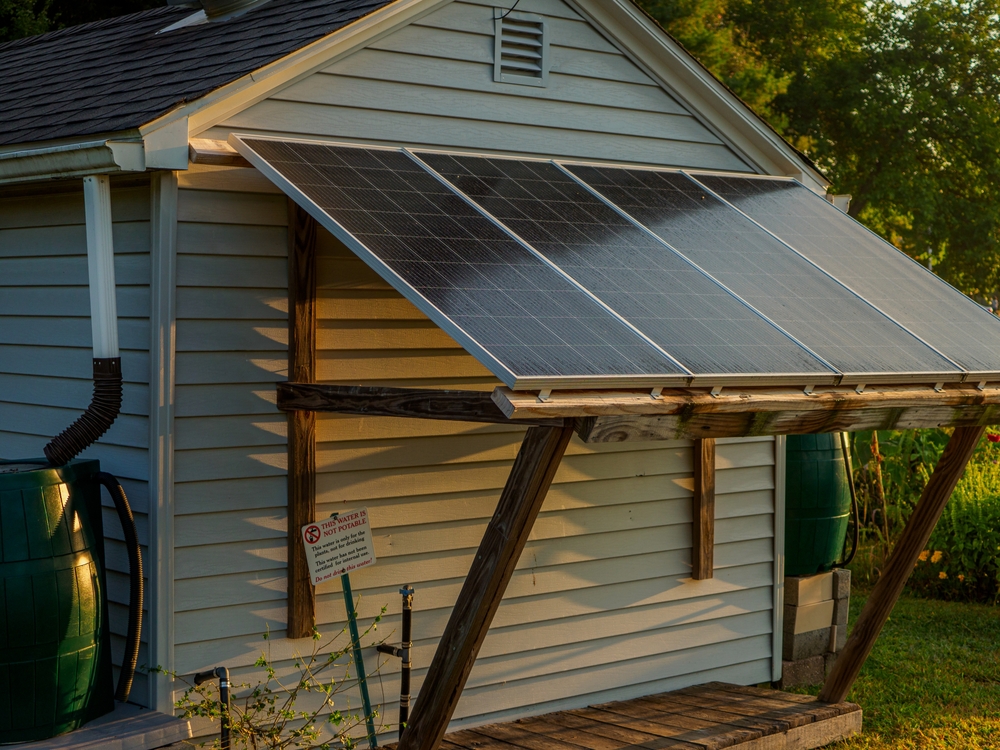
Solar power enhances pig farming operations by providing a reliable and renewable energy source for water pumping, lighting, and heating, reducing dependence on
Raising a pig for meat typically takes 6-9 months, depending on breed, feed, and health conditions. The average weight of a market-ready pig is around 250-300 p
Hanging pork for 2-5 days is a common practice to allow the natural enzymes to break down the protein and fat, improving the texture and flavor of the meat.
Pigs require about 1-2% of their body weight in feed per day, so a 200-pound pig would need around 2-4 pounds of food daily.
For two pigs, you'll need a space with a minimum of 1/4 acre (about 10,890 square feet) to 1/2 acre (about 21,780 square feet) of land, depending on their size,
Pigs should be vaccinated annually, typically in early spring, against diseases such as Brucella, Leptospirosis, and PRRS. Booster shots may be required in 4-6
A balanced diet for growing pigs should consist of a mix of grains, proteins, and fiber to promote optimal growth and health. The ideal diet will vary depending
To create a comfortable habitat for pigs, provide adequate space, shelter, and amenities such as bedding, water sources, and feeding areas. Consider using natur
To handle aggressive behavior in pigs, identify the cause, establish a secure environment, and use non-confrontational techniques such as desensitization and po
To handle aggressive behaviors among pigs, implement a stress-free environment, provide adequate space, and prioritize proper nutrition and socialization. Early
To manage pig breeding cycles on the homestead, monitor and record temperature, humidity, and daylight hours to synchronize breeding, and implement a rotational
To manage pigs' waste efficiently, create a simple and cost-effective composting system that balances waste output and nutrient replenishment. A well-designed m
To prepare your homestead for new pigs, ensure you have a suitable enclosure with adequate space and shelter, a reliable fencing system to prevent escape and pr
To effectively prepare your homestead for pig arrivals, you'll need to establish a secure and safe enclosure, provide adequate fencing and shelter, and ensure a