02 — Pillar · Off-Grid
Expert guides and Q&A about rammed earth construction.
Q&A in this topic
60 total
Hybrid building techniques combining rammed earth and timber are feasible, offering a unique blend of thermal mass, sustainability, and aesthetic appeal. By car
Building codes for rammed earth construction vary by location, but local building authorities may have specific guidelines or regulations that must be met. Chec
Local building codes and regulations often require permits and inspections for rammed earth wall construction, and may have specific requirements for formwork,
Yes, there are successful case studies of rammed earth in the Southwest, showcasing its potential as a sustainable and durable building material for desert and
There are unique challenges when building rammed earth in desert areas, primarily due to extreme temperatures, high winds, and dry conditions that can compromis
Using thermal mass in desert homes provides natural temperature regulation, reducing the need for air conditioning and heating. Thermal mass absorbs and release
To build rammed earth walls in windy areas, use thickened walls, reinforced with rebar, and a well-compacted soil mix with a high sand content. A minimum of 300
Rammed earth structures can benefit from insulation practices that complement their natural thermal mass properties. Effective insulation involves both external
Curing rammed earth walls in hot weather involves maintaining a consistent moisture level, using shading techniques, and employing evaporative cooling methods t
To install formwork for rammed earth walls, use a sturdy, well-drained frame, level it with a spirit level, and secure it with stakes and strings. Ensure the fo
Desert flora can indeed improve the performance of rammed earth walls by incorporating natural materials that enhance insulation, reduce thermal conductivity, a
Yes, you can construct a rammed earth wall without machinery, but it will be more labor-intensive and may require a larger team to complete the project efficien
Yes, you can create artistic designs with rammed earth wall construction by using different formwork shapes and patterns, varying soil mix colors, and incorpora
While rammed earth wall construction can be challenging without prior experience, it's not impossible to DIY, but it's crucial to research and follow proper tec
Yes, you can include windows in rammed earth walls without compromising strength, but careful planning and execution are required to ensure structural integrity
Rammed earth can be used for landscaping features, such as retaining walls, planters, and decorative elements, as long as the mixture is formulated for exterior
Yes, rammed earth can be combined with other building materials to create more durable and efficient structures.
Yes, you can use recycled concrete in your rammed earth soil mix, but it's essential to crush it into a fine aggregate and ensure it meets the necessary moistur
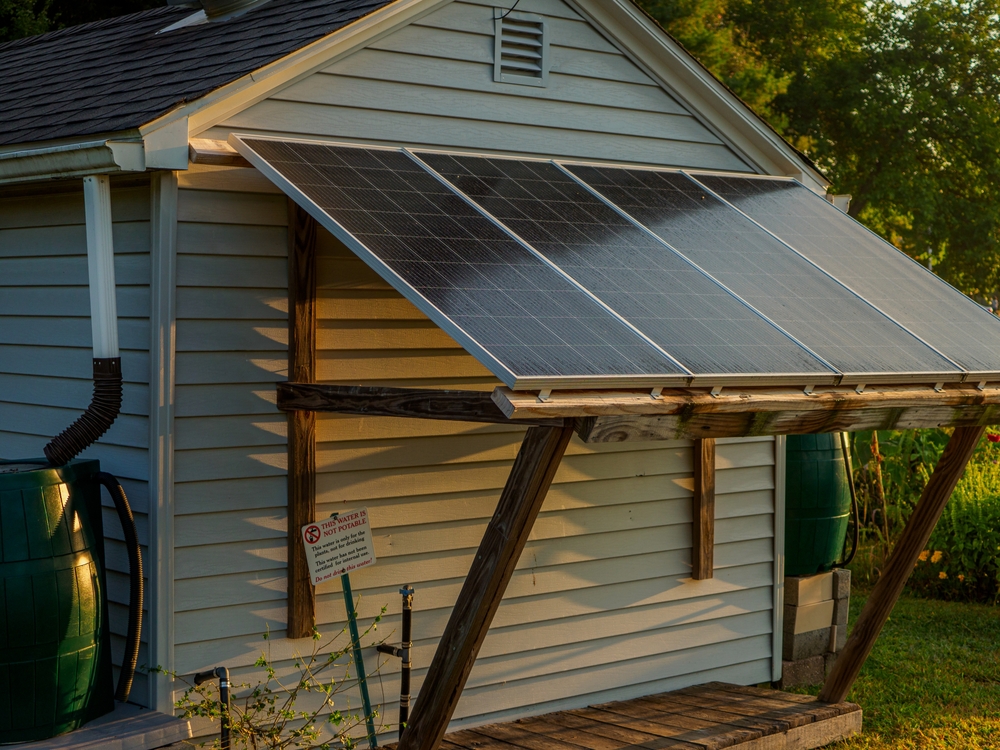
Rammed earth can be effectively incorporated with solar energy systems, particularly in desert and arid climates where thermal mass is essential for passive bui
Rammed earth construction can aid in water conservation efforts by providing thermal mass and reducing the need for air conditioning and heating, which in turn
Rammed earth construction can indeed benefit from local building traditions, incorporating materials and techniques that have been proven effective in the regio
Rammed earth homes can indeed be built off-grid, with careful selection of materials and design considerations to optimize energy efficiency and minimize relian
Rammed earth homes can be difficult to expand or modify due to the interlocking nature of the earth blocks and the need to match the existing thermal mass of th
Rammed earth structures can effectively incorporate passive solar design features to reduce energy consumption and create a comfortable indoor environment. By s
Rammed earth walls can be built in areas with frequent temperature swings, but careful attention must be paid to the wall's composition and design to mitigate t
Rammed earth walls can be effective for thermal regulation in summer due to their high thermal mass, allowing them to absorb and release heat slowly, reducing t
Rammed earth walls can be plastered for aesthetic purposes, but it's essential to address the underlying structural needs of the earth wall first.
Rammed earth walls can be used in combination with straw bales to create a hybrid natural building system, but it requires careful planning and execution to ens
Rammed earth walls can withstand heavy rains in arid regions, but their performance depends on the wall thickness, soil mix, and proper drainage system. A minim
Yes, you can build a rammed earth wall in high humidity, but it's essential to take extra precautions to prevent water damage and ensure the wall's durability.
Rammed earth construction in dry conditions poses challenges such as soil mix drying out, reduced strength, and increased risk of cracking. Proper moisture mana
Building rammed earth in arid regions can be plagued by issues such as inadequate moisture control, soil erosion, and overheating due to high temperatures. Poor
Common mistakes when mixing soil for rammed earth construction include over-mixing the soil, not achieving the ideal moisture content, and using a mixture that
Rammed earth and cob are both natural, sustainable building materials used for off-grid structures, but they have distinct differences in terms of construction,
Rammed earth techniques vary between regions due to local soil availability, climate conditions, and cultural influences, resulting in differences in soil mix c
While a professional can be beneficial, rammed earth wall construction can be done by experienced DIYers with the right knowledge and equipment, especially for
Rammed earth buildings generally require deeper foundations in sandy soil due to the soil's inability to bear loads and its tendency to shift and erode.
Rammed earth homes do not require special roofing materials, but their unique construction demands consideration of factors such as thermal mass, moisture prote
Rammed earth structures require foundations that can transfer loads to stable soil or rock while allowing for moisture movement and thermal expansion, making sh
Rammed earth construction can qualify for various green building certifications, including LEED and Passive House, due to its sustainable and energy-efficient c
Rammed earth walls typically provide moderate sound insulation, equivalent to a standard hollow concrete block wall, with a sound transmission class (STC) ratin
Rammed earth structures can be a viable option in earthquake-prone areas if properly designed and constructed, but they may not always meet modern seismic build
Yes, the orientation of rammed earth walls significantly affects their thermal performance, with careful consideration necessary to maximize the benefits of the
Rammed earth has a higher thermal mass than straw bale, resulting in improved energy efficiency, especially in desert and arid climates where temperatures fluct
Utilizing rammed earth in home construction offers numerous environmental benefits, including reduced carbon footprint, improved thermal mass, and minimized was
Rammed earth walls can be significantly affected by the type of formwork used in their construction, resulting in a wide range of final appearances. Proper form
LOCAL CLIMATE CONDITIONS SIGNIFICANTLY INFLUENCE RAMMED EARTH DESIGN BY REQUIRING VARIATIONS IN FORMWORK, SOIL MIX, AND WALL THICKNESS TO OFFSET EXTREME TEMPERA
Humidity significantly affects the drying time of rammed earth, with high humidity levels slowing down the drying process and potentially leading to structural
Rainwater harvesting integrates with rammed earth construction by providing a reliable source of water for mixing and finishing the soil-based mixture, reducing
Sunlight exposure impacts rammed earth wall performance by causing temperature fluctuations, potentially leading to cracks, degradation of the soil mix, and red
Local geography, particularly climate and soil type, significantly influences rammed earth wall construction, requiring site-specific adjustments to achieve opt
The location affects the design of a rammed earth home by influencing factors such as soil availability, local building codes, climate, and drainage. In arid cl
Wind can significantly affect the drying process of rammed earth walls by increasing the rate of moisture evaporation, potentially causing uneven drying and cra
The ideal moisture for a rammed earth soil mix is typically between 6% and 10% by weight, allowing for a workable consistency without compromising the structura
Rammed earth walls in high temperatures can set within 24-48 hours, depending on the soil mix and environmental conditions.
Assessing soil quality for rammed earth involves testing its stability, moisture content, and particle size distribution to ensure it can hold together and prov
Ensure the structural integrity of rammed earth walls by using a strong, well-designed formwork system, a well-compacted and stabilized soil mix, and adequate t
Improve the insulation of your rammed earth walls by applying a 2-3 inch thick layer of natural insulating materials such as straw bales, recycled denim, or shr
To maintain the integrity of rammed earth walls over time, regular inspections and repairs are necessary, along with protection from extreme weather conditions
Rammed earth structures in desert climates require soils with high clay content to withstand erosion and extreme temperature fluctuations. Suitable soil types i