02 — Pillar · Off-Grid
Expert guides and Q&A about sausage making home.
Q&A in this topic
60 total
Synthetic casings are generally preferred over natural ones for sausage making at home due to their ease of use, consistent quality, and reduced risk of contami
Risks associated with undercooked homemade sausages include foodborne illnesses such as salmonella, trichinosis, and E. coli, which can be caused by the consump
Yes, there are environmentally friendly options for sausage casings, including natural and edible alternatives like animal intestines, plant-based cellulose, an
Homemade sausage must be labeled with the name of the product, ingredients, and a statement indicating that it is a \
Yes, specific safety standards exist for home sausage making, primarily involving food handling practices, equipment maintenance, and proper storage techniques
Yes, there are vegan alternatives for sausage casings such as cellulose, pea protein, and collagen made from plant sources. These alternatives mimic the texture
For fresh Italian sausage recipes, consider using herbs like fennel, basil, oregano, and parsley, as they complement the flavors typically found in Italian saus
To freeze homemade sausages effectively, it's best to use airtight containers or freezer bags, and to store them at 0°F (-18°C) or below. Proper packaging preve
For beginners in sausage making, natural casings such as hog middles, beef middles, and lamb casings are ideal due to their easy availability and affordability.
Regularly cleaning a sausage stuffer is crucial for maintaining hygiene, preventing contamination, and ensuring even stuffing. Use a mixture of water and vinega
To control temperature during sausage making, maintain a consistent refrigerator temperature below 40°F (4°C), use a cold water bath or ice bath for cooling, an
Game meat sausages benefit from bold flavors that complement the rich taste of wild game. For best results, use a mix of classic sausage seasonings along with u
To achieve a smoked flavor without a smoker, you can use liquid smoke, a dry rub, or a combination of low and slow cooking and wood chips. Liquid smoke can be u
To smoke homemade sausages safely, use a temperature-controlled smoker at 225-250°F (110-120°C) for 1-2 hours, then finish at 150-180°F (65-82°C) for 30 minutes
A hand-crank grinder can produce a fine sausage texture with consistent effort and the right attachment. Achieving a smooth texture often requires patience and
Yes, anyone can make sausage at home, but it's essential to follow safe food handling and meat inspection guidelines.
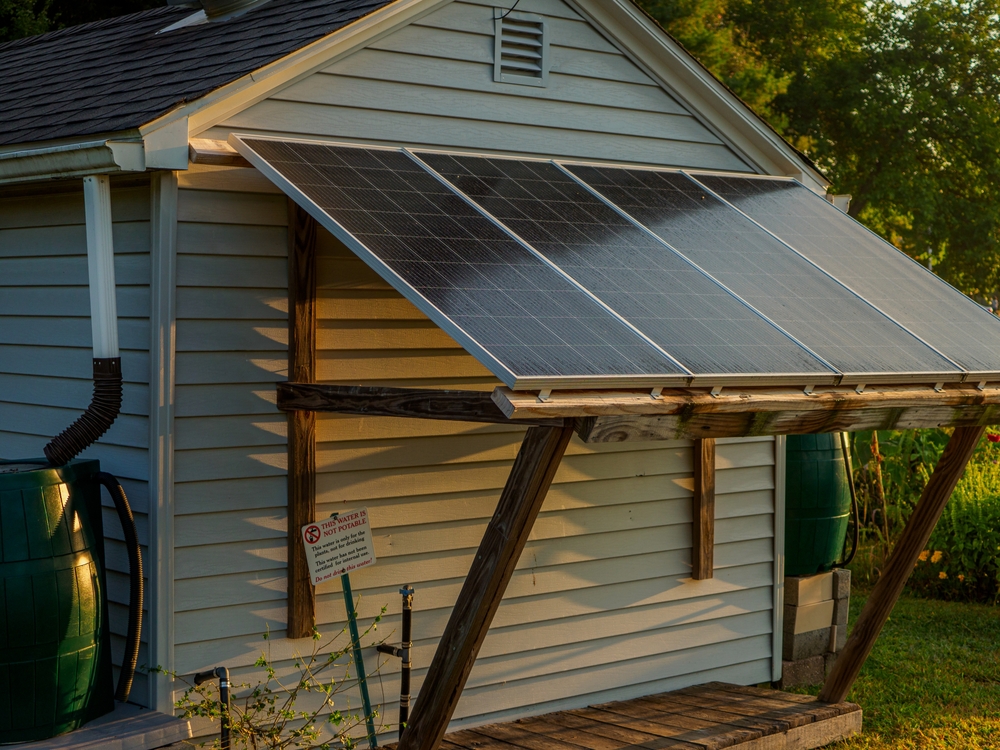
Electric grinders can operate on solar power by using a solar-powered battery bank to charge them. This setup is ideal for off-grid sausage making homes where c
Yes, homemade sausage can be made without a curing agent, but it requires careful handling and storage to prevent spoilage.
You can ferment sausage at home successfully, but it requires careful attention to temperature, time, and sanitation to prevent spoilage.
You can make sausage in bulk for off-grid living, provided you have a suitable meat grinder, mixing equipment, and a means to stuff and link the sausage.
Yes, you can make sausage without a meat grinder, using alternative methods like using a food processor or a mortar and pestle to break down the meat.
Yes, you can mix different types of meat for unique sausages by carefully combining various cuts and flavor profiles to create a harmonious blend.
Yes, you can re-grind leftover sausage meat for texture, but be aware that the texture may not be the same as freshly ground meat due to potential moisture cont
Yes, you can safely eat homemade sausage with low-sodium content, as long as proper food safety guidelines are followed.
Yes, you can stuff sausage using a pastry bag, but it requires a bit of technique and patience.
You can stuff sausage through a kitchen funnel, but it may not be the most efficient or effective method. The funnel can help guide the meat, but you'll need to
Yes, you can use a dehydrator to dry homemade sausages, but you'll need to follow specific guidelines to ensure food safety and quality.
A food processor can be used for making sausage, but it may not be the most ideal choice due to the potential for over-processing the meat and creating a unifor
A hand-crank stuffer can be used for large batches of sausage, but it may require some technique adjustments and possibly a team effort to handle the quantity a
A handheld mixer can be used to mix sausage meat, but it's not the most ideal choice. The mixer may not be able to handle the sticky and dense texture of sausag
Yes, you can use deer meat for summer sausage recipes, but it requires some adjustments due to the leaner nature of venison.
Yes, you can use game meat in traditional sausage recipes, but you need to consider the fat content, seasoning, and cooking time to achieve optimal results.
LEFTOVER MEAT SCRAPS CAN BE USED FOR SAUSAGE MAKING, BUT IT'S ESSENTIAL TO HANDLE THEM PROPERLY TO AVOID CROSS-CONTAMINATION AND FOOD SAFETY ISSUES. THE MEAT SH
Yes, you can use your mixer's dough hook for sausage mixing, but be prepared to adjust mixing time and speed to avoid overmixing.
For sausage fermentation, you'll need a temperature-controlled environment, a consistent temperature range between 60°F to 70°F (15°C to 21°C), and some basic e
Yes, specific woods can enhance the flavor of smoked sausages by imparting distinct wood notes, which can be tailored to suit personal preferences.
Aging sausage does improve flavor, as the process allows for the breakdown of proteins, the development of umami flavors, and the enhancement of the overall cha
Yes, the type of meat significantly affects sausage texture, as different meats have varying fat content, muscle structure, and protein composition, which impac
Using a non-electric stuffer may not affect sausage quality as long as it is properly maintained and used to the correct pressure, but it can lead to inconsiste
For bratwurst, grind meat to an emulsified consistency, similar to coarse ground coffee, with a 1/8-inch (3-4 mm) to 1/4-inch (6-8 mm) grinder plate. This size
Homemade sausages can be safely stored in the refrigerator for up to 3 to 5 days, or in the freezer for 3 to 4 months.
Short answer: Fermenting sausage at home typically takes 7-14 days, depending on factors such as the type of sausage, temperature, and personal preference for f
Smoked sausages typically require 4 to 6 hours of smoking time, depending on the desired level of doneness and the type of sausage. This can be broken down into
For juicy sausage, you'll want to aim for a fat content of around 30-35% of the total meat weight, with a balance between pork shoulder or butt and back fat.
Clean your sausage making equipment after every use to prevent bacterial contamination. Regular cleaning also ensures equipment longevity and makes future clean
To achieve a non-greasy sausage without losing flavor, use a combination of leaner meats, careful fat distribution, and a moderate fat percentage. This approach
Achieving the perfect sausage snap when biting comes down to combining the right meat composition, proper curing, and optimal grilling techniques. A ratio of 80
When choosing the right size casings for different sausages, consider the type and size of the sausage, the desired texture, and the casings' material. Natural
To create a flavor profile for international sausage varieties, you must consider the traditional ingredients, seasonings, and spices used in each region and re
The ideal fat-to-meat ratio for sausages varies depending on the type of sausage, but generally ranges from 25% to 50% fat content. For example, Italian sausage
To ensure an even grind during sausage preparation, use a meat grinder or food processor with a coarse to medium grind plate, and grind the meat in small batche
Incorporate wild game flavor into your sausages by using game meats, such as venison or elk, or by adding game-based ingredients like wild mushroom duxelles or
To infuse flavors into sausage while grinding, you can add seasonings and spices to the meat mixture during the grinding process, taking care not to overdo it.
To prevent your sausage from becoming too greasy, use a combination of leaner meats, reduce the fat content of the filling, and properly cook the sausage to rem
To tie sausage links without air pockets, twist the casings tightly around the meat, then tie in a double knot, leaving no slack, to prevent air pockets from fo
To salvage a sausage mix that's too salty, you can either dilute it by adding more ingredients, or try to balance out the flavor by adding a contrasting flavor
Check for a fresh meat smell, inspect for any visible signs of mold or sliminess, and check the expiration date on the packaging or labeling.
To determine if sausages are fully cooked without a thermometer, press the sausage gently with your finger; if it feels firm and springs back quickly, it's like
You can test the pH of your sausage using pH strips, pH meters, or pH paper, which are all available at most home brewing or winemaking supply stores. These too
Check the stuffer's power source, ensure proper connections, and inspect the stuffing horn and die for blockages or damage.