02 — Pillar · Off-Grid
Expert guides and Q&A about sewage blackwater treatment.
Q&A in this topic
60 total
Aerobic systems have several advantages over traditional septic systems, including higher treatment efficiency, reduced maintenance requirements, and the abilit
Aerobic systems can be more expensive to operate than conventional systems, mainly due to the requirement of aeration, which increases energy costs.
Yes, there are eco-friendly alternatives for blackwater treatment systems, including composting toilets and anaerobic digesters, which can reduce water usage an
Yes, there are off-grid solutions for treating high-strength waste, including septic systems that utilize anaerobic digestion and membrane bioreactors that can
Yes, there are regulations for treated water discharge in agriculture. In the United States, for example, the Clean Water Act and the Resource Conservation and
Regulations for blackwater systems vary by state and even municipality, but most require permits and inspections for systems that handle wastewater from toilets
Vacuum systems are a practical choice for rural blackwater treatment due to their space-saving design, reduced labor requirements, and lower risk of groundwater
For a DIY off-grid septic system, the best materials include natural and recycled options like ceramic or stone filters, sand and gravel, and recycled plastic o
Best off-grid locations for setting up aerobic treatment systems include areas with mild climates, abundant sunlight, and access to water sources, such as tropi
Regularly pump and inspect off-grid blackwater systems, and maintain a minimum 6-inch separation between the tank and the ground to prevent contamination and od
Utilize treated water from blackwater systems for irrigation, flushing toilets, and washing clothes, but avoid reusing it for drinking, cooking, or personal hyg
Aerobic treatment systems require well-draining soil with a mix of sand, silt, and clay to facilitate efficient wastewater distribution and oxygenation for opti
When siting an aerobic septic system, consider a location with good drainage, at least 10 feet away from property lines and wells, and a stable slope to prevent
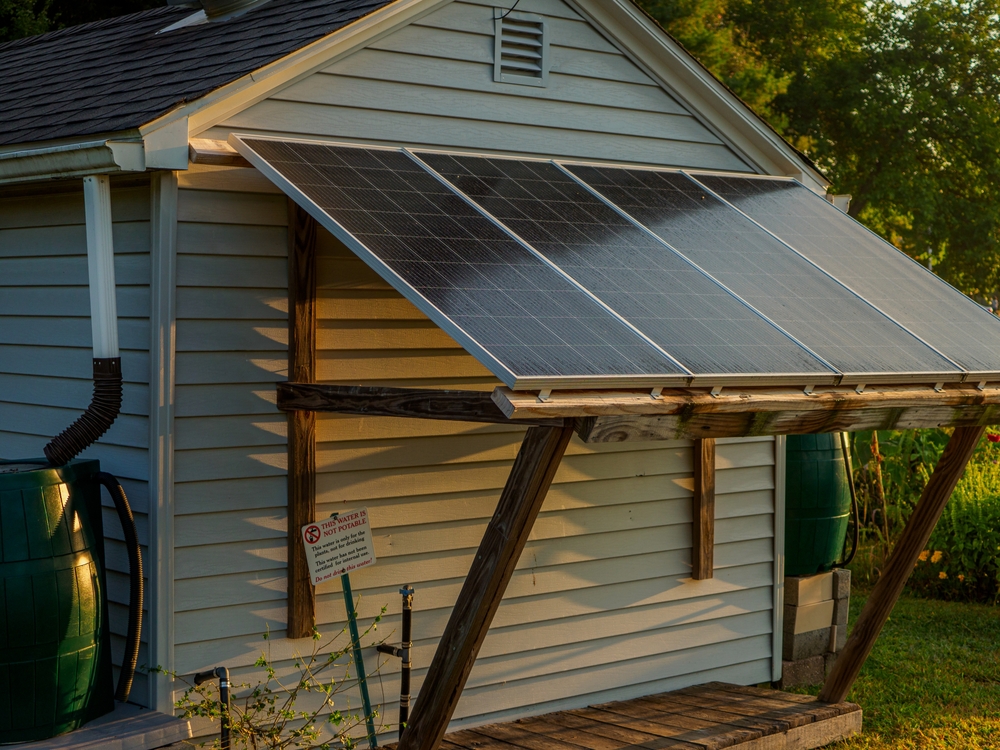
Integrating solar power with aerobic systems for sewage blackwater treatment involves using photovoltaic panels to power aeration equipment, such as blowers or
To effectively treat greywater off-grid, implement a system that includes filtration, disinfection, and reuse. Techniques such as solar disinfection, sedimentat
A constructed wetland can function as an off-grid treatment solution for sewage blackwater, providing a reliable and low-maintenance method for water purificati
An off-grid blackwater system can handle heavy rainfall, but proper design and maintenance are crucial to prevent system failure and potential environmental haz
Existing sewage systems can be modified to off-grid solutions, allowing homeowners to treat and reuse their wastewater.
Low water usage can indeed affect an aerobic septic system's function, especially if not properly managed. Under-performing systems may not effectively break do
Yes, off-grid blackwater systems can be automated through the use of sensors, control systems, and remote monitoring to optimize treatment and minimize human in
Off-grid blackwater systems can effectively handle seasonal use variations, but the design and size of the system must be carefully planned to accommodate fluct
Off-grid blackwater systems can support multiple homes, but the design and capacity must be carefully calculated to ensure efficient treatment and safe disposal
Off-grid blackwater systems can work in cold climates, but they require specific design considerations and equipment to function effectively. Proper insulation
Off-grid systems can work in areas with high water tables, but they require careful planning and design to ensure efficient and safe operation.
COMBINING GREYWATER AND BLACKWATER TREATMENT SYSTEMS
Human waste from off-grid toilets can be composted, but it requires a specific process to break down pathogens and make it safe for use as fertilizer.
Converting a traditional septic system to an aerobic system is feasible, but it requires careful planning and evaluation of the existing system's components and
While it is possible to install a blackwater system yourself on your property, it requires careful planning, research, and attention to detail, as well as local
Installing an off-grid septic system without permits is not recommended and may result in costly fines, system failure, and environmental damage.
You can use blackwater treatment systems in recreational vehicles but with limited capacity and specific installation requirements.
Blackwater treatment systems can be used in winter, but freezing temperatures require special considerations to prevent damage to the system.
Native plants can be used in off-grid wetland systems to treat sewage blackwater, providing a low-maintenance and cost-effective solution. These plants help to
Yes, off-grid aerobic systems can be used year-round, but proper maintenance and design considerations are crucial to ensure efficient operation during cold tem
Yes, you can use rainwater with aerobic septic systems, but it's essential to manage the water balance and ensure the system can handle the additional water.
Aerobic systems in limited space face challenges such as reduced oxygen levels, increased odor, and difficulty in maintaining optimal temperature ranges for mic
Aerobic systems for off-grid waste management are suitable for areas with high water tables or in regions with cold climates, as they require oxygen and can be
Built-in aeration in septic systems is typically more efficient and requires less maintenance than external pumps, but may not be suitable for all system types
No, off-grid blackwater systems do not necessarily need electricity to function, but some systems may require it for specific components or operations.
Climate influences the type of aerobic system needed for sewage blackwater treatment as it affects temperature, oxygen availability, and microbial activity. Dif
Composting toilet technology is a viable option for off-grid blackwater solutions, utilizing natural processes to break down organic matter.
Frequent use can indeed impact the efficiency of aerobic systems, leading to reduced biological activity, increased aeration requirements, and potential system
Troubleshooting odors from aerobic septic systems often involves inspecting the system, monitoring tank levels, and addressing issues with aeration, sludge buil
Aerobic sewage treatment systems can function without electrical power by utilizing natural processes, such as aeration through mechanical means, and beneficial
Bacteria levels have a significant impact on aerobic septic systems, as they play a crucial role in breaking down organic matter in the wastewater. If bacteria
Different pump types can significantly impact wastewater treatment by affecting the efficiency of sludge removal, aeration, and overall system operation. The ch
Aerobic systems for off-grid sewage treatment can handle heavy loads, but require proper design and maintenance. Typically, they can handle flows of 1-5 gallons
Heavy usage in off-grid blackwater systems requires robust treatment and handling to prevent waste buildup and environmental contamination. This often involves
Temperature Extremes Impact Aerobic System Performance by slowing down microbial growth and activity, leading to reduced system efficiency and potentially causi
Aeration significantly improves blackwater treatment efficiency by increasing oxygen levels, facilitating microbial growth, and enhancing the breakdown of organ
Soil type significantly affects aerobic septic system performance, with varying soil permeability, porosity, and water-holding capacity impacting bacterial grow
Temperature affects aerobic treatment processes by altering microbial growth rates, enzyme activity, and oxygen solubility in the wastewater. Lower temperatures
Temperature variation affects blackwater treatment by altering the rate of microbial decomposition, influencing the growth and activity of beneficial microorgan
Natural filters are moderately effective in off-grid blackwater systems, allowing for some treatment of pathogens and contaminants, but typically require regula
Aerobic septic systems typically last 20-30 years, compared to conventional septic systems which can last around 15-25 years. Aerobic systems are generally more
Check the aeration mechanism in a sewage blackwater treatment system every 2-3 days, or immediately if you notice a sudden drop in oxygen levels or an increase
Pump an aerobic septic tank every 2-3 months during peak usage, and every 4-6 months during off-peak seasons. The frequency depends on the number of people usin
Addressing odor issues with off-grid septic systems involves maintaining the system's integrity through regular inspections, addressing issues promptly, and imp
Assessing the longevity of an off-grid blackwater system involves monitoring its performance, inspecting its components, and maintaining regular maintenance sch
To calculate daily water usage for septic system sizing, multiply the number of people in the household by a daily water usage factor. A typical factor is 80-10
Calculating the size of an off-grid septic system involves considering the number of people using the system, water usage, and soil conditions.