02 — Pillar · Off-Grid
Expert guides and Q&A about sewage graywater wetland.
Q&A in this topic
60 total
Bulrushes are a popular choice in reed bed designs due to their ability to effectively remove contaminants and pollutants from wastewater. They can handle high
Alternative materials can be effective for building reed beds, particularly those that mimic the natural environment and provide optimal growing conditions for
Sizing graywater tanks involves calculating the total water usage and accounting for storage capacity, with general guidelines recommending 1-2 gallons per squa
Yes, specific plants are recommended for reed beds to effectively treat sewage graywater, such as cattails, bulrushes, and irises. These plants help to break do
Yes, there are zoning restrictions for installing graywater systems, which vary by location and jurisdiction, and are often tied to building codes and permits.
Dispose solid waste and graywater at a safe distance from water sources, ideally 100-200 feet away from wetlands, and bury waste 12-18 inches deep in a trench w
The best plants for constructed wetland graywater systems are those that thrive in wet conditions and can tolerate periodic flooding. Plants such as cattails, c
Constructed wetland training courses should emphasize hands-on experience with wetland design, maintenance, and troubleshooting, as well as focus on water quali
Regular maintenance of constructed wetlands is crucial to ensure efficient treatment of sewage graywater. This involves inspecting and repairing the system, har
Local permitting for graywater can be understood through resources such as local government websites and permitting departments, national graywater associations
Constructed wetland systems thrive with plants that tolerate periodic flooding and water stress, such as cattails, bulrushes, and wetland grasses. Planting a mi
Regular inspections of a reed bed system should occur during spring and fall, when the system is most active, to ensure optimal performance and prevent issues s
Planting native flowers and grasses, incorporating rocks and logs, and avoiding the use of pesticides can encourage beneficial insects in reed beds. This approa
Biodiversity in constructed wetlands matters because it enhances water quality, reduces the need for chemical treatments, and increases the system's resilience
Aquatic plants in reed beds can survive winter conditions, but their survival depends on the species, water temperature, and the presence of ice. In general, pl
Constructed Wetlands Attract Mosquitoes or Other Pests: They can, but the risk is manageable with proper design, maintenance, and management.
Constructed Wetlands Improve Groundwater Recharge Rates by 15-40% through efficient water filtration and infiltration. These systems effectively treat wastewate
Graywater systems can function in cold climates, but require proper design and insulation to prevent pipes from freezing and damaging the system.
Homemade filters can be effective for graywater systems, but their performance depends on the design, materials, and maintenance. Well-engineered filters can re
Yes, phytoremediation plants can be overwhelmed by contaminants if not properly managed, leading to reduced efficiency and potentially adverse effects on the ec
Reed beds can handle heavy rainfall without overflowing if properly designed and maintained. A well-designed reed bed can absorb and process large amounts of wa
Trees can be planted near reed beds, but it's essential to consider their impact on the wetland's function and the trees' own needs.
A reed bed system can be adapted for various types of wastewater, including domestic sewage, graywater, and even industrial effluent, by adjusting factors such
Yes, different plant species can be combined in a reed bed, but it's essential to choose species that have complementary growth habits and tolerances to ensure
Combining graywater systems with rainwater harvesting is a viable option for off-grid living, allowing for a more self-sufficient and sustainable water manageme
Yes, it is possible to grow vegetables in soil amended with treated greywater, provided the greywater has undergone proper treatment to remove contaminants and
Incorporating aesthetic plants in reed bed designs is a viable option that can enhance the visual appeal of a wetland system while maintaining water quality. Ca
Native grasses can be incorporated into reed bed systems to enhance their performance and aesthetic appeal.
Installing a graywater system without a permit is generally not recommended due to potential environmental and health risks. However, some jurisdictions may all
Yes, a reed bed can be installed near a water source, but careful planning is crucial to avoid contamination and optimize treatment efficiency.
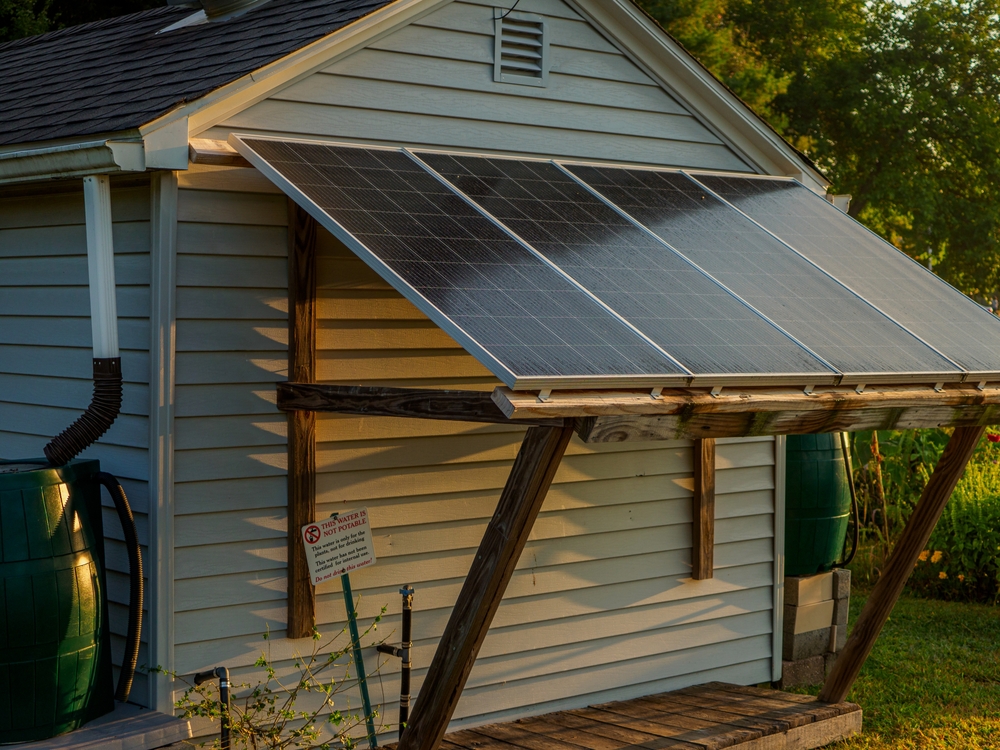
Yes, it is possible to integrate solar power with a graywater treatment system to enhance its efficiency and effectiveness.
Yes, graywater can be used for irrigating edible plants, but proper treatment and precautions are necessary to prevent contamination and ensure safety.
Yes, you can use graywater for irrigation during drought, but it's crucial to follow proper treatment and reuse guidelines to prevent waterborne diseases and en
Yes, graywater can be used to fill a pond or water feature, but it requires proper treatment and management to prevent water quality issues and potential health
Yes, greywater from washing machines can be safely reused in gardens, but it requires proper treatment and handling to minimize potential health risks and envir
Constructed wetlands for greywater treatment typically use freshwater, but some systems can tolerate saltwater levels of up to 1-2 parts per thousand (ppt) with
Yes, treated graywater can be used for indoor plants, but it's essential to follow proper treatment and reuse guidelines to ensure plant safety and water qualit
When designing a graywater system, common mistakes include under-sizing the system, failing to properly filter and treat the water, and inadequate consideration
A DIY reed bed for sewage graywater treatment can cost between $1,000 to $3,000, depending on the size and materials used, while a professional installation can
Constructed wetlands can provide a safe and beneficial habitat for local wildlife, increasing biodiversity and supporting native plant and animal species, espec
Constructed wetlands typically do not require electricity to remove contaminants from graywater, relying on natural processes such as microbial action and plant
Constructed Wetlands Require Regular Plant Replacement after 5-7 years.
Different soil types can affect constructed wetland performance, particularly in terms of water treatment efficiency and plant growth. Soil characteristics such
Native plants thrive better in constructed wetlands because they are adapted to the local climate and soil conditions, which leads to improved water filtration
Regulations for graywater systems differ significantly from state to state, with some states allowing use of graywater for irrigation, toilet flushing, and othe
Local regulations affect graywater system design by dictating the types of treatment systems allowed, the minimum required treatment standards, and any specific
Seasonal changes can impact the effectiveness of reed bed systems by altering temperature, precipitation, and water flow patterns, which in turn affect microbia
Graywater treatment systems can be affected by various weather conditions, such as heavy rainfall, drought, freezing temperatures, and intense sunlight.
Efficiency of water treatment in graywater systems is typically measured by the removal of various contaminants, such as bacteria, viruses, and nutrients. Commo
A reed bed system typically requires 1-2 square meters of surface area per person, assuming a moderate loading rate and adequate hydraulic retention time. This
Reed beds should be inspected every 6-12 months for optimal performance and to prevent clogging. This regular maintenance helps maintain water flow and ensures
Regular maintenance and proper design can prevent clogging in graywater systems, which often involve installing a filter or screen to catch debris before it rea
Calculate the volume of graywater generated by determining the number of people living on-site, average water usage per person, and accounting for shower, sink,
Choosing the right media for a reed bed filter involves considering the flow rate, water quality, and desired treatment outcomes, selecting materials with the o
Constructed wetlands designed for sewage graywater treatment can be prone to algae growth, which can negatively impact water quality and wetland function. To co
To determine the right flow rate for graywater, assess the water usage patterns and calculate the volume of wastewater generated, then apply a standard reductio
SHORTHAND_ANSWER: Effectively sizing pumps for graywater systems involves determining the required flow rate and head pressure, taking into account factors such
Ensure your graywater system meets local codes by inspecting the system's design and components, obtaining necessary permits, and conducting regular maintenance
To troubleshoot common issues in graywater systems, inspect the system for clogs, check for proper water flow, and verify that the graywater treatment process i
A filter is not strictly necessary for collecting graywater from showers, but it is highly recommended to minimize the risk of contamination and maintain water