02 — Pillar · Off-Grid
Expert guides and Q&A about timber frame cabins.
Q&A in this topic
60 total
Environmental regulations for timber frame cabins exist to protect water sources, prevent soil erosion, and preserve natural habitats. These regulations vary by
Insurance companies often view SIP panel cabins as high-risk structures due to their unique construction and potential for water damage or fire spread.
Yes, local building codes apply to off-grid cabins, and understanding these regulations is crucial for a successful project.
Yes, there are specific tools for creating joinery in timber frames, including hand tools like hand saws, chisels, and hand planes, as well as power tools like
Timber frame cabins can be more energy efficient than SIP panels due to their potential for better insulation and air tightness, but this largely depends on the
Timber frame cabins can be a highly sustainable option due to their potential for using locally sourced materials, reduced waste, and long lifespan. This approa
Timber frame cabins can be suitable for remote locations, but their construction and maintenance require careful consideration of factors such as local building
Timber frame cabins can be suitable for year-round living, but require careful design and insulation to maintain warmth and prevent moisture damage.
SIP panels offer several benefits for cabin construction, including improved insulation, reduced material waste, and faster construction times.
Best Insulation Options for SIP Panel Structures are rigid foam insulation, fiberglass batts, and recycled denim insulation, with rigid foam being the most effi
The best locations for off-grid timber frame cabins are areas with abundant sunlight, moderate temperatures, and proximity to natural water sources. These locat
Weatherproofing SIP panel structures for timber frame cabins involves sealing gaps and joints with high-quality sealants, ensuring proper flashing installation,
Sealing timber frame cabins against moisture requires a multi-layered approach, including air-tight sealing of gaps, proper flashing, and waterproof coatings. U
For timber frame joinery in cabins, the best types of wood are sustainably sourced, dense hardwoods like Douglas Fir, Hemlock, and Spruce, with a moisture conte
Reclaimed wood can be a suitable choice for a timber frame cabin, but it requires careful consideration of its durability, stability, and potential for insect d
SIP panels can be reused in future projects, but it's essential to properly disassemble, store, and transport them to prevent damage.
SIP panels can be used for multi-story timber frame cabins, but careful planning and execution are necessary to ensure structural integrity and efficiency.
SIP panels can help reduce heating costs in cabins by providing a high-performance thermal envelope, insulation, and structural integrity. This can lead to lowe
SIP panels can provide sufficient insulation in extreme cold, but their effectiveness depends on factors such as panel thickness, R-value, and installation qual
Timber frame cabins can be built in flood-prone areas, but they require careful design and planning to ensure they meet or exceed local building codes and regul
Timber frame cabins can be built on steep slopes, but careful planning, specialized foundation techniques, and adherence to local building codes are essential t
Yes, you can build a timber frame cabin off-grid, but it requires careful planning, specialized knowledge, and attention to detail to ensure energy efficiency,
Yes, it's possible to build a timber frame cabin without heavy machinery.
Combining timber frame and SIP construction techniques is technically feasible and can offer numerous benefits, including improved energy efficiency, reduced co
Yes, a skilled DIYer can successfully construct a SIP panel cabin, but requires careful planning, precise measurements, and attention to detail.
Hydronic heating can be installed in timber frame structures but it requires careful planning and execution to ensure compatibility with the wood-framed constru
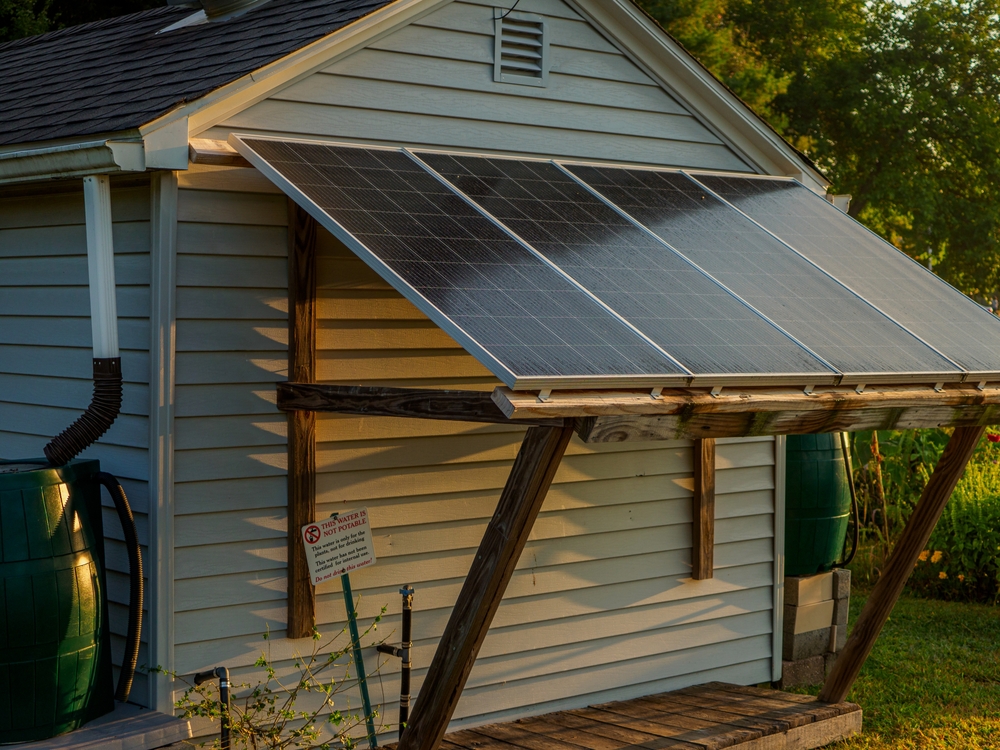
Yes, solar panels can be installed on a timber frame cabin roof, but proper planning and installation are crucial to ensure structural integrity and optimal ene
With proper training and equipment, homeowners can perform home repairs on a timber frame cabin, but it's essential to identify and respect the limitations of y
Yes, alternative fuels can be used to heat a timber frame cabin, with options such as wood pellets, propane, and biofuels offering efficient and environmentally
Yes, you can use timber frame techniques for garage sheds, offering a durable and visually appealing alternative to traditional building methods.
Challenges of Insulating a Timber Frame Cabin Properly include difficulties in achieving consistent thermal performance, air leaks around joints, and the potent
When it comes to choosing between timber frame and log cabins, the primary difference lies in their construction methods and material usage, with timber frame c
A 1,000 square foot timber frame cabin can cost between $50 to $150 per square foot, totaling $50,000 to $150,000, while an equivalent SIP panel cabin may cost
SIP panels provide a high level of fire resistance due to their unique design and materials, which can meet or exceed building codes in many regions.
While specialized contractors may be beneficial, SIP panel installation does not necessarily require them, as many builders and homeowners successfully install
Timber frame cabins can hold up against heavy snow loads, but their structural integrity depends on proper design, material selection, and snow load calculation
Timber frame cabins may require more maintenance than other types of cabins, particularly when it comes to ensuring the integrity of the wooden frame and the co
To build a timber frame cabin, essential tools include a circular saw, table saw, impact driver, drill press, miter saw, jigsaw, and a portable drill. Other cru
To maximize space in a small timber frame cabin, consider using vertical storage solutions, multi-functional furniture, and clever layout designs. This can help
Joinery styles significantly impact timber frame strength, with well-executed joints providing up to 30% more structural integrity. Poorly designed joints can r
Seasonal weather impacts timber frame construction by causing structural movement, drying shrinkage, and potential damage from extreme weather conditions like h
For a timber frame cabin, the ideal number of windows varies based on the cabin's size, climate, and orientation. A general rule of thumb is to use 10-20% of th
To avoid moisture problems in timber frame cabins, ensure proper ventilation, use breathable materials, and seal gaps and joints with a durable, water-resistant
When choosing the right joinery for load-bearing walls in timber frame cabins, consider the type of timber, the loads involved, and the desired aesthetic. Morti
When choosing a roof type for SIP panels in a timber frame cabin, consider factors such as load-bearing capacity, weather resistance, and aesthetic appeal. A ga
Choosing the right SIP (Structural Insulated Panel) thickness for your climate depends on the local temperature and humidity levels, with colder climates requir
Create an off-grid energy system for your cabin by installing a combination of solar panels, a battery bank, and a generator for backup power.
Design an efficient floor plan for a timber frame cabin by incorporating natural light, maximizing space, and prioritizing the flow of traffic. Consider the cab
Design an efficient roof for a timber frame cabin by using a 4:12 or 6:12 pitch, a minimum of 6 inches of insulation, and a rain screen system to ensure water m
To ensure proper load-bearing in timber frame systems, a thorough structural analysis must be conducted, considering factors like roof pitch, wall height, and w
Ensure structural stability in a timber frame cabin by using a strong foundation, proper framing techniques, and securing the roof with adequate bracing and she
Framing windows in timber structures requires precise cutting and fitting to ensure a watertight seal and structural integrity. A popular method involves using
Incorporating natural light in a timber frame cabin design can be achieved by strategically placing windows, using translucent materials, and carefully consider
Sustainable cabin construction involves using locally sourced, renewable materials, and minimizing waste generation. This can be achieved by using reclaimed or
Insulating a timber frame cabin for year-round comfort involves strategic use of materials and techniques to minimize heat loss and maintain a stable indoor cli
Maintaining a timber frame cabin over time involves regular inspections, scheduled maintenance, and addressing issues promptly to prevent costly repairs and ens
MANAGING WASTE DURING TIMBER FRAME CABIN CONSTRUCTION involves planning, segregation, and efficient disposal to minimize environmental impact.
Optimize interior layout in a timber frame cabin by creating a functional and harmonious space that complements the natural beauty of the structure. This can be
Prepare your site by clearing vegetation and debris, grading the land to ensure a stable foundation, and conducting a site survey to determine the optimal place
To protect your timber frame cabin from insects, use insect-resistant wood and seal gaps with caulk or spray foam. Install screens on windows and doors, and app