02 — Pillar · Off-Grid
Expert guides and Q&A about trail cameras security.
Q&A in this topic
60 total
Solar-powered trail cameras are worth the investment for those who need reliable, low-maintenance wildlife monitoring in remote areas with limited access to ele
Yes, there are trail cameras designed for off-grid use, specifically designed to operate on internal batteries or solar panels, often offering features such as
Trail cameras specifically for monitoring fences do exist, often referred to as 'fence cameras' or 'perimeter cameras', designed to detect livestock movement or
Trail cameras are generally legal for monitoring private property, but it depends on the specific laws and regulations in your area, and you should check with l
Trail cameras can be a valuable tool for monitoring private land and detecting potential poaching activity, providing visual evidence and real-time alerts.
Trail cameras with night vision are a valuable security tool for detecting and deterring wildlife and potential intruders, especially in remote areas with littl
Mobile app access for cellular trail cameras offers remote viewing, instant alert notifications, and easy image management, allowing users to monitor wildlife a
To effectively camouflage trail cameras, choose a location with natural cover, use camouflage materials like leaves, twigs, and branches, and experiment with di
Regularly inspect and clean trail cameras to ensure proper function, use weather-resistant enclosures, and secure cameras to prevent theft or tampering.
To monitor deer on your property, it's best to use at least 2-3 trail cameras with motion sensors, placed along food trails and water sources, and set to captur
The best time for scouting deer with trail cameras is typically during the peak breeding season, which usually occurs in the fall and early winter months, aroun
The best time to purchase trail cameras on sale is during the holiday season, specifically between Black Friday and Christmas, and during the off-season in late
The best time to set up trail cameras for security is typically during the cooler months, from late fall to early spring, when wildlife is more active and less
A trail camera can be an effective tool for detecting trespassing in rural areas, providing visual evidence of unauthorized individuals and allowing landowners
Cellular trail cameras can provide alerts for specific animals, allowing you to receive notifications when a target animal is detected.
Cellular trail cameras can send alerts to your phone via cellular network connectivity, allowing you to remotely monitor your camera's performance and receive n
Yes, you can monitor multiple cameras with a single cellular plan, but you'll need to consider data usage limits and plan compatibility.
Yes, you can use a trail camera to monitor bear activity, but choose models with high-quality images, motion detection, and weather-resistant designs to withsta
Yes, trail cameras can be used for fishing spot surveillance to monitor activity, detect potential threats, and track fish populations.
You can use trail cameras for monitoring backyards and gardens, providing a cost-effective and discreet way to keep an eye on your property.
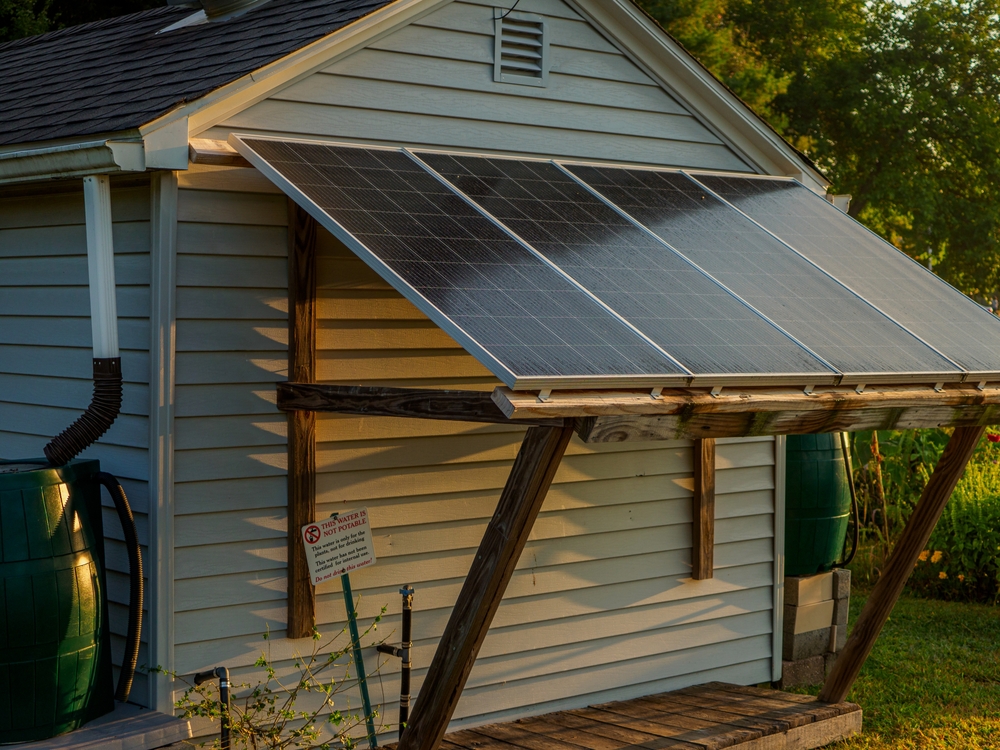
Trail cameras can indeed be integrated with solar power systems to enable continuous operation and data collection in remote areas.
Yes, many trail cameras can be programmed for different animal sensitivities, allowing you to adjust the camera's motion detection settings to capture images of
Yes, many trail cameras can be set up to record audio, but not all models offer this feature.
Trail cameras can be used for live streaming footage with the right equipment and setup.
Trail cameras can be used to monitor illegal dumping by providing a constant visual record of the area.
Trail cameras can be used to monitor livestock activity as long as they are equipped with the right features and strategically placed.
Trail cameras can capture videos and photos simultaneously, but the quality of each may vary depending on the model and settings.
Trail cameras can help identify invasive species on property by capturing images of the species and providing valuable insights into their behavior and habitat.
Trail cameras can help identify pest problems on property by capturing visual evidence of animal activity and behavior.
Trail cameras can improve hunting success rates by providing valuable insights into wildlife behavior, helping hunters identify patterns and make informed decis
Trail cameras can indeed help track seasonal animal patterns by capturing images and videos at set intervals, providing valuable insights into animal behavior,
Trail cameras can operate efficiently without a data plan, using only internal memory storage.
Trail cameras are generally designed to withstand extreme weather conditions, including temperatures ranging from -20°C to 45°C (-4°F to 113°F), but exposure to
Trail cameras can work in extreme cold temperatures, but their performance may be affected by the low temperatures.
Yes, wildlife can be trained to ignore trail cameras through consistent and predictable behavior, but the approach depends on the species and the specific camer
Trail cameras can be linked to home security systems through various methods, including wireless connectivity and powerline networking.
Trail cameras can be used for home security at night, but their effectiveness depends on various factors such as the camera's features, placement, and surroundi
Yes, trail cameras can be used to monitor trespassers, providing valuable evidence and allowing property owners to take necessary actions to deter future incide
Cellular trail cameras are better for security due to their real-time monitoring capabilities and instant alerts, providing faster response times and improved s
Cellular trail cameras are a viable option for remote monitoring, offering real-time footage and alerts, but they require a strong cellular signal and can be af
CELLULAR TRAIL CAMERAS GENERALLY HAVE LONGER DETECTION RANGES THAN TRADITIONAL WIRED OR BATTERY-POWERED MODELS. THIS IS DUE TO ADVANCED SENSORS AND TRANSMISSION
Cellular trail cameras typically do not require a subscription service, as they use cellular networks to send photos and videos to a user's phone or email, with
Deer may avoid areas with trail cameras, but the impact is generally small and depends on various factors such as camera placement, size, and surrounding enviro
Different animals exhibit varied responses to trail cameras, influenced by factors such as camera type, location, and animal species.
Different animals trigger trail camera motion sensors differently.
Infrared sensors can affect wildlife behavior around cameras, but the extent of the impact is often minimal and short-lived, and it's essential to consider came
OLDER TRAIL CAMERA MODELS STILL PERFORM WELL TODAY, BUT WITH LIMITATIONS.
Solar panels on trail cameras improve performance by extending battery life, allowing users to monitor their property for longer periods without the need for fr
Trail cameras do affect wildlife movement patterns, although the extent of this impact varies depending on camera placement and animal behavior.
Trail cameras do not require Wi-Fi for operation, but some models offer Wi-Fi connectivity for remote image transfer, camera settings, and alerts.
Trail cameras with GPS tracking can offer enhanced security features such as remote monitoring and location tracking, allowing users to stay informed about pote
Trail cameras often work effectively during the winter months, despite some limitations due to cold temperatures and reduced wildlife activity.
Trail cameras generally work effectively in rainy conditions, but their performance may be affected by extreme weather, such as heavy downpours or flooding. Mos
The quality of trail camera lenses significantly impacts image clarity, resolution, and low-light performance, affecting the overall effectiveness of the camera
For property monitoring, at least one trail camera is recommended, but ideally 2-3 cameras should be used to ensure comprehensive coverage, especially for large
Trail camera batteries should be changed every 6-12 months, depending on usage and environmental conditions. For average use, replace 8 AA batteries every 9-12
Check trail cameras for updates every 7 to 14 days, depending on your specific setup and camera model. This frequency allows for a balance between monitoring wi
Analyzing time-lapse photos from trail cameras effectively involves reviewing each frame to identify key events, using image processing software to enhance qual
Analyze trail camera footage for patterns by categorizing events into time of day, animal species, and human activity, then identify consistent occurrences to i
When choosing between infrared and flash trail cameras, consider the environment where the camera will be deployed, the need for stealth, and the desired range