02 — Pillar · Off-Grid
Expert guides and Q&A about water frost free hydrants.
Q&A in this topic
60 total
For seasonal water access, consider alternatives to frost-free hydrants such as Y-bib hydrants, frost-proof hydrants with insulated pipes, or seasonal shut-off
Frost-free hydrants are safe for drinking water, as they prevent freezing during winter months, but their safety also depends on the materials used in their con
Yes, there are alternatives to frost-free hydrants for water access, including freeze-proof hydrants, insulated hydrants, and snow-melt hydrants.
Yes, several brands are recommended for extreme climates, including Halsey Taylor and Apollo, which offer frost-free hydrants with features such as freeze-resis
Ideal locations for installing frost-free hydrants on sloped land include areas with a gentle slope of 1-3% to facilitate gravity-fed water flow, near the middl
To prevent freezing, bury a frost-free hydrant 12-18 inches deep, sloping the pipe downward at a 1-2% grade to ensure water flow, and use a frost-resistant valv
To mark the location of buried frost-free hydrants, use a combination of physical markers and GPS coordinates, and ensure that the markers are visible and durab
To winterize a frost-free hydrant, drain the water from the hydrant and its attached pipes, then add antifreeze or a non-toxic winterizing solution to prevent w
For frost-free hydrant installation and maintenance, you'll need a high-quality hydrant, a reliable backflow preventer, and a well-designed drainage system. A d
Burying a frost-free hydrant requires careful planning to prevent freezing and damage, typically involving a depth of 12-18 inches below the frost line, and a s
A frost-free hydrant can be connected to multiple water sources, but it requires proper setup and maintenance to ensure even water distribution and prevent free
A frost-free hydrant can function without a pump through gravity-fed systems or atmospheric pressure. These systems typically require a water storage tank at a
Yes, frost-free hydrants can be installed in clay soil conditions, but proper site preparation and drainage are essential to prevent waterlogging and equipment
While frost-free hydrants are designed to prevent freezing, they are not completely immune to damage from extreme cold. However, with proper maintenance and rep
Frost-free hydrants can be used for irrigation systems, but it's essential to select the right type and size for the specific application. These hydrants are de
Frost-free hydrants can still freeze in extremely cold weather, although their design helps to reduce the risk. The hydrant's freeze-protection mechanism often
Frost-free hydrants can potentially freeze in mild winter conditions if the temperature drops below the hydrant's freeze protection threshold.
Yes, you can connect a frost-free hydrant to a solar pump system, but proper sizing and configuration are crucial to ensure the system operates efficiently and
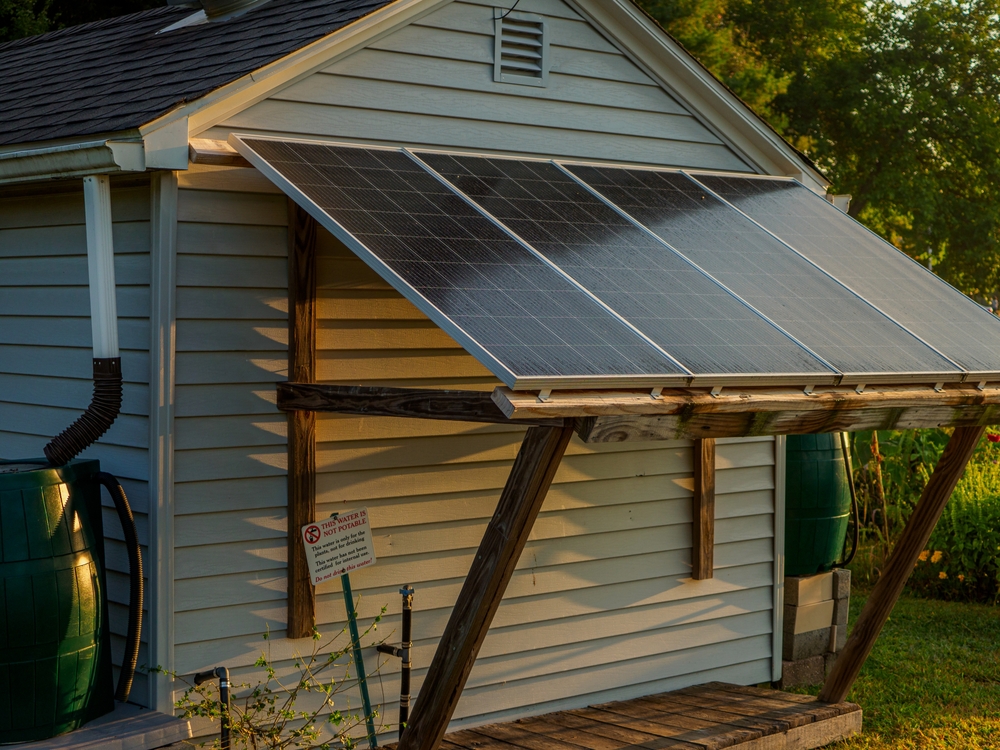
Yes, you can connect your frost-free hydrant to a rainwater collection system, but it's essential to ensure the system is designed to provide consistent water p
You can install a frost-free hydrant close to your house, but it's essential to ensure the underground piping is protected from freezing temperatures.
Yes, you can install a frost-free hydrant in frozen ground, but it requires a deeper excavation and a more complex installation process to ensure proper drainag
A frost-free hydrant can be installed near your garden, but it's essential to choose a hydrant that's compatible with your climate and plumbing system.
Yes, you can install multiple frost-free hydrants on your property. However, you'll need to consider factors like water pressure, flow rate, and hydrant spacing
Yes, you can use a frost-free hydrant for livestock watering, but it's essential to ensure the hydrant is designed for outdoor use and can withstand freezing te
A frost-free hydrant not draining properly can be caused by debris accumulation, improper installation, or insufficient drainage slope. Airlocks, clogged drain
Installing frost-free hydrants in rocky terrain presents challenges such as drilling through solid rock, ensuring adequate water flow, and preventing water free
When choosing between frost-free hydrants and traditional spigots, consider the climate, water usage, and desired convenience. Frost-free hydrants are ideal for
Many people assume frost-free hydrants are completely immune to freezing temperatures, but they can still be damaged by extreme cold, and regular maintenance is
Common signs of frost damage in hydrants include water leaks, frozen or cracked pipes, and visible ice or frost accumulation around the hydrant's valve and conn
Solar-powered frost-free hydrants are more convenient and require minimal maintenance, while manual frost-free hydrants are cost-effective but demand regular up
When selecting a frost-free hydrant for your climate, consider factors such as freezing temperatures, water usage, and installation requirements. A hydrant with
Frost-free hydrants and well water systems serve distinct purposes. Frost-free hydrants provide access to water for outdoor uses, such as irrigation and washing
Frost-free hydrants usually come with a warranty that covers defects in materials and workmanship for a specific period, typically ranging from 5 to 20 years. S
No, frost-free hydrants do not require electricity to function, they are designed to prevent freezing and bursting of pipes through the use of anti-freeze solut
Frost-free hydrants can work effectively in areas with fluctuating temperatures, but their performance is highly dependent on factors such as hydrant quality, i
It's likely that you'll need a permit for a frost-free hydrant installation, especially if it involves tapping into a municipal water supply or altering existin
Insulating a frost-free hydrant is recommended for winter use, but not required. The level of insulation needed depends on the hydrant's design, climate, and lo
The depth of frost can significantly affect hydrant performance, as it may cause the hydrant to freeze, leading to reduced or complete loss of functionality dur
A ground slope greater than 1% can significantly impact the functionality of frost-free hydrants, potentially causing ice buildup and reducing flow rates due to
When selecting frost-free hydrants, look for models that can withstand temperatures as low as -20°F (-29°C) and feature a freeze-resistant design, such as insul
Installing a frost-free hydrant requires essential tools such as a trenching shovel, pipe cutter, and Teflon tape to ensure secure connections and prevent water
Frost-free hydrants are susceptible to freezing temperatures, which can compromise their performance. Key factors influencing their performance in winter includ
Frost-Free Hydrant Advantages for Off-Grid Homes include reduced frost damage, minimized freezing risk, and year-round water availability, ensuring continuous a
Frost-free hydrants should be located at least 10 feet away from any structures or obstructions to allow for proper drainage, and in an area where snowmelt won'
In the United States, the International Association of Plumbing and Mechanical Officials (IAPMO) code requires frost-free hydrants for rural properties where th
Frost-free hydrants can effectively provide water for livestock year-round, especially in cold climates where traditional hydrants freeze. They work by using a
Recommended sizes for frost-free hydrants vary depending on the number of users, water pressure, and flow rate requirements. For a small household with low wate
Ground Conditions That Affect Frost-Free Hydrant Installation:
Fencing and landscaping can significantly impact the optimal placement of frost-free hydrants. To ensure accessibility and prevent damage, it's essential to con
Regional frost depths influence hydrant installation strategies by dictating the minimum depth required to protect against freezing temperatures, typically rang
Soil moisture level significantly impacts the performance of frost-free hydrants, as it affects the hydrant's ability to draw water and maintain a consistent te
Frost-free hydrants can be effective in areas with heavy snowfall, but they require proper installation and maintenance to function as intended. They work by ci
Frost-free hydrants should be tested for leaks every 3 to 5 years to ensure proper function and prevent water damage. Testing frequency may vary depending on us
Frost-free hydrants use an anti-frost valve that drains water from the hydrant during the winter months to prevent pipes from freezing. This is achieved through
The cost to install a frost-free hydrant can range from $1,500 to $6,000, depending on the material, location, and features.
Inspect your frost-free hydrant every 6-12 months, or at least once before each winter season, to ensure proper function and prevent water damage.
Choose a location for your frost-free hydrant where it's at least 10 feet away from any obstacles, and ideally in a spot that receives direct sunlight for at le
To create a reliable winter water system off-grid, consider installing a frost-free hydrant with an insulated connection to a buried water line, and ensure prop
To disassemble and reassemble a frost-free hydrant, first turn off the water supply, then disconnect the hose bib, and remove the frost-proof cap to access the
Clear snow away from frost-free hydrants by shoveling or blowing snow within 3-4 feet to ensure full exposure, ideally within 1-2 inches of the hydrant's frost-