02 — Pillar · Off-Grid
Expert guides and Q&A about water grey water reuse.
Q&A in this topic
60 total
Yes, there are several tests to ensure grey water is safe for reuse, including bacterial, viral, and chemical contaminant testing, as well as pH and turbidity m
Yes, there are safety risks associated with using grey water for plants if not properly treated and managed.
Yes, several plants thrive on grey water, including vegetables, fruits, and herbs, which can be used for irrigation after proper treatment and filtration.
A surge tank in a grey water system helps to reduce water hammer, allows for easy maintenance, and provides a buffer against variable flow rates, improving the
For constructing grey water reuse systems, the best materials include durable, corrosion-resistant pipes such as HDPE or PVC, and a robust storage tank like a f
Dispose of non-usable grey water by burying it at least 4 feet underground, away from water sources and sensitive ecosystems, or use it for irrigation and flush
For an off-grid setup, collect grey water from sinks, showers, and washing machines to supplement irrigation needs and reduce freshwater consumption. Use a simp
Grey water can be filtered for irrigation using a combination of physical, biological, and chemical methods. Pre-treatment typically involves sedimentation and
A Branched Drain System can work in cold climates, but it requires proper insulation and design to prevent freezing and ensure efficient operation.
Children can participate in grey water system maintenance with adult supervision, but their involvement should be limited to tasks that are safe and easy for th
Grey water can affect soil pH levels over time. This is due to the presence of dissolved minerals and salts that can leach into the soil. Over extended periods,
Grey water can be used for flower gardens, but it requires proper treatment and handling to prevent waterborne diseases and pests.
Grey water can contribute to plant nutrient needs by providing essential micronutrients and macronutrients, including nitrogen, phosphorus, and potassium, depen
Grey water systems can be integrated with aquaponics to reduce water waste and create a self-sustaining ecosystem. This integration involves using grey water, w
Grey water systems can fail during heavy rain due to the increased water volume and pressure that can overwhelm the system's capacity and cause pipes to burst.
Implementing a grey water system can significantly reduce household water bills, potentially saving up to 30% or more on average water consumption. This is achi
Grey water systems can significantly help sustain plants during drought by utilizing treated wastewater from sinks, showers, and washing machines. This approach
Grey Water Systems can significantly reduce potable water consumption, helping alleviate water shortages.
Grey water systems can increase soil fertility by reusing wastewater from sinks, showers, and washing machines to irrigate plants, reducing the need for synthet
Yes, multi-family homes can share a grey water system, but it requires careful planning and design to ensure safe and efficient reuse of the water.
Rainwater and greywater can be mixed for irrigation, but it is crucial to consider their different characteristics and potential contaminants.
Yes, existing systems can be adapted for grey water reuse, but it's crucial to assess the infrastructure and water quality to ensure safe and efficient reuse.
Yes, it's possible to build a mobile grey water system, which can be used for irrigation or flushing toilets in remote areas or emergency situations.
Combining rainwater harvesting with grey water recycling is a viable and effective way to reduce water consumption and reliance on municipal supplies. This appr
It is possible to install a grey water system without professional help, but it requires a solid understanding of the necessary components, local regulations, a
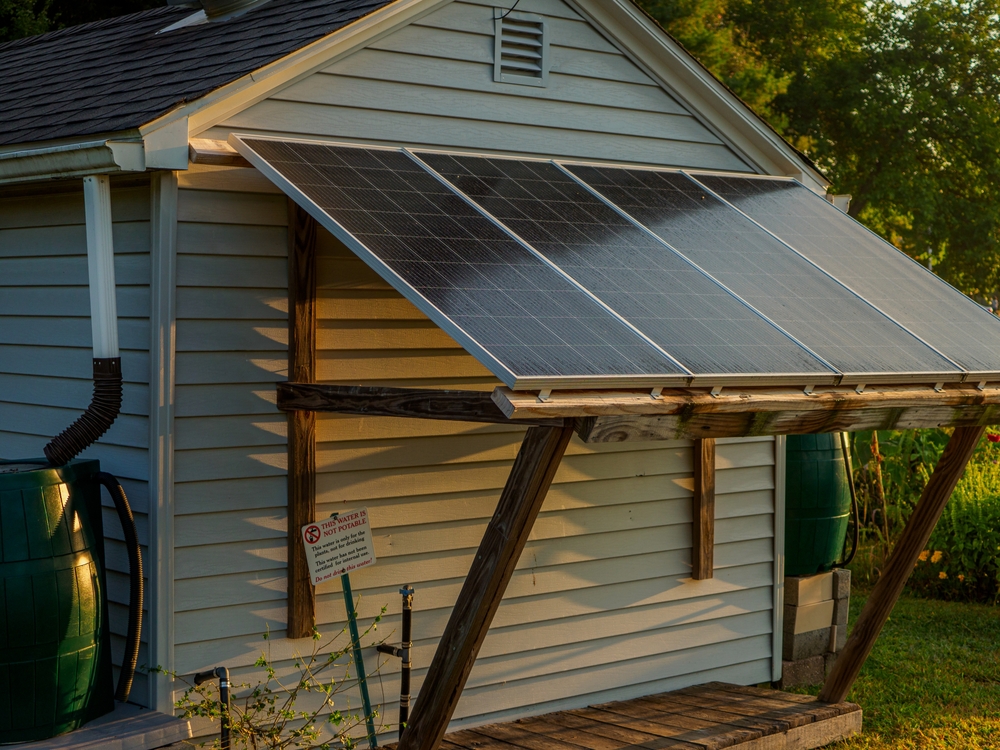
Yes, solar power can be integrated into grey water systems to enhance the efficiency and reliability of the system.
Yes, you can reuse grey water during a drought, but it's essential to follow proper treatment and handling procedures to prevent waterborne illnesses and ensure
Using bath water for irrigating vegetables can be a viable option with proper treatment and handling to prevent soil contamination and vegetable disease.
Grey water can be used for irrigating orchards, but it requires proper treatment and management to prevent water-borne diseases and root rot in plants.
Grey water from sinks, showers, and washing machines can be safely reused for lawns without causing harm, provided it is treated and tested before application.
Grey water from the kitchen can be used for irrigation, but it requires proper treatment and handling to prevent contamination and health risks.
Using grey water in regions with strict water regulations is highly unlikely due to the strict water treatment and disposal requirements in these areas, but loc
Yes, you can use grey water on lawns without dilution, but it's crucial to ensure the water is suitable for irrigation and to follow specific guidelines to prev
SHOWER WATER FOR IRRIGATION: Yes, you can use shower water for irrigating fruit trees, but it's essential to ensure the water is suitable and properly treated t
Common signs of a failing grey water system include slow draining, unpleasant odors, increased mosquito populations, and visible signs of leakage or erosion aro
A professional installation of a grey water system can cost between $10,000 to $30,000, while a DIY setup can range from $1,000 to $5,000. The cost difference i
Grey water systems do need backflow prevention to prevent contamination of potable water supply and protect public health.
Grey water systems require regular maintenance to ensure proper functioning and prevent contamination, which can be achieved through routine checks and cleaning
LOCAL CODES ALLOW GREY WATER USE FOR IRRIGATION ONLY IF PROPERLY INSTALLED AND MAINTAINED, AND FOLLOW LOCAL REGULATIONS.
Separate pipes for grey water systems are recommended but not strictly necessary. Typically, a 1-2 inch diameter pipe is sufficient for grey water distribution,
The filtration level of grey water significantly affects the quality and safety of grey water irrigation for crops, and proper filtration is crucial to prevent
Grey water use requires some adaptation in gardening techniques to ensure healthy plant growth and prevent potential harm to soil and ecosystem. However, with p
Temperature of Grey Water Affects Plant Growth, with optimal growth between 15°C to 25°C (59°F to 77°F), and higher temperatures potentially leading to reduced
Using grey water can have a positive impact on crop yields, as it reduces the need for potable water and can provide essential nutrients to plants.
Grey water regulations vary by location, but homeowners should understand the basics of grey water reuse systems to ensure compliance and efficient water conser
Plants tend to react similarly to grey water and fresh water in terms of nutrient uptake, but grey water can contain higher levels of contaminants that may affe
Temperature changes can affect the bacterial growth and treatment efficiency in grey water systems, potentially leading to contamination and health risks. Freez
Grey water can significantly alter soil texture over time by introducing organic matter and salts, leading to increased cation exchange capacity and potentially
Soil type significantly affects grey water absorption, with clay soils typically absorbing more than sandy soils due to their higher water-holding capacity. How
Household grey water can be reused for irrigation, toilet flushing, and other non-potable purposes, typically up to 50-75% of total household water usage, depen
Grey water systems should be inspected at least every 6 to 12 months to ensure proper function and prevent potential health risks.
For optimal performance, it's recommended to change filters in grey water systems every 6-12 months, depending on usage and system design. Regular filter mainte
To assess the quality of grey water for plants, test for pH, salinity, and coliform bacteria, and consider factors like flow rate, temperature, and nutrient lev
To calculate water needs for grey water irrigation, multiply the daily water usage by a reuse factor, typically 50-75%, depending on the grey water source and c
DESIGN A GREY WATER SYSTEM FOR A TINY HOME BY ROUTING WASHBASIN AND SHOWER WATER TO A SEPARATE TANK AND USING A SUBMERSIBLE PUMP TO DISTRIBUTE IT TO A DECANTER
Educate your family on safe grey water use by explaining the importance of proper treatment and handling, demonstrating simple filtration methods, and setting c
Educate neighbors about grey water use by explaining the benefits of reusing water, such as reducing the amount of wastewater entering municipal systems and con
Grey water systems can be efficiently incorporated into permaculture by utilizing natural processes and minimal infrastructure to reuse and recycle water from s
To maintain a branched drain grey water system, regularly inspect and clean the drain lines, check for blockages, and ensure proper slope for gravity-fed flow.
Maximize water efficiency with grey water by implementing a closed-loop system that collects and treats wastewater from sinks, showers, and washing machines, th