02 — Pillar · Off-Grid
Expert guides and Q&A about water gutter systems.
Q&A in this topic
60 total
Instead of traditional gutters, consider using a drip edge, a fascia board, or a French drain system for rainwater collection. These alternatives can effectivel
A first-flush diverter offers several advantages, including improved water quality, reduced maintenance, and enhanced system longevity by preventing debris and
Plastic rain barrels can be prone to cracking, fading, and potential leakage, especially when exposed to direct sunlight and extreme temperatures.
Eco-friendly options for rainwater tank materials include concrete, fiberglass, and BPA-free plastic tanks, as well as those made from recycled and sustainably
Yes, there are grants available for rainwater harvesting projects, including those related to water gutter systems, that can help offset costs and promote susta
Regulations for rainwater collection vary by state, but many have established guidelines to ensure public health and safety. These regulations often dictate the
Yes, several brands of leaf guards are known for their durability, including LeafGuard, Gutter Helmet, and Master Shield. These brands offer long-lasting protec
Specific gutter designs can enhance rainwater flow by using features such as rounded edges, smooth transitions, and strategically placed outlets to reduce turbu
Warranty options for gutter leaf guards vary but many manufacturers offer 20-30 year warranties on their products, with some offering labor warranties for insta
Using a rain barrel over a cistern provides several benefits, including lower upfront costs, ease of installation, and the ability to collect and store rainwate
For off-grid homeowners, the best gutter cleaning tools include a combination of a ladder, scoop, and blower, specifically a 8-12 foot aluminum ladder, a 1-quar
For a DIY rainwater collection system, the best materials are food-grade PVC or HDPE tanks, 1/2\
Place gutters under the downspouts of your roof, ideally where the roof's slope is steepest, to maximize rainwater collection. This location allows for the most
When adding bulk storage for collected rainwater, use a food-grade, 1,000-gallon or larger tank with a UV-resistant liner, and ensure it's elevated 1-2 feet abo
Connect gutters to rain barrels using 1-2 inch diameter Schedule 40 PVC pipe, ensuring a secure and watertight connection with a gasket or rubber washer. Use a
For steep roofs, use a gutter system with a minimum of 2-3 inches of free flow space between the back of the gutter and the roof edge, and consider installing a
Regularly inspect gutters and downspouts for debris, clean or replace them as needed, and ensure proper slope to prevent water accumulation. Maintain a clean an
Best types of gutters for effective rainwater collection are those made from durable, waterproof, and easy-to-clean materials that can handle high water volumes
A calibrated rain gauge and a collection tank with a measurement scale are the best tools for measuring rainwater collected during a storm. This setup allows fo
Yes, children can help with rainwater collection maintenance, making it a great way to teach them about sustainability and responsibility.
Collected rainwater can be used in household plumbing, but it requires proper filtration and treatment to meet drinking water standards and ensure safety.
Community rainwater collection systems can be effective, providing a reliable source of clean water for drinking, irrigation, and other household needs.
Heavy snow can affect the efficiency of rainwater collection by blocking or clogging water gutter systems, reducing the amount of water that can be collected. T
Yes, you can collect rainwater from an asphalt roof, but it requires a specific setup to prevent contamination and ensure water quality.
Yes, you can collect rainwater in a dry climate, but the amount collected may be limited by the region's low precipitation levels.
Yes, you can connect multiple rain barrels together, which is often referred to as a rainwater harvesting system. This setup can increase storage capacity and p
You can connect your rainwater system to your landscaping, but you'll need to ensure the water is treated and filtered to prevent contamination and disease tran
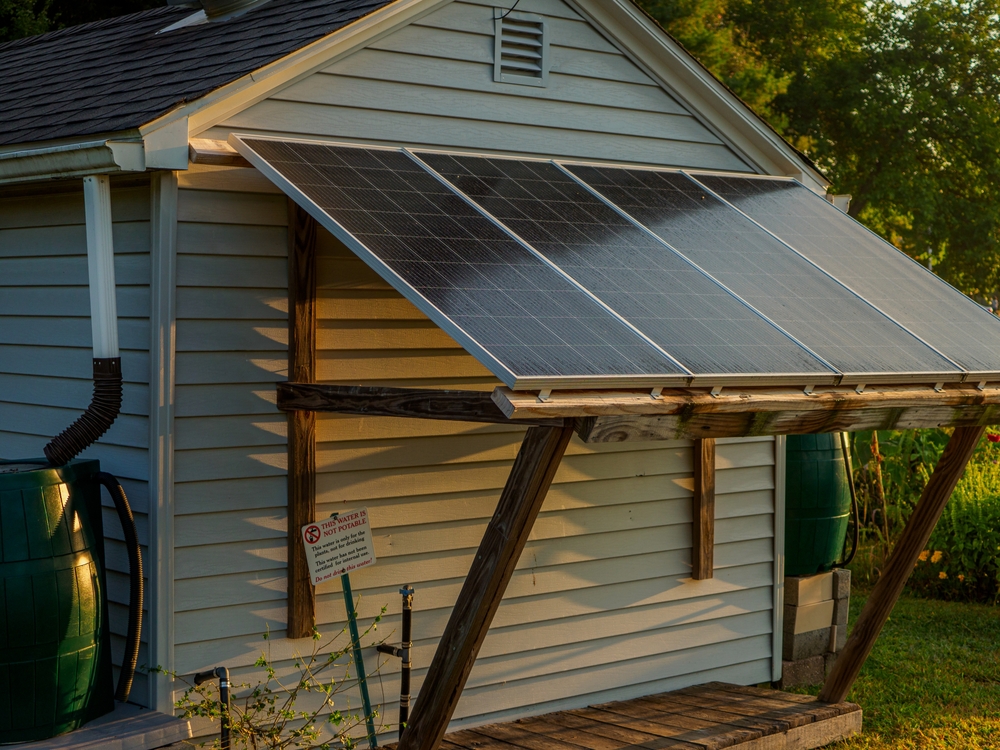
You can incorporate solar power into your rainwater system by using a solar-powered pump to move water from the collection tank to a filtration system or for ir
Yes, you can install rainwater collection systems yourself with proper planning, equipment, and execution.
Yes, you can install a rainwater system in a mobile home, but it's essential to ensure that the system is properly sized and designed to handle the unique deman
Yes, you can use rainwater for flushing toilets, but make sure it's collected properly and treated to meet safety standards.
While rainwater is generally safe for gardening without filtration, it may contain contaminants like roof runoff, leaves, and debris that can harm plants. A sim
It is generally not recommended to use rainwater for showering without treatment, as it can contain pollutants, bacteria, and other contaminants that can cause
Rainwater from gutters can be used for drinking if properly filtered and treated, but it may contain contaminants such as leaves, debris, and potential roof-lea
Yes, you can use rainwater systems in areas with low rainfall, but the system must be designed to capture and store as much water as possible, even during perio
Rainwater can be used for irrigation without treatment under certain conditions, such as when it is collected from a rooftop with a gutter system and used immed
Rainwater collection systems can be used year-round with proper planning, maintenance, and considerations for seasonal demands.
Yes, rainwater collection systems can freeze in winter if the water inside the collection tank or pipes is not properly protected. This can lead to damage to th
Yes, rainwater collection systems can increase property value by providing a sustainable and eco-friendly feature that attracts environmentally conscious buyers
Yes, rainwater systems can be adapted for livestock use by incorporating additional filtration and storage systems to ensure clean and safe drinking water for a
To build a cost-effective rainwater collection system, consider using a gutter system with a 1/4 inch slope to direct water into a large storage tank, and insta
You need a pump for your rainwater harvesting system if the rainwater collection tank is elevated or if the system requires a flow rate beyond what gravity can
To determine if you need a special permit for rainwater collection in your area, contact your local government or public works department to inquire about speci
Leaf guards reduce the likelihood of roof damage by preventing debris from clogging gutters and downspouts, which can lead to water accumulation and subsequent
Leaf guards can reduce the need for gutter cleaning by up to 75% by preventing debris from entering the gutters. They work by filtering out leaves and other con
Rainwater harvesting systems may require a filtration system to remove debris, sediments, and contaminants from the collected water, depending on the roof mater
A gutter slope of 1-2% is recommended for optimal rainwater collection efficiency, as it helps prevent water from flowing back into the downspout and allows for
Rainwater generally tastes neutral, lacking the additives and contaminants found in municipal water. However, it may have a slightly earthy or mineral taste due
Gutter mesh offers better protection than leaf guards due to its ability to catch debris before it enters the gutter, preventing clogs and damage to the system.
Leaf guards generally perform well in winter weather, protecting gutters from debris and ice dams, but their effectiveness may vary depending on the material an
The gutter design can have a significant impact on the quality of rainwater, with poorly designed gutters potentially introducing contaminants and debris into t
Roof runoff can contain pollutants, sediment, and debris that affect rainwater quality, potentially making it unsuitable for drinking or irrigation without prop
Seasonal weather impacts rainwater collection efficiency by affecting the amount of precipitation, temperature, and wind, which can clog gutters, reduce water f
A roof's type and condition significantly impact the efficiency and effectiveness of rainwater harvesting systems, with smooth, impermeable surfaces like metal
Leaf guards can provide moderate protection against heavy rain, but their effectiveness depends on the design, material, and installation quality. They can redu
Clean your rainwater system every 6-12 months to maintain optimal water quality and prevent clogging.
Inspect your rainwater collection setup at least twice a year, during spring and fall, to prevent debris buildup and maintain water quality.
To calculate storage capacity for rainwater tanks, consider the roof catchment area, rainfall intensity, and intended use. Divide the roof area by 4,500 square
Calculate the right size for your rainwater storage tank by estimating your annual rainfall, determining the roof catchment area, and accounting for water usage
Choose a location for gutters that is at least 12 inches below the roof's lowest point to ensure proper water flow, and ideally, near a downspout for easy insta