02 — Pillar · Off-Grid
Expert guides and Q&A about water rainwater harvesting.
Q&A in this topic
60 total
Above-ground storage tanks are indeed more vulnerable to contaminants due to their exposed nature, which can lead to bacterial and particulate contamination fro
Modular rainwater systems are ideal for small spaces due to their compact design, flexibility, and reduced installation complexity. They can be easily integrate
Yes, there are grants and incentives available for rainwater harvesting systems. These programs vary by country and state, but often provide financial assistanc
Yes, there are risks of contaminants in harvested rainwater, including heavy metals, bacteria, viruses, and other pollutants that can enter the water through va
Large scale rainwater systems require specific design considerations, including larger collection areas, greater storage capacity, and more sophisticated filtra
Yes, there are specific filters designed for first flush systems, which allow clean water to flow while diverting the dirty or contaminated water from the roof
Benefits of Off-Grid Rainwater Systems for Remote Living include reduced reliance on external water sources, lower energy costs, and increased food security thr
Short Answer: For optimal rainwater collection, position tanks near downspouts and ideally at a lower elevation than the roof to reduce water pressure and flow.
For a rainwater harvesting system, the best materials are durable, non-toxic, and resistant to corrosion. Galvanized steel, stainless steel, and food-grade plas
To effectively disinfect stored rainwater, use a UV-C light with a dose of 30mJ/cm² or greater, or add 1-2 ppm of chlorine and let it sit for 30 minutes. This w
Implementing best practices for filtration in rainwater systems involves using multiple stages of treatment, including coarse filter, sediment filter, and activ
RAINWATER HARVESTING IN LANDSCAPING BEST PRACTICES: Implementing efficient rainwater collection systems, directing water flow through permeable landscapes, and
For effective rainwater filtration, install a first flush device to divert debris and contaminants, then use a sediment filter with a 150-micron rating, followe
For moving rainwater to storage tanks, the best pumps are typically submersible or surface-mounted models with a high flow rate, such as the Ebara 2-inch submer
For small properties, effective rainwater harvesting systems can be achieved with a combination of simple, affordable methods, such as rooftop collection and st
Yes, you can combine rainwater harvesting with other water sources, such as wells, springs, or municipal water supplies, to create a comprehensive and sustainab
Yes, you can install a rainwater system without professional help, but it requires careful planning, proper knowledge, and a bit of DIY expertise.
Yes, you can use a first flush device with a rain barrel to prevent debris and contaminants from entering the storage tank.
Yes, you can use a rain barrel in urban areas to collect and store rainwater for non-potable uses like watering plants and washing cars.
Yes, you can use rainwater for filling swimming pools, but it requires proper collection, storage, and treatment to ensure safety and quality.
A rainwater collection system can be installed DIY with proper planning and execution, saving homeowners money and increasing their self-sufficiency. However, i
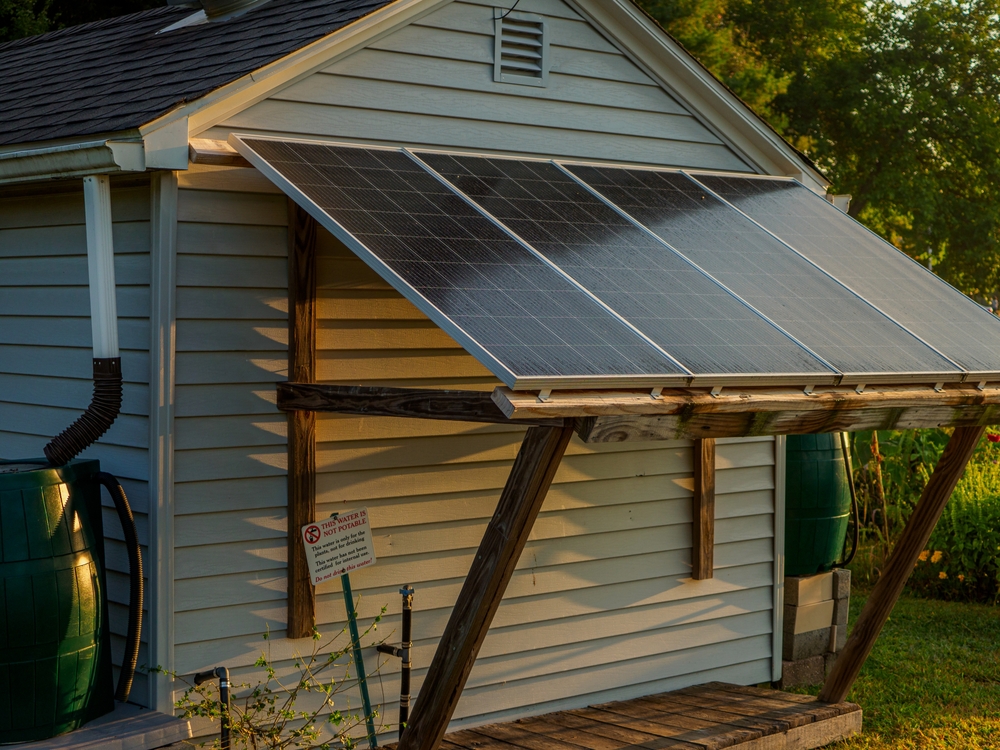
SHOR_ANSWER: Yes, rainwater collection systems can be integrated with solar power to create a sustainable and self-sufficient off-grid water supply. This combin
Rainwater harvesting can be integrated into a greywater system, allowing for a dual-water management approach that maximizes water conservation and reduces wate
Rainwater harvesting can significantly contribute to water conservation efforts by reducing the amount of potable water used for non-potable purposes, such as f
Yes, rainwater harvesting systems can significantly benefit local wildlife by reducing stormwater runoff, providing a natural water source, and creating habitat
Yes, rainwater harvesting systems can work in conjunction with solar energy to optimize collection, filtration, and storage of rainwater for various uses, enhan
When choosing a location for storage tanks, ideal conditions include being near the water source, out of direct sunlight, and away from potential flood zones to
A cistern is generally a more suitable storage option for rainwater harvesting due to its larger capacity and ability to handle higher water volumes, making it
Rainwater harvesting techniques vary in their effectiveness, but the most reliable method involves integrating a first flush device with a storage tank.
Whether or not you need a permit for installing a rainwater system varies by jurisdiction, so it's essential to check with your local authorities. Typically, yo
Yes, local regulations impact rainwater harvesting systems, often requiring permits and inspections to ensure compliance with health and safety standards.
Rainwater tanks do require regular maintenance and cleaning to ensure the quality and purity of the stored water.
Rainwater harvesting can significantly reduce utility bills by providing an alternative source of water for non-potable uses such as flushing toilets, washing m
Rainwater has a significantly higher nutrient content compared to well water, particularly in terms of dissolved minerals and particulate matter. This is due to
Using rainwater collection systems is an effective emergency preparedness strategy for survival. It allows individuals to have a reliable source of clean drinki
Rainwater can be a reliable source for drinking water in emergency scenarios, but proper treatment and filtration are crucial to remove contaminants and pathoge
Factors influencing rainwater quality are crucial to consider for safe consumption and proper use in off-grid settings. Rainwater quality can be affected by var
MOST EFFECTIVE FIRST FLUSH DESIGN OPTION IS THE VENTURI TUBE WITH AN AUTOMATIC SHUT-OFF VALVE, WHICH CAN REMOVE UP TO 90% OF CONTAMINANTS AND DEBRIS FROM THE RO
First Flush Diverter Placement should be at the roof edge, ideally 6-12 inches from the gutter downspout, to capture the first flow of water and divert it away
First Flush Diverters improve water quality by capturing and removing debris, sediment, and contaminants that accumulate in the roof catchment area, allowing cl
First Flush Systems are not always necessary but are highly recommended for rainwater collection systems to prevent contamination from debris and pollutants car
First flush devices are not optional for homeowners who want to maintain the quality of their harvested rainwater. They are a crucial component of any rainwater
Different roof materials can significantly affect the quality of collected rainwater, with some materials releasing contaminants and pollutants into the water.
Rainwater can be safely stored for up to 6 months, after which bacteria and algae growth may pose health risks. The storage system must be properly maintained,
The amount of rainwater a household can collect annually depends on their location, roof size, and collection system efficiency. In regions with average annual
A 55-gallon rain barrel can store approximately 210 gallons of water in a 1-inch rainfall event, or about 420 gallons in a 2-inch event, assuming a 100% collect
Test harvested rainwater quality every 3 to 6 months, and after major changes in roof or gutters, as well as during periods of heavy rainfall or nearby construc
Assess the quality of collected rainwater by checking for contaminants, pH levels, and turbidity, using tools such as pH test strips, a turbidity tube, or a por
To calculate rain harvesting potential based on roof size, multiply the roof area by the average annual rainfall, then account for losses due to evaporation and
To calculate rainwater storage needs for a family, consider the household's average water consumption, the amount of rainfall in your area, and a safety margin
Designing a rainwater harvesting system for large properties involves identifying and sizing the storage tanks, selecting the most suitable collection surfaces,
First, ensure the rainwater collection surface is clean and free of debris. Use a 1:100 dilution of bleach to disinfect the collection surface before the first
Evaluating an existing rainwater harvesting system involves assessing its collection, storage, treatment, and distribution components to identify areas for impr
Regularly inspect and clean your rainwater collection system to ensure it remains free of debris and contaminants, and maintain the integrity of the roof catchm
To manage evaporation losses in rainwater storage, cover the storage tank, use a floating intake valve, and install a first flush device. This helps prevent eva
To maximize rainwater collection in arid regions, it is essential to install a large, efficient roof catchment system, utilize first flush devices, and incorpor
Preventing mosquito breeding in rainwater tanks involves implementing measures to eliminate standing water, using mosquito-proof covers or screens, and ensuring
Utilize rainwater for outdoor showers by installing a rainwater harvesting system, which collects and stores rainwater for irrigation and other non-potable uses
Winterizing Your Rainwater Harvesting System involves several steps to prevent freezing and damage to your system.
Ideal Roof Types for Efficient Rainwater Harvesting can be achieved with roofs that are flat, slightly pitched or steeply pitched, and preferably made of materi